


Free written scope consultation - allowances, timeline, and change-order rules on paper before a single trade is scheduled
Quikrete Driveway & Pavers: The Homestead Owner’s Guide
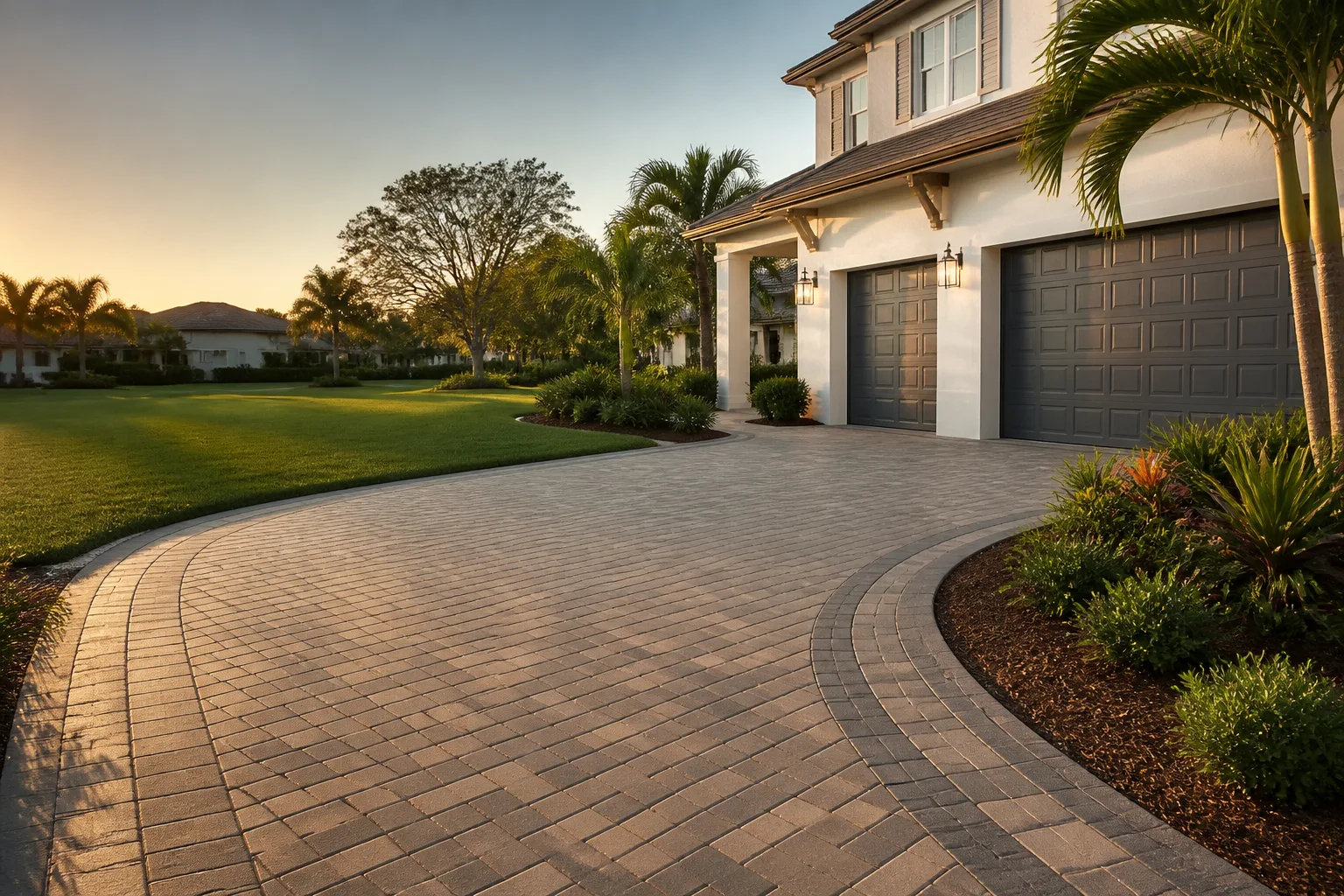
We install Quikrete-compatible driveway and paver systems across Homestead, and a full paver driveway typically runs $7,000 – $18,000 installed, with concrete at $4,500 – $12,000. Quikrete is a bagged-material brand, not a paver manufacturer, so the “part” in your case is almost always a mix, jointing sand, or bonding adhesive that has failed under a driveway that was built with it. Owners usually find out the same way: a joint opens a quarter inch after a wet season, sand washes into the swale, and pavers start rocking when you walk the edge.
Which Quikrete Models This Applies To
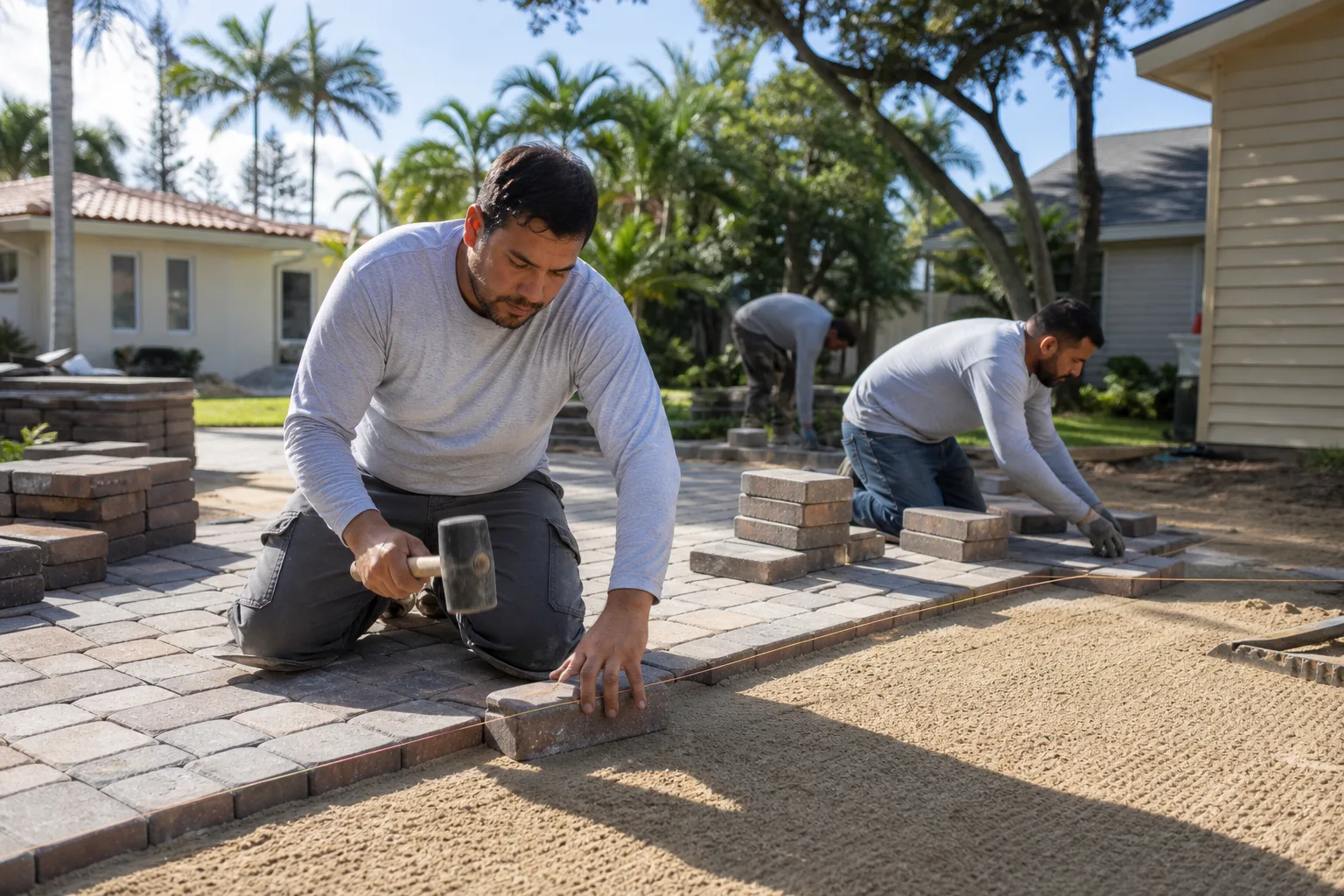
Quikrete’s driveway and paver line breaks into three families you’ll actually meet on a Homestead property: bagged concrete mixes (Concrete Mix, Sand/Topping Mix, Crack-Resistant Concrete), jointing and polymeric sands (PowerLoc Jointing Sand, PowerLoc MAX), and bonding adhesives (Concrete Bonding Adhesive, Polyurethane Construction Adhesive). Identifying which is under your driveway starts with the label on the bag if the installer left one, and otherwise with measurement: polymeric sand has a slight give when you press a screwdriver into a joint, plain washed sand moves freely, and a failed adhesive shows as a brittle, chalky skim coat under a lifted paver.
Quikrete sold its packaged concrete business, so bags you buy today come from a different parent company than bags from five years ago, and the mix formulations shifted with it. That matters when you’re matching a patch to an existing slab: a 5000 psi Crack-Resistant bag is not the same repair material as the older 4000 psi High-Strength mix, and pouring one against the other can leave a visible seam and a cold joint that cracks within two seasons. For pavers, PowerLoc MAX is the current spec for joints wider than 1 inch, but standard PowerLoc is what most Homestead driveways were built with and it’s the right match for 1/8 to 1/4 inch joints when you’re spot-repairing rather than rebuilding.
The OEM-versus-aftermarket decision here is simpler than it is on a machine part. Quikrete’s sand and adhesive are commodity chemistry, and we’ve had good results with equivalent polymeric sands and construction adhesives from other brands when the Quikrete SKU is unavailable. What we don’t substitute is cement content in a structural repair: no “just add water” bag gets swapped for anything without reading the strength rating. Rowan Construction Group Homestead is an independent construction contractor and is not affiliated with Quikrete; we work with the brand as a material we install and repair.
Styles & brands we work with
- Kitchen remodeling
- Bathroom remodeling
- Home additions & ADU
- Roofing
- Windows & doors
- Driveway & pavers
- Fence
Signs Your Quikrete Driveway & Pavers Is Failing
- Joint sand washing out after rain. South Florida’s summer downpours are the test that polymeric sand either passes or doesn’t, and a failed bond shows as sand collecting at the driveway lip. The cause is usually an under-filled joint or a joint that was wet too early during installation.
- Pavers rocking or sinking at the edges. This means the base layer under the bedding sand has lost compaction, often where a downspout dumps onto the driveway. Sand alone can’t fix it; the base has to be re-graded.
- Hairline cracks in a Quikrete-patched apron or edge. Cracks that reappear in the same place within a year point to a cold joint or an under-mixed batch. The mix wasn’t the problem, the pour preparation was.
- Efflorescence, the white powdery bloom on concrete. Common in Homestead’s humid climate, especially on newer pours. It’s moisture pushing mineral salts to the surface, and it’s treatable but tells you water is still moving through the slab.
- Loose pavers lifting at the corner of the drive. Usually the adhesive or edge restraint has failed, not the paver itself. Vehicle tires hitting a flex point will pop the bond in one season if the edge isn’t re-set.
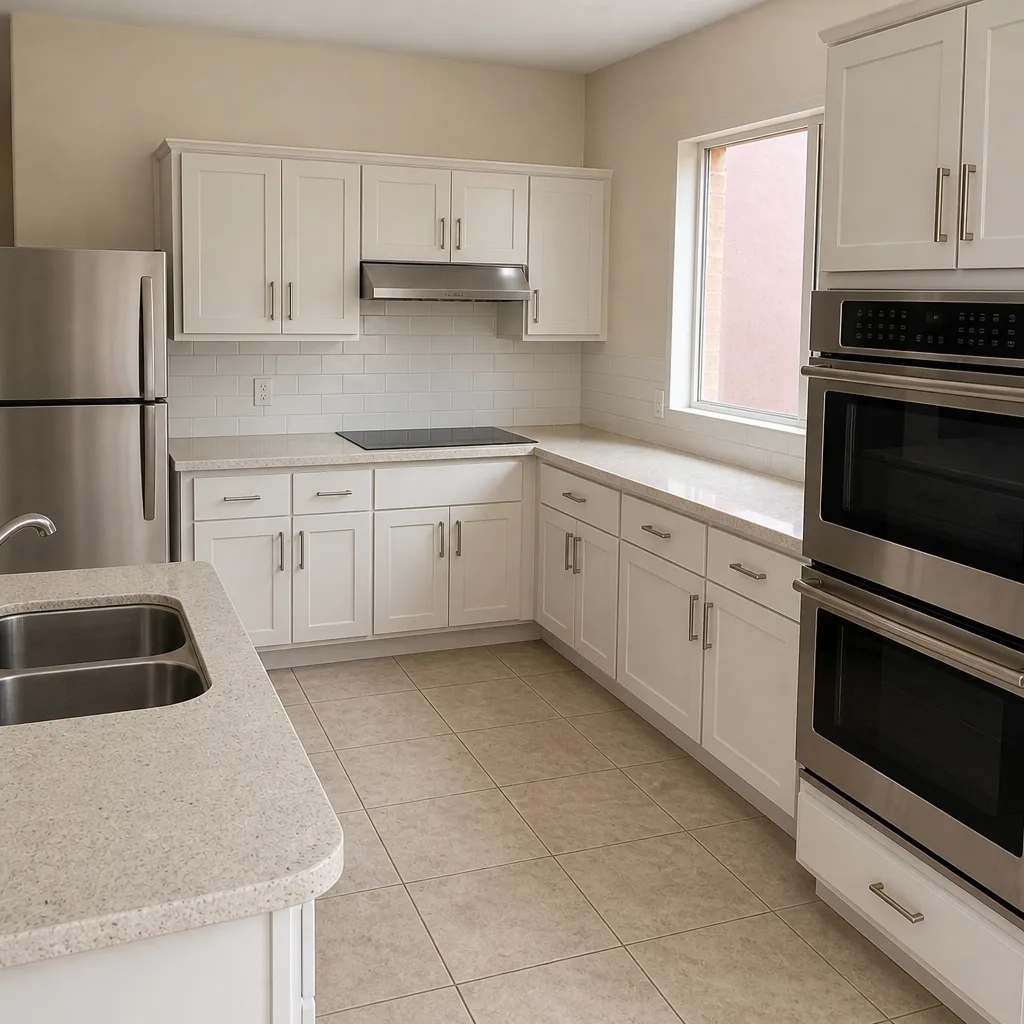
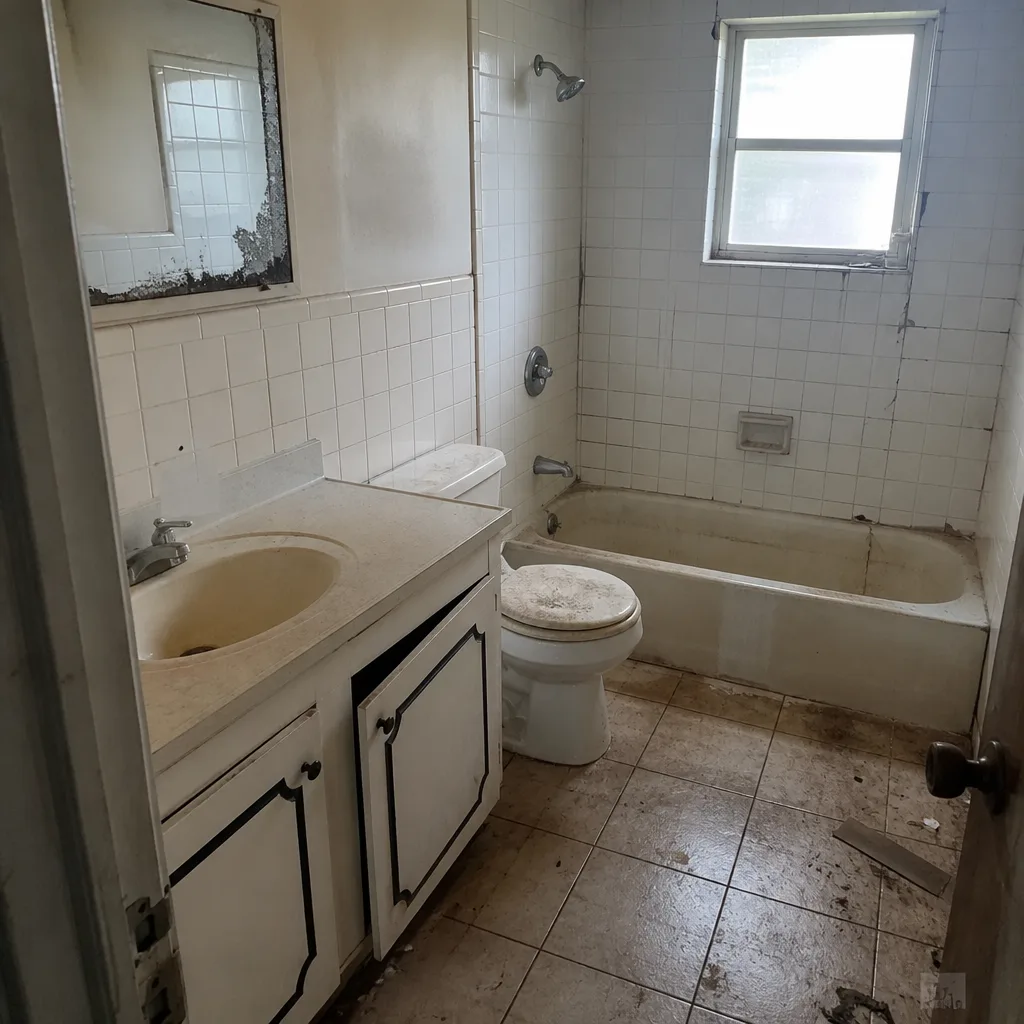
See the difference
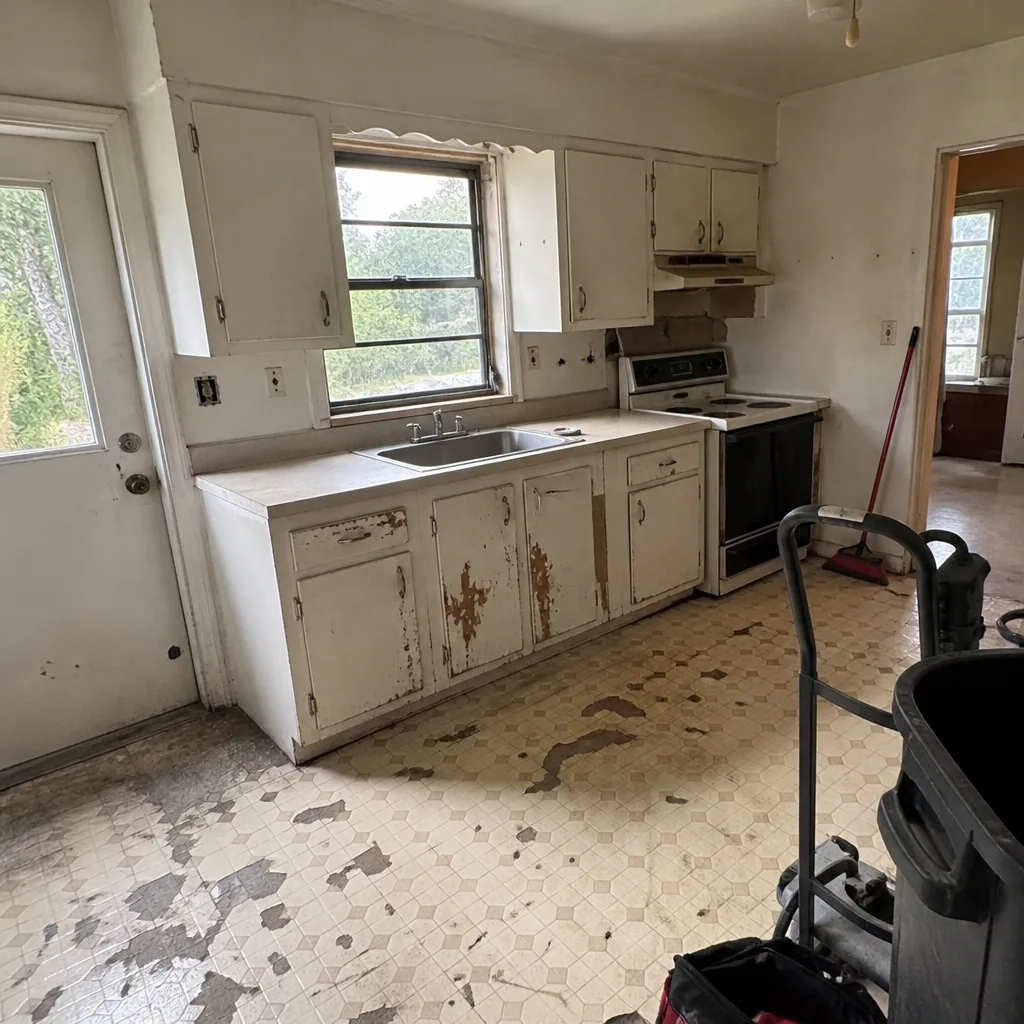 Before
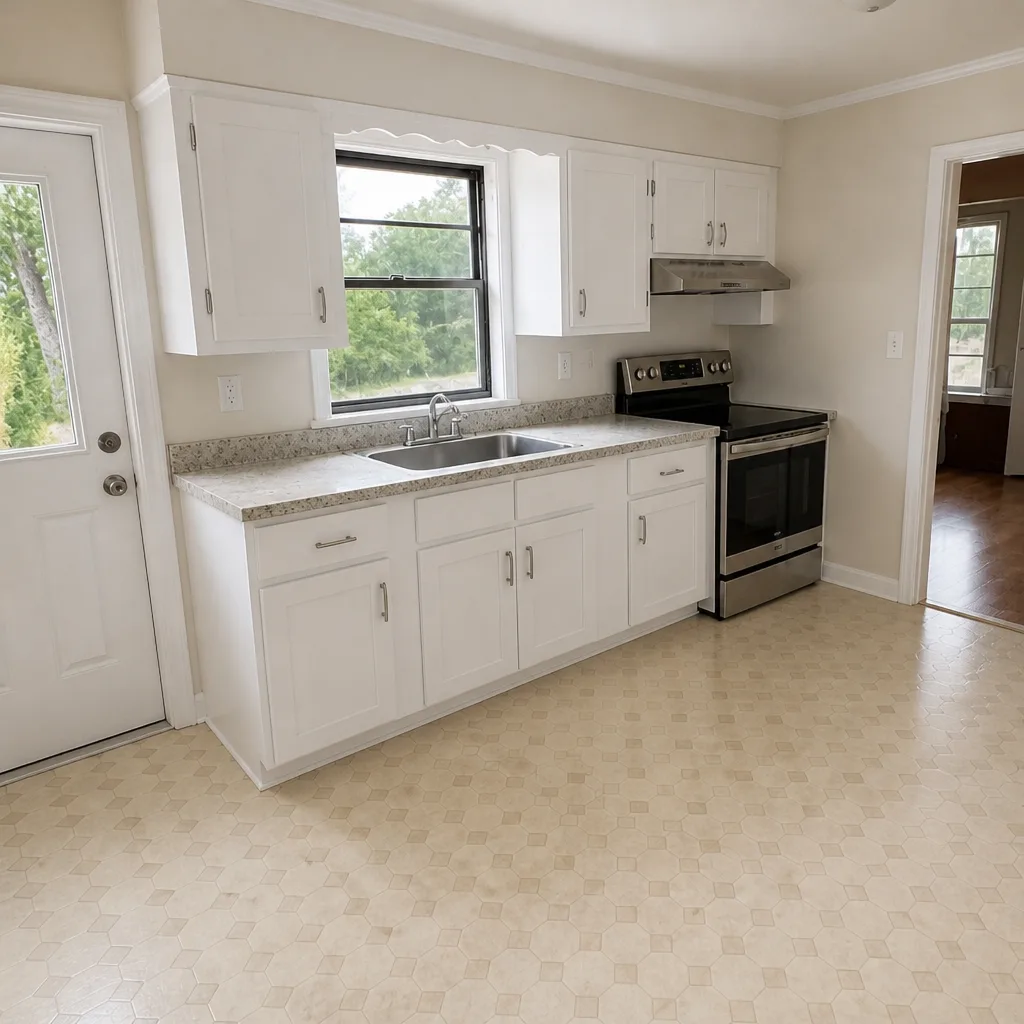 After
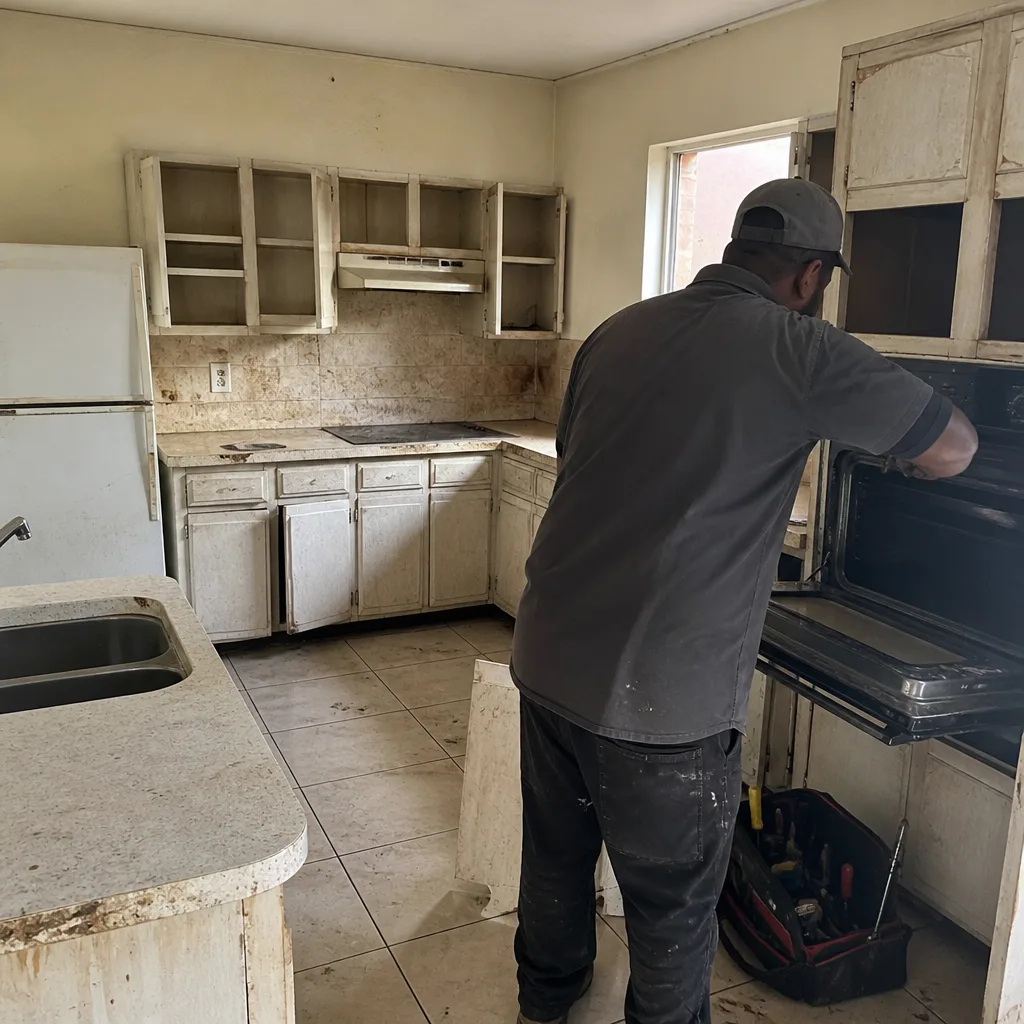 Before
 After
 Before
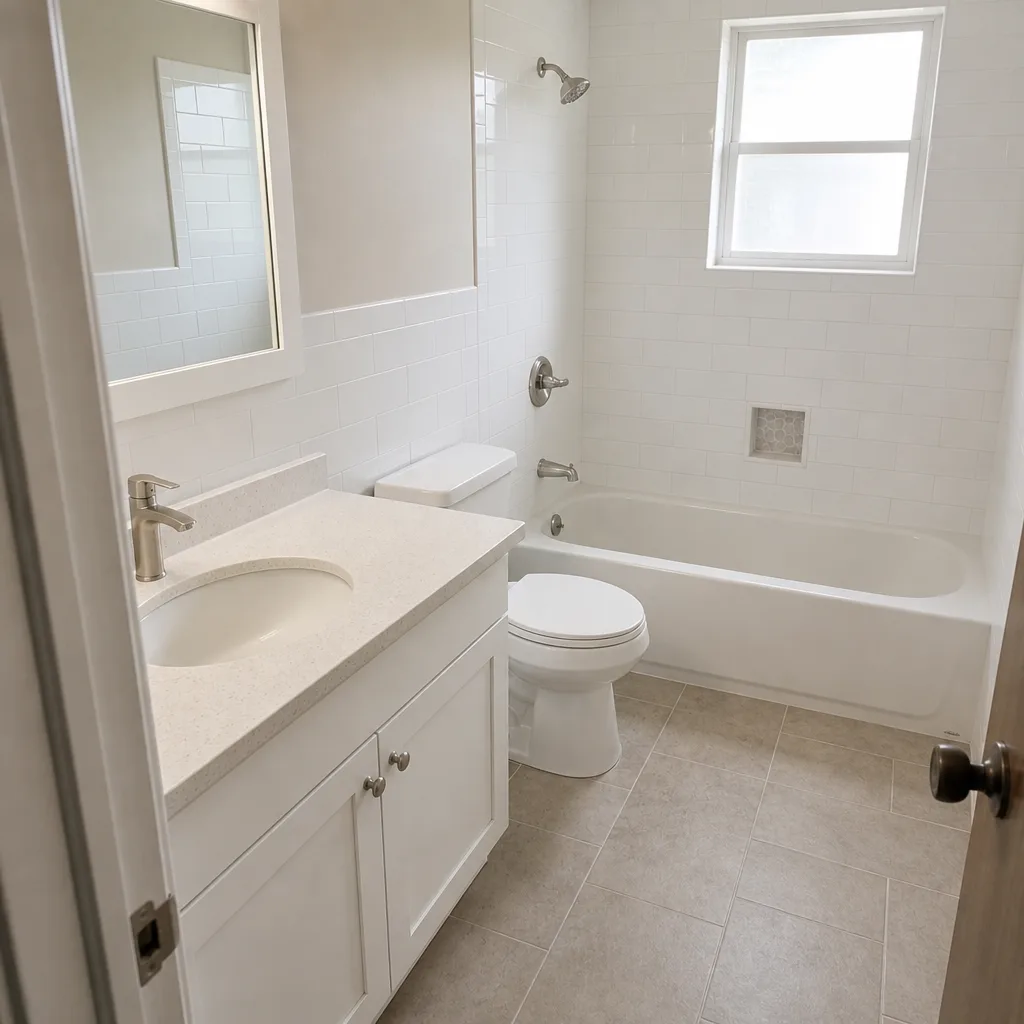 After
Replacement Cost & What’s Included
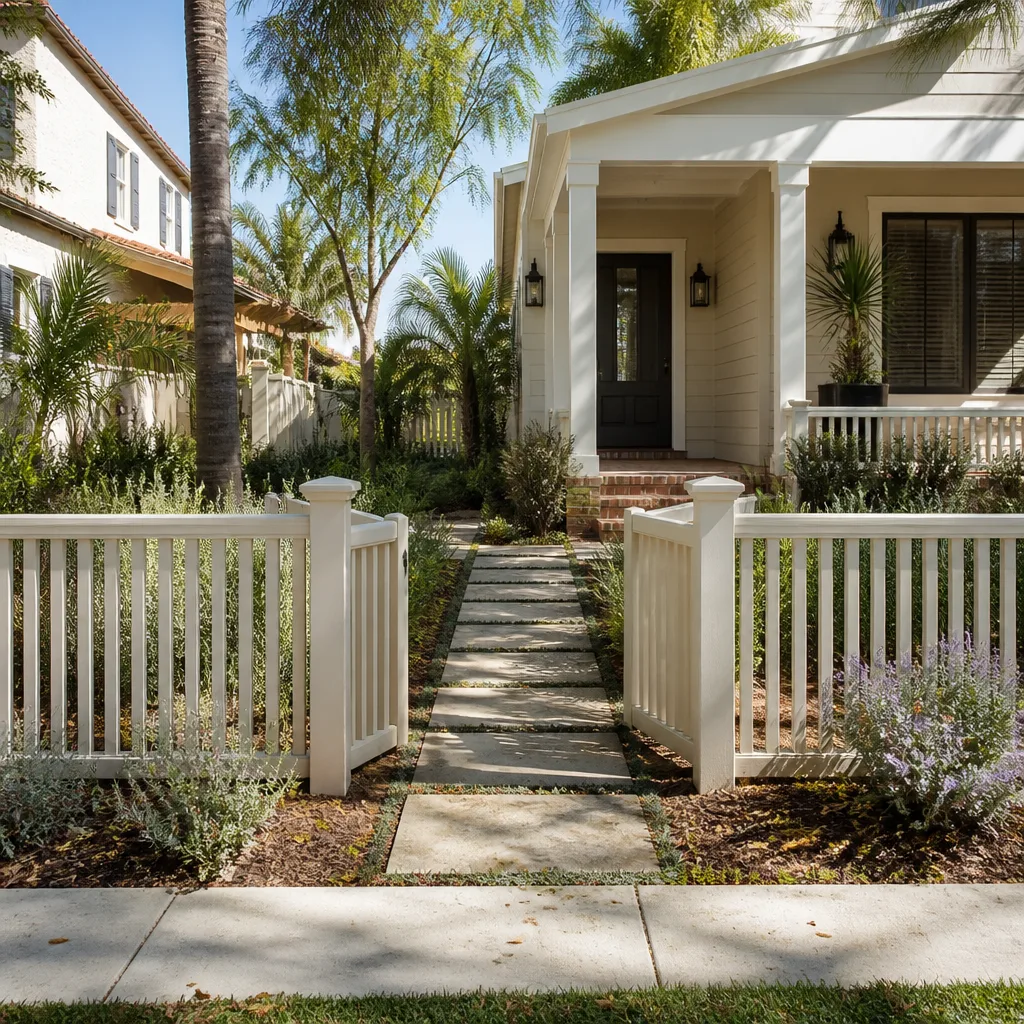
Here’s what the work runs in Homestead, priced as an installed range: paver driveway installation $7,000 – $18,000, concrete driveway installation $4,500 – $12,000, driveway replacement $5,000 – $14,000, driveway sealing $250 – $700, and paver patio installation $3,500 – $11,000. A targeted re-sand and edge-restraint repair on an existing driveway usually falls well under the replacement range; a full rip-and-replace lands at the top.
What drives the range: square footage, whether the base has to be excavated, paver pattern and thickness, and how much of the existing concrete or asphalt has to come out and be hauled off. The quote is a flat written price with a written scope, itemized by material and labor, before anyone picks up a tool. No work proceeds on a change until the change order is signed, which is Clause 1 of the Haven Standard and the reason our jobs land within a few percent of the agreed number. The workmanship is covered by the 365-Day Done Right Promise, and every visit includes a documented photo record of what we found and what we did.
DIY or Call Us?
You can safely check the joint depth with a screwdriver, hose a small area and watch where the water pools, and photograph cracking patterns for comparison over a few weeks. Re-sanding a small residential joint line is a reasonable weekend job if the pavers are stable. Where it goes wrong is compaction and base repair: pulling pavers to fix a soft spot without re-compacting the base in lifts leaves the same dip back within a season, and homeowner-applied patch mixes against an existing slab often fail at the cold joint. Concrete removal and reshaping a driveway apron near the swale is also where permit requirements come in; Homestead and Miami-Dade County care about impervious surface and drainage, and a driveway that dumps water on a neighbor’s lot can mean rework. For anything beyond a re-sand, call us at (844) 834-4248.
FAQs
Two to five years is the honest answer in South Florida’s climate, with the shorter end on driveways that get direct afternoon sun and heavy rain runoff. A joint that’s failed within a year usually traces back to installation moisture, joint width, or an under-filled joint rather than the sand itself. Call (844) 834-4248 for an assessment; estimates are free.
Yes, if the pavers and base are sound, and repair is usually the right first move. A re-sand, edge-restraint reset, and spot re-leveling runs a fraction of replacement. Replace when the base has lost compaction across more than roughly a quarter of the drive, or when cracks in a concrete section are wider than a credit card and keep returning. Call (844) 834-4248 and we’ll tell you which one your driveway needs.
A re-sand and joint repair is typically one day. A full paver driveway replacement in Homestead is usually three to six working days including base prep and cure, longer if the existing surface has to be broken out and hauled. You get a written schedule with the quote, not a verbal guess.
We source through our material supplier network across fifty-plus vetted brands, matched to the existing spec by strength rating and joint width, and we show you the product spec before it goes down. If a Quikrete SKU has been discontinued or reformulated, we name the substitute in writing rather than quietly swapping it. Call (844) 834-4248 for a free estimate, and if you have a competitor’s written quote, we’ll review it line by line at no charge.
If you’re pricing a driveway repair or replacement in Homestead, call (844) 834-4248 for a free estimate. We’ll put the number in writing before any work starts, hand you a written scope, and back the work with the 365-Day Done Right Promise. We also handle KraftMaid and Cambria material selections on adjacent projects, along with Silestone, when a driveway job turns into a wider exterior refresh.
Written by the team at Rowan Construction Group Homestead, serving Homestead and nearby areas.