
Free written scope consultation - allowances, timeline, and change-order rules on paper before a single trade is scheduled
Sakrete Driveway & Pavers: The Homestead Owner’s Guide
We install and repair driveways and paver systems built around Sakrete bagged concrete and paver base materials, and in Homestead that work typically runs $7,000 – $18,000 for a paver driveway, $4,500 – $12,000 for poured concrete, and $250 – $700 for a fresh seal. Every one of those numbers is a flat written price delivered before a shovel touches the ground. Most owners don’t call us because a bag of Sakrete failed. They call because the ground under it did. A hairline crack that spread across a slab over one wet season, a paver edge that heaved after a storm, a base that turned to mush where Homestead’s high water table sits close to the surface. This page is for the owner who already knows the material and wants the situation diagnosed and priced, not described back to them.
Which Sakrete Models This Applies To
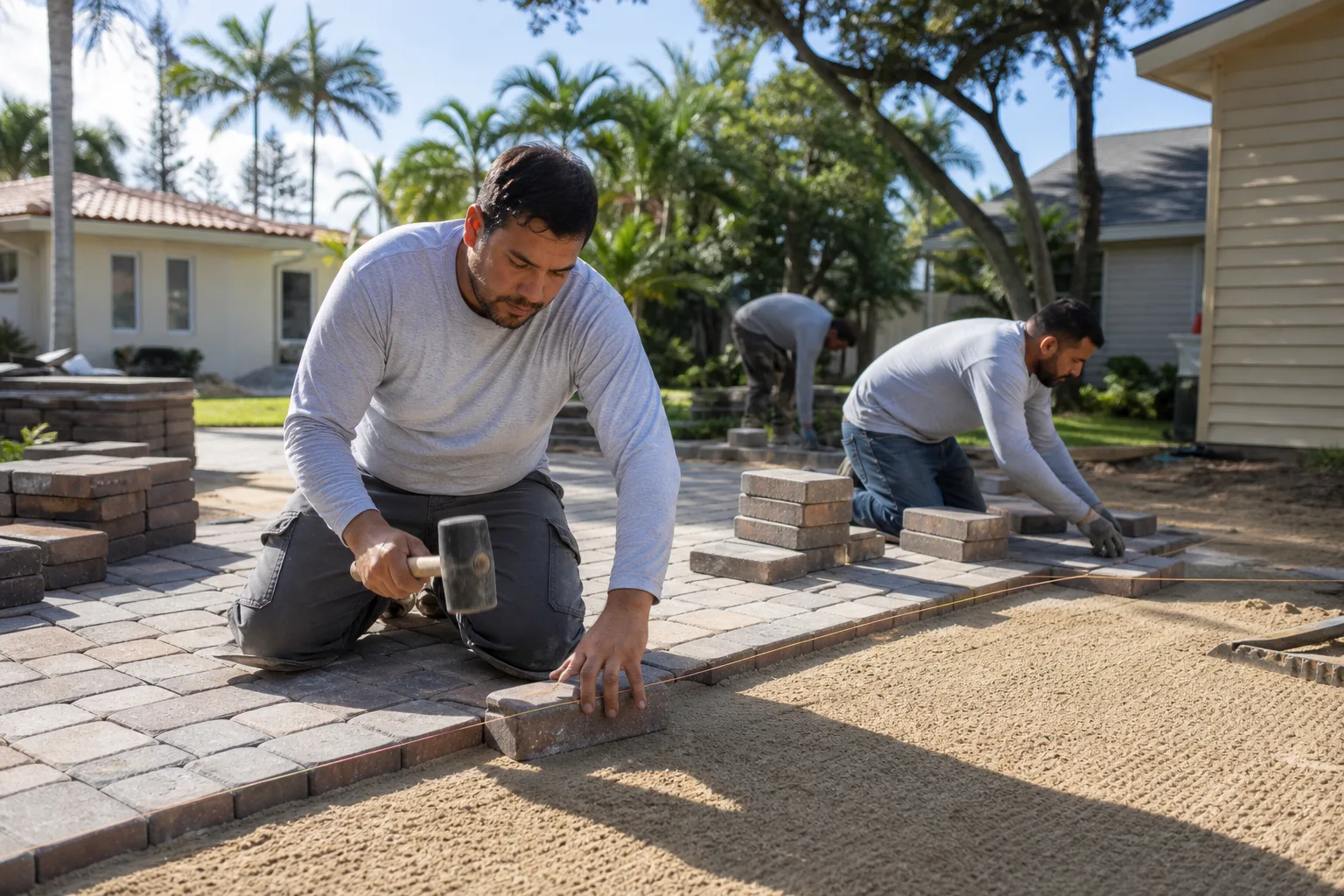
Sakrete isn’t a single product; it’s a family of bagged mixes and base materials, and the right one depends entirely on what the driveway is doing. The products we work with most in Homestead are Sakrete’s concrete mixes (High Strength, Sand Mix, and the fast-setting variants), paver base and paver sand, and the crack-resistant and fiber-reinforced blends used for slabs that see vehicle loads. Identification matters more than brand loyalty here. The bag tells you the mix, the yield in cubic feet, and the compressive strength rating, and those three numbers decide whether the pour is right for a driveway apron or only for a walkway.
Here’s the compatibility gotcha that catches owners repeatedly: a bag labeled for “high strength” at 4,000 PSI and a bag labeled “fast-setting” at a lower rating are not interchangeable for a driveway slab, even though both carry the Sakrete name. Fast-setting mixes are formulated for post holes and patch work where you want cure speed. Pour a full driveway section with them and you get a surface that looks fine for a year and then spider-cracks under South Florida sun. Check the bag’s PSI rating and yield before you buy anything to match an existing slab.
On the OEM-versus-aftermarket question: for bagged concrete and paver base there’s no meaningful “OEM part” distinction the way there is with, say, a window sash. Sakrete is a spec, not a proprietary fitting. What matters is matching the mix design and strength to the job. We’re an independent service provider, not affiliated with Sakrete, and we source through vetted suppliers the same way we do with KraftMaid, Cambria, and Silestone on interior work.
Styles & brands we work with
- Kitchen remodeling
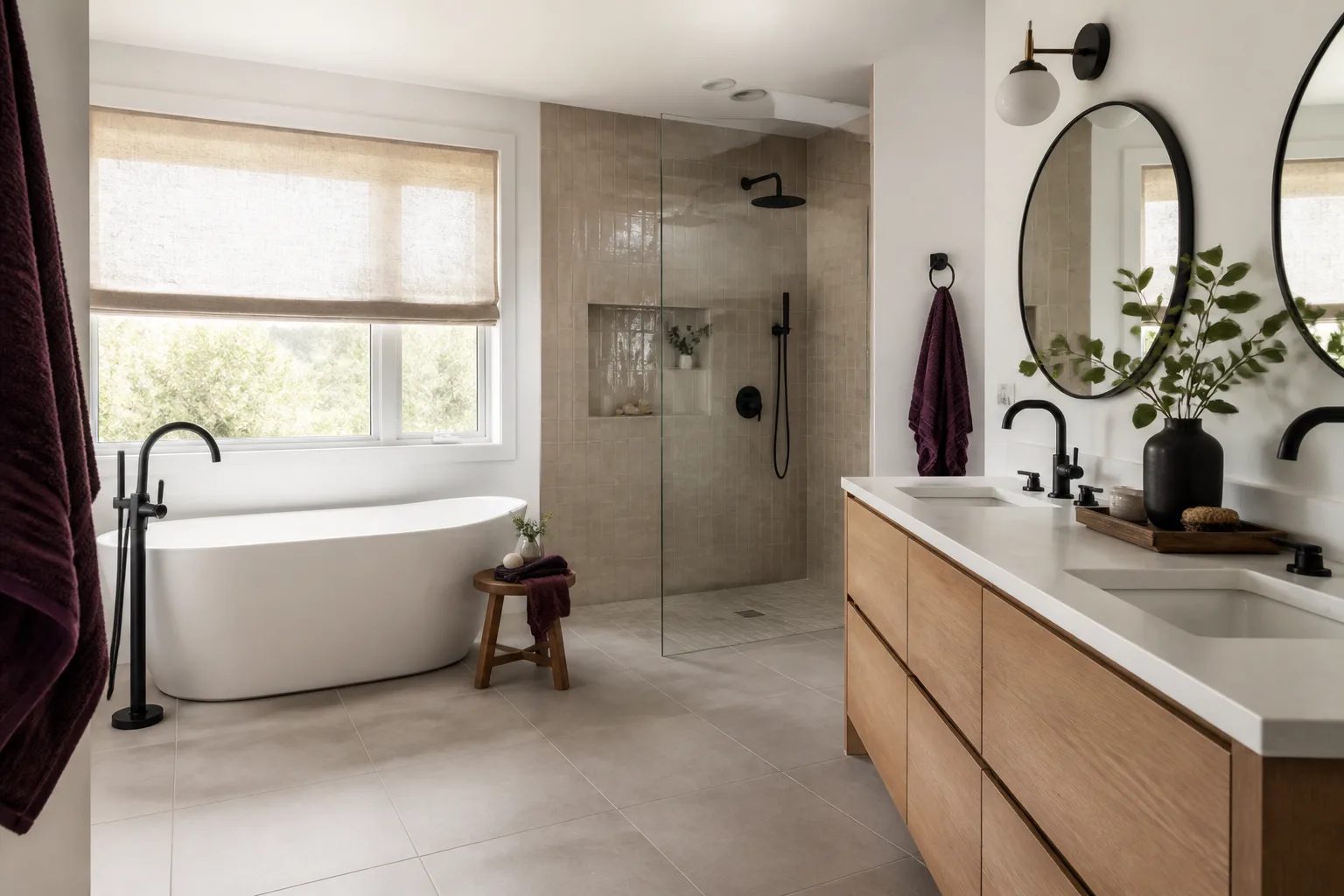
- Bathroom remodeling
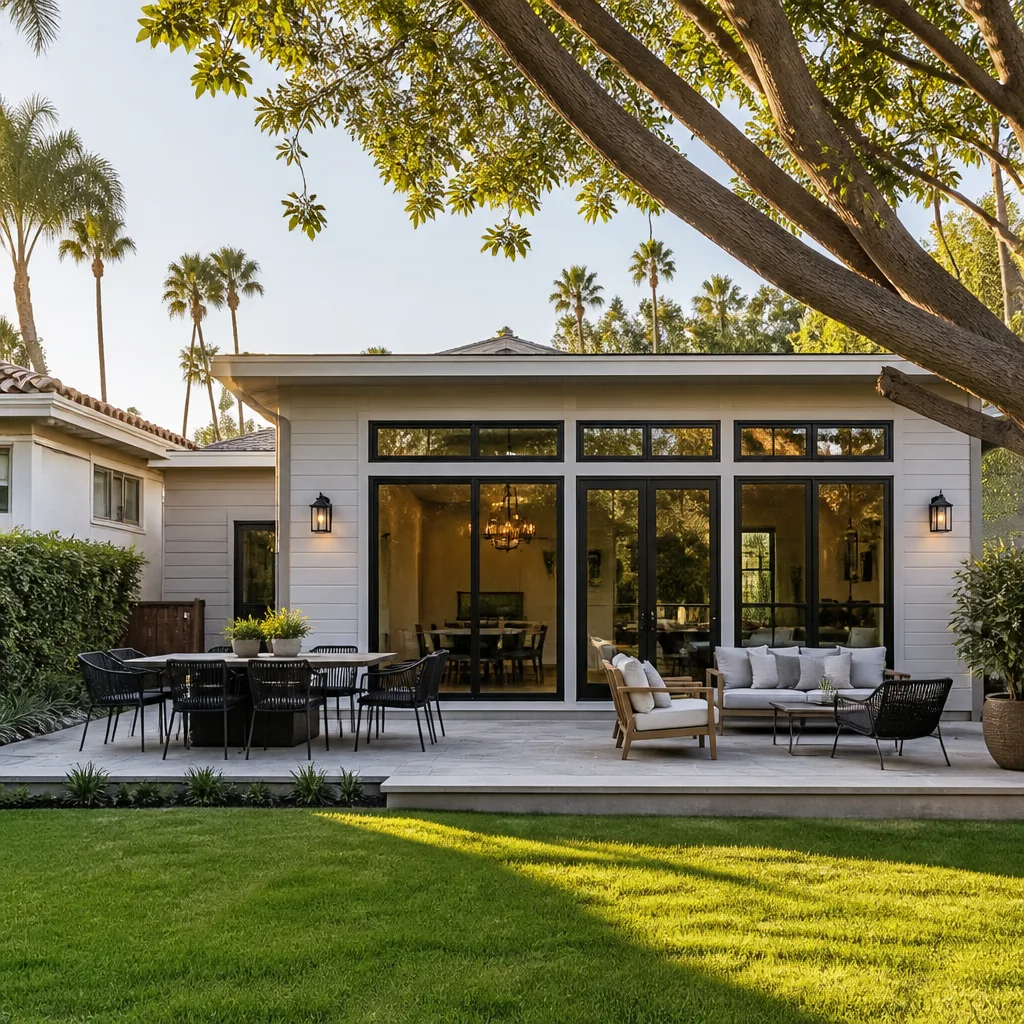
- Home additions & ADU
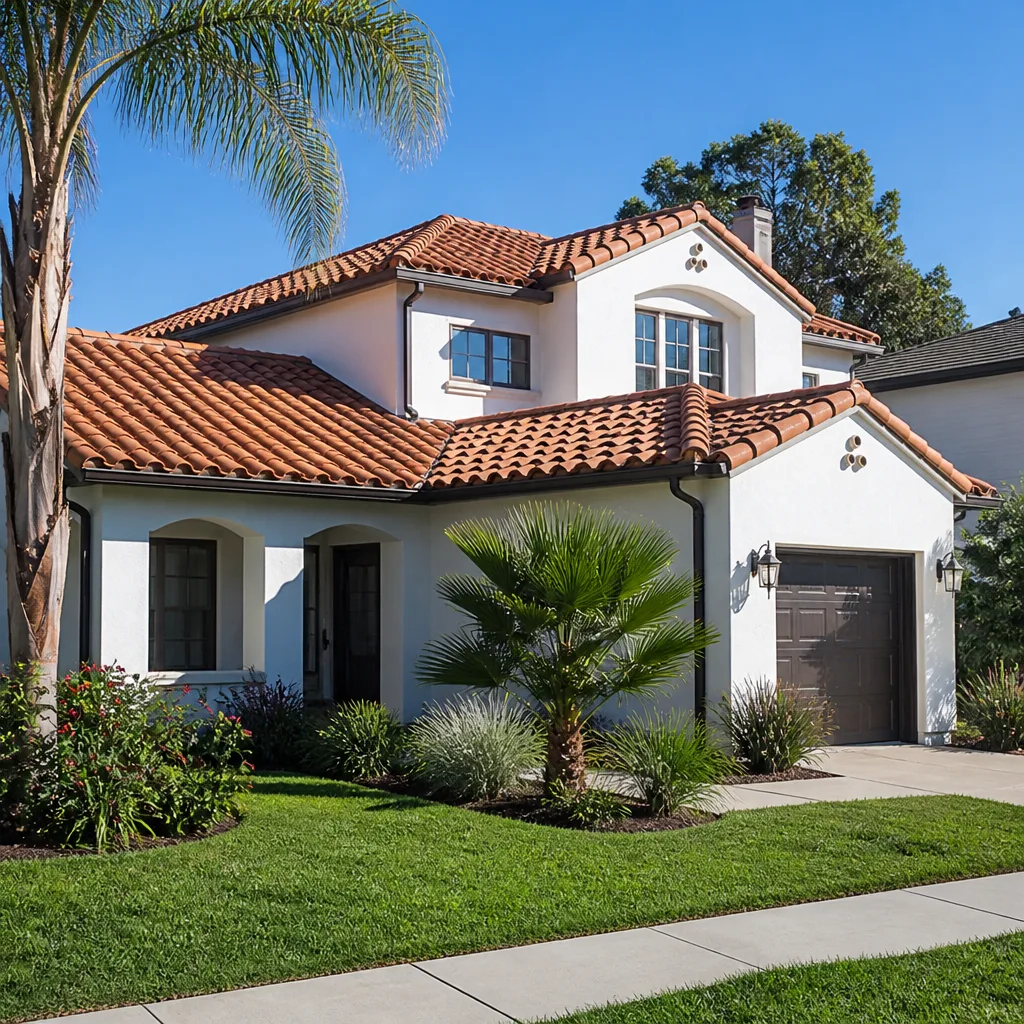
- Roofing
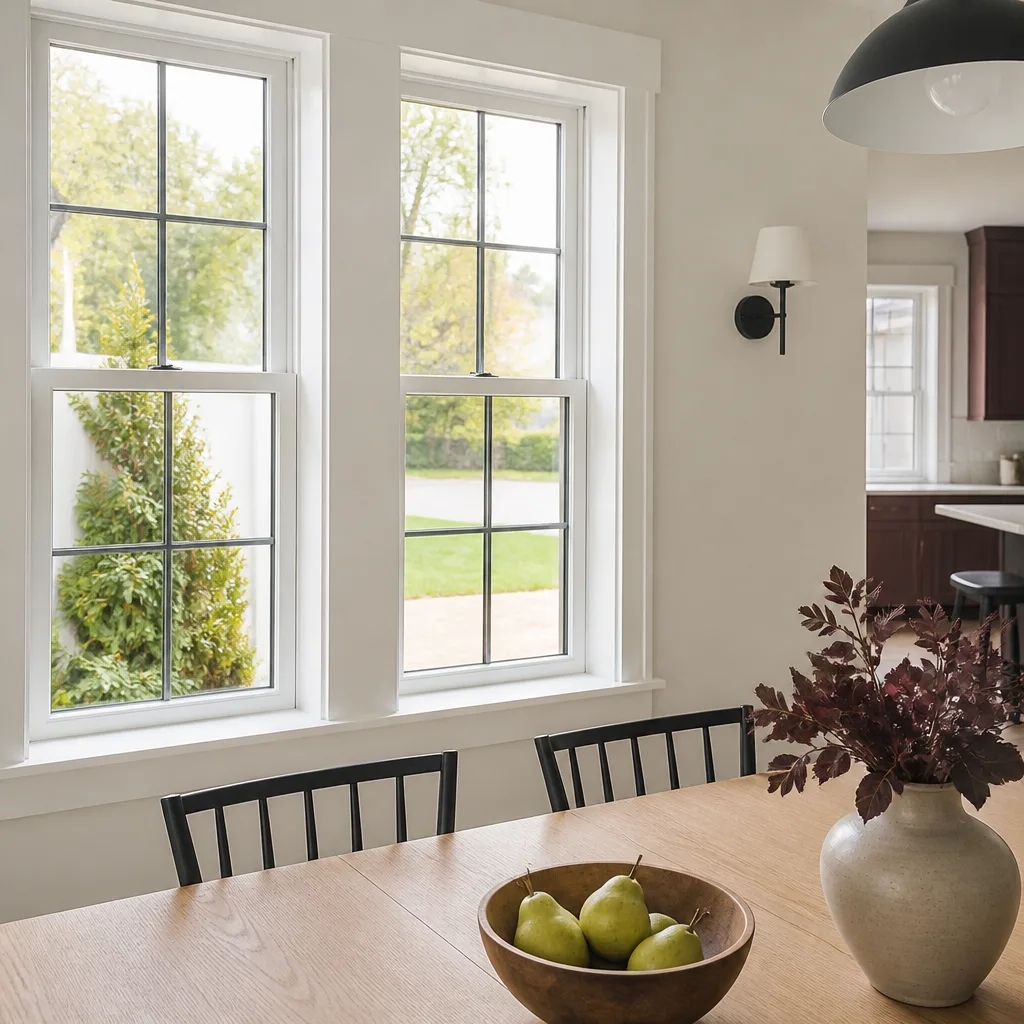
- Windows & doors
- Driveway & pavers
- Fence
Signs Your Sakrete Driveway & Pavers Is Failing
Failure in Homestead almost always traces back to water, heat, or base prep, and the symptom points to which one. Here’s what we actually see:
- Hairline cracks that widen over a season. Usually a mix that cured too fast in the heat or a slab poured too thin for vehicle loads. Once a crack reaches the base, water gets in and the freeze-thaw isn’t the problem here; the wet-dry cycle is, and it widens the crack a little each storm.
- Pavers that heave or sink at the edges. The paver base wasn’t compacted in lifts, or the edge restraint is missing. Homestead’s flat lots and heavy summer rain push water toward the driveway edge, and an uncompacted base gives way first at the perimeter.
- Efflorescence, the white powdery bloom on the surface. Salts migrating out of the concrete as moisture moves through it. Not structural on its own, but it signals the slab is staying wet, which points to drainage.
- Spalling, where the top layer flakes off. A sign the mix had too much water added at the bag or the surface was finished wet. The top inch delaminates over a couple of years in our UV and rain cycle.
- Sand washing out between pavers. Joint sand that wasn’t the right grade or wasn’t polymeric. It’s the cheapest thing to fix early and the most expensive to ignore, because once the sand is gone the pavers start to shift against each other.
On the safety point: no part of this work involves high tension or live electrical, so the DIY risk here is a bad driveway, not an injury. That said, a loaded slab that fails under a vehicle is a real problem, which is why we say plainly what we’d do, not what you should attempt with a rented mixer on a Saturday.
See the difference
 Before
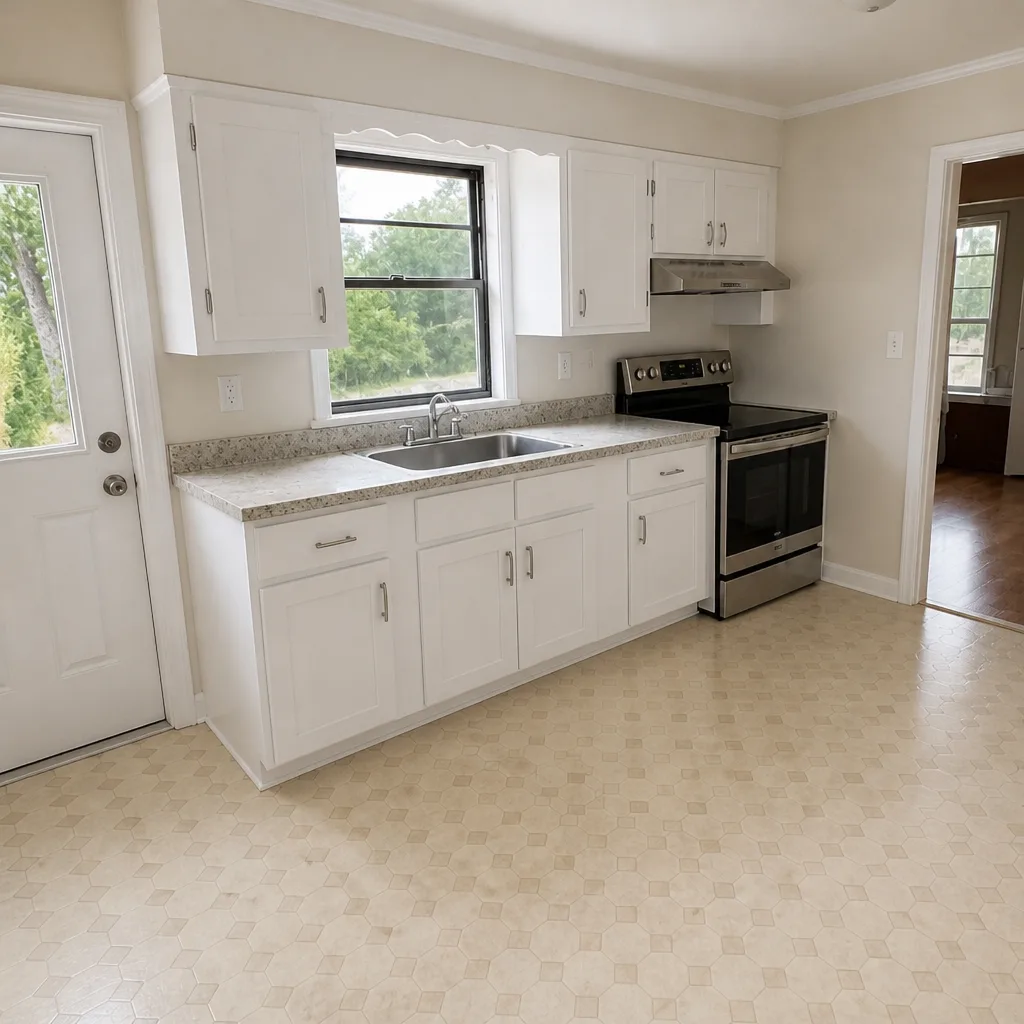 After
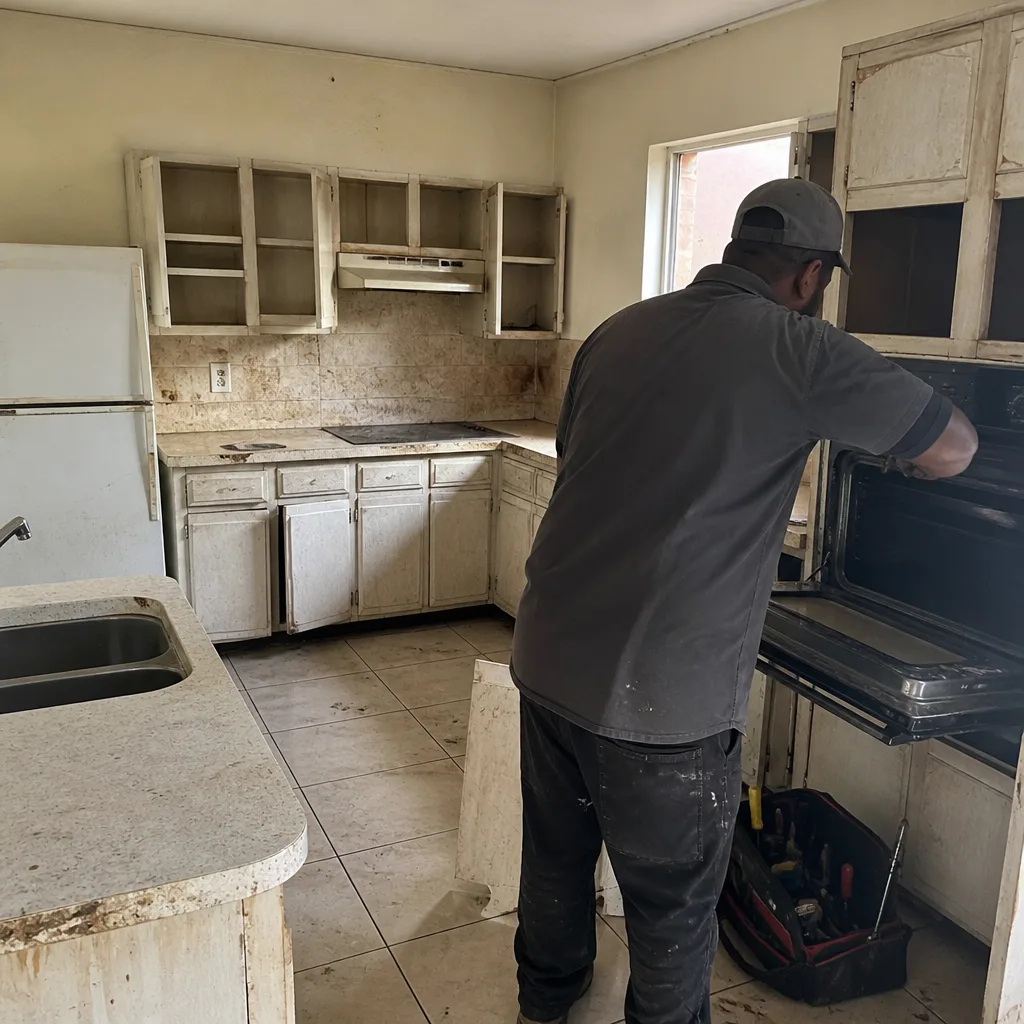 Before
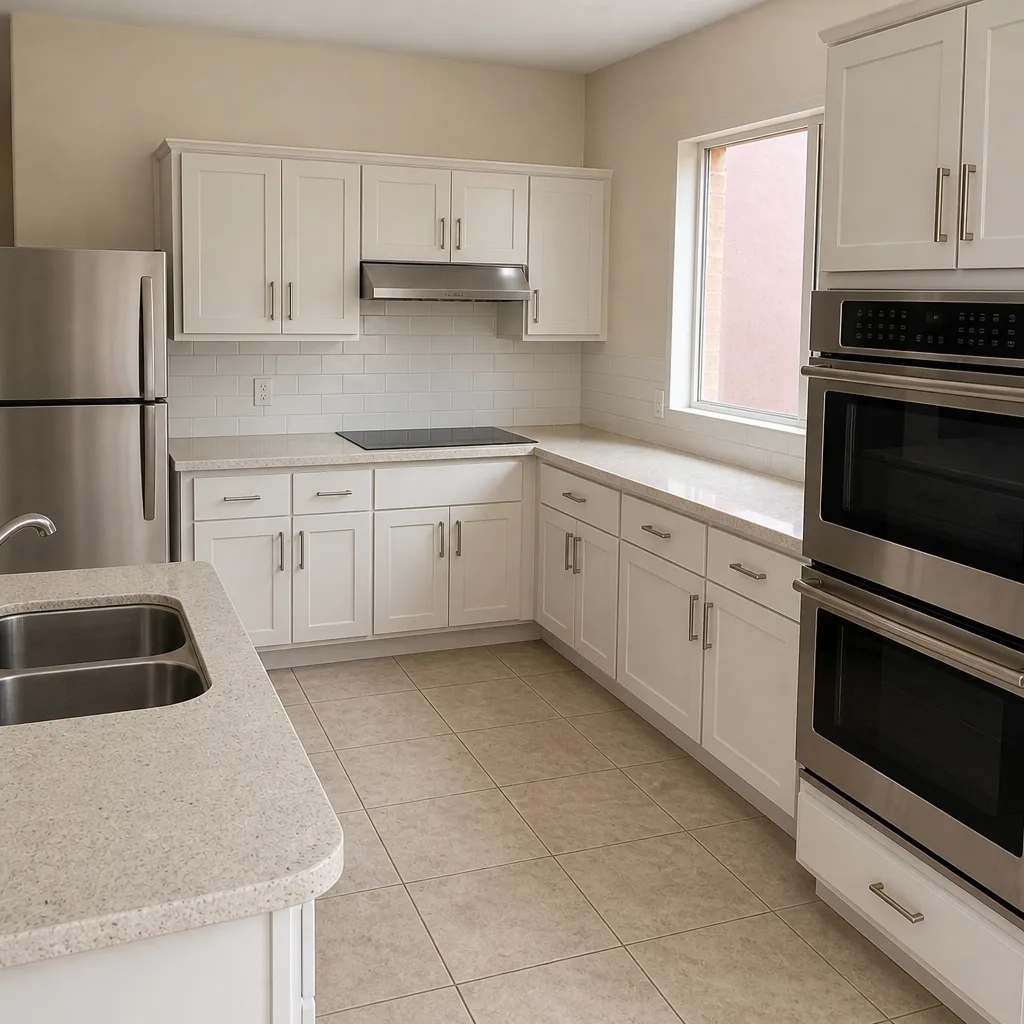 After
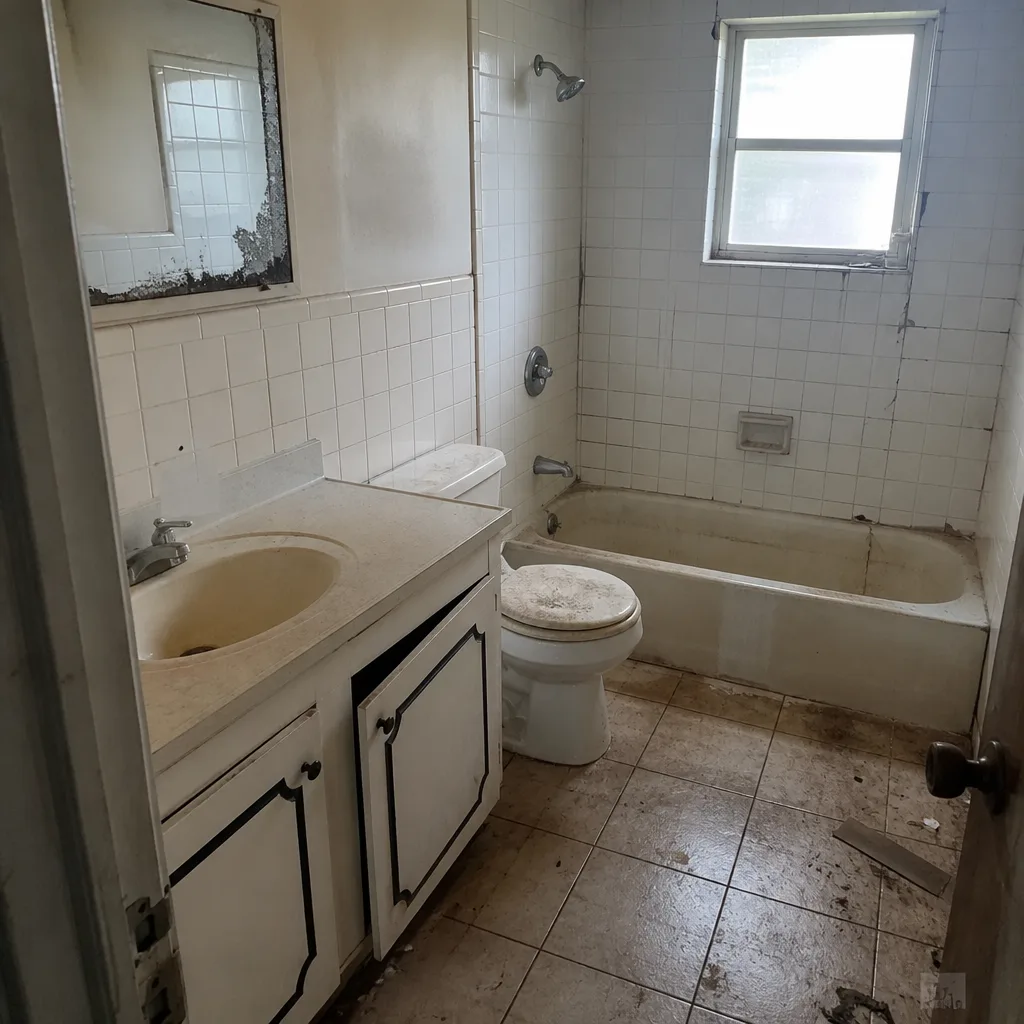 Before
 After
Replacement Cost & What’s Included
Here’s what the numbers look like in Homestead, and what drives each one:
- Paver driveway installation: $7,000 – $18,000. The range moves on square footage, paver type (Belgard and Techo-Bloc run higher than basic concrete pavers), and how much base excavation the site needs.
- Concrete driveway installation: $4,500 – $12,000. Mix strength, slab thickness, and reinforcement drive it. A 4-inch walkway and a 6-inch vehicle apron are different pours.
- Driveway replacement: $5,000 – $14,000. Includes demo and haul-off, which is often a third of the cost on a large slab.
- Driveway sealing: $250 – $700. Cheap insurance on pavers or concrete that are still sound.
Parts and labor are separated on the written quote, so you can see what the Sakrete material costs versus the crew time. Under Clause 1 of the Haven Standard, the price is written before anyone starts, and no change proceeds until a change order is signed. The 365-Day Done Right Promise covers the work: if it’s not done right, we make it right. And a free second opinion on any written estimate is standing, so bring a competitor’s quote and we’ll review it line by line at no charge.
DIY or Call Us?
What an owner can safely check: joint sand levels, edge restraints, visible cracks and their width, and whether water pools on the slab after rain. All of that is observation, and it tells you a lot about whether the problem is cosmetic or structural. What goes wrong on DIY is the diagnosis, not the courage. Adding sand over a shifting paver without fixing the base underneath just delays the same failure. Patching a crack without addressing why it cracked means it comes back. And the one thing almost no homeowner gets right is matching the mix strength to the load, which is the difference between a driveway and a patch that looks like one. If you’re unsure whether your slab needs a patch or a replacement, call (844) 834-4248 and we’ll tell you straight, with a written price either way. Free estimate, no pressure to book.
FAQs
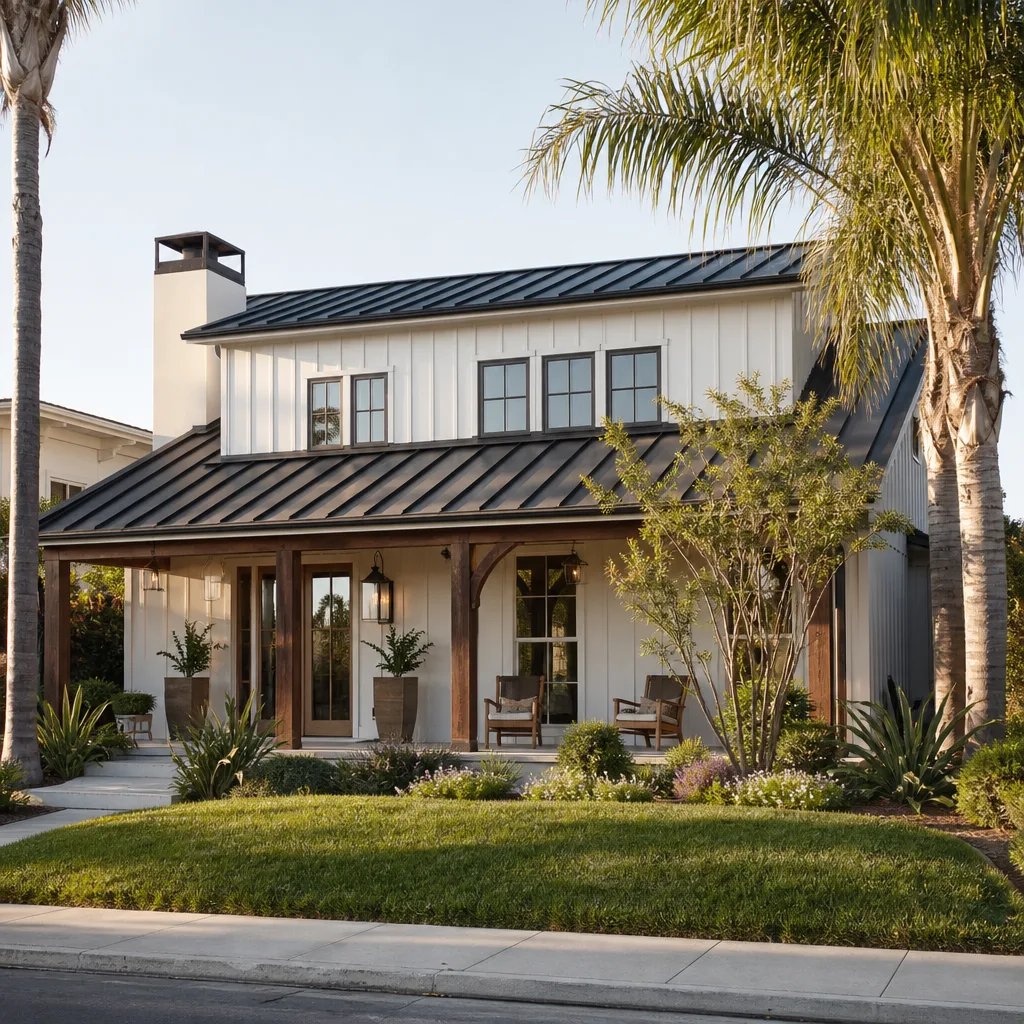
How long does a Sakrete concrete driveway last in Homestead? A properly mixed, correctly poured and cured driveway in Homestead’s climate typically holds up 20 to 30 years, though paver systems often outlast poured concrete because individual units can be lifted and reset instead of replaced whole. The lifespan hinges on base prep and drainage far more than the bag itself. Heat and heavy rain accelerate wear on any driveway here. We’ll give you a written estimate on replacement or repair once we’ve looked at the actual slab.
Can it be repaired instead of replaced? Often, yes. Cracks under a quarter inch, missing joint sand, and minor edge settling are all repairable, and we’d rather fix those than sell you a new driveway. Once a slab has structural cracking that reaches the base or pavers have shifted across a large area, replacement usually costs less than repeated patches. Call (844) 834-4248 for a free estimate and we’ll tell you which side of that line you’re on.
How long does the replacement take? A typical Homestead driveway replacement runs three to seven working days depending on size, demo, and cure time, and paver systems are usually at the faster end because there’s no cure window to wait on. Concrete needs to cure before you park on it, and we’ll give you the exact schedule on the written quote. Estimates are free.
How do you source the Sakrete material? We source the bagged concrete, paver base, and joint sand through vetted suppliers and match the mix strength and yield to the job rather than using whatever’s closest to hand. We don’t claim to stock parts or carry material on a truck, which means the quote reflects real supplier pricing, not a markup on inventory. Call (844) 834-4248 to get a written price in front of you.
Rowan Construction Group Homestead works across seven trades, from Driveway and Pavers to Kitchen Remodeling and Home Additions, and every project carries a written price before work starts and a documented photo record when the crew leaves. Crews are background-checked, uniformed, and a live person answers the phone around the clock. If your Sakrete driveway or paver system in Homestead needs a real answer rather than a sales pitch, call (844) 834-4248 for a free estimate and we’ll put the number in writing before anyone picks up a tool.
Written by the team at Rowan Construction Group Homestead, serving Homestead and nearby areas.