Free written scope consultation - allowances, timeline, and change-order rules on paper before a single trade is scheduled
Styles & brands we work with
- Kitchen remodeling
- Bathroom remodeling
- Home additions & ADU
- Roofing
- Windows & doors
- Driveway & pavers
- Fence
See the difference
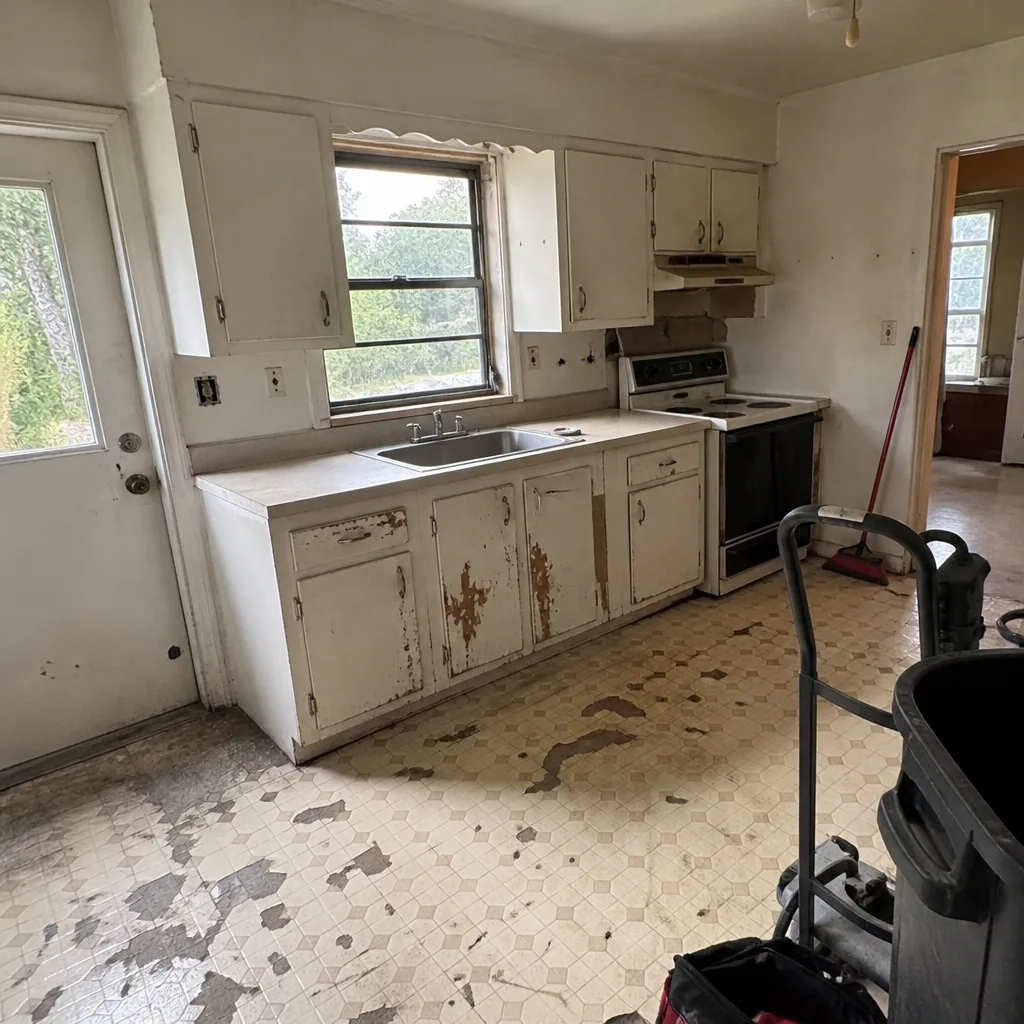 Before
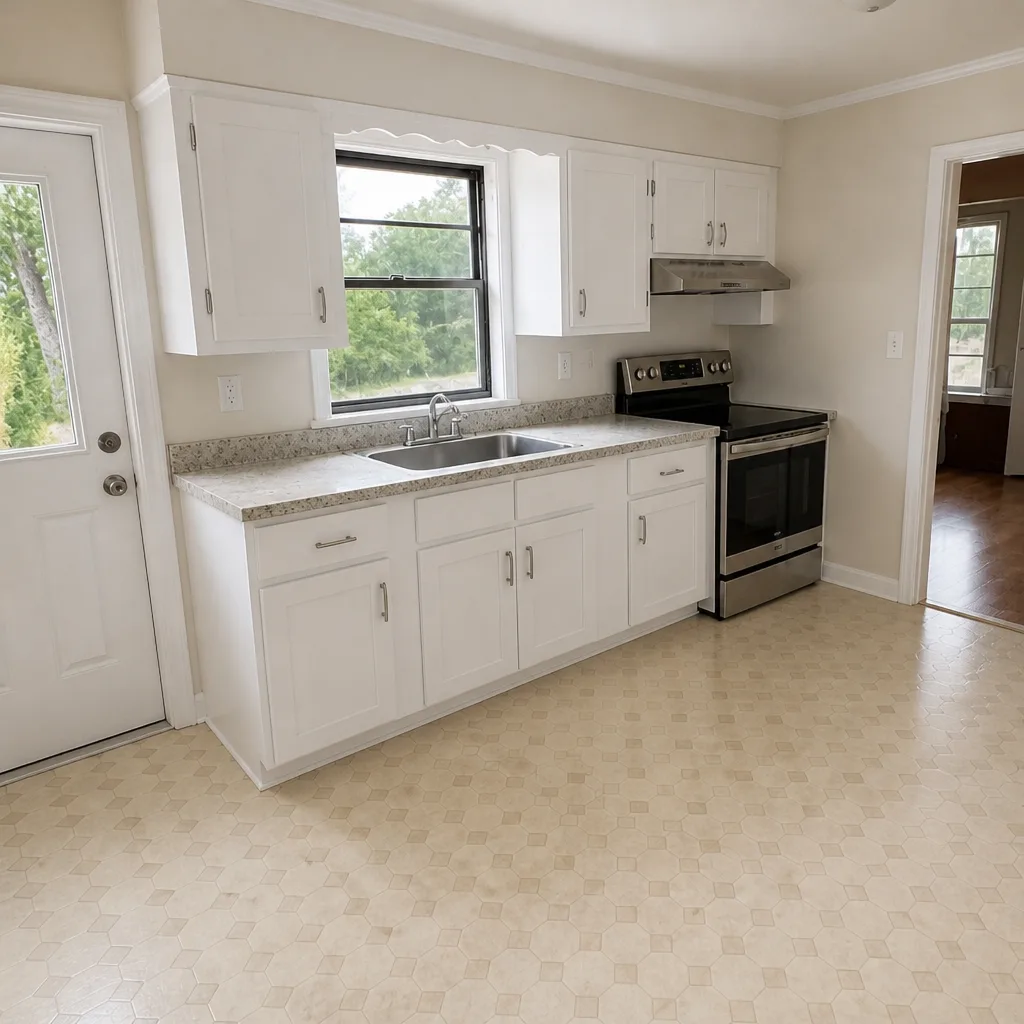 After
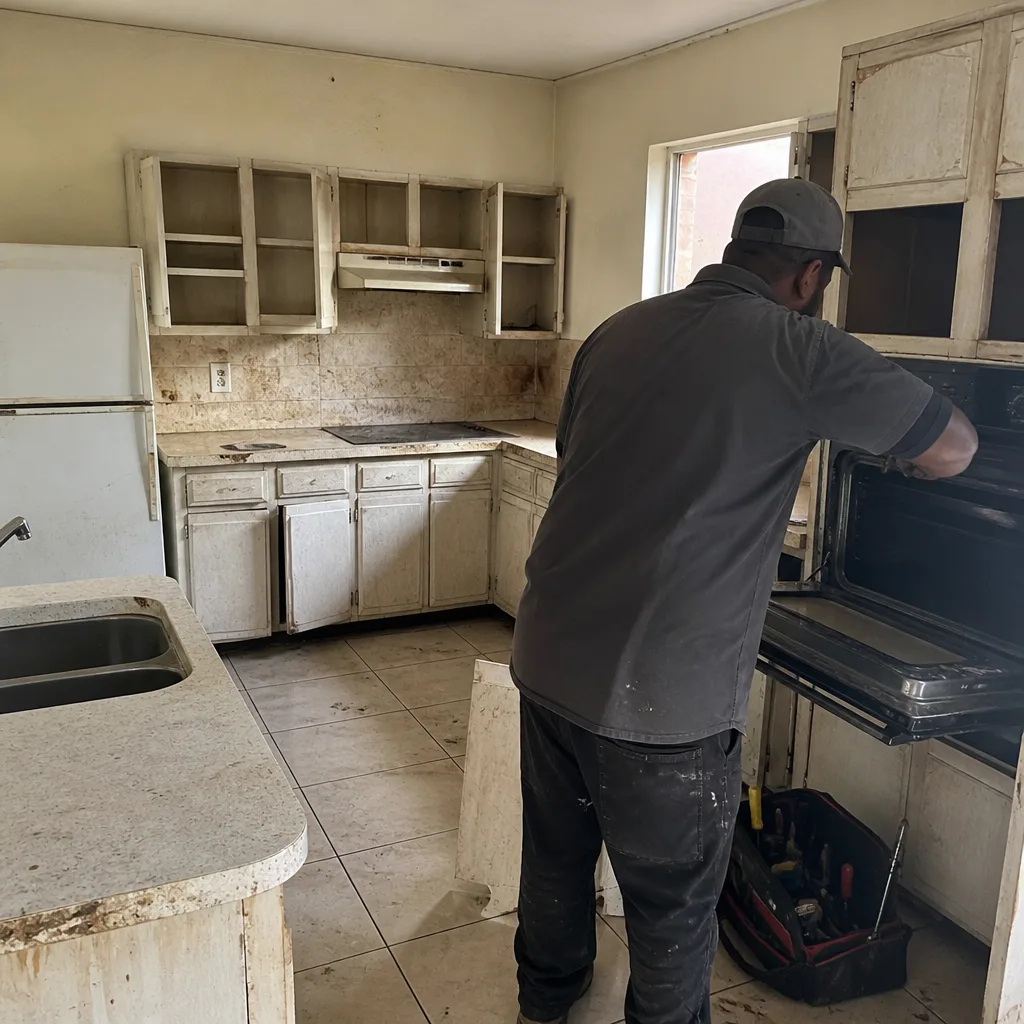 Before
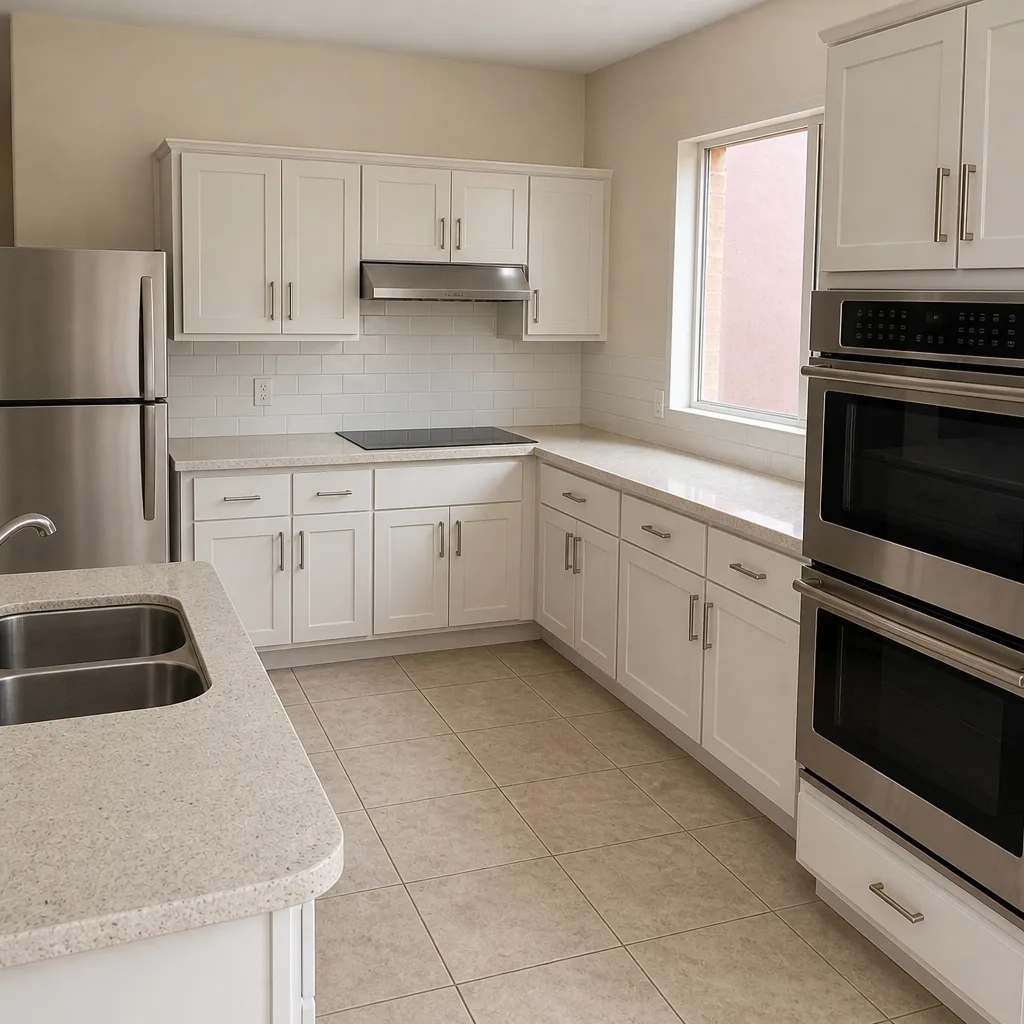 After
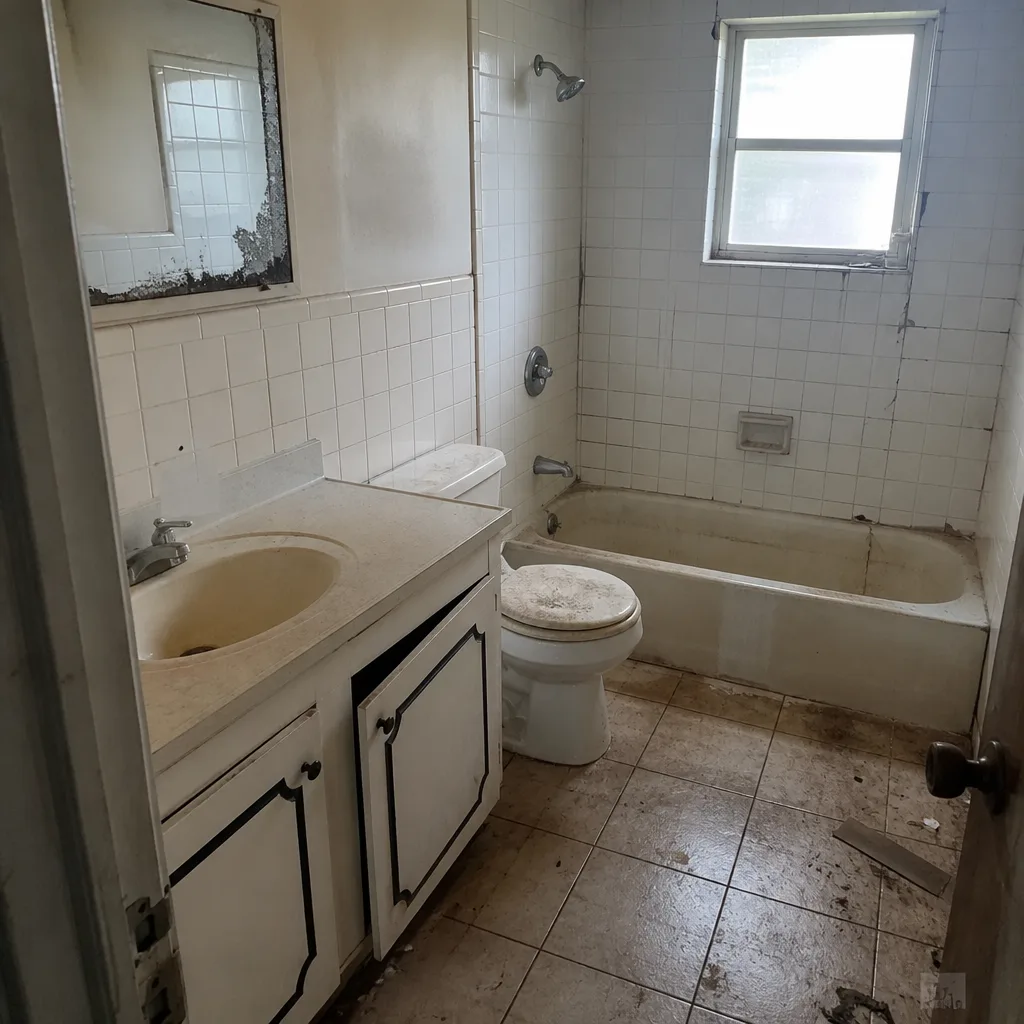 Before
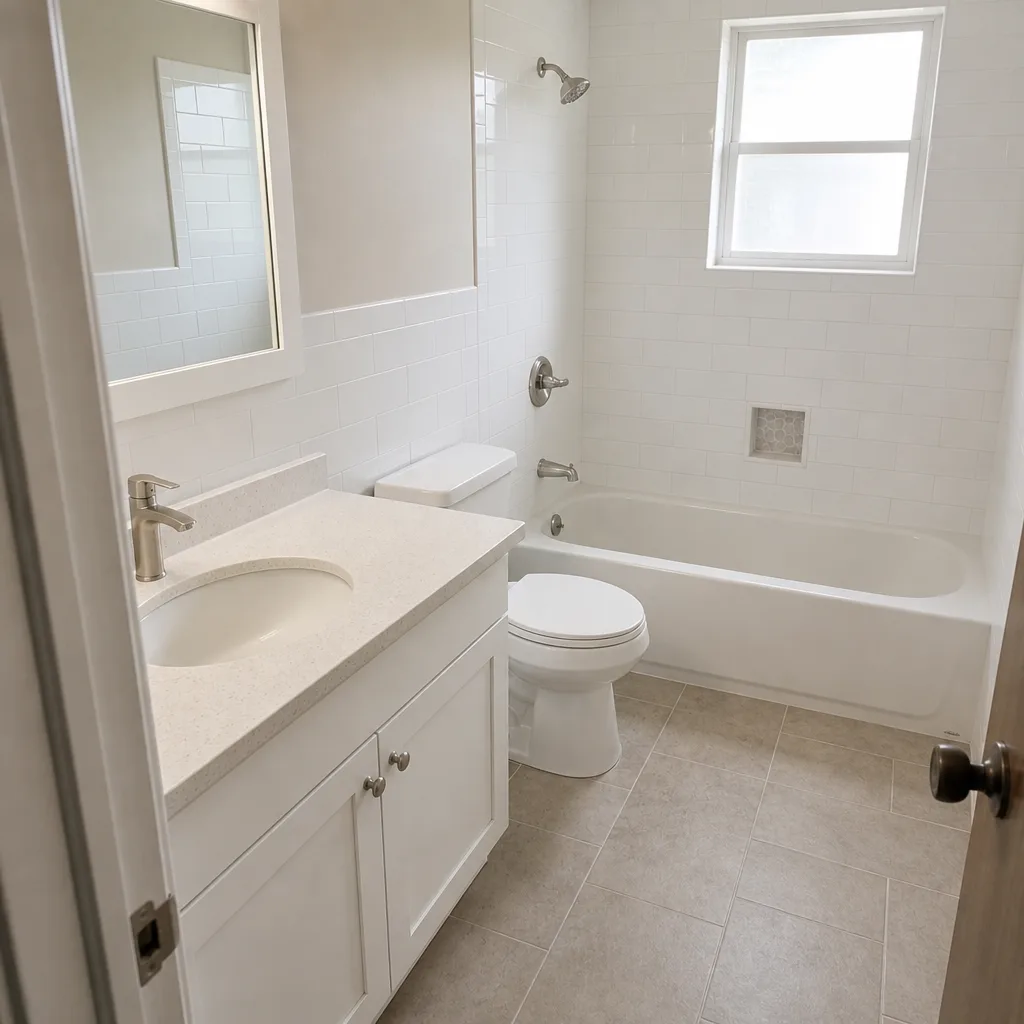 After
How to Choose a General Contractor in Homestead, FL (The License Check Most Guides Skip)
Choose a general contractor in Homestead by verifying three things before you sign anything: the Florida DBPR state license at license.myfloridalicense.com, a Miami-Dade County Certificate of Competency via miamidade.gov/building for your specific scope, and an insurance certificate that names you as additional insured. Florida issues more than a dozen GC license classifications, and Miami-Dade layers its own county certificate on top, so a contractor with a valid state license can still be unqualified to pull a Homestead permit for your roof or electrical work. For a free second opinion on any written estimate, call (844) 834-4248.
Why the Homestead License Question Is Harder Than a National Guide Admits
Most “how to choose a general contractor” articles tell you to check a license and move on. In Homestead that instruction is incomplete. The state license and the county certificate are two different documents, and the county one is the one tied to your permit.
Here’s the split that trips people up. Florida’s Division of Business and Professional Regulation (DBPR) issues the Certified or Registered General Contractor license. Miami-Dade then requires a Certificate of Competency, which confirms the holder is qualified for a defined scope of work inside the county. A GC who holds a state certified license can pull many permits, but the certificate is what tells you the county has reviewed their competency for the trade on your project. Roofing, electrical, and plumbing each carry their own qualification path. When a contractor’s paperwork covers general building but your scope is a full roof replacement after a storm, that gap matters.
This is a Homestead problem specifically because the post-Hurricane Andrew building code made wind-load detailing the center of every project here. A GC who has never had to defend a strap schedule to an inspector may still hold a license that lets them sign a contract. The license proves they can operate. The certificate, matched to your scope, proves they can do the work the county will inspect.
Run the Verification Sequence Before You Talk Money
Do these in order. It takes about twenty minutes and it filters out most of the wrong candidates before you ever discuss a price.
- State license lookup. Go to license.myfloridalicense.com and search the license number. Confirm the status is active, the license type matches your scope, and there are no disciplinary actions listed. A contractor who won’t hand you the number on request has told you something already.
- Miami-Dade Certificate of Competency. Check miamidade.gov/building for the county certificate and confirm it covers the trade your project needs. This is the step almost every homeowner skips and the one that catches the most mismatches.
- Insurance certificate. Ask for the certificate of insurance and read it, not just the “we’re insured” line. General liability and workers’ comp should be current, and you want the certificate to name you as additional insured. If their policy lapses mid-project, that protection is the difference between a claim and a lawsuit.
Rowan Construction Group Homestead presents exactly this checklist on its own license number, Miami-Dade certificate, and insurance documentation, and invites you to run it. The point isn’t that we pass. The point is that a contractor who expects you to verify is the one who survives the process.
Ask the Wind-Mitigation Questions Only a Homestead GC Can Answer
Subtropical South Florida puts every roof and wall connection under a stress test that inland builders never face. Intense UV breaks down stucco, salt air from Biscayne Bay corrodes fasteners and ties, and the June-to-November hurricane season turns roof-to-wall connections into a code item rather than a nice-to-have. When you interview a GC, ask them to describe, in specifics, how they document three things:
- Roof-to-wall connections. Listen for the words strap schedule, clip type, and the number of nails. A contractor who answers “we build to code” without naming the connection method has not done this work carefully.
- Secondary water barrier. Ask what product they use and how it’s detailed at the valleys and penetrations. This is the layer under the shingles that stops wind-driven rain, and its detailing is where leaks begin.
- Impact-opening compliance. Ask about the Florida Product Approval numbers for the windows or doors they intend to install, and whether they’ll provide the OIR-B1-1802 form for your insurance wind-mitigation credit. That form is the difference between a discount and a shrug from your carrier.
On window and door scopes, credible GCs work with products that carry real approval numbers, which is why you’ll hear names like Therma-Tru or Mr-Glass come up in a serious conversation. For a Homestead home with a 1970s ranch footprint or an older post-Andrew rebuild, the openings and the frame detailing do more for your wind rating than any finish choice.
The Signed-Change-Order Test (Before You Sign the Main Contract)
This is the single best predictor of whether your project finishes on budget. Before you sign, ask the contractor to show you their change-order form and explain exactly when it gets used. If the answer is “we handle it verbally” or “we reconcile at the end,” assume a project that runs 20 to 40 percent over the number you agreed to. Verbal changes are where budgets die.
Under Rowan’s Haven Standard, no work proceeds on a change until the change order is signed. That discipline is why projects finish within a few percent of the agreed price, across 4,000-plus jobs. It’s not a slogan; it’s an administrative habit that shows up in how a contractor handles the first surprise they find behind a wall.
Expect surprises in a Homestead home. Many older properties still carry visible Andrew-era repairs, rebuilt slabs, or stucco that has UV-degraded to the point where re-siding becomes a real decision. A GC who walks your house and gives you a flat number before they’ve opened anything is guessing. A GC who gives you a written scope with a flat price and a defined change-order process is prepared to find something they didn’t expect.
What Documentation to Demand at Every Stage
A contractor worth hiring in Homestead hands you a dated photo record at three points: demolition, rough-in, and inspection. That record is your proof of what happened inside the walls and under the roofing, and it’s the same documentation that supports your insurance wind-mitigation forms later. It should be included as standard, not offered as an add-on or a “premium” package.
Here’s a rough sense of what trades cost in Homestead right now, so you can sanity-check any quote against the market instead of a gut feeling:
| Scope | Typical Range |
|---|---|
| Roof replacement | $8,000 - $20,000 |
| Impact window installation | $8,000 - $25,000 |
| Kitchen remodel | $14,000 - $45,000 |
| Bathroom remodel | $9,000 - $28,000 |
| Home addition | $45,000 - $130,000 |
| ADU construction | $90,000 - $220,000 |
Those ranges are a starting point for comparison. A written flat price with a written scope and a written warranty is what you actually sign, and “call for a quote” should never be the answer to a request for a number.
FAQs
You need both. The state DBPR license confirms the contractor is licensed to operate in Florida, and the Miami-Dade Certificate of Competency confirms the county has reviewed their competency for the specific scope of work you’re hiring them for. Check the state license at license.myfloridalicense.com and the county certificate at miamidade.gov/building. A contractor whose state license is active but whose county certificate doesn’t cover your scope shouldn’t be pulling your permit.
Costs in Homestead track trade scope rather than a flat hourly rate, so the right way to compare is against written line items. Kitchen remodels here typically run $14,000 to $45,000, bathroom remodels $9,000 to $28,000, and roof replacements $8,000 to $20,000. Home additions range from $45,000 to $130,000, and ADUs run $90,000 to $220,000. Call (844) 834-4248 for a free written estimate – the number is in writing before any work starts.
Ask to see their change-order form and hear how it gets used. If they say “we handle changes verbally” or “we deal with it at the end,” that’s the leading indicator of a project finishing 20 to 40 percent over budget. A written change order signed before the work proceeds is the discipline that keeps the final number close to the one you agreed to. Call (844) 834-4248 and we’ll walk you through a competitor’s written estimate line by line at no charge.
Because Homestead sits inside the post-Hurricane Andrew building code, the strictest wind-load requirements in the country, and a contractor who can’t document roof-to-wall straps, secondary water barriers, and impact-opening compliance hasn’t done this work correctly before. Ask them to name the strap schedule, the FPA numbers, and whether they’ll produce the OIR-B1-1802 form for your insurance credit. If they can’t answer in specifics, keep looking.
Get a Second Opinion Before You Sign
If you’d rather have your written estimate reviewed before signing, Rowan Construction Group Homestead offers a no-pressure assessment in Homestead – bring a competitor’s quote and we’ll review it line by line. Our technicians have up to 19 years of experience, and crews are background-checked. Call (844) 834-4248 for a free estimate.
Written by the team at Rowan Construction Group Homestead, serving Homestead, FL.