
Free written scope consultation - allowances, timeline, and change-order rules on paper before a single trade is scheduled
Schluter Driveway & Pavers: The Homestead Owner’s Guide
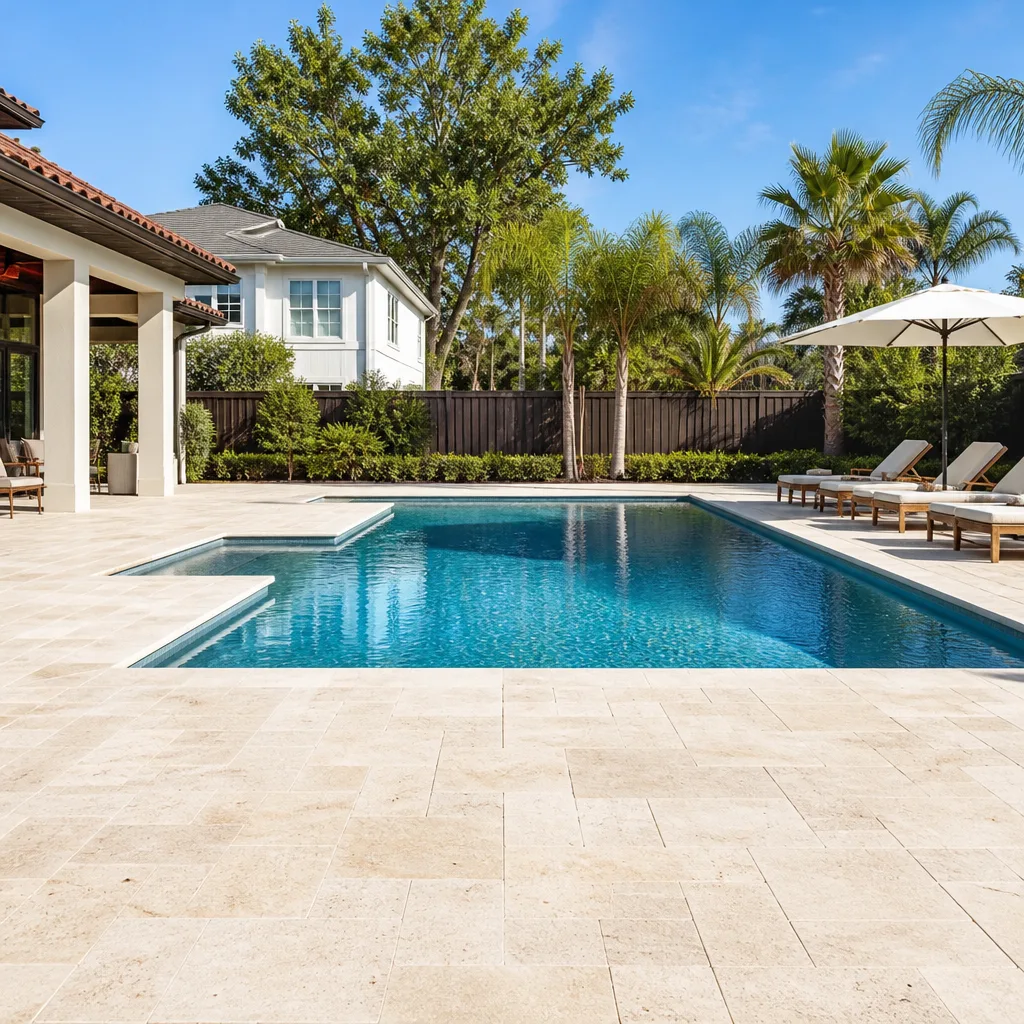
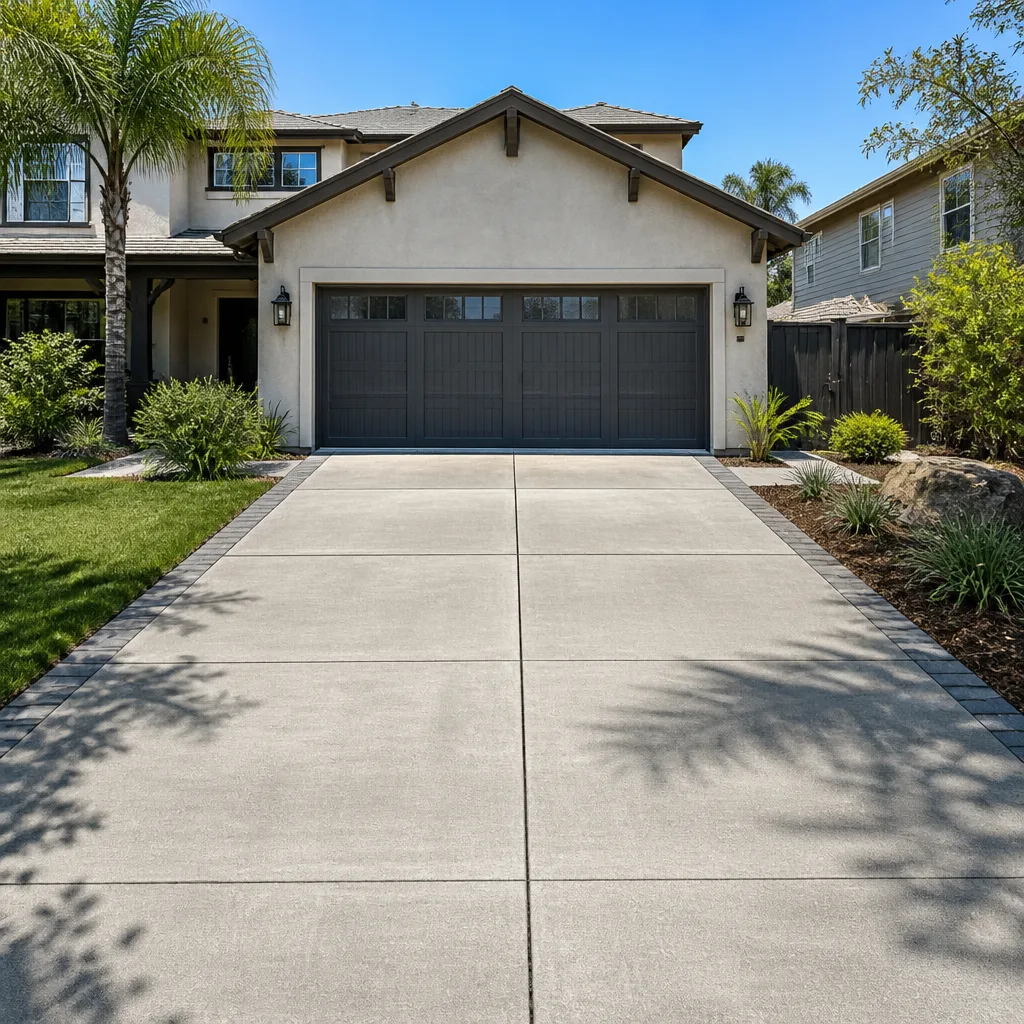
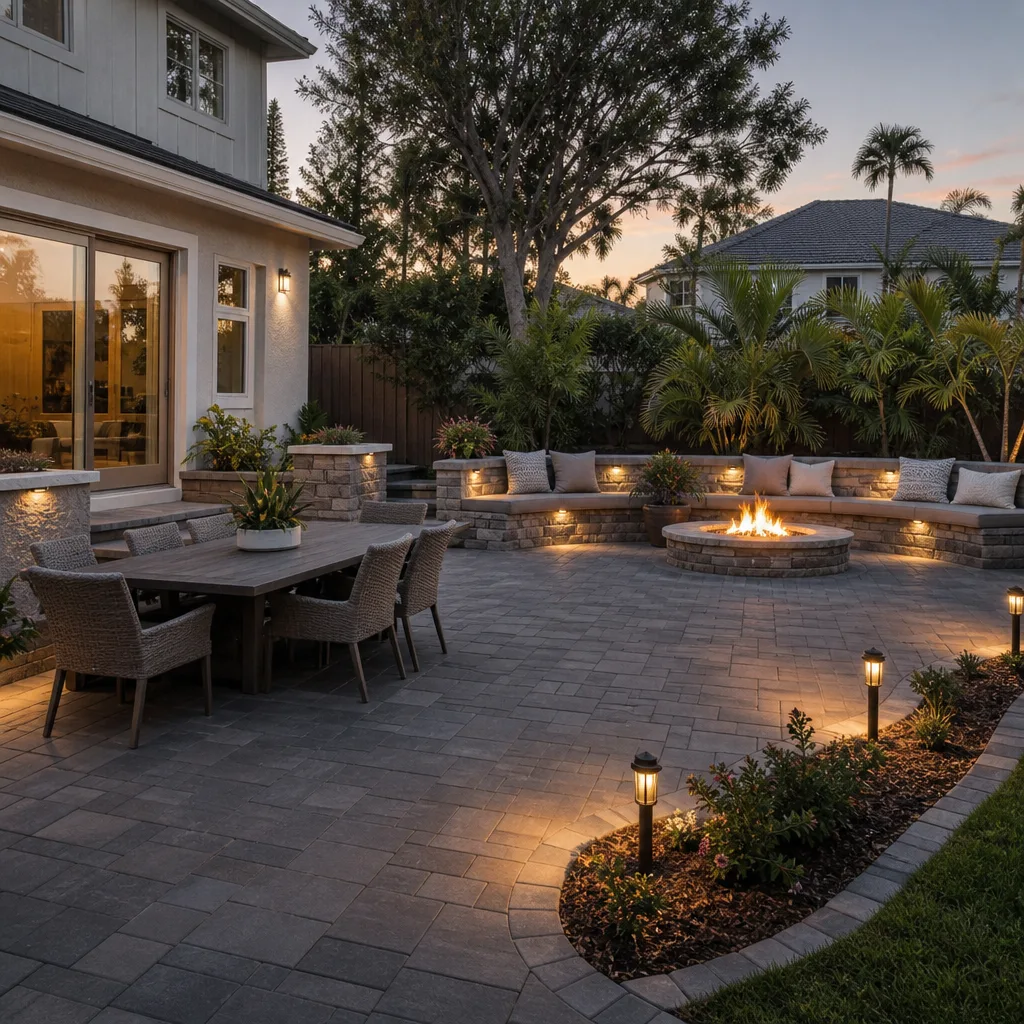
We install Schluter-compatible driveway and paver systems across Homestead, and a full paver driveway installation typically runs $7,000 to $18,000 depending on square footage, base preparation, and whether the existing slab or asphalt has to come out first. Paver patio installation runs $3,500 to $11,000. This isn’t a same-day emergency call – driveway work is scheduled and planned, and we deliver a written price before anything gets ordered or pulled up.
Owners usually discover the problem in one of two ways. Either a paver shifts underfoot after a wet season at the edge of a driveway off Krome Avenue, or the Schluter profile at the transition point between driveway and garage apron pops loose and the sand joint behind it starts washing out. Both point at the same thing: the base under the pavers or the edge restraint holding the profile has lost its grip.
Rowan Construction Group Homestead is an independent contractor. We are not affiliated with Schluter Systems, and we don’t claim to be.
Which Schluter Models This Applies To
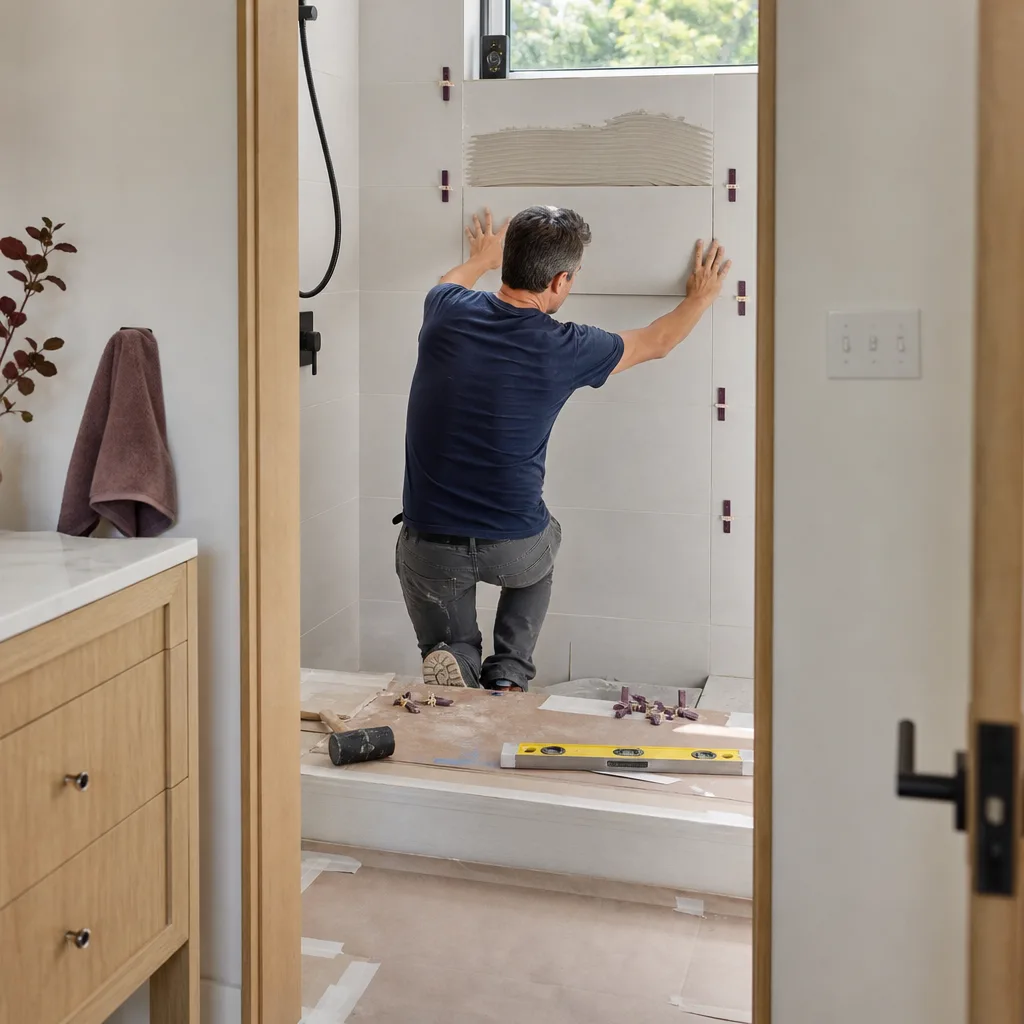
Schluter’s exterior paver and tile transition work runs through a few product families worth knowing by name. The SCHIENE family is an L-shaped edge profile, made for protecting the exposed edge of tile or paver work. The TREP-E series handles stair nosing and edge protection on exterior steps. DILEX profiles cover movement joints, and KERDI is the waterproofing membrane family, less common in driveway work but relevant where a paver area meets a wall or threshold. The RENO-U and RENO-TK profiles show up at floor-to-floor transitions and where pavers meet garage slabs.
Identifying the right part comes down to three measurements: the profile height, which has to match your paver thickness to within a millimeter or two; the profile width, which is the horizontal leg that gets buried or butted; and the material, because PVC and aluminum behave differently in Florida sun and salt air. A label inside the profile channel, a photograph next to a tape measure, or a note of the paver manufacturer and nominal thickness usually gets us to an exact match.
On OEM versus aftermarket: Schluter is genuinely good product, and for visible edge transitions we recommend staying with the Schluter part when it’s available and correctly sized. For buried movement joints under pavers, a quality aftermarket equivalent at the same dimension does the job and costs less. We’ll tell you which one you’re looking at before you buy.
Styles & brands we work with
- Kitchen remodeling
- Bathroom remodeling
- Home additions & ADU
- Roofing
- Windows & doors
- Driveway & pavers
- Fence
Signs Your Schluter Driveway & Pavers Is Failing
- The profile edge lifts above the paver face. The adhesive bed or mechanical anchor under the leg has released. This is often the first symptom and gets worse every time a car rolls over it.
- Sand washes out of the joints along the profile line. Water is getting behind the pavers at the transition and finding no drain. In Homestead the rainy season from June through September exposes this fast, and it’s the single most common failure we see at driveway-to-garage transitions.
- Pavers rock or settle next to the profile. The base beneath has lost compaction, or the edge restraint that holds the profile has broken. Driving over a rocking paver accelerates the failure across the whole panel.
- Visible rust or white chalky staining at an aluminum profile. Aluminum edge profiles pit where they contact soil or trapped moisture. Stainless and PVC versions resist this better, which matters in South Florida coastal humidity.
- Separation at the movement joint. A DILEX-style joint that has pulled away from one side is a sign of slab movement or thermal expansion beyond what the joint was sized for. Left alone, the crack propagates into the paver field.
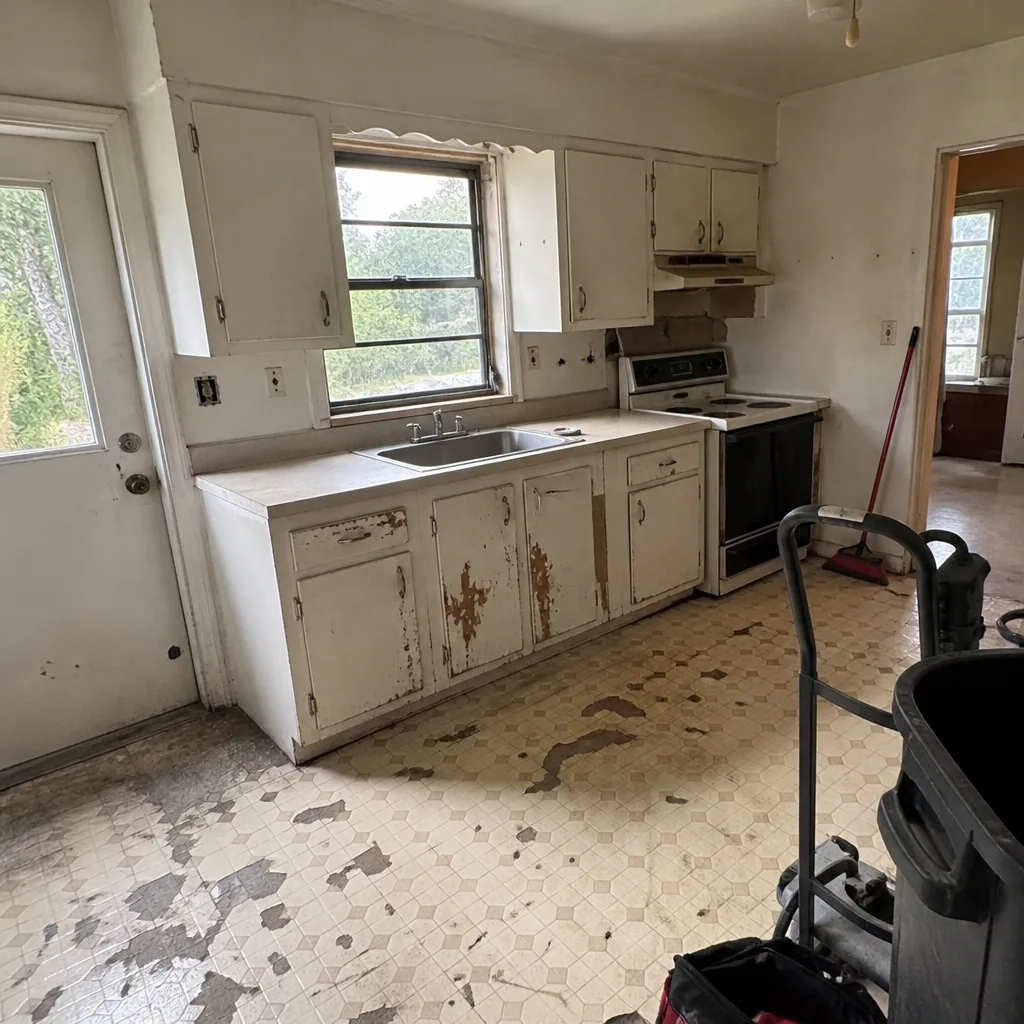
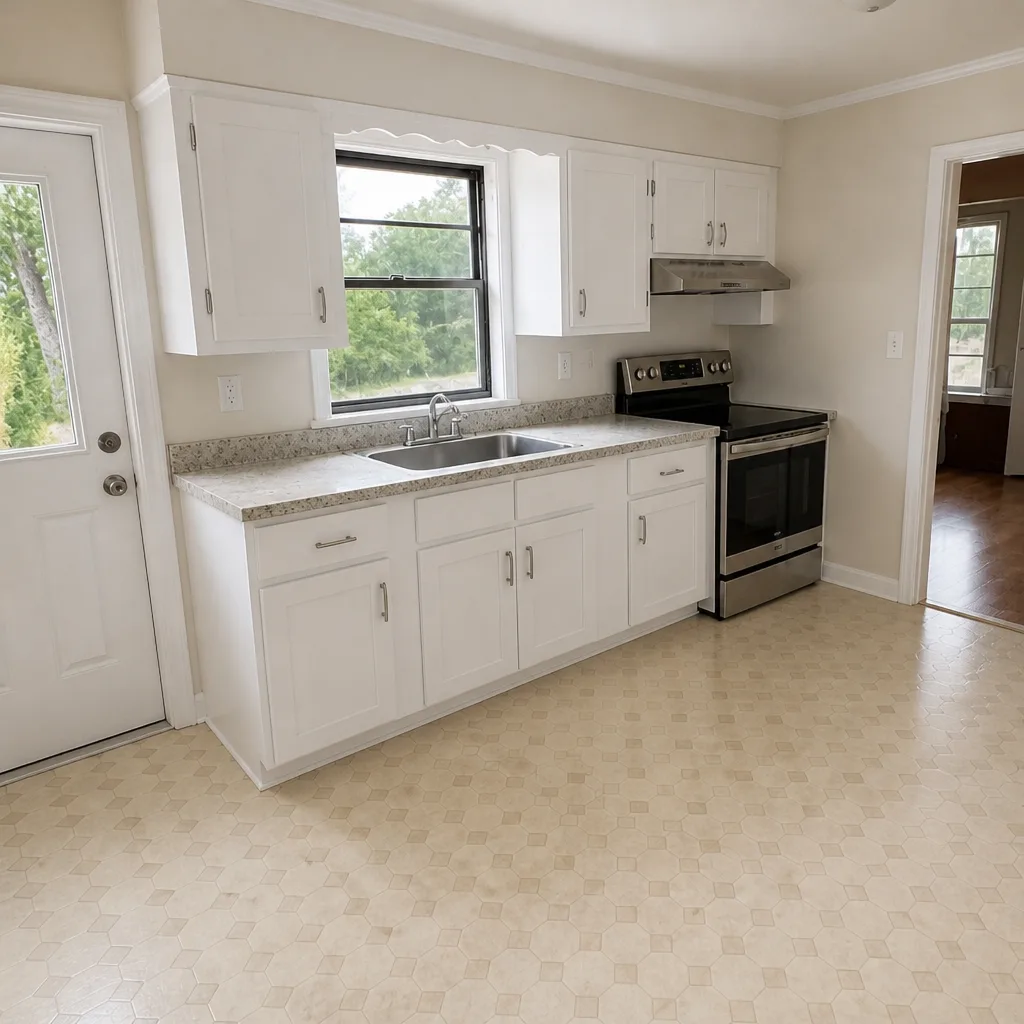
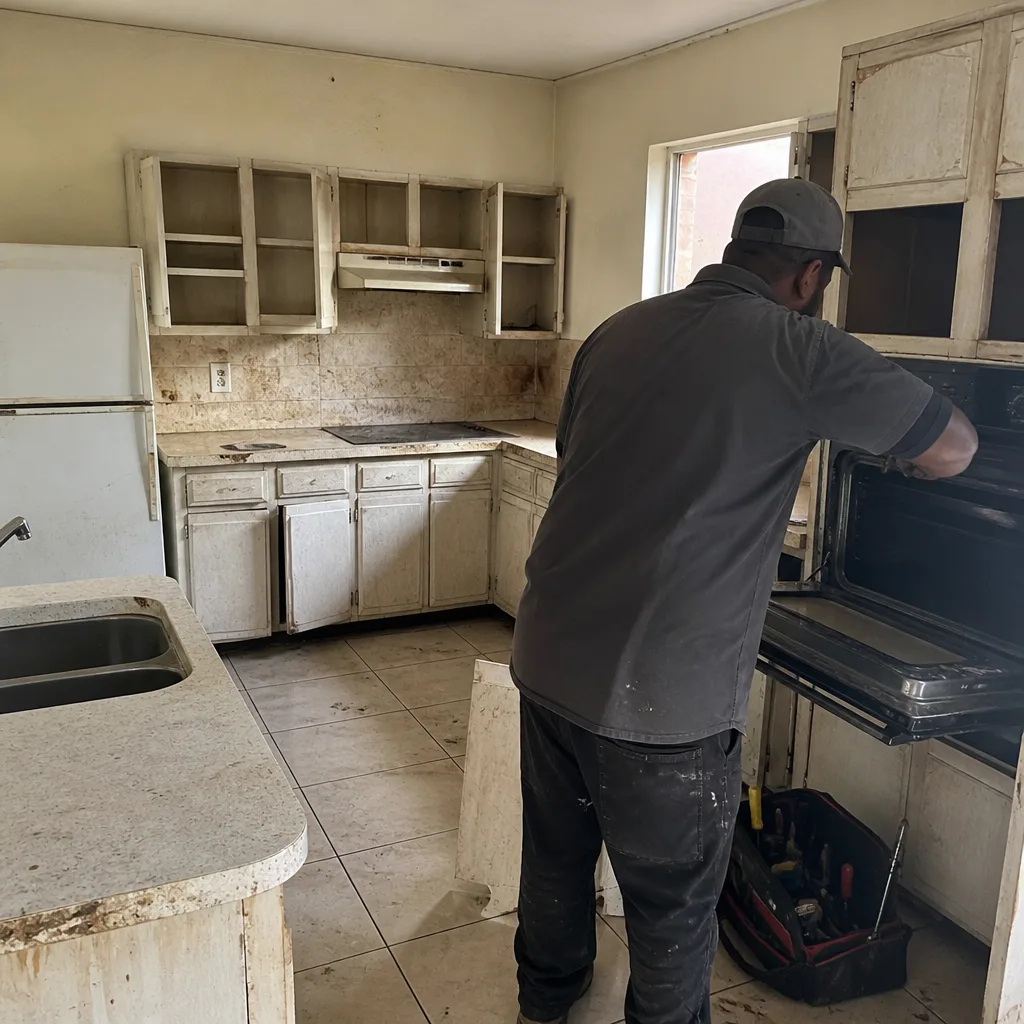
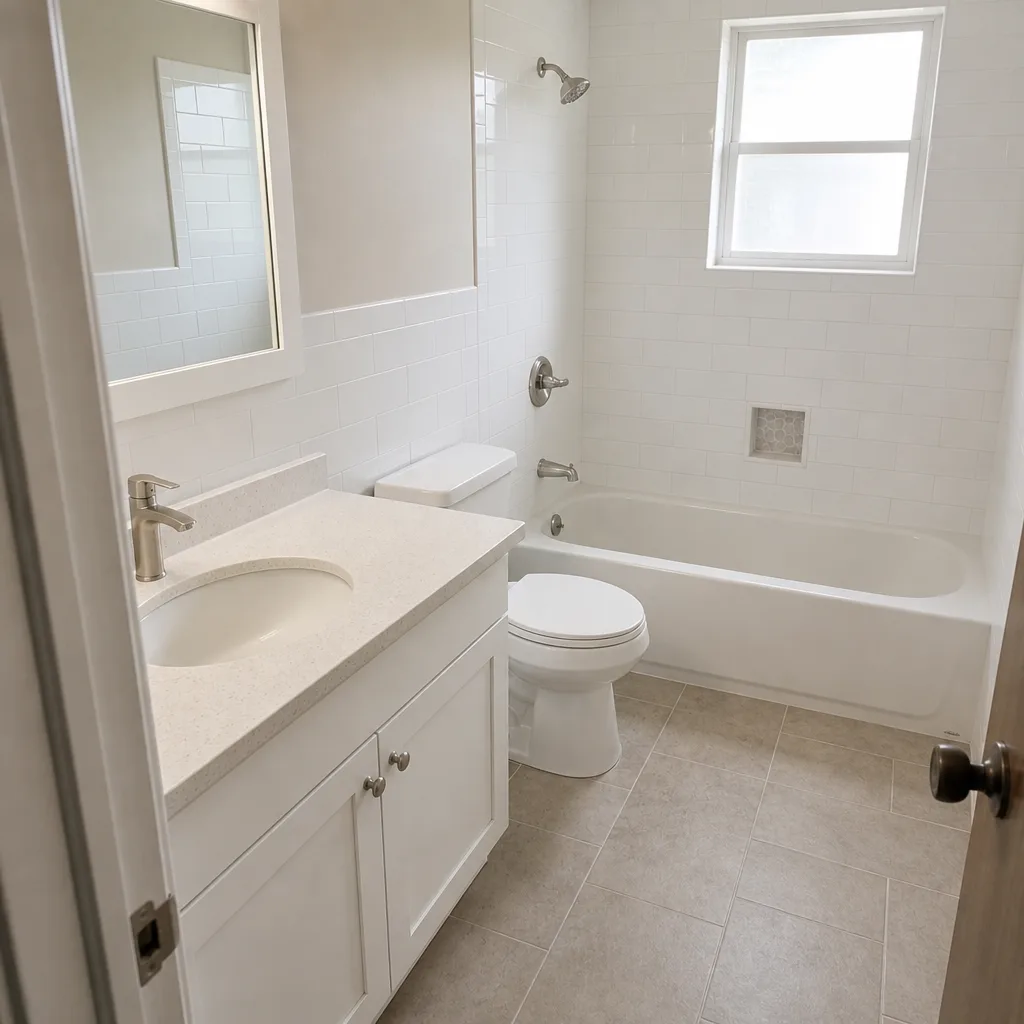
See the difference
 Before
 After
 Before
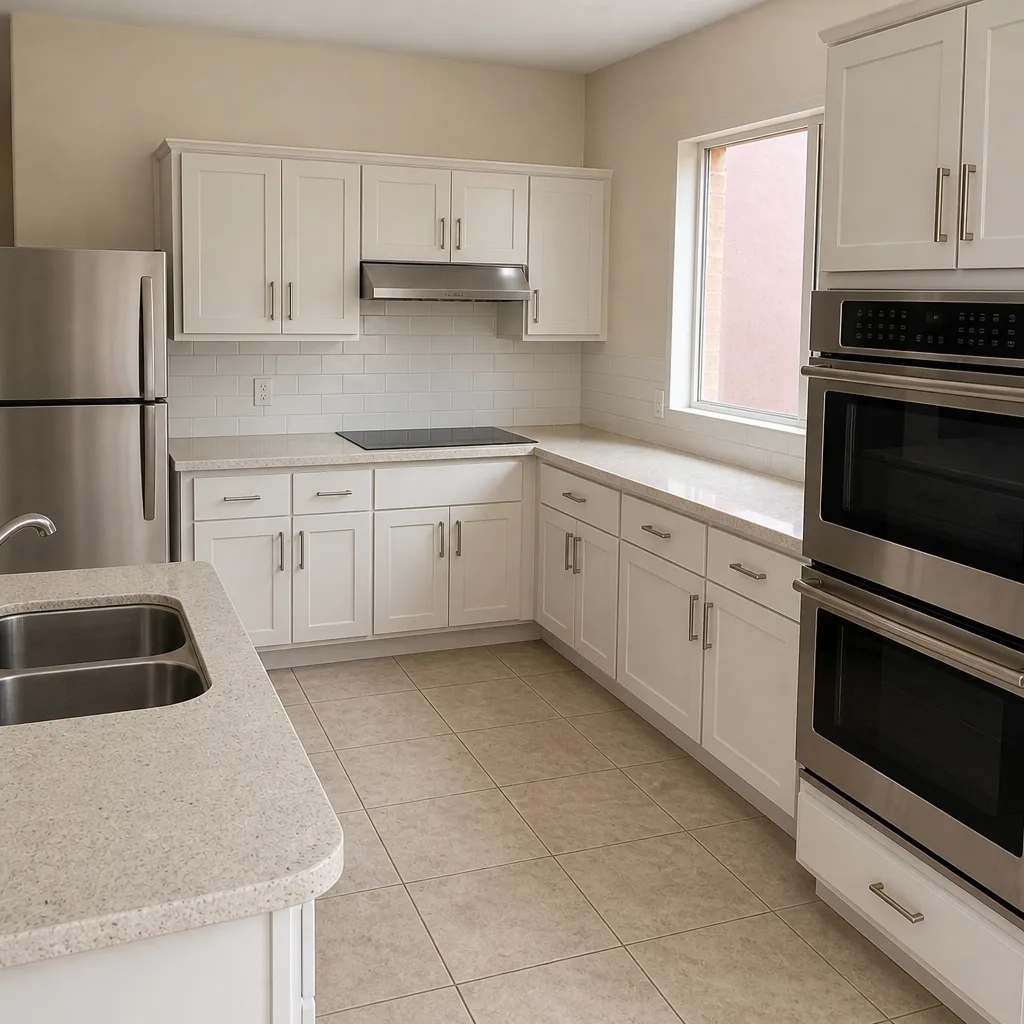 After
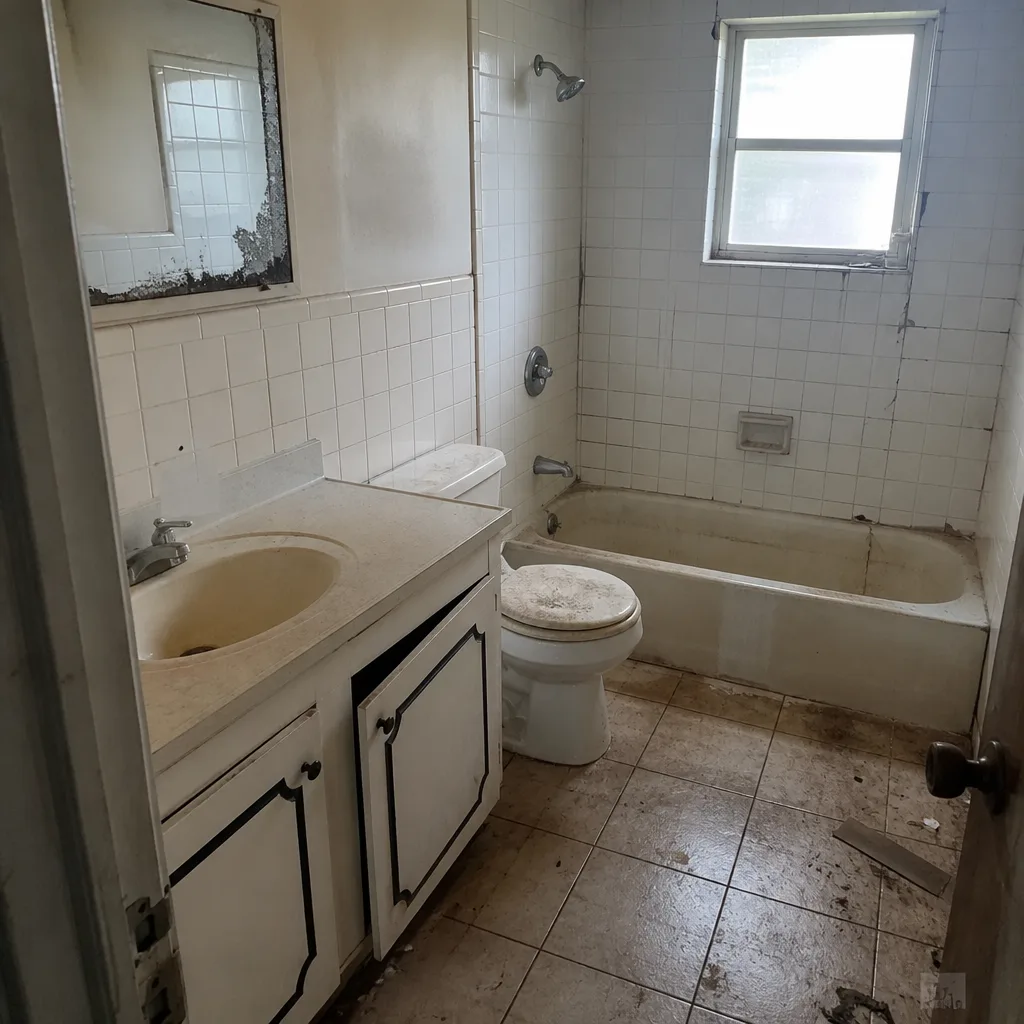 Before
 After
Replacement Cost & What’s Included
Replacing the edge profile and restoring the paver field around it typically lands in the $400 to $1,200 range for a single transition on a residential driveway. Full paver driveway installation in Homestead is $7,000 to $18,000. Driveway sealing after repair is $250 to $700. Paver patio installation, if the same job includes a back patio, runs $3,500 to $11,000.
What drives the range: square footage of paver field that has to come up and go back down, whether the base needs re-compaction or full replacement, the length of the profile run, and the material (PVC, aluminum, or stainless). We quote parts and labor as separate line items so you can see what the Schluter profile actually costs versus the labor to fit it. The written price is delivered before work starts, and our 365-Day Done Right Promise covers the installation. No change proceeds without a signed change order.
DIY or Call Us?
You can safely check a few things yourself: photograph the lifting profile with a tape measure laid against the paver thickness, note whether the sand joints behind it are washing out, and check whether the edge restraint at the driveway perimeter is cracked or lifting. That’s diagnosis, not repair, and it saves time on the quote.
Where DIY goes wrong: lifting a set paver to reset the base is more than pulling one stone. The panel around it loses interlock, the sand bedding gets disturbed, and a badly reseated paver can settle again in one wet season. Pavers sitting on a poorly compacted base can also crack the profile you just installed. On a driveway where cars park and turn, we’d recommend having the repair done by someone who can compact the base properly and guarantee the work. There’s no high-tension spring or live electrical in this work, but the base discipline matters more than it looks.
Call (844) 834-4248 for a free estimate, and we’ll review a competitor’s quote line by line at no charge if you have one in hand.
FAQs
How long should a Schluter paver edge profile last in Homestead? A correctly installed PVC or stainless profile in a properly drained paver field holds 15 to 20 years. Aluminum profiles in coastal Homestead, with the salt air and wet-season runoff, often show pitting in 8 to 12. The profile’s lifespan is really the base’s lifespan – when the base moves, the profile fails with it.
Can the old profile be repaired instead of replaced? Sometimes. If the profile is intact and only the adhesive or anchor has released, a reset is possible and costs less. If the profile is bent, cracked, or pitted through, replacement is the honest answer. We’ll tell you which one you’re looking at before quoting.
How long does the swap take? A single transition on a residential driveway typically takes half a day to a full day, including paver removal, base prep, profile installation, and reinstating the paver field. Larger runs or multiple transitions stretch to two days. Weather in Homestead during the wet season can shift the schedule, and we’ll say so up front.
How do you source the part? We match the profile height, width, and material to your existing paver thickness and bring the part with the written quote. We don’t stock parts on trucks or claim a warehouse. Sourcing runs through our vetted brand network, which is also where we pull KraftMaid, Cambria, and Silestone for kitchen and bath work.
Call (844) 834-4248 to schedule your free estimate on Schluter driveway and paver work in Homestead. Every visit gets a documented photo record, and every project gets a flat written price before the first paver moves.
Written by the team at Rowan Construction Group Homestead, serving Homestead and nearby areas.