
Free written scope consultation - allowances, timeline, and change-order rules on paper before a single trade is scheduled
Grohe Home Additions & ADU: The Homestead Owner’s Guide
If you’re planning a Grohe-fixtured addition or ADU in Homestead, the installed cost for a full home addition runs $45,000 – $130,000, and a detached or attached ADU runs $90,000 – $220,000, quoted as a flat written price before any work begins. We install and service the Grohe fixtures, valves, and rough-in components that go inside those builds. That’s the answer. Here’s the part most owners discover first: a Grohe thermostatic valve under a new shower that won’t hold temperature past 82°F, a cartridge that drips into a freshly finished ADU bathroom, or a Grohe kitchen pull-down sprayer in a new addition that leaks at the hose connection within the first year. Homestead’s humidity and hard municipal water find weak points fast, and on new construction the failure surfaces during the punch list, not after.
Key Takeaways
- Home addition: $45,000 – $130,000. ADU: $90,000 – $220,000. Garage conversion: $30,000 – $80,000.
- Grohe fixtures inside a new addition rely on the same cartridge, valve, and seal families sold across the Grohe line; we match by model number, not guesswork.
- We’re an independent contractor, not affiliated with Grohe. We source genuine Grohe parts and quality aftermarket equivalents by specification.
- Every quote is written before work starts; no change proceeds without a signed change order.
Which Grohe Models This Applies To
Grohe has sold a very wide spread of series over the years, and the part you need depends entirely on which series is behind your wall or under your new counter. The common residential lines we see in Homestead additions include the Grohtherm thermostatic shower valves, the Grohe Eurosmart and Eurocube faucet families, the Rainshower heads and hand-shower sets, and the Grohe Sensia and Essence lines in newer master baths. The identification trick: pull the trim plate or faucet handle and read the model or serial stamped on the cartridge housing or the rough-in valve body. A photo of that stamp gets you the right part in one call, not three.
The OEM-vs-aftermarket decision for Grohe is real. Grohe’s own cartridges and thermostatic elements carry a genuine part number and a longer service expectation. Quality aftermarket equivalents exist and can be honest value on older, non-warranty fixtures, but they vary widely in seal quality, and in Homestead’s hard water a cheap cartridge can fail in half the life. Our rule: genuine Grohe for anything inside a shower wall or behind a wall, aftermarket considered only for exposed, easily-swapped parts like a sprayer head or aerator. Sourced through our fifty-plus vetted brand relationships, alongside brands like KraftMaid, Cambria, and Silestone we specify in the same builds.
Styles & brands we work with
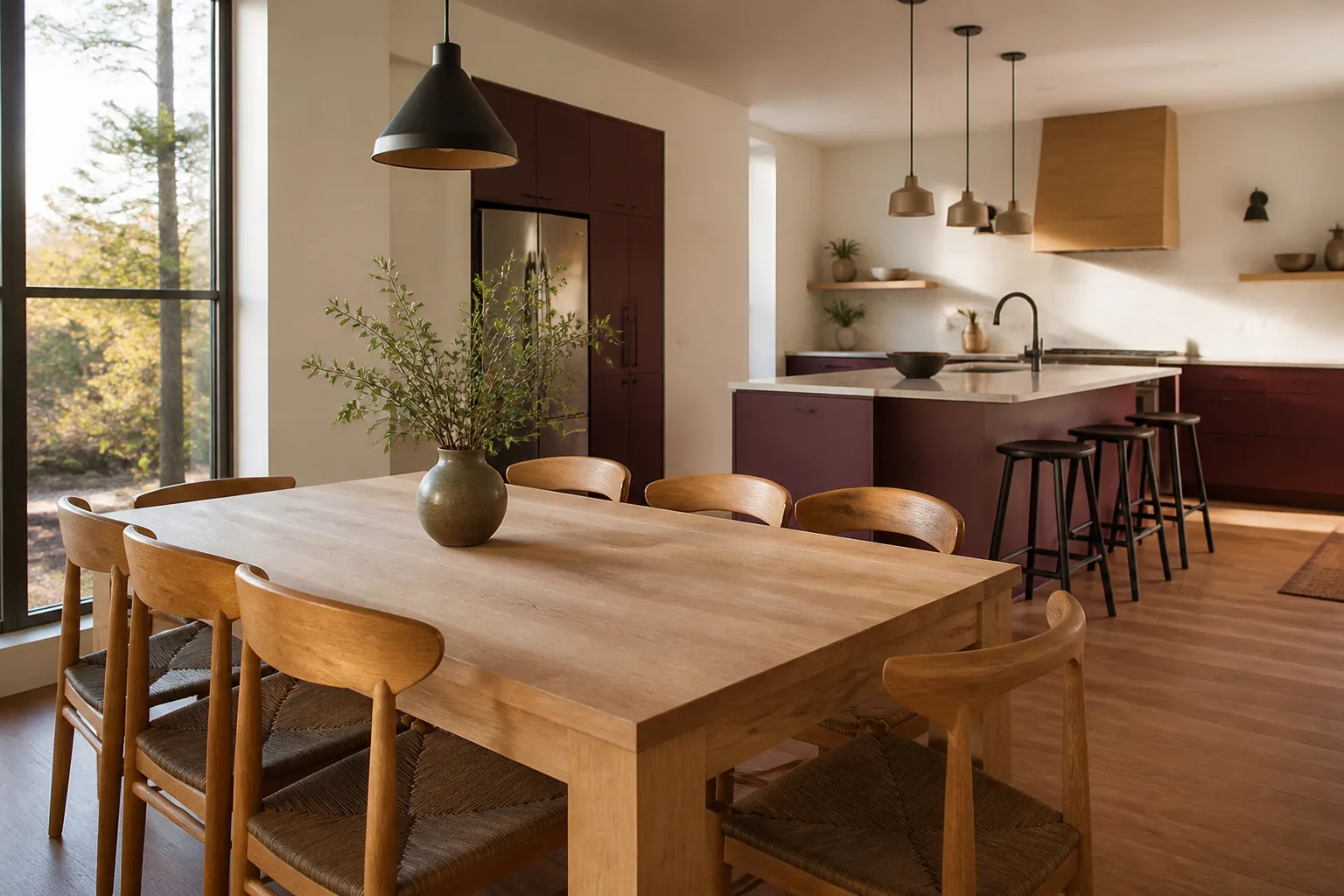
- Kitchen remodeling
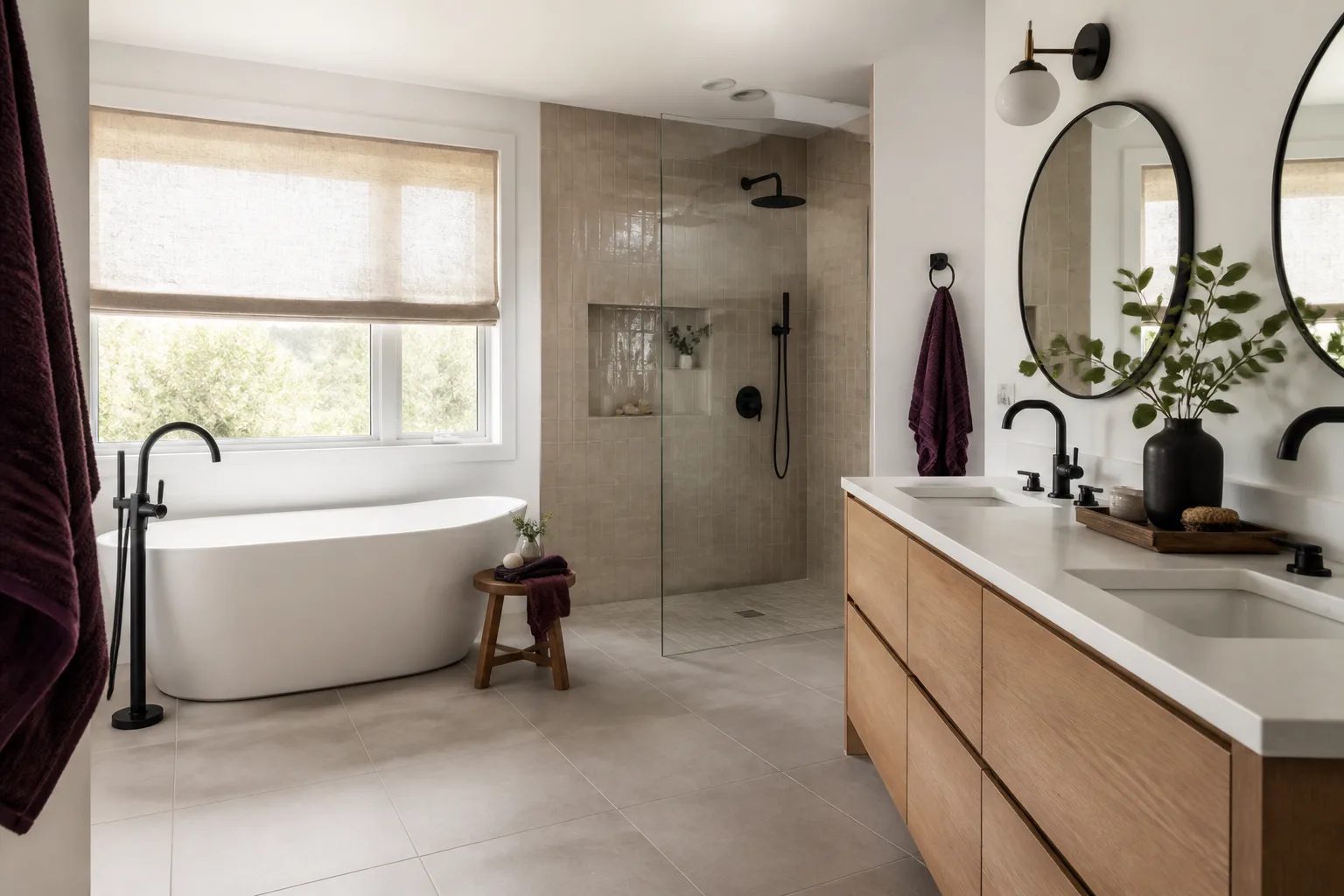
- Bathroom remodeling
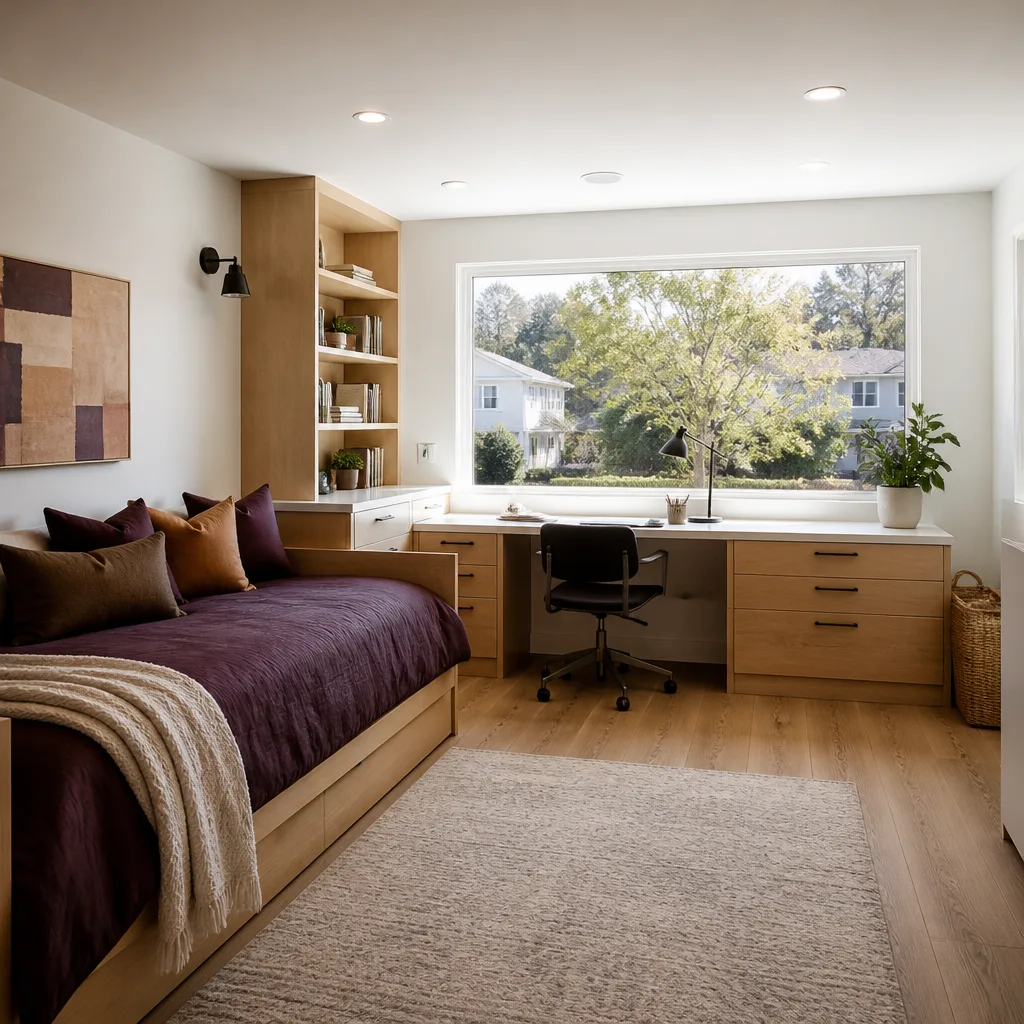
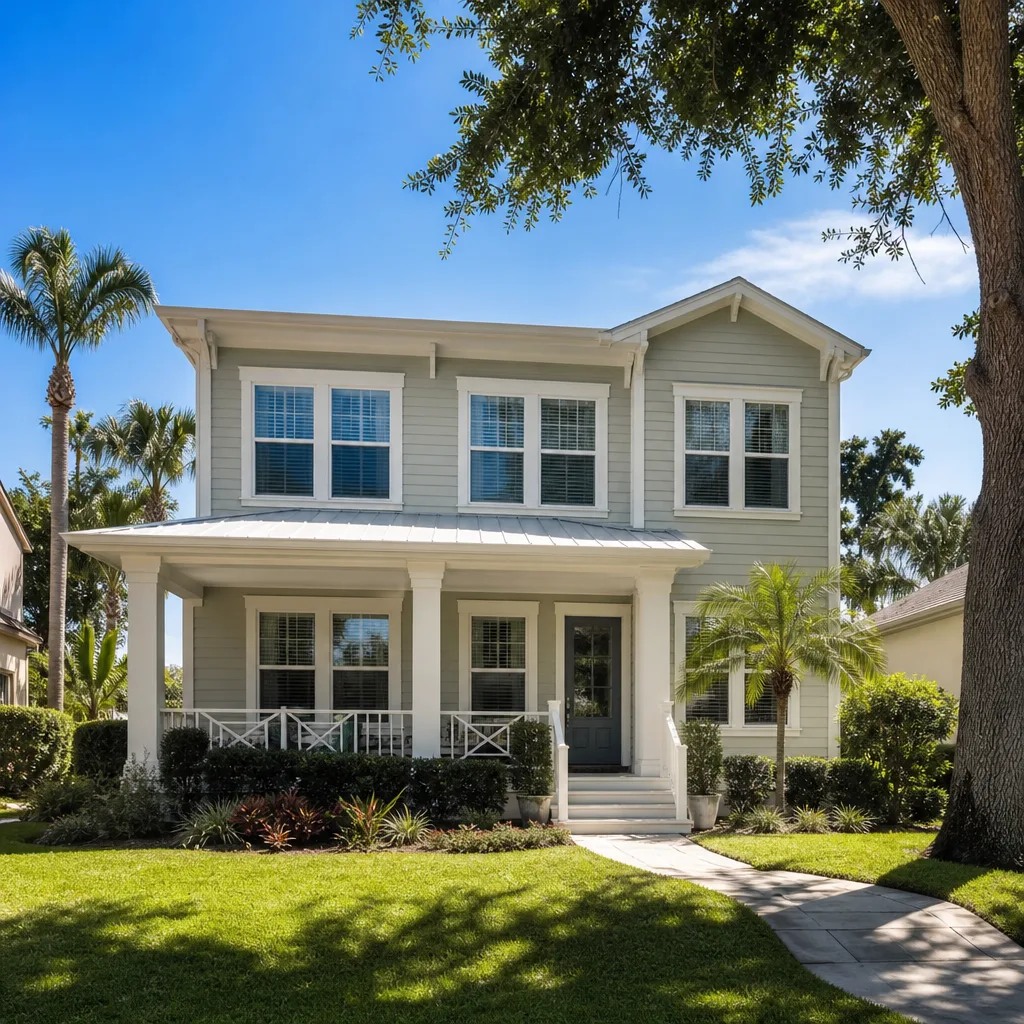
- Home additions & ADU
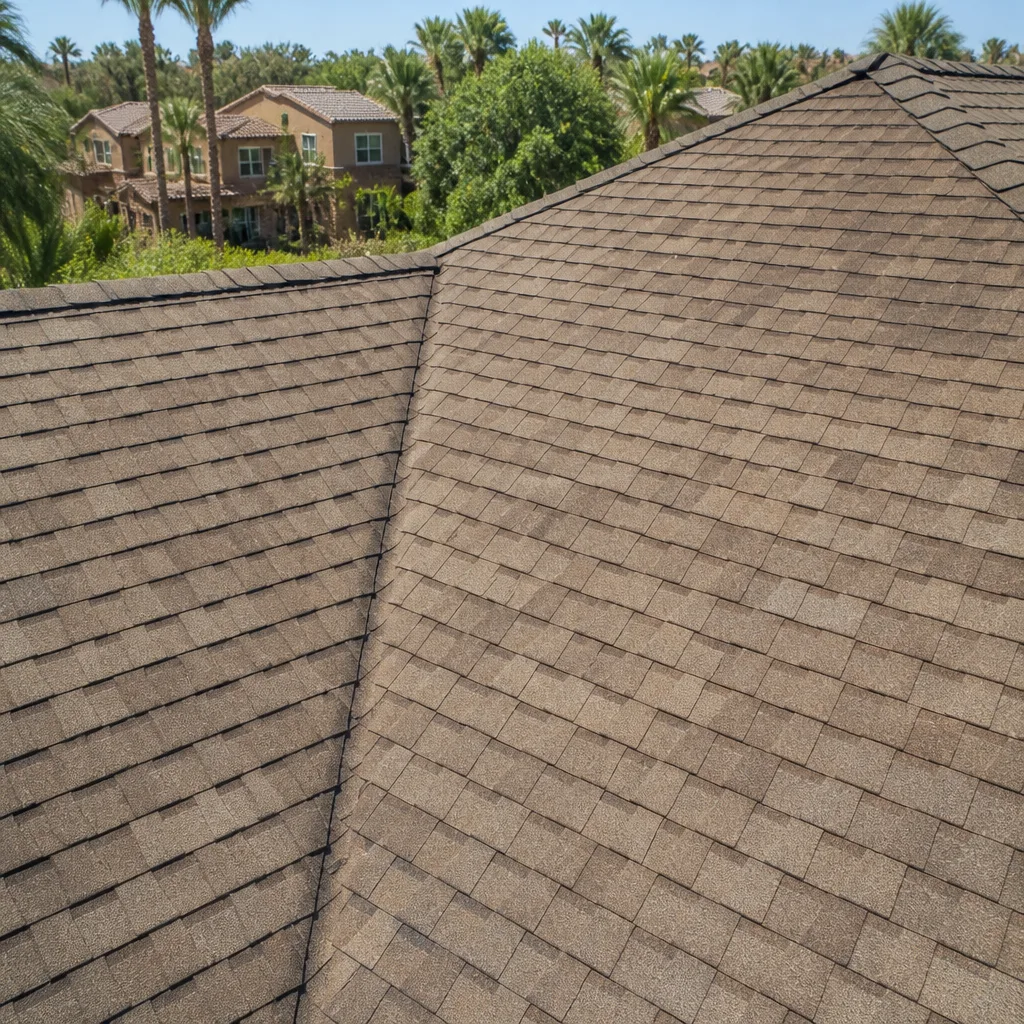
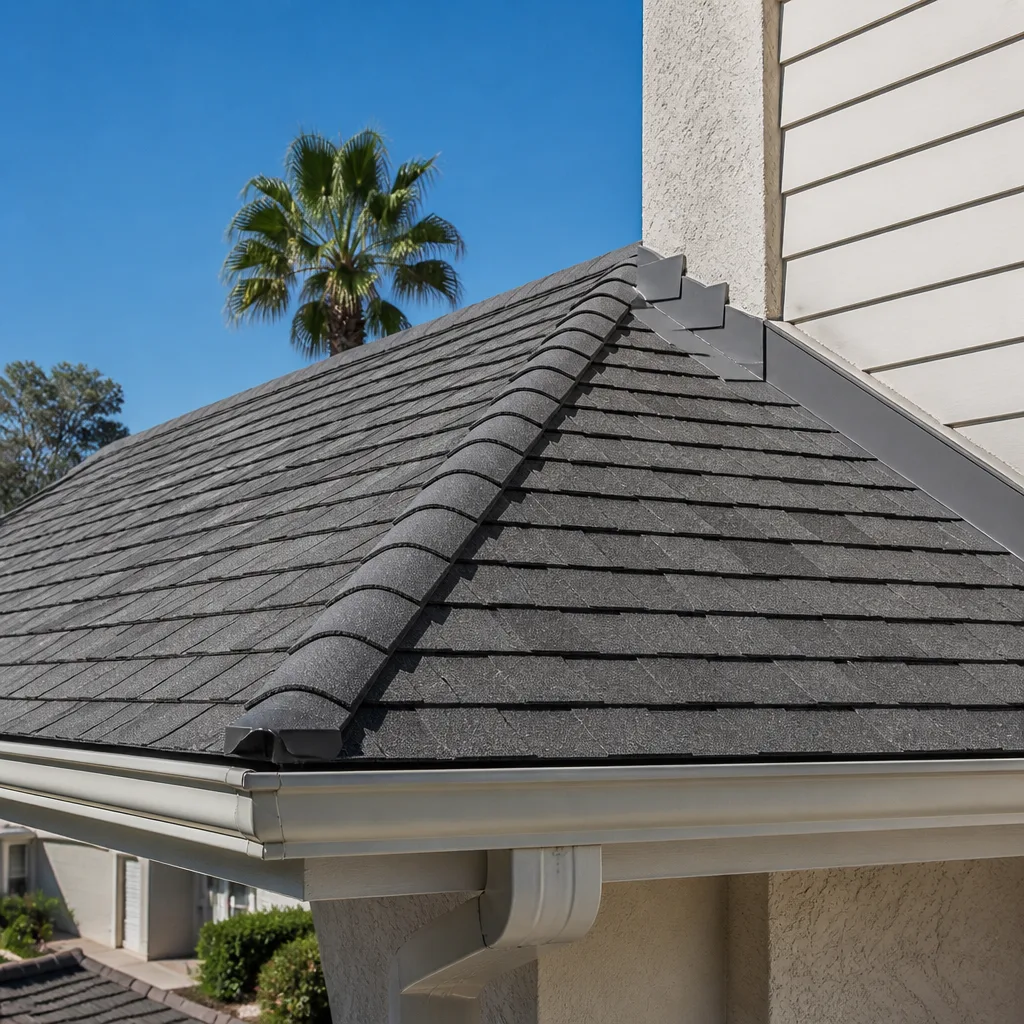
- Roofing
- Windows & doors
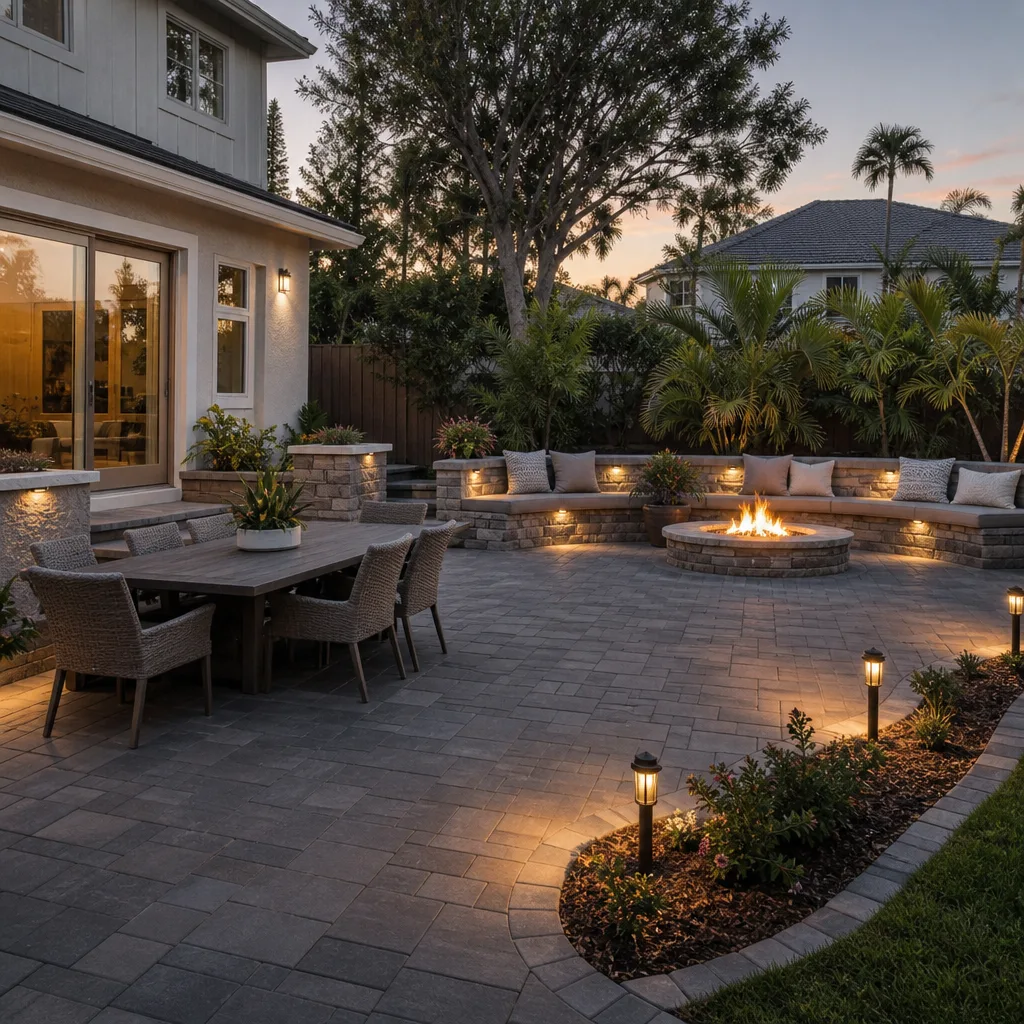
- Driveway & pavers
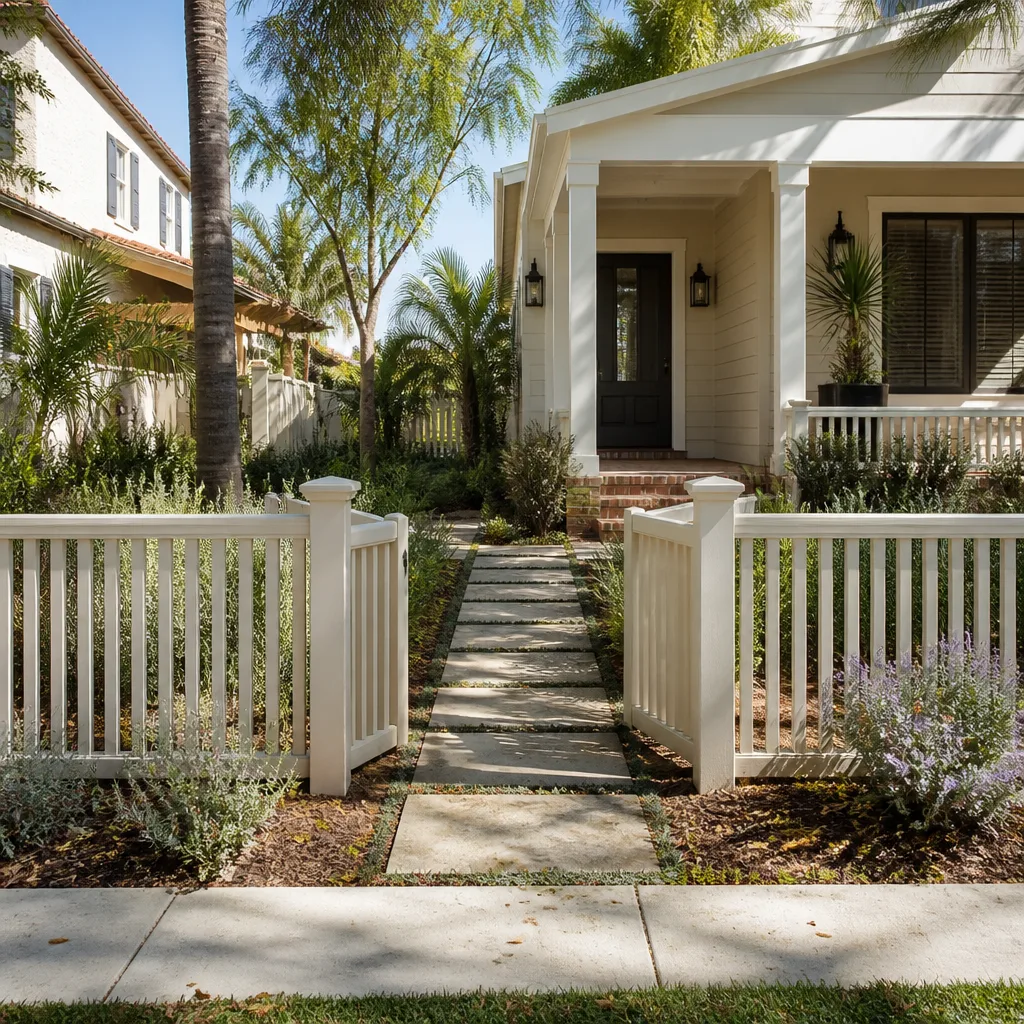
- Fence
Signs Your Grohe Home Additions & ADU Is Failing
A failing Grohe part inside a new addition or ADU rarely fails silently. It shows up in predictable ways:
- Temperature drift in a thermostatic shower. The thermostatic element or cartridge has scaled or worn, so the valve can’t hold the set temperature. In Homestead, hard water accelerates mineral buildup inside the cartridge, so a valve that behaved in year one starts wandering by year three.
- A constant drip from a new kitchen or bath faucet. The ceramic cartridge seat has failed or grit has scored the seal. On a fresh addition this usually traces to debris left in the line during rough-in that reached the cartridge on first use.
- Low or uneven flow at a Grohe pull-down sprayer. The diverter or the hose check valve is clogged or worn. Mineral scale from Homestead’s water supply is the usual culprit.
- Water weeping at a Grohe rough-in valve connection. A seal or O-ring has dried or the connection wasn’t torqued to spec. Caught early this is a $150-ish repair; caught late it’s a water-damaged wall in your new ADU.
- A handle that’s stiff or won’t return. The cartridge has seized or the internal stop has broken, often from scale and disuse in a guest bath inside an ADU that sits empty between visits.
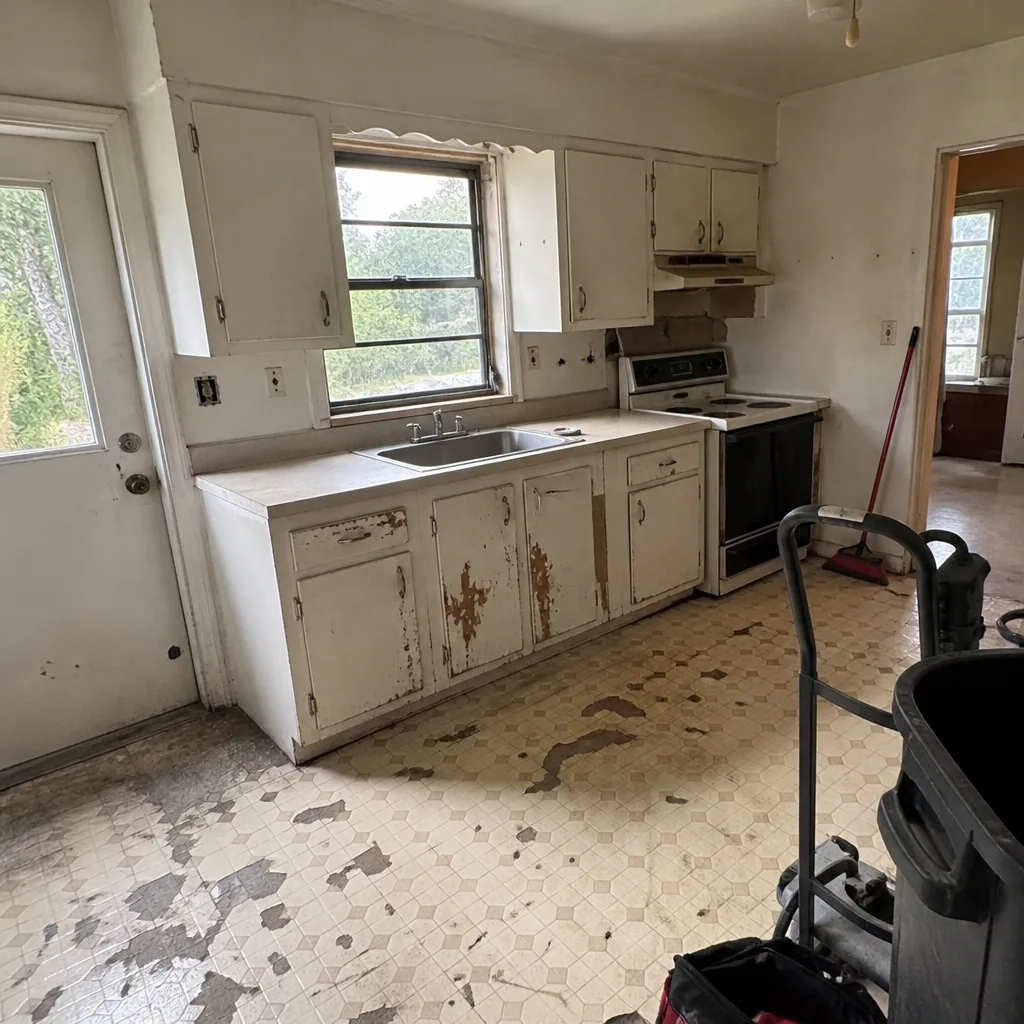
See the difference
 Before
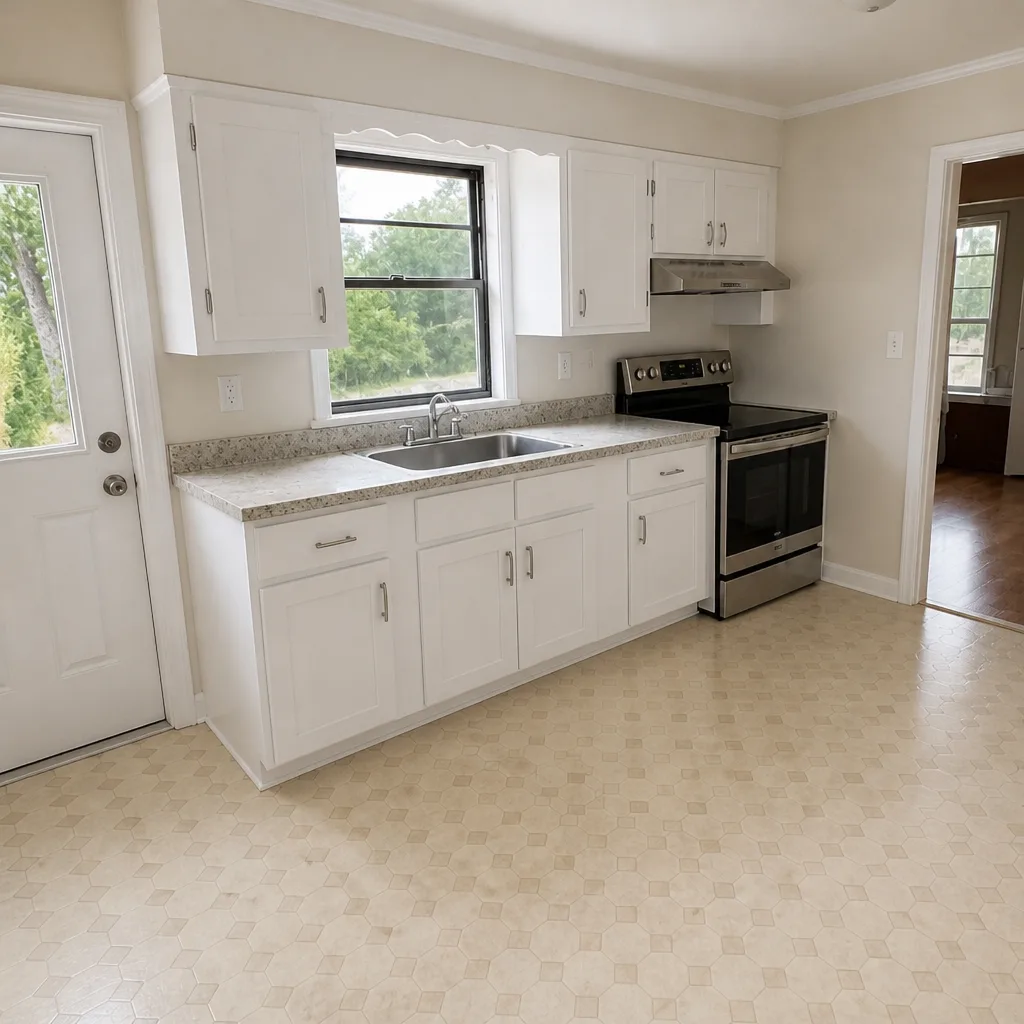 After
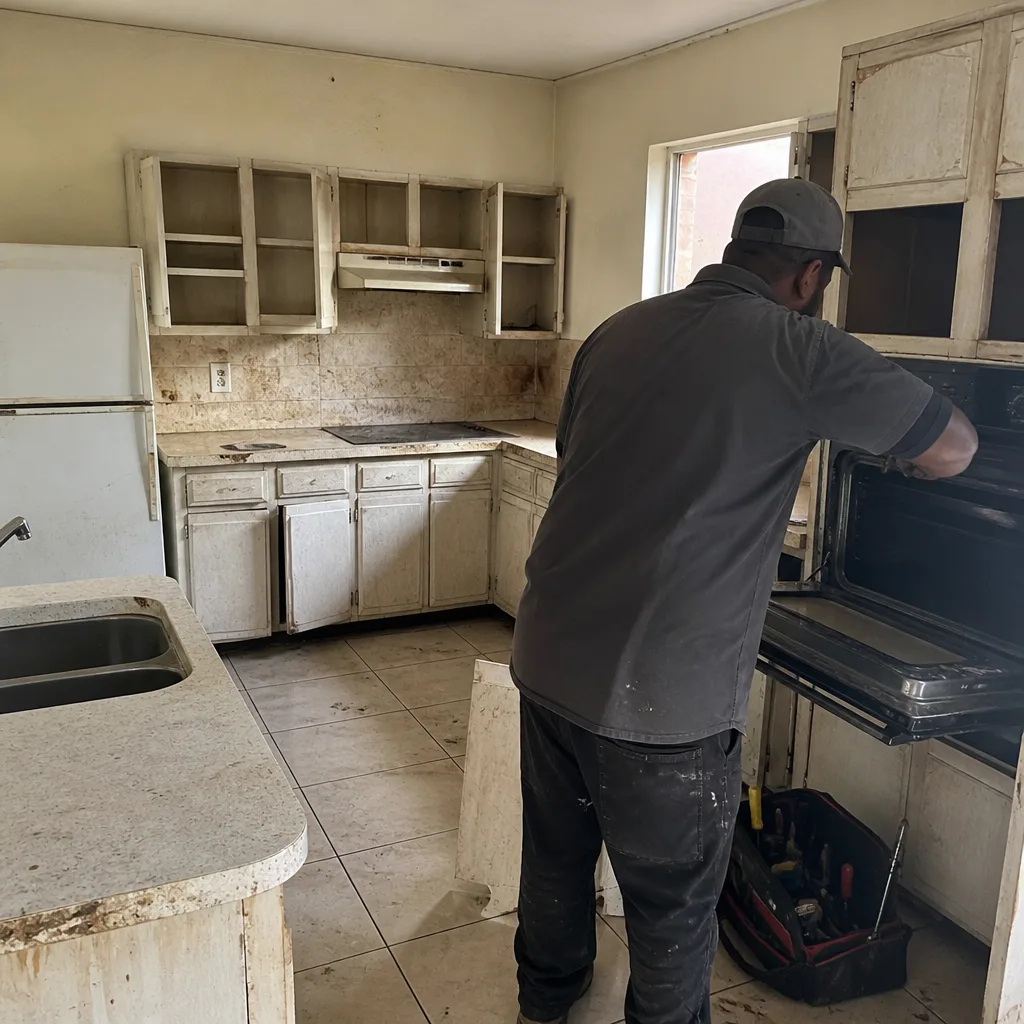 Before
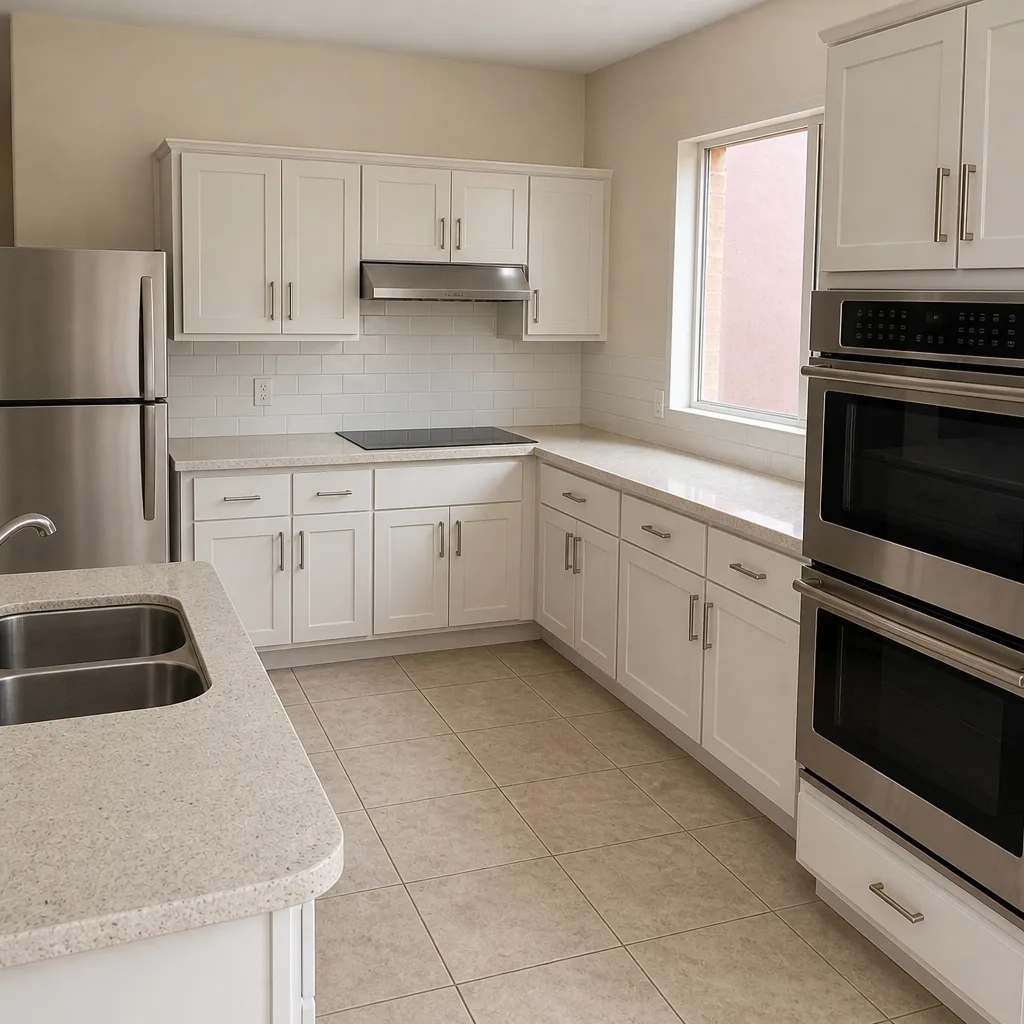 After
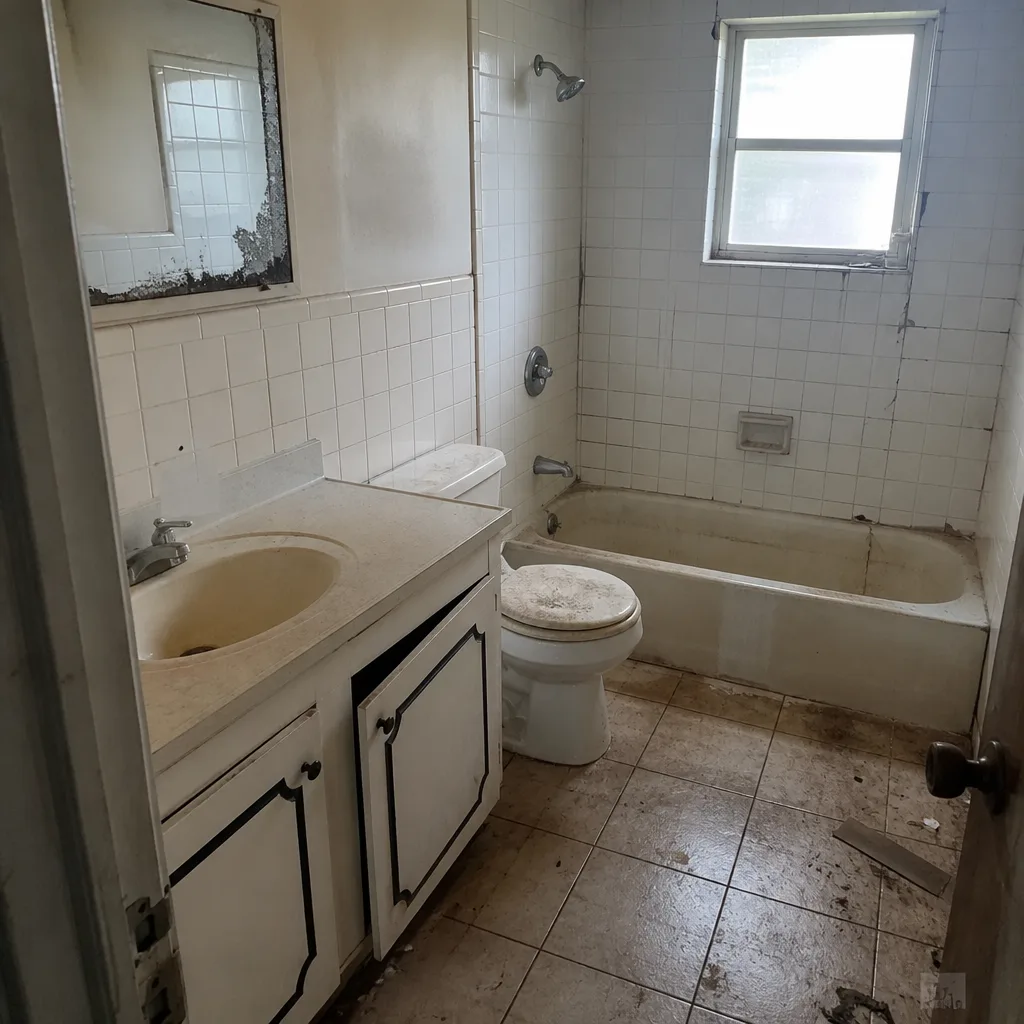 Before
 After
Replacement Cost & What’s Included
Here’s what the numbers look like in Homestead for the parts-and-labor side, separate from the addition or ADU build itself:
| Grohe item | Typical installed range |
|---|---|
| Faucet cartridge replacement (kitchen or bath) | $150 – $350 |
| Thermostatic shower cartridge / element | $250 – $600 |
| Rough-in valve seal or O-ring service | $150 – $450 |
| Pull-down sprayer / hose / diverter | $120 – $300 |
| Full thermostatic valve replacement (open wall) | $600 – $1,400 |
| Home addition (full build) | $45,000 – $130,000 |
| ADU construction | $90,000 – $220,000 |
| Garage conversion | $30,000 – $80,000 |
The range on any repair depends on access (behind-wall vs. exposed), whether the wall must be opened, and whether we’re sourcing genuine Grohe or an equivalent. You get a flat written price before work starts, a written scope, and a written warranty; no change proceeds without a signed change order. Every visit includes a documented photo record of what we found and what we did.
DIY or Call Us?
An owner can safely do a few things: shut off the water, photograph the model stamp on the cartridge or valve body, check and clean the aerator or sprayer screen, and confirm whether the leak is at the fixture or the connection. Past that, DIY on Grohe is where it goes sideways. A thermostatic cartridge sits under spring-loaded tension with small, easy-to-lose components; forcing one out of a rough-in valve can crack the valve body and turn a $300 repair into a $1,000 wall-opening job. We recommend a trained professional for anything behind a trim plate. Our technicians have up to 19 years of experience and every crew member is background-checked and verified before they arrive. Call (844) 834-4248 and we’ll tell you what the part is and what it costs before anyone touches it.
FAQs
How long does a Grohe cartridge last in Homestead? A genuine Grohe cartridge typically lasts 8 – 12 years, but expect the lower end in Homestead because of hard water and high humidity; scale is the main thing that shortens it. If yours is drifting or dripping, call (844) 834-4248 for an exact quote; estimates are free.
Can the part be repaired instead of replaced? Often, yes. A cartridge can sometimes be cleaned and resealed if the failure is mineral scale rather than a scored seat, and a sprayer screen or diverter can be cleared without a full swap. We diagnose first and quote the repair before recommending replacement.
How long does the swap take? An exposed cartridge or sprayer replacement is typically under an hour. A thermostatic valve that requires opening a wall can run half a day or more depending on access. You’ll get the time estimate in the written scope.
How do you source the part? By model and part number read from the fixture’s stamp, sourced genuine from Grohe or a specified aftermarket equivalent, with the choice and the price written into the quote. We never guess at a match.
Call (844) 834-4248 to schedule your free estimate. We’ll confirm the part, put the price in writing, and get it done right the first time – backed by our 365-Day Done Right Promise.
Written by the team at Rowan Construction Group Homestead, serving Homestead and nearby areas.