
Free written scope consultation - allowances, timeline, and change-order rules on paper before a single trade is scheduled
CertainTeed Home Additions & ADU: The Homestead Owner’s Guide
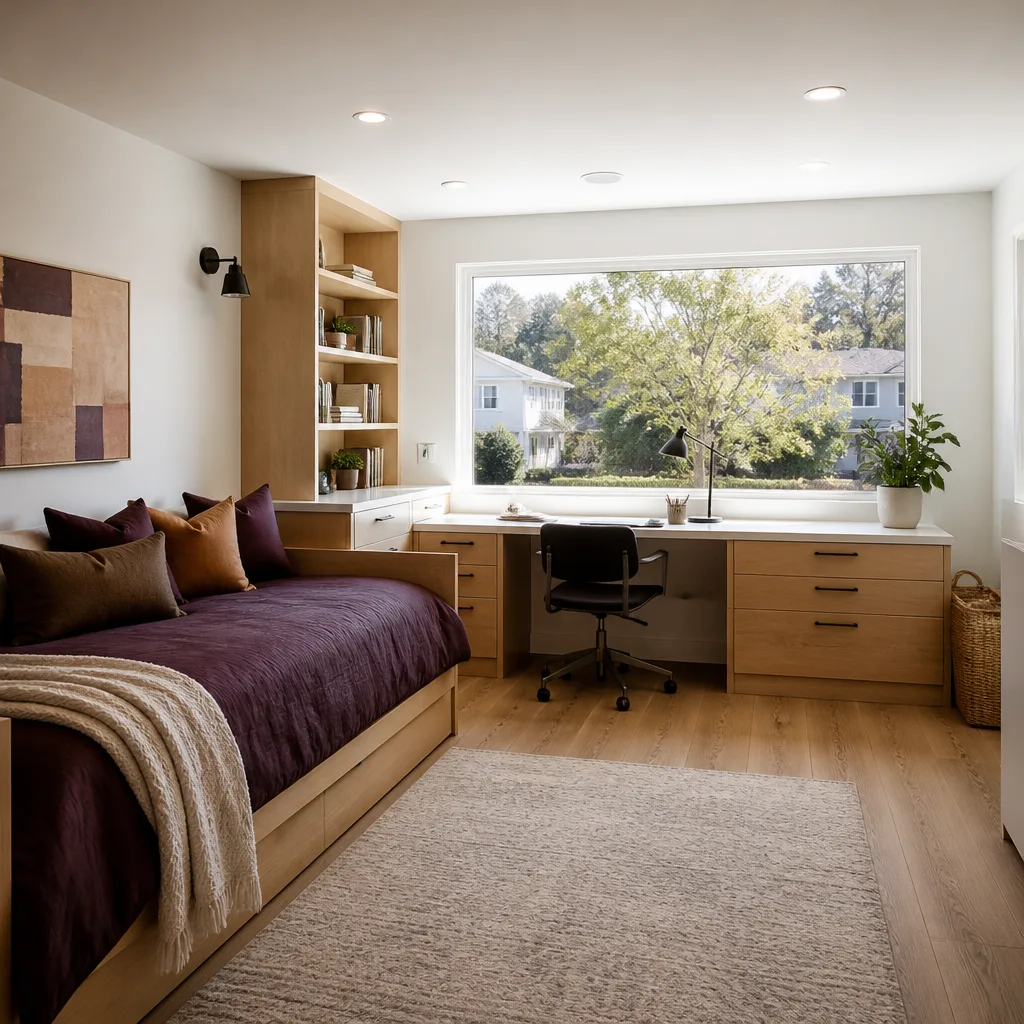
We build CertainTeed-compatible home additions and ADUs in Homestead, and the installed price for a full addition here runs $45,000 – $130,000; standalone ADU construction runs $90,000 – $220,000. A garage conversion sits lower, at $30,000 – $80,000. Because an addition is planned construction, not an emergency, we schedule a written estimate rather than promise same-day work.
Owners usually discover a problem with the building envelope, not with a single part. A CertainTeed-wrapped addition that’s five or six years old starts showing itself in ways that are easy to miss at first: a musty smell in the new room after a heavy rain, a hairline crack tracking up from a corner, or a ceiling stain that appears, fades, and returns. In Homestead’s heat and humidity, those small signals tend to compound faster than they would up north. By the time a stain reaches the drywall face, moisture has usually been working behind it for a season or two.
One note up front: Rowan Construction Group Homestead is an independent contractor. We install CertainTeed-compatible materials and work with CertainTeed systems, but we are not affiliated with CertainTeed. When we pull a quote, we source and verify the actual product the job calls for.
Key Takeaways
- Full home addition in Homestead: $45,000 – $130,000 installed.
- ADU construction: $90,000 – $220,000. Garage conversion: $30,000 – $80,000.
- Nine times out of ten, the failure is at the envelope transition, not the siding or roofing panel itself.
- Every project gets a flat written price and written scope before work starts.
- A signed change order is required before any change proceeds, which is how projects stay within a few percent of the agreed number.
Which CertainTeed Models This Applies To
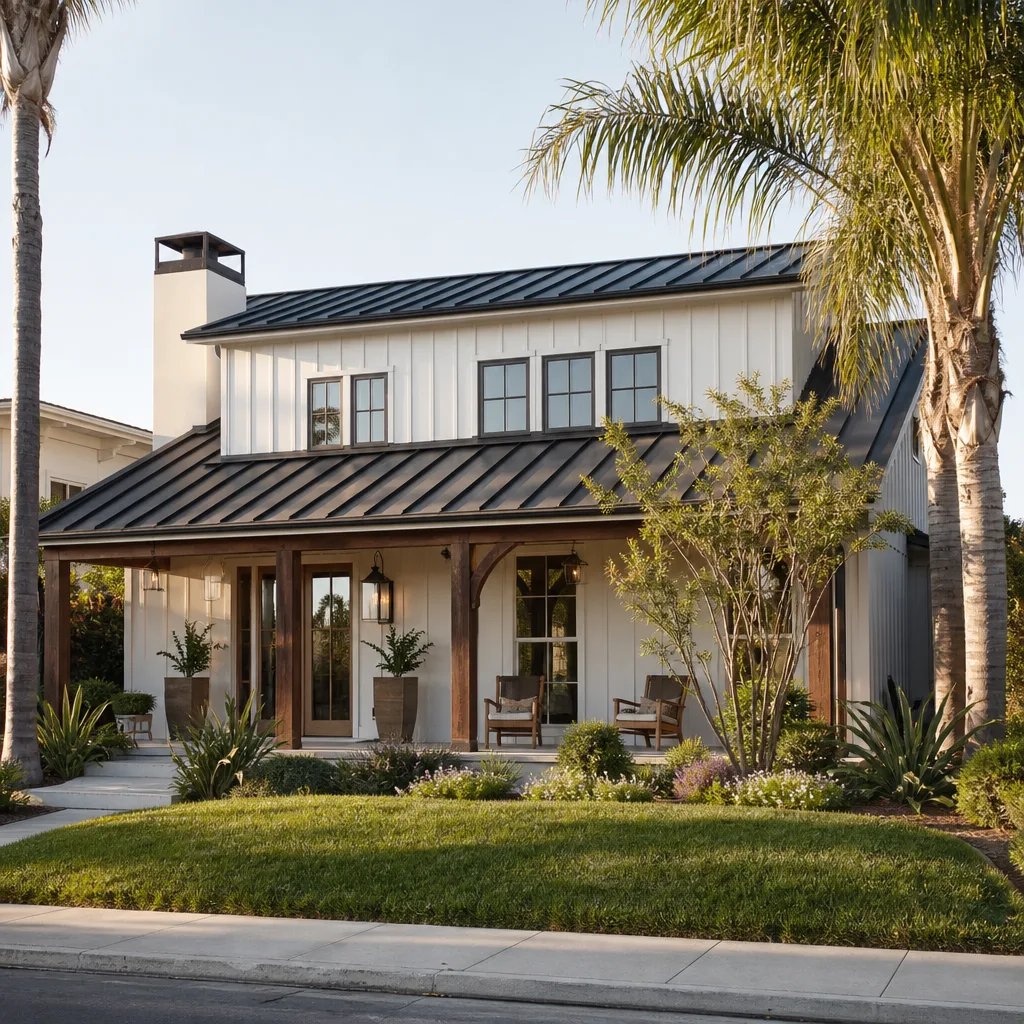
CertainTeed makes building products across several categories, and additions in Homestead typically touch two or three of them at once: siding, roofing underlayment, and sometimes insulation or gypsum. The product that matters for your addition depends on which envelope layer is failing, not on a single model number.
Identifying the right product starts with the label. CertainTeed siding carries the product name and profile on the back of each panel or on the carton label; roofing underlayment is marked on the roll core. If the label is gone, measure the exposure. Vinyl siding exposure is typically 4 to 8 inches, so a panel width tells you a lot. For roofing, count the shingle layers at the drip edge and compare the granule color and tab pattern to a CertainTeed sample book.
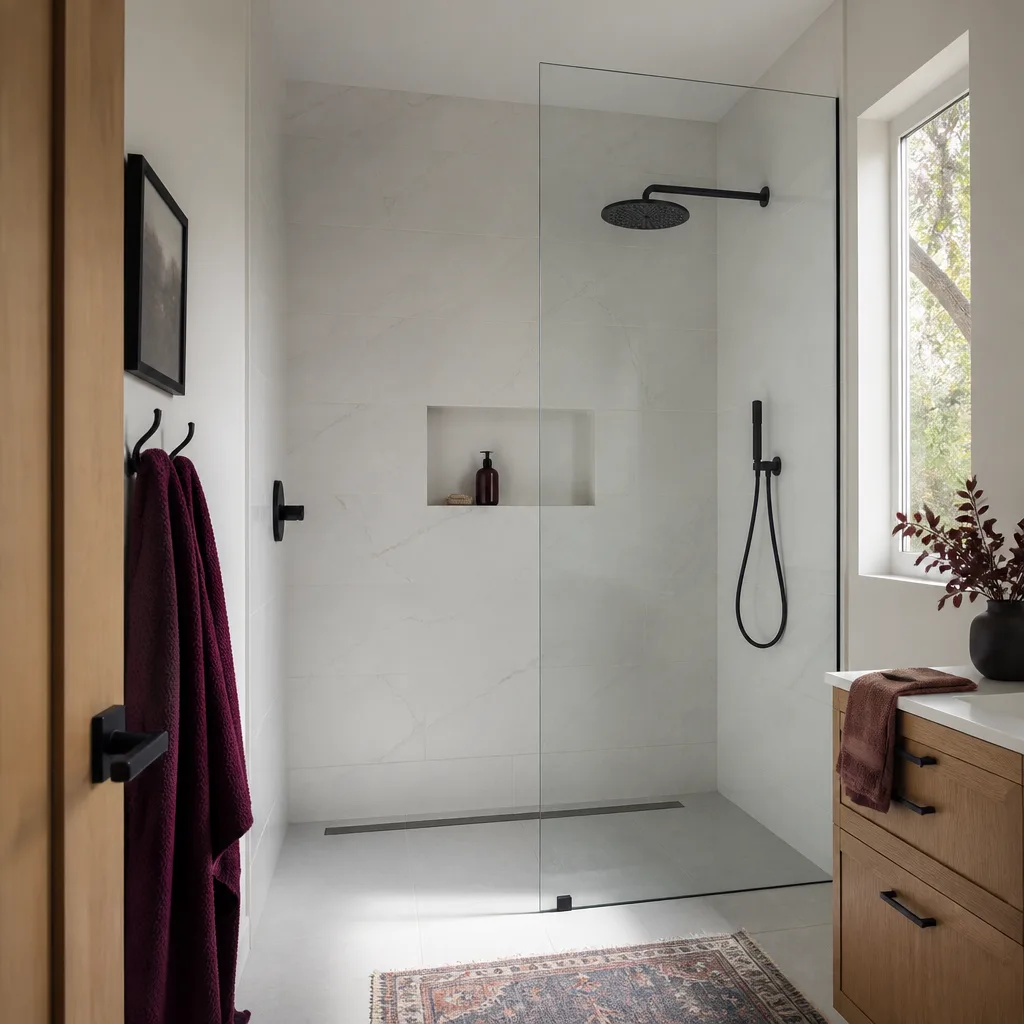
The OEM-versus-aftermarket decision here is less about brand loyalty and more about compatibility. CertainTeed siding profiles vary by series, and a mismatched panel edge will show at every course. On a Homestead addition, matching the profile and color lot matters because sun exposure is unforgiving; a slightly off color that looks fine at install can read as a patch two summers later. Where a specific CertainTeed line is discontinued or unavailable, we can source a compatible equivalent and tell you exactly where the match is close and where it isn’t. That same sourcing discipline carries into the rest of the job: when a Homestead addition involves a kitchen or bath tie-in, we work with KraftMaid and Cambria, and we compare Silestone where the budget points that way.
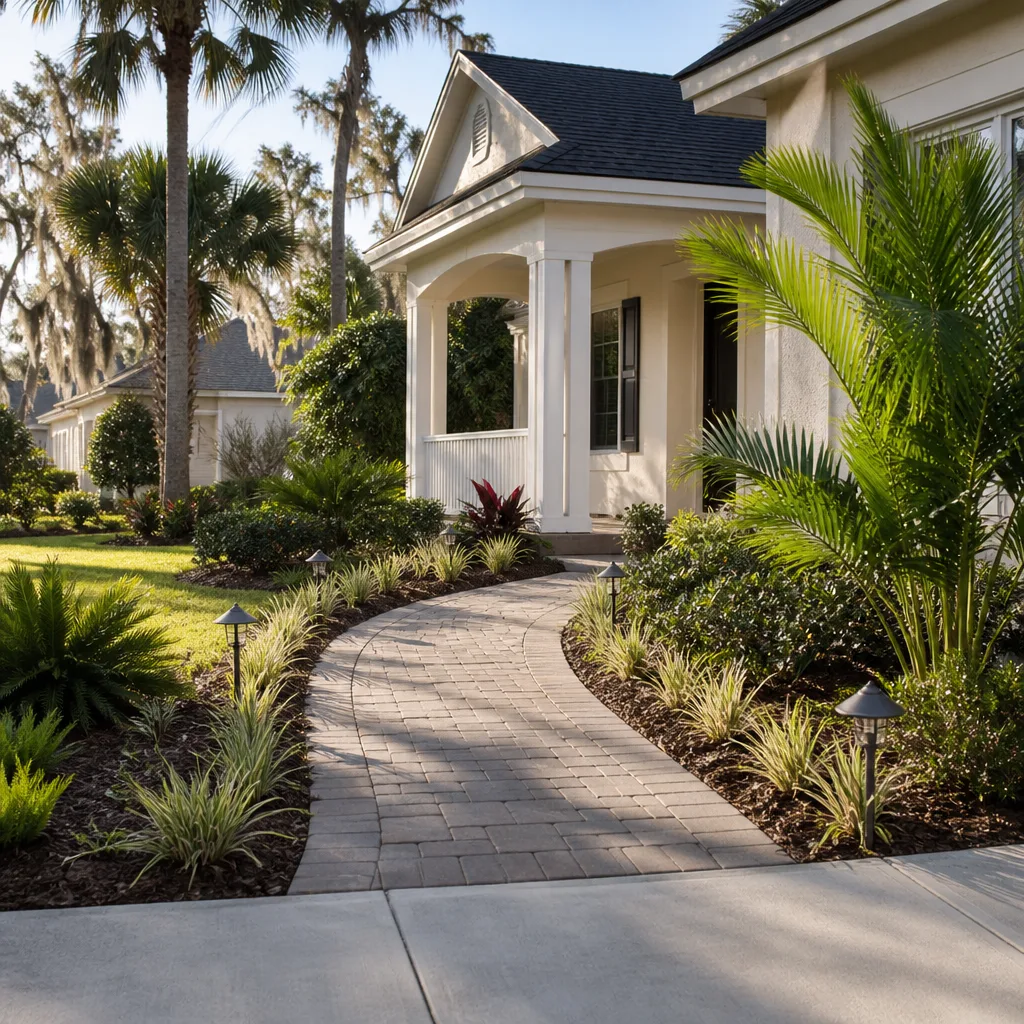
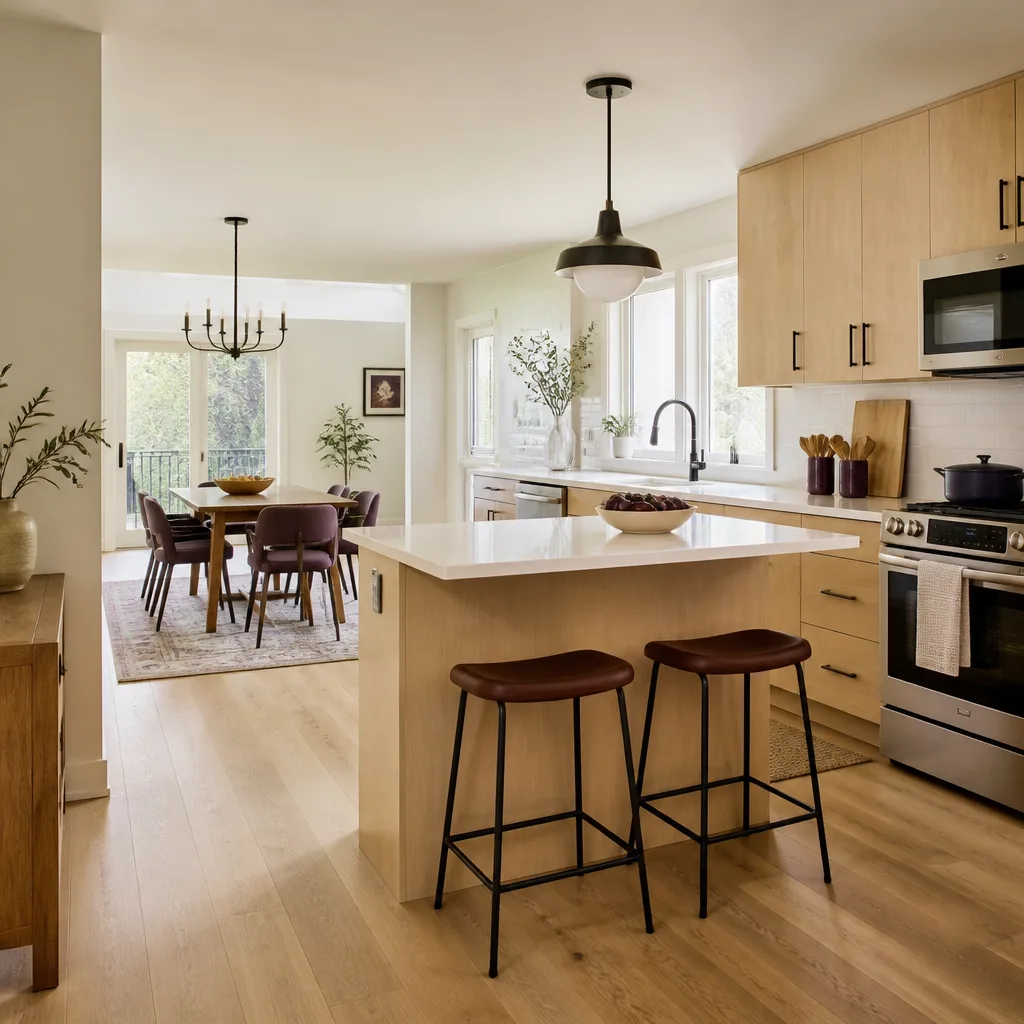
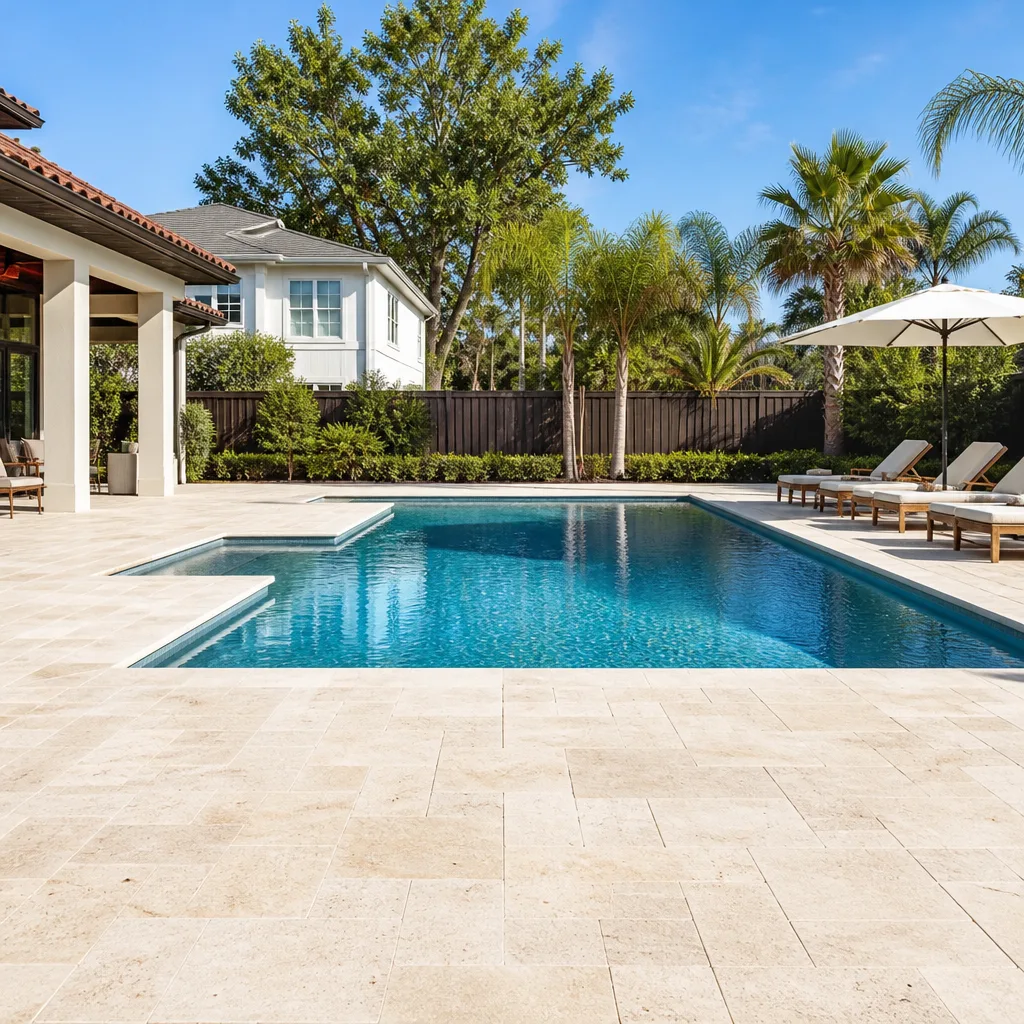
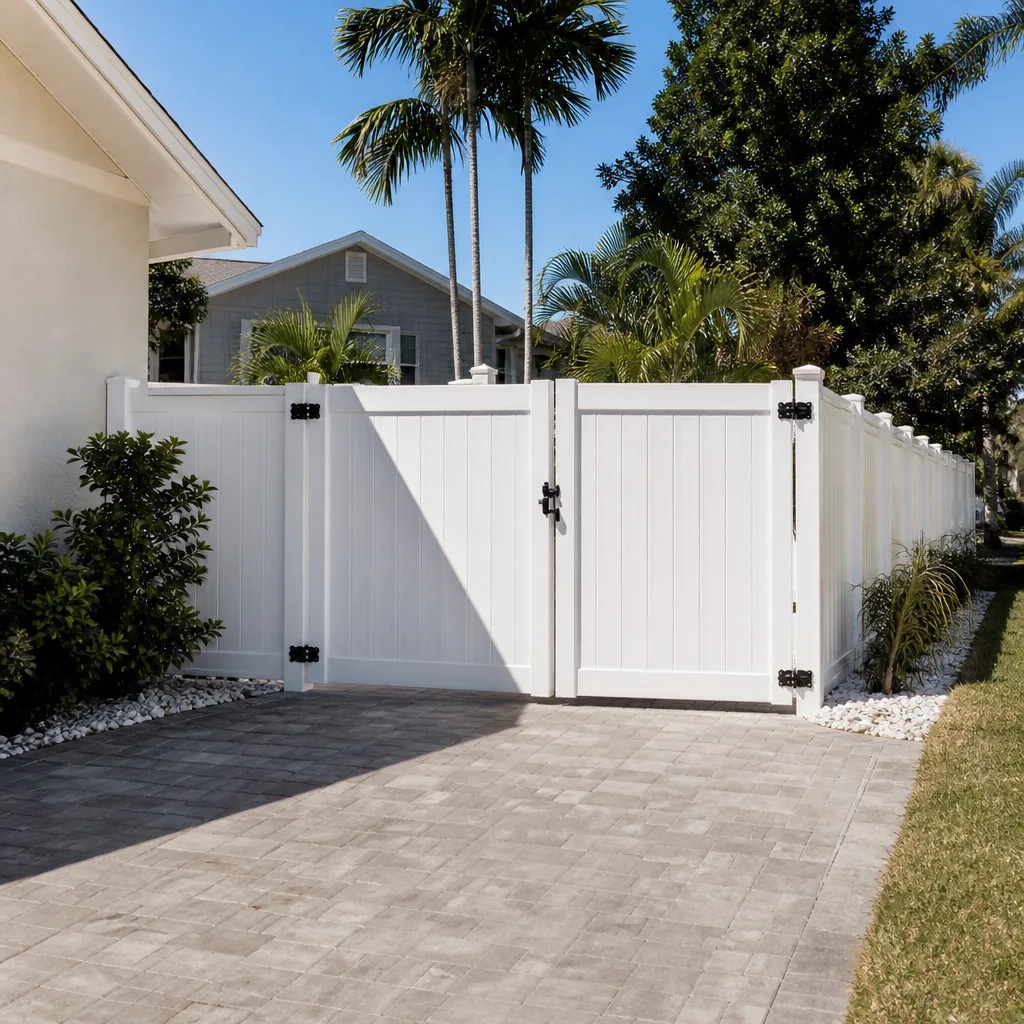
Styles & brands we work with
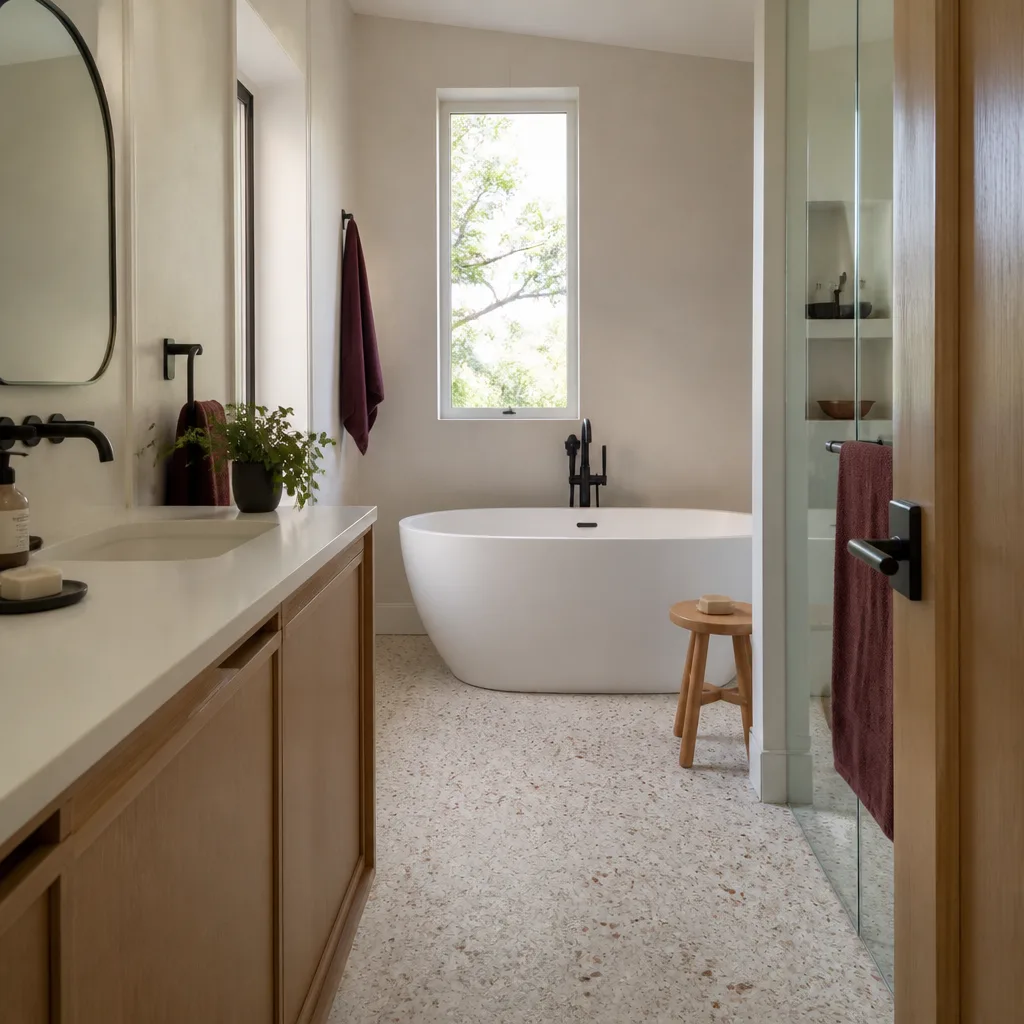
- Kitchen remodeling
- Bathroom remodeling
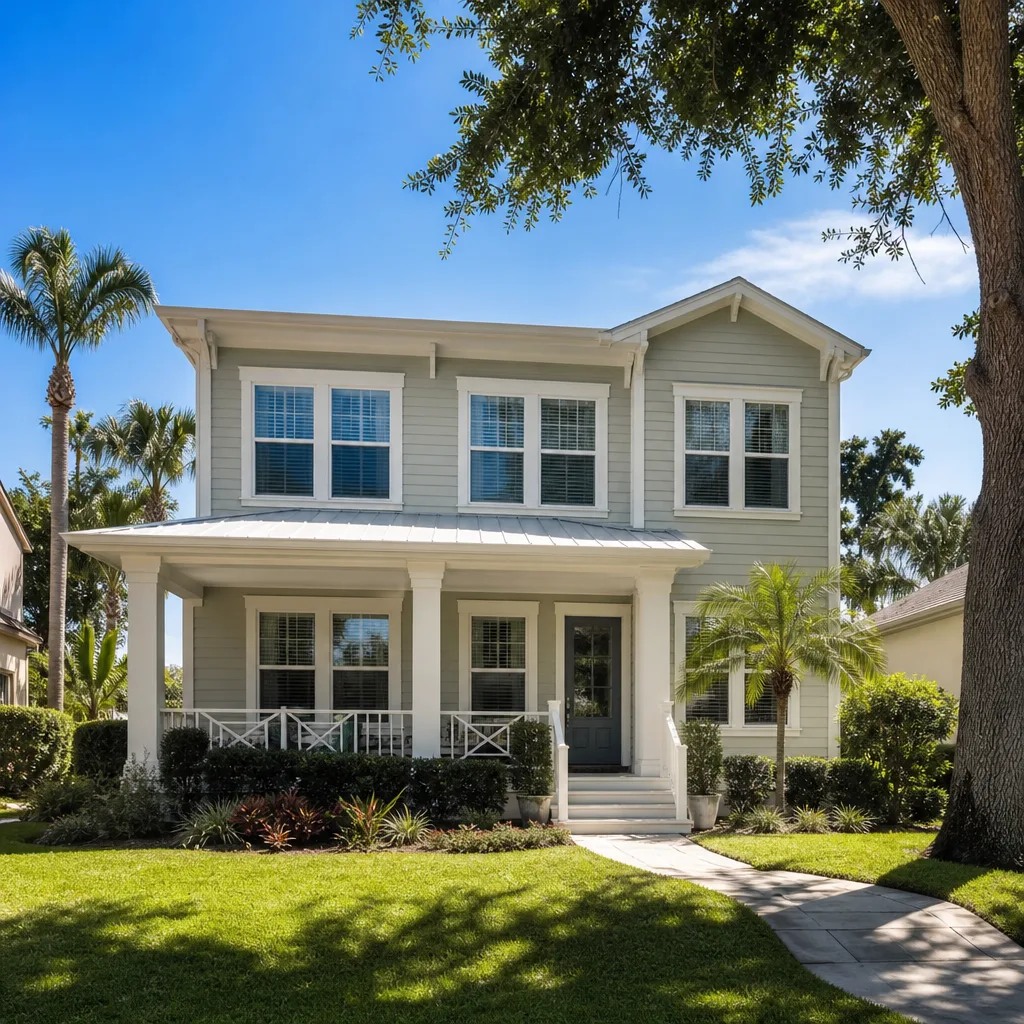
- Home additions & ADU
- Roofing
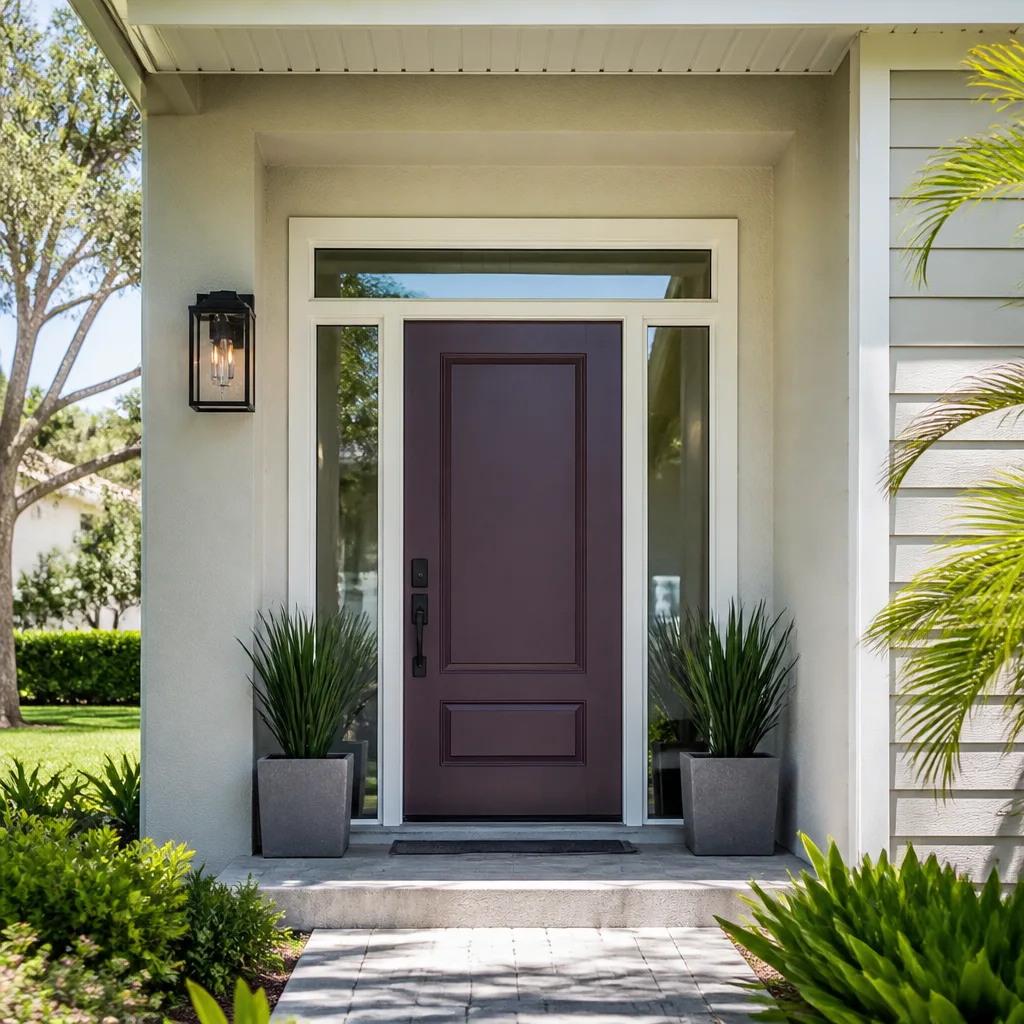
- Windows & doors
- Driveway & pavers
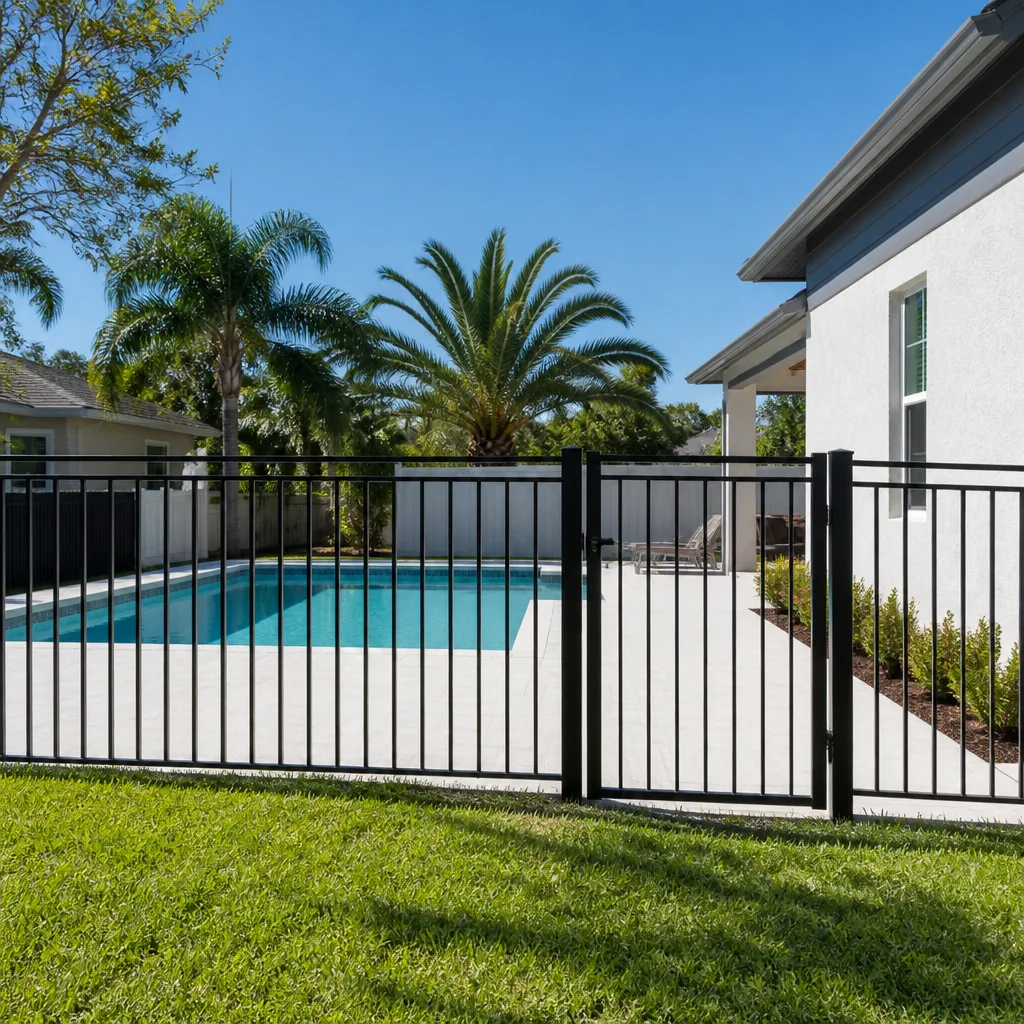
- Fence
Signs Your CertainTeed Home Additions & ADU Is Failing
The envelope is what fails on a CertainTeed-wrapped addition. Watch for these signals.
- Musty smell in the new room after rain. This usually means water is getting behind siding or roofing and can’t dry out. In Homestead, where afternoon storms are routine from May through October, a small intrusion becomes a chronic one fast.
- Stains on the ceiling or upper wall of the addition. A brown ring that reappears where a joint meets the original roofline points to a flashing or underlayment failure, not a leak in the panel field.
- Siding that ripples, cups, or pulls loose at the seams. Heat and humidity can cause vinyl panels to buckle if they were nailed too tight at install. Fastener spacing and allowance for expansion is the cause, and it shows up years later.
- Hairline cracks above doorways or window corners in the addition. This suggests movement at the connection to the original structure, not a cosmetic drywall issue. In Homestead’s soil, which shifts with wet and dry cycles, these cracks can widen over a season.
- Water pooling at the base of the wall or along the slab edge. Poor drainage at the wall-to-ground transition lets moisture wick up. A weep screed or flashing detail that was skipped at install is the usual culprit.
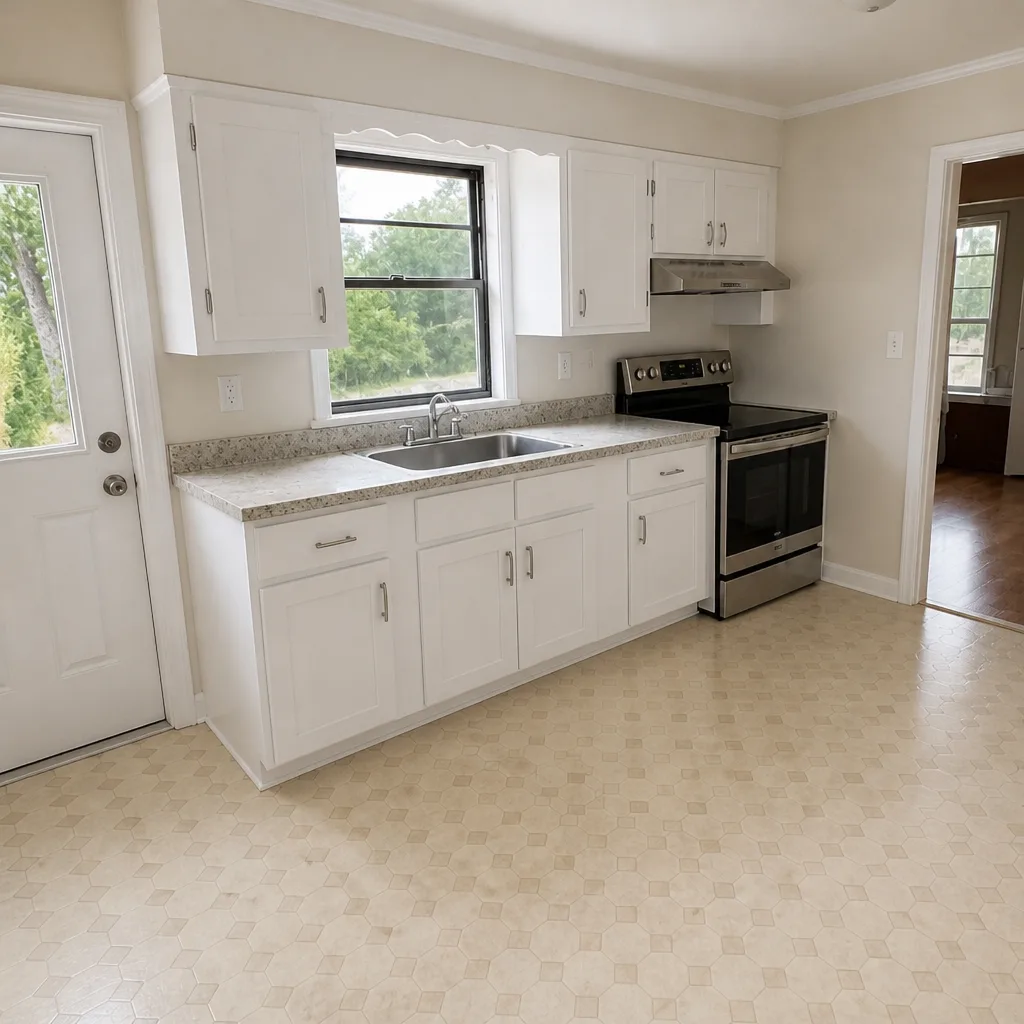
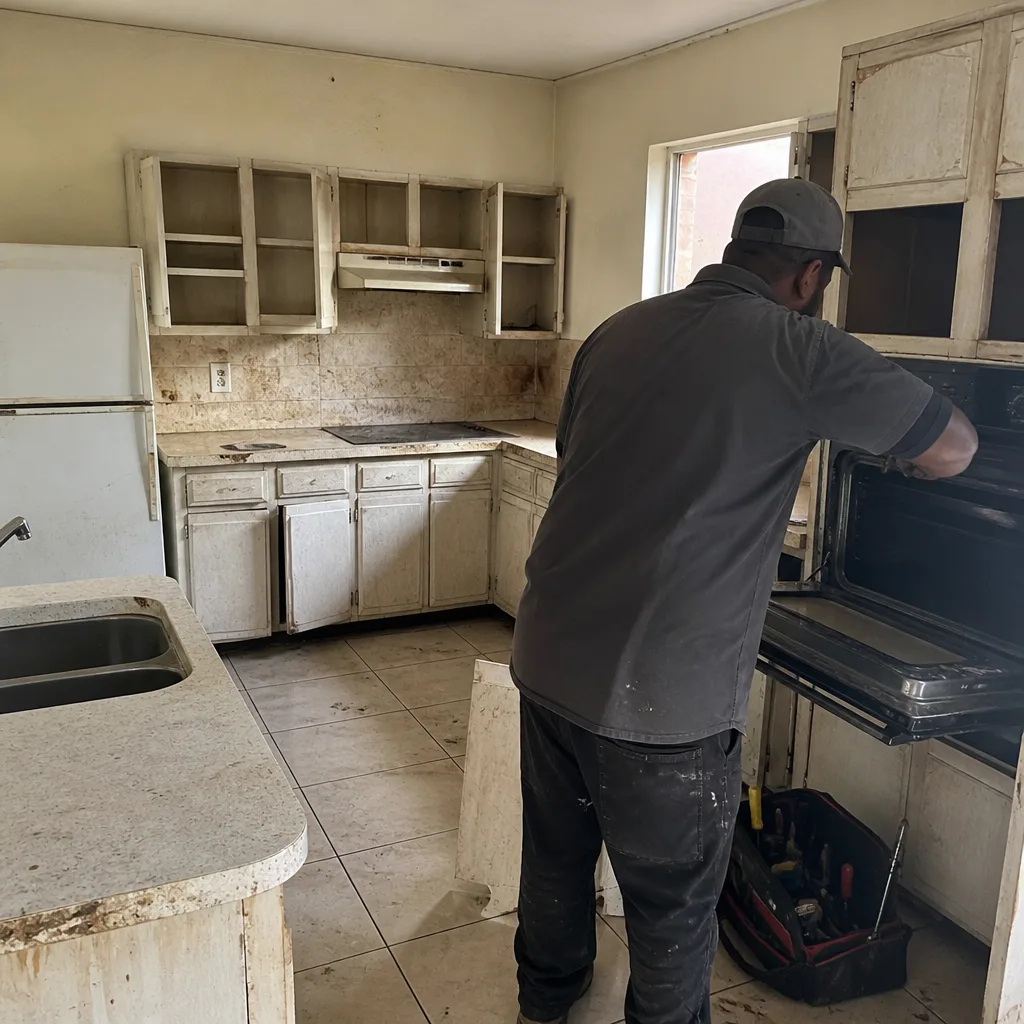
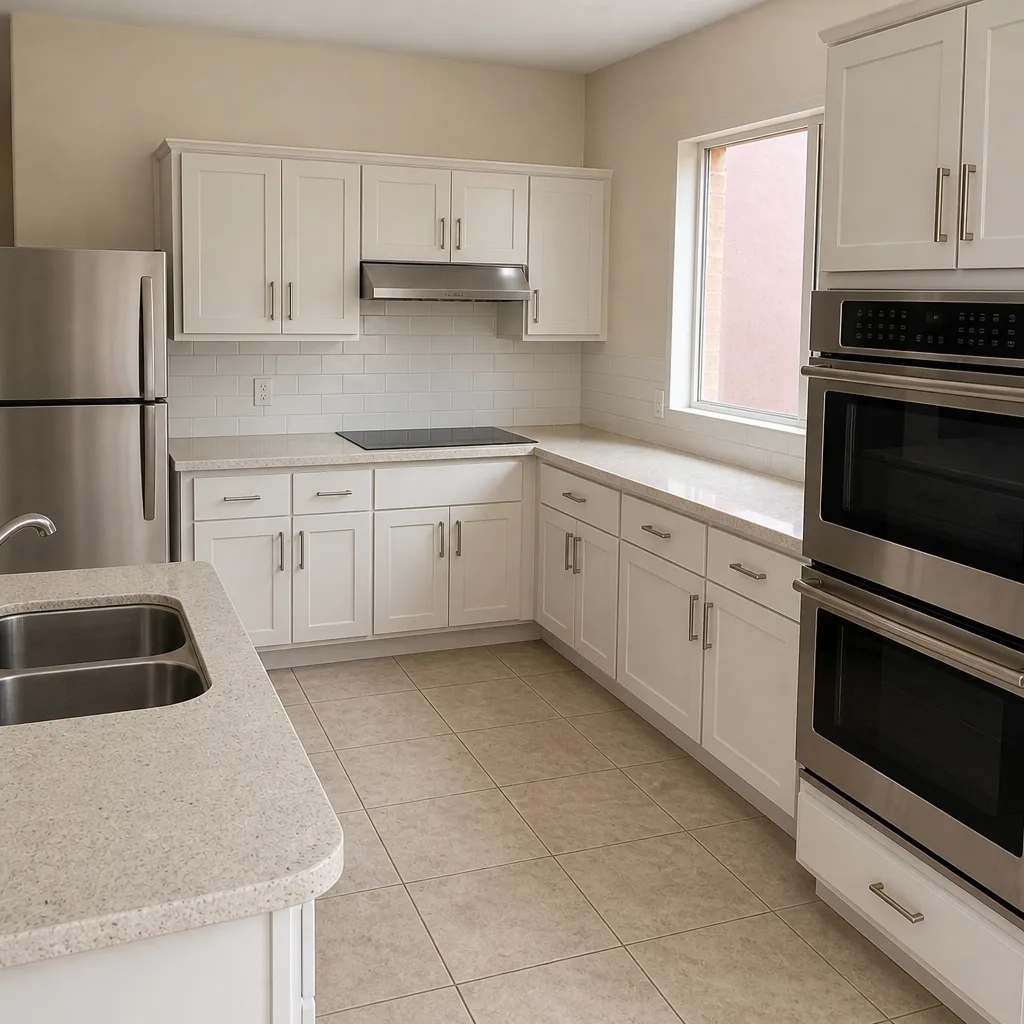
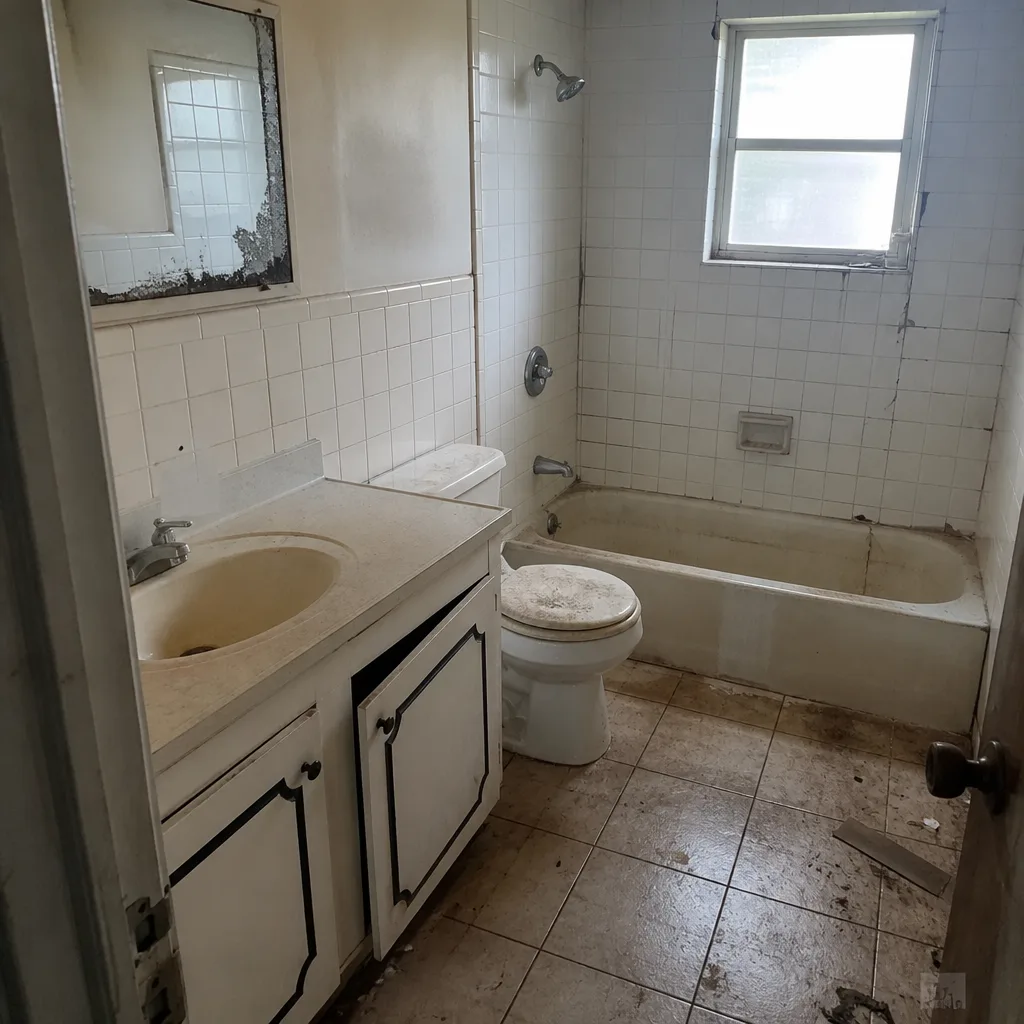
See the difference
 Before
 After
 Before
 After
 Before
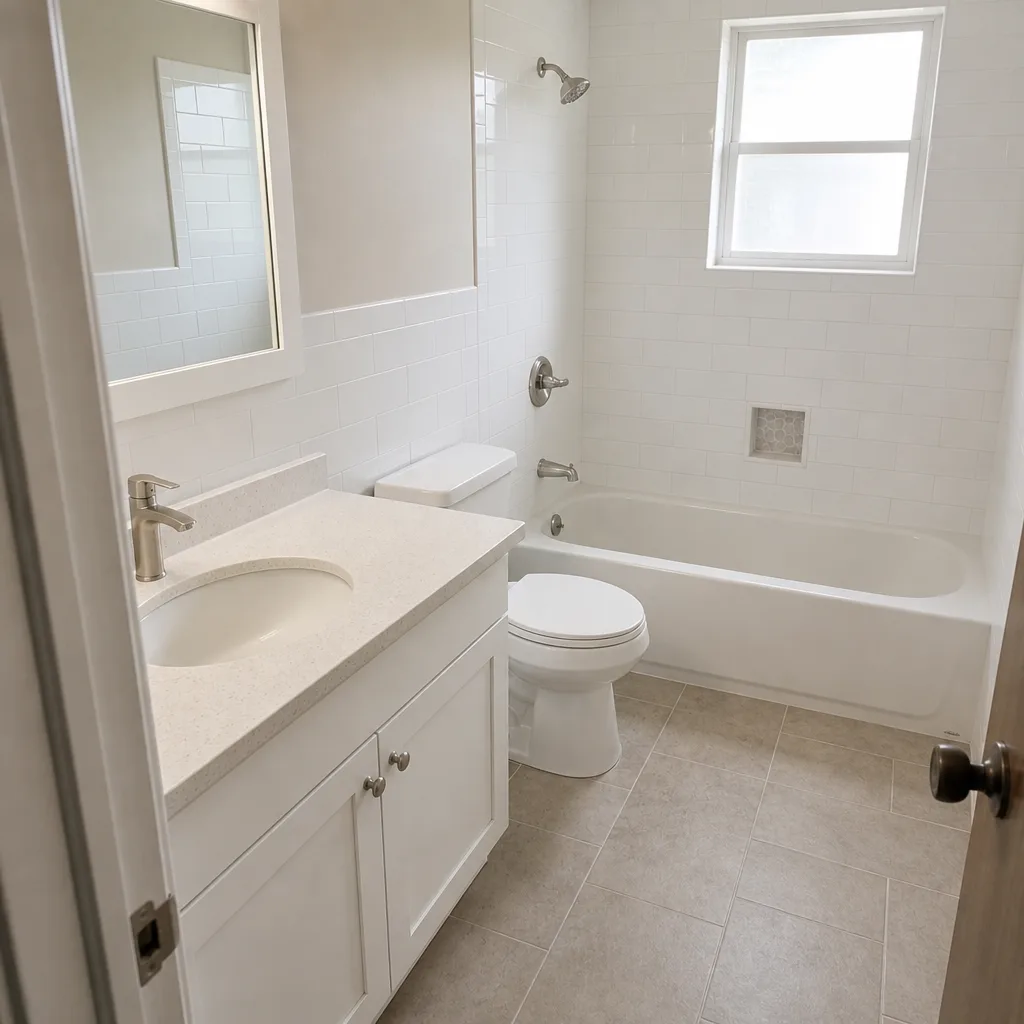 After
Replacement Cost & What’s Included
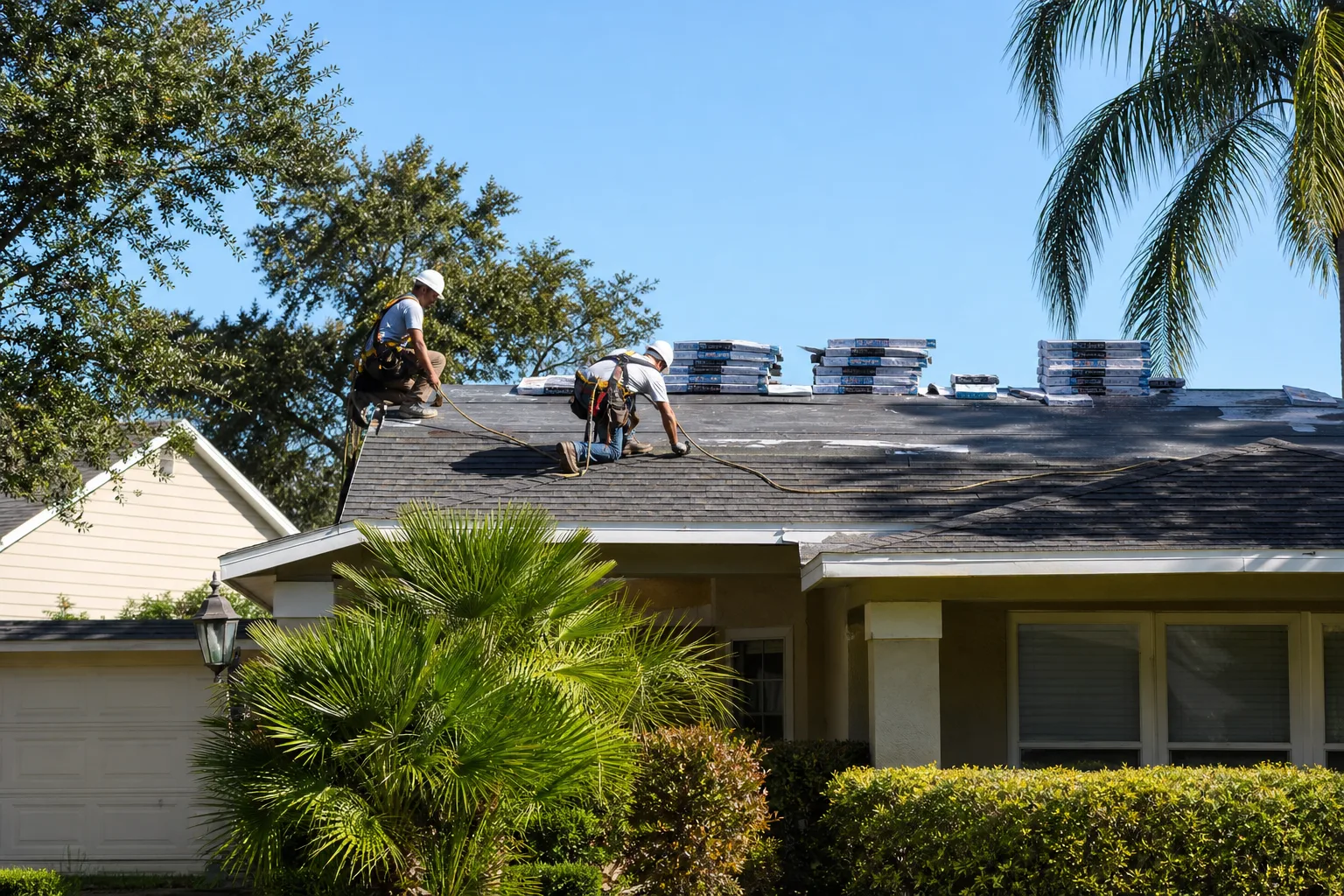
Here’s what a Homestead project runs, installed, with parts and labor broken out honestly.
| Scope | Installed price range | What drives the range |
|---|---|---|
| Full home addition | $45,000 – $130,000 | Square footage, envelope tie-in complexity, whether a kitchen or bath is involved |
| ADU construction | $90,000 – $220,000 | Whether it’s attached or detached, utility runs, kitchen and bath count |
| Garage conversion | $30,000 – $80,000 | Slab, framing changes, insulation and finishes, whether plumbing moves |
The number moves most on the envelope tie-in: the point where new CertainTeed-managed materials meet the original structure. That’s where we spend the most time documenting before a price is set. Every quote is flat and written, with a written scope and a written warranty. A signed change order is required before any change proceeds; that discipline is why our projects stay within a few percent of the agreed cost. And every visit includes a documented photo record of what we found and what we did, so you’re not taking anyone’s word for the condition behind the wall. The work itself is covered by our 365-Day Done Right Promise: if it isn’t done right, we make it right.
DIY or Call Us?
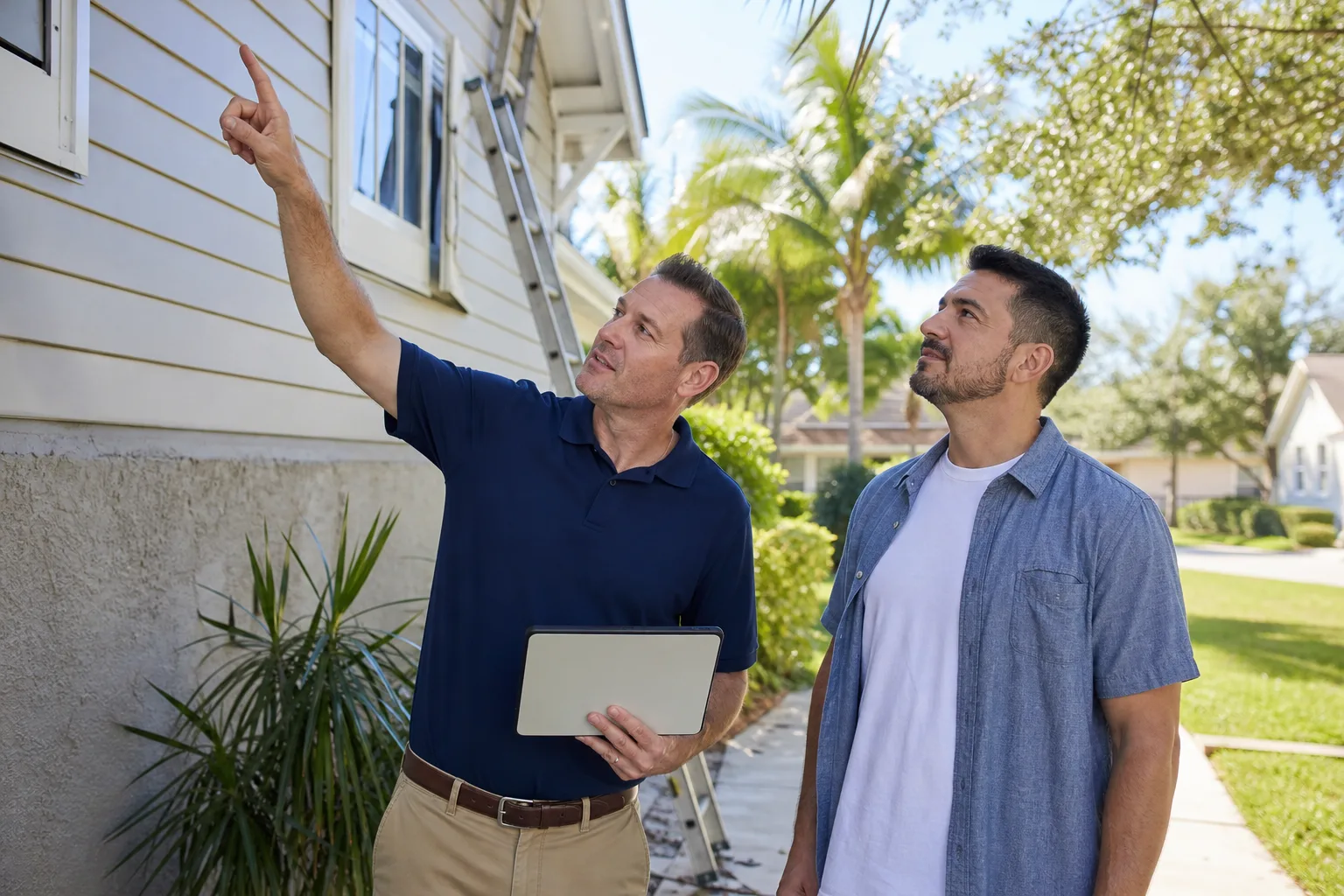
Some things are safe to check yourself. You can look for stains, note where they’re located, and photograph the exterior at each corner. You can press on siding panels to see if they flex or feel loose. You can check the drip edge from the ground with binoculars. What you shouldn’t do is open the envelope yourself, pull siding or roofing, or try to diagnose structural movement. On a Homestead addition, water intrusion and connection-to-original problems are rarely solved from the outside; a repair done without addressing the source reappears within a season, and sometimes causes more damage than the original leak.
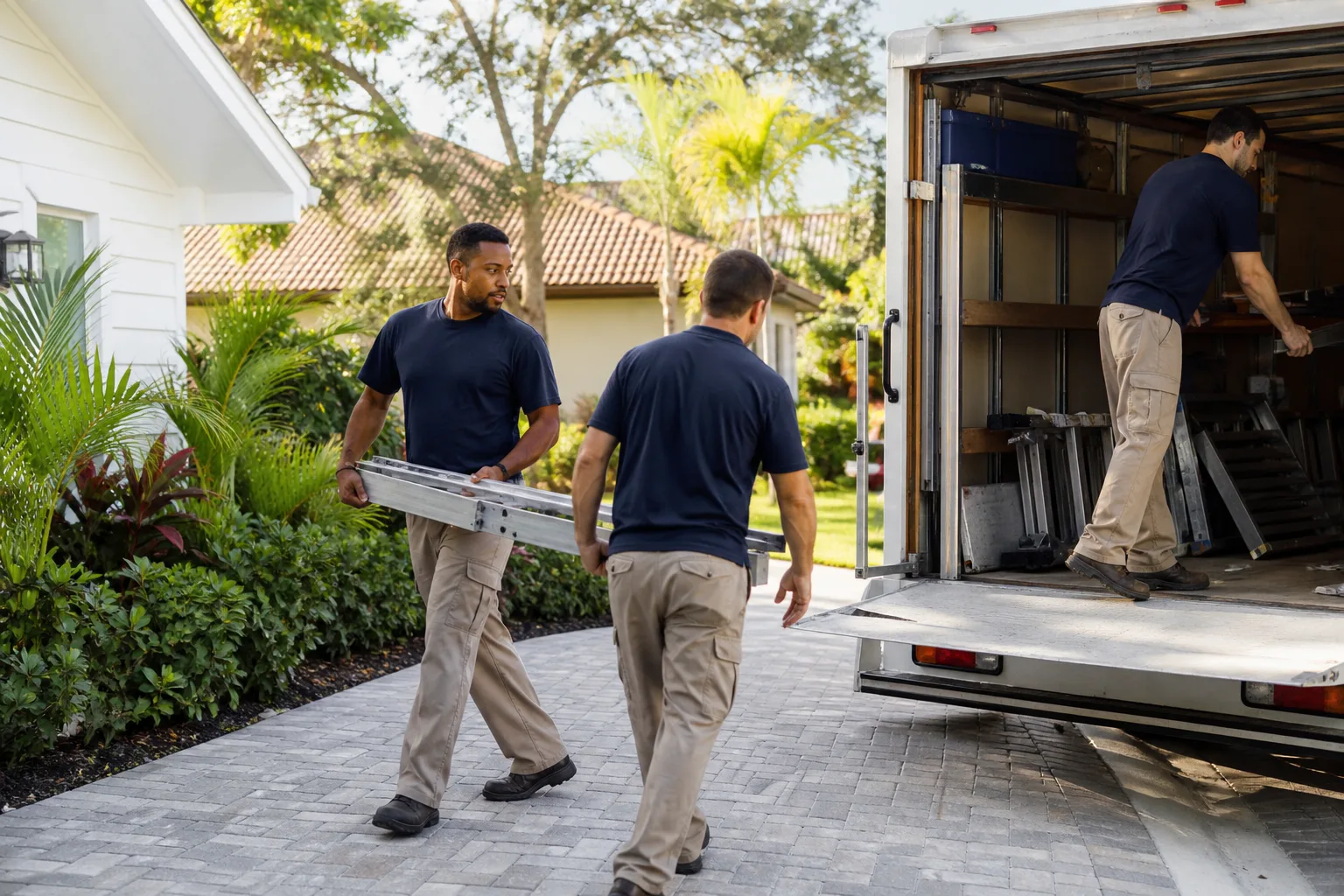
We’ll review the situation with you and tell you in plain terms what’s failing, where, and what the repair or rebuild involves. Our technicians have up to 19 years of experience, and our crews are background-checked and uniformed. Call (844) 834-4248 to schedule a free estimate, and if you already have a written quote from someone else, we’ll review it line by line at no charge through our Free Second Opinion offer.
FAQs
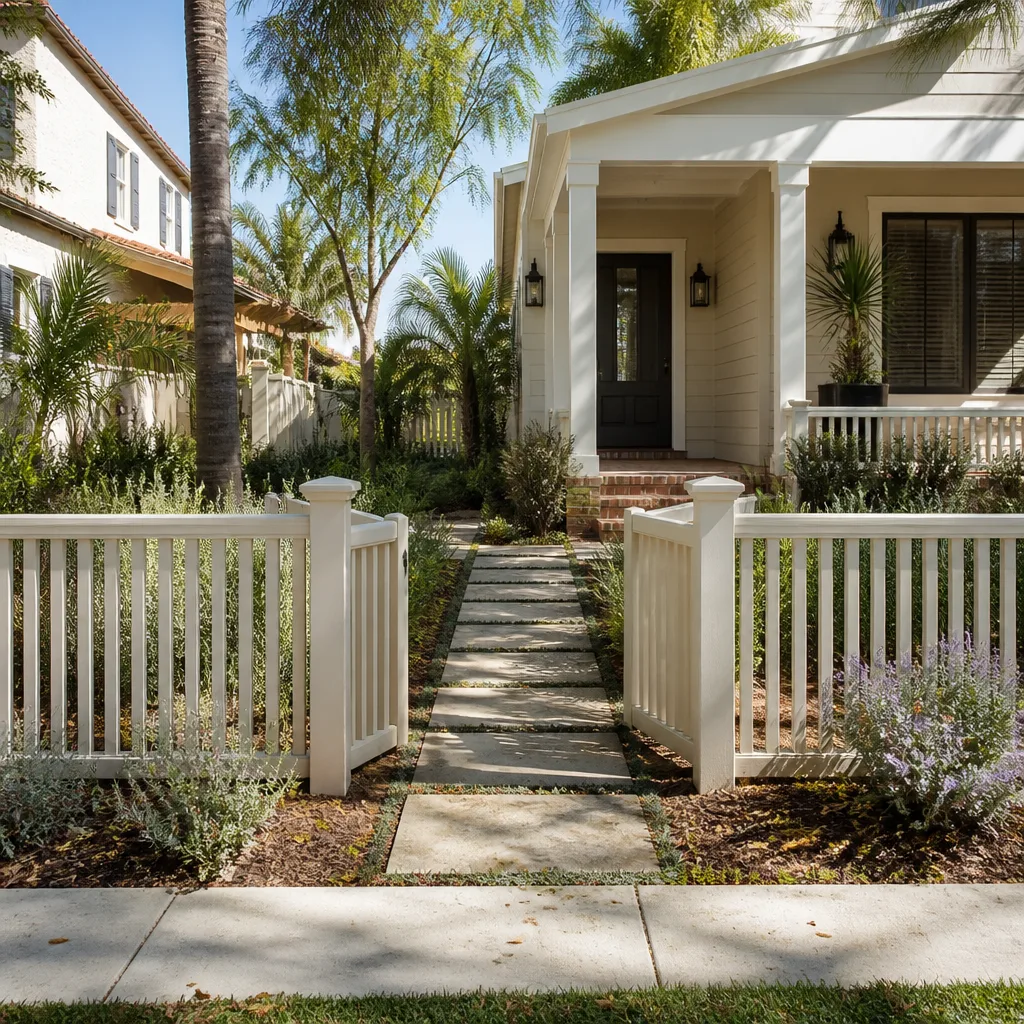
How long does a CertainTeed-wrapped addition last in Homestead? A properly installed CertainTeed siding and roofing system should last 20 to 30 years or more, but in Homestead’s humidity and storm cycles the envelope details matter more than the product itself. Flashings and the wall-to-ground transition are what determine real lifespan. Call (844) 834-4248 for an exact quote – estimates are free.
Can this be repaired instead of rebuilt? Yes, more often than people expect. If the failure is localized to flashing, an underlayment section, or a few loose siding courses, a targeted repair solves it for a fraction of the addition price. Full rebuild is the answer only when structural movement or widespread moisture saturation is involved. Call (844) 834-4248 and we’ll tell you which one you’re looking at.
How long does the swap or repair take? A flashing or localized envelope repair is typically a two- to five-day job. A full replacement of an envelope layer on an addition runs one to three weeks depending on square footage and access. A full addition build runs eight to twelve weeks, longer for a standalone ADU. Call (844) 834-4248 for a schedule based on your specific scope.
How do you source the parts? We source CertainTeed-compatible materials through our vetted supplier network of fifty-plus brands, and we confirm the exact profile, series, and color lot before the order is placed. If the specific CertainTeed line is unavailable, we identify a compatible equivalent and tell you precisely where the match is close and where it isn’t. We don’t claim to stock parts locally or carry them on a truck; we source to the job. Call (844) 834-4248 to start with a free estimate.
Call (844) 834-4248 to schedule your free estimate. We’ll put the price in writing before anyone picks up a tool, and you’ll have the scope, the warranty, and the photo record in hand. Serving Homestead and the surrounding South Miami-Dade area.
Written by the team at Rowan Construction Group Homestead, serving Homestead and nearby areas.