Free written scope consultation - allowances, timeline, and change-order rules on paper before a single trade is scheduled
Styles & brands we work with
- Kitchen remodeling
- Bathroom remodeling
- Home additions & ADU
- Roofing
- Windows & doors
- Driveway & pavers
- Fence
See the difference
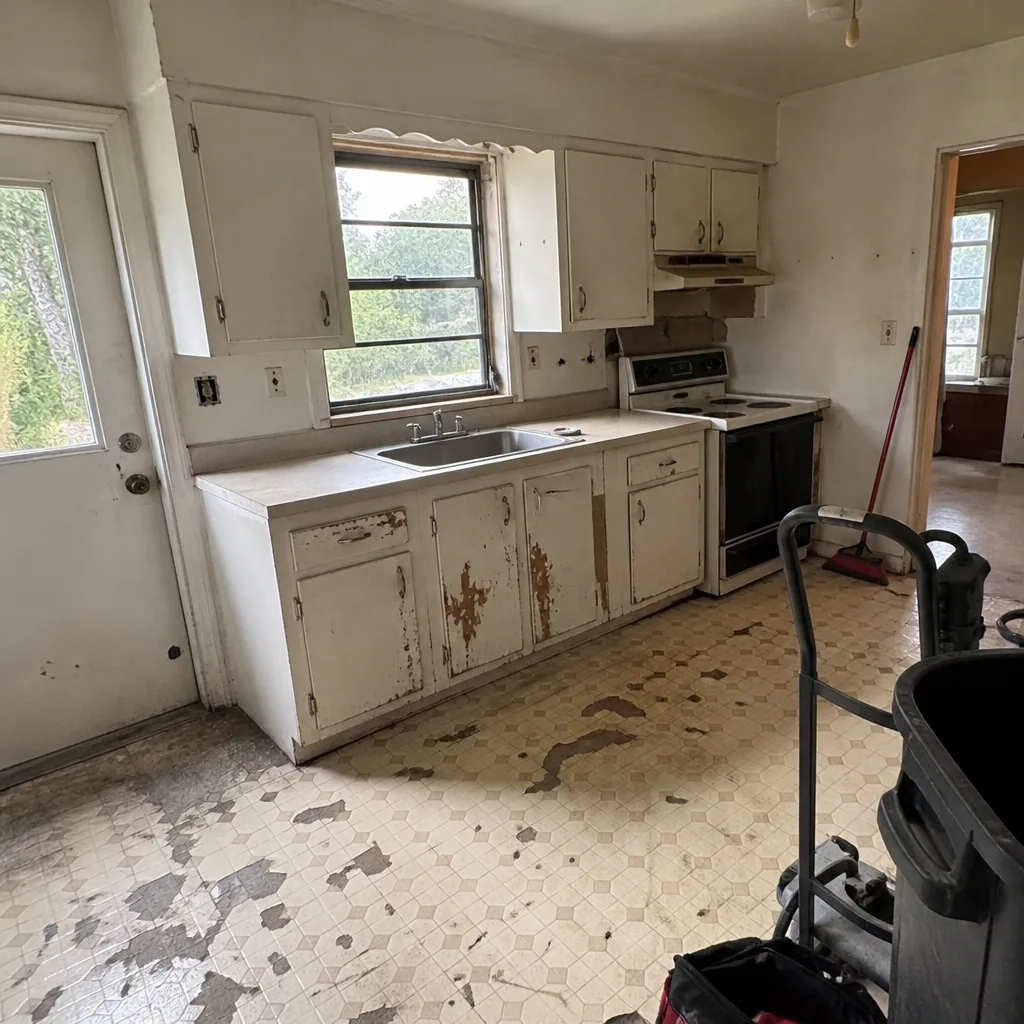 Before
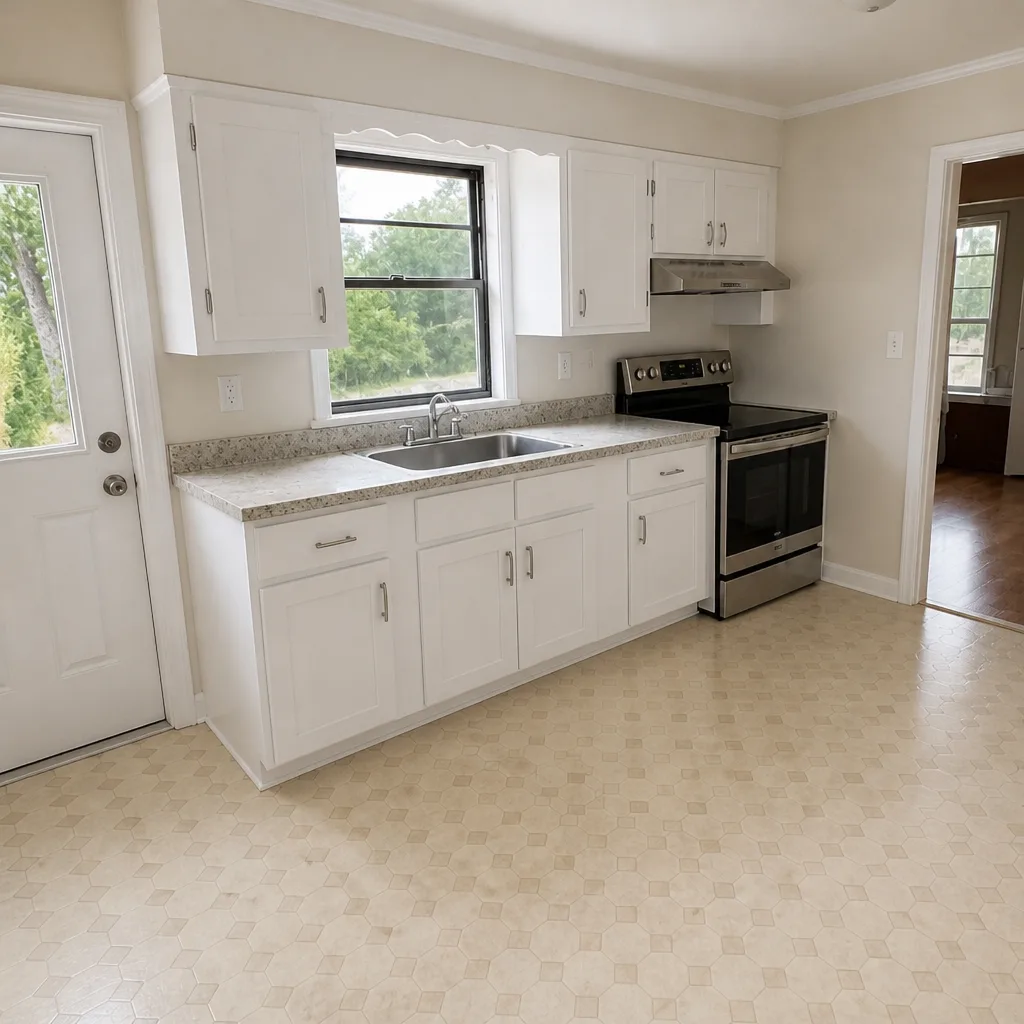 After
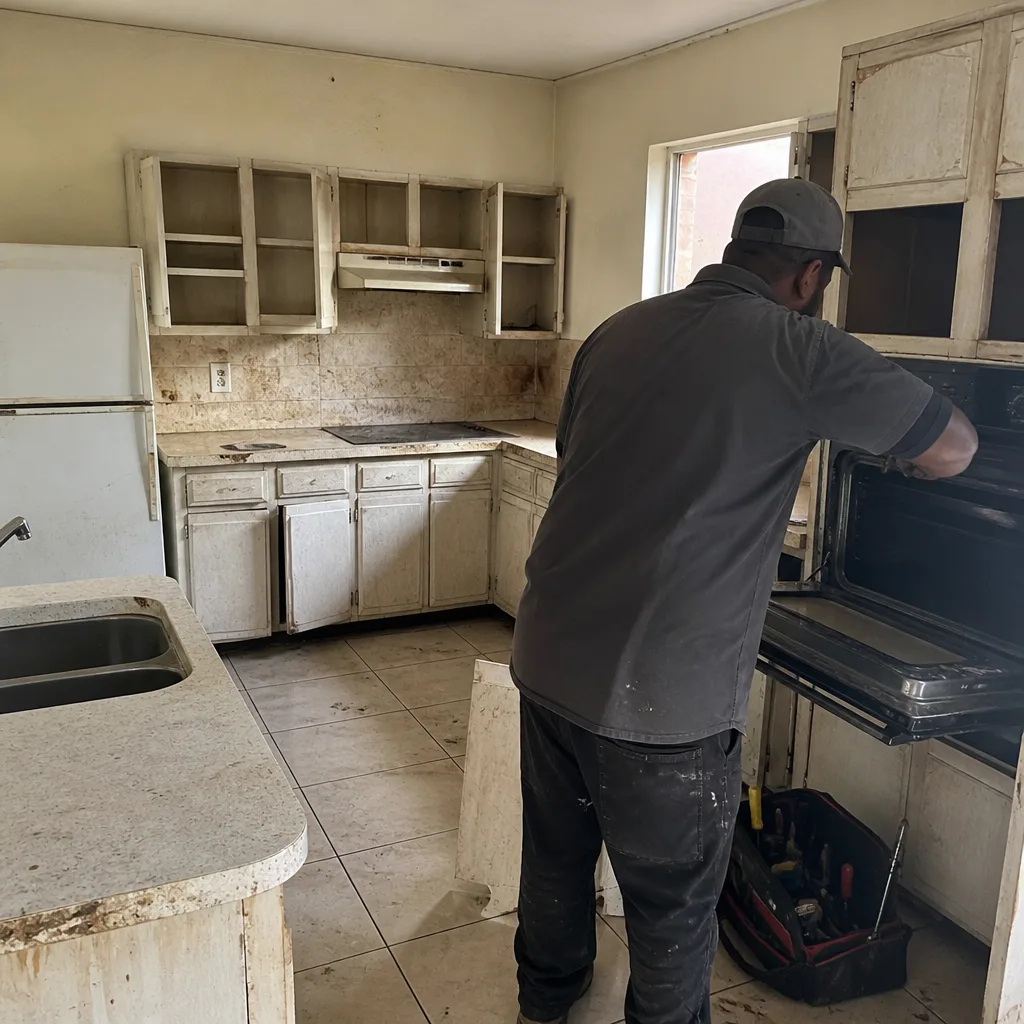 Before
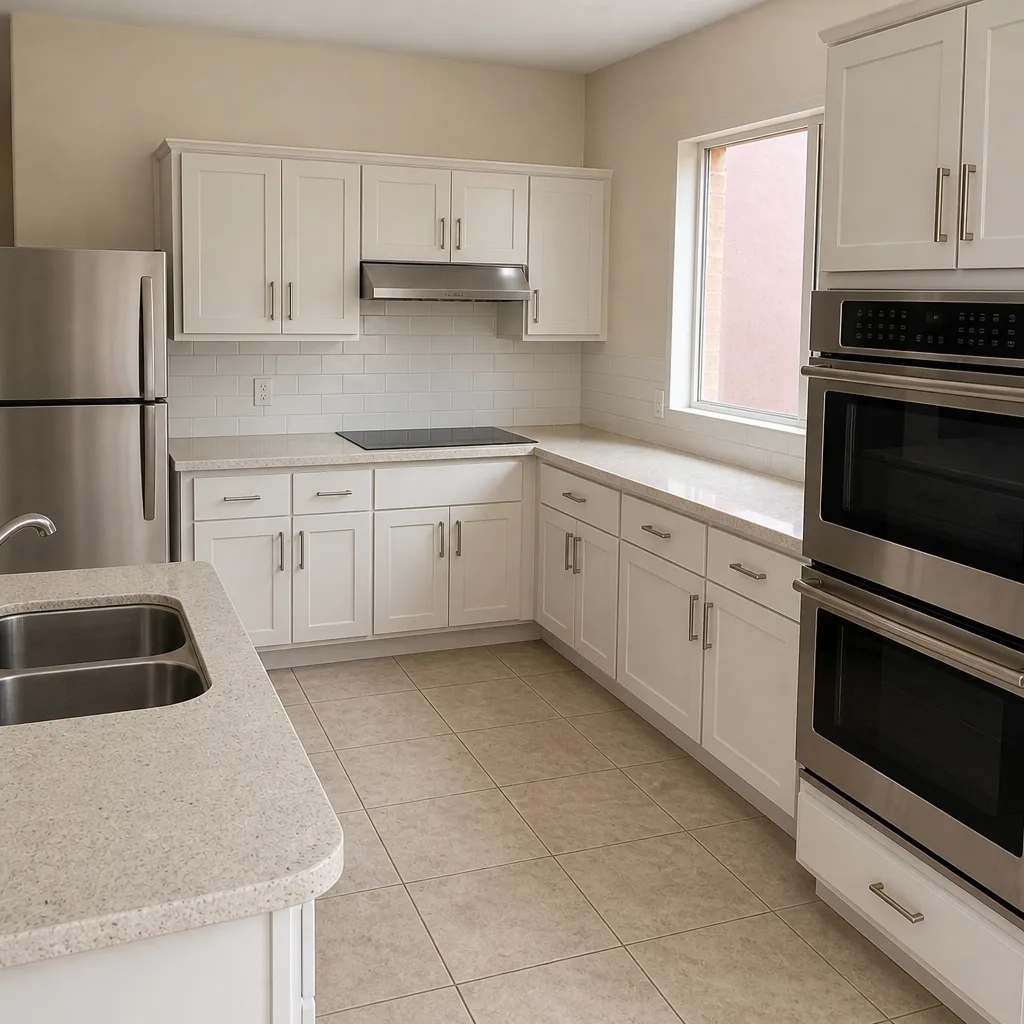 After
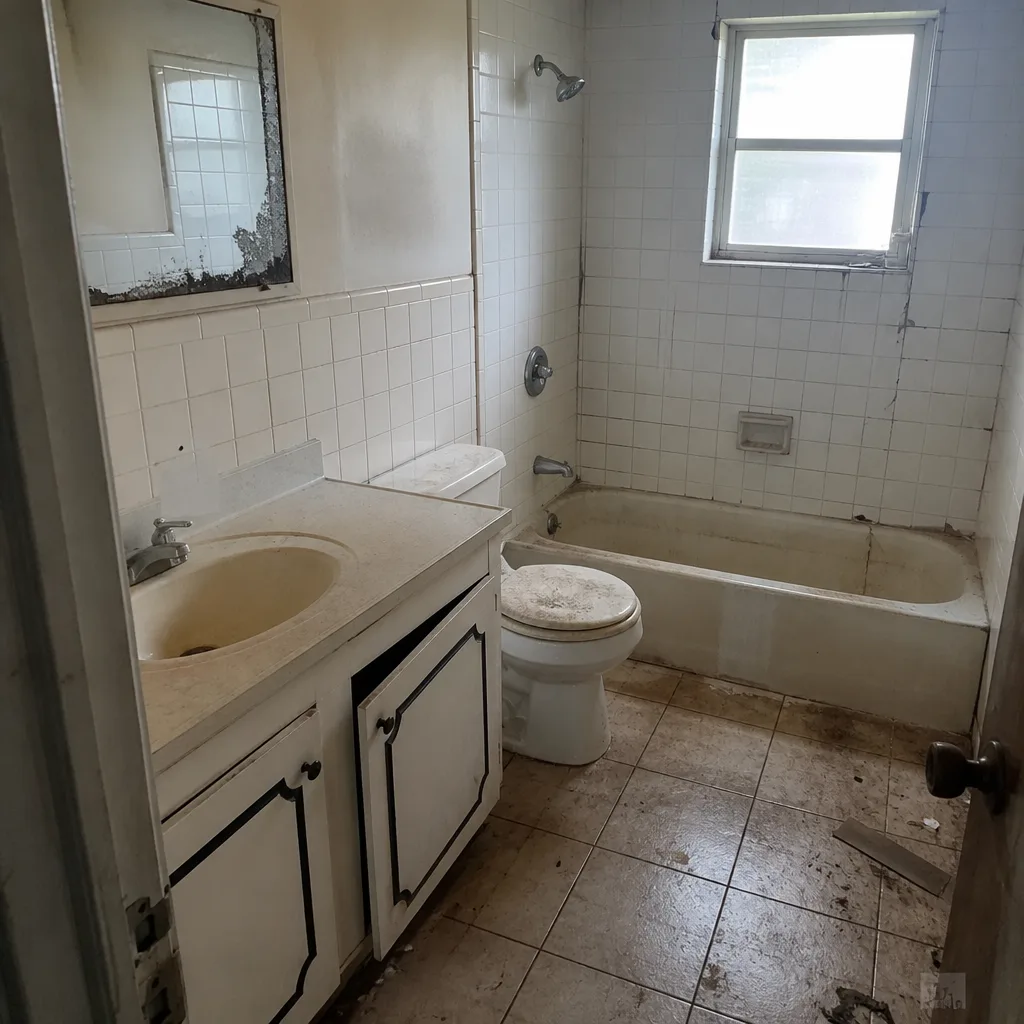 Before
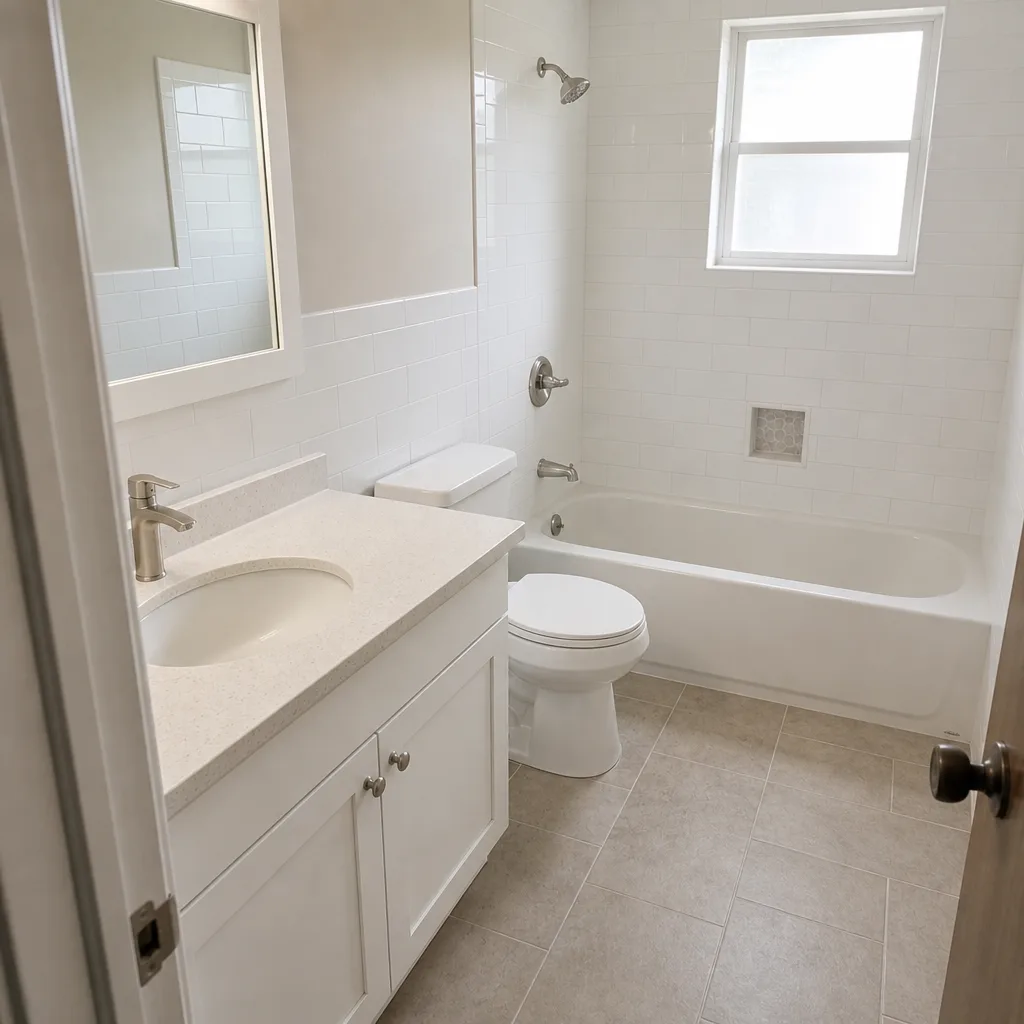 After
ADU rules and requirements in Homestead, FL: what actually governs your lot
Florida’s 2023 ADU law (HB 1339) prohibits cities from requiring owner-occupancy for accessory dwelling units, but Miami-Dade’s zoning code still controls the setbacks, lot coverage, drainage easements and utility hookups that decide whether your Homestead lot can physically fit an ADU at all. That conflict between state preemption and county zoning tripped up dozens of applicants in the first year the law took effect, and it’s the first thing to sort out before anyone draws a floor plan. For a written ADU quote that itemizes permits, engineering and impact fees, call Rowan Construction Group Homestead at (844) 834-4248.
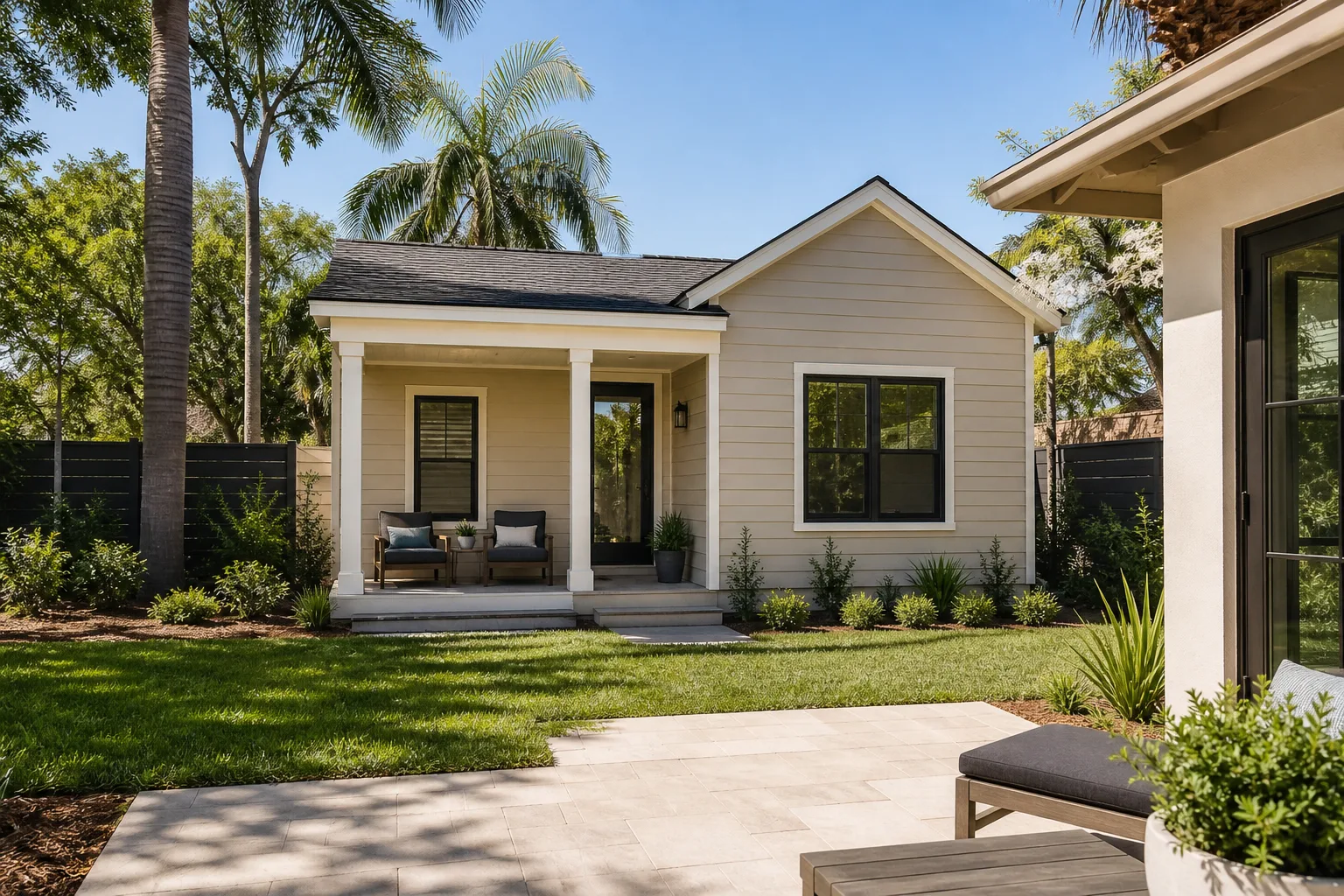
The problem: the state law says yes, the county code says “depends”
HB 1339 loosened the rules on paper. It told municipalities they can’t demand that an ADU owner live on the property, which opened the door for a lot of Homestead homeowners who’d been told for years they couldn’t build a second unit.
The catch is that owner-occupancy was never the real barrier. The barrier is envelope math. Miami-Dade’s R-1 single-family zoning, which covers most of older Homestead, caps lot coverage at 40% and requires a 7.5-foot rear setback for a detached structure. Run that against a typical 6,000 sq ft lot with a 1,800 sq ft house already sitting on it, and a standard 600 sq ft detached ADU eats nearly the entire buildable envelope left over. Plenty of applications that felt approved under the state law stalled at county review because the math never worked.
Under Clause 1 of the Haven Standard, the price is written before anyone starts. The same discipline applies here: we don’t price an ADU scope until the envelope has been measured and the easements checked. That’s why a Homestead ADU quote carries real numbers instead of a hopeful guess.
Drainage easements on post-Andrew lots: the check most people skip
Homestead’s housing stock is a mix of 1970s-80s ranch homes rebuilt after Hurricane Andrew in 1992, alongside fast-built 2000s-2020s subdivisions in CBS block-and-stucco. On the older lots, recorded drainage easements often run along the rear property line. They exist to protect a stormwater path, and they quietly reduce where a detached ADU can legally sit.
We flag this in writing before any ADU scope is priced: run a title search first, confirm the easement, then design. Skipping that step is how you get a set of plans that can’t be built. It also matters because Homestead sits at the edge of Miami-Dade where new subdivision development and agricultural land conversion are pressing against older storm-scarred lots, and drainage paths are part of what keeps that balance intact.
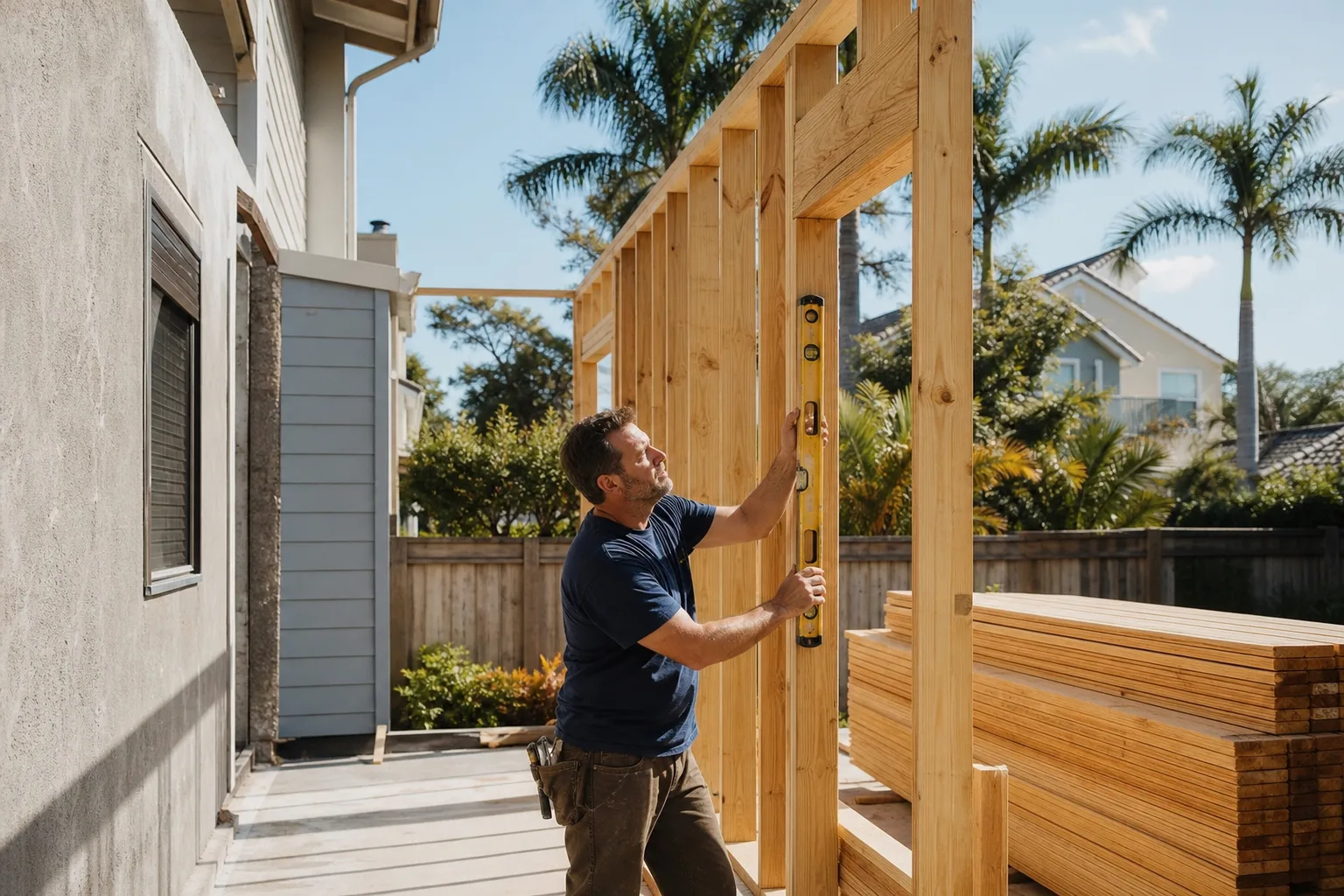
HVHZ wind-load rules apply to the ADU, not just the main house
Every ADU in Miami-Dade’s High Velocity Hurricane Zone has to meet the same Florida Building Code wind-load and impact-glazing standards as the primary structure. A detached ADU is not a shed, and it can’t be permitted as one. That’s a common misconception, and it’s why the permitting route matters as much as the design.
Post-Andrew wind mitigation is close to a reflex in Homestead. We routinely document roof-to-wall straps, secondary water barriers and impact-rated openings for insurance credits. For an ADU, that means the same NOA-rated window and door products used in full additions, and it means the wind-load engineering is part of the package, not an afterthought.
- Lot coverage: 40% cap under R-1 zoning, counted against every structure on the parcel.
- Rear setback: 7.5 feet for a detached ADU.
- Drainage easement: title search required before design on post-Andrew lots.
- Wind-load and impact glazing: same HVHZ standard as the primary structure.
- Utility hookup: separate Miami-Dade Water and Sewer application plus impact fee assessment.
What an ADU actually costs in Homestead (including the fees national estimates leave out)
ADU construction in Homestead runs $90,000-$220,000. Garage conversions, which sidestep the lot-coverage fight entirely, land lower at $30,000-$80,000. Neither range means much until the utility hookup is counted.
A detached ADU needs its own Miami-Dade Water and Sewer connection application and an impact fee assessment. That cost runs $3,000-$8,000 depending on meter size, and most ADU cost estimates published nationally don’t include it. Here’s how a written Rowan quote breaks down:
| Line item | Typical Homestead range |
|---|---|
| ADU construction (detached) | $90,000-$220,000 |
| Garage conversion | $30,000-$80,000 |
| Water & sewer impact fees | $3,000-$8,000 |
| Permit fee, engineering set, utility hookup | Itemized separately, always |
| Impact windows & doors (ADU) | $8,000-$25,000 |
Each of those stays a separate line item so the customer sees the all-in number before any work is authorized. No change proceeds without a signed change order. Across 4,000-plus projects since 2007, that discipline has kept jobs within a few percent of the number the customer agreed to.
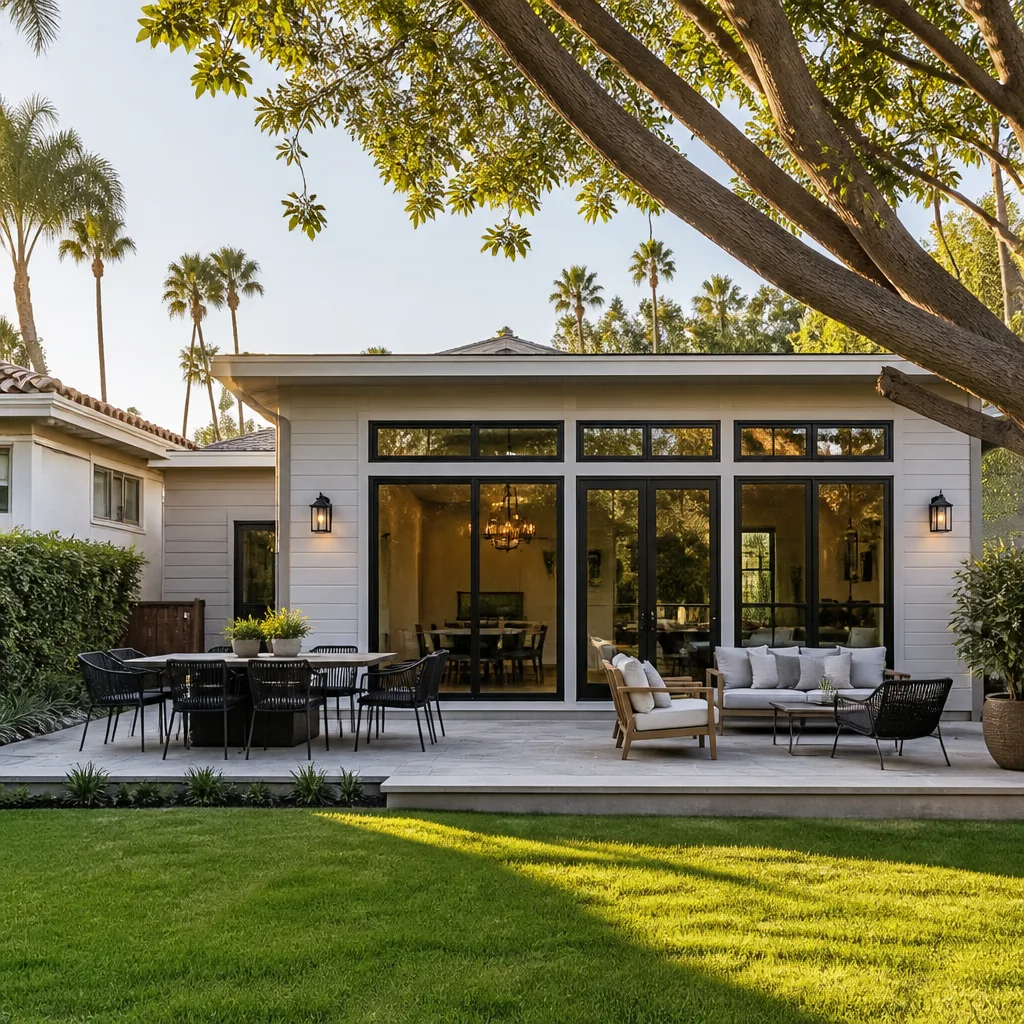
When the scope calls for a full one or two-bedroom unit attached to the house, our Home Additions & ADU work covers the design, permitting and build under one signed scope. If you’re weighing an ADU against a larger footprint, the Home Additions & ADU in Homestead page walks through both routes.
Common local scenarios where the rules change the plan
A 1970s ranch off the Redland edge. Rear easement plus 40% coverage leaves no room for a detached unit. The buildable answer is often a garage conversion or an attached addition.
A 2010s subdivision lot with full coverage headroom. Detached ADU clears the envelope, and the design work pivots to HVHZ glazing and the separate utility application.
A home with Andrew-era repairs and a rebuilt slab. Structural questions surface early. We photograph what we find on every visit, so the substrate condition is on record before framing starts.
A homeowner bringing a competitor’s estimate. Rowan reviews any written estimate line by line at no charge through the Free Second Opinion. Half the time, the missing water and sewer impact fee is the first thing that jumps out.
Materials come through fifty-plus vetted brands, including James Hardie and KraftMaid where the spec calls for them, so the quote carries honest numbers rather than padded ones. Our technicians have up to 19 years of experience, and every crew member is background-checked and uniformed. A live person answers the phone, and the 365-Day Done Right Promise stands behind the finished work.
FAQs
No. Florida’s HB 1339 prohibits cities from requiring owner-occupancy for an ADU, so a Homestead property owner isn’t forced to live on site. The county’s zoning still controls setbacks, lot coverage and utility connections, which is what most applicants actually get stuck on.
ADU construction in Homestead runs $90,000-$220,000 for a detached unit and $30,000-$80,000 for a garage conversion. Add $3,000-$8,000 for the Miami-Dade Water and Sewer impact fee, which most national estimates leave out. Call (844) 834-4248 for a written line-item quote.
No. Any habitable ADU in Miami-Dade’s High Velocity Hurricane Zone must meet the same Florida Building Code wind-load and impact-glazing standards as the primary structure, so it goes through full residential permitting, not a shed permit. Plan on NOA-rated windows and doors and full wind-load engineering.
Run a title search for recorded drainage easements before design, then measure the actual buildable envelope against the 40% lot coverage cap and the 7.5-foot rear setback. Skipping either step produces plans that can’t get built. Call (844) 834-4248 and we’ll walk your lot through both checks.
Let’s put the number in writing
If you’d rather have your lot measured and your ADU envelope calculated before you commit to anything, Rowan Construction Group Homestead offers a no-pressure assessment in Homestead - call (844) 834-4248. You’ll get the permit fee, engineering set, impact fees and utility hookup itemized separately, in writing, before any work is authorized. Free second opinion on any estimate you already have.
Written by the team at Rowan Construction Group Homestead, serving Homestead, FL.