Free written scope consultation - allowances, timeline, and change-order rules on paper before a single trade is scheduled
IKO Home Additions & ADU: The Homestead Owner’s Guide
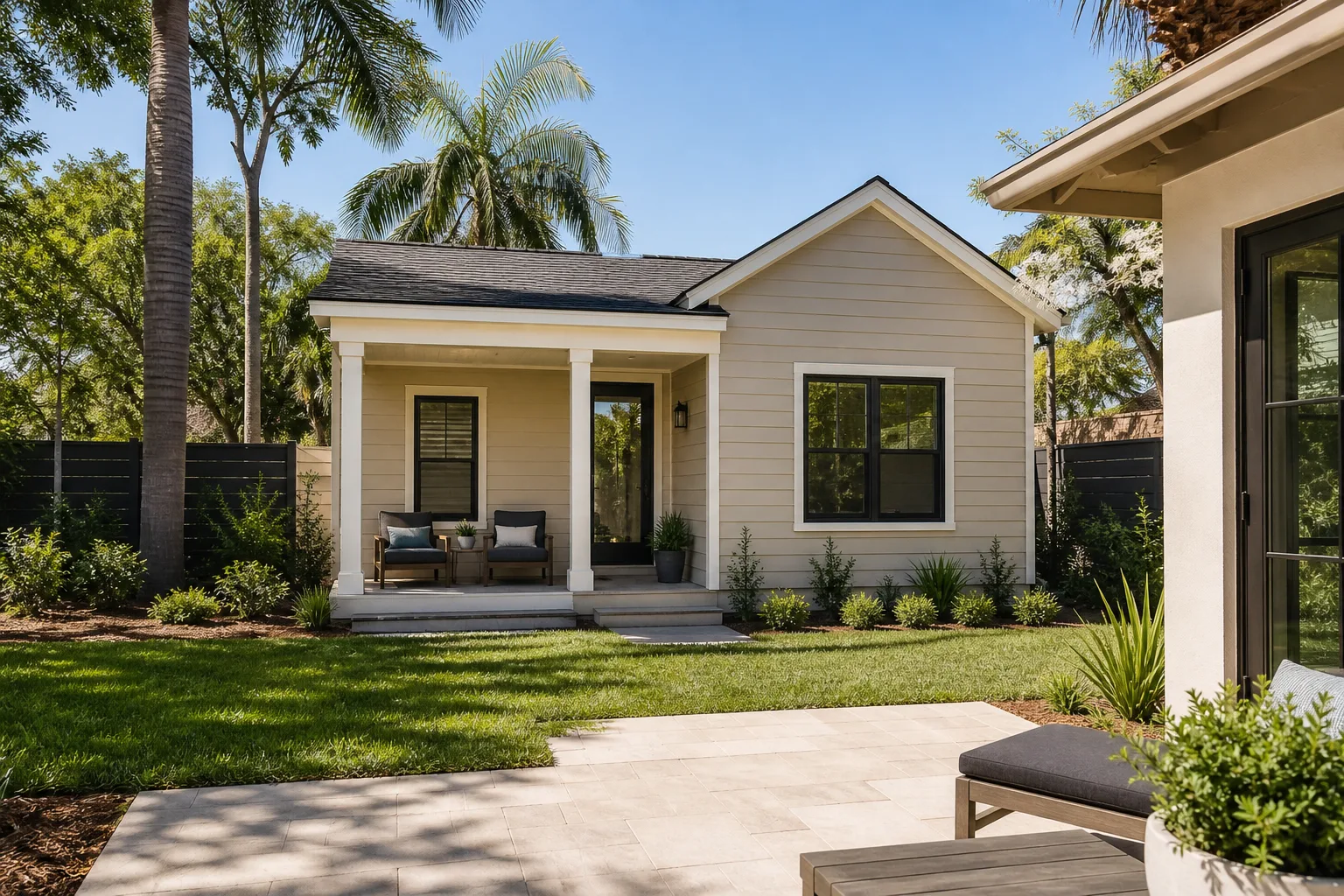
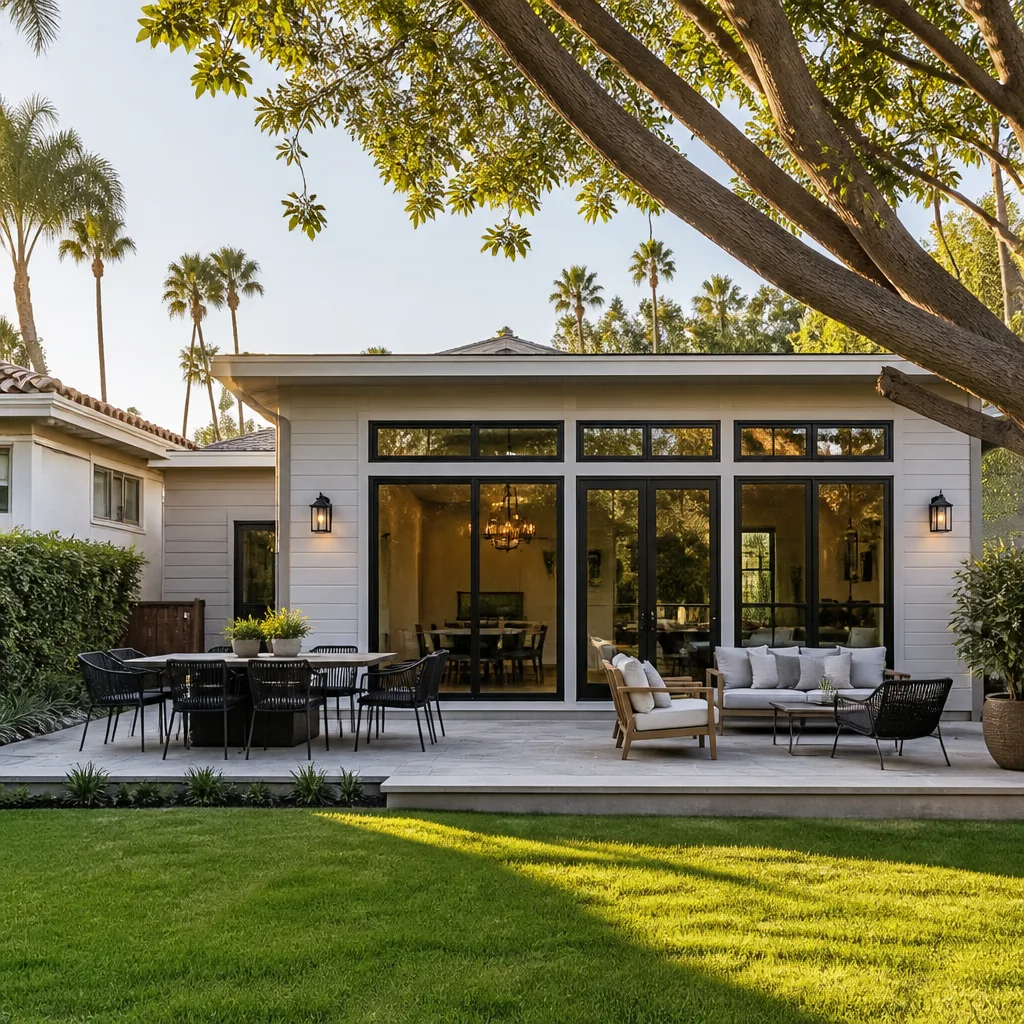
A home addition or ADU in Homestead typically runs $45,000 – $130,000 for an addition and $90,000 – $220,000 for a detached or attached ADU, and every project begins with a flat written price before a single permit is filed. We’re an independent contractor, not affiliated with IKO, but we build with IKO roofing and waterproofing components under our additions every week, which means we know how their underlayments, shingles, and flashing details behave under Homestead’s afternoon storms and salt-heavy air.
You usually don’t discover a failed enclosure component until it’s already done damage. Most Homestead owners call us after a ceiling stain in the new addition, a soft spot along a flat-roof tie-in, or a musty smell in a finished ADU that turns out to be a IKO underlayment that never sealed properly at the junction where the addition roof meets the original house. By then the drywall is wet and the trim is swelling. Getting the price in writing before you repair or rebuild saves you from guessing at the real number.
Which IKO Models This Applies To
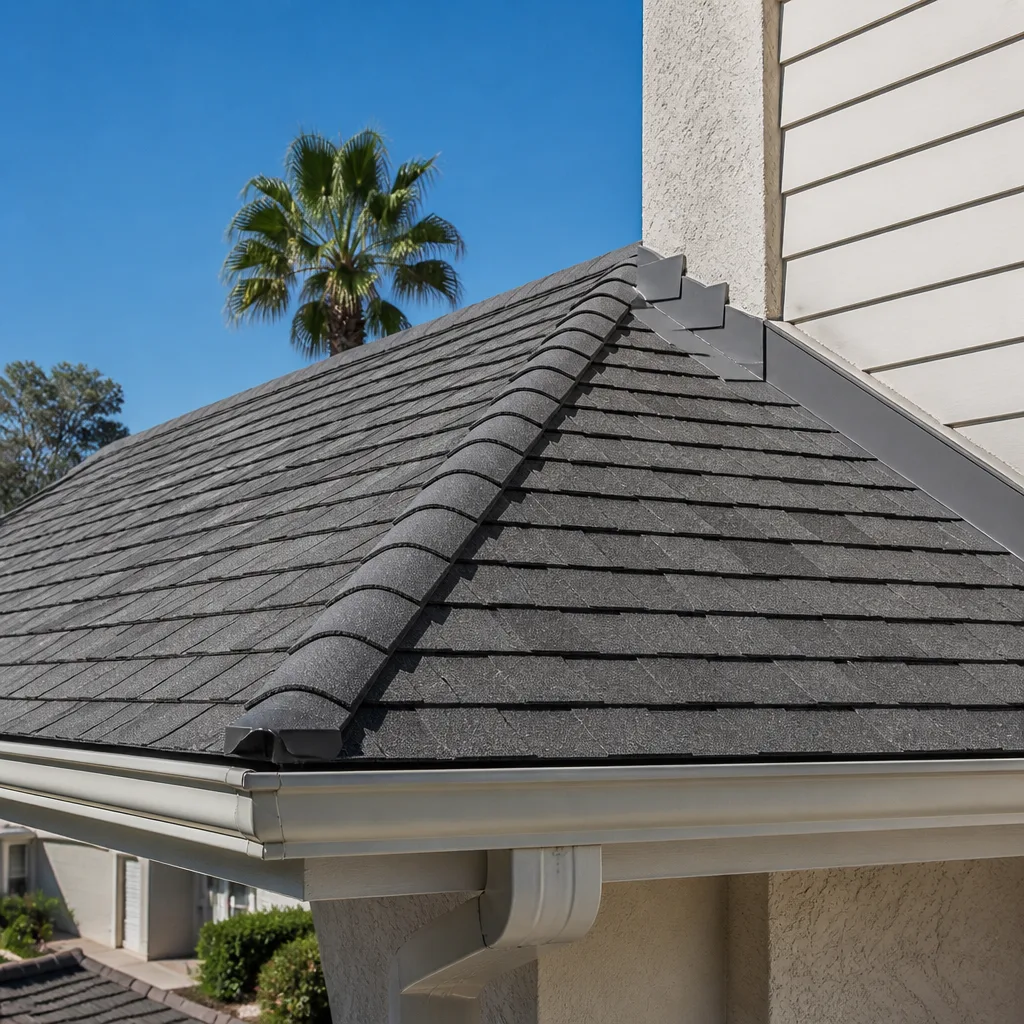
IKO’s residential line runs across several shingle families (Cambridge, Dynasty, Nordic, and Marathon), plus underlayment products like Stormtite and Gold Shield, and their flat-roof membrane systems used on low-slope ADU roofs. The part you need depends entirely on which layer failed and where. A shingle issue on a pitched addition roof calls for Dynasty or Cambridge replacement; a leak at the flat section over an ADU or an addition tie-in usually points to the membrane or underlayment, not the shingles themselves.
Finding the right part starts with a label, not a guess. IKO shingle bundles carry the product name and a color code on the wrapper – keep one wrapper from the last repair so you can match dye lot, because a mismatched bundle on a five-year-old roof shows as a visible patch in Homestead’s harsh sun. Underlayment rolls have the SKU printed on the core tube; photograph it before the roll goes up.
OEM versus aftermarket: for shingles, staying with the same IKO family matters more than for underlayment. A quality synthetic underlayment from a different maker often performs as well under IKO shingles, but mixing shingle lines on a visible slope looks wrong and can void the manufacturer’s wind warranty. We quote both paths in writing so you’re comparing real numbers, not a sales pitch. Our technicians have up to 19 years of experience reading these labels and matching the right part.
Styles & brands we work with
- Kitchen remodeling
- Bathroom remodeling
- Home additions & ADU
- Roofing
- Windows & doors
- Driveway & pavers
- Fence
Signs Your IKO Home Additions & ADU Is Failing
Most failures show up as symptoms, not as a clean “this part broke” message. Here’s what Homestead owners tend to notice first:
- Ceiling stains in the new addition after a storm. Water is finding a path through a flashing or membrane seam. In Homestead’s hurricane-season downpours, a pinhead-sized gap at the addition tie-in pushes gallons of water into the drywall within minutes.
- Soft or spongy drywall along the wall-ceiling joint. The underlayment likely never sealed completely against the framing, so moisture wicks through the paper face of the drywall instead of shedding off the roof deck.
- Musty smell in a finished ADU. That’s trapped moisture behind the walls or under the floor. A small membrane breach you can’t see lets humid Florida air condense inside the assembly, and the smell arrives long before the visible damage does.
- Granule loss or curling at the base of the addition roof. Shingles in Homestead face intense UV and salt air from the coast, and both accelerate granule wear. Curling along the lower edge usually means the shingle has aged out or the underlayment underneath has failed.
- Visible gaps or lifting at the roof-to-wall junction. Flashing that wasn’t installed to IKO spec lets wind-driven rain push sideways under the shingle edge. That’s the failure that turns a $400 repair into a $4,000 one when the wall cavity soaks.
See the difference
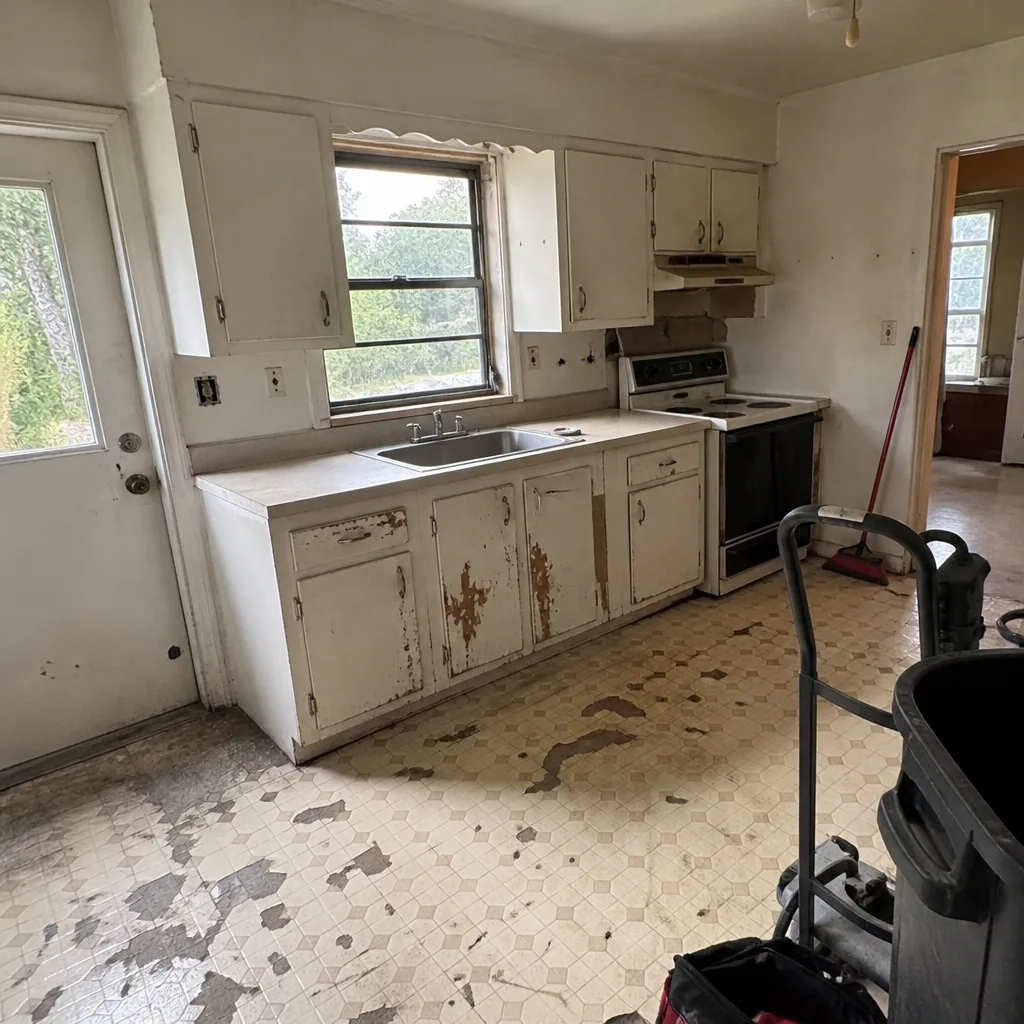 Before
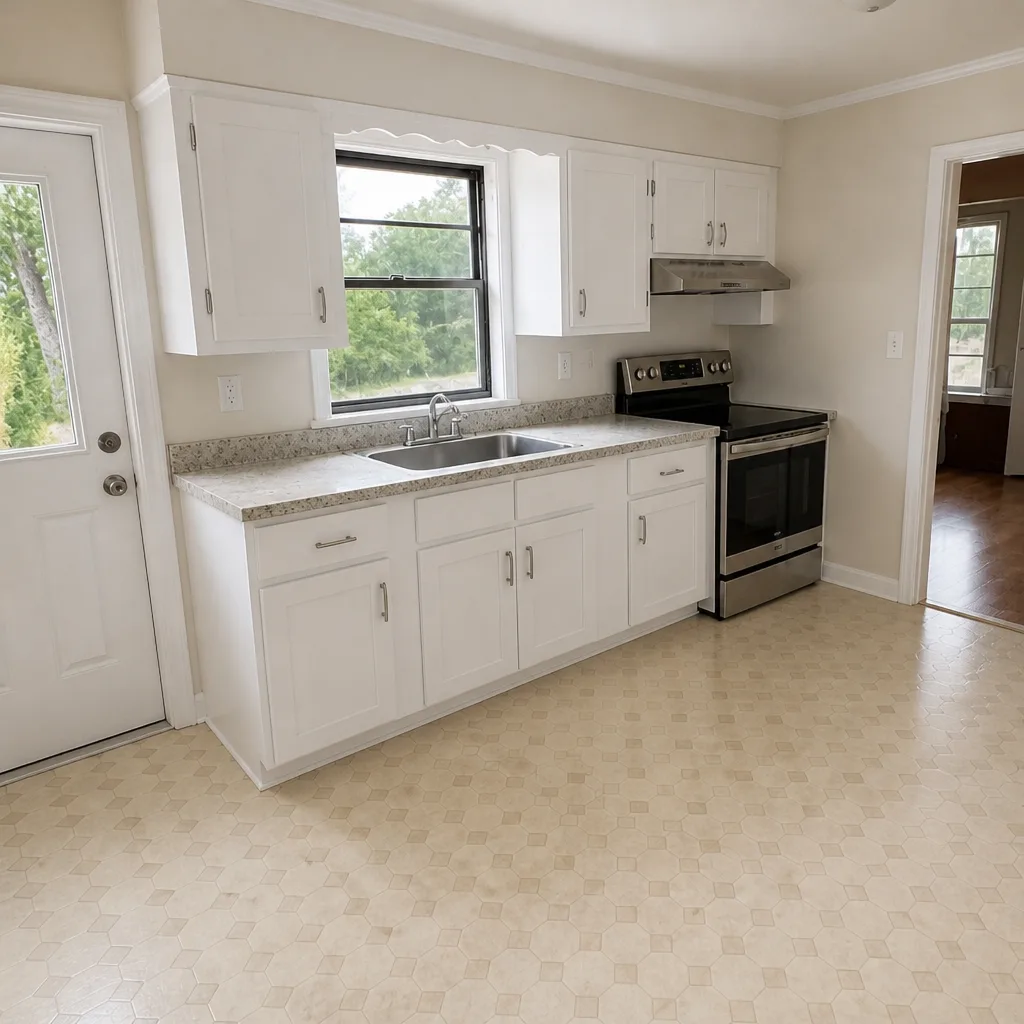 After
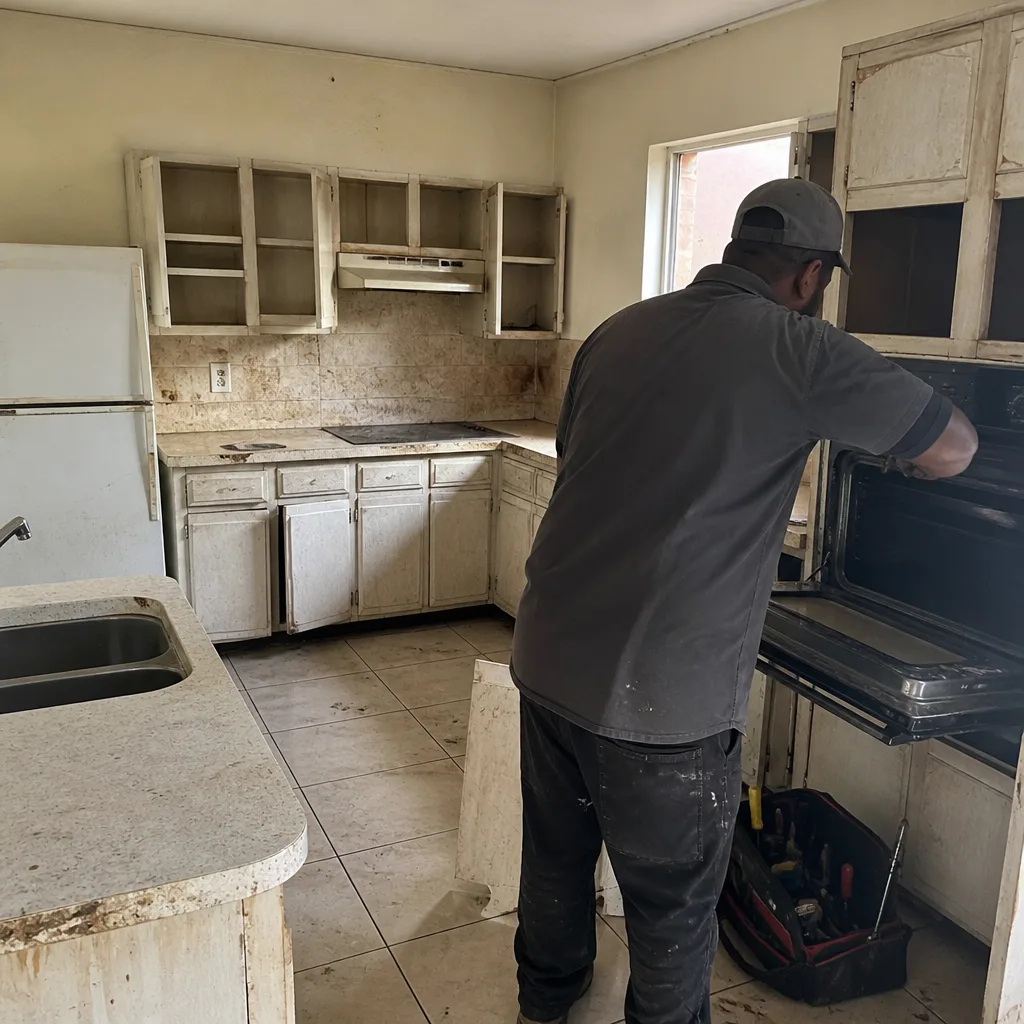 Before
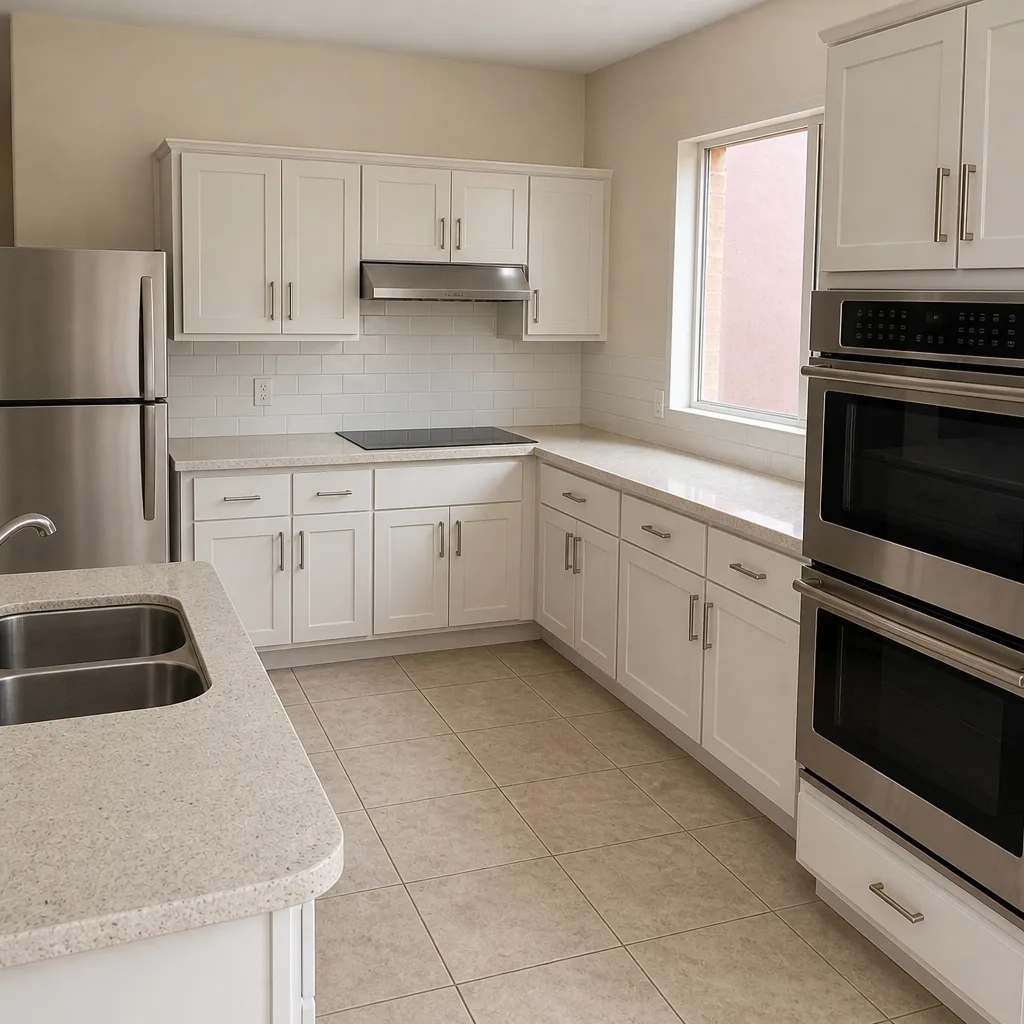 After
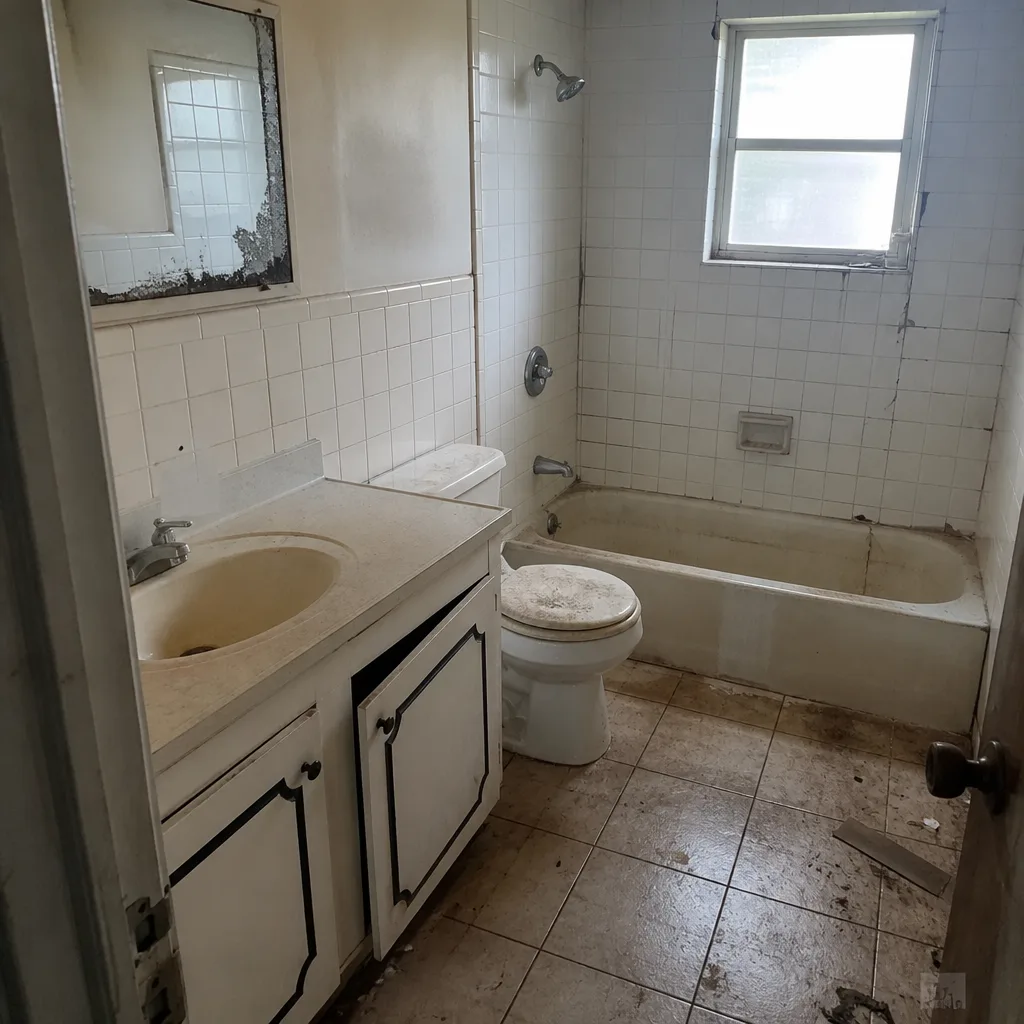 Before
 After
Replacement Cost & What’s Included
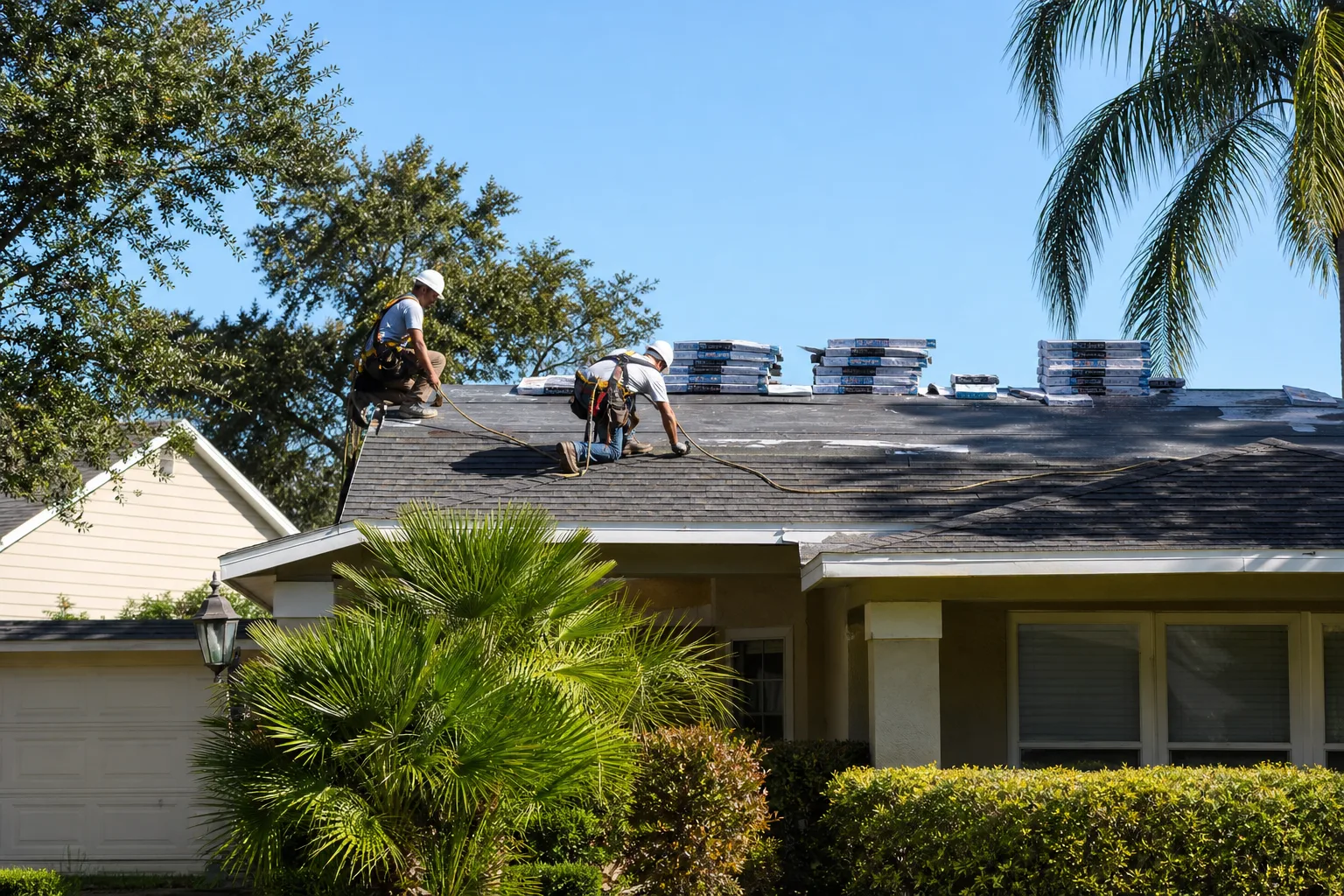
For Homestead, a targeted repair at an addition or ADU tie-in usually runs $400 – $1,800 depending on how much of the flashing and underlayment has to be reset. A full re-roof over an addition sits at $8,000 – $20,000, and the addition or ADU construction itself is $45,000 – $130,000 for an addition or $90,000 – $220,000 for a full ADU build. Those are installed ranges, parts and labor together, quoted as a flat written price.
What drives the number: square footage, roof complexity at the tie-in, whether you’re on a low-slope membrane or a pitched shingle section, and how much interior repair the water has already caused. Under Clause 1 of the Haven Standard, the price is written before anyone starts, and no work proceeds on a change without a signed change order – so the final invoice tracks the agreed number. The work carries our 365-Day Done Right Promise, and every visit comes with a documented photo record of what we found and what we replaced. Call (844) 834-4248 to get your written estimate.
DIY or Call Us?
Some checks are safe for a homeowner. You can photograph the ceiling stain, note when it appears, and look at the calendar of the last big storm. You can pull up the shingle wrapper for a model number and grab the underlayment SKU from the core tube. What you shouldn’t do is get onto a steep addition roof or lift flashing and membrane seams yourself – falls are a real risk on a wet, sloped roof, and a badly seated flashing is worse than the original leak.
The failures that matter most here live in the roof-to-wall junction and the low-slope ADU membrane. Those aren’t handyman territory. They need someone who can read the IKO spec, seat a proper base flashing, and know how Homestead’s wind-driven rain behaves at the seam. If water is already showing inside, the hidden damage is usually larger than the visible spot. Call (844) 834-4248 and we’ll get a written price to you before we pick up a tool.
FAQs
A well-installed IKO shingle on a Homestead addition generally gives 15 – 25 years on a pitched roof, but salt air and intense UV near the coast shorten that; underlayment failures often show up at 8 – 12 years. The roof itself outlasts the underlayer, which is why the membrane installation matters so much here. Call (844) 834-4248 for an exact quote – estimates are free.
Often, yes – a single seam, a small run of flashing, or a localized underlayment lift can be repaired instead of replaced. We inspect the surrounding layers and quote both paths in writing. If the repair is the honest answer, that’s what we’ll tell you. Call (844) 834-4248 to get your free second opinion on any written estimate.
A targeted repair at an addition tie-in usually takes a day or less; a full addition re-roof runs several days depending on square footage and weather, and we build the schedule into the written scope before work starts. Homestead afternoons during hurricane season can push a multi-day job, so we pad the schedule into the written scope. Call (844) 834-4248 to schedule your free estimate.
We source through vetted suppliers and match by product name, SKU, and dye lot where color continuity matters, and we don’t carry parts on a truck. Each quote names the specific IKO product so you can verify it line by line. We also work with KraftMaid, Cambria, and Silestone when an addition needs interior finishes quoted alongside the roof work.
If your Homestead home addition or ADU has a wet ceiling, a musty interior, or a roof tie-in that isn’t shedding water the way it should, call (844) 834-4248 for a free written estimate. We’ll tell you exactly what failed, name the IKO part that fixes it, and put the price on paper before anyone picks up a tool.
Written by the team at Rowan Construction Group Homestead, serving Homestead and nearby areas.