
Free written scope consultation - allowances, timeline, and change-order rules on paper before a single trade is scheduled
James Hardie Fence Installation: The Homestead Owner’s Guide
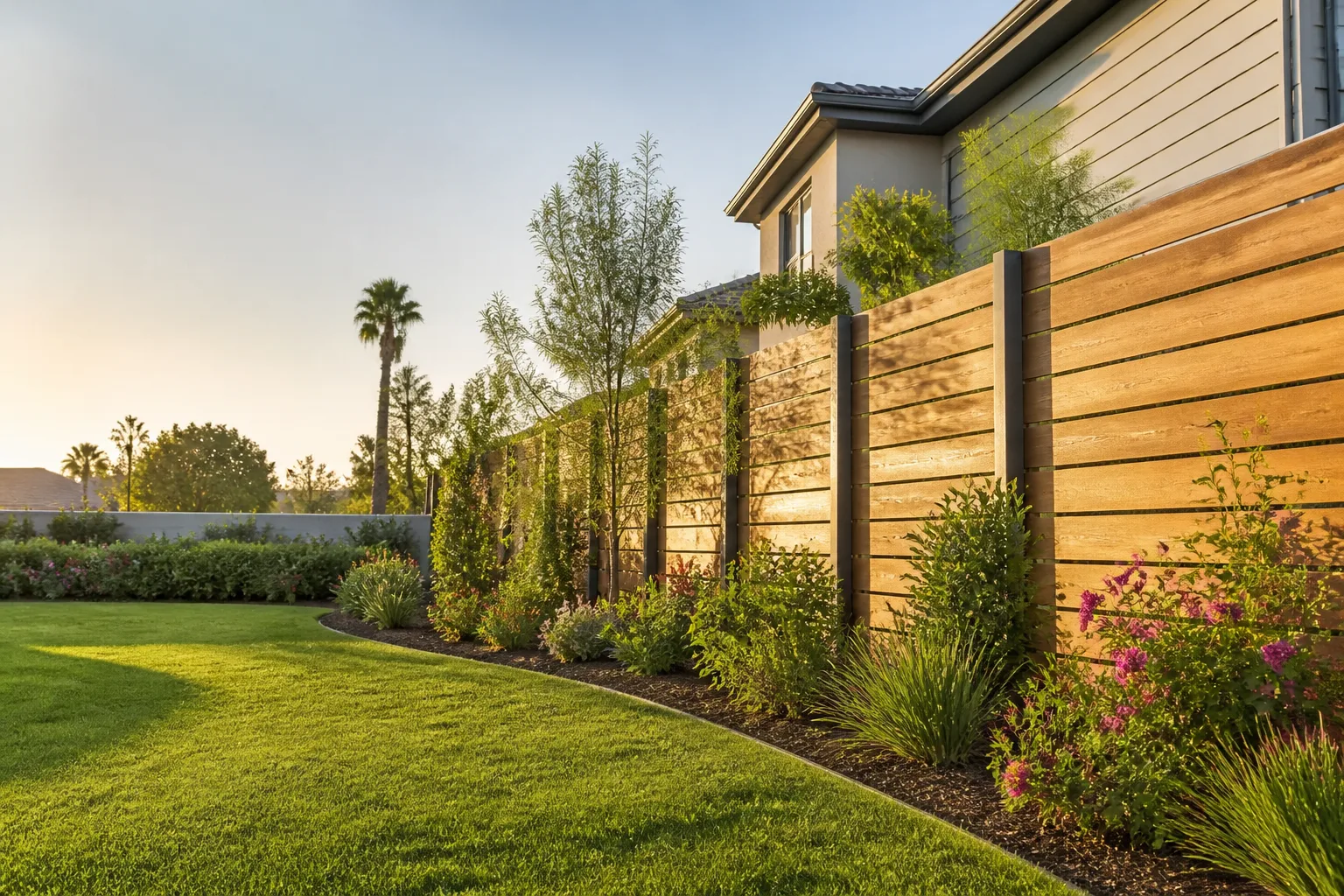
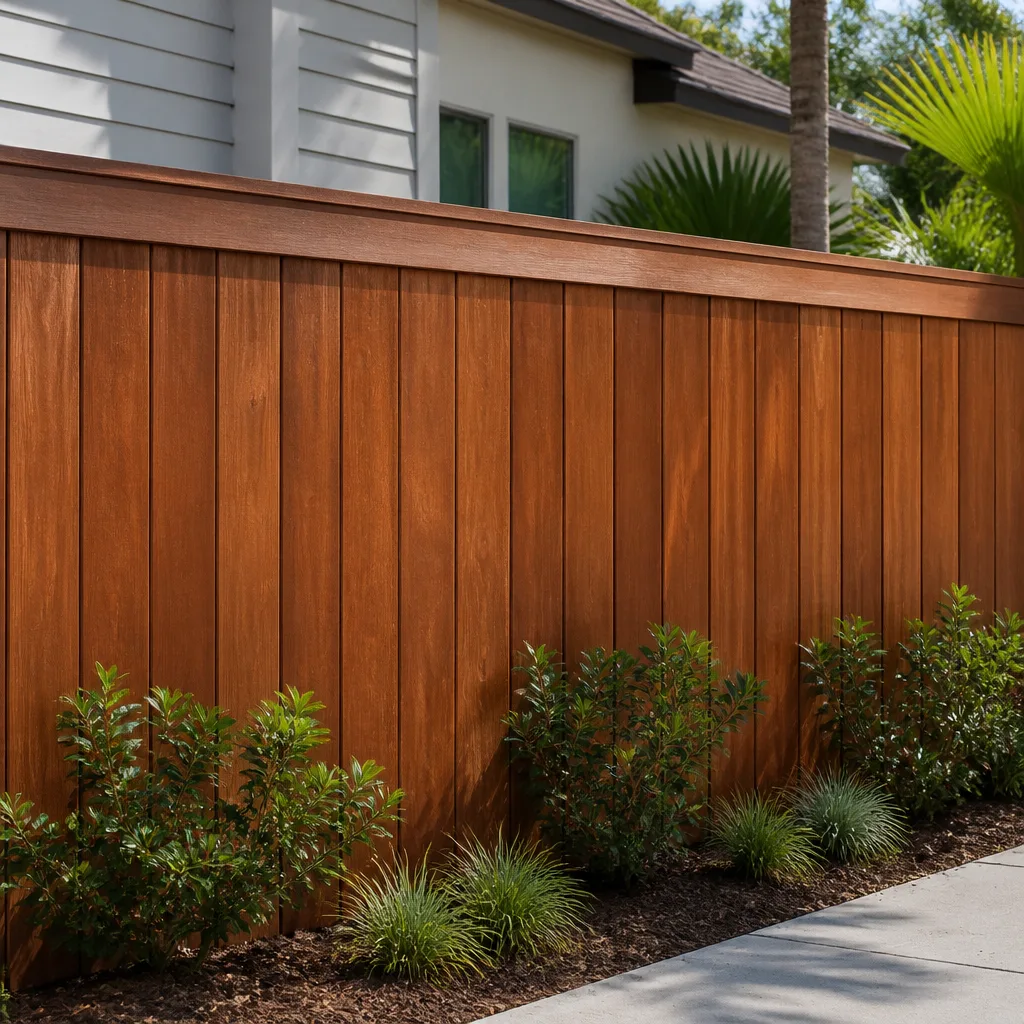
James Hardie fence installation in Homestead typically runs $3,500 to $9,000 installed, depending on linear footage, siding profile, and gate count. We install James Hardie-compatible fencing for owners across Homestead, and most projects are scheduled within days of a signed, written scope – not “sometime next month.”
Homeowners usually end up here because a section of their Hardie-backer fence assembly has started to show a problem months or years after install. The panels look fine in photos. Then you walk the back fence line after a Homestead rain and notice moisture pooling at a post base, chalky residue on a plank, or a gate that drags when you swing it. That’s the signature picture. It rarely appears all at once – the failure shows up at the joints first, then at the fasteners, then at the top edge. By the time you can name the problem, the cause has been working quietly for a season or two.
Key Takeaways
- James Hardie fiber cement fencing in Homestead runs $3,500 to $9,000 installed for most residential lots.
- Failed fasteners and post-base water intrusion are the two most common causes of premature failure on this product.
- Written price before any work starts, flat scope, signed change order for every change – under The Haven Standard.
- We’re an independent contractor and are not affiliated with James Hardie; we install the material and stand behind the work.
Which James Hardie Models This Applies To
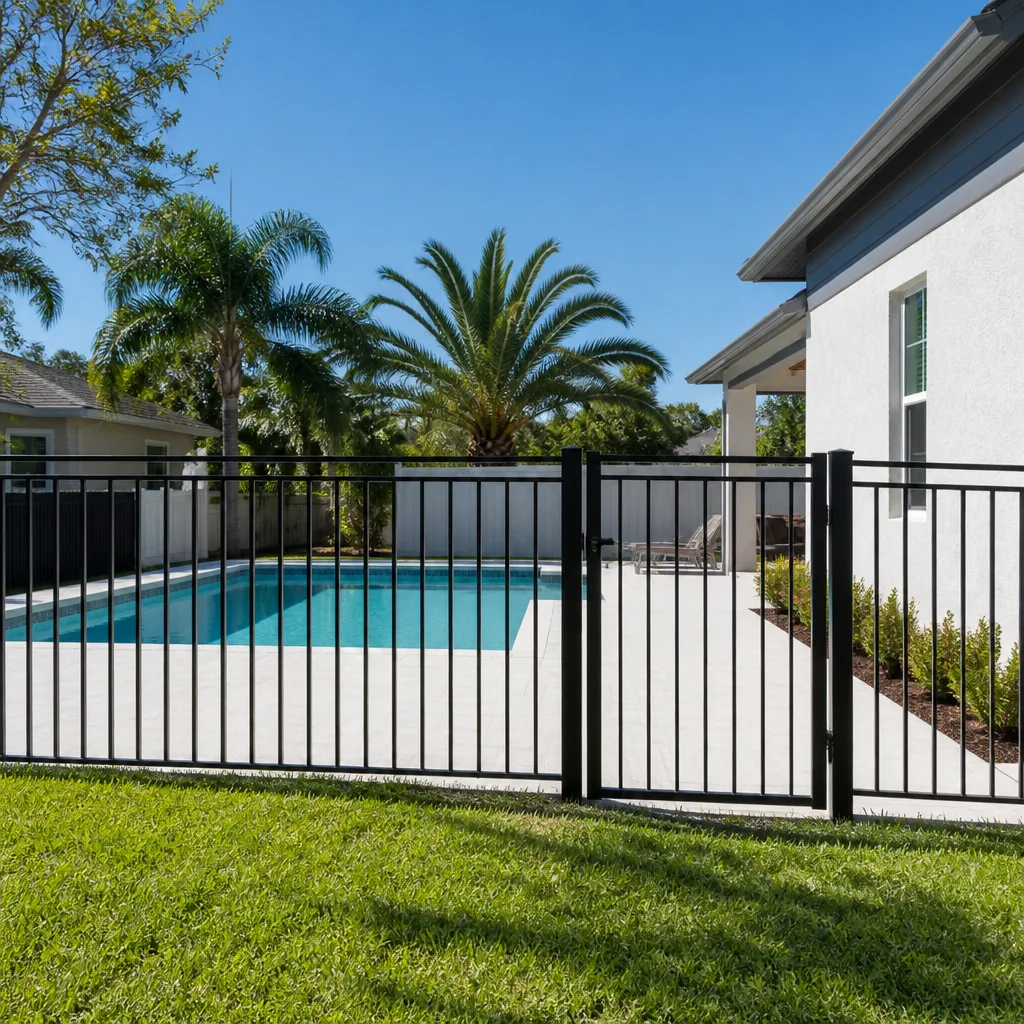
James Hardie fiber cement fence assemblies are built around their HardiePanel and HardiePlank lines, and the installation spec is what governs compatibility. The two products that matter on a residential fence in Homestead are:
- HardiePanel vertical siding (5/16″ nominal thickness) – the standard pick for a fence infill panel because the vertical format runs on a post-and-rail frame.
- HardiePlank lap siding (5/16″ to 7/16″ depending on profile) – sometimes used horizontally between posts on privacy fences where a lap look is wanted.
Identify what you have by looking at a panel edge – the product name is often stamped or printed on the back face near a corner. Note the thickness and the trim profile, because trim compatibility is where most replacements go wrong. James Hardie sells matching trim in 5/4 and 4/4 profiles, and a mismatched trim will not seat cleanly over the panel edge, which is exactly where water gets in.
On OEM versus equivalent material: with fiber cement, the “part” is the panel plus the specified fasteners plus the trim. There is no proprietary electronic component to counterfeit. The honest decision is branded Hardie material versus a generic fiber cement equivalent. Branded Hardie gives you a documented product with published installation requirements. A generic panel may be cheaper up front, but its published specs can differ on thickness tolerance and fastener-hold, and the warranty path is murkier. We order Hardie-compatible material to spec for every Homestead install so the scope, the material, and the warranty line up.
Styles & brands we work with
- Kitchen remodeling
- Bathroom remodeling
- Home additions & ADU
- Roofing
- Windows & doors
- Driveway & pavers
- Fence
Signs Your James Hardie Fence Installation Is Failing
Fiber cement is durable, but it does not fail in mysterious ways. It fails at predictable points, and the symptoms in Homestead line up with the local climate. Here’s what to look for, and what’s actually happening underneath:
- Chalking or white powder on panel surfaces. Fiber cement cures with a surface film that can chalk when moisture cycles repeatedly. A light haze on a south-facing run after a wet season is normal; heavy chalk on one section only points to a moisture-trapping condition on that side.
- Rust streaks at fasteners. Fasteners that are not the specified corrosion-resistant type will rust, expand slightly, and back out. Once a fastener backs out, water gets behind the panel and the failure accelerates.
- Soft spots or crumbling at the bottom edge of panels. This is post-base water intrusion. On a fence set shallowly or without a proper drainage path, the bottom 6 inches of panel wicks moisture, and fiber cement that stays saturated will break down. We see this often on lots that pond after a heavy rain.
- A gate that drags or won’t latch. Post movement, not panel failure. In Homestead’s soil, an under-set post will shift over a few seasons, and the entire gate alignment goes with it.
- Delamination at a trim joint. Mismatched trim or a missed caulk line at the panel-to-trim transition is where moisture enters. If you can slide a fingernail under the trim edge, that’s your entry point.
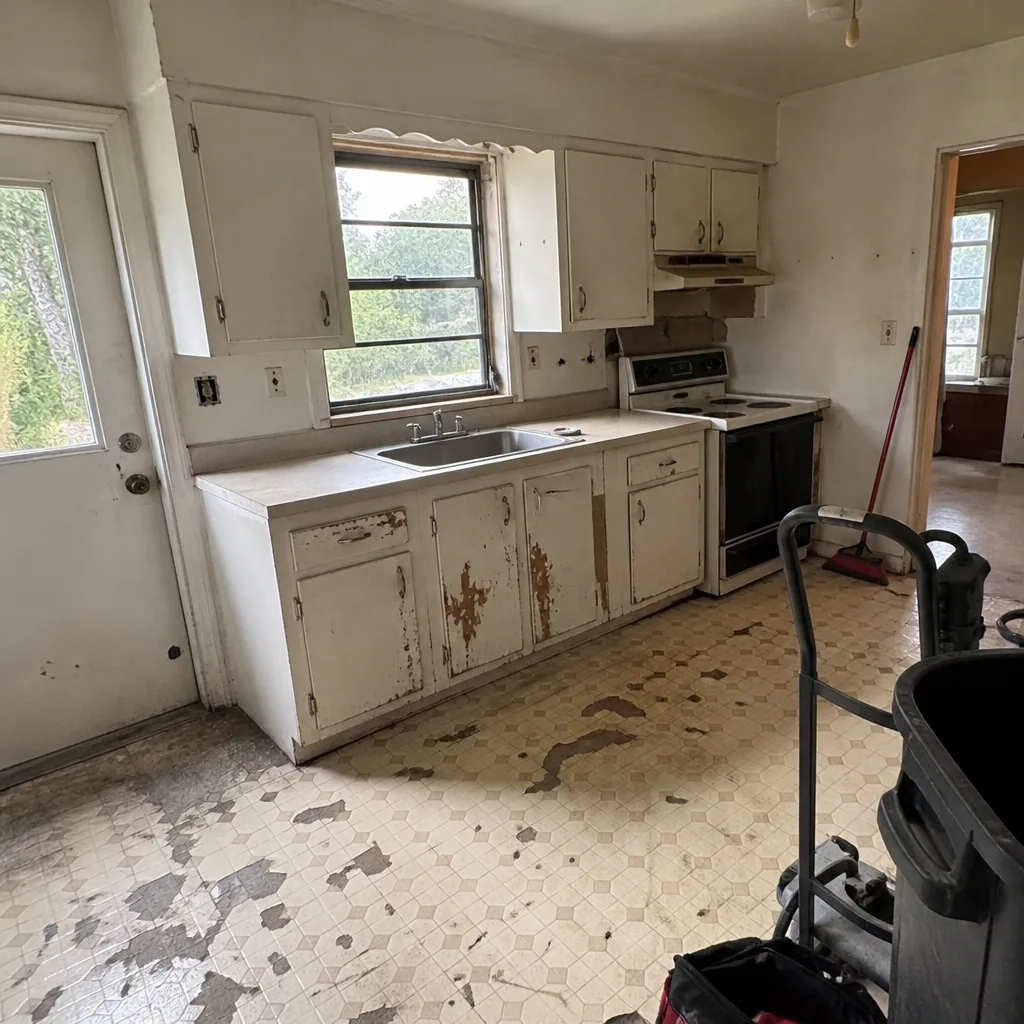
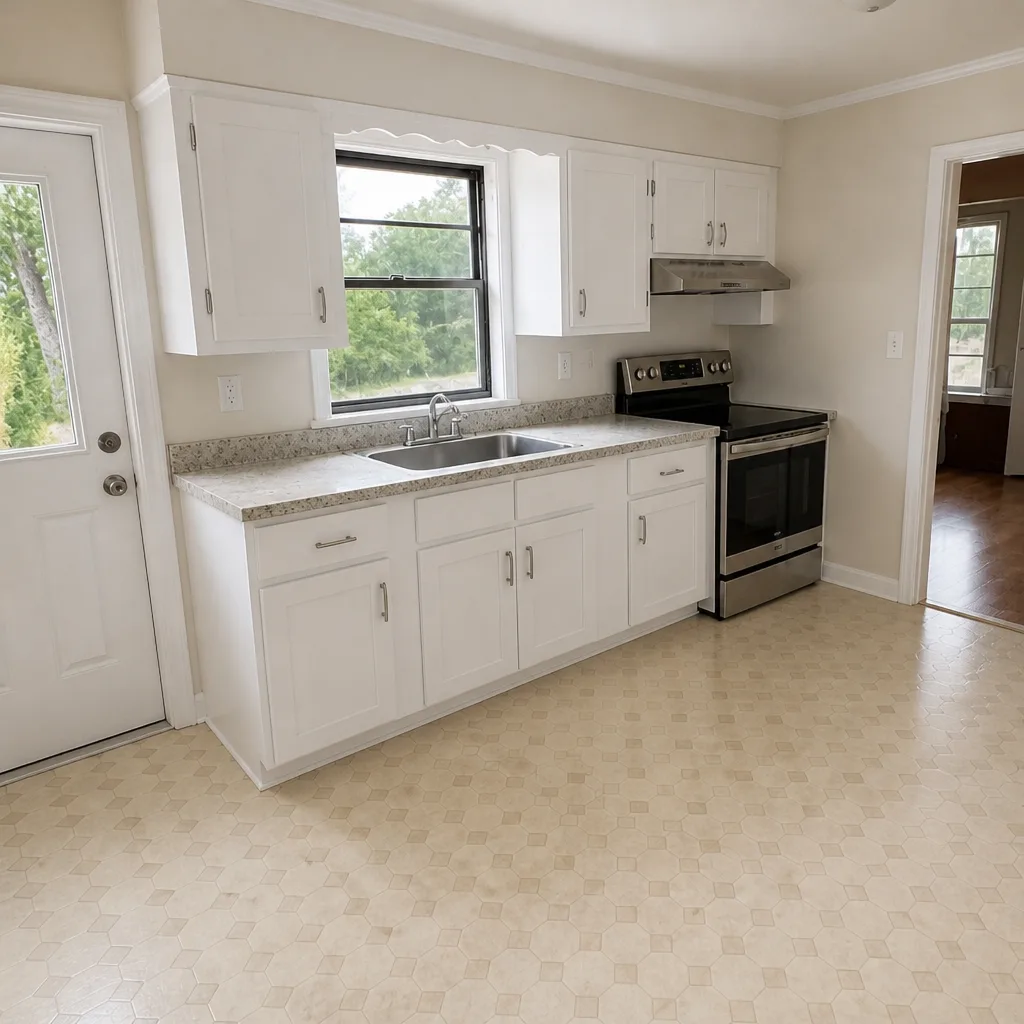
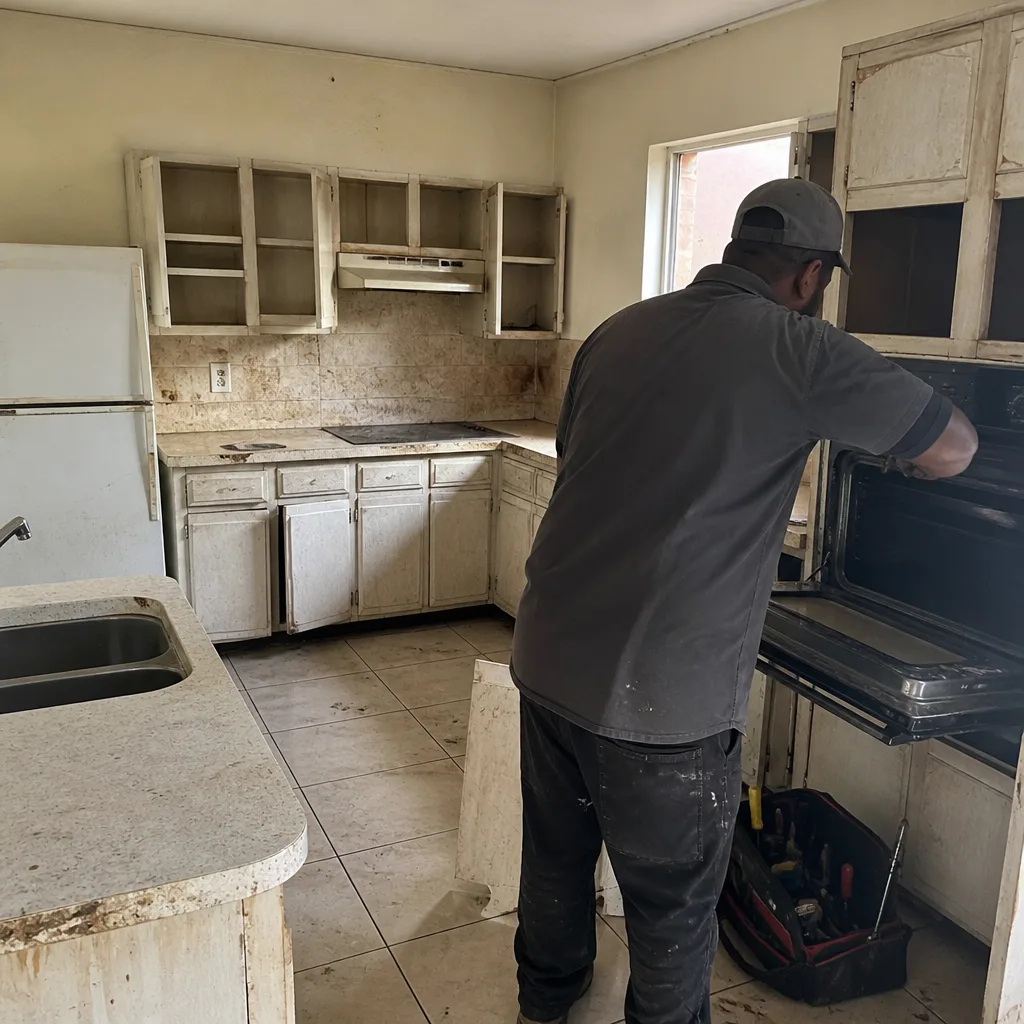
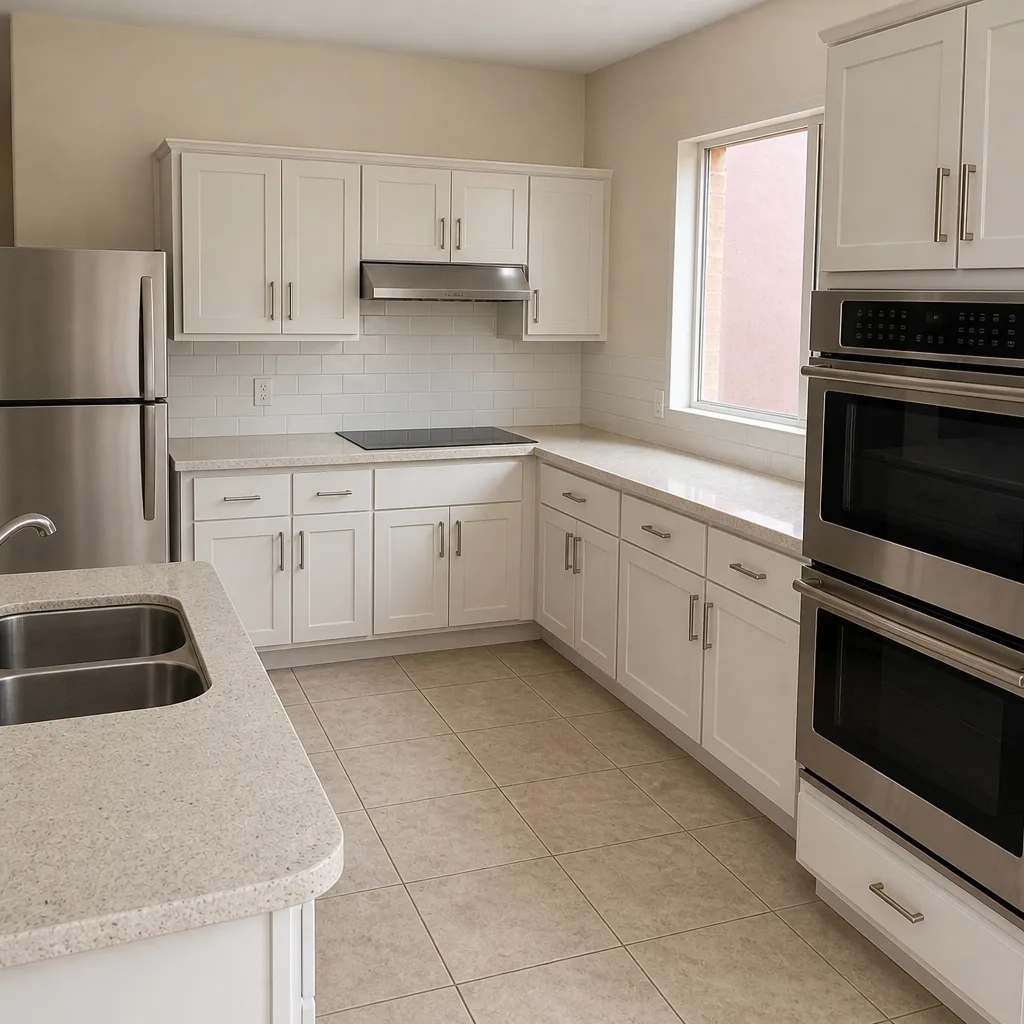
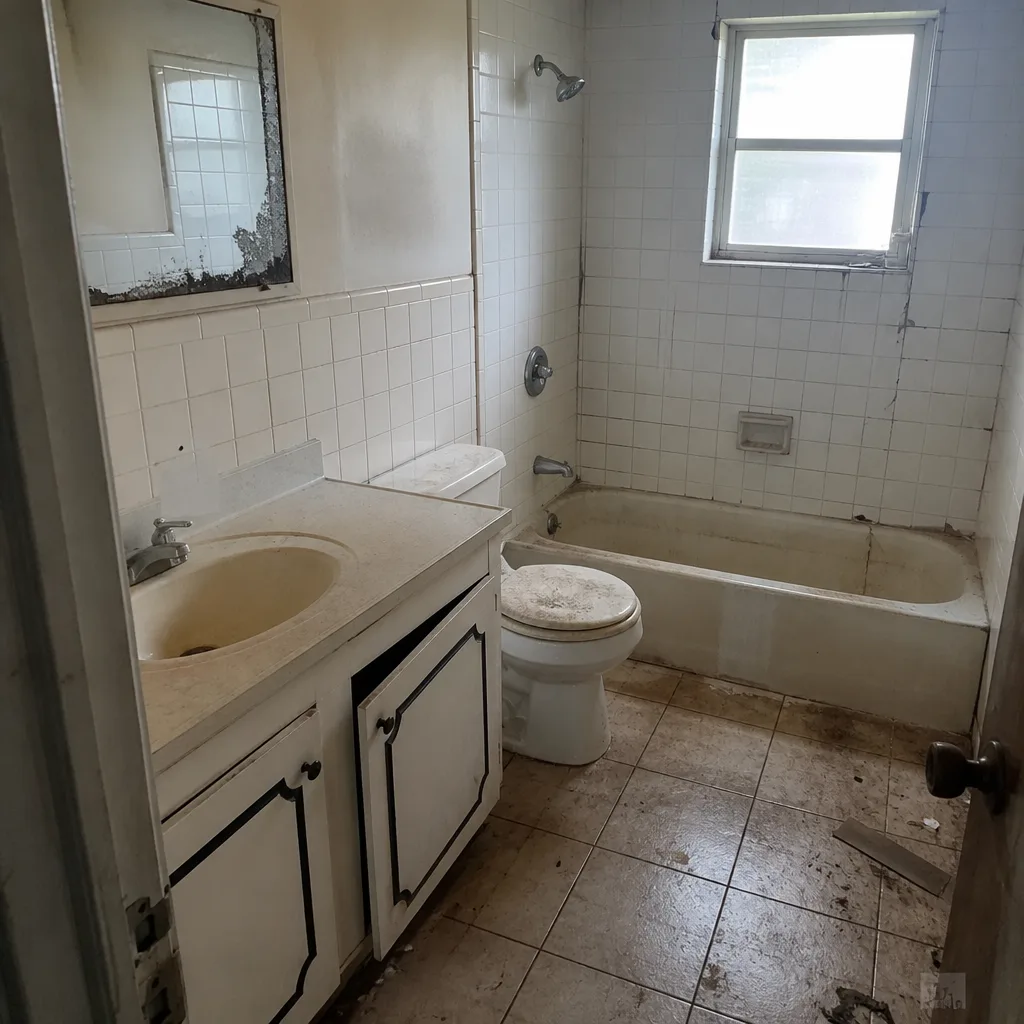
See the difference
 Before
 After
 Before
 After
 Before
 After
Replacement Cost & What’s Included
James Hardie-compatible fence installation in Homestead runs $3,500 to $9,000 installed for most residential lots. What drives the number:
- Linear footage. The single biggest factor. A 100-foot run and a 200-foot run price differently on material and labor.
- Post count and depth. More posts means more concrete, more set time, and more labor per post.
- Gate count and width. Each gate is a separate assembly with its own framing and hardware.
- Panel format. Vertical HardiePanel versus horizontal HardiePlank changes the frame spec and the material count.
- Removal and disposal. Tearing out an existing fence adds a line item. We name it on the quote.
- Access and terrain. A tight side yard or uneven grade slows installation and shows up in the labor line.
Under Clause 1 of The Haven Standard, you get a flat written price with a written scope before any work starts – not “call for a quote,” not a range that moves once the crew shows up. No work proceeds on a change until the change order is signed, which is the discipline that keeps a James Hardie fence project in Homestead within a few percent of the agreed number. Our crews are background-checked and uniformed; a live person answers calls 24/7; and every visit includes a documented photo record as a standard deliverable, not an upgrade. The 365-Day Done Right Promise covers the work: if something we installed is not right, we make it right. Bring a competitor’s written estimate and we’ll review it line by line at no charge as a Free Second Opinion.
DIY or Call Us?
There are things you can check safely yourself. Walk the fence line and look at the bottom 6 inches of every panel – probing with a screwdriver for soft spots is fine. Check every fastener for rust streaks. Open and close each gate and note where it drags. Look at the trim joints for gaps. Write down what you find and take photos.
Where DIY goes wrong is the install itself. Setting posts to the depth this soil and climate require, finding the right fasteners, matching the trim profile, and getting the panel edges to seat and caulk correctly is work that shows its mistakes two seasons later, not on day one. The post footing is the one thing that’s easy to under-build and hard to fix once the fence is up. A fence that looks level the day you finish it can be leaning by the next wet season, and by then you’re redoing the whole run. Here in Homestead, we’ve seen the same failure pattern enough times to know the install spec matters more than the material choice. If you’re past the point of tightening a bolt or touching up a fastener, it’s worth a site visit. Call (844) 834-4248 and we’ll walk the fence with you, hand you a written scope, and give you a flat price before you commit to anything.
FAQs
A James Hardie fiber cement fence installed to manufacturer spec typically lasts 20 to 30 years in this climate – but that number assumes correct post depth, the right corrosion-resistant fasteners, and a drainage path at the post base. In Homestead, the limiting factor is rarely the panel. It’s what’s happening at the bottom edge and at the fasteners. A properly built fence will outlast a poorly built one by a decade or more. Call (844) 834-4248 for a site assessment – estimates are free.
Sometimes, yes. If the failure is limited to a handful of fasteners, a single panel, or a trim joint, a targeted repair is often the honest answer and we’ll say so. If the bottom edge of multiple panels is soft, or the posts have moved, the repair cost climbs toward replacement and we’ll show you the math on both. Call (844) 834-4248 – we’ll look at it and tell you which makes sense.
Most residential fence installs in Homestead complete in two to four working days once material is on site, depending on linear footage, post count, and gate count. Removal and disposal adds a day on a full replacement. We give you a written timeline with the written price so you know what to expect before the crew arrives. Call (844) 834-4248 for an exact timeline on your lot.
We order the material to spec for each job through our vetted supplier network – the same sourcing discipline we use across our other trades, where we work with names like KraftMaid, Cambria, and Silestone. Every panel, fastener, and trim profile is specified on the written scope so what gets delivered matches what you agreed to. If a substitution is ever on the table, you see it in a change order before it happens, not after. Call (844) 834-4248 for a written quote.
James Hardie fence installation in Homestead is a project worth getting right the first time – the material is durable, and the install is what decides whether you get 25 years out of it or 8. We’re an independent contractor and not affiliated with James Hardie, and we install to the manufacturer’s published spec while standing behind our own work under the 365-Day Done Right Promise. Every quote is a flat written price with a written scope, delivered before any work starts. Call (844) 834-4248 to schedule your free estimate.
Written by the team at Rowan Construction Group Homestead, serving Homestead and nearby areas.