
Free written scope consultation - allowances, timeline, and change-order rules on paper before a single trade is scheduled
Oldcastle Home Additions & ADU: The Homestead Owner’s Guide
We build Oldcastle-compatible home additions and ADUs in Homestead, and the fully installed price runs $45,000 – $130,000 for an addition and $90,000 – $220,000 for a detached or attached ADU, depending on size, foundation, and roof tie-in. We are an independent contractor and are not affiliated with Oldcastle, but we work with their masonry and hardscape product lines regularly. Additions here don’t fail suddenly. Owners usually notice it slowly: a hairline crack that reappears over a door frame every wet season, a corner of the addition that sits a quarter-inch lower than the main house slab, grout in the new bathroom that keeps loosening no matter how many times it’s patched.
Key Takeaways
- Oldcastle-compatible addition builds in Homestead run $45,000 – $130,000; ADUs run $90,000 – $220,000, quoted flat in writing before work starts.
- Most “failing” additions we inspect are foundation or drainage problems in Homestead’s limestone-heavy soil, not the structure itself.
- We deliver a written price, a written scope, and a documented photo record on every visit as standard.
- No work begins on a change until the change order is signed, which is why our projects finish within a few percent of the agreed number.
Which Oldcastle Models This Applies To
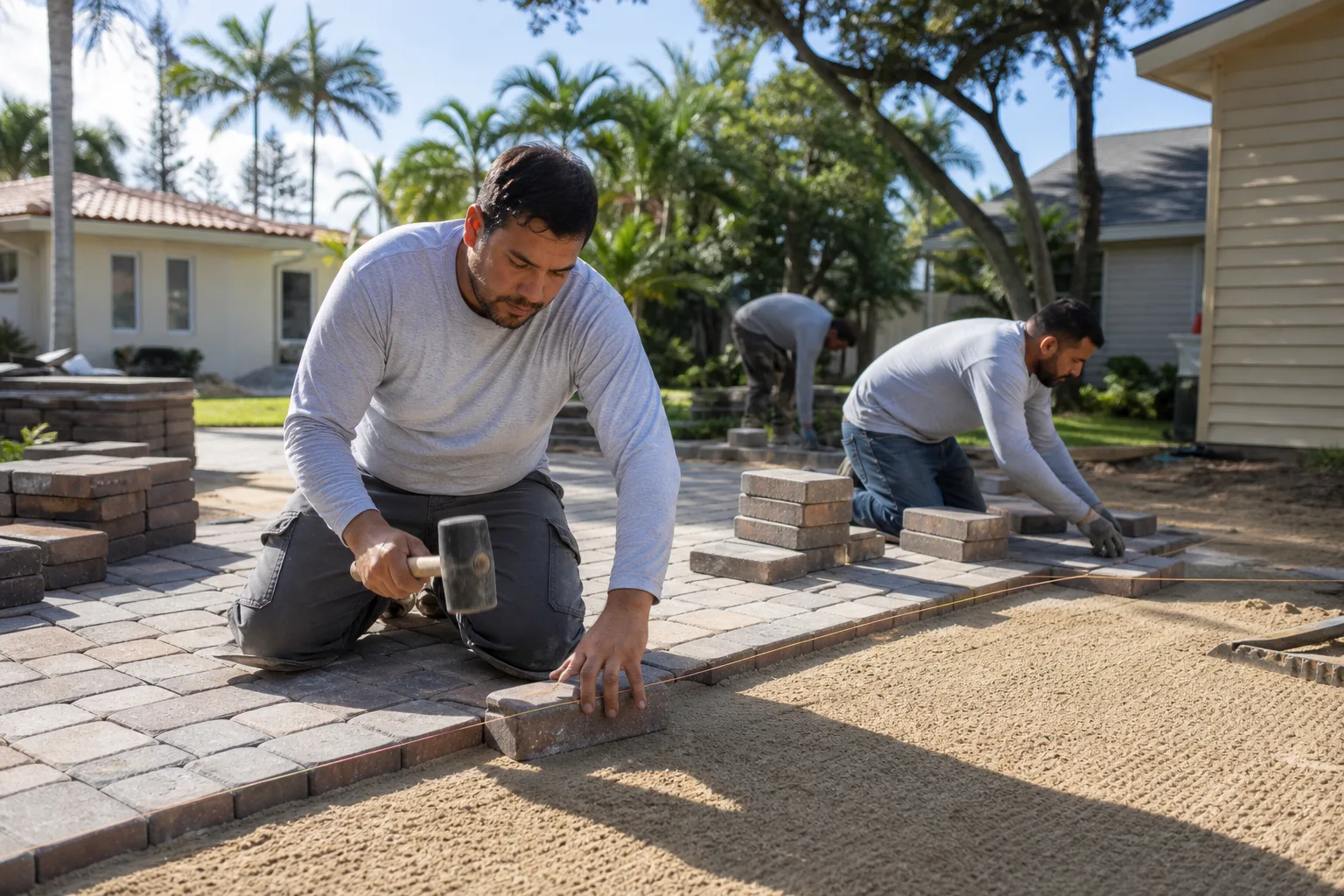
Oldcastle sells through a family of product lines rather than one catalog, and what matters on an addition is which line you’re matching. Their wall block and segmental retaining wall systems are the most common tie-in for a raised addition slab or a garden wall along a new ADU. Their paver and slab lines show up on ADU patios and walkways. Their step treads and caps finish the transition between old and new concrete.
To identify what you have, look for a stamped or printed mark on the underside of a paver, the back of a wall block, or the edge of a cap. Oldcastle pieces usually carry a mold number and a line code, not a homeowner-friendly name. Photograph that mark, measure the unit’s face dimensions to the sixteenth of an inch, and note the color family. That trio is what a supplier needs to match a discontinued run.
On the OEM-versus-aftermarket call: for structural wall block, match the original system exactly. Mixing a different manufacturer’s block into the same retaining wall changes how the courses interlock, and in Homestead’s high water table, that’s the difference between a wall that sheds water and one that leans. For flatwork, caps, and treads, a quality aftermarket match is fine if the dimensions and compressive strength align. We’ll tell you which is which on your property.
Styles & brands we work with
- Kitchen remodeling
- Bathroom remodeling
- Home additions & ADU
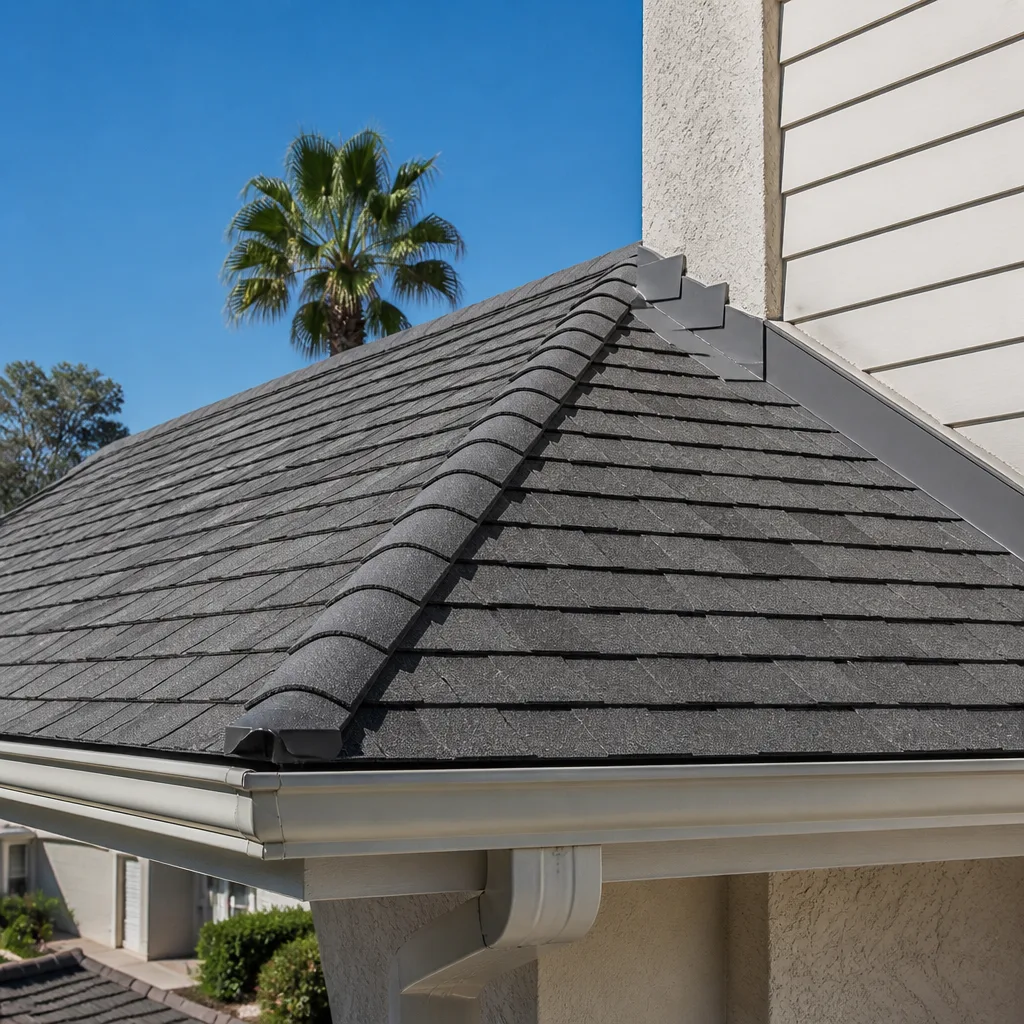
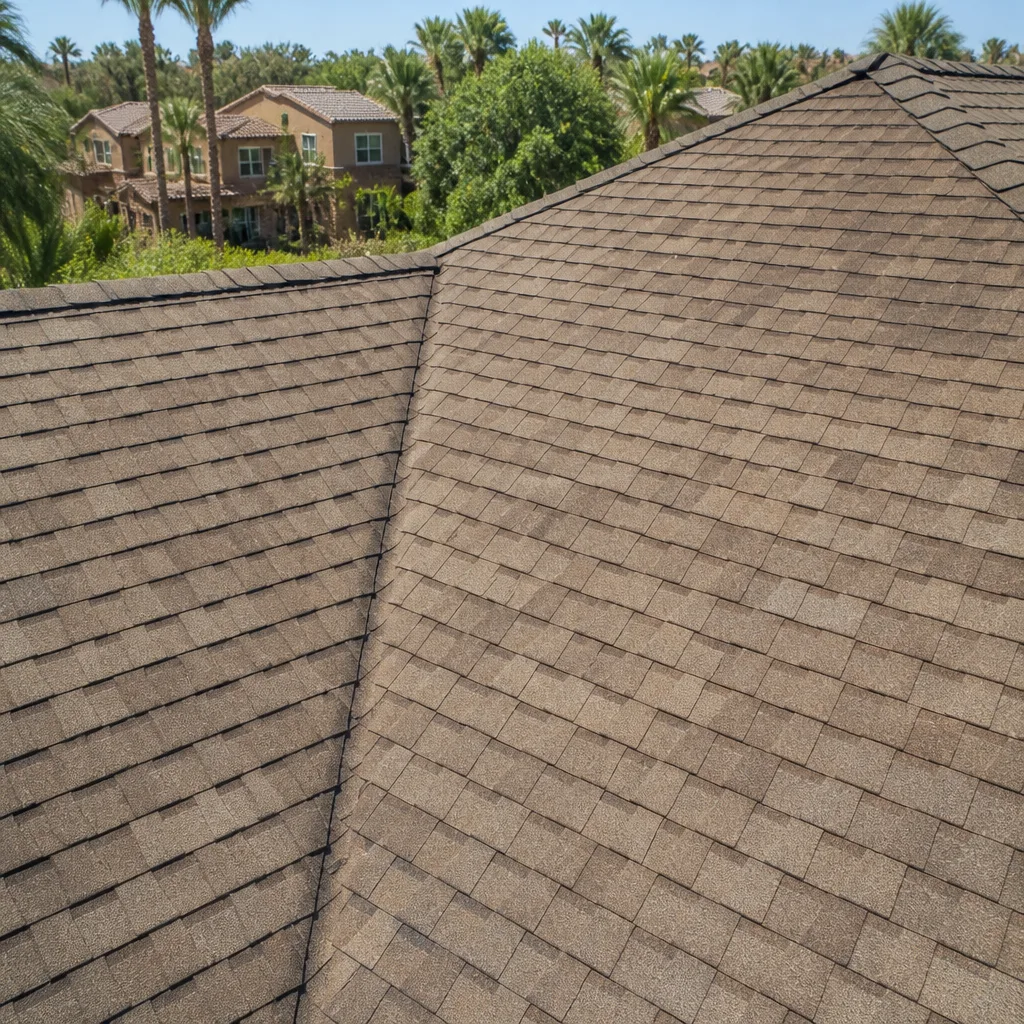
- Roofing
- Windows & doors
- Driveway & pavers
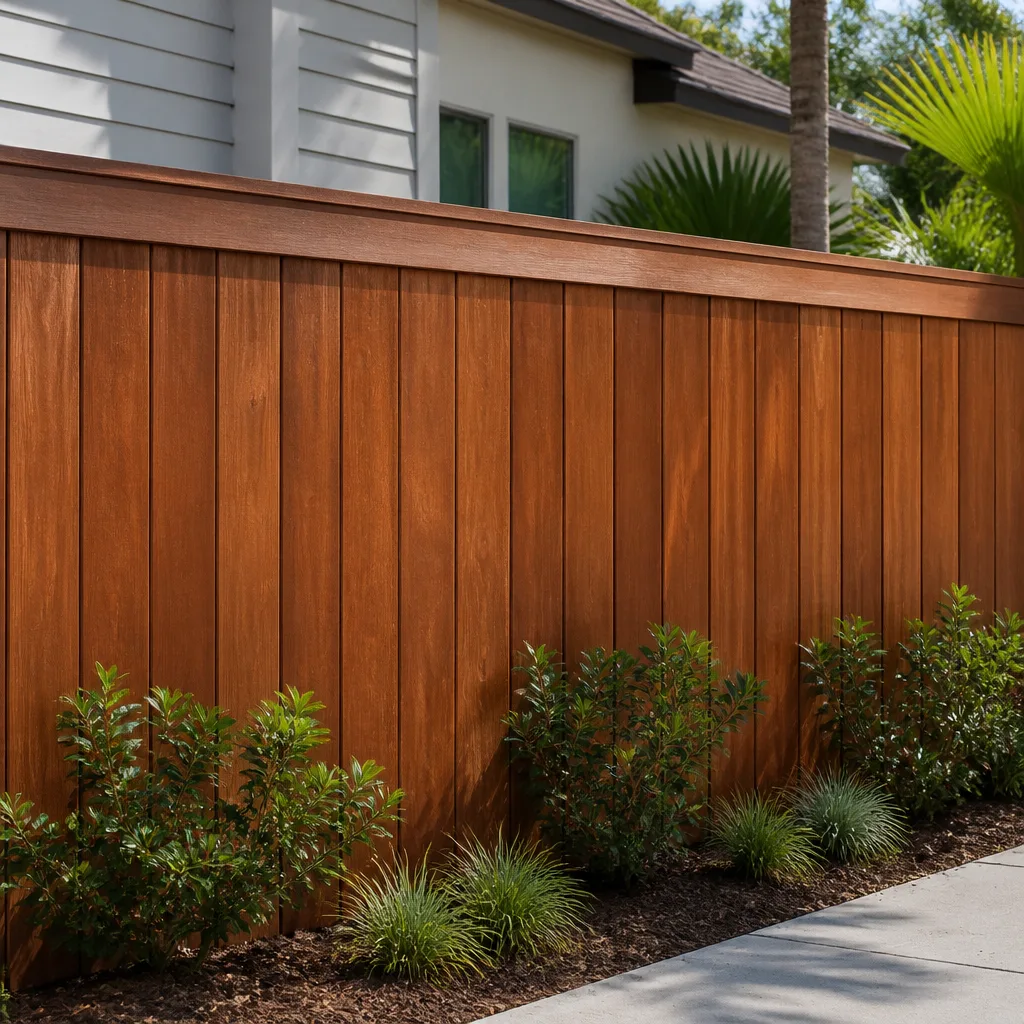
- Fence
Signs Your Oldcastle Home Additions & ADU Is Failing
These are the five symptoms we actually see on Homestead additions and ADUs, and what each one usually means underneath.
- Stair-step cracks in the masonry or stucco corner. This points to differential settlement, where one part of the addition footprint has dropped and the rest hasn’t. In Homestead’s sandy-limestone mix, that often traces to poorly compacted fill under the new slab.
- Recurring hairline cracks above door and window openings. These are the frame flexing against a moving structure. It’s rarely the drywall’s fault; the opening is telling you the wall behind it is shifting seasonally.
- Water pooling against the addition wall after rain. Homestead gets intense short-duration storms, and a grade that’s an inch off sends water toward the structure instead of away. Pooling at the base of a retaining wall or slab edge erodes the soil that’s holding everything up.
- Grout and caulk that keeps failing in the ADU bathroom. If the joint fails in the same spot every six months, the subfloor or wall behind it is moving. New grout over a moving substrate is a temporary fix.
- A retaining wall leaning more than an inch over its height. Segmental wall systems are designed to flex slightly and drain, but a lean that keeps growing means the drainage behind it has failed or the base course wasn’t set on compacted material.
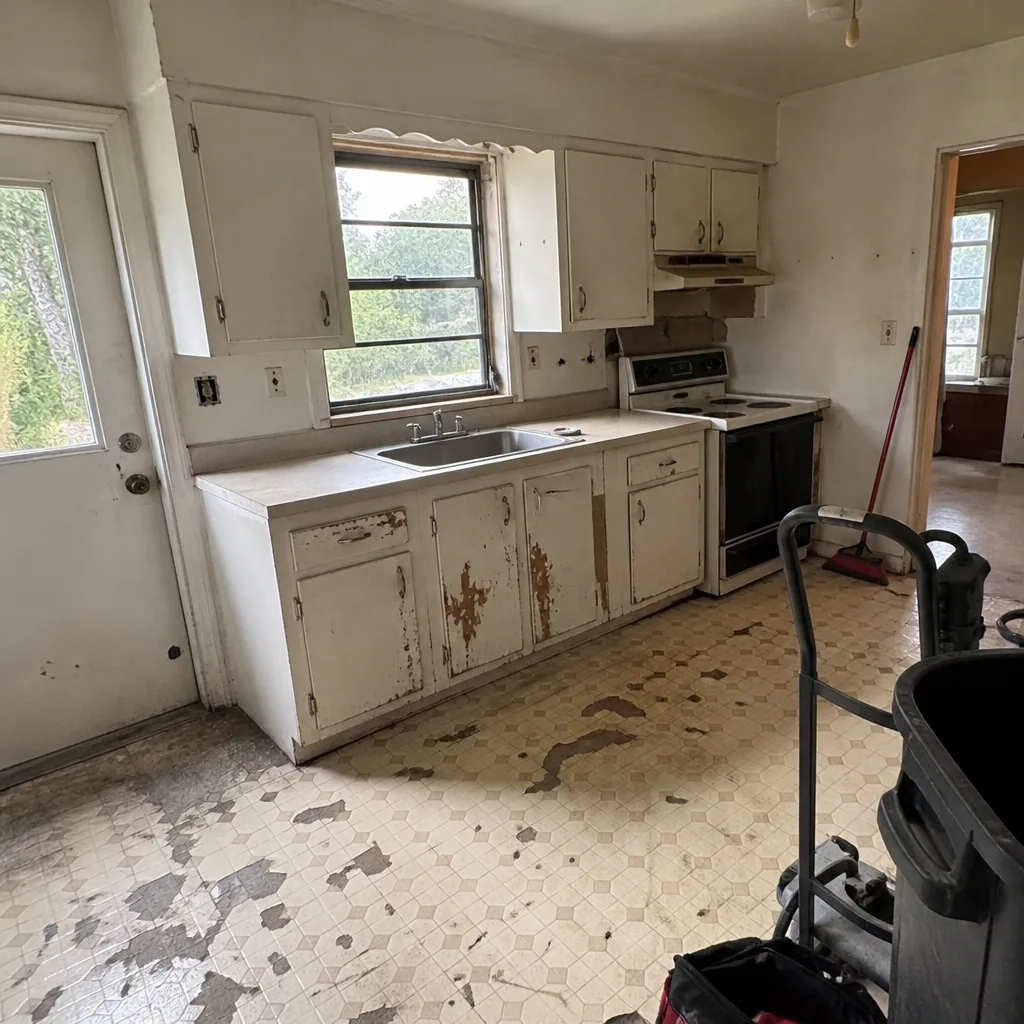
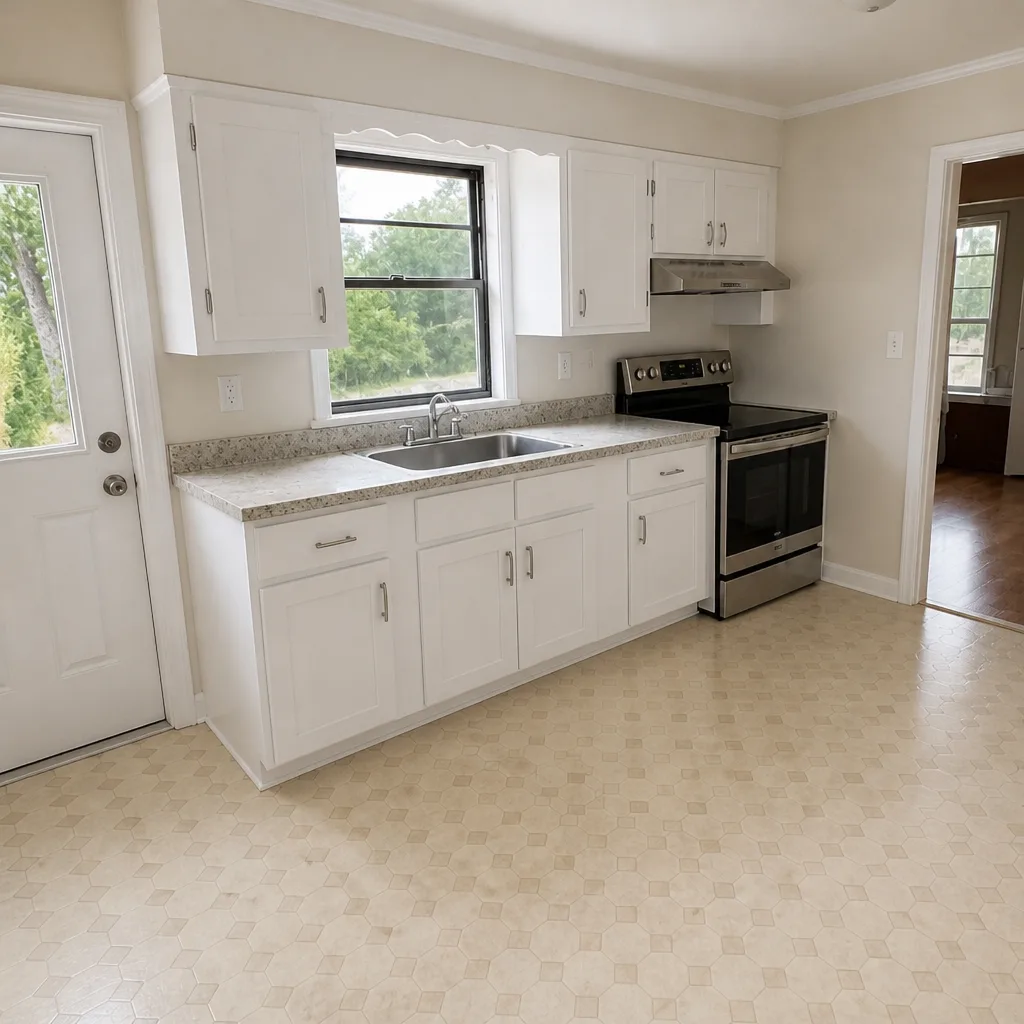
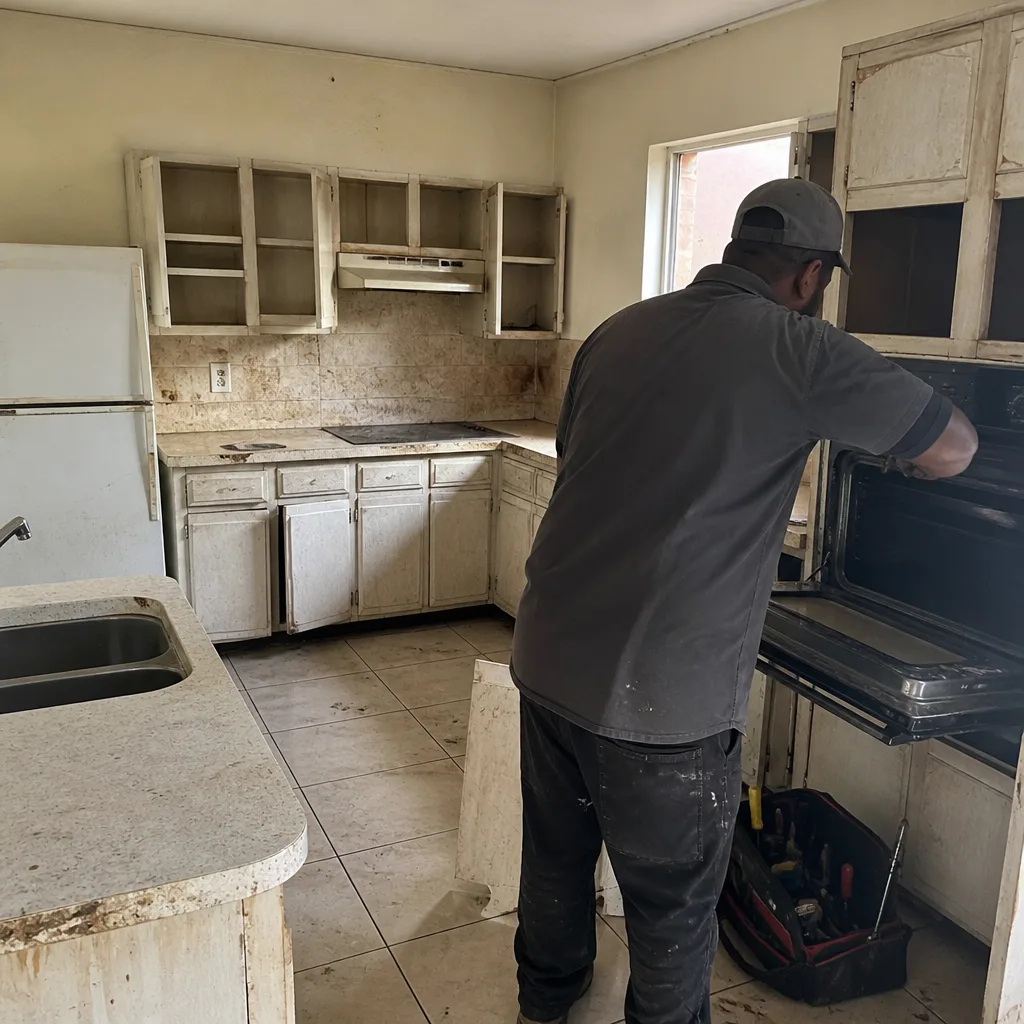
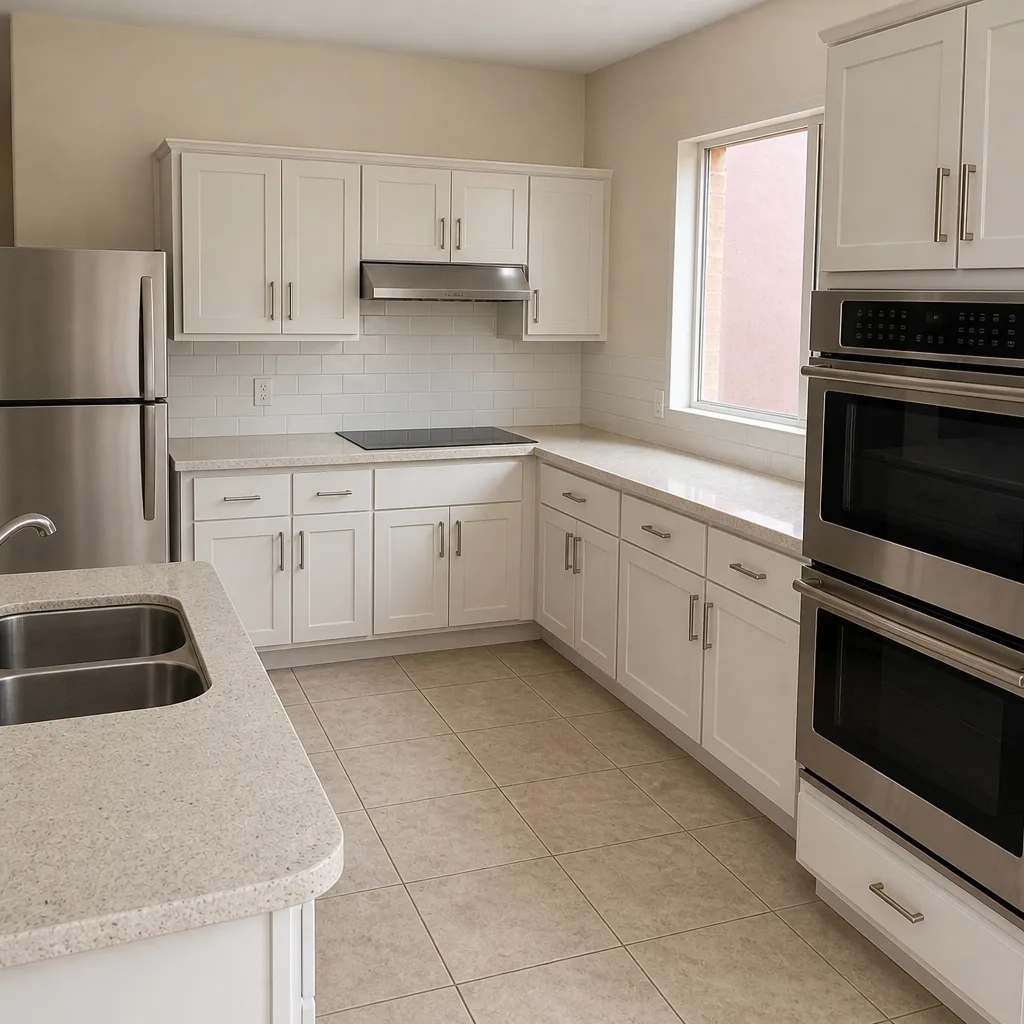
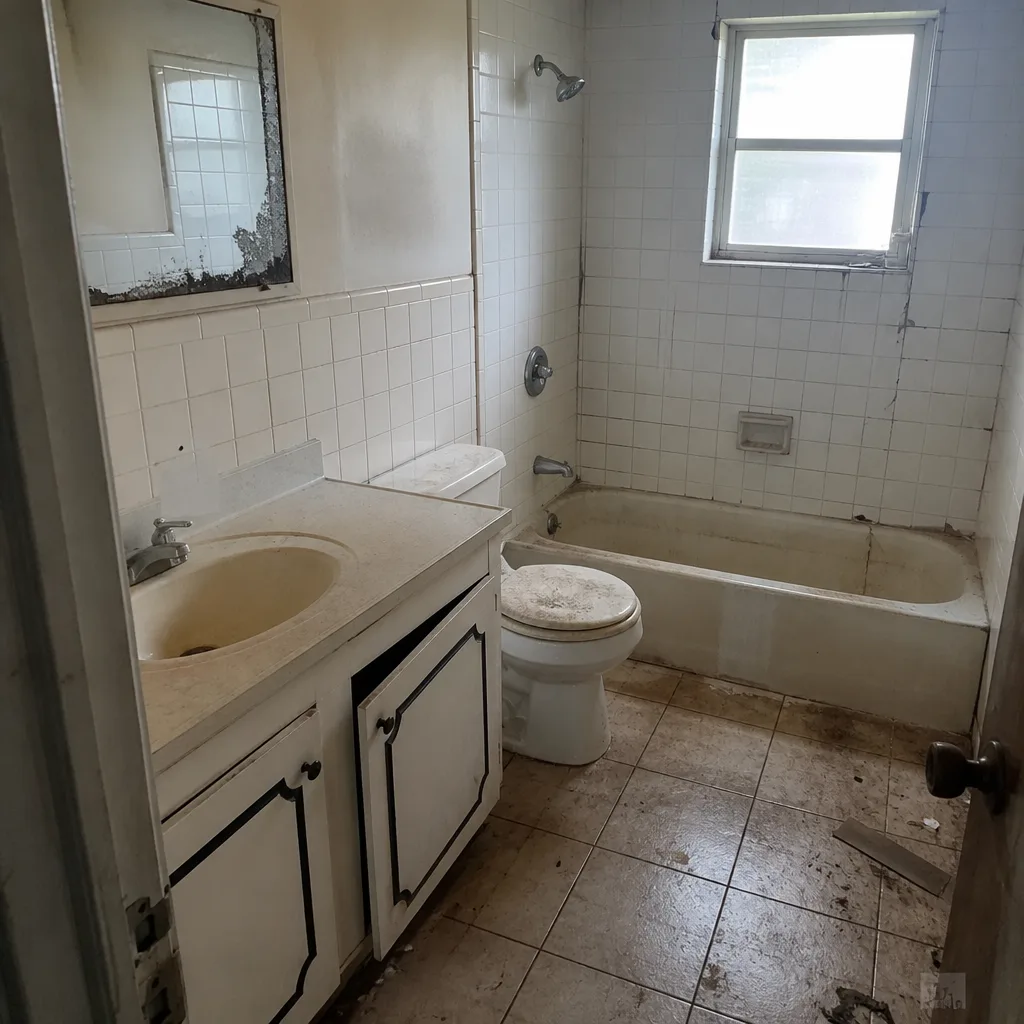
See the difference
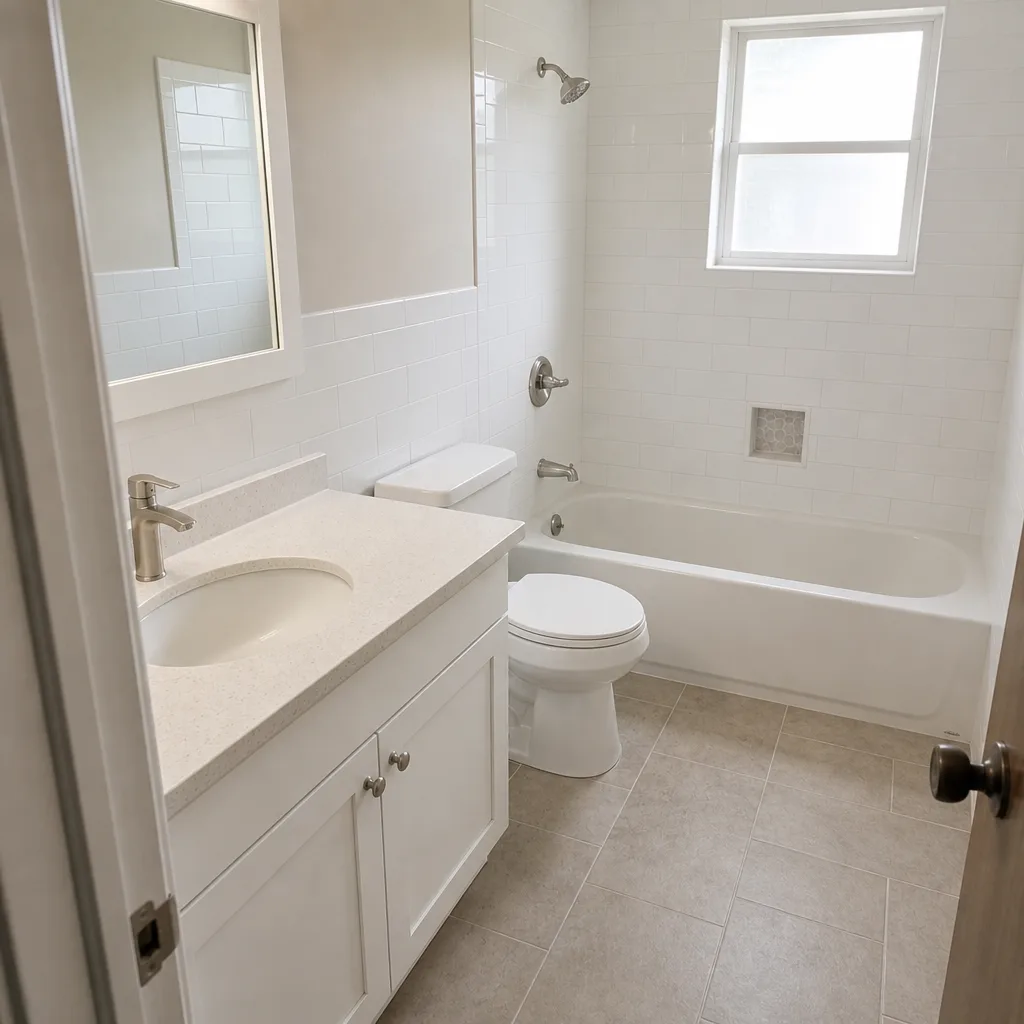
 Before
 After
 Before
 After
 Before
 After
Replacement Cost & What’s Included
Here’s the installed range for the work this page covers, quoted flat and in writing before a tool is picked up.
| Scope | Installed Price Range (Homestead) |
|---|---|
| Home Addition | $45,000 – $130,000 |
| ADU Construction | $90,000 – $220,000 |
| Garage Conversion | $30,000 – $80,000 |
What drives the number: square footage, whether the foundation is slab-on-grade or raised, roof tie-in complexity, and how much drainage and grade correction the site needs. On the Oldcastle side, wall block system choice, paver line, and cap and tread quantities move the material line by a few thousand dollars, not the whole job.
Your written scope names every line item, and the written warranty travels with it. Under Clause 1 of the Haven Standard, the price is written before anyone starts. If a change comes up, it doesn’t proceed until the change order is signed, which is how our jobs land within a few percent of the agreed number.
DIY or Call Us?
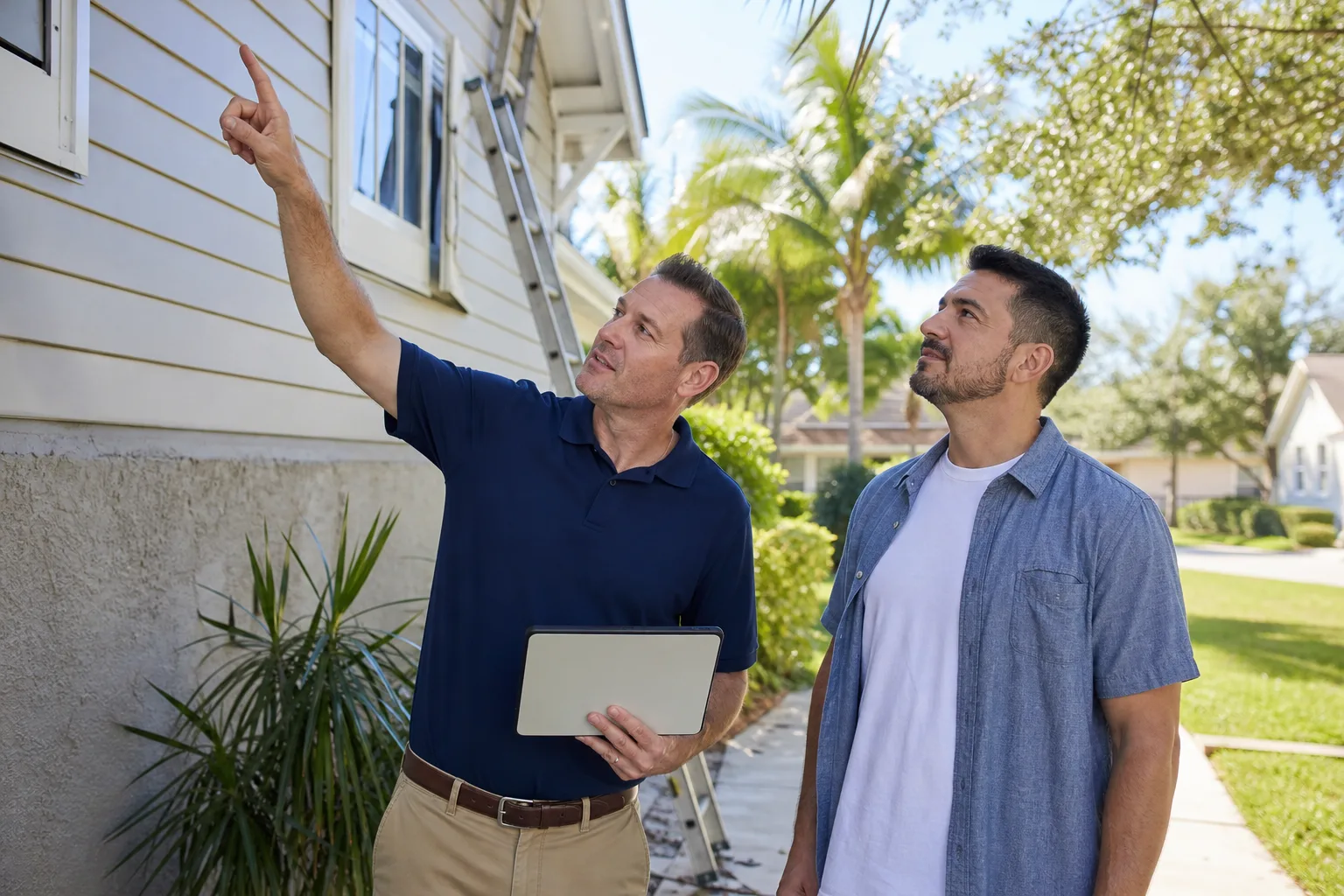
You can safely inspect, measure, and photograph. Check the grade around the addition for slope away from the wall, note where cracks are widest, and shoot the mold marks on any Oldcastle block or paver you want matched. That information is genuinely useful and we’ll use it.
You should not attempt foundation repair, retaining wall rebuilds, or structural tie-ins yourself. A home addition or ADU carries load from the roof down through the walls into the foundation, and a Homestead homeowner working on a leaning retaining wall or a settling slab without engineering and permit could create a genuine safety and resale problem. Permits and inspections aren’t optional here. Call (844) 834-4248 and we’ll schedule a free estimate, or bring a competitor’s written quote for a free second opinion.
FAQs
A properly built addition with correct drainage and foundation can last 50-plus years; the products themselves aren’t the limit. What shortens life in Homestead is water – grade that sends runoff to the structure, or a retaining wall without proper drainage behind it. Get the grade and drainage right and the structure follows.
Sometimes, yes. A single hairline crack can often be stabilized with epoxy injection and monitored; a small section of retaining wall can sometimes be rebuilt in place. But recurring cracks and pooled water usually mean the underlying cause hasn’t been addressed, and patching will fail again. We’ll tell you honestly which you have on a free estimate.
A garage conversion typically runs several weeks; a full addition or ADU takes months from permit to final inspection. We give a written schedule in your quote and update you with the photo record as the work moves. Call (844) 834-4248 for a realistic timeline on your specific project.
We source through our network of 50-plus vetted material suppliers, working directly with Oldcastle distribution partners as well as compatible lines from KraftMaid, Cambria, and Silestone for the interior finishes. We also review any competitor’s written estimate line by line at no charge if you want a second set of eyes. Call (844) 834-4248 to start.
Whether your addition is a settled slab, a leaning retaining wall, or an ADU that needs to be built right the first time, call Rowan Construction Group Homestead at (844) 834-4248 for a free estimate. Our technicians have up to 19 years of experience, our crews are background-checked and uniformed, and you’ll get a documented photo record on every visit along with a written price before any work starts.
Written by the team at Rowan Construction Group Homestead, serving Homestead and nearby areas.