

Free written scope consultation - allowances, timeline, and change-order rules on paper before a single trade is scheduled
Quikrete Fence Installation: The Homestead Owner’s Guide
Quikrete isn’t a fence brand. It’s the concrete that holds a fence up, and this page covers the part that actually fails on a Quikrete-set fence in Homestead: the post footing, the rail bracket, and the gate hardware bolted to it. A full vinyl or aluminum fence installation in Homestead runs $3500 – $9000 installed, and we quote a flat written price before anyone digs. Owners usually find the problem after a wet season, when they push on a corner post and it moves in the ground, or hear a gate latch click against the strike plate without catching.
Rowan Construction Group Homestead is an independent service provider and not affiliated with Quikrete. The concrete mix is theirs; the fence and the installation are ours.
Key Takeaways
- Quikrete makes the concrete mix, not the fence. We install fence systems whose posts are set and anchored with Quikrete fast-setting or high-strength mix.
- Installed fence pricing in Homestead: $3500 – $9000 for vinyl, with aluminum and larger runs toward the top of the band.
- In Homestead’s sandy, high-water-table soil, the footing is the failure point more often than the fence panels.
- The written price and written scope arrive before the first post is dug. No change proceeds without a signed change order.
Which Quikrete Models This Applies To
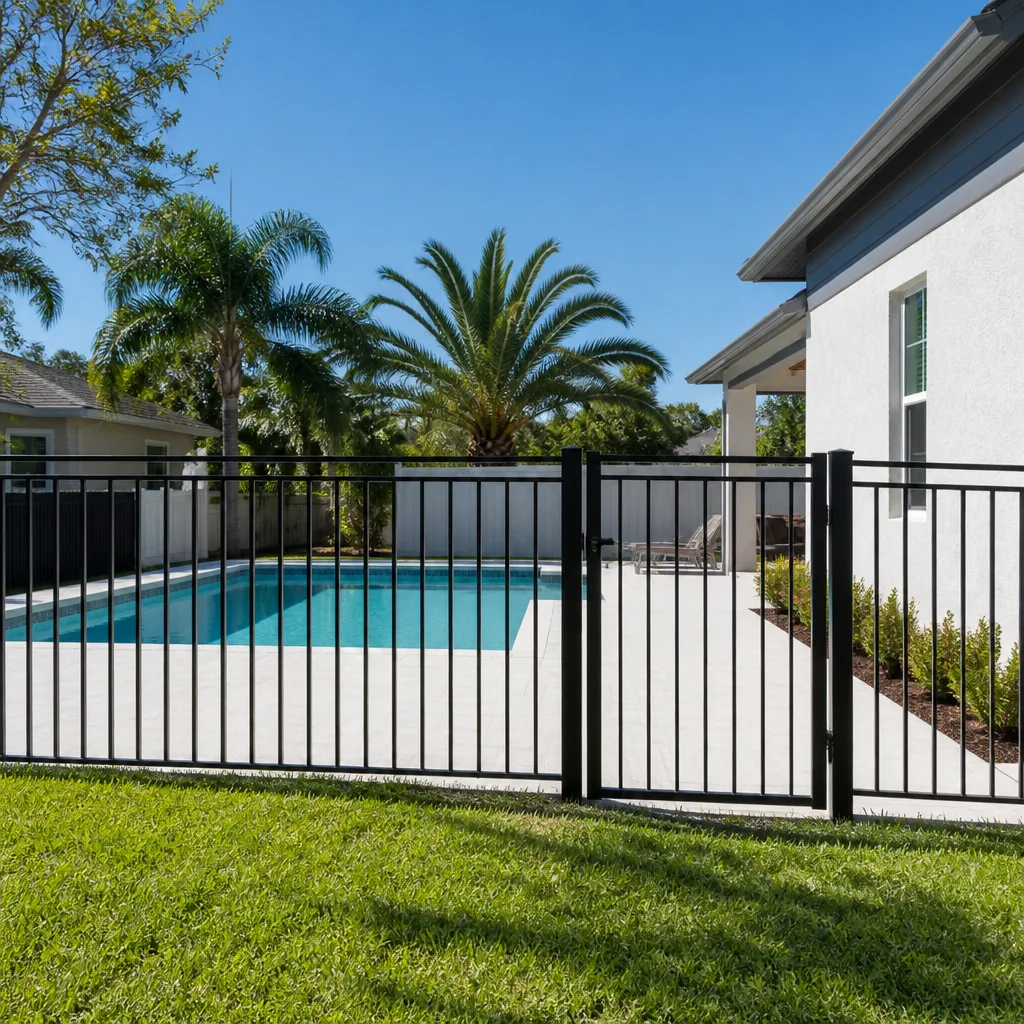
Quikrete sells concrete under several product names, and which one you need depends on what the fence is doing. Fast-Setting Concrete Mix (the red bag) sets in about 20 to 40 minutes and is commonly used for mailbox and small fence posts. High-Strength Concrete Mix and the standard Concrete Mix are used for gate posts, corner posts, and longer runs where load matters. Post-setting foam exists too, but on a humid Homestead property with sandy soil, most of our crews still set structural posts in Quikrete mix rather than foam.
To identify what’s already in the ground, look at the post base. If the exposed concrete is a pale, sandy gray and crumbles at the edge of a trowel, it was likely a fast-set mix. If it’s dense and darker, it was a higher-strength pour. Measure the post diameter and the hole depth before you specify anything. A 4×4 post that’s been set in a bag of fast-set in a shallow hole will move; a 4×4 set in high-strength mix in a hole that reaches below the frost line (not a Homestead concern, but depth still matters) will hold.
On OEM versus aftermarket: Quikrete mix is widely available and a fast-set bag does not vary much by brand, so there’s no real “OEM part” decision at the concrete level. The decision lives in the brackets, latches, and hinges. Match the gauge and finish to what’s already on the fence, and avoid mixing a lightweight cast bracket with a heavy gate leaf.
Styles & brands we work with
- Kitchen remodeling
- Bathroom remodeling
- Home additions & ADU
- Roofing
- Windows & doors
- Driveway & pavers
- Fence
Signs Your Quikrete Fence Installation Is Failing
Here’s what we look for on a Homestead fence before we quote a fix.
- The post rocks in the ground. Vertical movement of an inch or more when you push means the footing has lost its grip. In Homestead’s sandy soil and high water table, a shallow footing can lift or work loose over a wet season.
- A hairline crack rings the post at the concrete line. This is where water sits and where the concrete/post bond opens up. Left alone, the crack widens into a full footing failure.
- The gate sags and the latch misses. That points to hinge wear or a gate post that has moved, not the panel. A sagging gate is often the first thing a homeowner notices and the last thing that gets diagnosed correctly.
- Panels lean in a straight line. Uniform lean across several posts usually means the footings were poured too shallow or set in loose fill, so the whole run is settling together.
- Rust streaks at the rail brackets. Fasteners and brackets that show rust staining suggest a mismatched fastener, either a galvanized bracket with a non-galvanized screw or a stainless bracket with a cheap screw, and that pairing fails faster in salt air.
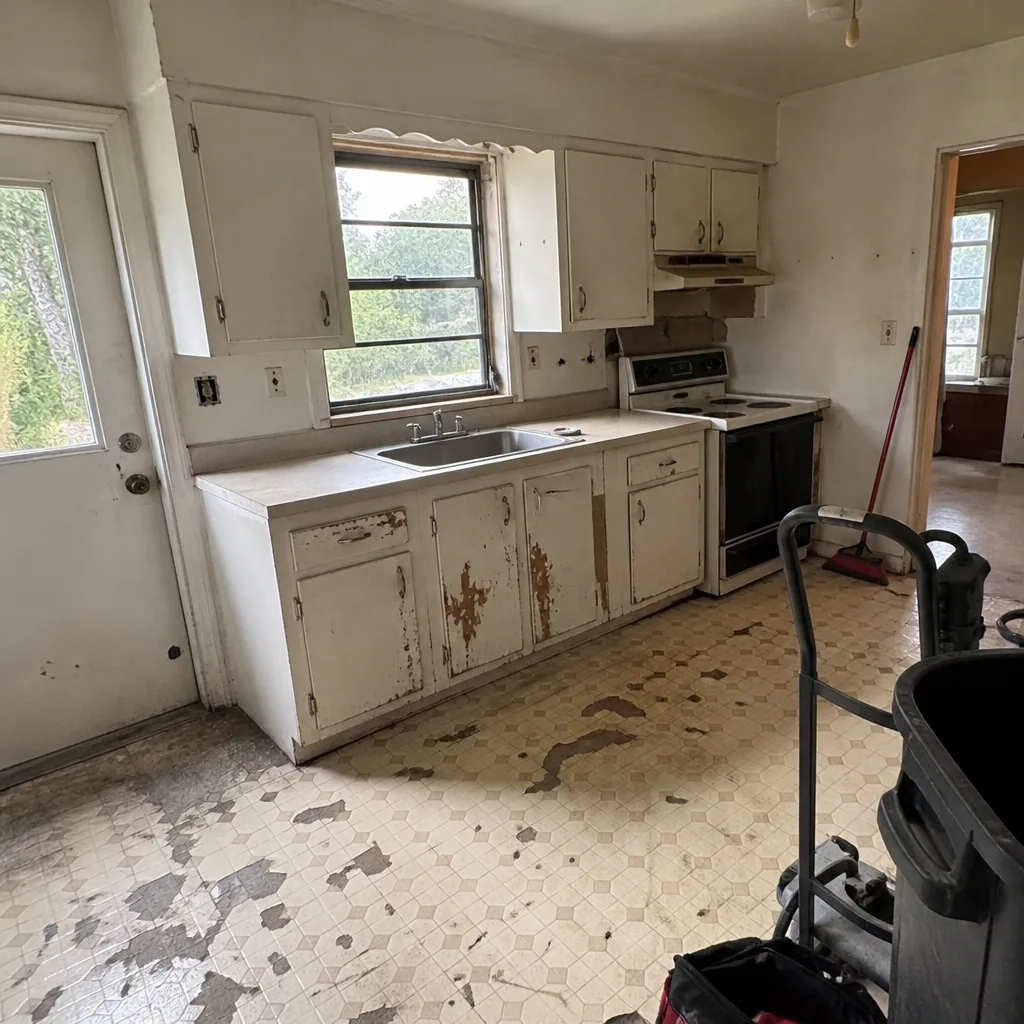
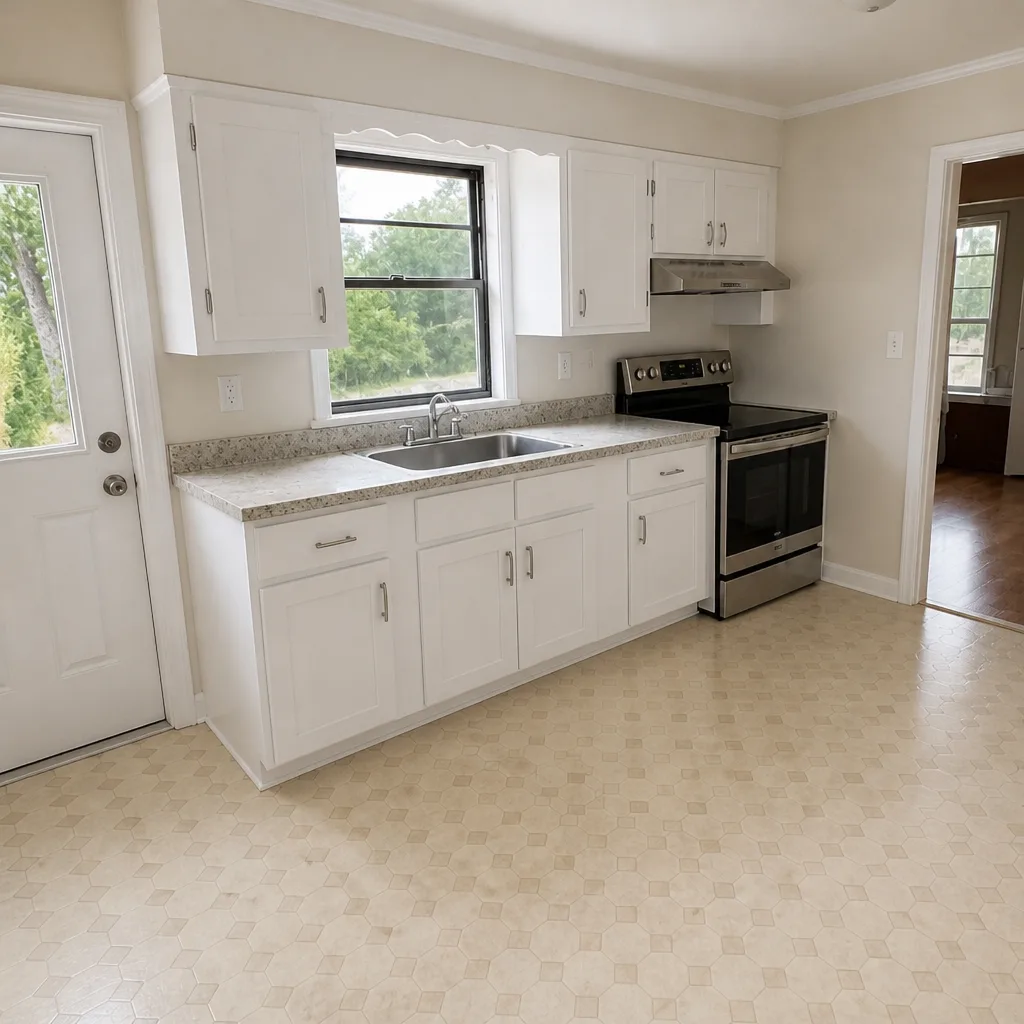
See the difference
 Before
 After
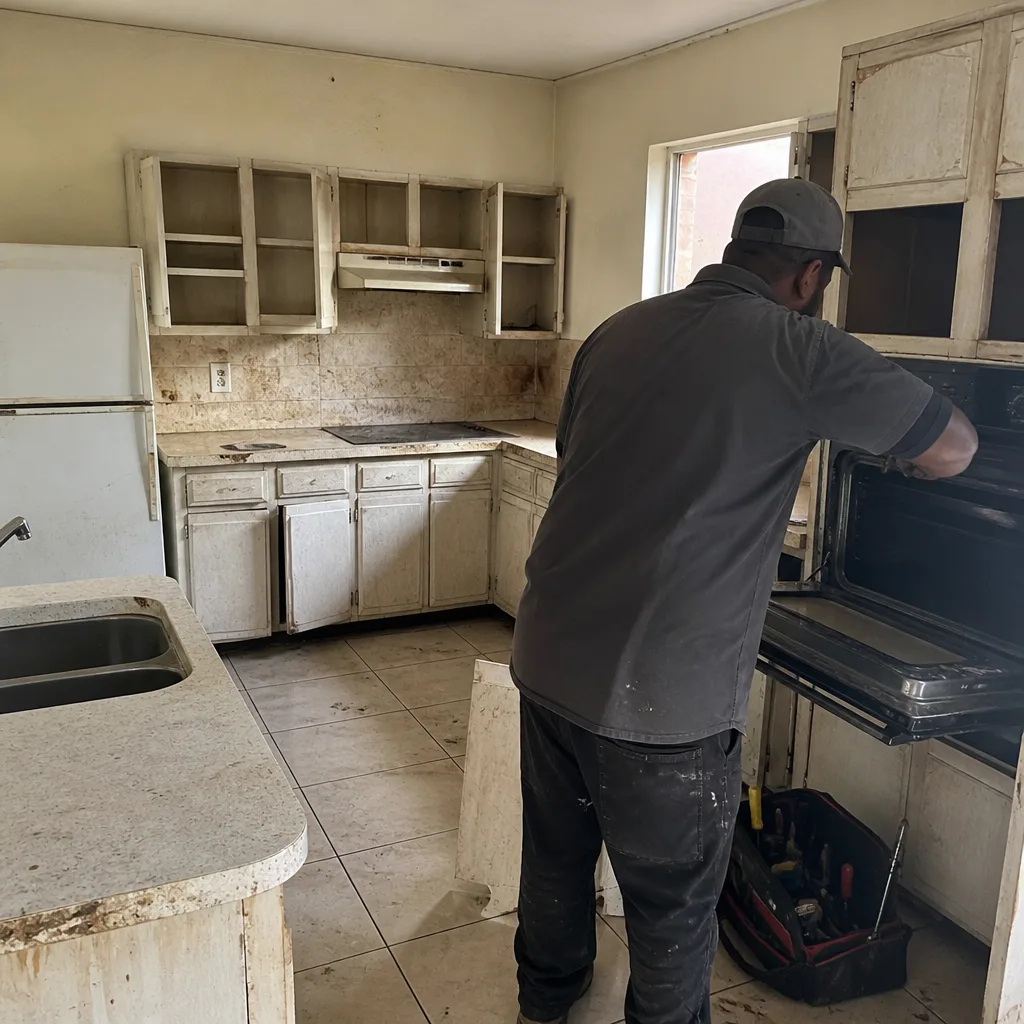 Before
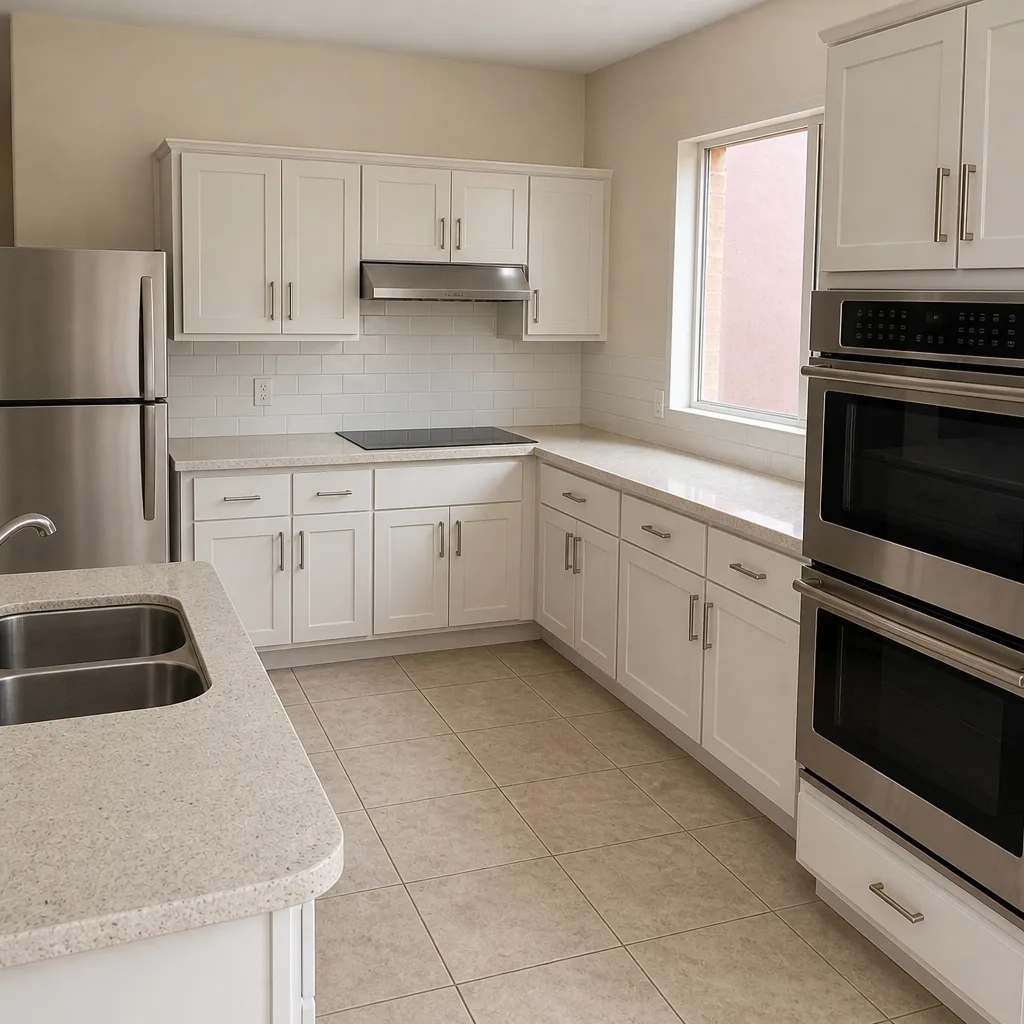 After
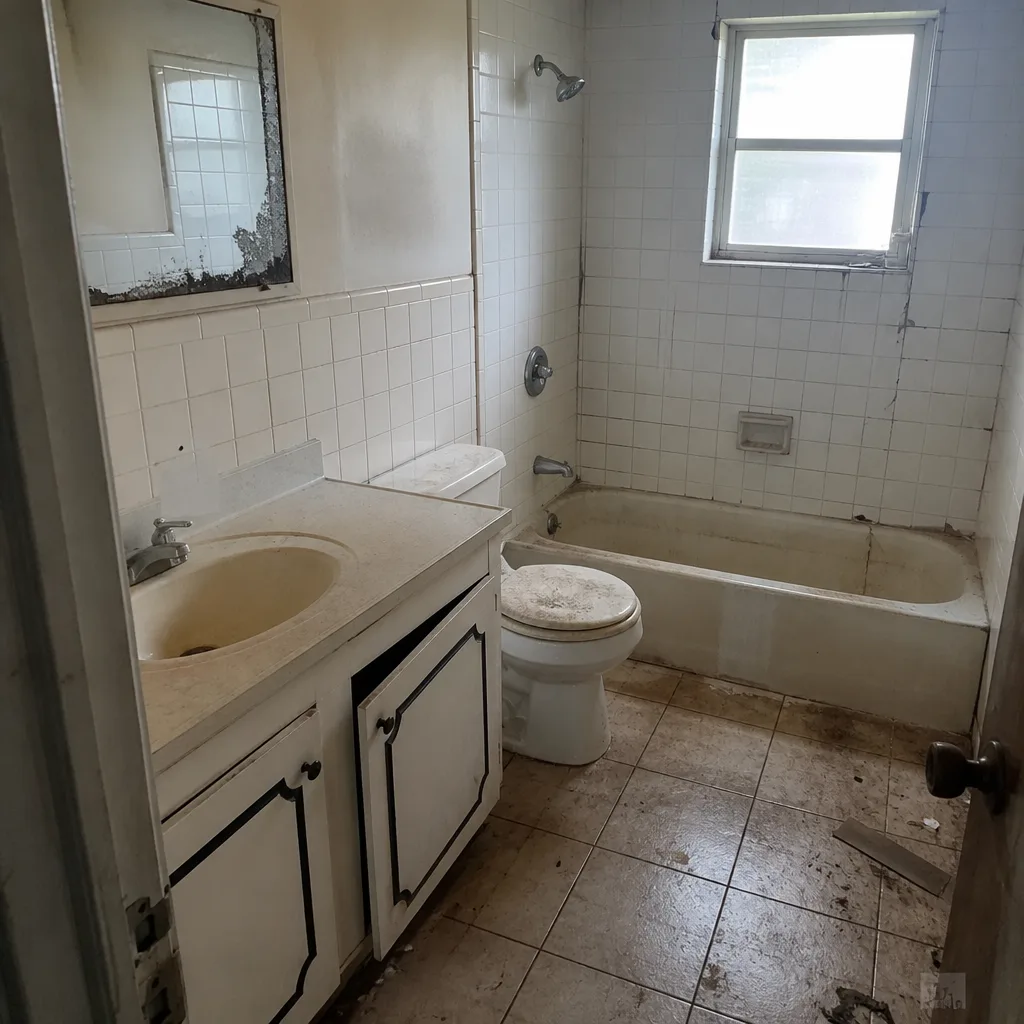 Before
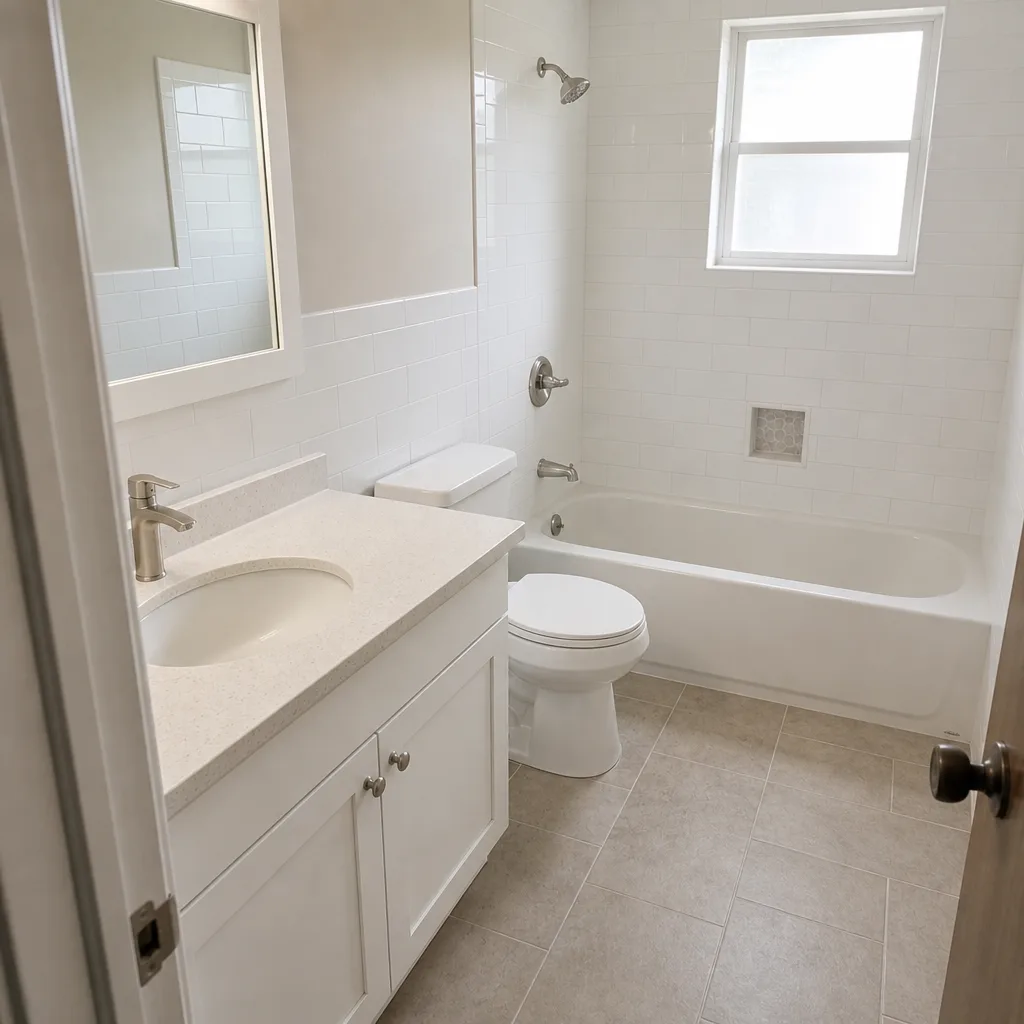 After
Replacement Cost & What’s Included
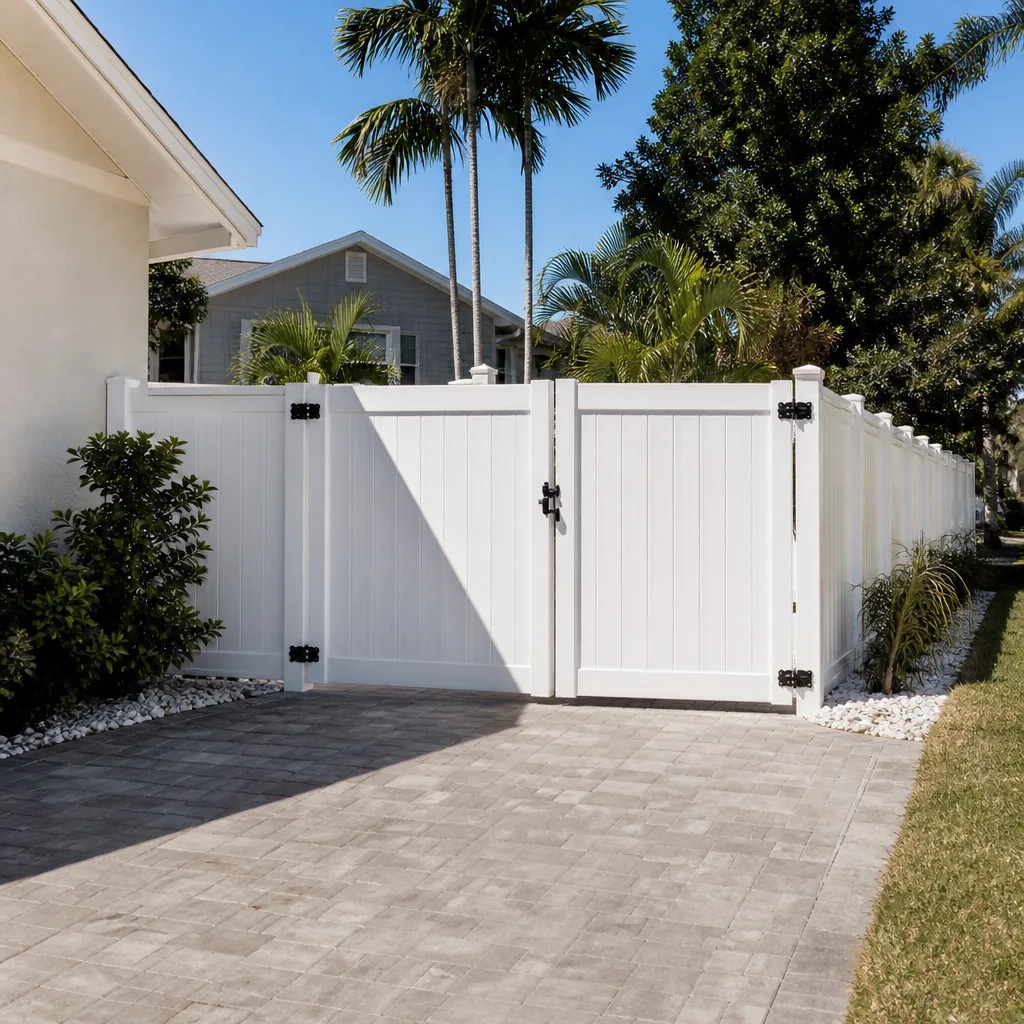
For Homestead, budget $3500 – $9000 for a vinyl fence installation, with aluminum toward the upper end and larger runs pushing the top of the band. That price includes the posts, panels, concrete mix to set them, hardware, haul-away of the old fence, and the written scope that spells out all of it line by line. What moves the number: linear feet, whether you’re matching an existing fence or starting fresh, gate count, and how many old footings need to come out of the ground. Removing a failed concrete footing is real labor, and we price it as a line item rather than burying it.
Under Clause 1 of the Haven Standard, the written price is on paper before the first post goes in, and no change proceeds until the change order is signed. The 365-Day Done Right Promise covers the work: if a post we set moves within a year, we make it right. Every visit gets a documented photo record, so you have pictures of the footings before they’re buried and the finished run after.
DIY or Call Us?
An owner can safely check the footing depth with a tape measure from the concrete surface to the top of the hole, and can tighten or replace the gate hinges and latch. That’s the safe DIY zone.
Where it goes wrong is deeper. A footing set too shallow, in loose fill, or without digging below the disturbed topsoil will fail in Homestead’s sandy ground no matter how much mix goes in. Pulling a failed concrete footing by hand risks a pinch or a back injury, and resetting a gate post so the gate hangs true is a measurement problem most homeowners end up redoing. If the post is rocking and the latch is missing, in most cases the fix is a re-set post and properly mixed footing, not a bag of fast-set poured over the top. If you’re unsure which failure you have, call (844) 834-4248 for a free estimate and we’ll tell you what we see.
FAQs
A properly set post in Quikrete high-strength mix typically holds for 15 to 25 years, but the footing is what gives out first in Homestead’s sandy, storm-prone soil, often before the panels show wear. Call (844) 834-4248 for an exact quote on your fence – estimates are free.
Sometimes. If the post is sound and only the concrete has cracked at the surface, a repair may hold. If the post is rocking in the ground, it needs to be re-set, and that’s a footing replacement. We assess each case on site before quoting.
A typical residential run in Homestead takes two to four days, including removal of the old footing and the concrete set time. Larger runs with multiple gates take longer. Your written scope lists the schedule before work starts.
We source Quikrete fast-setting and high-strength mix through local suppliers, and we match brackets and fasteners to the fence gauge and finish. We don’t claim to keep parts on a truck or in a stockroom – every job is sourced to spec. We handle brands across the trades, including KraftMaid, Cambria, and Silestone, when a project calls for them. Call (844) 834-4248 to schedule your free estimate.
Ready to get your Homestead fence back on solid footing? Call Rowan Construction Group Homestead at (844) 834-4248 for a free estimate. We’ll bring a written price, a written scope, and a free second opinion if you have another contractor’s quote in hand.
Written by the team at Rowan Construction Group Homestead, serving Homestead and nearby areas.