Last updated November 17, 2026
Free written scope consultation - allowances, timeline, and change-order rules on paper before a single trade is scheduled
The Complete Guide to Construction in Homestead
Miami-Dade County keeps its own product approval list, and it runs to more than 80,000 entries. That list overrides the Florida Building Code for wind-resistant materials inside the county, which means a shingle or window that’s perfectly legal in Orlando may not be legal in Homestead. If the contractor sitting at your kitchen table can’t hand you a Miami-Dade NOA (Notice of Acceptance) number for the roofing or window product they’re proposing, they’re specifying blind. This guide maps every trade, code layer, and cost variable specific to Homestead so you walk into your next contractor meeting already knowing what to ask.
Quick Answer
Construction in Homestead is governed by two overlapping rule sets: the Florida Building Code and Miami-Dade’s High-Velocity Hurricane Zone (HVHZ) requirements, which add a separate product-approval track, stricter wind ratings, and extra inspection stages. Costs run higher than most of Florida for roofing, windows, and framing because every exterior product must carry a Miami-Dade NOA. A mid-size renovation here typically adds 10 – 20% over a comparable inland-Florida project for that reason alone, and timelines run longer because of the added inspection stops.
Styles & brands we work with
- Kitchen remodeling
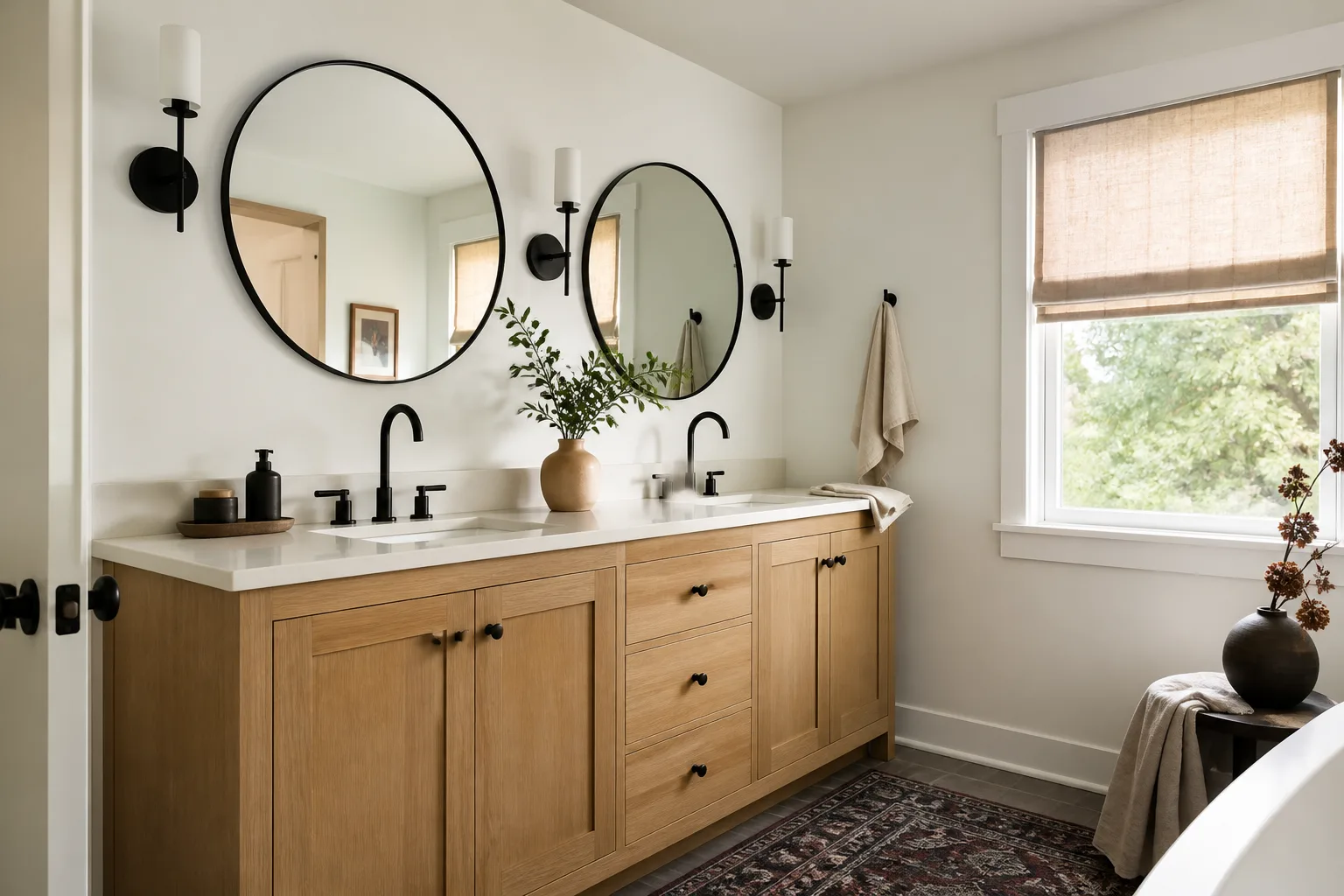
- Bathroom remodeling
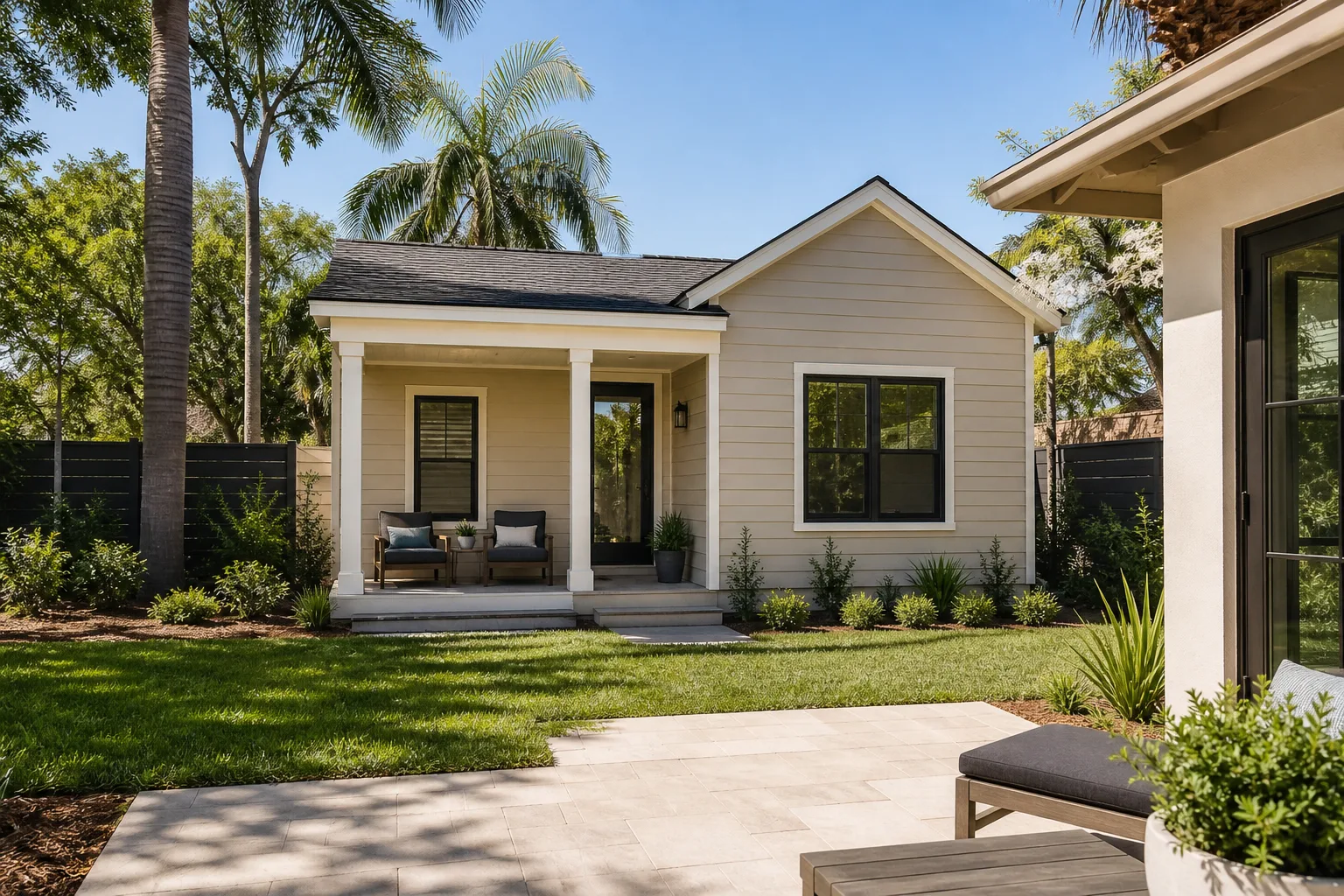
- Home additions & ADU
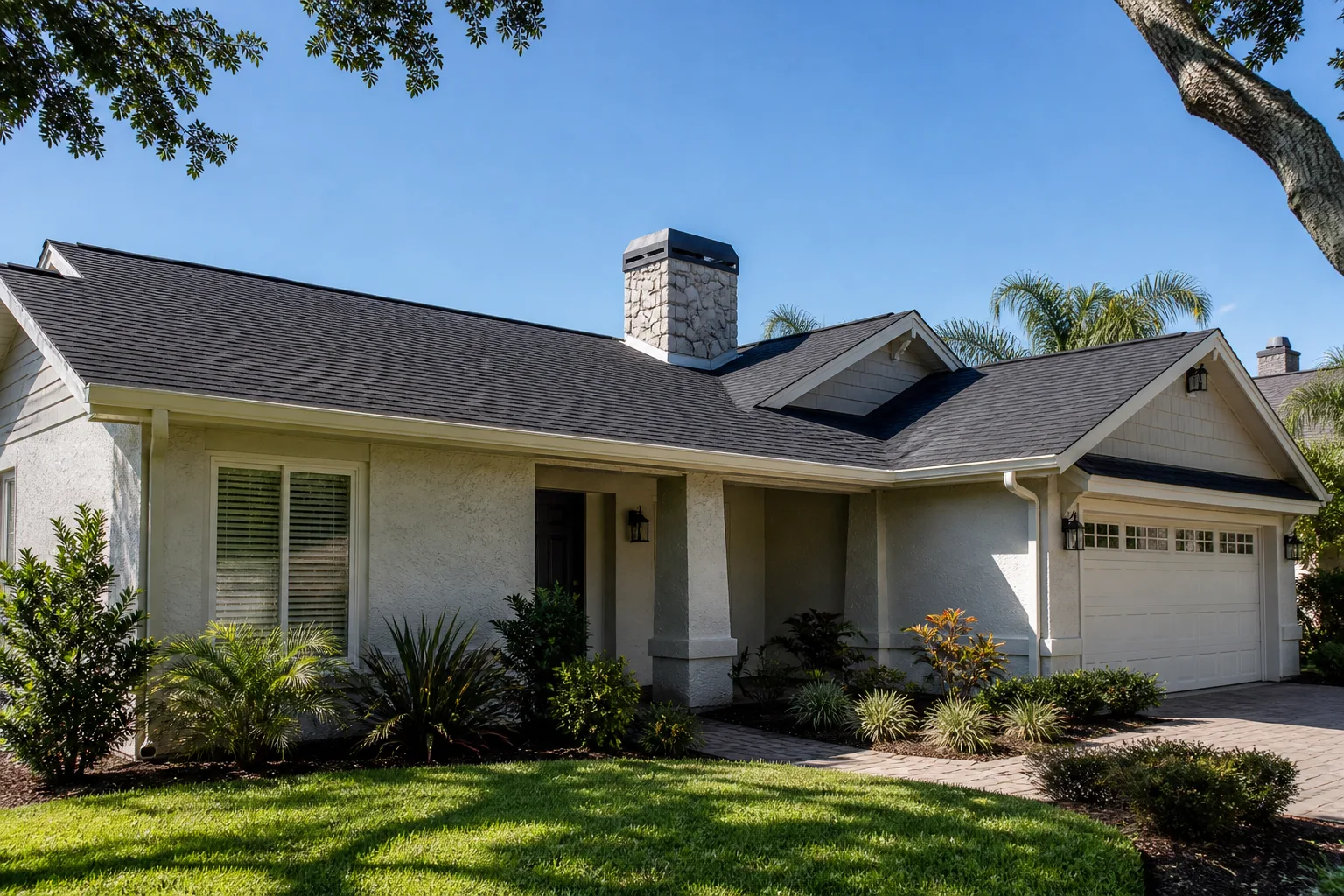
- Roofing
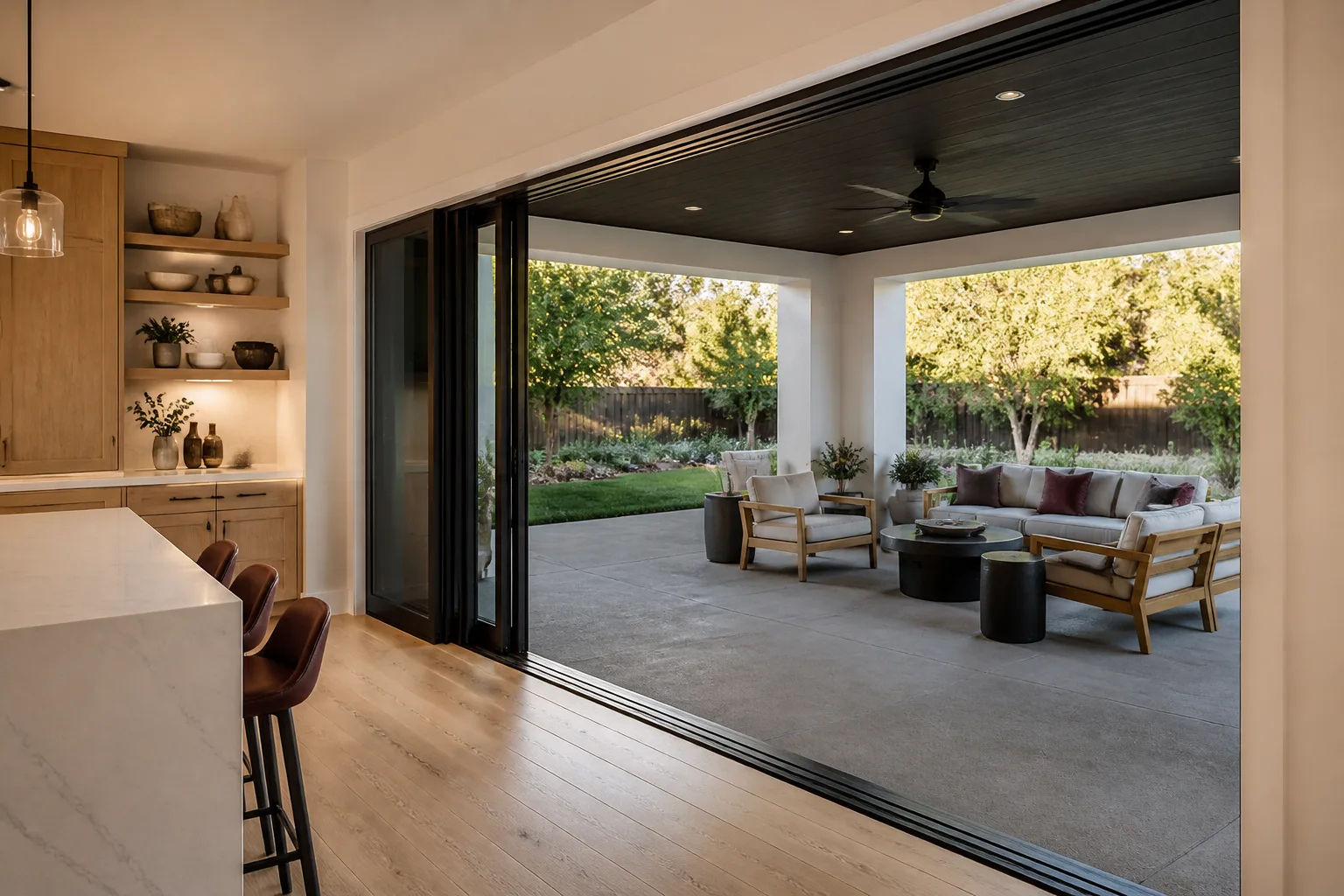
- Windows & doors
- Driveway & pavers
- Fence
Table of Contents
- What Is the High-Velocity Hurricane Zone and Why Does It Matter in Homestead?
- The Seven Trades: Typical Homestead Cost Ranges in 2025
- Miami-Dade’s Dual Permit Track: Building Permit Plus Product Approval
- Homestead Zoning Overlays: Agricultural-Residential Lots and Setbacks
- A Realistic Project Timeline from Contract to Final Inspection
- The Inspection Stages Most Often Delayed in Homestead
- Questions to Ask Before You Sign
What Is the High-Velocity Hurricane Zone and Why Does It Matter in Homestead?
The High-Velocity Hurricane Zone is a geographic designation covering Miami-Dade and Broward counties, where wind speeds are modeled higher than anywhere else in the state and the building code is correspondingly stricter. Homestead sits inside it. That’s not a technicality – it changes what materials you’re allowed to use, how they’re fastened, and who inspects them.
The practical effect is that almost every exterior product on a Homestead project needs a Miami-Dade Notice of Acceptance before it can be permitted. An NOA is a document issued by the county’s Product Control division that certifies a specific product, from a specific manufacturer, meets the HVHZ wind-load, impact, and water-intrusion standards. It’s product-specific: two brands of impact window that look identical may both be sold in Florida, but only one may hold a current Miami-Dade NOA.
What changes on a Homestead job compared with the rest of Florida:
- Roofing: Shingles, underlayment, and fasteners must each be NOA-listed for HVHZ use. Standard architectural shingles sold elsewhere often aren’t. GAF and Owens Corning both publish HVHZ-specific product lines for this reason.
- Windows and doors: Every unit needs an impact rating plus an NOA. Brands like Therma-Tru and ViewLux carry HVHZ-approved lines; a generic imported unit usually does not.
- Framing and connections: Hurricane straps, anchor bolts, and shear-wall nailing schedules are prescribed by the HVHZ code, not left to the contractor’s judgment.
- Inspections: The county adds inspection stages – roof deck, in-progress roofing, final roofing – that inland Florida doesn’t require in the same form.
In our experience, the biggest cost surprises on Homestead projects come from substitutions. A homeowner approves a quote based on a low shingle price, then learns at permit time that the shingle isn’t HVHZ-listed and the job needs a different product at a higher number. Ask for the NOA number before you sign, not after.
The Seven Trades: Typical Homestead Cost Ranges in 2025
Cost ranges below are 2025 mid-market figures for Homestead, drawn from the residential work we see across the trades. They’re ranges, not quotes – a written price always depends on the specific scope, but these give you a number to compare against when a contractor names theirs.
Roofing
Asphalt shingle replacement runs $6.50 – $9.50 per square foot installed, including tear-off and HVHZ underlayment. Metal roofing runs $11 – $18 per square foot. The HVHZ underlayment requirement alone adds roughly $0.75 – $1.50 per square foot over a standard Florida roof, because the approved membrane is a different product.
Concrete
Driveways, slabs, and patios run $8 – $14 per square foot for standard broom-finish concrete. Pavers run higher – see the Driveway & Pavers in Homestead guide for the full breakdown – but hold up better to the seasonal standing water we see on flat lots.
Framing
New framing for an addition runs $18 – $26 per square foot of added floor area for the structural shell, before finishes. HVHZ connection requirements (hurricane straps at every rafter, embeds at every anchor) add roughly $1,000 – $2,500 to a typical 400-square-foot addition.
Electrical
Panel upgrades run $2,200 – $4,500. New circuits for a kitchen or bath remodel run $150 – $300 per circuit.
Plumbing
Bathroom rough-in replacement runs $3,500 – $7,000. Kitchen sink and supply line relocations run $800 – $2,000.
HVAC
A full system replacement for a 1,800-square-foot home runs $6,500 – $11,000. Homestead’s humidity means duct work in unconditioned attic space is a common failure point; duct replacement adds $2,500 – $4,500.
Finish Work
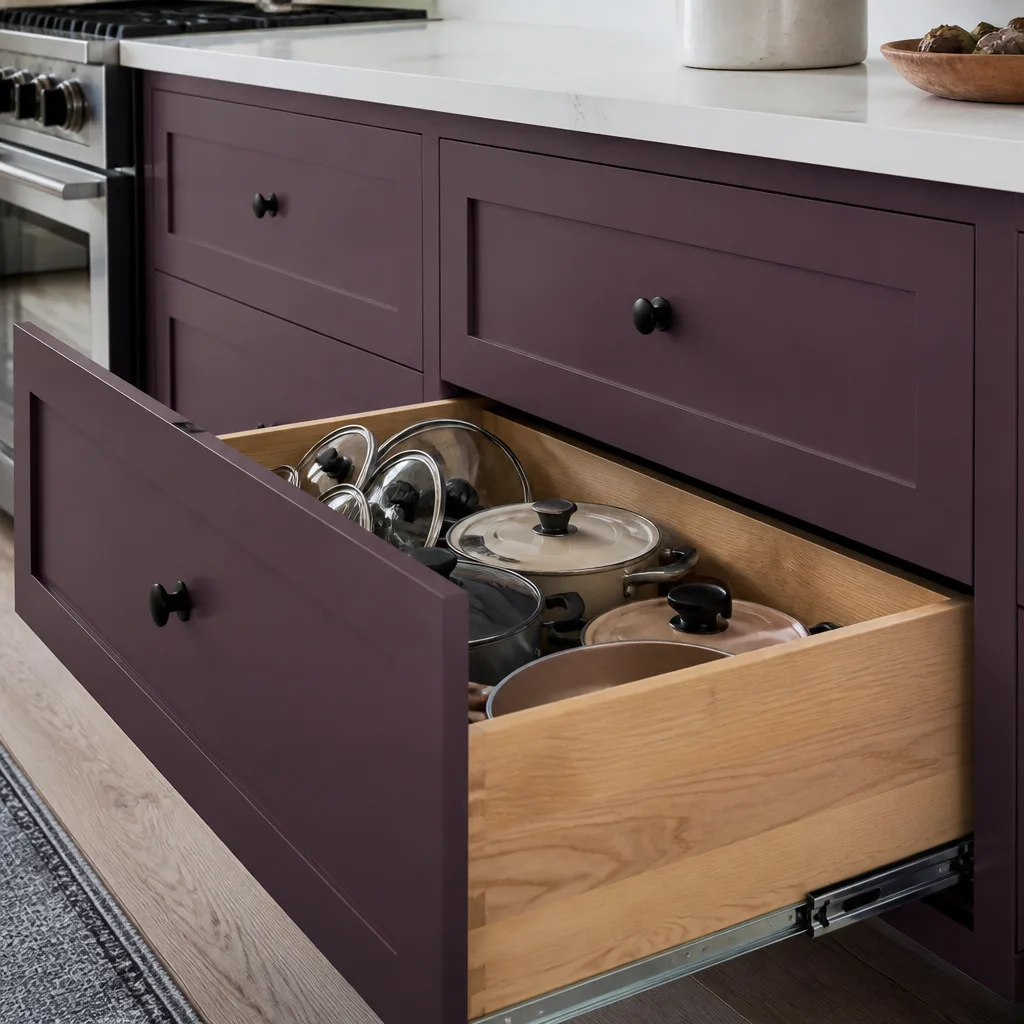
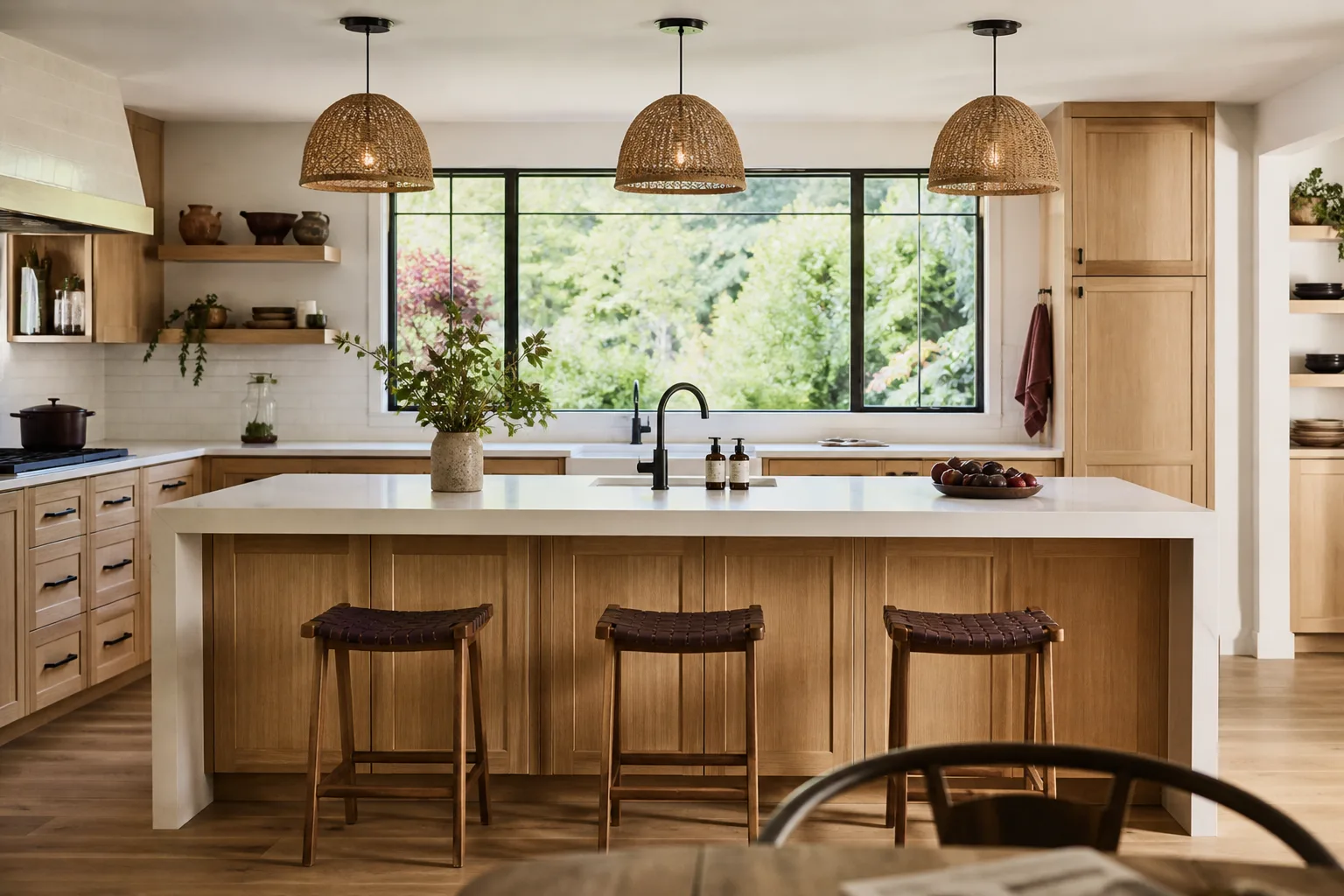
Interior finishes – drywall, paint, trim, cabinetry install – run $25 – $45 per square foot for a full-room remodel. Cabinets from brands like KraftMaid and Wellborn fall in the $8,000 – $22,000 range for a full kitchen, depending on line.
Miami-Dade’s Dual Permit Track: Building Permit Plus Product Approval
Most Florida counties issue a single building permit for a residential project. Miami-Dade runs two tracks in parallel, and understanding the difference is the single most useful thing a Homestead homeowner can do before signing a contract.
The building permit is issued by Miami-Dade County’s Building Department (or the City of Homestead for work inside city limits) and covers the scope of work – plans, dimensions, structural calculations, and the contractor’s license. The product-approval track is what makes Homestead different: every exterior product in the scope must be cross-referenced to its Miami-Dade NOA and included in the permit application. If a product in the plans doesn’t have a current NOA, the permit gets rejected at intake.
Documentation to request from your contractor before work begins:
- A copy of the permit application showing the permit number and the issuing jurisdiction.
- A product schedule listing every exterior product with its manufacturer, model number, and Miami-Dade NOA number.
- A copy of the NOA for each product (the county publishes them; any contractor can pull them).
- The signed contract with the written scope of work and the line-item price.
- The contractor’s state license number and proof of insurance – certificates you can verify, not just claims.
- The inspection schedule with the dates of each required inspection.
Under Clause 1 of the Haven Standard, Rowan Construction Group delivers a flat written price and a written scope before any work starts. That includes the NOA schedule. If your contractor won’t hand over a written price before you sign, that’s your first signal about how the rest of the job will go.
Homestead Zoning Overlays: Agricultural-Residential Lots and Setbacks
Homestead isn’t a uniform city from a zoning standpoint. Large areas of the city fall under agricultural-residential designations where the rules differ substantially from standard urban Miami lots, and that matters most when you’re planning an addition, a detached structure, or an outbuilding.
The pattern we see most often: a homeowner buys a lot zoned agricultural-residential – common in the areas east and south of downtown, including parts of the Redland edge – and assumes standard residential setbacks apply. They don’t. Agricultural-residential lots typically permit larger building footprints and place looser limits on accessory structures, but the setbacks from property lines and the ratio of lot coverage to open space are set by overlay, not by the base residential code. A detached workshop that’s fine on one lot may need a variance on the adjacent parcel.
What to check before you design
- Zoning designation. Pull the parcel’s zoning from the county property appraiser or the City of Homestead’s planning office. It’s a one-minute lookup and it drives everything else.
- Setback requirements. Front, side, and rear setbacks vary by overlay. On agricultural-residential parcels they’re often measured differently for accessory structures than for the primary dwelling.
- Lot coverage limit. The percentage of the lot that can be covered by structures (house, garage, shed, driveway) is capped. Additions push against that cap.
- Height restriction. Two-story additions may trigger a height review on lots facing certain corridors.
- Accessory dwelling unit rules. Homestead allows ADUs on some parcels but not all; see the Home Additions & ADU in Homestead guide for the parcel-level details.
Zoning is the layer most homeowners skip, and it’s the one that costs the most time to unwind after the fact. A design that fits your lot but violates a setback overlay means weeks of redesign and a resubmitted permit. Ask the zoning question before you draw the plan, not after.
A Realistic Project Timeline from Contract to Final Inspection
For a mid-size renovation in Homestead – a kitchen and bath, a room addition, or a full re-roof – you should plan for roughly 14 to 20 weeks from signed contract to final inspection. That’s longer than the same scope in most of Florida, and the extra time comes from two things: the product-approval review on the permit, and the inspection stages the HVHZ code requires.
Here’s the stage-by-stage timeline we plan against:
- Contract and written scope (1 week). Signed contract, confirmed line-item price, product schedule delivered.
- Permit application and product-approval review (3 – 5 weeks). This stage is longer in Homestead because each exterior product must be cross-referenced to its NOA. Incomplete product schedule is the #1 cause of delay here.
- Material ordering and scheduling (2 – 4 weeks). HVHZ-approved products often have longer lead times because fewer manufacturers hold current NOAs.
- Demolition and rough-in (1 – 2 weeks). Framing, electrical, plumbing, and HVAC rough-in. Rough-in inspection follows.
- Insulation and drywall (1 – 2 weeks). Insulation inspection before drywall; then hang, tape, and finish.
- Finishes (2 – 4 weeks). Cabinets, countertops, tile, paint, trim.
- Final inspections (1 – 2 weeks). Building, electrical, plumbing, mechanical, plus the HVHZ-specific roofing inspections if the scope includes the roof.
The realistic range for a full kitchen and bath is 14 – 18 weeks; a room addition runs 18 – 24 weeks. Additions carry more inspection stops because the shell has to be inspected at deck, framing, and final stages.
The Inspection Stages Most Often Delayed in Homestead
Which inspection stage holds a Homestead project up most often? In our experience it’s the roofing inspection sequence – specifically the in-progress roofing inspection, which must be signed off before the shingles go on. That stage requires the NOA-listed underlayment and fastener schedule to be in place and photographed, and it’s the most common point where a project loses a week.
The second most common delay is the final building inspection when finish work has been added without a corresponding change order. If a homeowner asks the crew to “just add a light” or “shift that wall two feet” without a signed change order, the final inspection can fail because the completed work doesn’t match the approved plans. Under the Haven Standard, no work proceeds on a change until the change order is signed – which is also the discipline that keeps projects within a few percent of the agreed price. It’s the reason the schedule holds.
Where the delays come from, ranked by frequency:
- In-progress roofing: NOA-listed underlayment not yet installed or not photographed at the right stage.
- Final building inspection: Work doesn’t match approved plans because of unsigned changes.
- Rough-in inspection: Framing or MEP rough-in doesn’t match the approved drawings, usually because the plan set was drawn before the product schedule was finalized.
- Window/door inspection: A substituted window unit without an NOA.
- Framing inspection: Hurricane strap or anchor schedule mismatch with the HVHZ code.
The single best defense against all of them is a complete, written product schedule delivered before permit application – and a written change order before any scope change. Both are standard deliverables under the Haven Standard, and both are worth asking for by name.
Questions to Ask Before You Sign
Walk into every contractor meeting with this list. The answers tell you more about how the project will go than any review you can read.
- “Can you show me the Miami-Dade NOA number for the roofing product?” If the answer is no, they haven’t specified an HVHZ product.
- “Will the price be written before any work starts?” The only correct answer is yes, with a line-item scope.
- “Is a written change order required before any scope change?” If not, expect the price at the end to differ from the price at the start.
- “Which inspections will this project require, and in what order?” A contractor who can’t list them hasn’t done this scope in Homestead.
- “What documentation do I get when the crew leaves each visit?” A documented photo record on every visit should be standard, not an upgrade.
- “What’s the workmanship warranty, in writing?” Get it in the contract.
Rowan Construction Group Homestead offers a Free Second Opinion on any written estimate – bring a competitor’s quote and our team will review it line by line at no charge, including the product schedule. That’s a useful exercise regardless of who you hire. It tells you whether the price you were quoted is honest.
Common Mistakes to Avoid
- Accepting a roof quote without an NOA. The cheapest shingle quote in Homestead is often a shingle that can’t be permitted here. Ask for the NOA before you compare prices.
- Assuming inland-Florida timelines apply. A 10-week roof replacement elsewhere runs 14 – 20 weeks in Homestead because of the product-approval review and the in-progress roofing inspection. Plan for the longer number.
- Designing before checking zoning. Agricultural-residential parcels have setback and lot-coverage rules that catch additions off guard. Pull the zoning first.
- Skipping the change order on small adds. A “just shift that wall” without a signed change order is the most common reason a final inspection fails in Miami-Dade.
- Comparing windows across brands without checking impact ratings. A Therma-Tru and a ViewLux unit at similar prices may differ in HVHZ rating. The product model number matters more than the brand.
- Hiring on verbal schedule promises. A verbal “we’ll start next week” without a written timeline in the contract is where the delays begin.
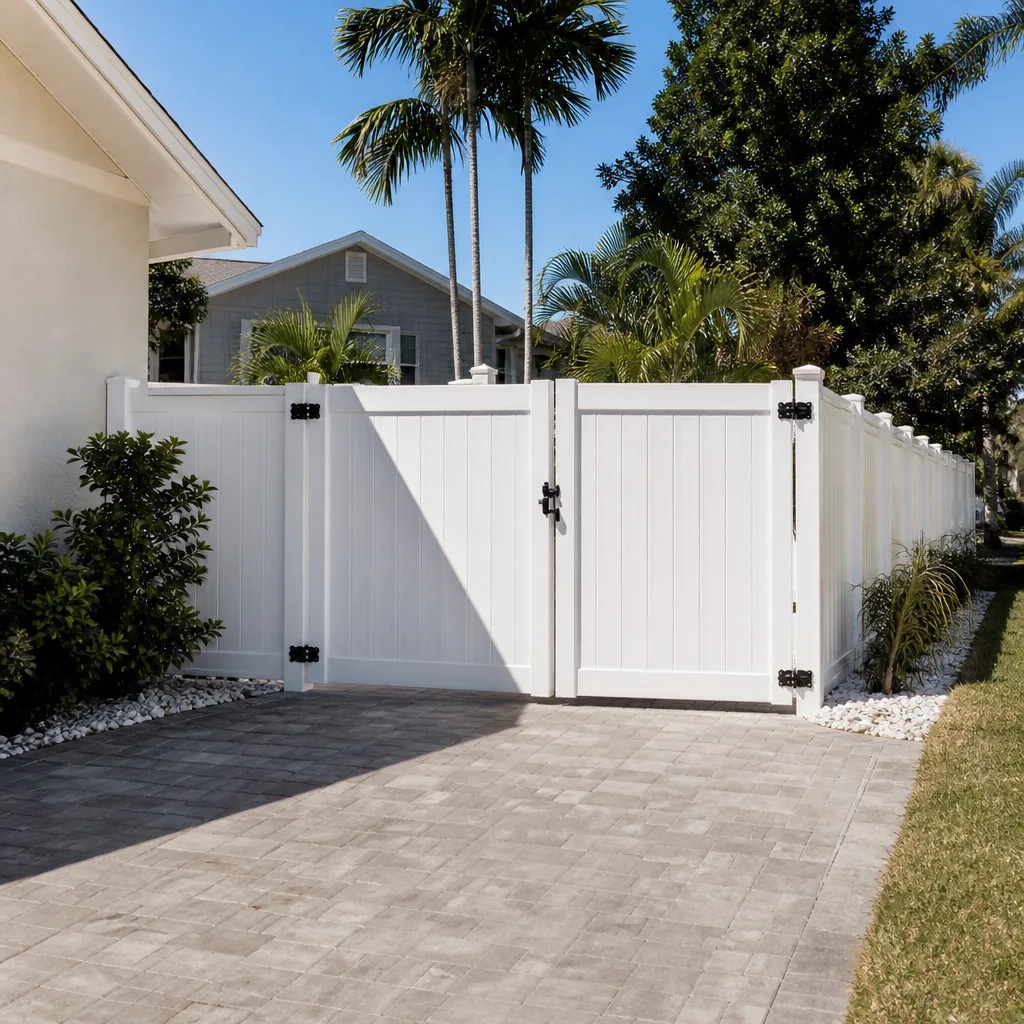
- Letting the fence and driveway go unpermitted. Fences and driveways in Homestead often need permits and setbacks. A six-foot fence installed on the wrong line becomes a removal job. See the Fence Installation in Homestead guide for the rules.
See the difference
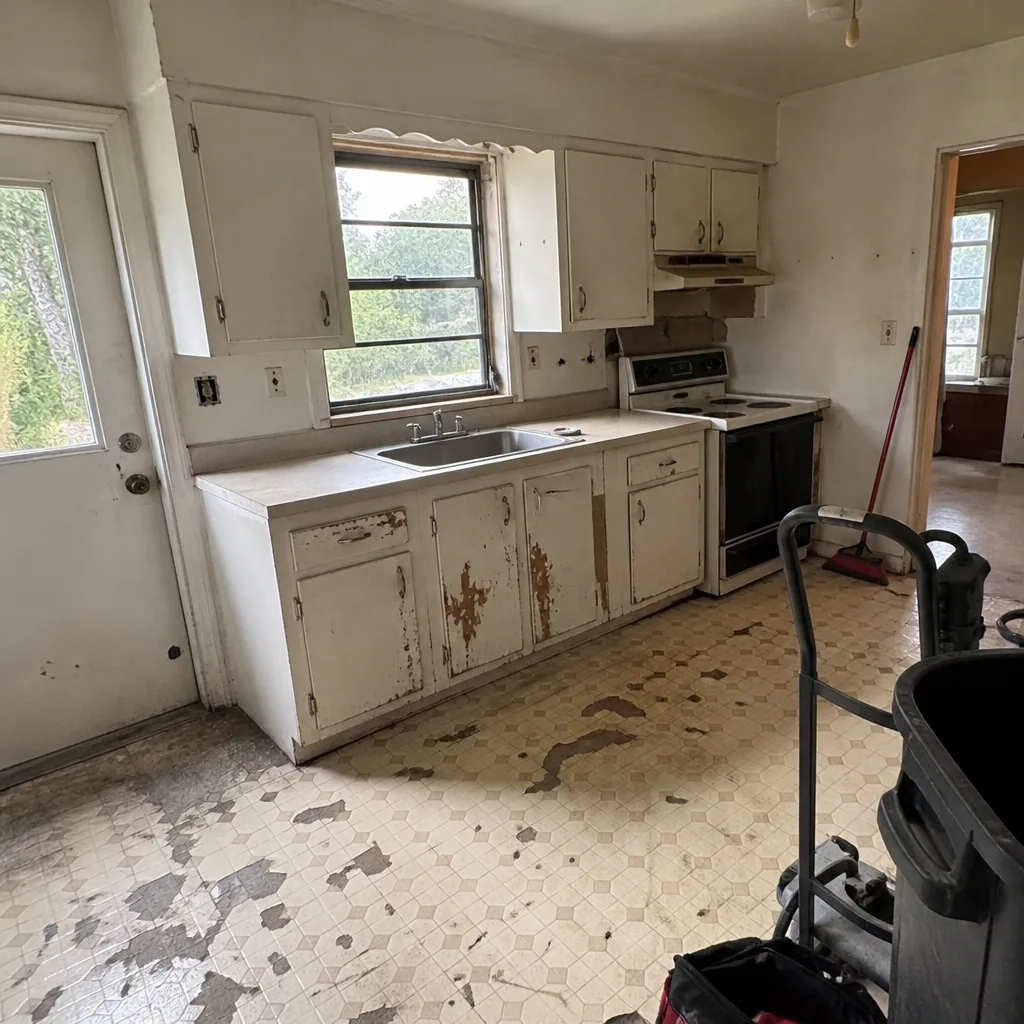 Before
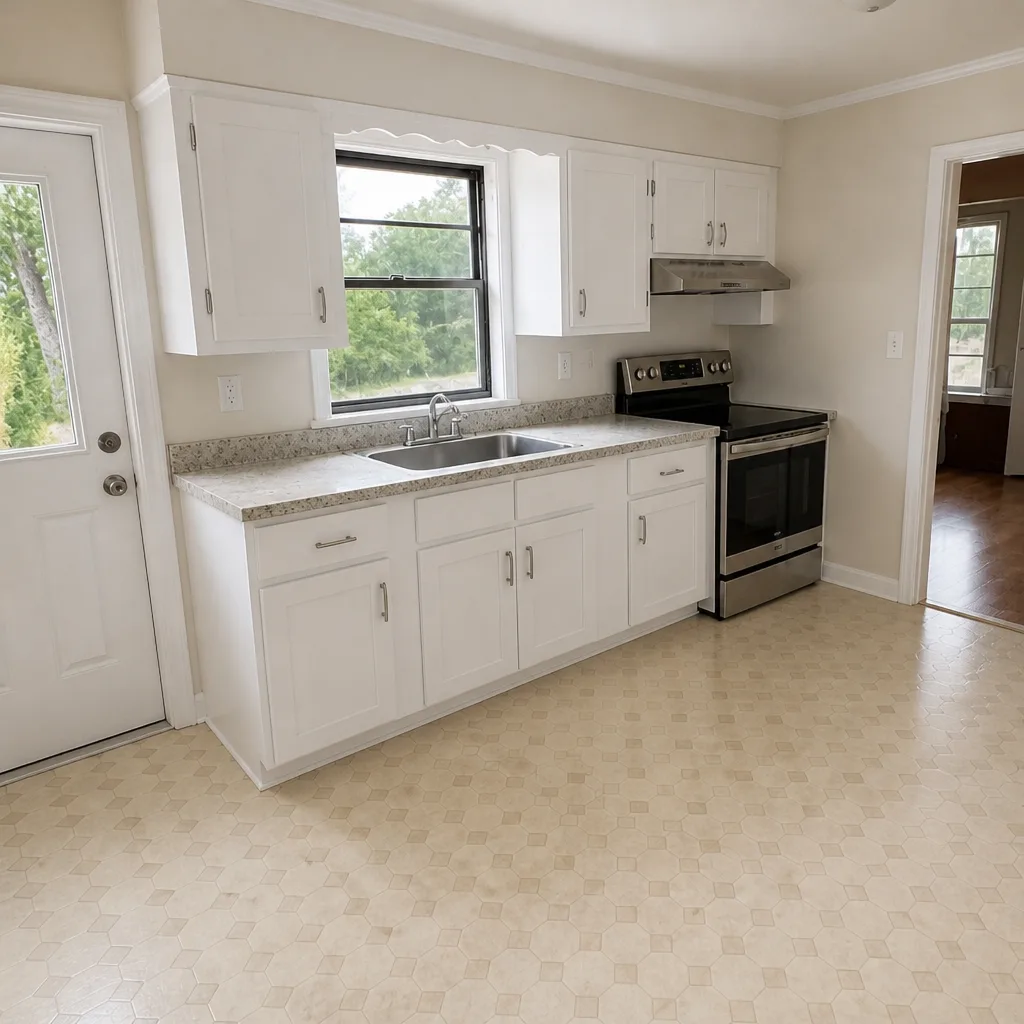 After
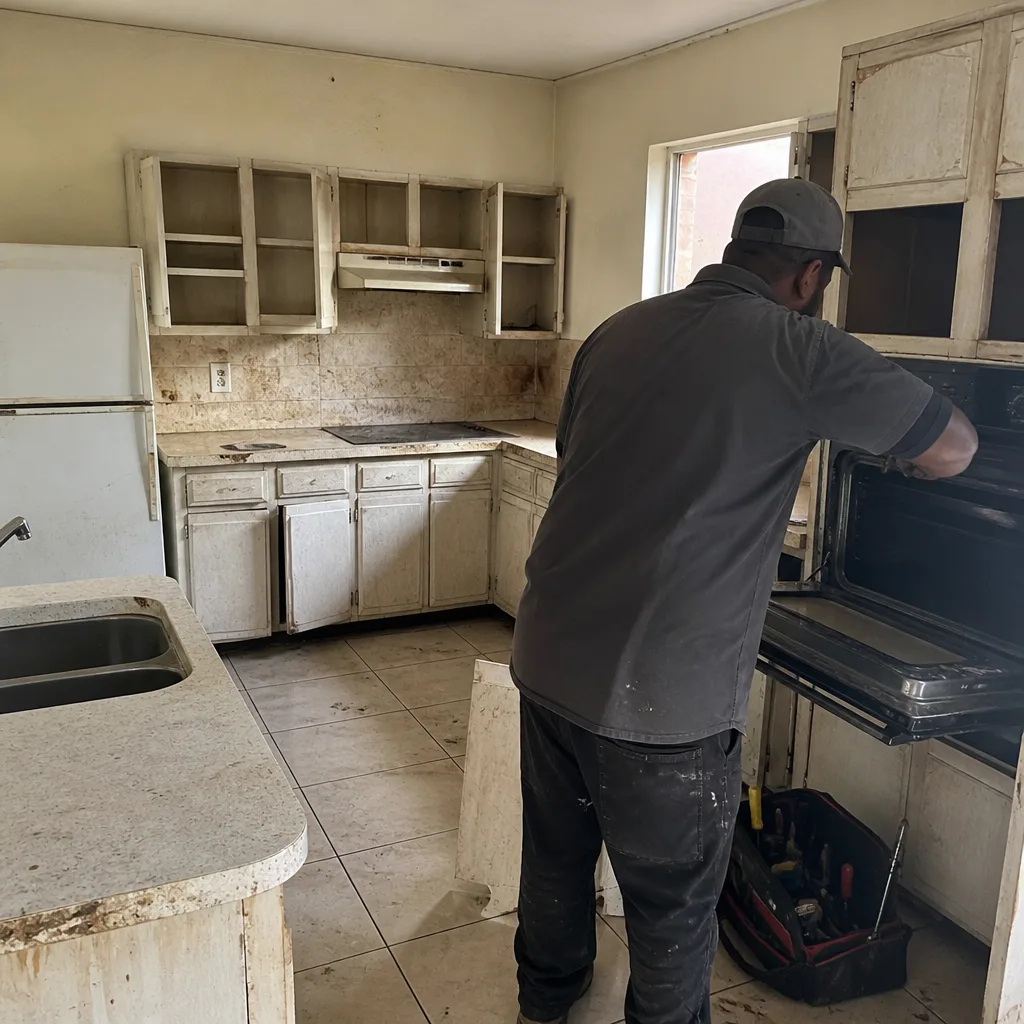 Before
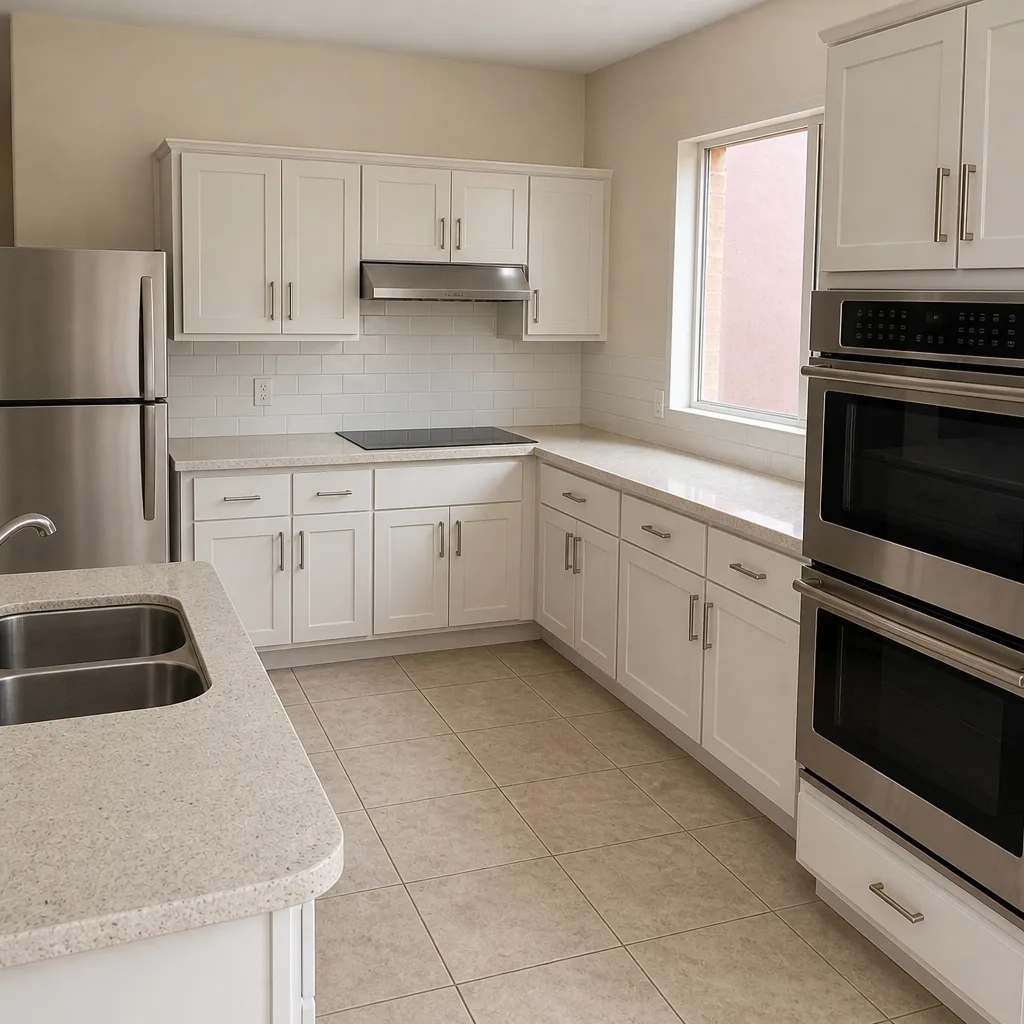 After
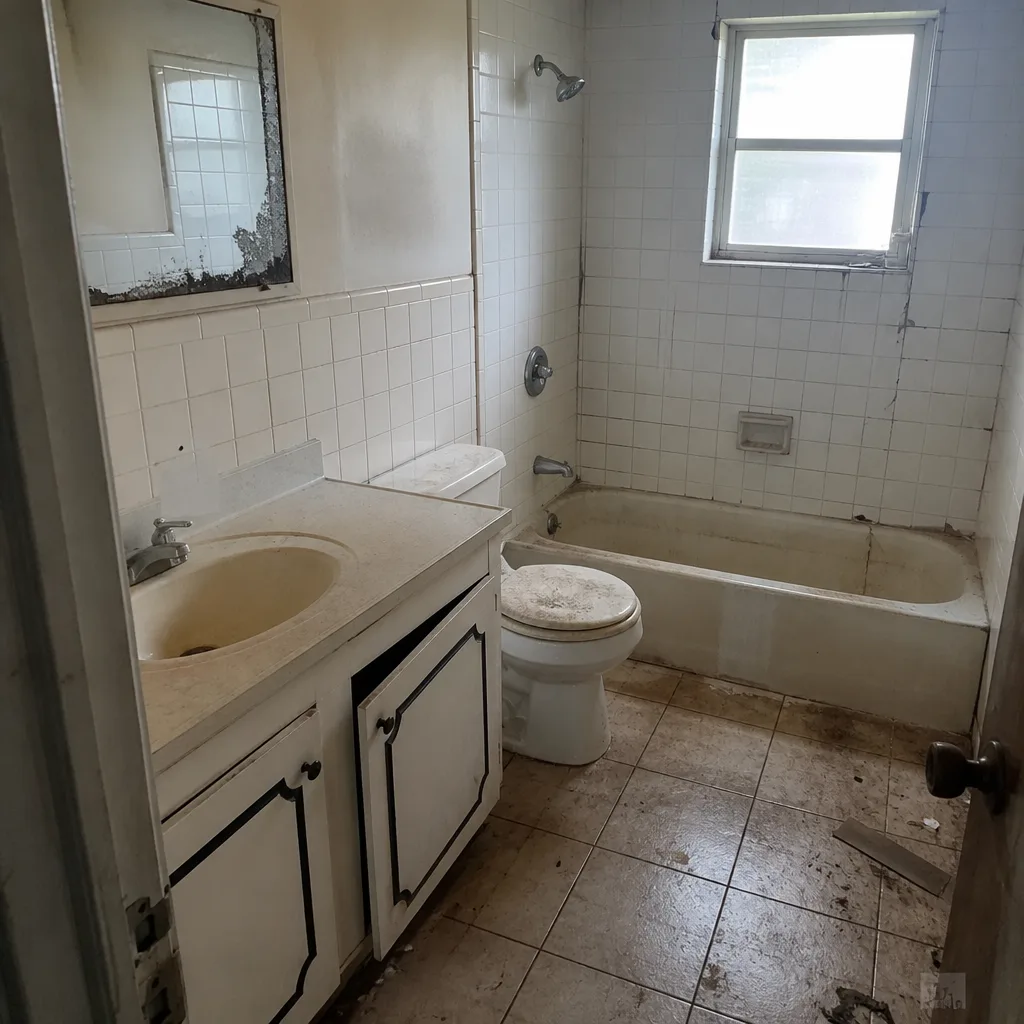 Before
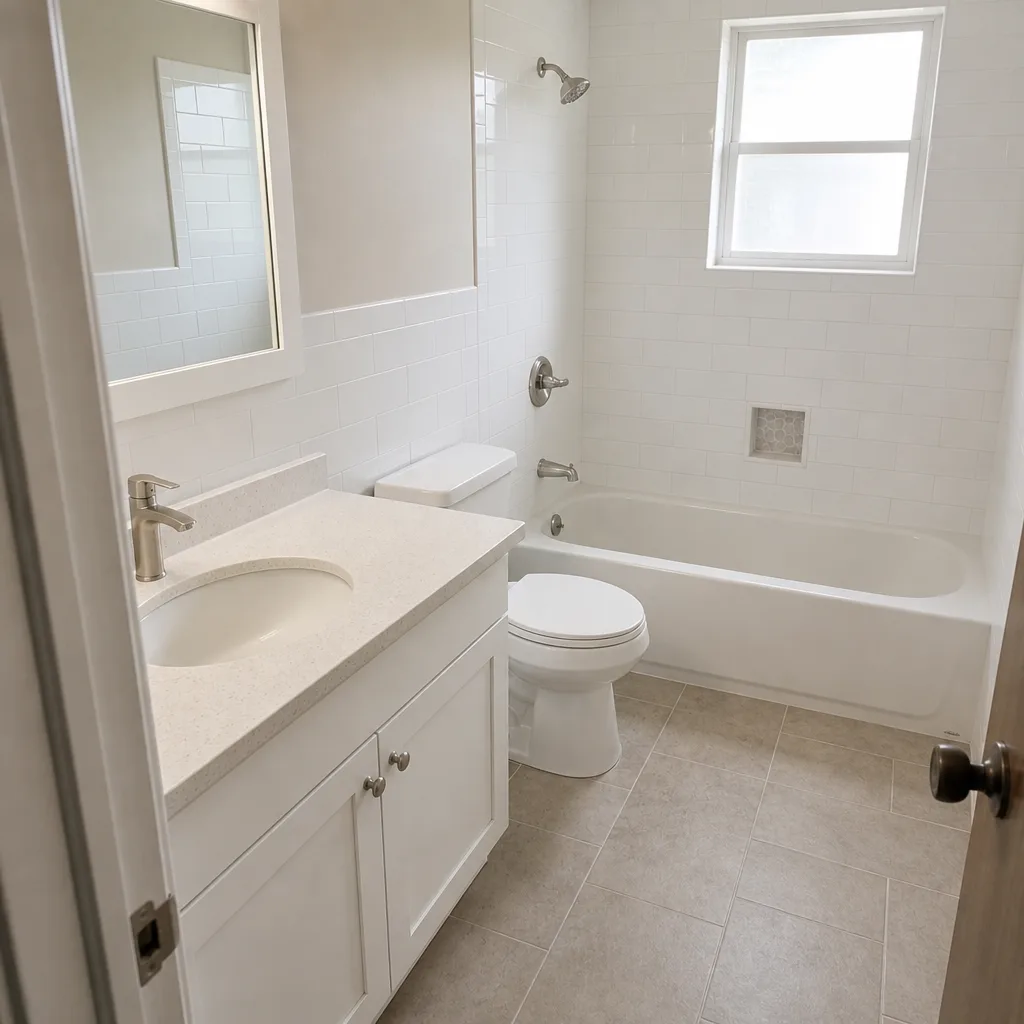 After
When to Call a Professional
Some Homestead work is genuinely DIY territory: painting, landscaping, replacing outlet covers, resurfacing a driveway with a seal coat. Everything above that line is worth a professional, and a few scenarios are worth a call today. Structural changes or additions require a licensed contractor for the permit to be pulled. Roofing work inside the HVHZ requires a licensed roofer because the NOA product schedule is part of the permit and completing the inspection sequence is not a homeowner job. Electrical panel work, gas line work, and any repair involving high-tension components carry real safety risk – a qualified, trained professional with the right license and permit should handle them. And any project where the quote you’ve received has no written scope, no product schedule, or no NOA numbers is worth a second opinion before you sign.
Rowan Construction Group Homestead offers free estimates in Homestead – call (844) 834-4248 to schedule yours, and to review any existing quote line by line. More about our approach at the Rowan Construction Group Homestead home page.
Frequently Asked Questions
Yes. Any roofing product installed in Homestead – shingles, metal, tile, and the underlayment beneath – must be on Miami-Dade’s product approval list with a current Notice of Acceptance (NOA) number. Without an NOA, the roofing permit won’t be issued, and a completed roof without the required inspections can create problems when you sell. Ask your contractor for the specific NOA number for each product they’re proposing.
A typical asphalt shingle roof replacement in Homestead runs $6.50 – $9.50 per square foot installed, including tear-off and HVHZ-compliant underlayment. Metal roofing runs $11 – $18 per square foot. The HVHZ underlayment adds roughly $0.75 – $1.50 per square foot over a standard Florida roof. Call (844) 834-4248 for an exact quote on your roof – estimates are free and delivered in writing.
Not without a signed change order. That’s the standard Rowan works to: no work proceeds on a change until the change order is signed. Scope changes during a project are common, but they should be documented and priced before the work happens, not discovered at the final invoice. If your contractor can’t commit to a signed change order in writing, expect the price to drift.
Plan for 12 – 16 weeks from signed contract to final inspection. The permit and product-approval review stage takes 3 – 5 weeks on its own, and the finish stage runs 2 – 4 weeks. The HVHZ requirements add time because exterior products in the permit (windows, doors) need NOA cross-referencing. Plan longer than the inland-Florida number.
Usually yes, and the setback rules apply. Fences over a certain height and all new driveways typically require a permit, and agricultural-residential lots in Homestead have setback and lot-coverage rules that differ from standard urban parcels. Check the zoning designation before you order materials – a fence installed on the wrong line becomes a removal job.
Sometimes, depending on the parcel’s zoning and lot coverage. Homestead permits accessory dwelling units on some lots but not all, and agricultural-residential lots have different rules than residential parcels. The Home Additions & ADU in Homestead guide covers this in detail. Call (844) 834-4248 for a free feasibility check on your specific parcel.
The Bottom Line
Construction in Homestead runs on two rule sets at once: the Florida Building Code and Miami-Dade’s HVHZ product-approval track. Get the NOA numbers, get the written price before work starts, get the change order signed before scope changes, and pull the zoning before you design. Those four moves are worth more than any review comparison. The timelines here – 14 – 20 weeks for a mid-size renovation – are longer than inland Florida for a reason, and the products cost what they cost because they’re the ones that can be permitted. Rowan Construction Group Homestead delivers the written price, the photo record, and the product schedule as standard. Call (844) 834-4248 for a free estimate, and bring any existing quote for a line-by-line second opinion.
Written by the team at Rowan Construction Group Homestead.