
Last updated November 17, 2026








Free written scope consultation - allowances, timeline, and change-order rules on paper before a single trade is scheduled
Construction Warning Signs: A Homestead Homeowner’s Reference Guide
A stucco finish can look perfect while concealing missing weep screed at the base, a code-required component that lets moisture exit the wall assembly. Without it, water traps inside the stucco system, begins corroding the metal lath within two to four years, and eventually requires full stucco removal to fix. The job passed visual inspection because nobody looked at the bottom of the wall. Most “red flag contractor” lists focus on behavior (cash demands, missing contracts, a crew that vanishes after deposit), but in Homestead the warning signs that cost homeowners the most money are physical: defects that look finished and fail years later. This guide covers both the human and the physical signs.
Quick Answer
The most expensive construction warning signs in Homestead are physical defects hidden behind finished surfaces, like missing weep screed at the stucco base, improper nail patterns on roof sheathing, or window flashing that never integrates with the weather barrier. The behavioral warning signs still matter, but the money is lost in what you can’t see after the crew leaves. Both sets of signs are checkable, and this guide shows you the checkpoints, the paperwork to demand, and what post-completion symptoms mean 6 to 18 months later.
Styles & brands we work with
- Kitchen remodeling
- Bathroom remodeling
- Home additions & ADU
- Roofing
- Windows & doors
- Driveway & pavers
- Fence
Table of Contents
- Physical Warning Signs You Can Inspect During Construction
- Documentation Warning Signs in the Paper Trail
- The Subcontractor Disclosure Problem
- Why Calendar-Based Draw Schedules Are a Red Flag
- Post-Completion Warning Signs at 6 to 18 Months
- Behavioral Warning Signs That Still Matter
- Common Mistakes to Avoid
- When to Call a Professional
Physical Warning Signs You Can Inspect During Construction
Homestead sits inside the High Velocity Hurricane Zone, so Miami-Dade building code enforces wind, moisture, and structural standards stricter than most of the country. The catch: much of the required work gets covered by the next trade within days. Once stucco goes over the lath or underlayment goes over the sheathing, a defect is invisible until it fails. Here are the physical checkpoints worth walking with your contractor, camera in hand, before those layers close.
- Weep screed at the stucco base. A galvanized metal flange nailed at the bottom of the wall assembly, one that lets water drain out and keeps the stucco from sitting in soil. If the stucco runs directly to grade or to a slab with no screed, moisture has nowhere to go.
- Roof sheathing nail pattern. Before underlayment, look at the sheathing joints. Nails should hit the rafters at a consistent spacing with visible, even rows. Missed rafters and clusters of nails hammered at the wrong angle mean the sheathing is holding on by luck in a wind event.
- Window flashing integration. Flashing has to overlap the weather barrier in correct sequence (sill first, then jambs, then head) so water sheds outward. Flashing laid over the barrier instead of tucked under it is worse than none, because it routes water behind the wrap.
- Anchor bolt placement in concrete slabs. Bolts embed the wall framing to the slab. Check spacing and that each bolt sits clean in the pour, not leaning against the form edge with the nut spinning loose.
If you’re adding a structure rather than watching one go up, the same checkpoints apply to slab prep and wall systems. Our Home Additions & ADU in Homestead page walks through how documentation is handled on that work from the first pour.
Documentation Warning Signs in the Paper Trail
Your first read on any Homestead contractor happens before a shovel moves. The paper trail tells you whether the company is organized enough to build a system that passes inspection, and whether it’s planning to honor the number it gave you.
- No Miami-Dade NOA number for proposed materials. Every product in the building envelope needs a Notice of Acceptance from Miami-Dade County. A contractor who can’t produce the NOA number for a window, door, or roof assembly either chose unapproved materials or doesn’t track the requirement.
- A contract with no change-order clause. If changes are handled by handshake, the price you were quoted has no ceiling. A written change-order process makes every change a defined price before any work happens on it.
- A certificate of insurance expiring before the project ends. Read the effective dates, not just the coverage lines. If the policy lapses mid-project, an injury on your lot becomes your problem.
- A permit pulled under a license that doesn’t match the contract. The name on the county permit should match the contracting entity on your contract. Mismatched names can mean a borrowed license or an unlicensed operator using someone else’s credentials.
These are checkpoints we can speak to because they’re what we require of every project. The Rowan Construction Group Homestead home page lays out how we approach these standards on our jobs across Homestead and the surrounding area.
The Subcontractor Disclosure Problem
When a general contractor won’t name their subcontractors in the contract, you lose a verification step that’s hard to recover. Subs do most of the work you’ll live with (framing, stucco, roofing, electrical, plumbing), and their licensing, insurance, and even awareness of the project specs are usually outside your reach once the GC keeps them anonymous.
A contract that names the subs lets you confirm each one is licensed and insured before work begins. Insist on a named list, with license numbers, as a contract exhibit. If the contractor won’t put subs on paper, the work behind your walls is being done by people whose credentials nobody can check before the project starts. This isn’t a paperwork technicality. It’s how a contractor becomes accountable for every trade under his name, not just his own crew.
Why Calendar-Based Draw Schedules Are a Red Flag
The single most consequential clause in a remodeling contract is the payment schedule. A draw schedule tied to calendar dates (say, $15,000 every three weeks) gives the contractor leverage to walk out ahead of the work, which makes withholding payment for defective work difficult. A schedule tied to inspection milestones keeps the money and the progress in step.
Before signing, walk through this checklist on your contract:
- Each draw triggers on a stated milestone (foundation poured and inspected, sheathing complete and photographed, final inspection passed), not a date.
- The milestone has a third-party verification step (county inspection, structurals engineer sign-off, or a documented photo record).
- Retention (a final percentage held back for corrections) sits at a number that makes a defect worth returning for.
- No advance on material costs before materials are on site, because an advance for “materials” doesn’t tell you whether any lumber has actually arrived.
- The final payment only releases after the punch list is closed and you’ve walked through the project with the record in hand.
The Driveway & Pavers work we do starts from the same premise: written price, written scope, and payment that follows completion, not the calendar. You can see how that plays out on the Driveway & Pavers in Homestead page.
Post-Completion Warning Signs at 6 to 18 Months
The defects that cost the most surface between the 6th and 18th month after a project closes. They’re also the most misdiagnosed. When a homeowner calls about a symptom, we look at the substrate, not the symptom, because what shows on the surface usually traces back to a step that got skipped months earlier.
- Stucco cracking at corners. Usually means missing corner bead or a mix ratio that wasn’t followed. Cracks radiating from an outside corner rather than spreading is the tell.
- Tile grout separating from the field. Grout pulling away from a tile in lines often signals deflection in the substrate. The floor or wall is flexing, and grout can’t flex with it. Schluter’s line of uncoupling membranes is the standard layered defense against this, and seeing the brand spec in the quote is a good sign.
- Doors and windows that stick seasonally. Framing that wasn’t dried to the correct moisture content before the house closed in moves as it dries, then binds against the openings. A door that’s tight in July and loose in January is telling you something about the framing.
- Water stains at the stucco base. Ties back to the weep screed discussion earlier. If the bottom of the wall is the first to show water, that’s your sign to check the screed line.
Fences and boundary structures have their own version of this. Poor footing prep shows up as posts that lean after the first wet season. The Fence Installation in Homestead page describes how footing prep is handled.
Behavioral Warning Signs That Still Matter
Contractor selection isn’t just a technical audit. The behavioral signs are still the fastest way to know whether you’re going to spend the next few months being handled. We pay attention to these because they predict whether the technical side will hold up:
- The estimate arrives verbally or “we’ll work it out on site.” A written price in dollars, with a written scope, is the baseline. We don’t do the alternative.
- The crew isn’t background-checked or uniformed. You’re letting strangers into your home. Verifiable identity, not just a friendly logo, is the requirement.
- Nobody answers the phone. “Text us and we’ll get back to you” is fine for confirming an appointment, not for a Monday morning leak. A live person on the line when something’s going wrong is a real test.
- There’s no photo record of what was found and what was done. A documented photo record on every visit means you leave with evidence, not a verbal summary.
- The company can’t give you a second read on a competitor’s estimate. A free second opinion on any written estimate is something every reputable contractor should be able to offer without drama.
What we’ve learned over 4,000-plus projects is that the companies that handle the behavioral side well are almost always the ones whose technical records hold up too. It isn’t coincidental. The same discipline runs through both.
Common Mistakes to Avoid
- Judging a stucco job by the top of the wall. The bottom is where the failure begins. Look at the weep screed line before you look at the finish color.
- Signing a contract with an unnamed sub list. If subs aren’t named with license numbers, you’ve given up the ability to check who’s actually doing the work. Fix that before signing.
- Accepting a calendar-based draw schedule because the numbers look reasonable. The schedule detail matters more than the total. Milestone-triggered draws protect your leverage.
- Skipping the NOA number check on materials. In Homestead’s High Velocity Hurricane Zone, unapproved products may pass a casual look and fail during a storm. Ask for the NOA number on every envelope component.
- Treating “call for a quote” as normal. It’s not. A written price before work starts is the standard you should demand.
- Assuming a permit means a valid contractor. Mismatched names on permit and contract are a red flag that a casual homeowner won’t catch.
- Ignoring symptoms at month 6 to 12. Stucco corner cracks, grout separation, and doors that stick seasonally all point to defects that get more expensive with delay. Call for a professional read while the warranty period is live.
When to Call a Professional
Some symptoms you can watch. Others you should have inspected. Call a professional if you see stucco cracking that radiates from an outside corner, grout that pulls away from tile in lines, or doors and windows that stick seasonally (all point to substrate or framing issues). Call if water appears at the base of a stucco wall, or if any material in a project quote is missing its Miami-Dade NOA number. Call before you sign any contract with a calendar-based draw schedule or an unnamed sub list, because fixing those later is close to impossible. If you’re planning work rather than diagnosing it, an inspection-style review before the first nail goes in saves the most money.
Rowan Construction Group Homestead offers free estimates in Homestead. Call (844) 834-4248.
See the difference
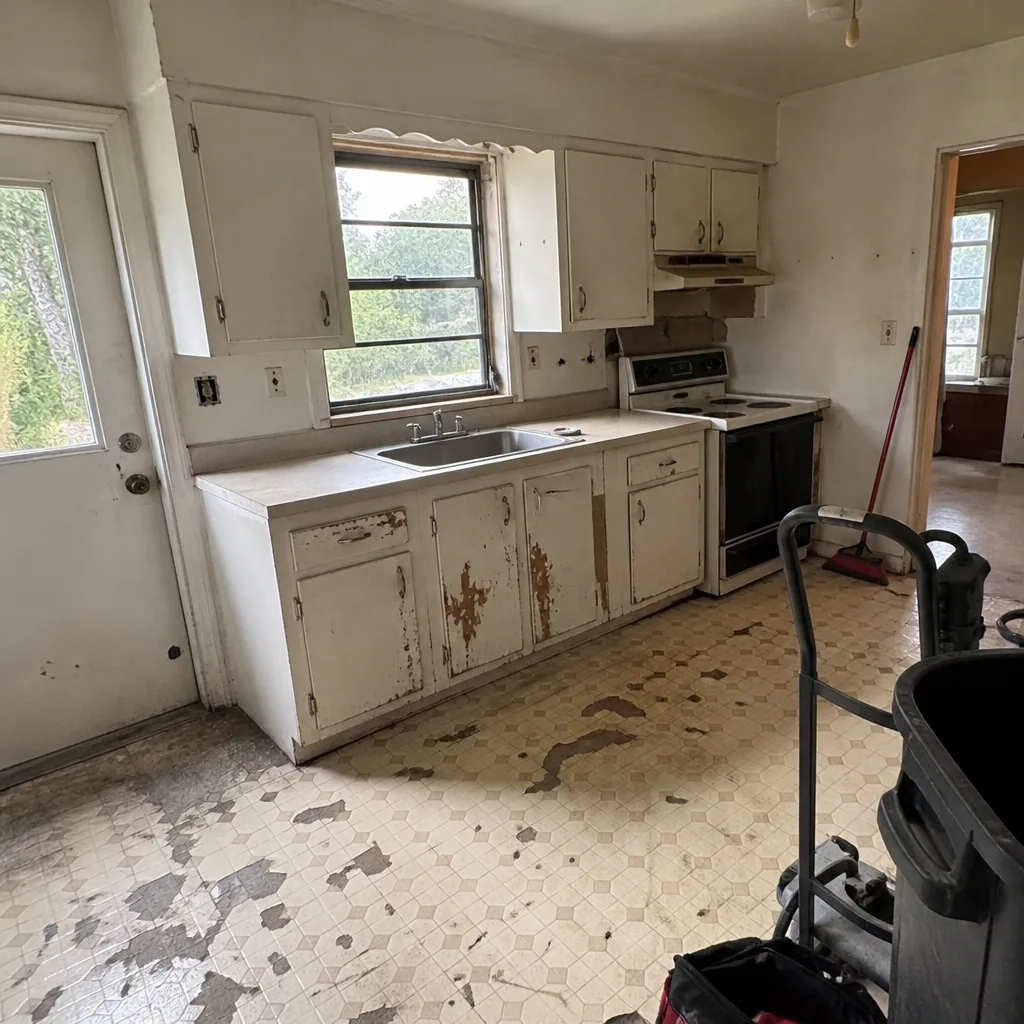 Before
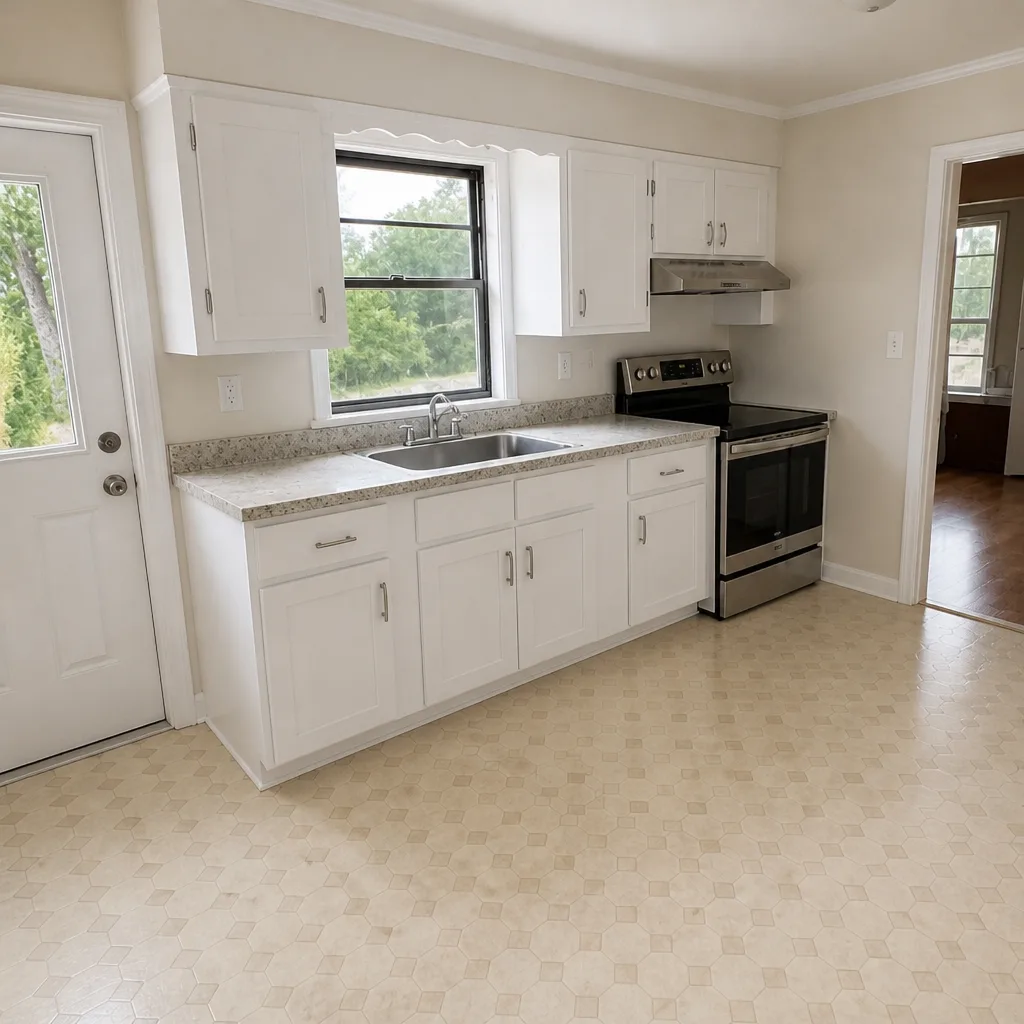 After
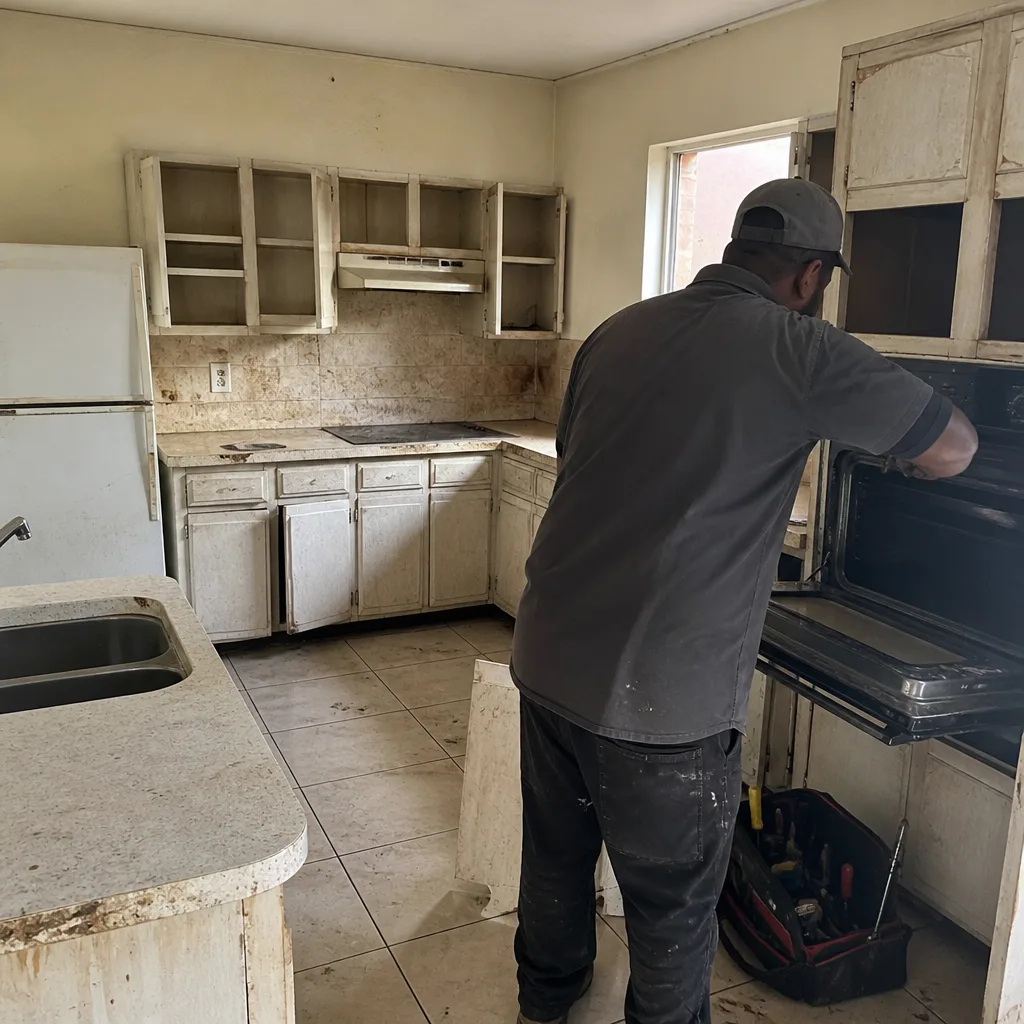 Before
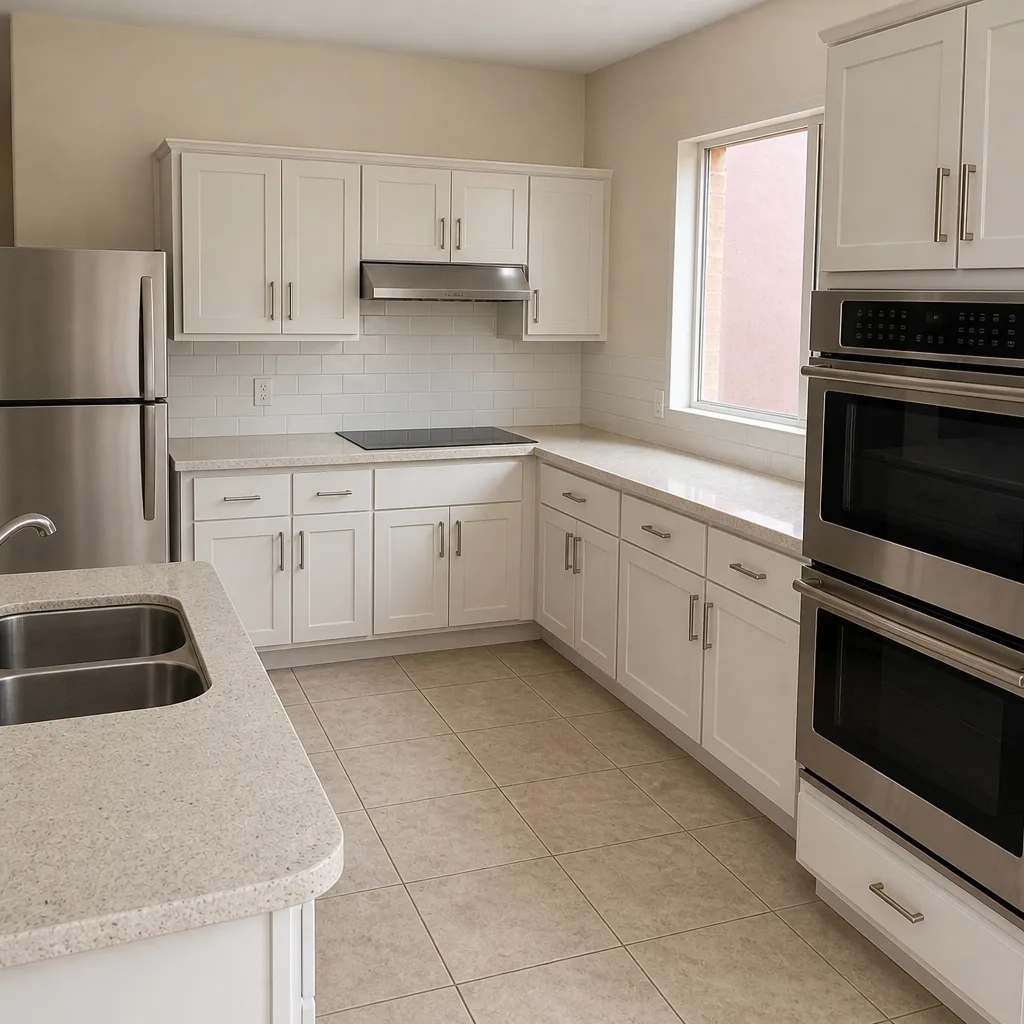 After
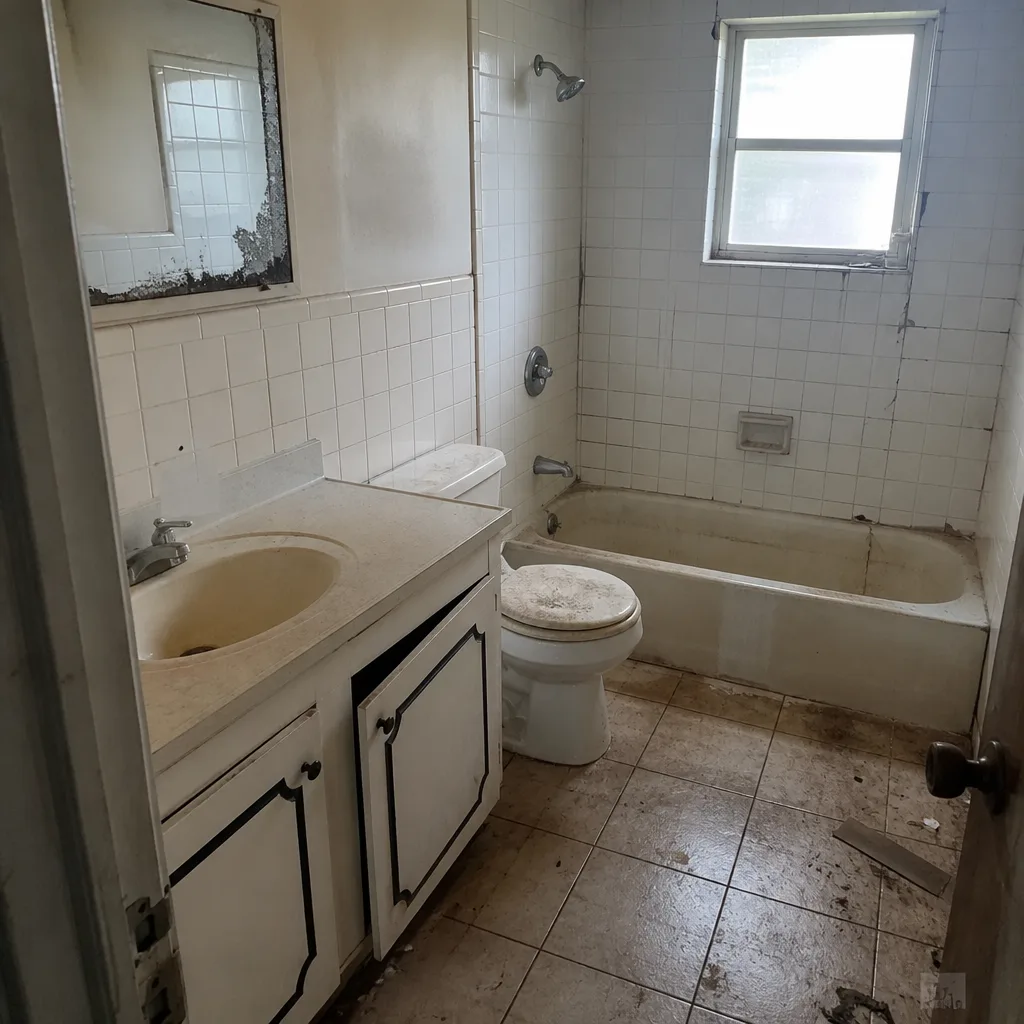 Before
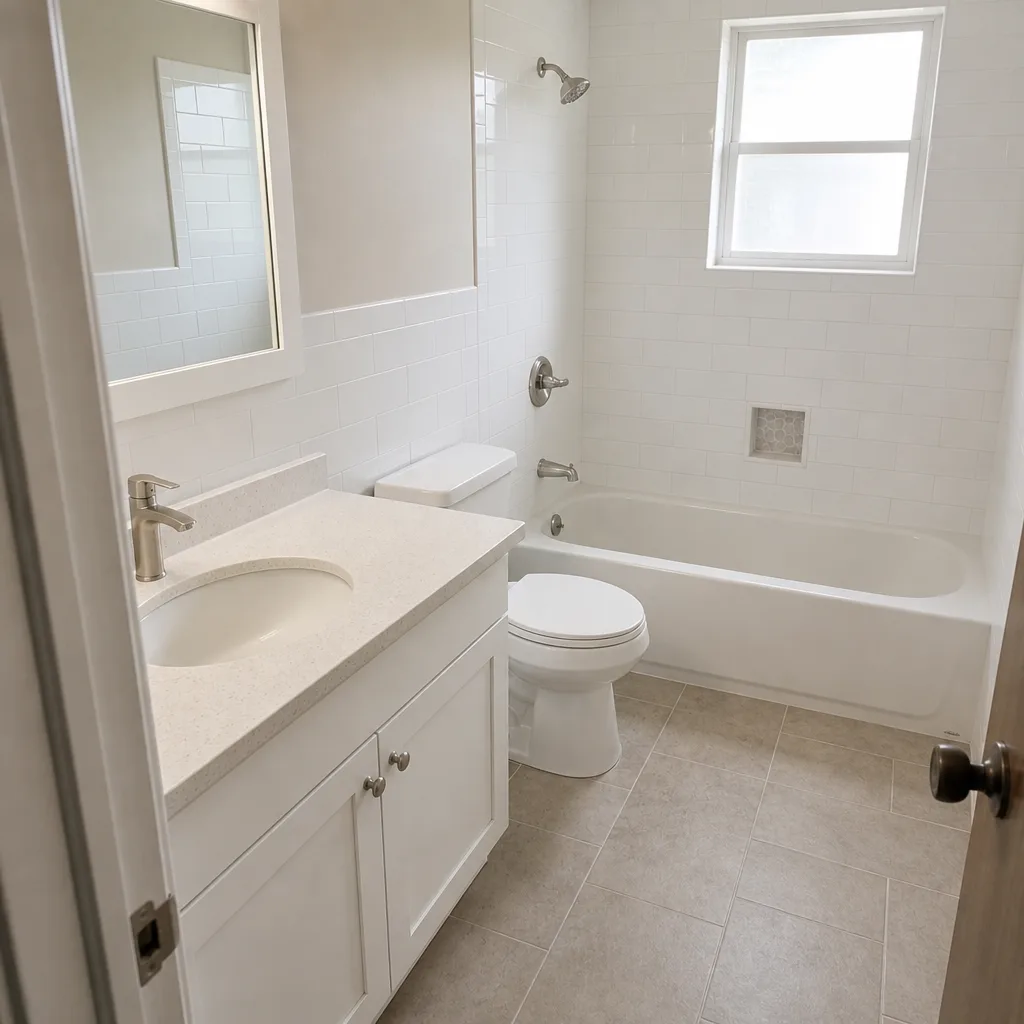 After
Frequently Asked Questions

Missing or improperly installed weep screed at the stucco base is the most common, and usually the most expensive to fix later. Water traps inside the stucco system, the metal lath begins corroding within two to four years, and the fix often requires full stucco removal. Walk the bottom of every exterior wall before stucco cures.
Check three things in sequence. The name on the county permit should match the contract. The certificate of insurance should be unexpired through the project’s expected end date. Each declared subcontractor should show a current license number that you can verify independently. Any mismatch is worth a conversation with the contractor before you sign, because fixing it after work starts is nearly impossible. Call (844) 834-4248 for a free second opinion on any written estimate.
There shouldn’t be one, but there often is in practice. A draw schedule should trigger on inspection milestones; a calendar-based schedule triggers on dates. Calendar-based schedules let a contractor stay paid ahead of the work, which removes your leverage if the work is defective. Milestone-triggered draws with a retention holdback keep payment and progress in step.
Hairline cracking that spreads across the field is often normal curing. Cracking that radiates from outside corners or concentrates at openings is a different signal: it usually points to a missing corner bead or a mix ratio that wasn’t followed. Have a professional look before the 12-month warranty window closes. Estimates are free.
Look at the contract. If subs are named, you can verify licensing and insurance for each one. If they aren’t named, you have no way to check who is actually doing the work, and that’s the point of the red flag. Insist on a named sub list with license numbers as a contract exhibit before signing.
HVHZ is a Miami-Dade and Broward county designation that enforces stricter wind-load, product approval, and inspection requirements than other parts of Florida. Every product in the building envelope needs a Miami-Dade NOA number, and inspection checkpoints are more detailed. That’s why skipping documentation checks here carries more risk than it does in other markets. Call (844) 834-4248 to walk through a quote against those requirements.
The Bottom Line
The most expensive construction warning signs in Homestead aren’t the ones that make the news (cash demands, disappearing contractors). They’re the physical defects behind finished surfaces, the paperwork gaps nobody verifies, and the payment clauses that hand leverage to the contractor. Your three tests: walk the physical checkpoints before layers close, read the contract for NOA numbers, named subs, and milestone-triggered draws, and call a professional the moment a symptom shows up after completion. A written price before work starts, a signed change order discipline, and a documented photo record on every visit cover most of what can go wrong before it does.
For a free second opinion on any written estimate, or to schedule a project review in Homestead, call Rowan Construction Group Homestead at (844) 834-4248. Our technicians have up to 19 years of experience, and every visit includes a documented photo record as a standard deliverable.
Written by the team at Rowan Construction Group Homestead.