Last updated November 17, 2026
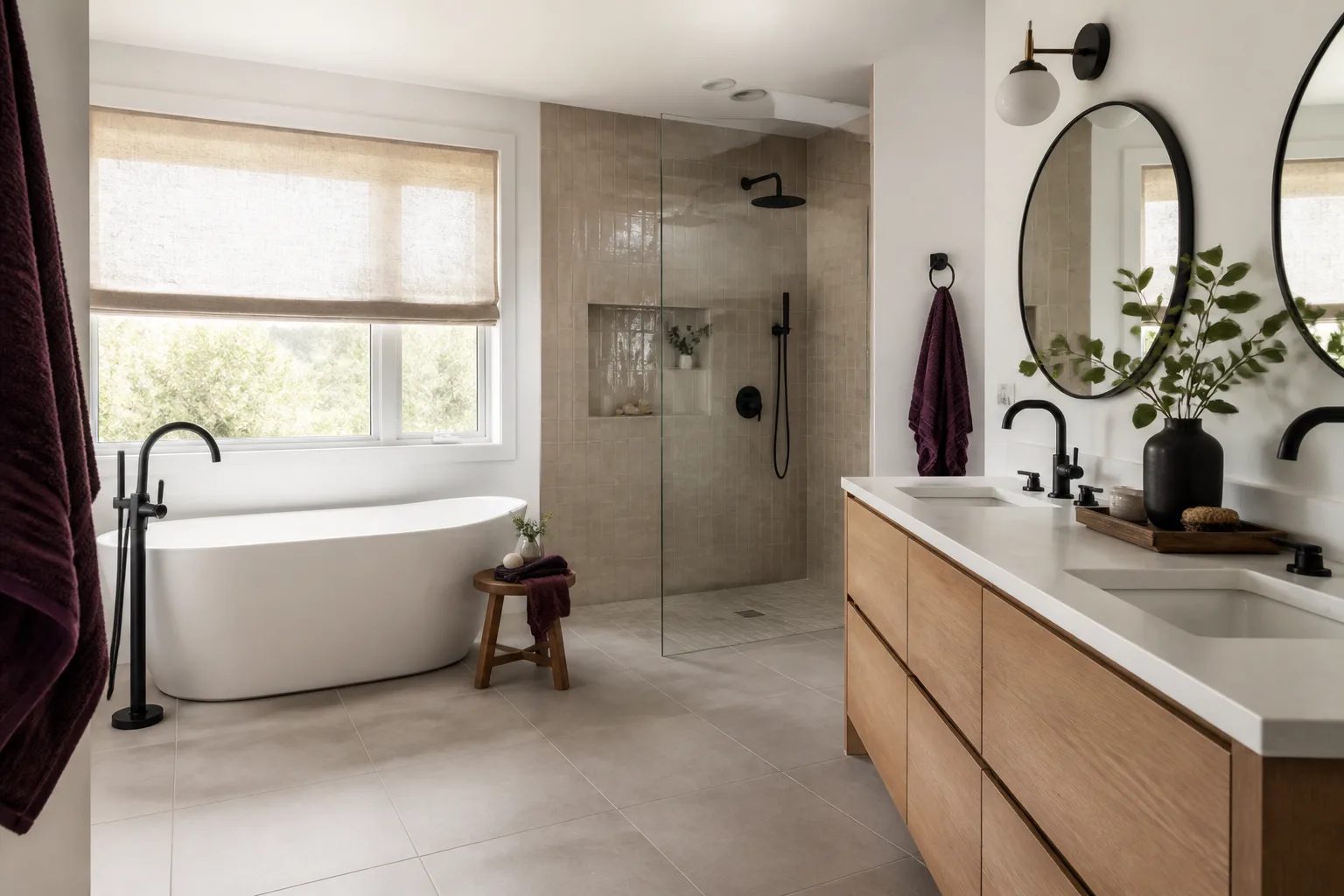
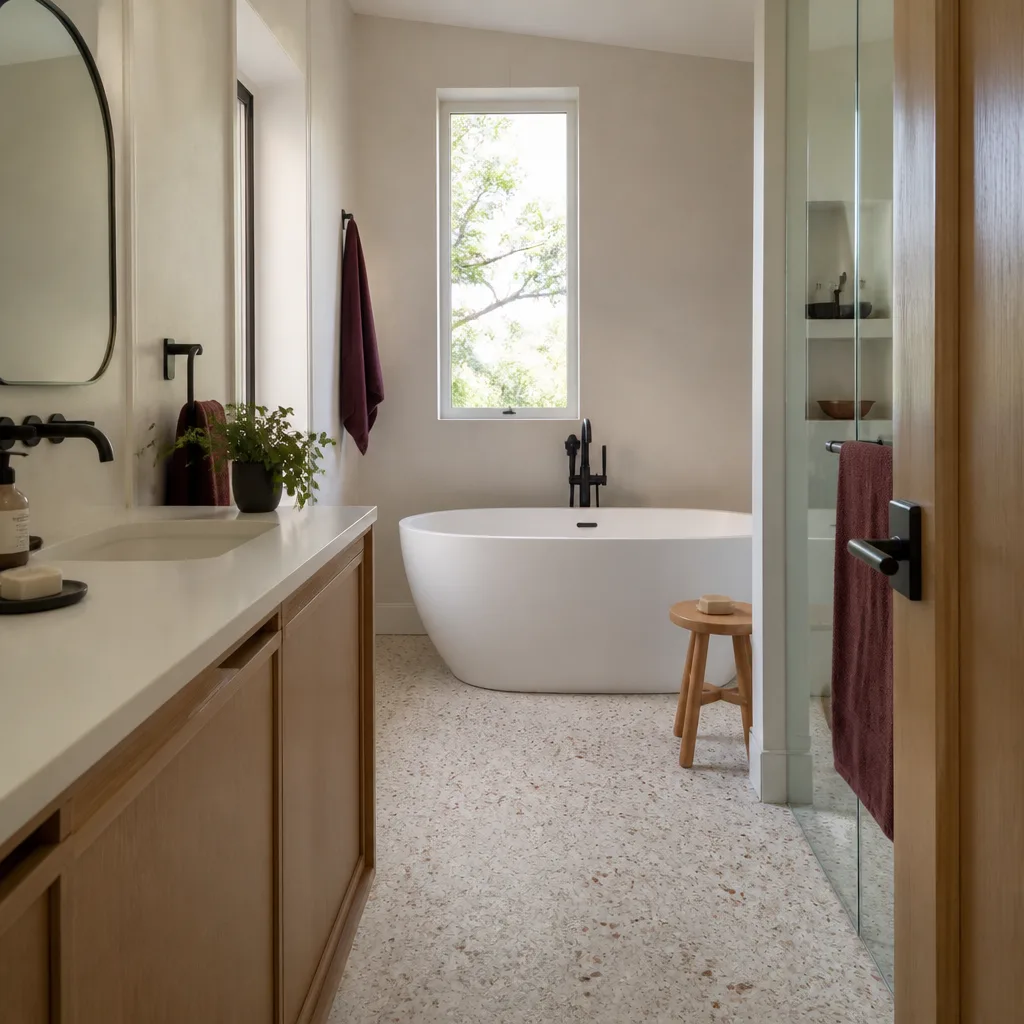
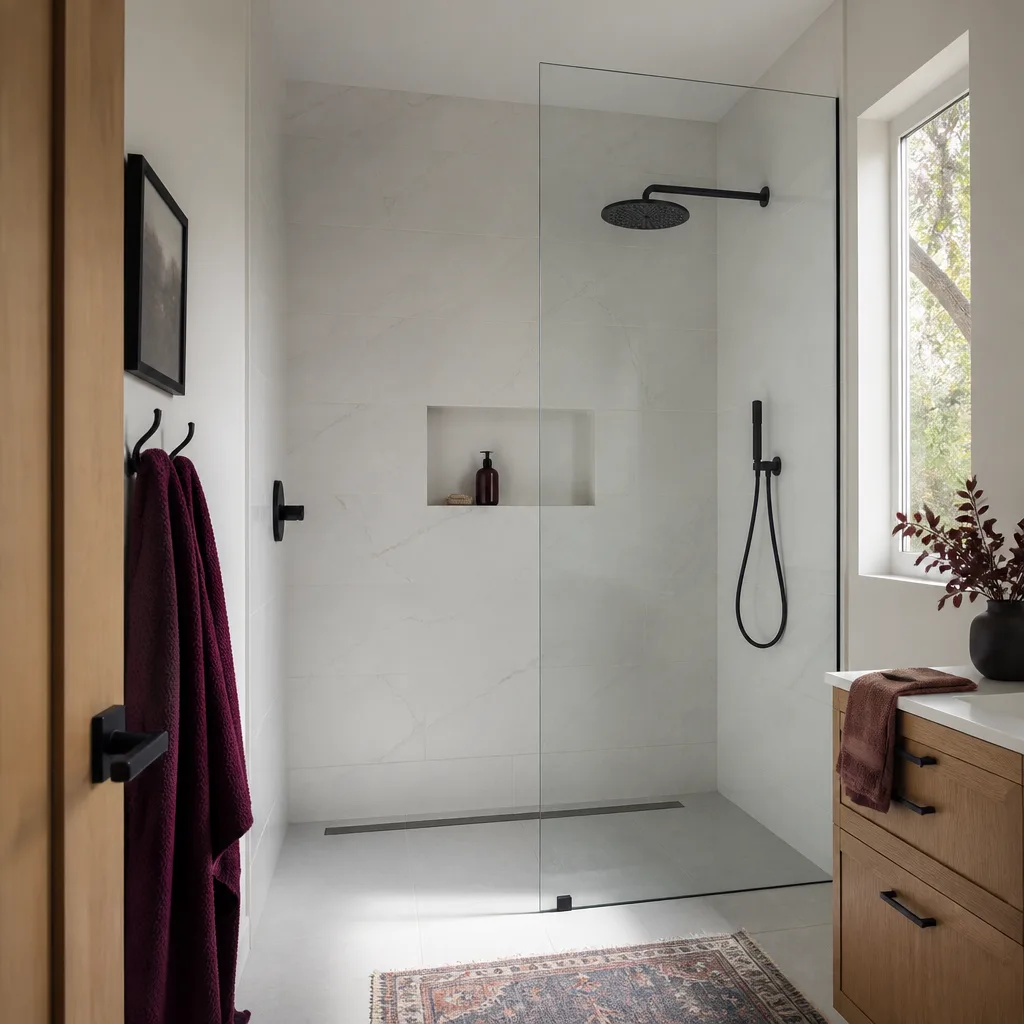

Free written scope consultation - allowances, timeline, and change-order rules on paper before a single trade is scheduled
DIY vs Professional Bathroom Remodeling: What’s Safe to Do Yourself
A Homestead homeowner retiled a shower with clean, even joints and dead-level edges. The work looked professional. Two years later, water found the subfloor through a drain connection that was never inspected. The insurance adjuster asked two questions: was there a permit, and who signed off on the plumbing? There was no permit and no licensed plumber on record. The claim was denied, and the repair bill landed on the homeowner. This guide covers what you can legally and safely do yourself in a Homestead bathroom, what Florida law and Miami-Dade permitting require a licensed contractor to handle, and how the difference decides whether your work is insurable when it matters.
Quick Answer
In Homestead and the rest of Miami-Dade County, cosmetic work is fair game for a capable homeowner: demolition of drywall and tile, painting, cabinet installation, and swapping fixtures on existing supply lines. Anything that touches supply lines, drain lines, the waterproofing membrane behind tile, or the electrical circuit needs a permit and a licensed trade contractor. Doing that work yourself under owner-builder status is legal in Florida, but it transfers liability, insurance risk, and resale exposure to you.
Styles & brands we work with
- Kitchen remodeling
- Bathroom remodeling
- Home additions & ADU
- Roofing
- Windows & doors
- Driveway & pavers
- Fence
Table of Contents
- The Permit Line: What Miami-Dade Requires and What You Can Legally Do
- What Owner-Builder Status Actually Means Under Florida Statute 489.103
- Cost Comparison: Where DIY Saves and Where It Costs More
- The Insurance Language That Voided That Homestead Claim
- A Decision Tree: Three Systems, Three Questions
- What the Contractor Must Document for the Work to Be Insurable
- Homestead-Specific Conditions That Change the Answer
The Permit Line: What Miami-Dade Requires and What You Can Legally Do
The question that decides a DIY bathroom project isn’t skill. It’s jurisdiction. Miami-Dade County enforces the Florida Building Code, and that code draws a clear line around the wet and wired parts of a bathroom. In our experience working Homestead homes, homeowners who ask “can I do this myself?” are usually asking the wrong question. The right one is “does this task require a licensed contractor of record?”
Tasks that generally require a permit and a licensed plumbing, electrical, or general contractor in Miami-Dade:
- Any change to supply lines: relocating a sink, adding a second showerhead, moving a toilet flange, converting a tub to a walk-in shower with new rough-in.
- Any change to drain lines, including the drain connection under a shower pan or the trap arm behind a wall.
- Installing, repairing, or replacing the shower pan and the waterproofing membrane behind tile.
- Adding or relocating an exhaust fan, a GFCI outlet, a vanity light circuit, or heated flooring.
- Replacing a water heater, and moving any gas line if your Homestead home has gas.
- Converting a tub to a shower, adding a curbless entry, or changing the footprint of the wet zone.
Tasks that are generally owner-performable without a permit in Homestead:
- Demolition: pulling tile, drywall, and old cabinetry (with care around any wall that might be load-bearing).
- Painting, caulking, and trim carpentry.
- Hanging a vanity cabinet, a mirror, and accessories like towel bars and a shower curtain rod.
- Swapping a faucet, a toilet, or a light fixture on the existing rough-in, provided you’re replacing like-for-like and not moving plumbing or wiring.
If the task isn’t on the second list, assume you need a permit. Call the Miami-Dade building department before you start if you’re unsure; it takes ten minutes and can save the entire project. You can also review our Rowan Construction Group Homestead home page for how we quote and scope bathroom work.
What Owner-Builder Status Actually Means Under Florida Statute 489.103
Florida Statute 489.103(7) lets a homeowner pull permits on their own primary residence without a contractor’s license. This is called owner-builder status, and it’s legal. What most Homestead homeowners don’t know is what it transfers. When you act as your own contractor, you take on every responsibility a licensed contractor would normally carry: the inspections, the code compliance, the safety of anyone who works on the job, and the long-term liability for the work.
Three consequences worth understanding before you sign the permit application:
- You are the responsible party of record. If an inspection fails, you fix it and you pay for the re-inspection. If a municipal inspector finds a code violation and the work stops, the stop-work order is against you.
- Your liability insurance may not respond. Standard homeowner’s policies exclude injuries to anyone working for pay on your property when you’re functioning as the employer. If a subcontracted tile helper falls off a ladder on your job, the claim may fall on you, not on their employer.
- Selling the home within a year is restricted. Florida law requires owner-builders to wait 12 months before selling a home on which they took owner-builder permits, and you must disclose the owner-builder work at sale. This trips up Homestead homeowners who bought during the recent boom and later list.
None of this means owner-builder status is a bad choice. It means the savings you see on a project like a Home Additions & ADU in Homestead scale larger than a bathroom, and so does the risk. For a single bathroom, the risk-to-reward usually lands against it.
Cost Comparison: Where DIY Saves and Where It Costs More
The honest breakdown depends on the task. In Homestead, we routinely see DIY work pay off cleanly on six things and go sideways on four. Here’s the comparison we walk homeowners through, using typical mid-range finishes for a 5×8 bathroom in the Homestead market.
- Demo: saves $400 – $900 in labor. Pulling old tile, drywall, and vanity is legitimate DIY. Wear a proper respirator; older Homestead homes sometimes have lead paint and asbestos-containing vinyl under newer flooring.
- Painting: saves $350 – $700. Bathroom paint needs a mold-resistant formula and the right primer over repaired drywall. If you can cut a clean edge, this is real money back.
- Accessories and trim: saves $150 – $400. Towel bars, mirrors, a new showerhead on the existing arm, cabinet hardware. Low-risk work with a real return.
- Vanity swap on existing plumbing: saves $250 – $500. Only if the supply and drain locations stay put. The moment you move a drain, the job becomes a plumbing permit.
- Tiling a shower: saves $1,200 – $2,800 in labor, but has the highest redo risk in the bathroom. If the preslope, the membrane, and the drain weep holes aren’t right, water sits behind the tile and the whole assembly has to come out, wall board and all. That’s typically a $3,500 – $6,500 redo that undoes every dollar saved.
- Plumbing rough-in: rarely saves at all. A licensed plumber in Homestead typically charges $400 – $1,800 for a bathroom rough-in depending on scope; DIY may save the labor line, but you’ll still pay for the permit and inspection, and you take on the liability if the drain weeps two years later.
- Electrical: don’t. A bathroom is a wet zone; GFCI protection and grounding requirements are specific, and mistakes are a fire hazard. The savings ($250 – $600) aren’t worth the risk.
- Waterproofing the shower pan: the single most expensive place to save money. See above.
The pattern is clear. Demo, paint, trim, and fixture swaps are economical DIY. Anything that gets wetter than a faucet swap, or carries current, belongs to a licensed trade.
The Insurance Language That Voided That Homestead Claim
Most Florida homeowner’s policies read similarly on this point. Buried in the exclusions is language that typically says the insurer won’t cover loss caused by faulty workmanship, and many policies further exclude water damage from a plumbing system that was installed or modified without a permit where one was required. That clause is the one that denied the Homestead claim in the opening story.
Two pieces of language do the most damage:
- “Faulty workmanship” exclusion. This excludes the cost to fix the poorly done work itself. If the drain weeps and the subfloor rots, the subfloor rot comes out of your pocket.
- “Unpermitted work” exclusion. This varies by carrier, but many policies exclude water damage originating from plumbing that was installed, altered, or repaired without a required permit. If you can’t produce the permit and the licensed plumber’s sign-off, the adjuster can deny the entire claim.
The distinction matters: a properly permitted remodel transfers the risk back to the insurer. An unpermitted one leaves it on you. When we handle a bathroom in Homestead, we pull the permit and the inspection record sits in the file for as long as you own the home. If you sell, the buyer’s inspector finds it and the deal doesn’t wobble. If a supply line fails in year three, you have documentation the work was done legally.
For exterior work where permits and documentation matter just as much, the same principle shows up on our Driveway & Pavers in Homestead page and on Fence Installation in Homestead.
A Decision Tree: Three Systems, Three Questions
The simplest way to sort a bathroom task is to ask which system it touches. Run every part of your project through these three questions before you buy a single tile.
- Does the work touch a supply or drain line? If yes: licensed plumber, permit, inspection. If no: check the next question.
- Does the work touch the waterproofing membrane, shower pan, or wet-zone substrate? If yes: licensed contractor of record, permit, inspection of the pan before tile. If no: check the last question.
- Does the work touch an electrical circuit or fixture wiring? If yes: licensed electrician, permit. If no: this is the zone of owner-performable work. Demo, paint, trim, cabinet swap, and fixture replacement on existing rough-ins all live here.
If any part of your project answers “yes” to any of the three, the whole project likely needs a permit as a single scope. Pulling a permit for one task while doing another task unpermitted in the same bathroom is one of the friction points inspectors look for, and a stop-work order mid-remodel costs far more than the permit itself.
What the Contractor Must Document for the Work to Be Insurable
Here’s the part most homeowners never see. It’s not the contractor’s license that makes work insurable after the fact; it’s the paper trail. A bathroom remodel that ends with a tile-and-grout finish and no documentation is, from your insurer’s standpoint, indistinguishable from DIY work. Under Clause 1 of the Haven Standard, we write the price before anyone picks up a tool, and that price includes the following documentation deliverables as standard.
A complete insurable record for a Homestead bathroom includes:
- The permit and every inspection slip. Framing, rough plumbing, rough electrical, membrane, and final inspections. Slips go in the customer’s file.
- The licensed plumber’s name and license number on the permit and on the service record for any plumbing work performed.
- A photo record of the rough-in and membrane stage before tile goes over it. This is the single most useful document for a future insurance claim or a buyer’s inspector.
- The written warranty that covers workmanship, printed on the quote, not buried in a footer.
- A signed change order for anything that changed scope after the original quote. If the drain was relocated mid-job, that’s a change order, and the permit needs to reflect it.
We deliver a documented photo record on every visit as a standard deliverable. The customer leaves with evidence of what we found and what we did, not a verbal summary. If you’ve already got a written estimate from another contractor, we offer a Free Second Opinion: bring it in and we’ll review it line by line at no charge.
Homestead-Specific Conditions That Change the Answer
Three local factors affect the DIY calculation in Homestead more than in most of the county.
First, the humidity. South Florida’s year-round moisture means a shower that doesn’t shed water into the drain properly will find a way into wall cavities. Grout is not waterproof; it’s water-resistant at best. The membrane behind the tile is the actual barrier, and it’s the part that fails when a shower pan is built without a preslope. In Homestead homes we service, improperly sloped pans are the most common cause of subfloor rot, and it starts as a faint musty smell behind the baseboards.
Second, the housing stock. A large share of Homestead’s single-family homes were built between the 1970s and the early 2000s, and some were rebuilt after Hurricane Andrew. That means galvanized or early polybutylene plumbing in the older ones, and a mix of mastic-set tile and newer cement board in the same house. What looks like a simple tile replacement in a 1985 house is often a rough-in inspection waiting to happen once the wall opens.
Third, the permit process. Miami-Dade’s permit portal is functional but picky, and the review timeline for a bathroom remodel varies month to month. As a contractor, we walk permits through the county routinely; as an owner-builder, you’re doing the same work with the same paperwork, and an incomplete submittal is returned to you, not to someone else.
Common Mistakes to Avoid
- Swapping a shower pan without an inspection. The pan inspection happens before tile, and without it the pan is technically unpermitted work. A Homestead home we reviewed had to have the entire shower rebuilt because the pan was tiled over before inspection.
- Treating the drain weep holes as optional. The weep holes in the drain flange let water escape from the mortar bed. Blocked or misaligned, they trap water behind the tile for years.
- Replacing a tub with a walk-in shower and skipping the permit. This converts the wet zone and changes rough-in; it needs a plumbing permit, not just a general one.
- Assuming homeowner’s insurance will cover a DIY failure. It usually won’t for the work itself, and often won’t for the resulting water damage if permits weren’t pulled.
- Going with cement board without a waterproofing membrane. Cement board is a backer, not a waterproofing layer. In South Florida humidity, the missing membrane is the failure.
- Skipping the GFCI. A bathroom is a wet zone. Fixtures and outlets need GFCI protection, and an electrician should sign off – the risk is a fire, not a code fine.
- Pulling an owner-builder permit while planning to sell within a year. Florida’s 12-month restriction and disclosure requirement are easy to miss until closing.
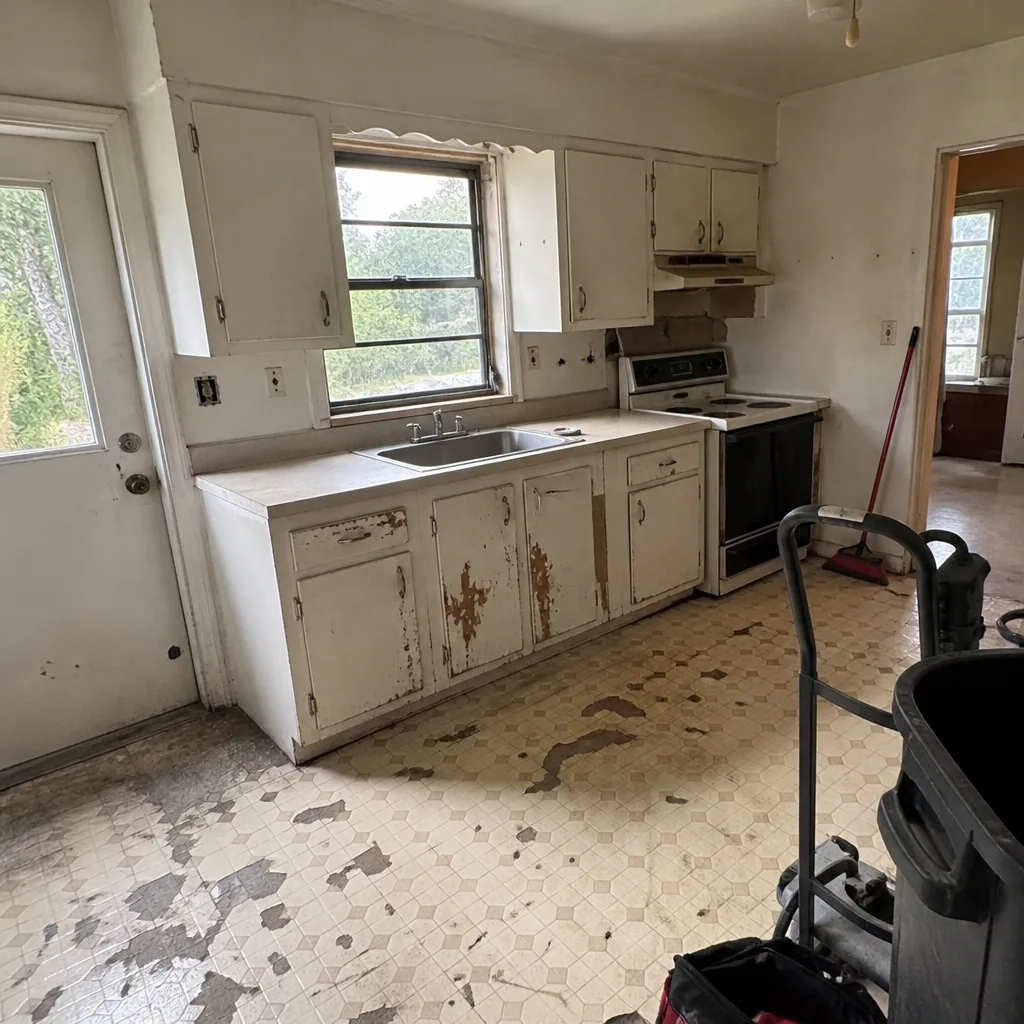
See the difference
 Before
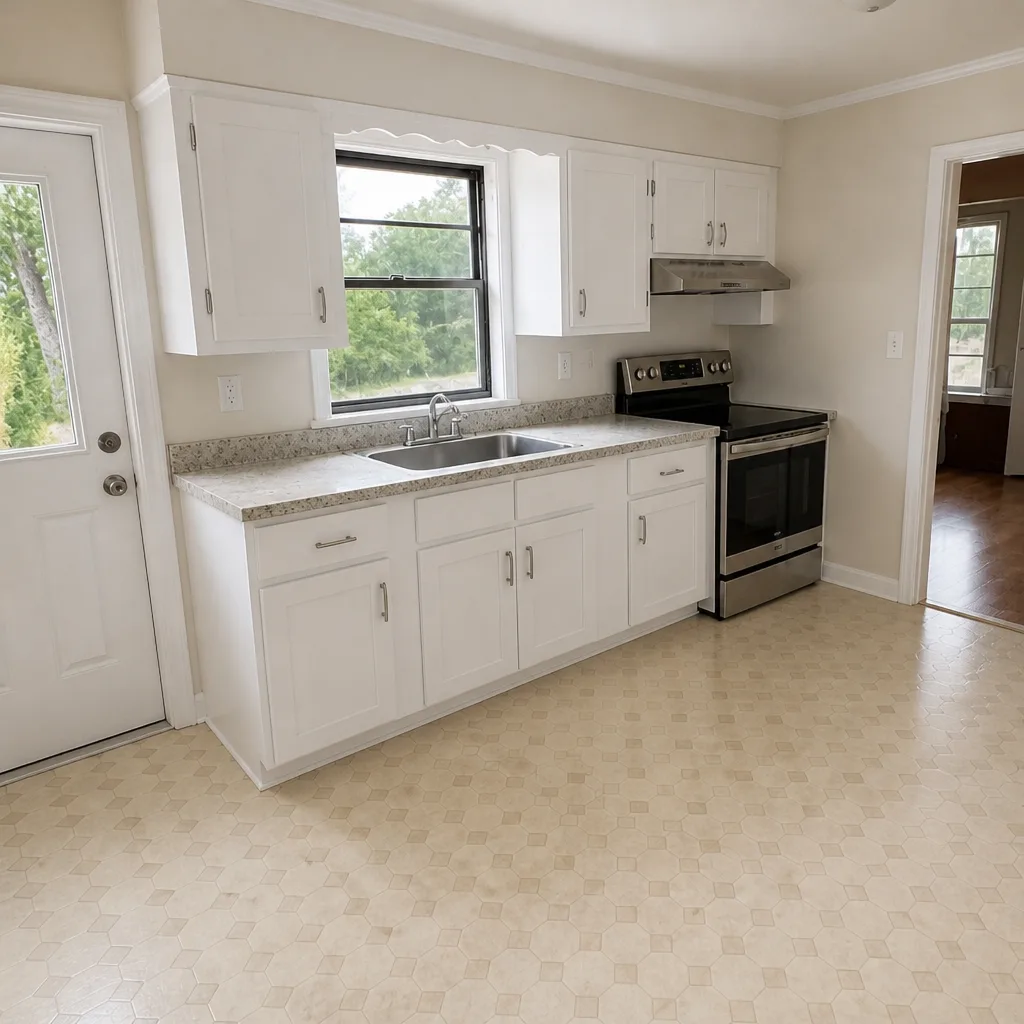 After
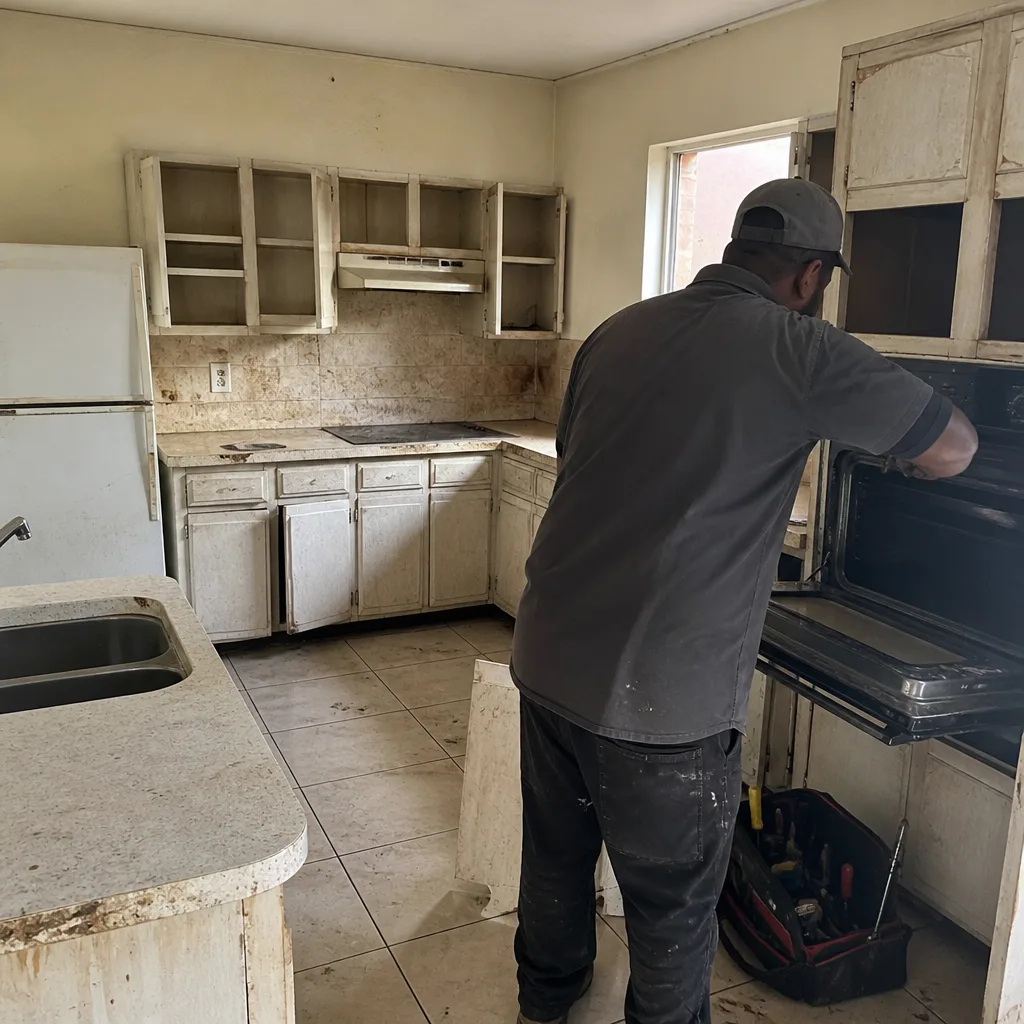 Before
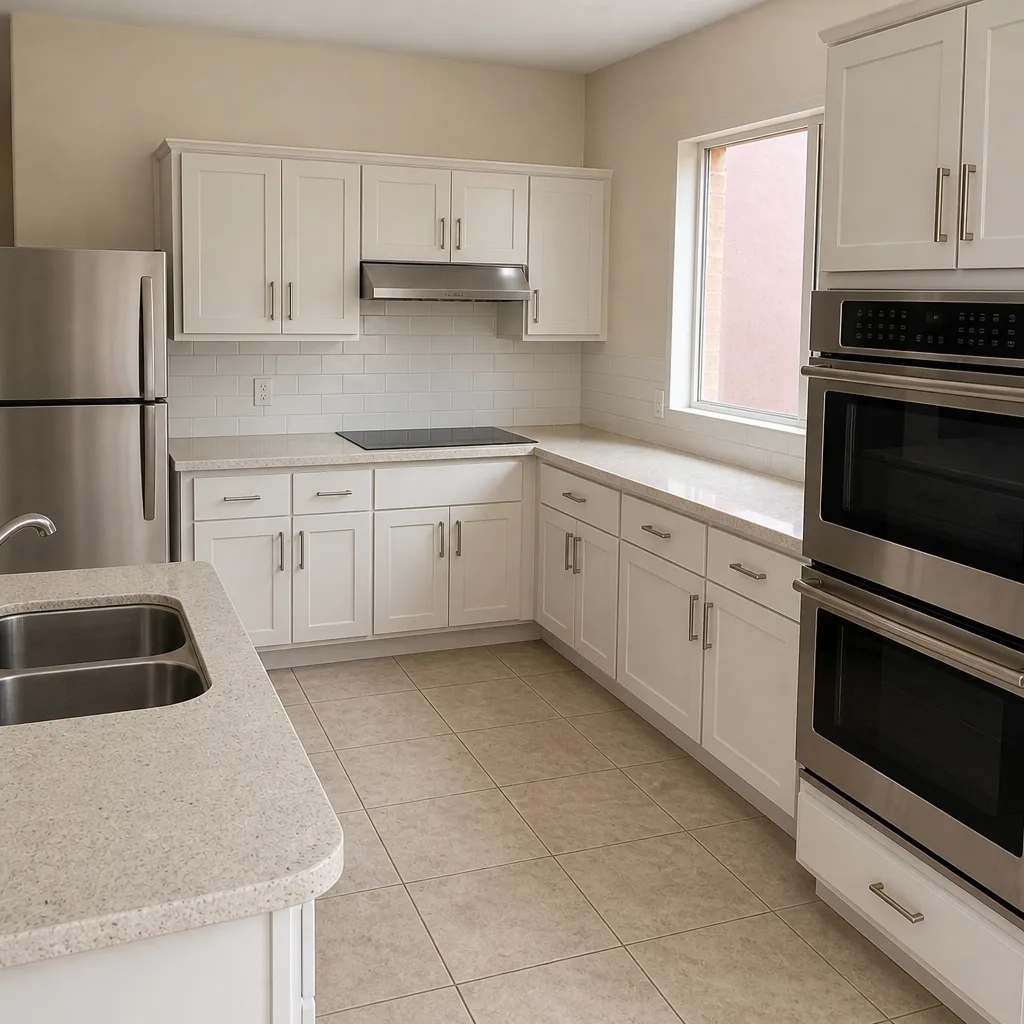 After
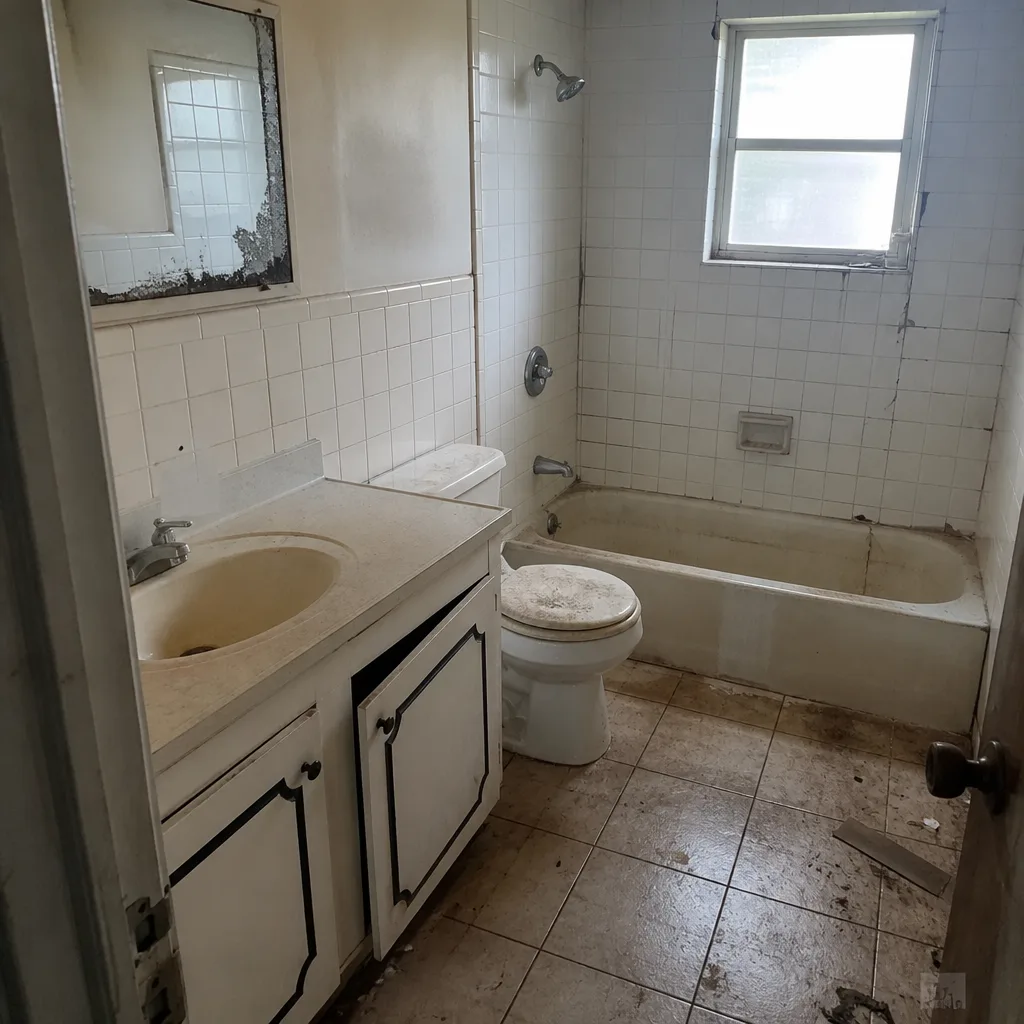 Before
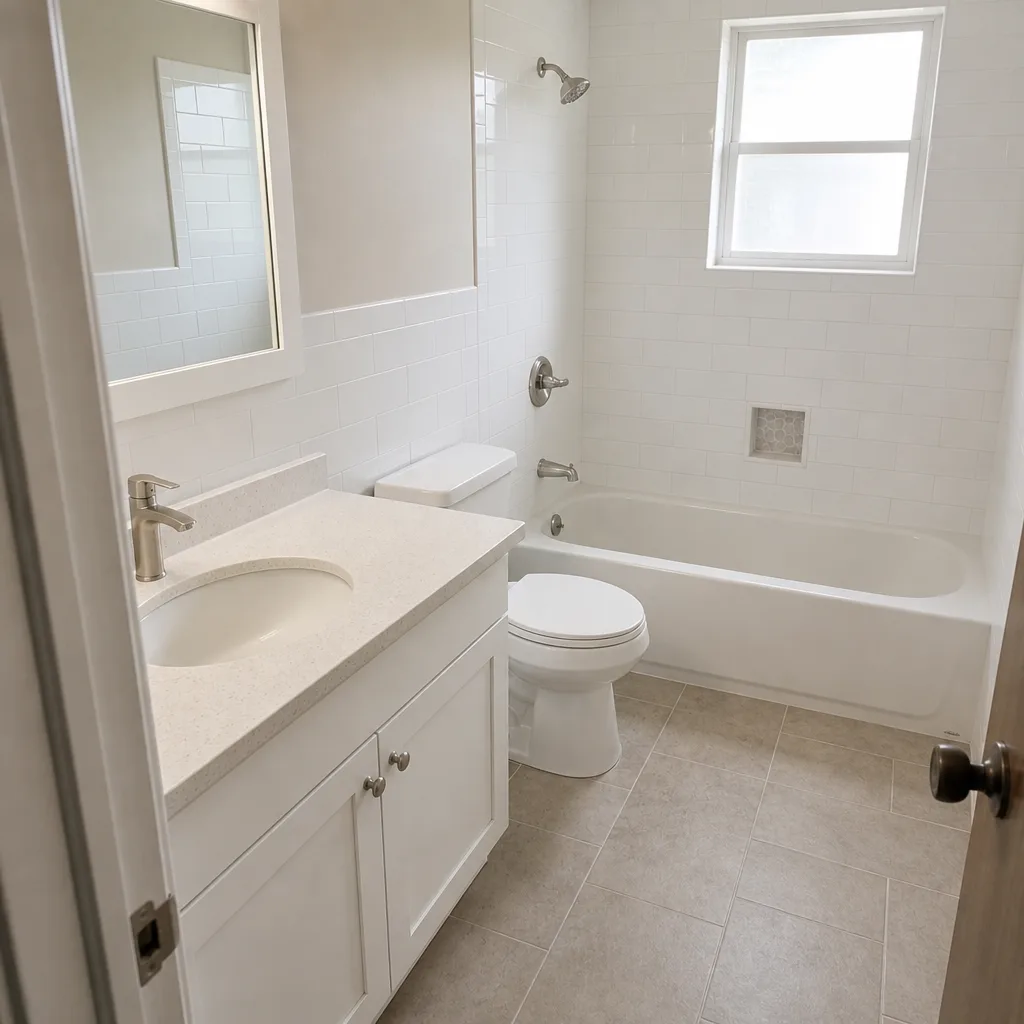 After
When to Call a Professional
Call a licensed contractor under Rowan Construction Group Homestead when the work touches any of the three systems in the decision tree: supply or drain lines, the waterproofing membrane or shower pan, or an electrical circuit. Also call if you’re relocating any fixture, converting a tub to a shower, opening a wall in a home built before 1990, or planning to sell within twelve months. For a $1,200 – $2,800 DIY tile job that has a real redo risk and an insurance question attached, the math usually points toward a professional. Estimates are free, and we write the price before anyone starts work. Call (844) 834-4248 to schedule yours.
Frequently Asked Questions
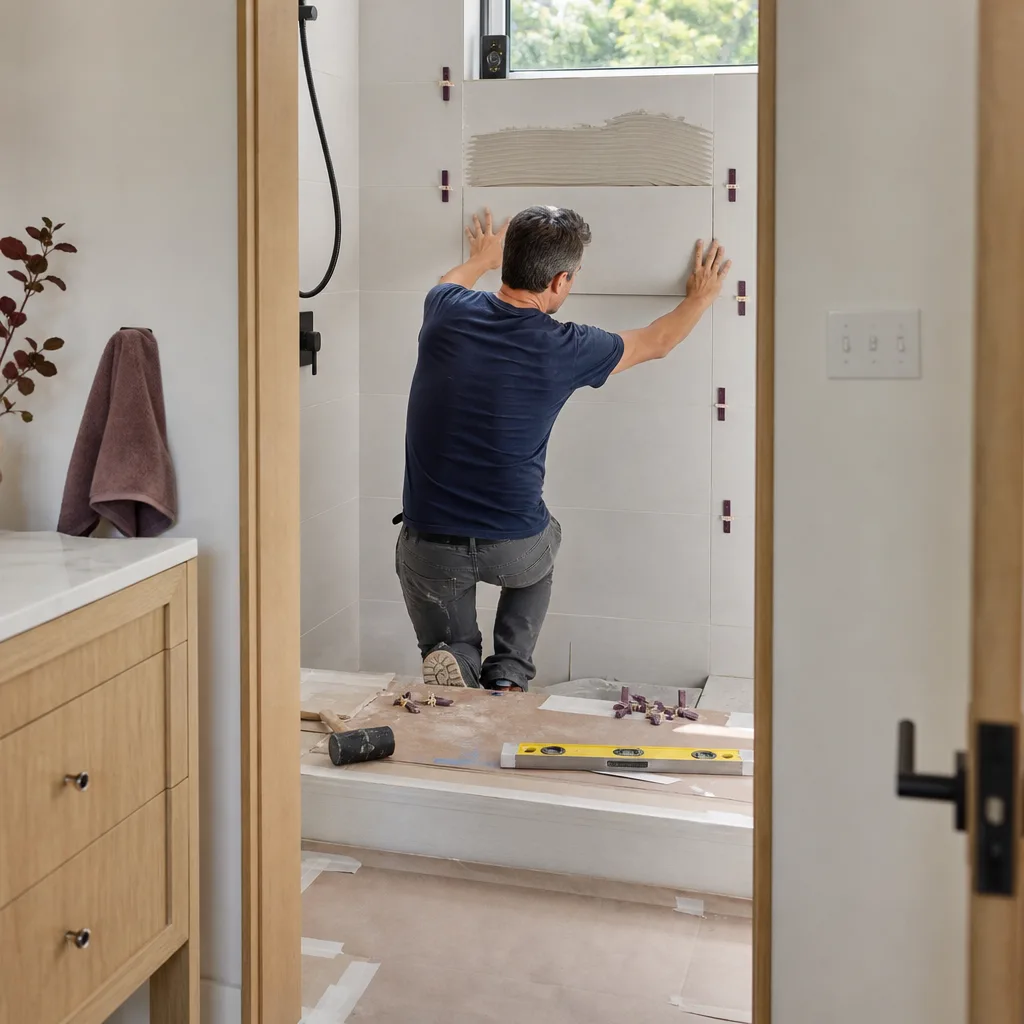
Yes, but only if you build it correctly with a permitted shower pan inspection. Miami-Dade requires a permit for any new shower pan or membrane installation, and the pan must be inspected before tile goes over it. Tiling without that inspection and without a licensed contractor of record puts the waterproofing outside the permit system, which is where the insurance risk starts.
Usually not. Many Florida policies exclude loss caused by faulty workmanship and deny water-damage claims that originate from plumbing installed or modified without a required permit. Read the exclusions section of your own policy; the exact language varies by carrier. Then call (844) 834-4248 if you want us to walk you through what documentation would make the work insurable.
Owner-builder status is a Florida Statute 489.103 provision that lets a homeowner permit work on their own primary residence without a contractor’s license. It’s legal, and for a large addition it can save real money. For a single bathroom, the liability transfer and the 12-month resale restriction usually make the savings less valuable than they look on paper.
Yes, if you are replacing like-for-like on the existing rough-in and not moving any plumbing. Miami-Dade generally doesn’t require a permit to swap a toilet or a faucet on existing supply lines. The moment you relocate a supply or drain, it becomes a plumbing permit.
A full mid-range bathroom remodel in Homestead typically lands between $14,000 and $28,000, depending on whether the shower pan and plumbing move, the finish level, and whether the home is pre-1990 with galvanized plumbing. The downside of DIY on the same project is usually a $3,500 – $6,500 redo when waterproofing fails, on top of the original material cost. Call (844) 834-4248 for a written estimate with the permit and inspection record priced into the number.
Generally, no permit is needed for demolition alone. But if the demo uncovers plumbing or electrical work that needs repair or relocation, the permit requirement kicks back in. If your Homestead home was built before 1990, have the demo area checked for lead and asbestos-containing materials before you start swinging a hammer.
The Bottom Line
In Homestead, the DIY vs professional question isn’t really about skill. It’s about the three systems that carry permit requirements and insurance risk: supply and drain lines, the waterproofing membrane and shower pan, and any electrical circuit. Demo, paint, trim, and fixture replacement on existing rough-ins are genuinely cost-effective to do yourself. Anything past those, the savings are usually smaller than the redo and often disappear entirely at the insurance adjuster’s desk. A bathroom remodel that ends with a permit and an inspection record is a bathroom remodel that carries a value beyond the tile. The rest is a story you’ll tell a contractor later.
Rowan Construction Group Homestead offers free estimates across all seven trades, and we write the price before work starts, every time. Background-checked, uniformed technicians, a live person answering calls 24/7, and a documented photo record on every visit. Call (844) 834-4248 to schedule your free estimate, or bring a competitor’s quote for a Free Second Opinion. The 365-Day Done Right Promise is printed on every page and backed by the Haven Standard, not a handshake.
Written by the team at Rowan Construction Group Homestead.