Last updated November 17, 2026
Free written scope consultation - allowances, timeline, and change-order rules on paper before a single trade is scheduled
Construction Cost Breakdown: The Homestead Homeowner’s Reference for 2026
A standard 3-tab shingle runs roughly $90 – $110 per square installed across most of Florida. In Homestead, you can’t legally put one on your roof. Miami-Dade’s High Velocity Hurricane Zone code prohibits 3-tab shingles outright, so the minimum acceptable product here is an approved laminate rated to 150 mph, at $145 – $175 per square installed, before the upgraded fastening pattern adds another $8 – $12 per square in labor. That single gap explains why Homestead construction costs run 8 – 15% above the Florida state average in wind-rated categories. This guide breaks down where that premium goes, trade by trade, so you can evaluate bids against numbers that actually apply here.
Quick Answer
Residential construction in Homestead in 2026 runs roughly 8 – 15% above the statewide average in roofing, windows, and structural work because Miami-Dade HVHZ rules require higher-specification products and slower installation methods. A re-roof lands at $145 – $175 per square for materials alone, impact windows run $45 – $75 per square foot installed, and a 300-square-foot addition typically totals $95,000 – $145,000 all-in. Budget a contingency of 10% under $50,000, 7% from $50,000 – $150,000, and 5% above $150,000.
Styles & brands we work with
- Kitchen remodeling
- Bathroom remodeling
- Home additions & ADU
- Roofing
- Windows & doors
- Driveway & pavers
- Fence
Table of Contents
- Cost per Square Foot, Trade by Trade
- The HVHZ Material Premium in Concrete Terms
- What a Homestead Building Permit Costs
- Why Bids Diverge by 20% or More
- The Contingency Framework
- How the Inspection Sequence Protects You
- Common Mistakes to Avoid
- Frequently Asked Questions
Cost per Square Foot, Trade by Trade
Statewide cost guides get quoted at homeowners in Homestead constantly, and they’re wrong here for a simple reason: Miami-Dade County sits in the High Velocity Hurricane Zone, and HVHZ rules govern what products may be installed on your home, not just how. Below are per-square-foot ranges for the seven trades we field the most questions about in Homestead, split into materials, labor, and permit fees. Numbers reflect 2025 – 2026 market pricing.
- Roofing (re-roof over existing, code-permitting): Materials $145 – $175 per square, labor $75 – $110 per square, permit $250 – $450. Full tear-off adds $60 – $95 per square in labor and disposal.
- Concrete flatwork (driveways, patios, walkways): Materials $4.50 – $6.50 per sq ft, labor $4 – $7 per sq ft, permit $150 – $300. Driving surfaces usually specify 3,500 – 4,000 psi mix.
- Wood framing additions: Materials $28 – $42 per sq ft, labor $45 – $65 per sq ft, permit $1,200 – $3,500 depending on square footage and impact-fee tier.
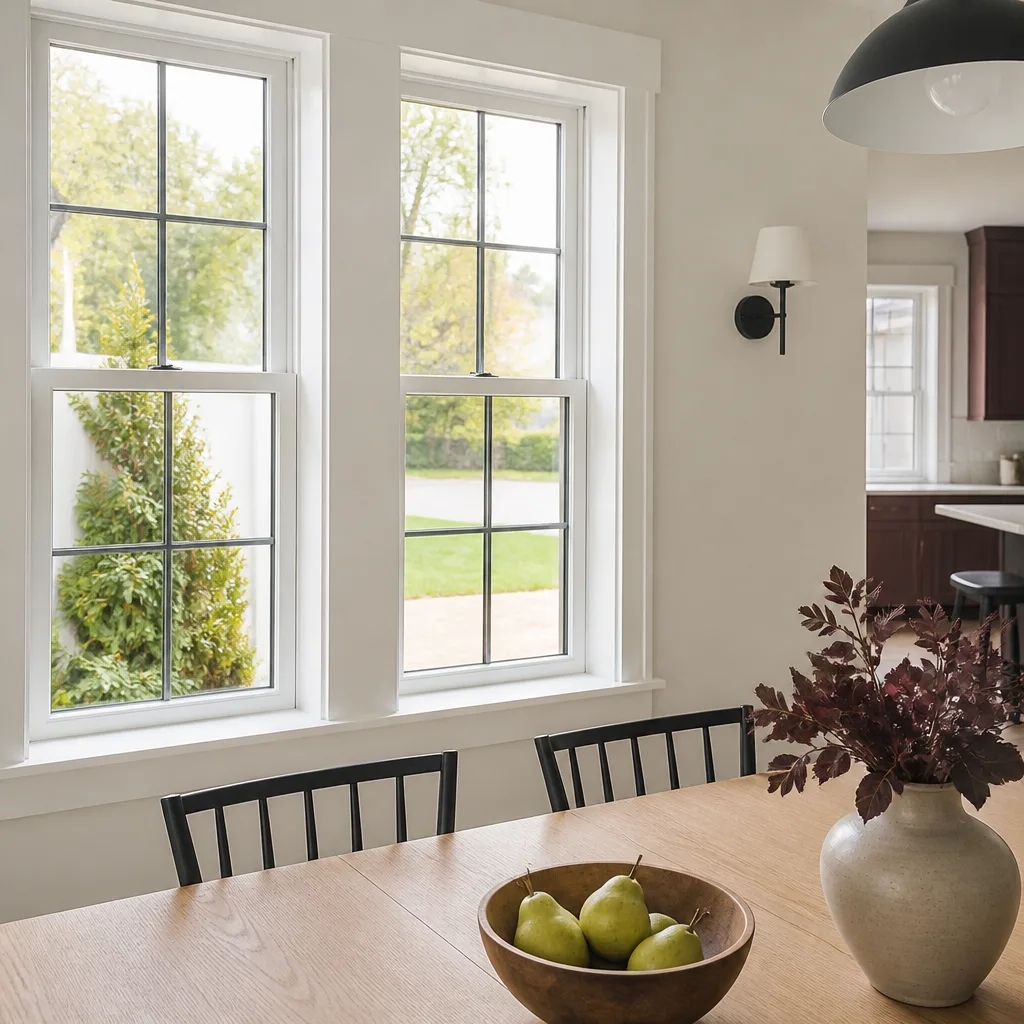
- Impact windows and doors: Product $35 – $55 per sq ft, installation $10 – $20 per sq ft, permit $200 – $400. Impact-rated glass under Miami-Dade NOA is mandatory, not optional.
- Exterior stucco: Materials $2.75 – $4.25 per sq ft, labor $4 – $6.50 per sq ft, no separate permit when tied to a larger permitted scope. Weep screed and three-coat systems are standard.
- Interior drywall finish (hang, tape, texture, prime): Materials $1.25 – $2.00 per sq ft, labor $2.50 – $4.25 per sq ft, permit rolled into the larger project.
- HVAC replacement: Equipment $3,500 – $6,500 for a 3-ton system, labor $1,200 – $2,400, permit and inspection $150 – $300.
Two things are worth flagging. First, the permit column isn’t optional in Homestead – every trade above requires a county inspection, and unpermitted work becomes a serious problem at resale. Second, materials pricing in wind-rated categories moves with aluminum and shingle supply chains, so a written quote should include a material-lock window rather than an open-ended allowance. That’s part of why every Rowan Construction Group project is quoted flat with a written scope before work begins.
The HVHZ Material Premium in Concrete Terms
The term “HVHZ premium” gets thrown around without numbers. Here are five specific product categories where Miami-Dade compliance forces a more expensive SKU than the state baseline, with current market differentials we see on Homestead bids.
- Shingles. Statewide baseline: 3-tab at $90 – $110 per square. Miami-Dade minimum: 150 mph rated laminate at $145 – $175 per square, plus $8 – $12 per square for the six-nail fastening pattern and rated underlayment. The SKU difference is roughly $60 – $85 per square before labor.
- Windows. Non-HVHZ double-pane runs $25 – $38 per sq ft. Miami-Dade NOA impact glass runs $45 – $75 per sq ft installed. The difference is laminated glass, a heavier frame, and a product approval certificate the manufacturer must produce.
- Structural connectors. Standard Simpson hangers and straps run $0.60 – $1.20 each. HVHZ-rated connectors run $1.80 – $3.50 each, and the count per addition is higher because of the fastening schedule. On a 300-sq-ft addition, that’s $800 – $1,800 of connector-only premium.
- Exterior doors. Standard fiberglass entry: $650 – $1,100. Impact-rated entry door with NOA: $1,800 – $3,200. Garage doors follow the same pattern, roughly double the non-HVHZ price.
- Roof underlayment. Felt underlayment runs $0.08 – $0.15 per sq ft. HVHZ-required peel-and-stick runs $0.45 – $0.75 per sq ft. On a 2,000 sq ft roof, that’s a $700 – $1,200 line-item difference.
We’re partial to CertainTeed and Owens Corning laminate lines in Homestead because both carry NOA approvals with current approval numbers we can pull at plan review. But the point isn’t a brand preference – it’s that the premium isn’t padding. It’s code.
What a Homestead Building Permit Costs
Permit dollars are the single biggest line item homeowners underestimate, because a Homestead permit isn’t one fee – it’s plan review, inspection, and impact fees stacked. Here’s what a typical project lands at.
- Re-roof: Plan review $150 – $250, inspections $100 – $200, total $250 – $450. Roofing is the cheapest permit pull because the plan set is standard.
- Addition under 500 sq ft: Plan review $450 – $900, inspections $350 – $700, impact fees tiered by square footage – expect $2,500 – $8,000 on the addition itself if your property is inside the county’s impact-fee schedule triggers. Total: $3,300 – $9,600.
- Full kitchen remodel: Plan review $250 – $500, inspections $150 – $350, total $400 – $850. No impact fee because square footage doesn’t change.
- New accessory structure (shed, detached garage, carport): Plan review $200 – $450, inspections $150 – $300, plus impact fees on the footprint. Total: $450 – $1,200 depending on size.
A note on impact fees: Miami-Dade’s schedule applies to any addition over 100 sq ft because the county treats added livable space as new demand on roads, parks, and water. The fee isn’t discretionary and can’t be negotiated. If a Homestead bid you’re comparing doesn’t mention it on an addition, ask where it went, because it didn’t disappear. If you’re planning an addition or detached structure, our team at Home Additions & ADU in Homestead walks through the fee structure line by line before any paperwork is filed.
Why Bids Diverge by 20% or More
Two Homestead contractors can look at the same 200-square-foot stucco repair and hand you numbers that are $4,000 apart. That gap almost never comes from markup – it comes from three specific differences in how the bid is written.
- How unknown conditions are handled. A bid that prices “stucco repair, up to 200 sq ft” is silent on what happens if the substrate underneath is rotted or the slab is thinner than expected. A bid that says “stucco repair, T&M beyond 200 sq ft at $X/hr” caps your exposure. When we quote at Rowan, the scope says what’s included and what triggers a written change order – nothing proceeds on a change until it’s signed.
- Whether the change-order clause has a markup cap. Some contracts let the contractor mark up change-order labor 20 – 35% with no ceiling. Others cap it. Ask the question directly: “What’s your markup on change orders, and is there a cap?” A contractor who can answer in writing in under a minute is a different kind of contractor.
- Whether permit fees are in the base or billed as a pass-through. A $95,000 addition bid with the permit “billed at cost” is really a $98,500 bid once fees land. Ask for the number inclusive of permit and inspection, and ask what happens if a re-inspection is required.
The written price should be a flat number with a written scope, not a range with asterisks. “Call for a quote” isn’t a real quote in Homestead because the labor and material variables are too specific to the property to estimate over the phone.
The Contingency Framework
Hidden conditions are real, and Miami-Dade’s inspection-heavy sequence doesn’t eliminate them – but it reduces them. Because every phase of a Homestead project is inspected by the county before the next phase can begin, foundational problems surface early rather than at the end. Slab depth, anchor bolt placement, and framing connectors are all checked at specific stages. That’s meaningfully different from markets where a single final inspection catches everything at once.
Our framework for setting aside contingency:
- Projects under $50,000: hold 10% back. The percentage is higher because the fixed costs of unknown conditions don’t scale down with project size – finding rot behind a 60-square-foot bathroom wall costs the same as finding it behind 200 square feet.
- Projects $50,000 – $150,000: hold 7% back. Same logic, but larger projects spread the fixed-cost risk across more scope.
- Projects over $150,000: hold 5% back. By this size, a well-written scope covers most of what would otherwise blow the budget, and a signed change-order discipline covers the rest.
That contingency isn’t there because we expect to spend it. It’s there because the alternative is a project that stops mid-stream and turns into a financing problem. Across the Rowan portfolio, projects track within a few percent of the agreed number because of that discipline, not because contingency never gets touched.
How the Inspection Sequence Protects You
Homestead projects follow a mandatory county inspection sequence that changes how you should think about contingency. Rather than one final inspection, work proceeds through phased sign-offs: footer, slab, framing, rough mechanical and electrical, insulation, drywall, final. Each phase must pass before the next begins in most scopes.
What that means in practice: if a slab is poured incorrectly, you know before the framing crew shows up. If wiring is undersized, it’s caught before drywall closes the wall. Every Roy Row project includes a documented photo record as a standard deliverable, so you see what the inspector sees – not just the summary email that follows.
The advantage over less-strict markets is real, but it’s partial. The most common hidden-condition surprises in Homestead still happen: undersized existing panels on older ranch properties around Leisure City and Naranja where 1960s – 1970s construction is still in place; stucco applied over inconsistent substrate depth resulting in uneven crack propagation; and impact window openings that don’t meet current NOA anchorage schedules. Each of these surfaces at inspection and each triggers a written change order if scope shifts.
For pavement and exterior work – which follows the same discipline – the specifics live on our Driveway & Pavers in Homestead page. Fencing follows a simplified permit path in unincorporated areas, but residential fencing along the perimeter of a Homestead property with a pool still requires a barrier inspection, which you can read more about in our Fence Installation in Homestead guide.
Common Mistakes to Avoid
- Comparing an HVHZ bid to a statewide average. Homestead costs are higher by law in wind-rated categories. Using a national average to judge a local bid is guaranteed to lead to a rejected fair number and an accepted low one.
- Accepting a bid with no written change-order clause. If the contract says “additional work billed at prevailing rates,” you have no ceiling. Insist on a written change-order procedure with a stated markup cap.
- Assuming permits are included in the base price. A lot of Homestead bids exclude plan review, inspection, and impact fees from the “total.” Ask for the number inclusive of every county fee before signing.
- Ignoring the impact-fee tier on additions. Any addition over 100 sq ft triggers a Miami-Dade impact fee that can run $2,500 – $8,000. A bid that omits it will become a change order.
- Not checking NOA approval numbers. “Impact-rated” is a marketing phrase. Miami-Dade NOA is the document. Every window, door, and roof product installed on your Homestead home must have a current NOA, and you should be handed the approval number in writing.
- Setting a contingency too low because the inspector is watching. Inspections catch code issues, not unknown conditions. They reduce surprise, not eliminate it.
- Comparing labor by rate without checking scope. A $55/hr crew with a four-trade sub-list is not the same as a $75/hr crew doing everything within one contract. Compare the scope line by line.
See the difference
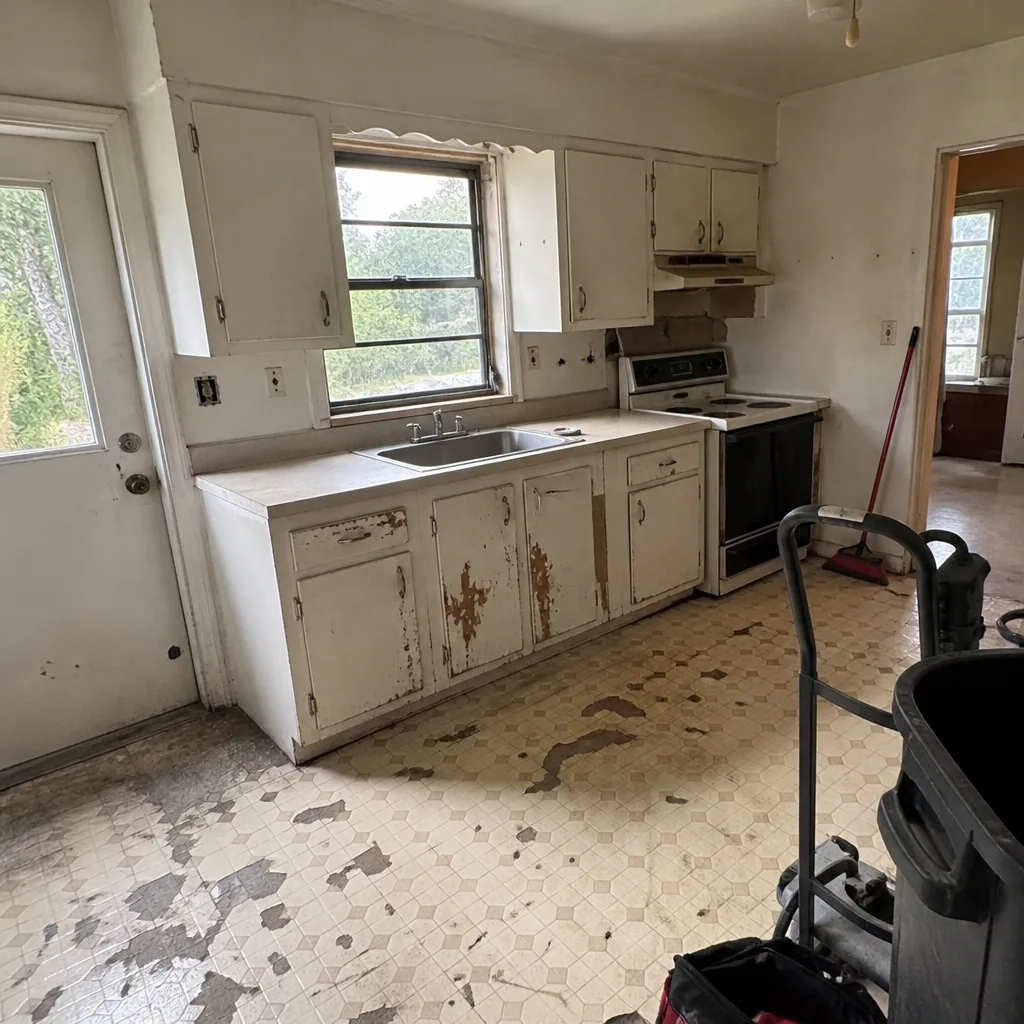 Before
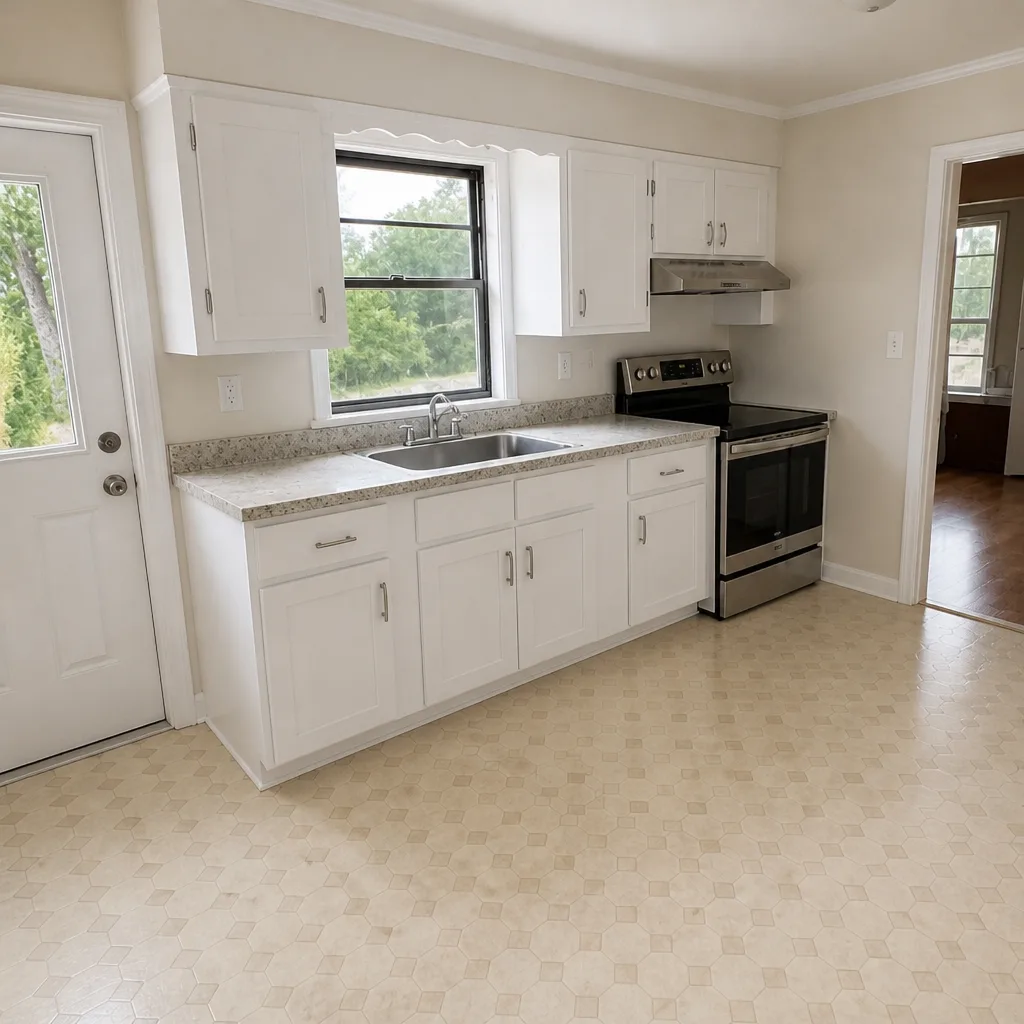 After
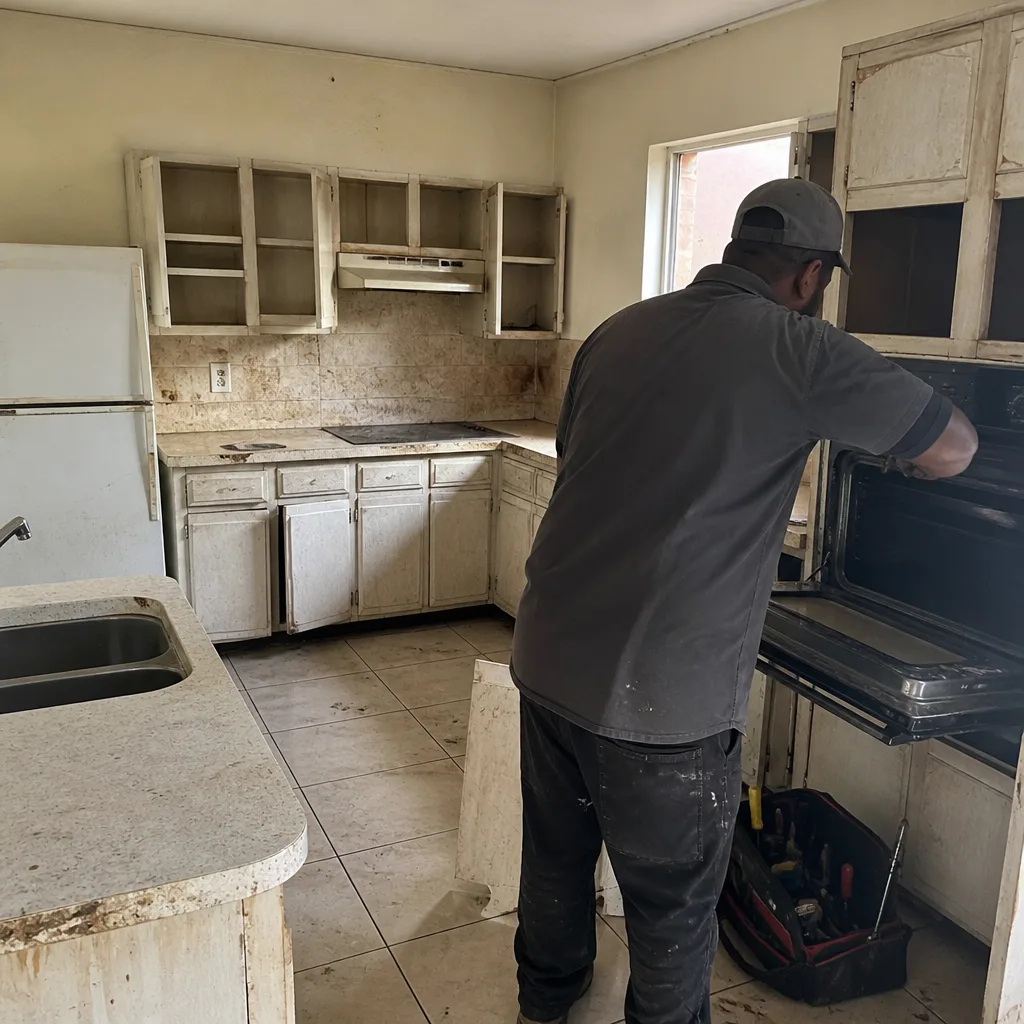 Before
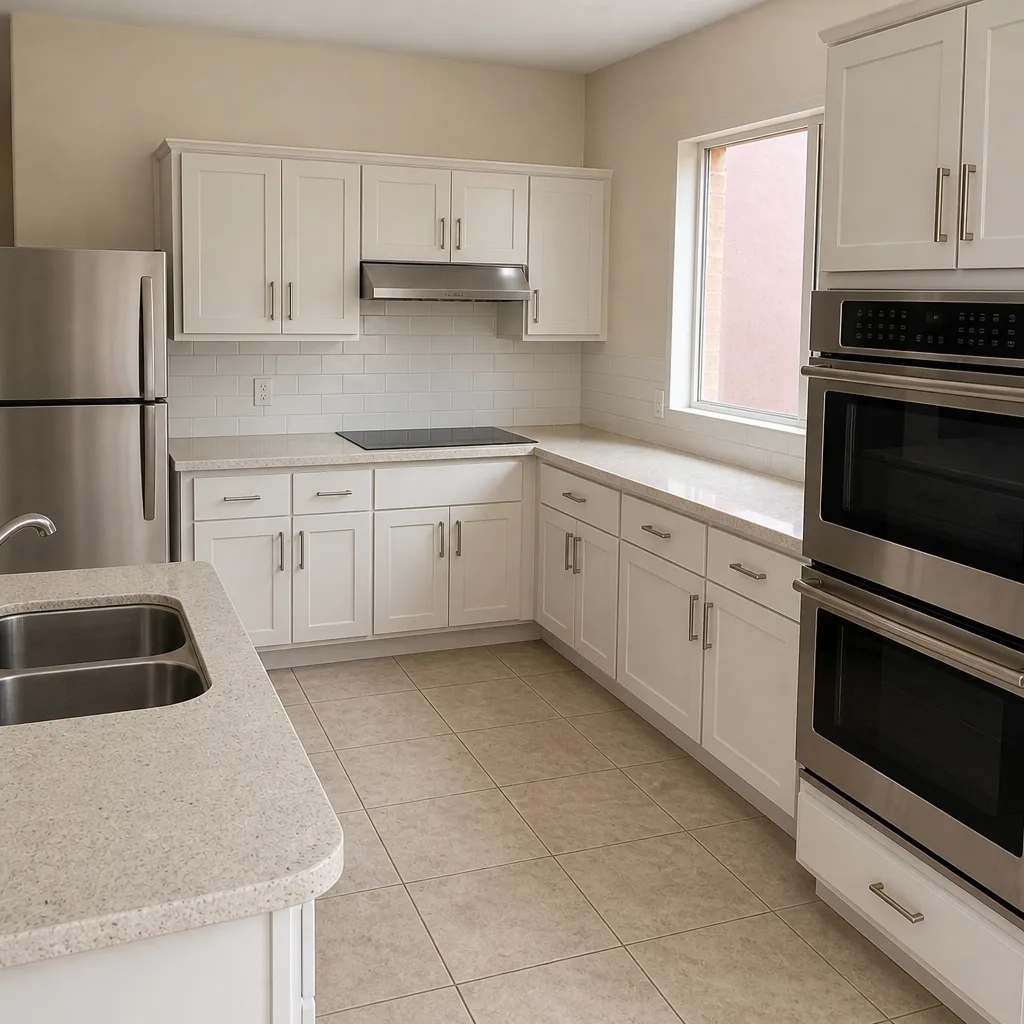 After
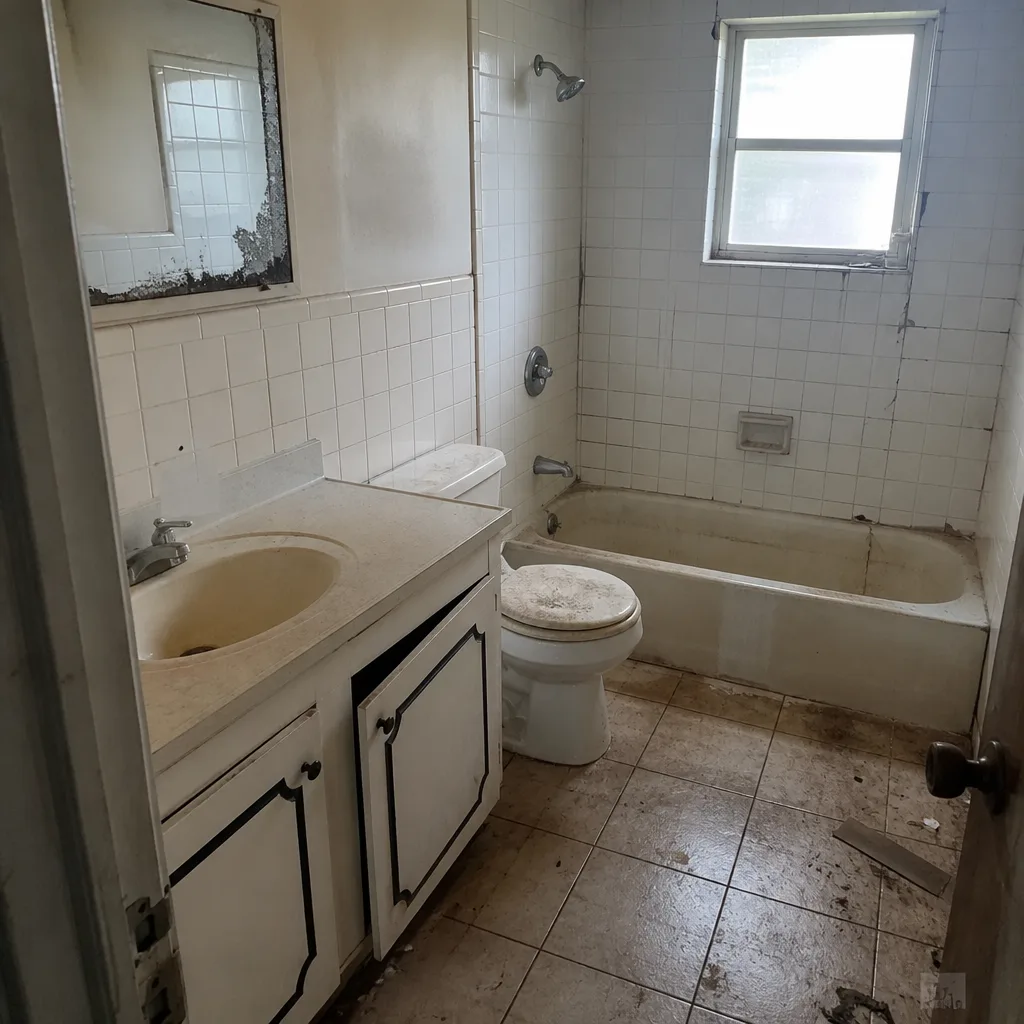 Before
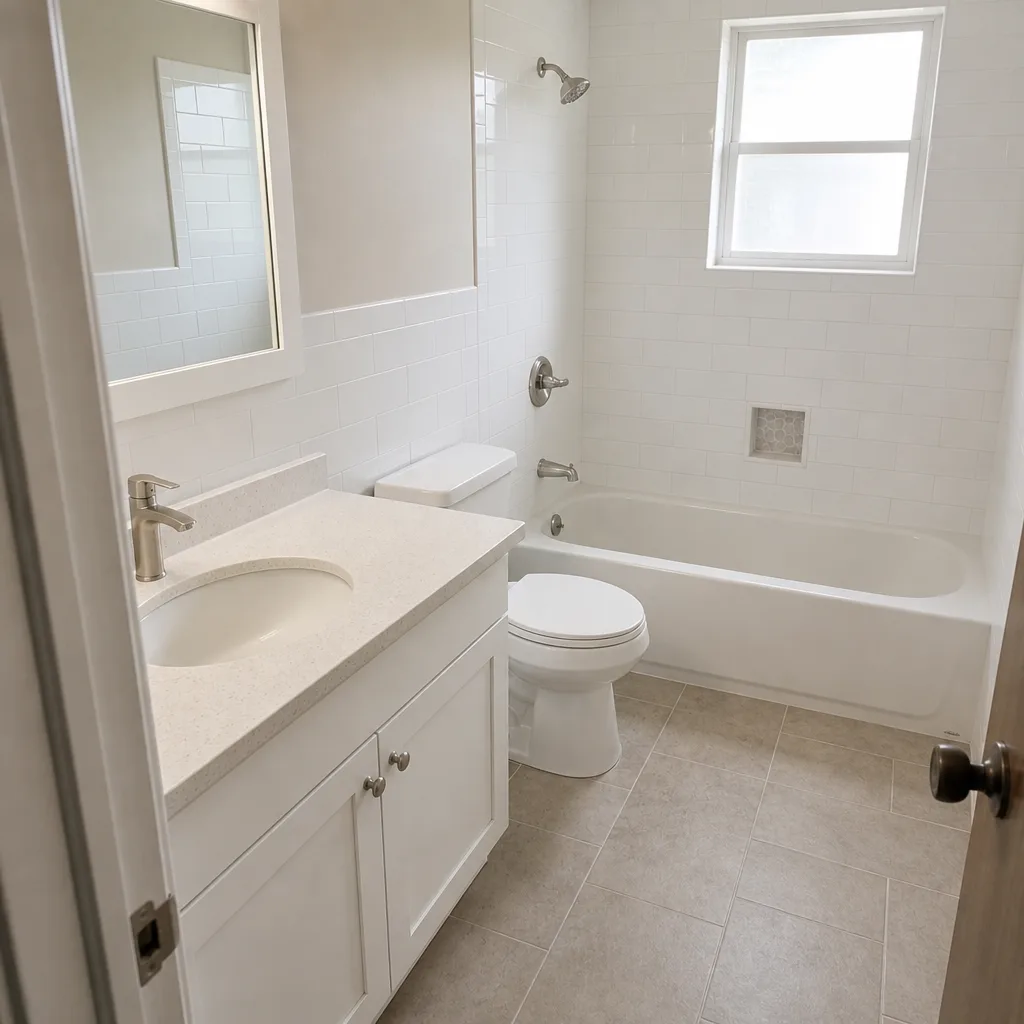 After
When to Call a Professional
Some decisions in Homestead shouldn’t wait. If you’re facing a bid you don’t understand and a deadline to sign, call us before you sign it. If you’ve discovered stucco cracking that runs through a wall rather than just across it, that’s a substrate issue, not a paint problem. If your existing roof is over 15 years old and has lost granules after a storm season, the re-roof math needs a real number before insurance forces the decision. If a contractor’s bid on a Homestead addition excludes permits, impact fees, or a change-order clause, get a second look – a free second opinion on any written estimate is standard with us, and we’ll review it line by line at no charge. Rowan Construction Group Homestead offers free estimates in Homestead – call (844) 834-4248 to schedule yours.
Frequently Asked Questions
Homestead sits inside Miami-Dade’s High Velocity Hurricane Zone, which requires higher-specification products in roofing, windows, doors, and structural work. A 3-tab shingle that’s legal statewide is prohibited here; the minimum acceptable product is a 150 mph-rated laminate that runs $145 – $175 per square installed versus $90 – $110 statewide. The 8 – 15% premium across wind-rated categories reflects code, not markup. Call (844) 834-4248 for a free estimate specific to your property.
A Homestead re-roof permit runs $250 – $450 for the combined plan review and inspection fees. Roofing is the least expensive permit pull because most plan sets are standard. If your re-roof involves structural repairs, expect the plan review tier to increase. Call (844) 834-4248 and we’ll quote the inclusive number.
Yes, and you’ll also face Miami-Dade impact fees on top of standard permit costs because any addition over 100 sq ft triggers the impact-fee schedule. Plan review runs $450 – $900, inspections $350 – $700, and impact fees $2,500 – $8,000 depending on square footage and property specifics. The all-in permit-and-fee total is typically $3,300 – $9,600. Call (844) 834-4248 for a written quote that includes every fee.
Compare the bid’s line items against the per-square-foot ranges in this guide, not against statewide averages. Then check three clauses: the change-order procedure (does it include a markup cap?), the permit inclusion (is the permit fee in the base price or billed as pass-through?), and the unknown-conditions language (does the bid state what’s included versus what triggers a change?).
Call (844) 834-4248 and bring a competitor’s quote – a second opinion on any written estimate is free, and we’ll review it line by line.
No, if the contractor operates on the fixed-price-with-written-scope model. The original price should hold, and any change should trigger a signed change order before work proceeds. Under our Haven Standard Clause 1, that’s the rule on every trade. If a Homestead contractor won’t put a markup cap on their change-order clause in writing, that’s your signal.
Call (844) 834-4248 for a written estimate with no change-order surprises.
Plan review in Miami-Dade runs 4 – 8 weeks depending on the tier, and buildout on a 300-sq-ft addition takes 10 – 16 weeks after permit issuance. Renovation projects skip the impact-fee tier and typically take 6 – 10 weeks. The permit timeline is the biggest variable and is set by the county, not the contractor. Call (844) 834-4248 for a project schedule written into the scope.
The Bottom Line
Homestead construction costs aren’t higher because Homestead contractors charge more – they’re higher because Miami-Dade’s HVHZ rules require different products, and those products carry a real price gap. The 8 – 15% premium you see in roofing, windows, doors, and connectors is measurable, scoped, and traceable to specific NOA-approved SKUs. Use the per-square-foot ranges here as your benchmark rather than statewide averages. Insist on a written change-order clause with a markup cap, ask whether permits and impact fees are in the base or pass-through, and hold the contingency framework we laid out: 10% under $50,000, 7% from $50,000 – $150,000, 5% above. The Homestead inspection sequence catches code issues before they compound, but it doesn’t eliminate unknown conditions, and a disciplined change-order contract is what keeps a project inside the number you agreed to.
Get a Written Price for Your Homestead Project
Rowan Construction Group Homestead quotes every project with a flat written price and a written scope before work begins. No “call for a quote,” no change-order surprises, and no permit fee that appears after you’ve signed. Whether you’re evaluating a re-roof, an addition, an ADU, or three competing bids, we’ll give you a line-item number you can screenshot and compare. The 365-Day Done Right Promise, no-hassle upfront pricing, and free second opinion on any written estimate are standing offers on every trade, on every Homestead job. Call (844) 834-4248 to schedule your free estimate, or start with our Rowan Construction Group Homestead home page to see the seven trades we quote in writing.
Written by the team at Rowan Construction Group Homestead.