Last updated November 17, 2026
Free written scope consultation - allowances, timeline, and change-order rules on paper before a single trade is scheduled
DIY vs Professional Construction: The Homestead Homeowner’s Decision Guide
A Homestead homeowner can legally install their own roof as an owner-builder. That’s the part most guides stop at. The part they skip is what happens at inspection: to pass Miami-Dade’s High-Velocity Hurricane Zone dry-in and final roof inspections, the homeowner has to demonstrate that every fastener meets the approved pattern, every product carries a valid NOA (Notice of Acceptance, the county’s product-approval document), and the underlayment went down per the manufacturer’s HVHZ-specific instructions. The inspection isn’t a conversation. It’s a documentation review. If the paperwork doesn’t line up, the work doesn’t count. This guide draws the real line between what you can do yourself in Homestead and what the code will quietly force back into a licensed contractor’s hands.
Quick Answer
In Homestead, the DIY-versus-hire decision comes down to permit eligibility and HVHZ documentation, not skill level. Florida law lets homeowners pull their own permits as owner-builders, but Miami-Dade’s High-Velocity Hurricane Zone requirements add a product-approval and inspection-documentation burden that makes roofing, window installation, and electrical panel work impractical for DIY even when it’s technically legal. Interior painting, landscaping, non-structural demolition, cabinet installation, and tile over an existing substrate are the trades where doing it yourself genuinely works.
Styles & brands we work with
- Kitchen remodeling
- Bathroom remodeling
- Home additions & ADU
- Roofing
- Windows & doors
- Driveway & pavers
- Fence
Table of Contents
- What Florida’s owner-builder exemption actually allows
- What Miami-Dade adds on top of state law
- Where DIY is practically viable in Homestead
- Where DIY is legal but practically fails
- A real cost comparison: 200 sq ft bathroom tile
- Insurance and resale consequences of unpermitted work
- Common mistakes to avoid
- Frequently asked questions
What Florida’s owner-builder exemption actually allows
Florida Statute 489.103(7) is the provision that lets a homeowner act as their own contractor. It applies to a single-family residence that the owner occupies or intends to occupy. Under it, you can pull permits, supervise the work, and do the construction yourself without holding a contractor’s license. That’s a real exemption and it’s not a loophole. It exists because a person building or improving their own home has a direct stake in the outcome.
What the exemption does not allow is equally specific:
- You cannot sell or lease the property within one year of completing the work without triggering a legal presumption that you were operating as an unlicensed contractor. That presumption is a second-degree misdemeanor in Florida, and it shifts the burden of proof onto you.
- You cannot build for someone else. The exemption is tied to your own residence, not a rental you own or a family member’s house.
- You cannot pull a permit for a structural change to a multi-family building or any commercial property under the owner-builder exemption.
- You must sign an owner-builder affidavit at the permitting office and, for some permit types, record a notice in the public record.
In Homestead, the building department applies this rule without flexibility. The affidavit is a sworn statement. If the work later fails an inspection or a buyer’s inspector finds the permit trail doesn’t match the property record, the affidavit becomes evidence, not paperwork. For homeowners weighing a project in the Homestead market, understanding this exemption is the first real decision point. Our Rowan Construction Group Homestead home page explains how we quote a project under the written-price discipline, which matters more once you understand what the permit side actually requires.
What Miami-Dade adds on top of state law
Florida’s owner-builder exemption is statewide. Miami-Dade County’s High-Velocity Hurricane Zone is not. The HVHZ designation, which covers all of Miami-Dade and Broward, governs how buildings in this wind zone must be built. For a Homestead homeowner doing permitted work, the practical effect is a set of documentation requirements that go well beyond a standard inspection.
Here’s what the county requires that a general Florida county does not:
- A valid NOA for every product used in the building envelope. Roofing underlayment, shingles, windows, doors, and fasteners each need a Miami-Dade Notice of Acceptance, which is a document the county issues after testing a product to HVHZ standards. A product that’s fine in Tampa may not carry an NOA. Without one, the inspector cannot approve the installation.
- Fastener patterns that match the approved NOA exactly. The NOA specifies how many fasteners per shingle, per square foot, at what spacing, into what substrate. Deviating by an inch can fail the dry-in inspection, and the correction is a tear-off.
- Manufacturer installation instructions specific to HVHZ. The underlayment installation isn’t generic. Manufacturers publish HVHZ-specific instructions and the inspector will ask for them.
- An owner-builder affidavit plus, for some scopes, a recorded disclosure. The county wants the permit applicant identified as a non-licensed owner, in writing.
- Photo documentation at multiple inspection stages. Roof dry-in, window flashing, and structural connections often require photos submitted before the inspection is scheduled.
None of this makes DIY illegal. It makes certain types of DIY a documentation exercise most homeowners aren’t equipped to complete on the first try. In our experience in Homestead, the inspection failures we see aren’t craftsmanship failures. They’re paperwork and pattern failures.
Where DIY is practically viable in Homestead
Plenty of Homestead projects are genuinely doable by a careful homeowner who pulls the right permits and follows the checklists. The five below are the ones we see done well most often.
- Interior painting. No permit is required in Homestead for repainting an interior surface as long as you’re not disturbing lead paint in a pre-1978 home (which requires a certified renovator). It’s labor, prep, and patience. A 200 sq ft room takes one careful weekend.
- Landscaping. Planting, sod, mulch, and irrigation repairs don’t need a permit. New hardscape over a certain size or new drainage that ties into the storm system may require one, so ask the Homestead building department before you rent a trencher.
- Non-structural interior demolition. Pulling out drywall, cabinets, or old flooring that isn’t load-bearing or part of a shear wall is often permitted as demolition-only, sometimes without a full trade permit. The catch: in Homestead’s cinder-block construction, knowing which walls are shear walls (structural panels that resist wind) requires a plan review. That’s the line.
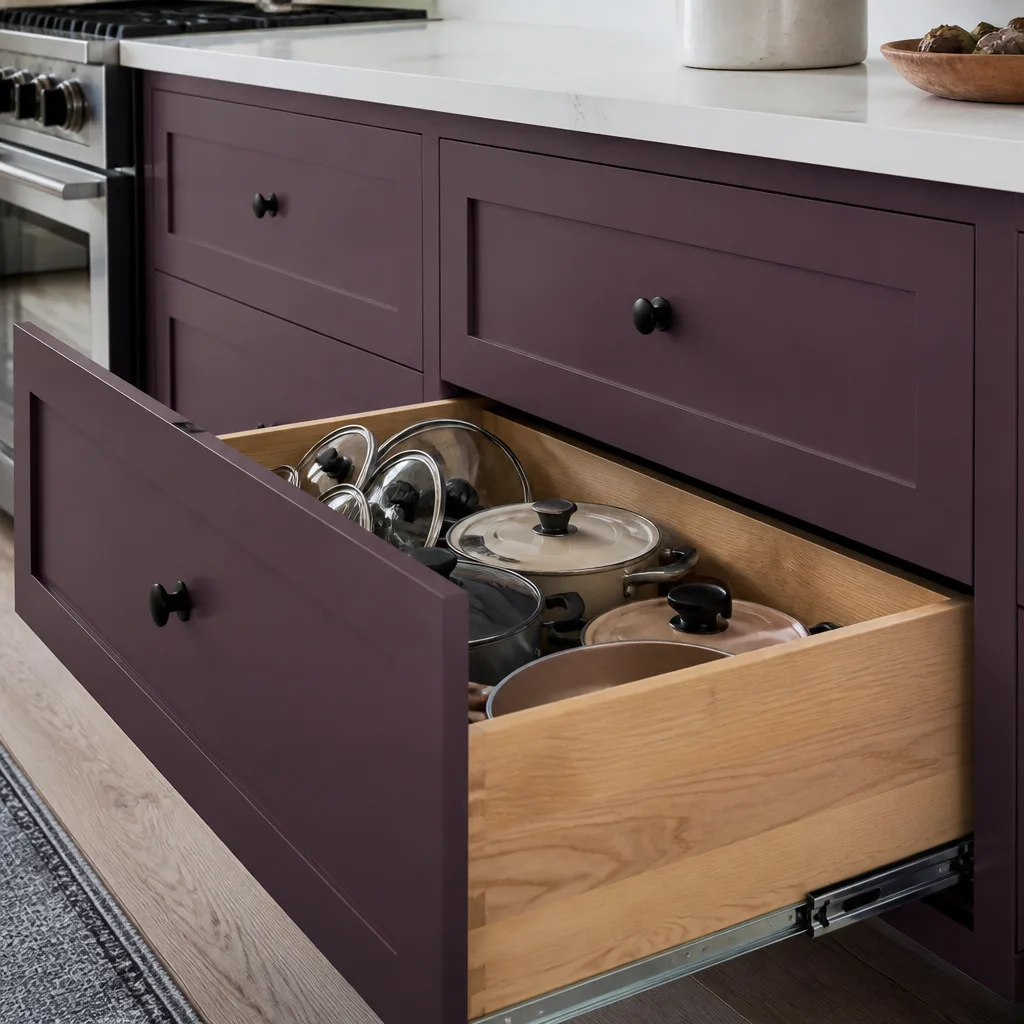
- Cabinet installation. A homeowner can set cabinets in a kitchen or bath. Plumbing and electrical connections typically need a licensed trade, but hanging boxes and installing counters can be done. If you’re selecting finishes, brands like Caesarstone and Kohler are what we source most often; the Home Additions & ADU in Homestead page covers how those pieces integrate when the scope is bigger.
- Tile work on an existing substrate. Tile over a sound concrete slab or an existing properly-bonded tile floor is DIY-viable. What’s not is building a shower pan from scratch, because that’s where the waterproof membrane (the waterproofing layer behind tile) and flood-test inspection live, and failures there are catastrophic.
“With a permit” means different things for each. Painting and landscaping don’t require one. Non-structural demolition and cabinet installation typically do require a permit if drywall or framing is opened. Tile work over an existing substrate usually does not, but a shower rebuild always does.
Where DIY is legal but practically fails
These are the trades where a Homestead homeowner can legally pull an owner-builder permit but the HVHZ inspection requirements make completion impractical. The work isn’t illegal. It just won’t pass.
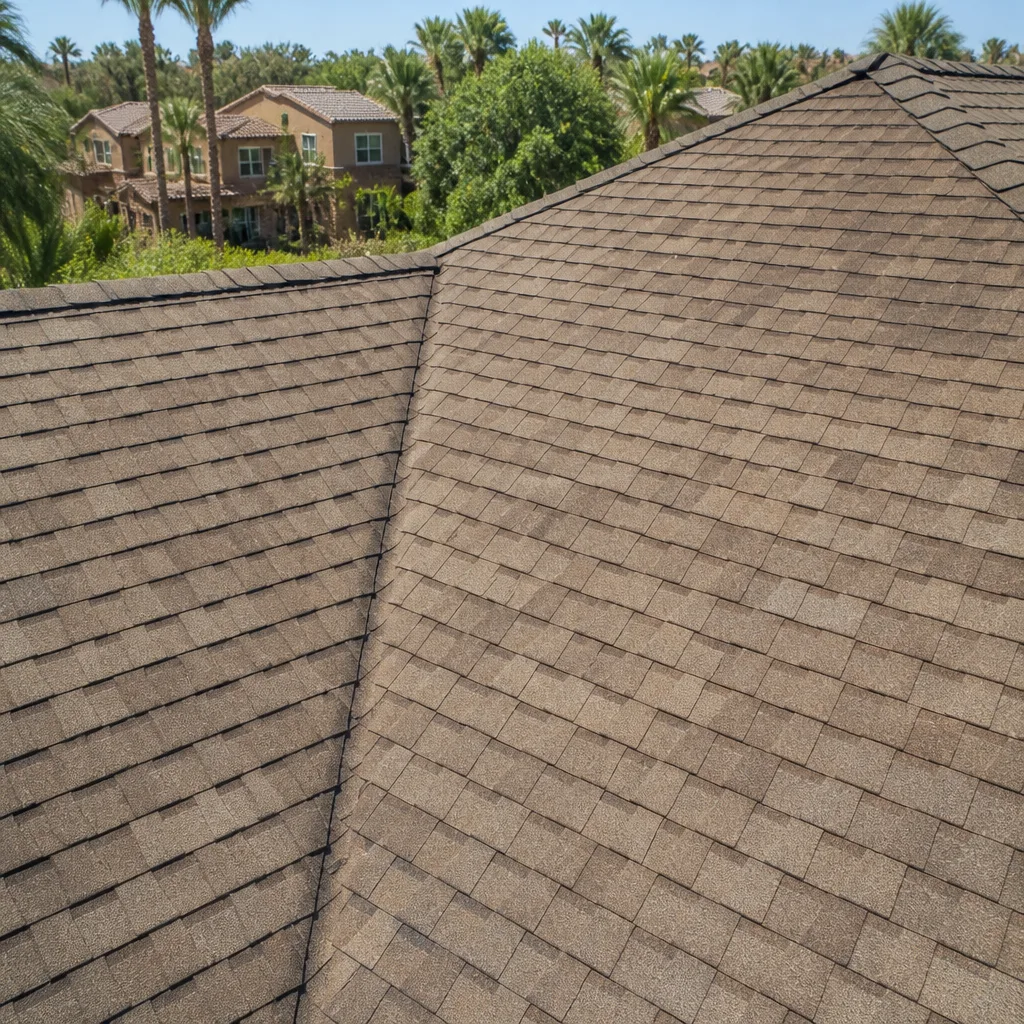
- Roofing. The dry-in inspection has to show correct fastener pattern, valid NOA for the underlayment and shingle, and manufacturer HVHZ instructions on file. Final inspection covers flashing, drip edge, and the product NOA for every component. Missing one fastener per shingle rep is a fail, and the correction means pulling the courses back up. This is also genuinely dangerous work; falls from a Homestead single-story roof cause serious injuries every year, and no cost saving justifies the risk.
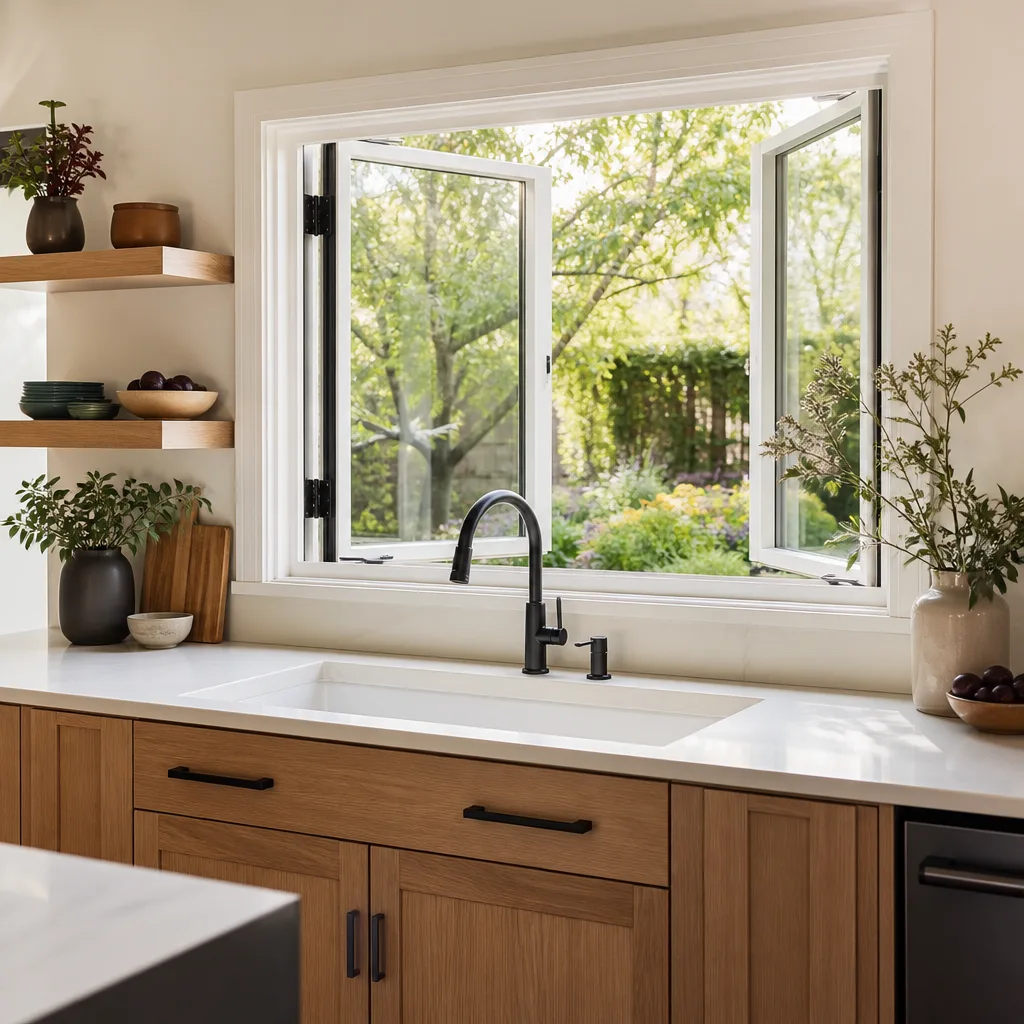
- Window and door installation. Impact windows and doors in the HVHZ must carry a valid NOA and the installation must meet the tested anchoring pattern. Flashing and the perimeter seal are inspected. A misinstalled window that fails the inspection has to come back out of a masonry opening.
- Electrical panel work. Panel replacement requires load calculations, proper grounding and bonding, and a Homestead or Miami-Dade electrical inspection. The code updates since your panel was installed mean the new install must meet current requirements. This one is also genuinely dangerous: panel work involves live conductors and arc-flash risk. We won’t detail a DIY method for it because the risk is real and the work belongs with a licensed electrician.
- Anything touching the structural system. Removing a wall, adding a beam, or opening a load path in a cinder-block house requires engineered drawings and inspections on the shear connections. Wind uplift design in the HVHZ raises the bar further. A homeowner can pull the permit but cannot self-certify the engineering.
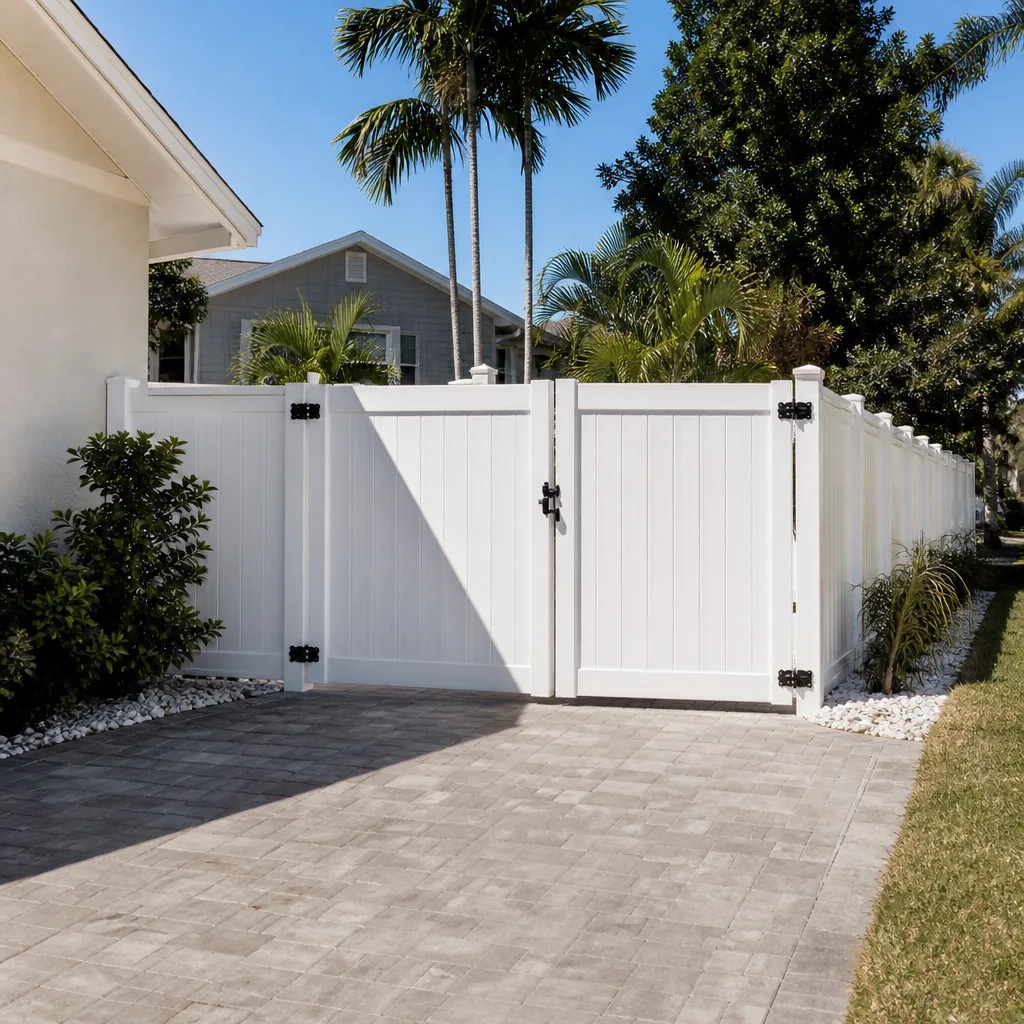
We see these four categories fail in Homestead more often than any others. When a homeowner calls us after a failed inspection, the cost to fix tends to be higher than a licensed install would have been. The Fence Installation in Homestead page shows the same pattern for a smaller trade: fence installation under a certain height is often permit-free, but a fence above the height threshold in this wind zone needs anchoring that most homeowners underestimate.
A real cost comparison: 200 sq ft bathroom tile
Here’s a straight comparison for a 200 sq ft bathroom tile installation in Homestead, done as a floor-only project over an existing concrete slab. We’ve run this math many times because homeowners ask. It doesn’t always favor DIY, and it never favors DIY by as much as the homeowner expects.
DIY path
- Tile (mid-grade porcelain, 200 sq ft plus 15% waste): $900-$1,400
- Thinset, grout, spacers, membrane, sealant: $120-$200
- Tool rental (wet saw, mixing paddle, trowels, knee pads): $150-$250
- Permit (optional in Homestead for floor tile over existing slab, but required if you pull one for the whole reno): $0-$150
- Dumpster for old flooring: $250-$400
- Realistic time: 24-30 hours for a first-timer at 200 sq ft, including prep and cleanup
- DIY cash total: $1,420-$2,400
Professional bid
- Labor (tear-out, prep, install, grout): $1,400-$2,200
- Materials sourced at trade pricing: $850-$1,200
- Dumpster and haul-away: $250-$350
- Written warranty and photo record: included
- Professional bid total: $2,500-$3,750
On paper, DIY saves $1,000 to $1,350. But when you account for the value of 30 hours of your weekend (at $50/hour, that’s $1,500), the DIY “saving” disappears. And if the tile goes down over a slab with a moisture issue you didn’t check, a failed install can cost more to redo than the original professional quote. That’s the honest math. For projects where a permit is required, the true DIY cost is even higher because the inspection and re-inspection cycles absorb time and, sometimes, materials.
If you’re weighing a project with pavers or hardscape, the Driveway & Pavers in Homestead page shows how the same upfront-price-to-complete-project calculation works when the scope touches drainage and the permit set.
Insurance and resale consequences of unpermitted work
This is where the numbers get uncomfortable. In Homestead, an unpermitted or incorrectly permitted renovation carries a specific risk that’s higher than the national average because of who insures the property.
- Citizens Property Insurance, Florida’s insurer of last resort, is dominant across South Florida, including Homestead. Citizens’ policy language allows denial of a wind claim when the damaged component was installed without a permit or in violation of the code applicable at the time of installation. That means the roof, windows, or structural system that took the damage may not be covered if the installation permit isn’t clean.
- Resale disclosure. A Homestead home sold with unpermitted work must disclose it, and buyers are aggressive in this market about requesting permit history from Miami-Dade. A “no permit found” record on a roof or window replacement is a discount request or a lost sale, not a fixable detail.
- Final inspection is the evidence. The permitted job ends with a final inspection and, in Homestead, a certificate of completion or certificate of occupancy for larger scopes. That’s the document a future buyer’s lender wants to see.
We’ve seen a Homestead buyer walk away from a property over a missing electrical panel permit. The seller’s cost to retro-permit and re-inspect was more than the panel had cost in the first place, plus the delayed sale. Unpermitted work is genuinely a security risk for the homeowner’s insurance position, not just an inconvenience at sale. For any scope where a permit is required, pulling it is worth the friction.
Common mistakes to avoid
- Pulling an owner-builder permit without reading the affidavit requirements first. The document is sworn. In Homestead, the affidavit and any recordation are part of the permit file, and they follow the property. If you’re not going to occupy the home for a year afterward, the exemption may not apply to you.
- Assuming a product with an NOA number on the box has the right NOA for this application. The NOA covers specific installation conditions. A product with a valid Miami-Dade NOA for a different substrate or wind exposure can still fail inspection in Homestead.
- Skipping the moisture test before tile over a concrete slab. Homeowners skip this to save a day, then watch $2,000 of tile tent up within six months because the slab was passing vapor. A $20 test kit and a piece of plastic on the slab for 24 hours catches it.
- Hiring an unlicensed “handyman” for work that requires a licensed trade. In Florida, unlicensed contracting is a criminal matter and a Homestead homeowner who knowingly hired an unlicensed contractor can be denied insurance coverage on that work. Ask for the license number and verify it on the DBPR site before the first check.
- Treating a “no permit required” verbal from a counter clerk as a written rule. Get the answer in writing or check the Homestead permit portal yourself. Counter advice isn’t binding at inspection.
- Underestimating HVHZ-informed material pricing. Impact windows, HVHZ underlayments, and NOA-compliant fasteners cost more than the same categories outside the HVHZ. A budget built from a Home Depot quote in Tampa is not a Homestead budget.
- Not asking for a written scope with the flat price. This is the mistake that costs most. Without a written scope, “included” is whatever the contractor decides it means on the day. That’s why we put the price and the scope in writing before any work starts.
See the difference
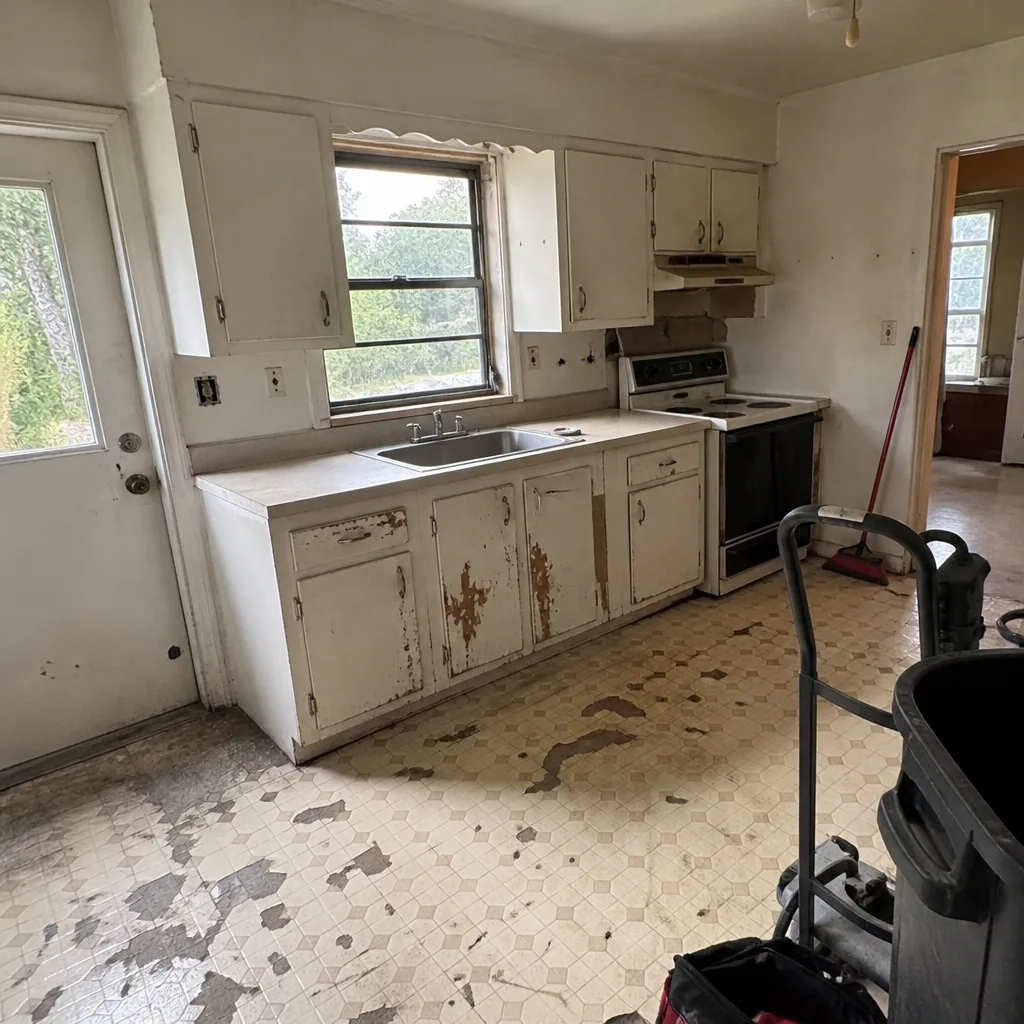 Before
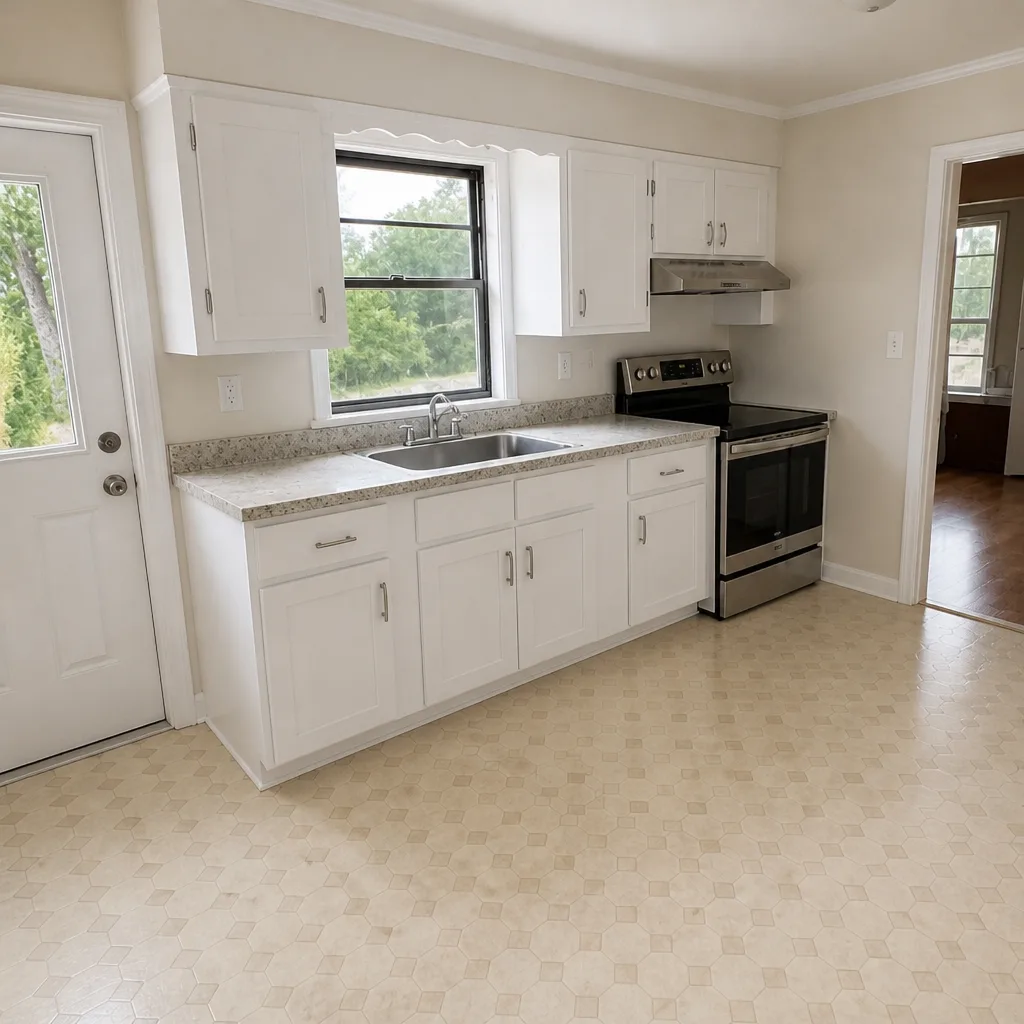 After
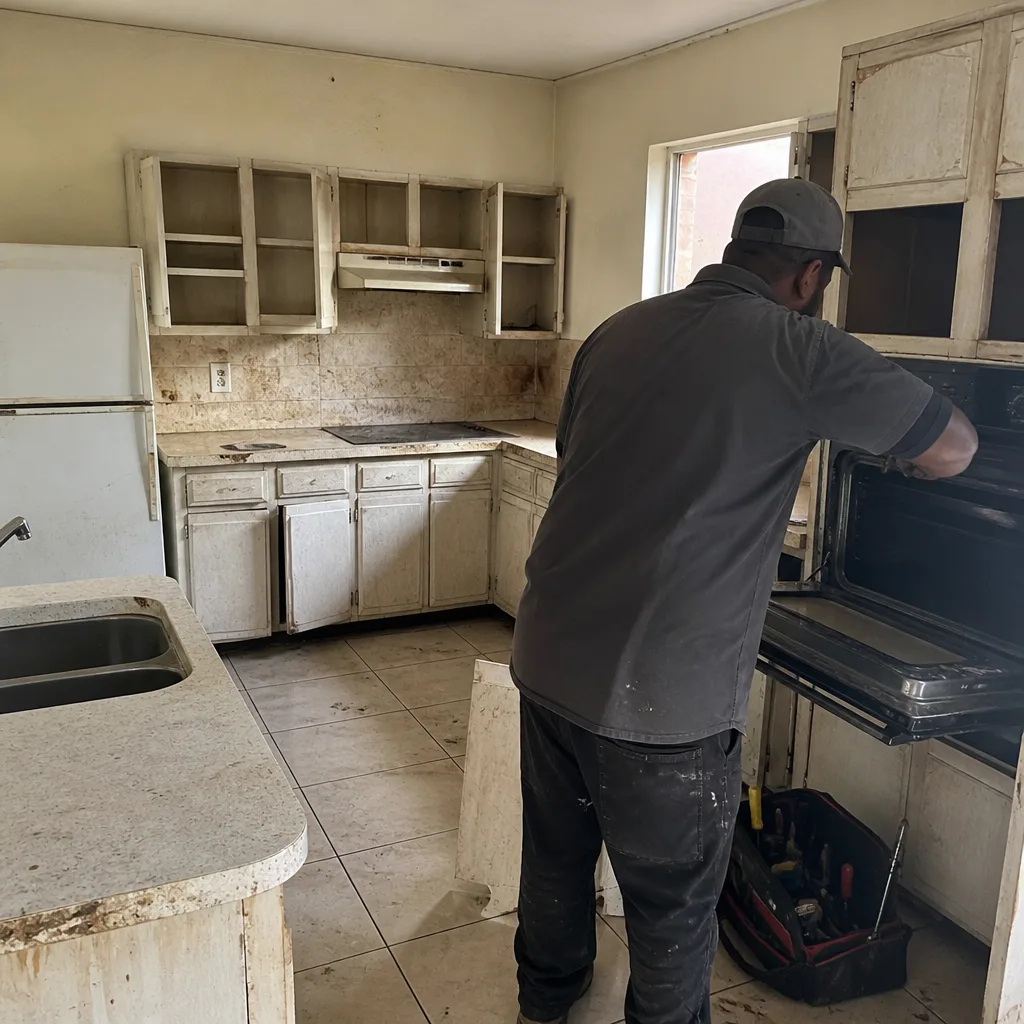 Before
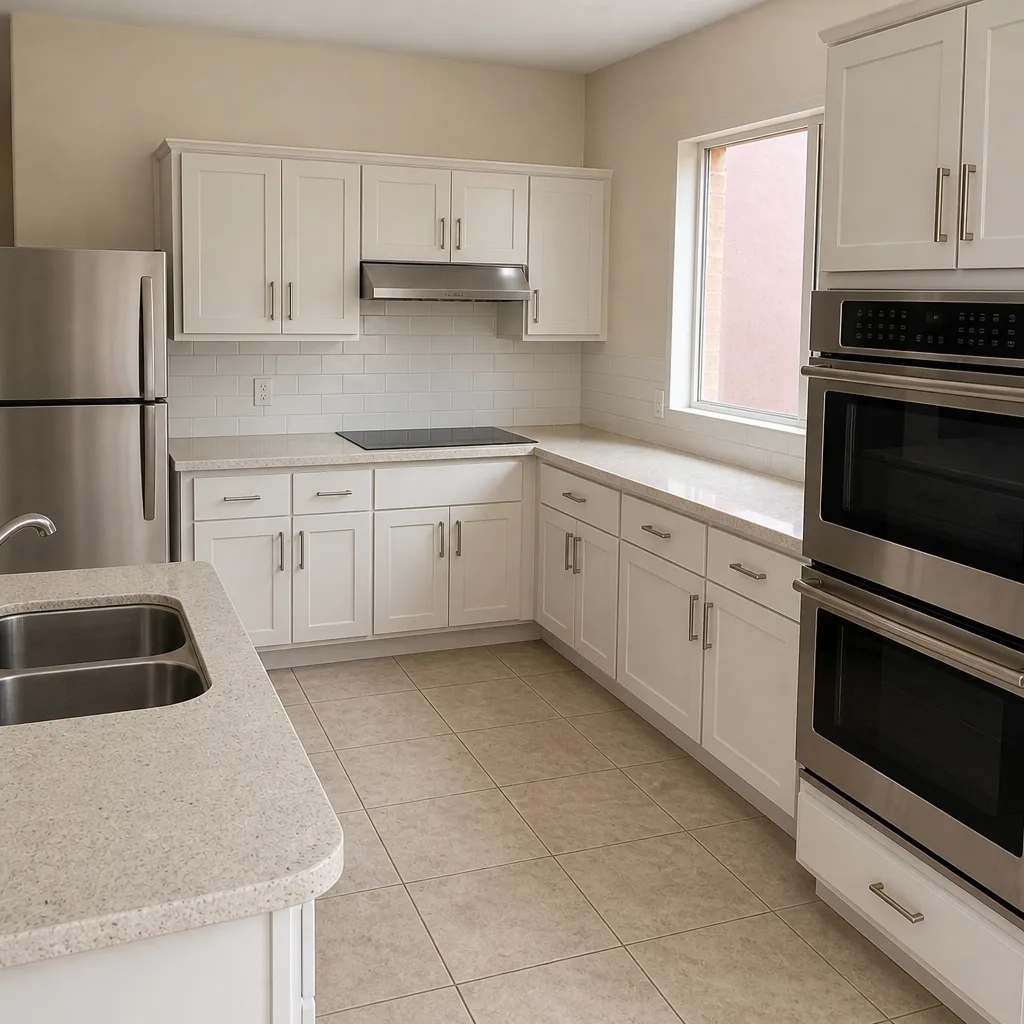 After
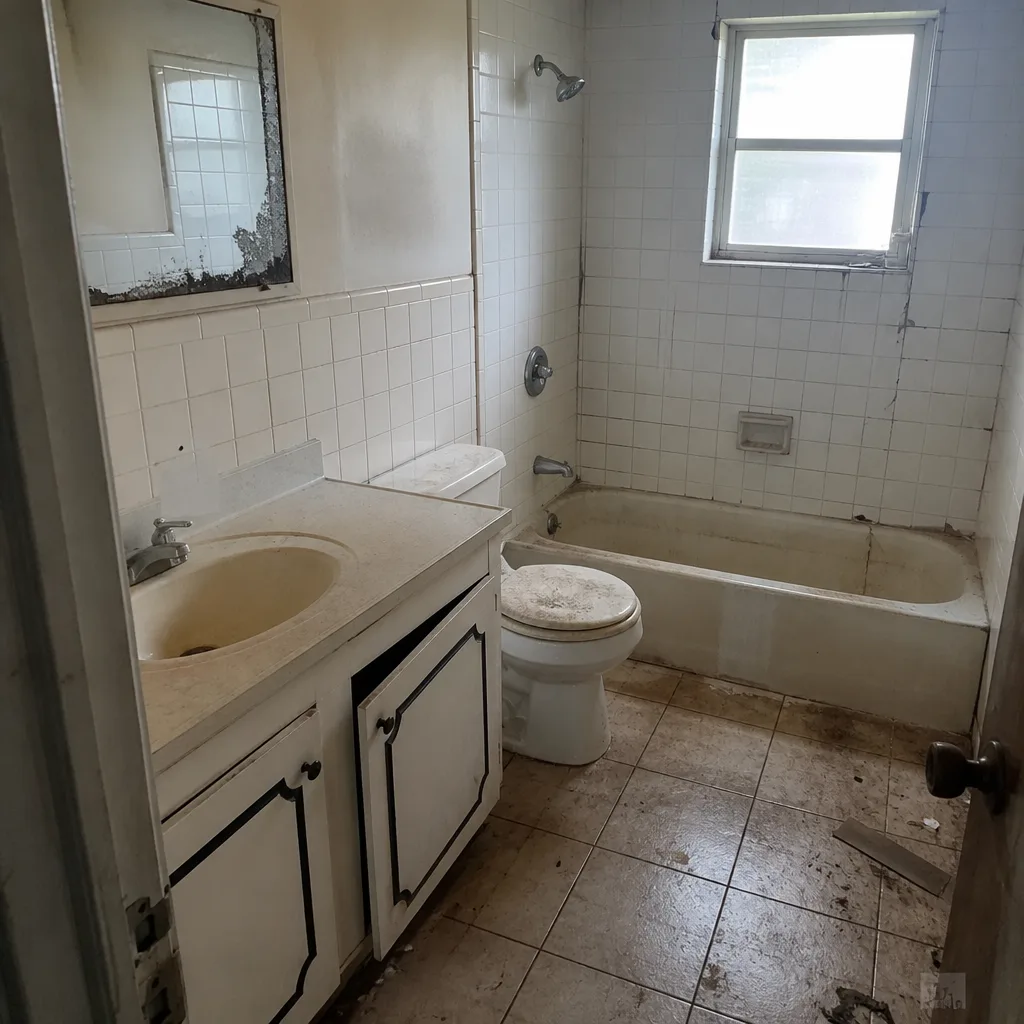 Before
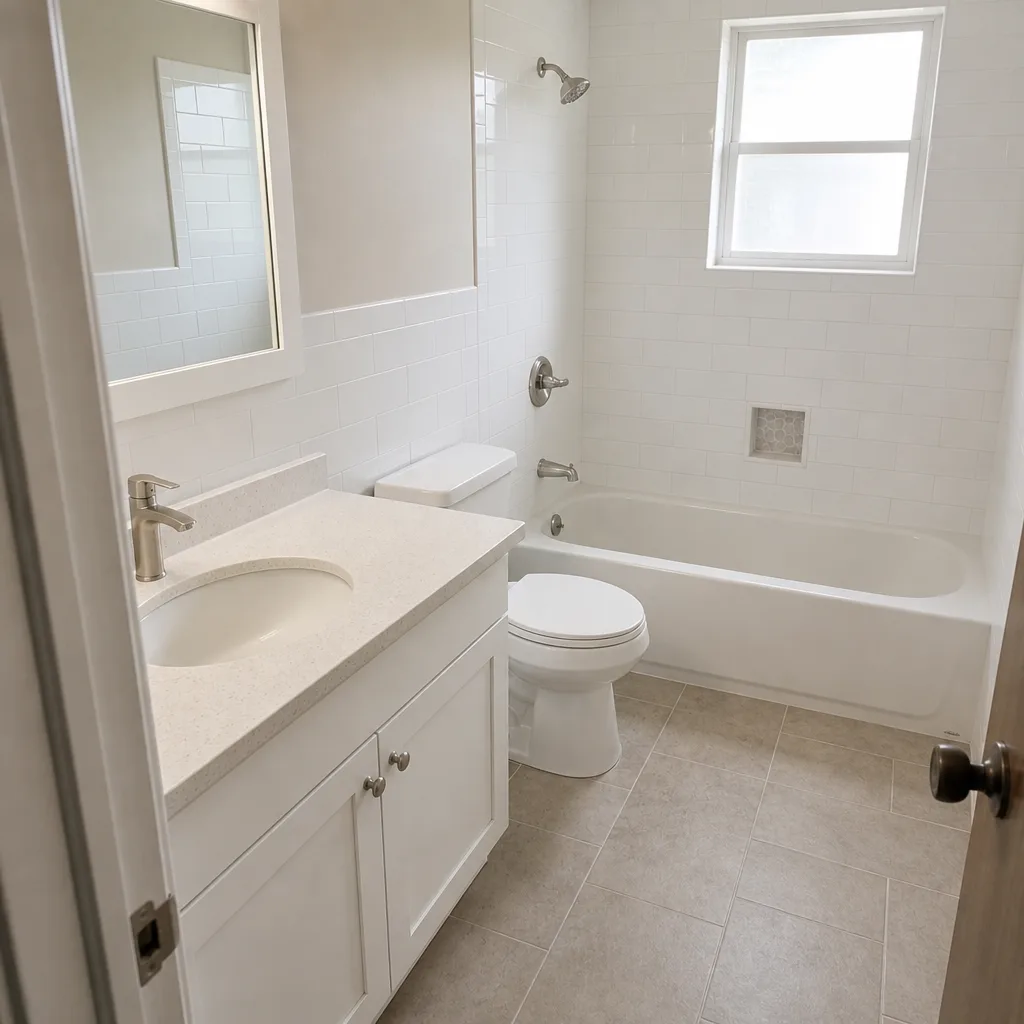 After
When to Call a Professional
Call a licensed contractor in Homestead when the scope touches the building envelope, the structural system, or any component with an HVHZ inspection gate. Roofing, window and door installation, electrical panel work, structural changes, shower rebuilding, and anything requiring engineered drawings fall into that category. Call when the insurance or resale exposure of doing it wrong is larger than the labor you’d save, which is most of the time for the categories above. And call when you’ve already done the work and the inspection failed; the correction cost is usually lower if a licensee steps in before the re-inspection window closes.
Rowan Construction Group Homestead offers free estimates in Homestead. We’ll bring a written flat price with a written scope before anyone picks up a tool, and we’ll give you a free second opinion on any written estimate you already have. Call (844) 834-4248.
Frequently Asked Questions
Yes, it’s legal. In practice, it rarely passes the Miami-Dade HVHZ dry-in and final inspections without a licensed contractor’s documentation experience. Every fastener must meet the approved pattern, every product needs a valid NOA, and the underlayment must be installed per the manufacturer’s HVHZ instructions. Roofing is also genuinely dangerous work at any height, and a fall injury is far more expensive than the labor saved. Call (844) 834-4248 for a free written estimate if you’d like a licensed comparison.
Interior painting doesn’t require a permit. Cabinet installation typically does not if the scope is box-hanging only, but does if plumbing or electrical is being moved or if drywall is opened. Ask the Homestead building department for the specific scope, in writing.
An NOA, or Notice of Acceptance, is a document Miami-Dade County issues after a product is tested to the High-Velocity Hurricane Zone standards. It’s required in the HVHZ because products must be proven to hold up under the wind and impact loads this region sees, not just the state minimum. Without a valid NOA, the inspector can’t approve the installation.
The final professional bid is usually $1,000-$1,350 higher than the DIY cash total on a 200 sq ft tile floor, before accounting for your time. Once you value your hours realistically and account for the risk of a failed install, the gap narrows or closes. The tradeoff isn’t just money; it’s warranty and documentation. Call (844) 834-4248 for a free second opinion on any bid you’ve received.
Citizens can deny a wind claim when the damaged component was installed without a permit or in violation of code. Because Citizens is the dominant insurer across South Florida including Homestead, this risk is higher here than in most of the country. Permit history on every component of the building envelope is worth keeping clean.
No. When we do the work, we pull the permits under our license and our crews complete the work. When you’ve done the work yourself and want a written quote for correction, that’s a different scope, and we’ll quote it with a written flat price. Rowan is a construction contractor that connects homeowners with independent local professionals; the crews are background-checked, uniformed, and every visit includes a documented photo record.
The Bottom Line
The DIY-versus-hire decision in Homestead isn’t about whether you can swing a hammer. It’s about what the Miami-Dade HVHZ inspection system will accept as evidence that the work was done right. Interior painting, landscaping, non-structural demolition, cabinet installation, and tile over an existing slab are genuinely viable. Roofing, windows, electrical panels, and anything touching the structure carry a documentation burden that usually costs more to meet than hiring a licensed contractor would have cost in the first place. Understand the owner-builder exemption, respect the NOA requirements, and check your insurance exposure before you start. When the math says hire, hire with a written price in hand.
Ready to see a written number before you decide? Call (844) 834-4248 to schedule your free estimate in Homestead. Bring us any written bid you’ve already received and we’ll review it line by line at no charge.
Written by the team at Rowan Construction Group Homestead.