Last updated November 17, 2026
Free written scope consultation - allowances, timeline, and change-order rules on paper before a single trade is scheduled
DIY vs Professional Fence Installation: What’s Safe to Do Yourself
Florida’s owner-builder exemption lets a homeowner pull their own building permit, which is why so many guides insist you can install a fence yourself. In Homestead, that’s only half true. Miami-Dade’s High Velocity Hurricane Zone rules add a mandatory framing inspection that an owner-builder must still pass, and the inspector is grading your work against engineering specs most homeowners have never opened. This guide shows you exactly where the DIY line falls in Homestead, by fence height and material, with real permit, footing and cost numbers.
Quick Answer
In Homestead and the rest of Miami-Dade County, a homeowner can legally permit and install a chain-link or open-picket fence under 4 feet tall, provided the posts are set to HVHZ embedment depth and pass inspection. A solid-panel privacy fence over 5 feet, or any fence requiring engineered plans, is best handled by a licensed contractor of record who can sign the permit and stand behind the footing.
Styles & brands we work with
- Kitchen remodeling
- Bathroom remodeling
- Home additions & ADU
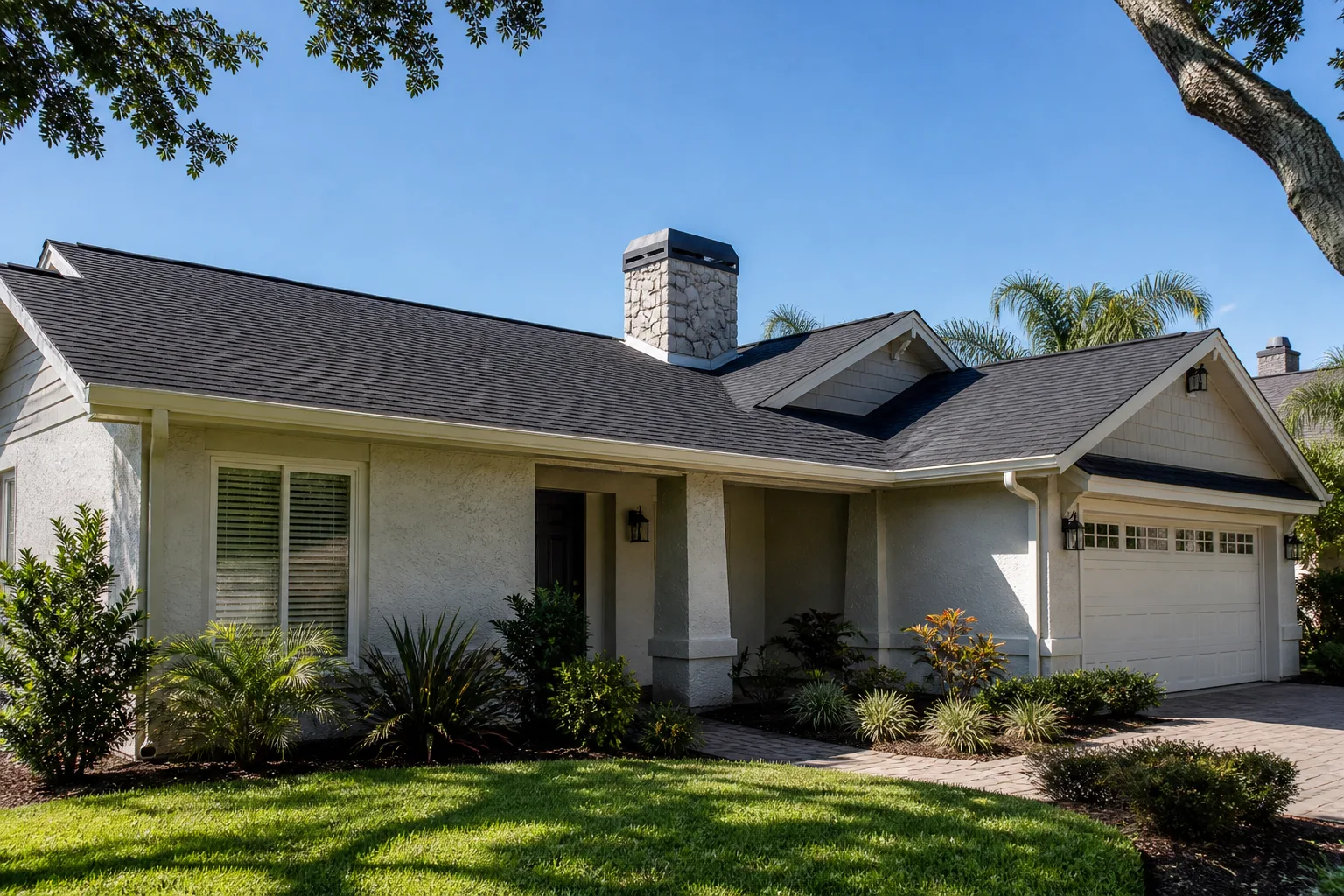
- Roofing
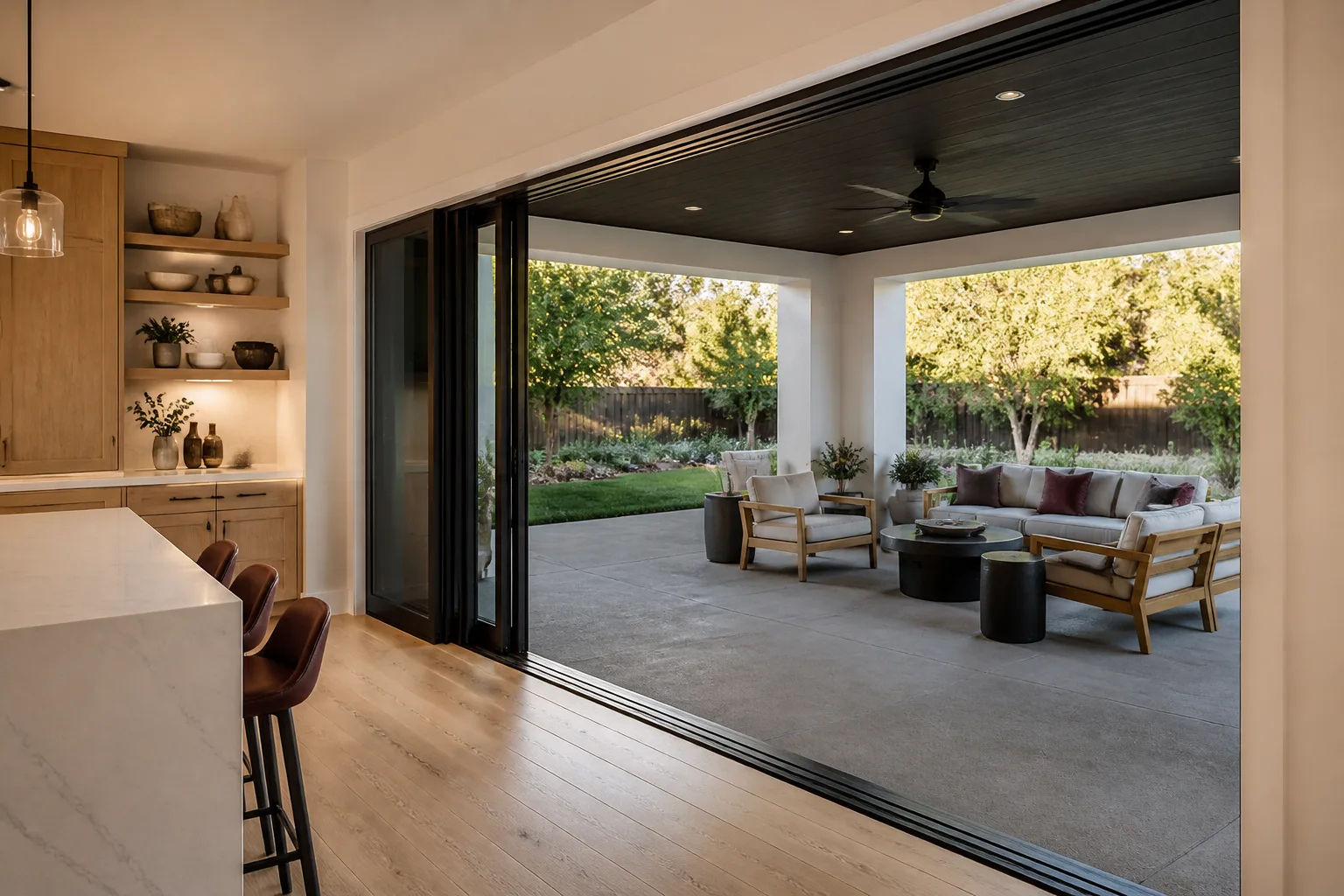
- Windows & doors
- Driveway & pavers
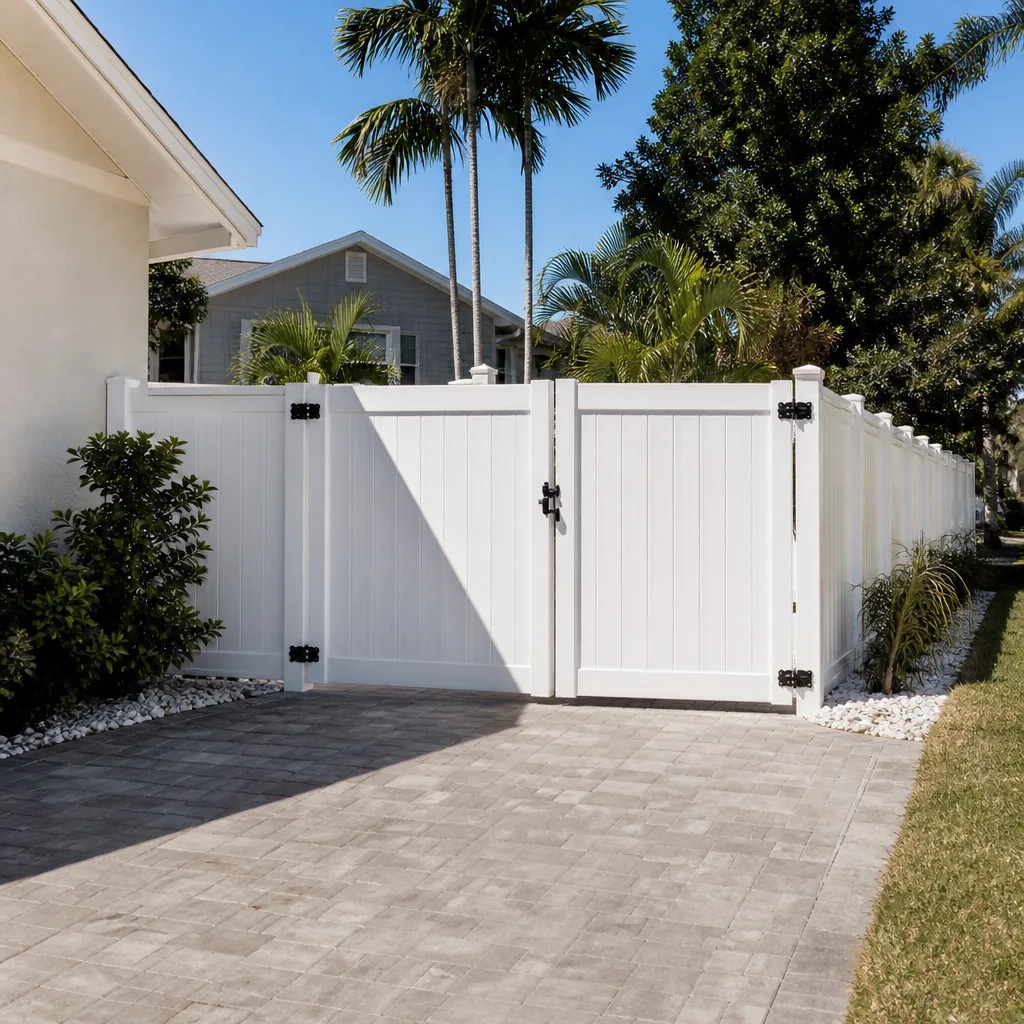
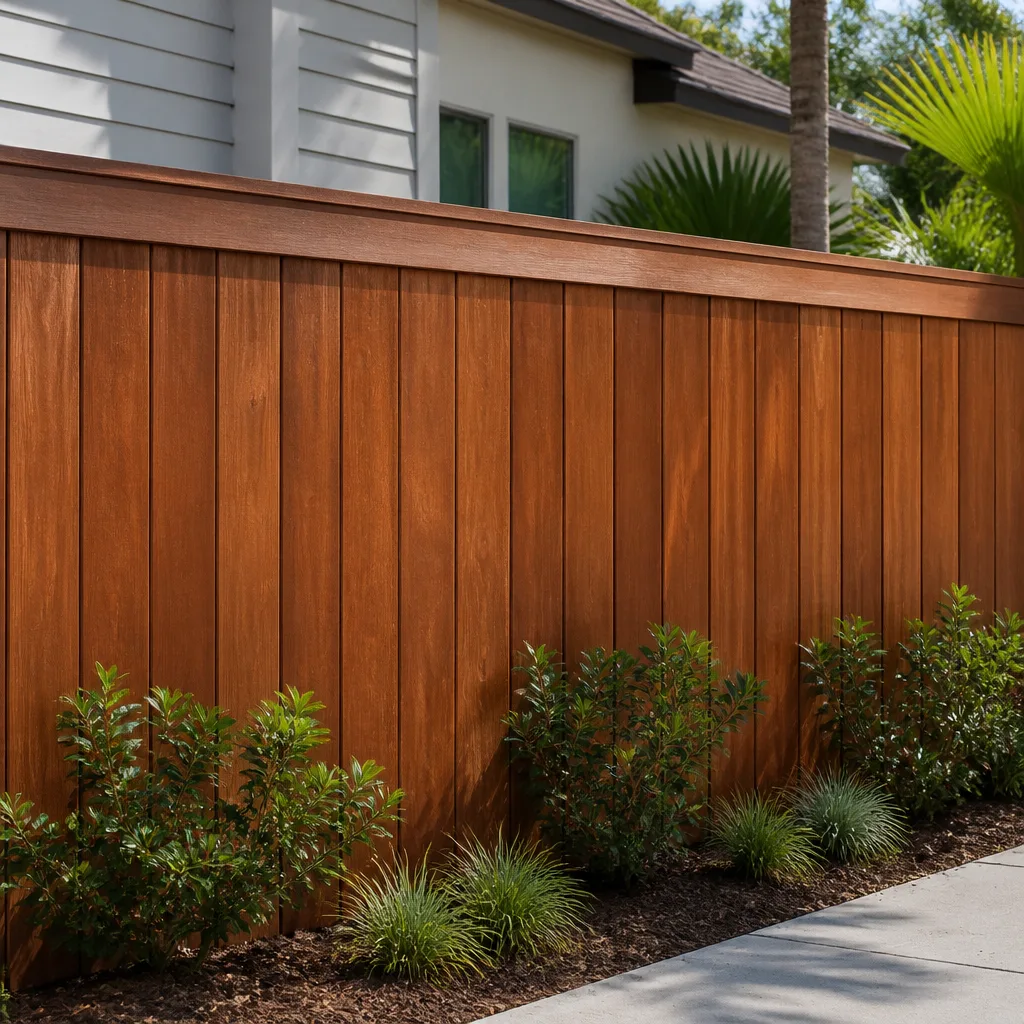
- Fence
Table of Contents
- Why Fence Installation in Homestead Is Not a Typical DIY Project
- Homestead Permit Requirements by Fence Height and Material
- The HVHZ Footing Math That Fails Half of DIY Inspections
- What DIY Actually Costs: Equipment, Concrete and Per-Foot Math
- Which Fence Types Are Genuinely DIY-Achievable
- The Legal Split: Contractor for the Structure, You for the Finish
- What Happens at a Homestead Fence Inspection
Why Fence Installation in Homestead Is Not a Typical DIY Project
Most online fence guides are written for a suburban lot in a county with a basic building code. Homestead sits inside the Miami-Dade High Velocity Hurricane Zone, which is the strictest wind-loading standard in the country. A fence here is treated as a structure that has to resist uplift, not just a property line marker. That changes the post spacing, the concrete volume per hole and the fastener schedule, and it changes what the building department wants to see before it closes the permit.
Homestead’s climate adds a second layer. The limestone and sandy fill common in newer subdivisions like those around the Keys Gate and Waterstone communities drains fast but holds a post poorly unless the concrete is bell-shaped at the base. And the summer rain pattern means a footing poured in July can cure unevenly if it isn’t capped correctly. We’ve seen posts in Homestead lean within a single wet season because the hole was dug to a generic depth someone read on a forum.
The owner-builder exemption is real. You can pull the permit yourself for a single-family home you actually live in. But the exemption covers who pulls the permit, not who passes the inspection. The inspector doesn’t care that you saved money. They check the post embedment against the approved plan, and if there is no approved plan for a solid fence over 5 feet, they check against the engineering specs your permit application should have included.
Homestead Permit Requirements by Fence Height and Material
Here’s the practical breakdown for Homestead and unincorporated Miami-Dade addresses within city limits. This is the matrix most guides skip, and it’s the single most useful table you’ll read before you buy a single bag of concrete.
- Chain-link, under 4 feet, on a residential lot: Permit typically not required. You can install this yourself with standard hardware. This is the genuinely DIY-safe zone.
- Chain-link, 4 to 6 feet: Permit usually required. Owner-builder can pull it. Footing depth per HVHZ embedment applies. Inspection required before backfill is covered.
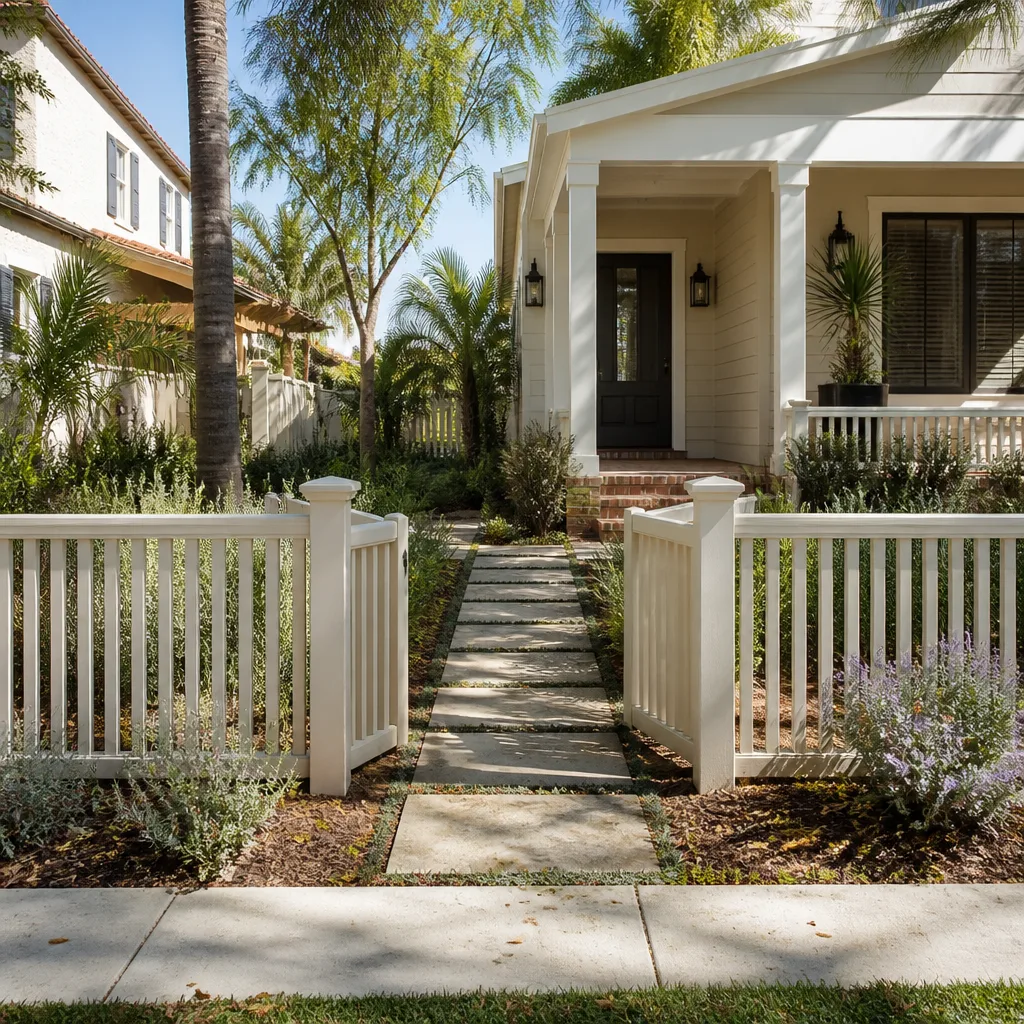
- Open-picket or ornamental aluminum (Bufftech, Jerith, Ameristar styles) under 4 feet: Often a simple permit, owner-builder acceptable. Post embedment still applies.
- Solid-panel privacy fence (wood, vinyl, composite) over 5 feet: Engineered plan required in HVHZ. A licensed contractor of record is the strong recommendation. This is where the framing inspection gets serious.
- Any fence within a drainage easement or adjacent to a canal: Requires separate review, and a contractor who has pulled these before saves weeks.
If you’re on the border of a height threshold, build to the lower one. A 4-foot fence that doesn’t need a permit is worth more than a 5-foot fence that fails inspection twice. This is the kind of up-front scoping discipline we apply on every trade, from fence installation in Homestead to a full home addition or ADU.
The HVHZ Footing Math That Fails Half of DIY Inspections
The formula that catches most DIYers is post embedment. In the Miami-Dade HVHZ, the required depth scales with fence height and how solid the panel is, because a solid panel catches wind like a sail and transfers that load straight into the footing. The general rule the inspector applies: embedment equals roughly one-third of the above-ground post height plus an additional allowance for solid panels, and the hole must widen at the base to form a concrete bell.
Run the numbers for a 6-foot solid privacy fence. Above-ground height is 6 feet. One-third gives you 2 feet, plus the solid-panel allowance gets you to a hole that has to be dug closer to 30 to 36 inches deep depending on the engineered spec, with a bell at the bottom. Dig it 28 inches because you “read that somewhere,” and you fail. Two inches short is a fail. The inspector measures, and there’s no negotiation.
What happens at inspection when the footing is short? The inspector flags it, you don’t pass, and you either pull the posts and re-dig or hire someone to do it. Re-pulling set concrete posts usually means cutting them out and starting over. We’ve seen Homestead homeowners eat the cost of the whole first attempt plus the second because they saved a Saturday on the digging and lost two weeks on the redo.
The footing math in plain steps:
- Confirm the engineered spec or the height-based formula on your permit.
- Measure your post height above ground and divide by three.
- Add the solid-panel allowance if your fence is a privacy panel over 5 feet.
- Dig the hole to that depth and bell the base out by 2 to 4 inches.
- Set the post plumb, pour concrete, and cap the hole so summer rain doesn’t wash the crown.
What DIY Actually Costs: Equipment, Concrete and Per-Foot Math
DIY looks cheaper on the first pass. Then you rent the auger, buy the concrete and discover the per-foot math gets close to a contractor quote for anything above the simplest fence. Here’s the honest breakdown for a typical Homestead 150-foot run.
- Post hole digger rental: $60 – $90 per day, and a 150-foot run usually runs two days, not one.
- Concrete per post at HVHZ depth: a 30-inch belled hole takes roughly 2.5 to 3 bags of 80-lb mix. At 30 posts, that’s 75 to 90 bags, or $400 – $550 in concrete alone.
- Posts, rails, panels and fasteners: $15 – $35 per linear foot depending on material, so $2,250 – $5,250 for the 150-foot run.
- Permit fees: typically $150 – $400 depending on valuation.
- Your time: 30 to 50 hours of digging, setting, curing and attaching, plus inspection scheduling.
Add it up and a basic 6-foot vinyl privacy fence run lands near $3,500 – $5,000 in materials and rentals before you’ve paid yourself a dime. That’s the range where professional pricing is competitive, especially once you factor the permit scope, the inspection pass and a written warranty on the work. Where DIY genuinely wins is short runs under 60 feet, chain-link repairs and finish work on an existing fence.
Which Fence Types Are Genuinely DIY-Achievable
Not all fence types are equal, and the honest answer is that some are designed for homeowner installation and some are not. Ameristar and Jerith ornamental systems, for example, publish post-footing guidance that a careful homeowner can follow for short runs. Bufftech and ActiveYards vinyl systems are forgiving in finish work but still require HVHZ footings on solid panels.
Safe to DIY in Homestead:
- Chain-link under 4 feet, correct post spacing, standard tension bands.
- Open-picket ornamental aluminum under 4 feet, short runs.
- Finish work on an existing fence: pickets, rails, gate hardware, paint or stain.
- Repair and re-tensioning of an existing chain-link line.
Best left to a professional:
- Any solid-panel privacy fence over 5 feet with engineered footings.
- Any fence requiring plan review or an engineering stamp.
- Fences near easements, canal banks, or property lines surveyed by a neighbor’s fence.
The Legal Split: Contractor for the Structure, You for the Finish
Here’s the arrangement that actually works in Homestead, and it’s how a lot of savvy homeowners handle the cost. You hire a licensed contractor of record to pull the permit, set the posts to HVHZ spec and pass the framing inspection. You handle the finish: pickets, rails, gate hardware, paint. The split is legal if the contract and the permit scope are written correctly, and that writing is where most split arrangements fall apart.
- The permit must name the contractor as the responsible party for the structural scope.
- The written contract should list your finish scope explicitly, so the inspector and the contractor both know who owns what.
- Your finish work must not alter the engineered footing or panel spec.
- Get a written warranty that survives the split, so failures in footing or post setting are covered regardless of who attached the pickets.
Under Clause 1 of The Haven Standard, the price is written before anyone starts, and no change proceeds without a signed change order. That discipline is what makes a split scope work: the contractor’s part is a flat written price with a written scope, and your part is clearly outside it. If you want to see what that looks like on a driveway or paver project too, see our Driveway & Pavers in Homestead page.
What Happens at a Homestead Fence Inspection
The inspector arrives with your approved plan or your height-based spec and checks the footing depth, the bell, the post spacing, the fastener pattern and the panel attachment. They will measure a hole before you backfill, which is why you leave it open until they sign off. In Homestead, the scheduling can take several days, so plan for the concrete to cure while you wait, and don’t attach the finish work until the footing passes.
If you fail, you’ll usually get a correction notice and a re-inspection, which adds time and possibly a re-inspection fee. The way to avoid it is to dig to spec, not to the depth you remember from a video. Our technicians have up to 19 years of experience, and every Rowan visit includes a documented photo record of the footing before backfill, because the photo is the evidence that survives if there’s ever a question later.
Common Mistakes to Avoid
- Building to the height you want, not the height the permit allows. A 5-foot privacy panel that crosses into engineered-plan territory without a plan fails inspection in Homestead, and pulling the fence down costs more than building it right the first time.
- Digging the hole 2 inches short. The concrete bell and the embedment depth are checked against the spec, and 28 inches is a fail for a 6-foot solid fence. Measure twice, pour once.
- Backfilling before inspection. Leave the hole open and uncovered until the inspector signs off. Covered footings get rejected.
- Assuming the owner-builder exemption covers anyone on the property. It applies to you on your primary residence, not to a neighbor who helps or a handyman you hire.
- Buying a wood or composite privacy kit designed for a lower wind zone. Homestead is HVHZ, and a kit built for a generic market won’t carry the fastener schedule or panel rating your inspection needs.
- Skipping the survey. In older Homestead subdivisions, fence lines that look obvious to you can sit a foot onto a neighbor’s property, and that’s a fence that comes down regardless of inspection.
- Doing the split scope on a handshake. Without a written contract and a permit that names the contractor’s structural scope, the split is uninsured and doesn’t hold up.
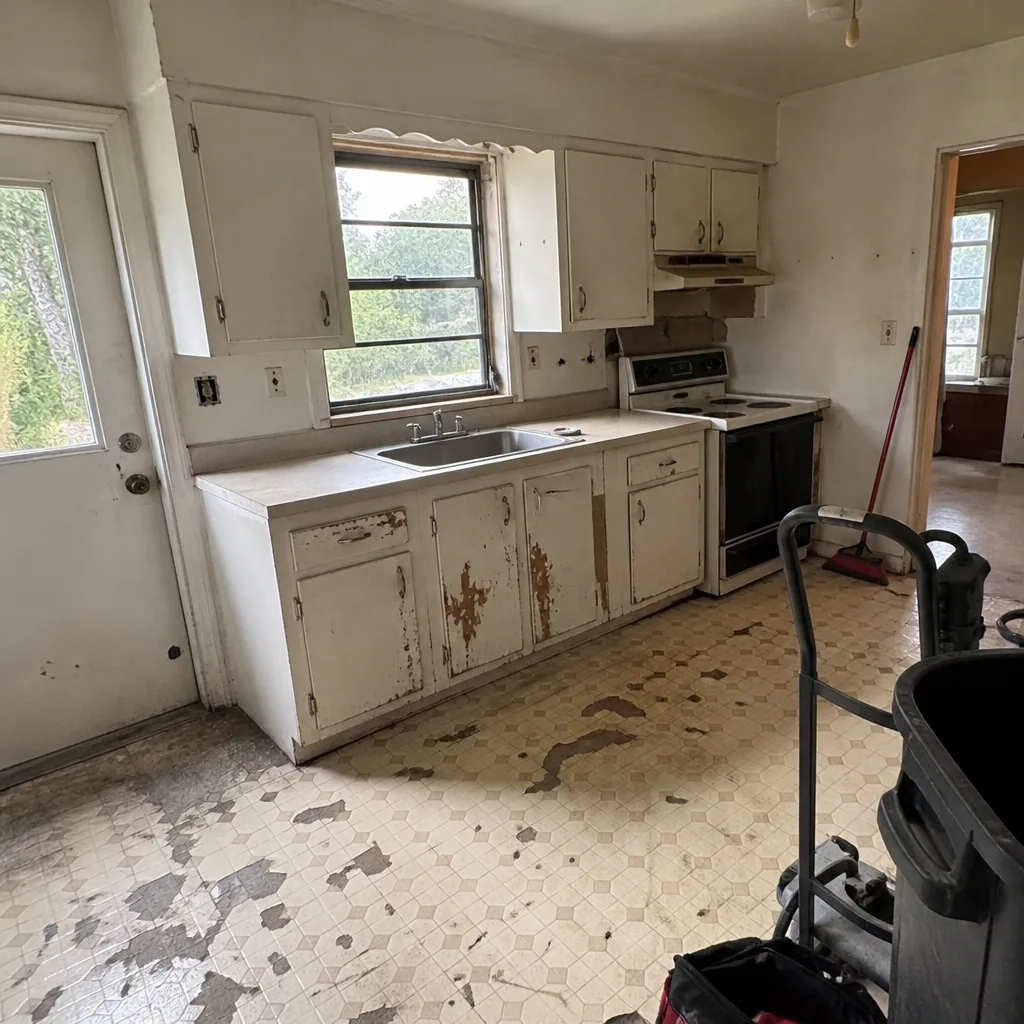
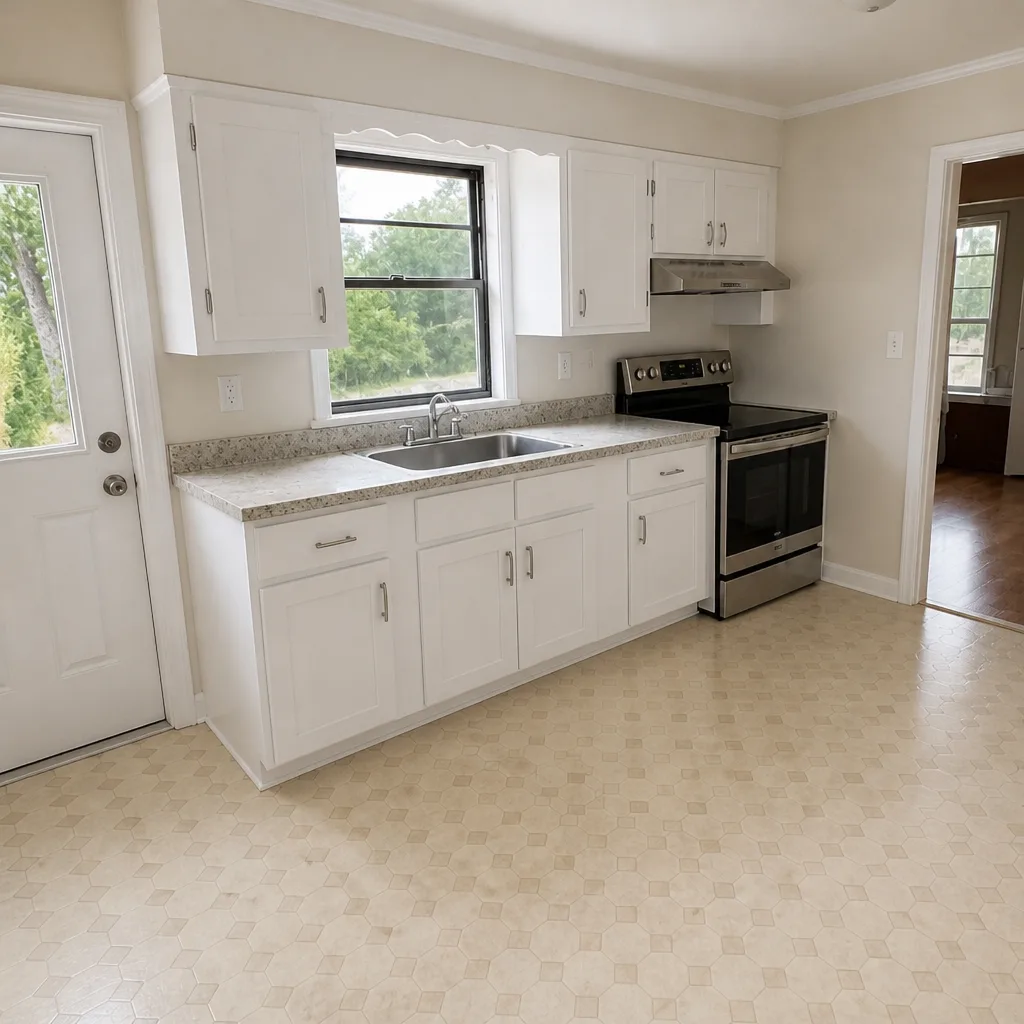
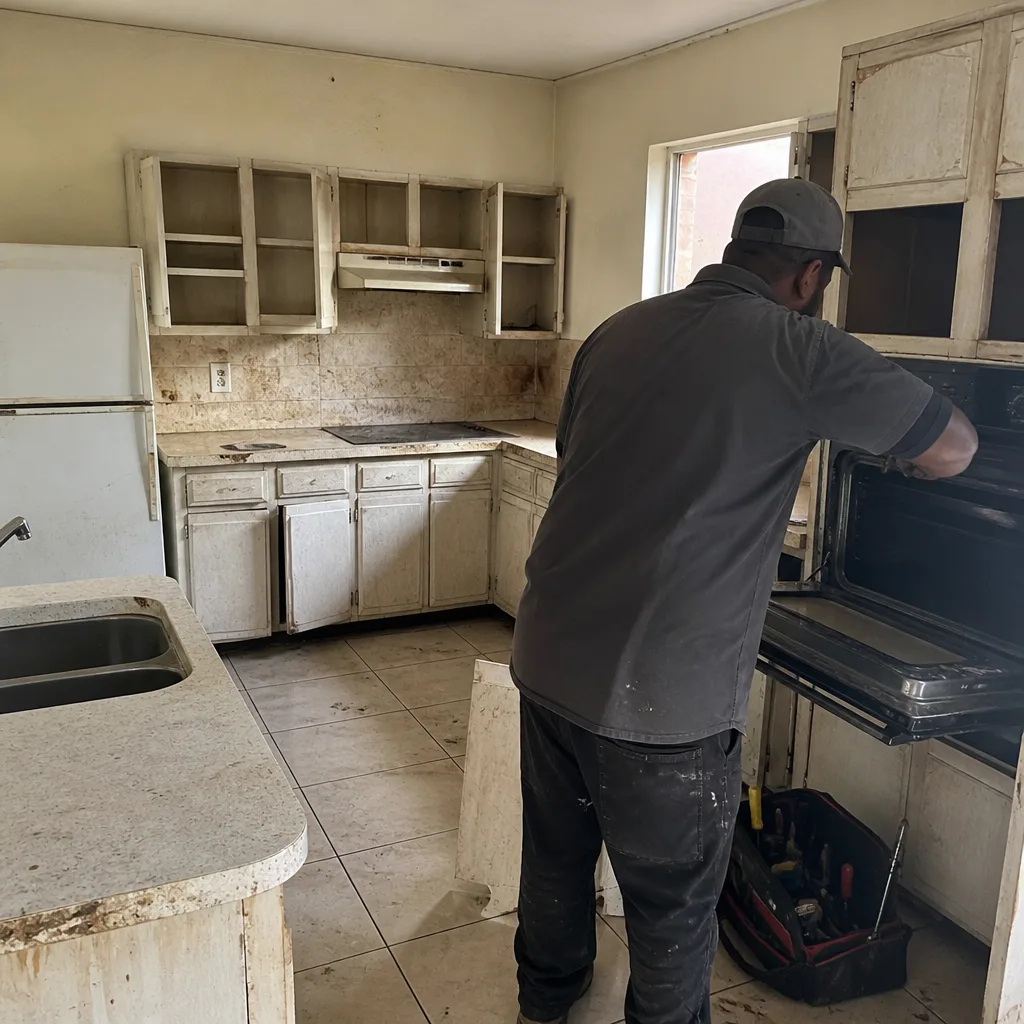
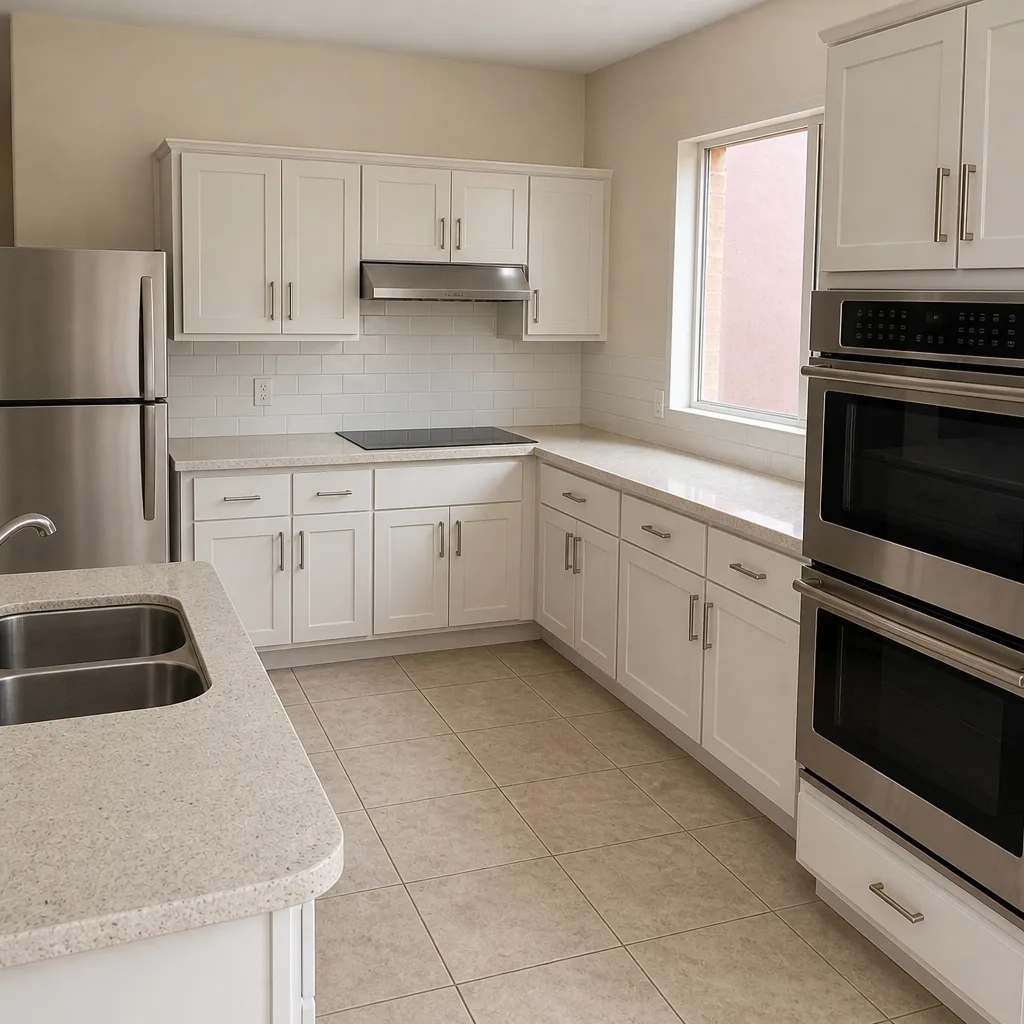
See the difference
 Before
 After
 Before
 After
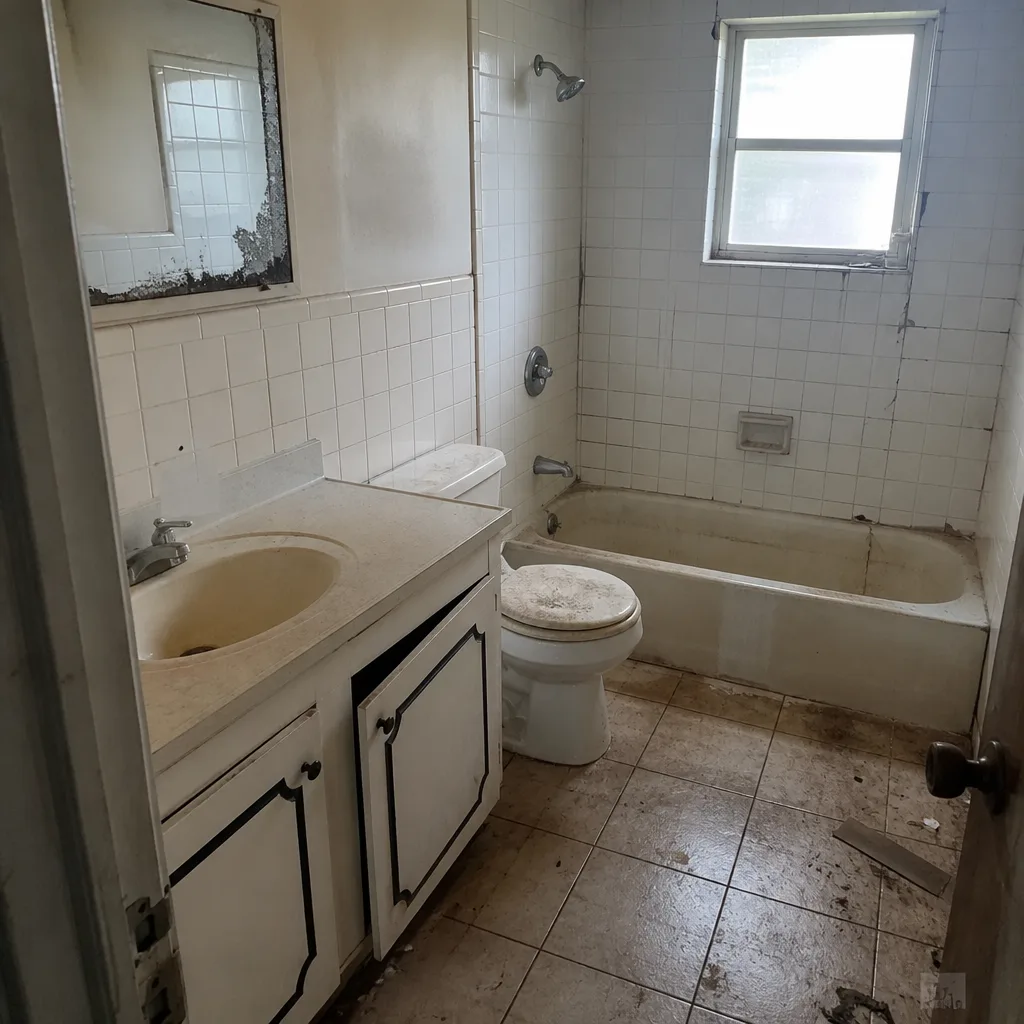 Before
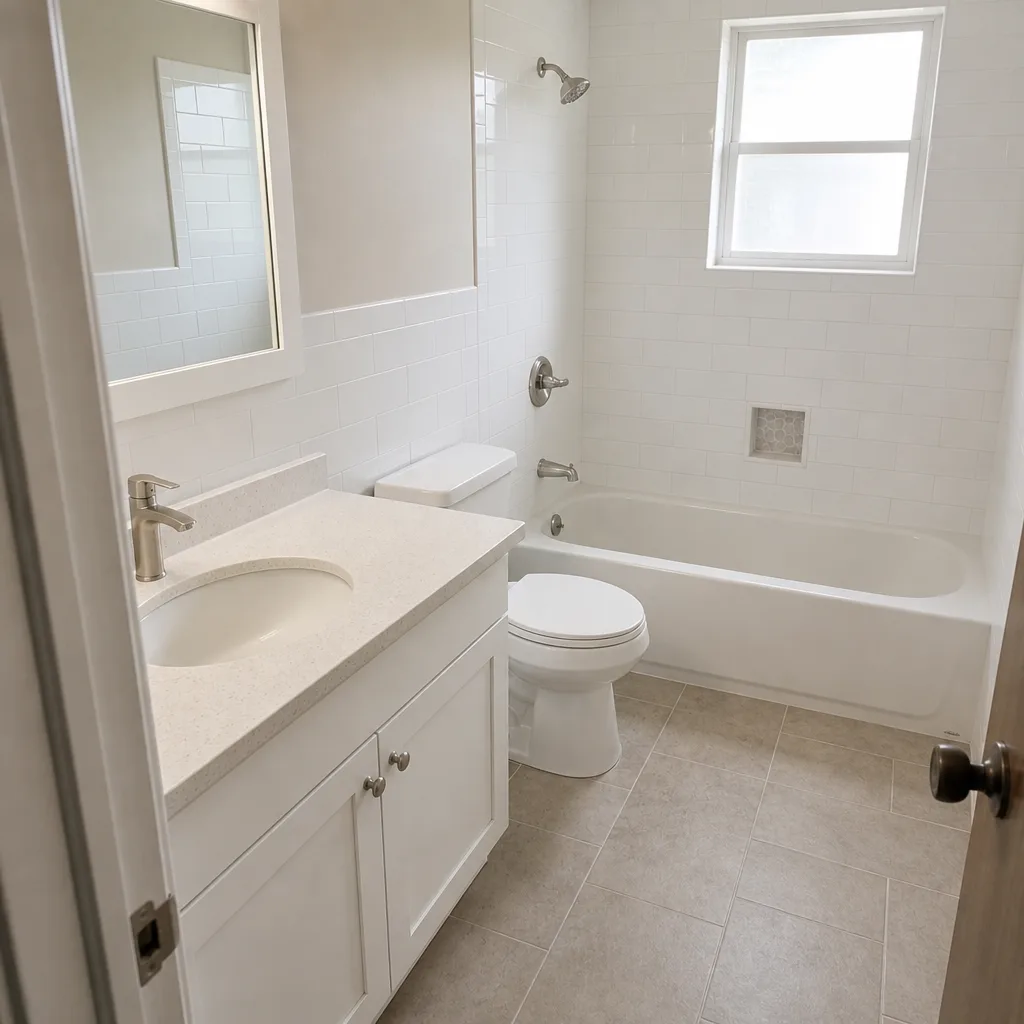 After
When to Call a Professional
Call a professional when the fence is solid-panel privacy over 5 feet, when the permit requires an engineered plan, when the fence is near an easement or canal, or when the footing needs to pass a framing inspection you don’t want to gamble on. Also call when the run is over 150 feet, because the per-foot math stops favoring DIY once you add equipment rental and concrete at HVHZ depth. A licensed contractor of record also gives you a written warranty and a documented record of the footing, which is what you want five years from now, not what saves you a Saturday. Rowan Construction Group Homestead offers free estimates in Homestead, and our written price comes before any work starts. Call (844) 834-4248 to schedule yours. For a broader view of what we do, start at the Rowan Construction Group Homestead home page.
Frequently Asked Questions
Yes, for a single-family home you own and live in, Florida’s owner-builder exemption lets you pull the permit and install the fence yourself, including in Homestead. The catch is that you still have to pass the HVHZ framing inspection, and the inspector checks against the engineered spec, not your judgment. For any solid-panel fence over 5 feet, an engineered plan and a licensed contractor of record are the safer call. Call (844) 834-4248 for a free estimate if you want the structural scope handled for you.
It depends on height and material. Chain-link under 4 feet on a residential lot typically doesn’t need a permit, while anything 4 to 6 feet usually does, and solid privacy fences over 5 feet require engineered plans. If you’re unsure of your height, build to the lower threshold. Our team can scope the permit side for you, and the estimate is free.
Embedment generally equals about one-third of the above-ground post height plus an allowance for solid panels, and the hole must bell wider at the base. For a 6-foot solid fence, that lands around 30 to 36 inches depending on the engineered spec, and 28 inches is a fail. This is the single most common DIY inspection failure in Homestead, and it’s why we document the footing depth with photos before backfill.
A 150-foot, 6-foot privacy fence in Homestead runs roughly $3,500 – $5,000 in materials, concrete, rentals and permits if you do it yourself, not counting 30 to 50 hours of your time and the risk of a failed inspection. That’s within striking distance of a professional written quote, which is why we recommend DIY mainly for short runs, chain-link under 4 feet and finish work. Call (844) 834-4248 for a line-item quote to compare.
Yes, and it’s a smart split if the contract and permit scope are written correctly. The contractor of record handles the permit, the footing to HVHZ spec and the framing inspection, and you handle the pickets, rails, gate hardware and paint. The key is a written contract that names the contractor’s structural scope and keeps your finish work outside it, with a warranty on the footing that outlasts the job. We’ve set up splits like this for Homestead homeowners, and the estimate is free.
A typical 150-foot run takes two to four days of work once the permit is approved, plus a separate inspection window for the footing before finish work. Permit review itself can add one to three weeks depending on the plan and the address. If you want the timeline scoped in writing before you commit, call (844) 834-4248 for a free estimate.
The Bottom Line
In Homestead, the DIY question is a permit and inspection question, not a capability question. Chain-link under 4 feet and open-picket ornamental under 4 feet are genuinely do-it-yourself work, and finish work on an existing fence is always fair game. Solid-panel privacy fences over 5 feet sit inside the HVHZ engineered-plan and framing-inspection territory, where a footing two inches short is a fail and a redo. The split scope is legal and smart if the contract and permit name the contractor’s structural scope. Whatever your fence type, the written price before work starts is the standard to hold anyone to.
Written by the team at Rowan Construction Group Homestead.
Ready for a written price on your fence before you pick up a shovel? Call Rowan Construction Group Homestead at (844) 834-4248 for a free estimate. Every quote is a flat written price with a written scope, backed by the 365-Day Done Right Promise, with a documented photo record on every visit. If you already have a competitor’s quote, bring it by for a free second opinion reviewed line by line.