Last updated November 17, 2026
Free written scope consultation - allowances, timeline, and change-order rules on paper before a single trade is scheduled
DIY vs Professional Driveway & Pavers: What’s Safe to Do Yourself
Here’s the number that ends most DIY paver plans in Homestead before they start: 100 square feet. Miami-Dade County requires a building permit for any driveway surface that exceeds that threshold, and a standard two-car driveway runs 400 to 600 square feet before you’ve added a single walkway. Lay pavers past 100 square feet without that permit and you’re not just risking a stop-work order – you’re risking a mandatory removal order and a disclosure problem when you sell. This guide separates the phases of driveway work a confident homeowner can legally and safely handle from the ones that require equipment, permits, or a licensed contractor of record. We’ll give you the county thresholds, the rental math, and the two phases where a mistake costs the most to undo.
Quick Answer
Cutting pavers, laying out pattern, and cleaning the finished surface are genuinely safe to DIY. Base preparation, compaction, and edge restraint – plus anything that triggers a Miami-Dade permit above 100 square feet – are where DIY becomes economically irrational or legally blocked. A licensed homeowner-builder can self-perform on their own primary residence in Florida, but the permit, the inspections, and the compaction testing still have to be satisfied, and a contractor of record must often sign off. For most Homestead driveways, the honest split is: you set the pavers, a licensed pro builds the base and edge.
Styles & brands we work with
- Kitchen remodeling
- Bathroom remodeling
- Home additions & ADU
- Roofing
- Windows & doors
- Driveway & pavers
- Fence
Table of Contents
- Miami-Dade Permit Thresholds for Driveway Work
- What You Can Legally Self-Perform in Florida
- The Equipment Cost Reality: Rental vs. Contractor Line Items
- Three Phases Where DIY Errors Are Cheap to Fix
- Two Phases Where DIY Errors Are Expensive
- The Hybrid Approach: Contract the Base, Set the Pavers Yourself
- How Homestead’s Climate and Soil Change the Calculus
- What an Unpermitted Driveway Costs at Resale
Miami-Dade Permit Thresholds for Driveway Work
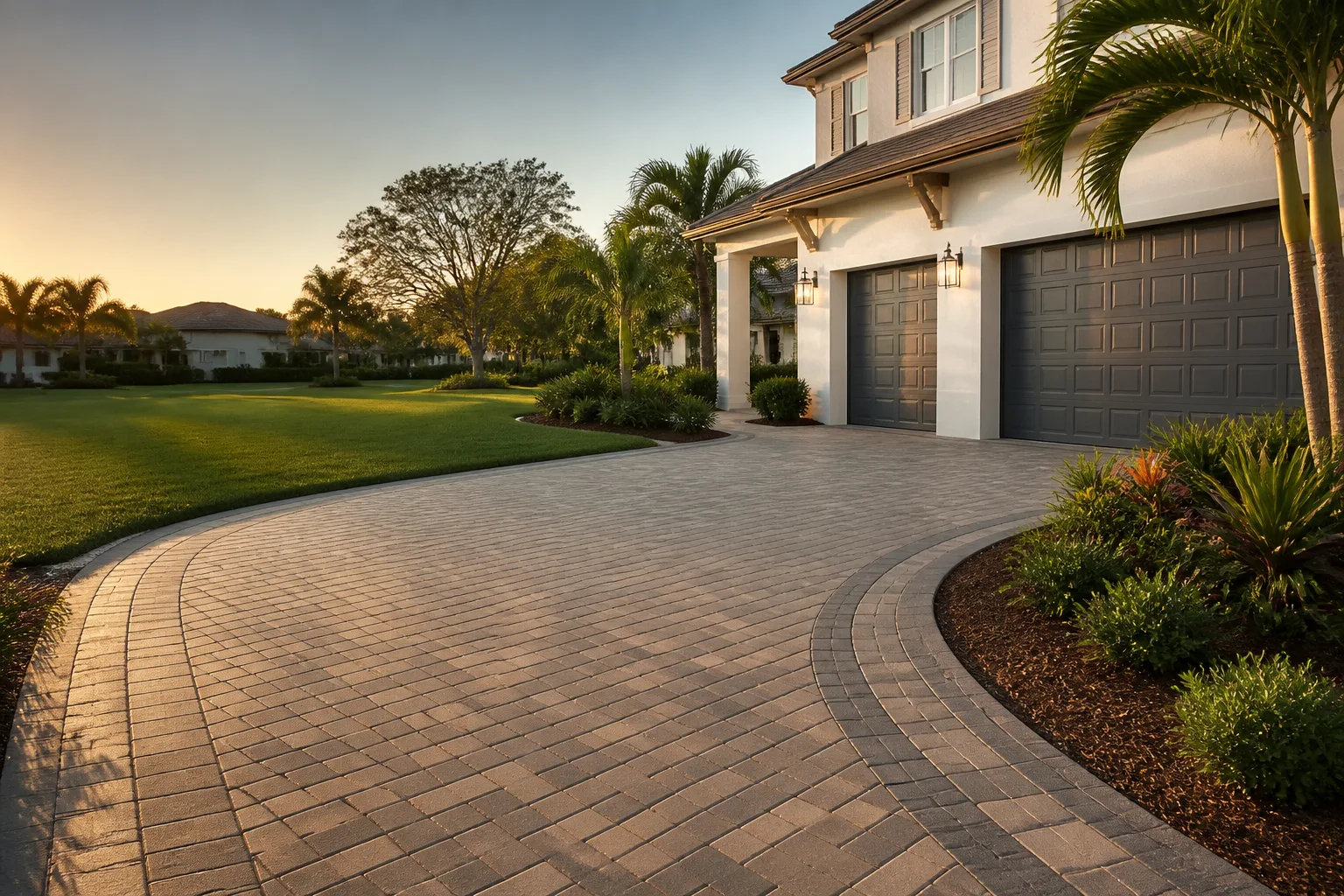
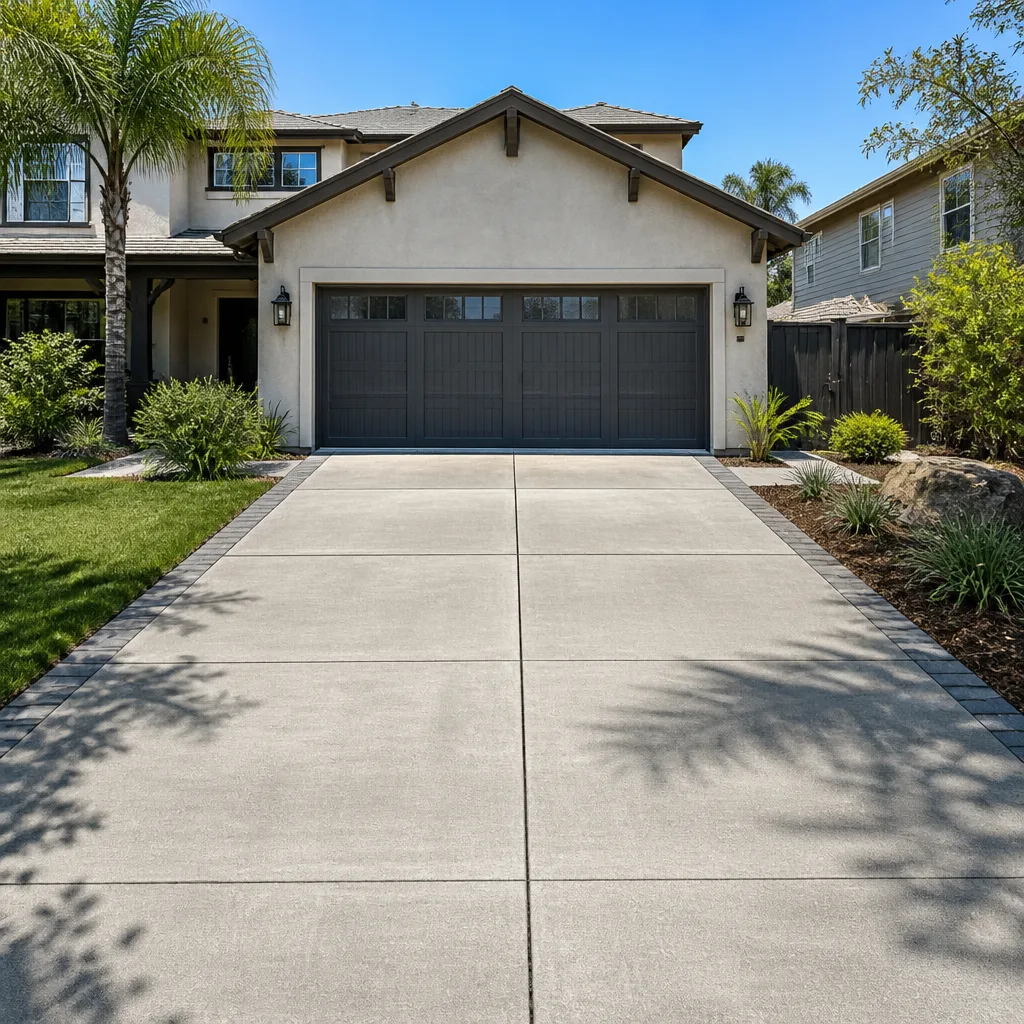
Miami-Dade County requires a building permit for any driveway surface exceeding 100 square feet, including paver installations, and that triggers plan review, inspections, and a final sign-off before the surface is considered legal. In Homestead, the county’s threshold applies on top of any city-level review. The practical result is that almost no residential driveway clears the line without a permit – a single-car pad is often 240 to 300 square feet, and a two-car driveway runs 400 to 600. You cross 100 square feet before the second car bay.
What the permit actually governs, and why it matters for the DIY decision:
- Base depth and compaction: The county specifies a minimum compacted base (typically 4 to 6 inches of limerock or crushed aggregate for residential driveways), and the inspector verifies it before pavers go down. You can’t self-certify this step.
- Drainage and grade: Pavers must slope away from the structure at a minimum grade, and the inspector checks it. A flat or reverse-pitched driveway fails.
- Edge restraint: The perimeter restraint is part of the permitted scope because it holds the field in place under load.
- Right-of-way and swale: Homestead lots near the southern corridors often abut a swale or county right-of-way, and any change to that grade needs separate approval.
The trap most people miss: you can’t pull the permit yourself unless you qualify as an owner-builder, and even then you’re accepting full legal responsibility for the inspections. If you hire a contractor to do any part of the work, the permit has to name them as the contractor of record – and a permit pulled under one name for work done by another party is a defect the county can flag. This is the reason a “I’ll build the base, then hire someone to set pavers” plan can quietly invalidate the whole job. Under the Haven Standard’s Clause 1, the number is written before anyone picks up a tool – including the permit number and the contractor of record named on it.
What You Can Legally Self-Perform in Florida
Florida law allows a homeowner to act as their own contractor (owner-builder) on a single-family residence they own and occupy, without holding a contractor’s license. That’s the legal permission. The practical question is whether you can satisfy every inspection the permit requires, because the permit doesn’t care who holds the license – it cares that the compaction, the grade, and the edge restraint all pass.
Here’s the honest breakdown for a Homestead driveway:
- Site prep and demo: Generally self-performable. Removing old concrete or pavers, hauling spoils. This is the cheapest phase to own.
- Base installation and compaction: Legally allowed for an owner-builder, but requires a plate compactor (or better, a vibratory roller) and a moisture-correct aggregate. The inspection pass rate here is where DIY owners fail.
- Paver setting: Self-performable and, in our experience, where a careful homeowner gets real satisfaction. Pattern, line, and level are craft skills that reward patience.
- Edge restraint and final compaction: The restraint must be anchored per spec; the final vibratory pass seats the field. Miss this and the pavers migrate.
- Any electrical, gas, or structural element: Not self-performable. A driveway that abuts a retaining wall, a gate post footing, or a lighting circuit crosses into work that requires a licensed trade.
What a homeowner-builder cannot do: pull a permit on a property they don’t personally occupy, or sign off on their own inspections. The county inspector does that, and if the base fails compaction, the field comes out. This is where a contractor of record earns their keep – not on the setting, but on the pass.
If the driveway connects to a larger exterior project – a new fence line, a detached garage, an ADU – the permit scope changes and typically requires a licensed contractor across the board. We cover that boundary in our guide to Home Additions & ADU in Homestead.
The Equipment Cost Reality: Rental vs. Contractor Line Items
A plate compactor rents for roughly $80 to $120 per day in the Homestead market. That sounds cheap until you stack it against the actual time a DIY base prep takes. A 500-square-foot driveway base at 6 inches compacted is about 11 cubic yards of aggregate, moved and placed and compacted in 2-inch lifts – and each lift needs passes with a compactor and a moisture check. Realistically that’s three to five days for a first-timer working weekends, which means four to six days of rental at $80 to $120, plus the aggregate, plus the hauler.
The comparison, side by side:
- DIY base prep: 4 to 6 rental days ($320 – $720), aggregate ($600 – $1,100 for 11 cubic yards delivered), hauler or truck rental, and your weekends. Compaction pass rate: uncertain.
- Contractor base prep line item: typically $3 to $6 per square foot for excavation and compacted base on a residential driveway, which for 500 square feet lands around $1,500 to $3,000 – including the equipment, the crew, and the pass.
On a bigger driveway the rental math gets worse, not better, because the equipment you actually need to pass a compaction test is a vibratory roller, not a plate compactor. A roller rental runs well above the plate numbers, and the crew that owns one brings it on their truck. The honest read: for a small pad under 200 square feet, DIY base is defensible. For a full driveway in Homestead, the rental and aggregate and time stack up against a line item that already includes the pass, and the economics flip.
Three Phases Where DIY Errors Are Cheap to Fix
Not every mistake in a paver driveway is a disaster. Three phases are genuinely forgiving, and it’s where a careful homeowner should spend their effort:
- Cutting pavers. A wet saw cuts clean, and a bad cut on one unit costs you the cost of that unit – a few dollars. You can practice on the field units before the edges. This is the phase where DIY craft shows.
- Pattern layout. Getting the running bond or herringbone running square is a skill, and if you realize the layout is off, you pull the units and re-set before compaction. Recoverable at the cost of an afternoon.
- Surface cleaning and joint sand. Sweeping polymeric sand into the joints and cleaning the surface is self-performable, reversible, and the phase where a homeowner’s attention to detail beats a rushed crew. A re-do costs a bag of sand.
These are the phases to own. They reward patience, they don’t require a permit inspection to sign off, and they don’t put the rest of the driveway at risk if you get them wrong. The setting and the cutting are where DIY pride lives.
Two Phases Where DIY Errors Are Expensive
Two phases carry the whole driveway on their backs, and both fail expensively:
- Base compaction. If the base isn’t compacted to spec and moisture-correct, the field settles unevenly within a season – and in Homestead’s high water table, a soft base turns into rutting under the car tires faster than in drier climates. Fixing it means pulling the pavers, re-excavating, re-compacting, and re-setting. That’s the job twice.
- Edge restraint installation. The perimeter restraint is what keeps the field from spreading under load. An under-anchored or under-spiked edge lets the outer courses migrate, the joints open, and the whole field loosen. Retrofitting restraint after the fact means disturbing the finished edges – the hardest part of the driveway to redo cleanly.
Both of these are inspection items under the Miami-Dade permit. Both are the phases a contractor of record is on the hook for. The reason the DIY/pro calculator flips here isn’t skill – it’s that a failure in these two phases doesn’t just cost the phase, it costs the entire surface above it. In our experience on Homestead driveways, the base and the edge are the two places where the difference between a casual pass and a spec pass shows up in year two, not year one.
The Hybrid Approach: Contract the Base, Set the Pavers Yourself
The split that actually works for a motivated Homestead homeowner: hire a licensed contractor for the base, the edge restraint, the permit, and the inspections, then set the pavers yourself under that contractor’s scope. It’s a real option and it saves money – but only if the contract is written to keep the permit valid. Here’s what the agreement needs to say:
- The contractor of record pulls the permit and is named on it. The permit names who’s responsible. It cannot be pulled under the homeowner’s name for work a contractor performs.
- The scope explicitly lists base installation, compaction, edge restraint, and final inspection as the contractor’s responsibility. Your paver setting is a separate line item described as “owner-supplied and owner-installed finish.”
- The contractor signs off on the inspected items before you set pavers. The compaction inspection passes first. No field goes down on an un-inspected base.
- A written scope and a written warranty cover the work the contractor performs. The base and edge carry a warranty; your setting is your own.
What you’re buying in this arrangement is the pass and the permit, not the labor. What you’re saving is the setting labor. For a driveway under 400 square feet, the savings are modest against the coordination. Above 500 square feet, the setting labor is a real number and the hybrid can pencil. The catch: many contractors won’t take a job that splits the finished surface, and the ones who will want a written scope that names exactly where their responsibility ends – which is the clause that keeps the permit valid and the inspection passing. If you want to see what a full-scope written quote looks like line by line, our Driveway & Pavers in Homestead page lays it out.
How Homestead’s Climate and Soil Change the Calculus
Homestead sits on the southern edge of Miami-Dade, and the ground here is not the ground in most of the country. Three local conditions tilt the DIY/pro balance:
- High water table and frequent heavy rain. Base compaction depends on moisture content – too wet and it won’t compact, too dry and it won’t either. Homestead’s summer rain cycle means a DIY base schedule gets rained out and the aggregate has to be re-worked. A crew that reads the forecast and owns the roller handles this; a weekend warrior fights it.
- Limerock and crushed shell underlay. The local aggregate is limerock, and it compacts differently from gravel. A contractor who works this ground every week knows the right lift thickness and moisture. A homeowner learning on the job learns at their own expense.
- UV and organic growth. The sun and humidity here push joint sand to break down and weeds to colonize open joints faster than in drier markets. Polymeric sand and a quality edge restraint matter more, not less – which puts more weight on the edge phase.
This is why in Homestead we treat the base as a climate problem, not a labor problem. We’ve seen driveways laid over a soft base that looked perfect in October and rutted by the next June. The climate doesn’t forgive a bad base, and the permit inspection doesn’t either.
If your driveway ties into a fence line or a gate, the fence posts and footing are a separate trade scope. See Fence Installation in Homestead for how those scopes interact.
What an Unpermitted Driveway Costs at Resale
An unpermitted driveway surface in Homestead becomes a disclosure item at sale, and Florida sellers must disclose known unpermitted work. The practical costs stack in three tiers:
- Retroactive permit fees. The county can require you to permit the existing surface retroactively, which means plan review, inspection, and – if the base doesn’t pass – removal and rebuild. The fee is the small part.
- Removal order. If the work can’t be brought into compliance, the county can order the surface removed. That’s the entire driveway.
- Buyer leverage. A disclosure of unpermitted driveway work at closing invites the buyer to discount the price by the cost of the worst-case repair, not the best-case. The negotiation runs against you.
The 100-square-foot threshold means almost every Homestead driveway is in scope, and the permit is the cheap part of compliance. Pull it, get it inspected, keep the sign-off. If a contractor tells you the driveway doesn’t need a permit, ask them to put that in writing – and then verify it with the county yourself. That single question is the one that separates a documented contractor from a hopeful one.
Common Mistakes to Avoid
- Laying pavers past 100 square feet without a permit. The Miami-Dade threshold catches nearly every residential driveway. The stop-work order and the disclosure at resale cost more than the permit.
- Compacting the base with a plate compactor and calling it done. Plate compactors are for small pads. A driveway base needs a vibratory roller and a moisture check to pass inspection.
- Setting pavers before the base inspection passes. If the field goes down over an un-inspected base, the inspector fails it and the field comes out.
- Under-anchoring the edge restraint. The perimeter holds the field. Skip the spikes or the embedment and the outer courses migrate within a season.
- Pulling the permit as owner-builder and then hiring a contractor for part of the scope. The permit has to name the contractor of record. A mismatch is a defect the county can flag.
- Ignoring the swale and right-of-way line. Homestead lots often abut a county swale, and changing that grade without approval is a separate violation from the driveway permit.
- Buying the cheapest joint sand. In this humidity, cheap sand washes out and weeds move in. Polymeric sand and a proper edge are the difference between a driveway that holds and one that needs re-sanding every year.
See the difference
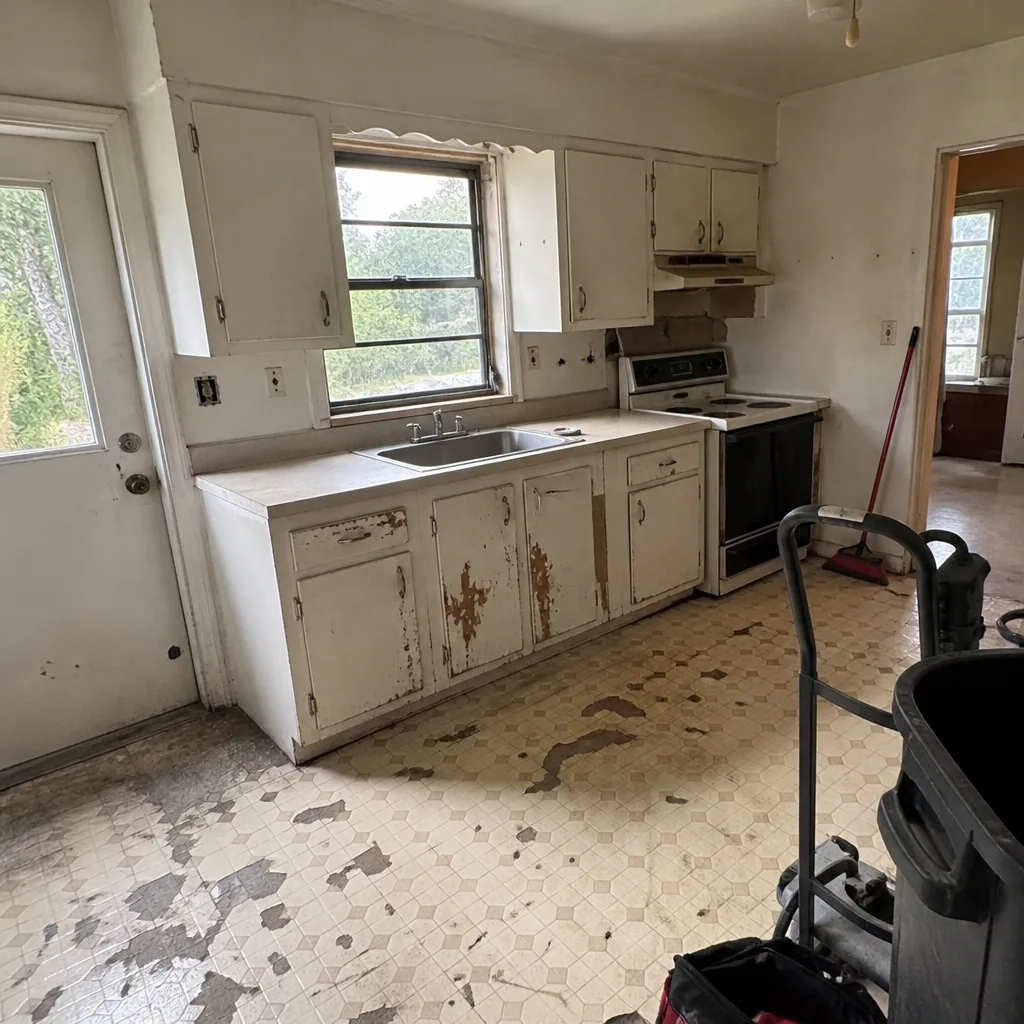 Before
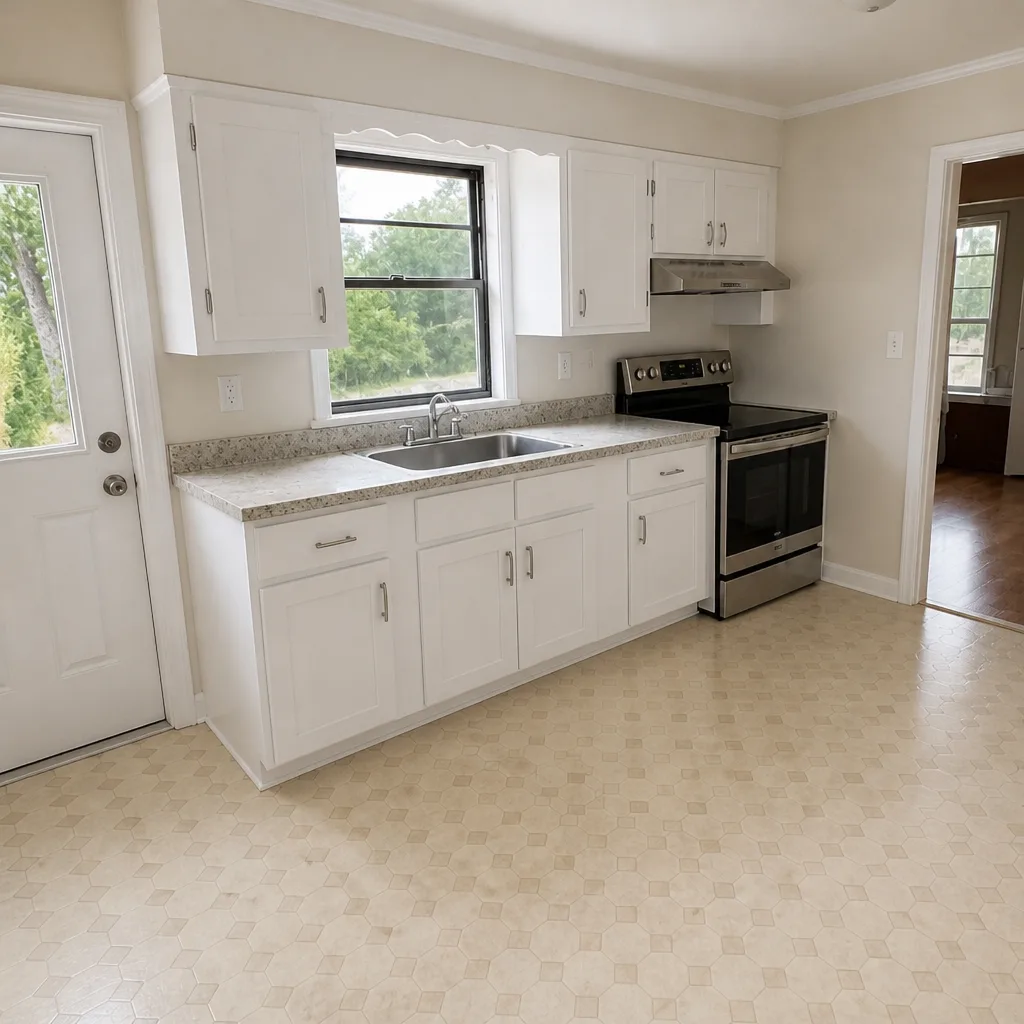 After
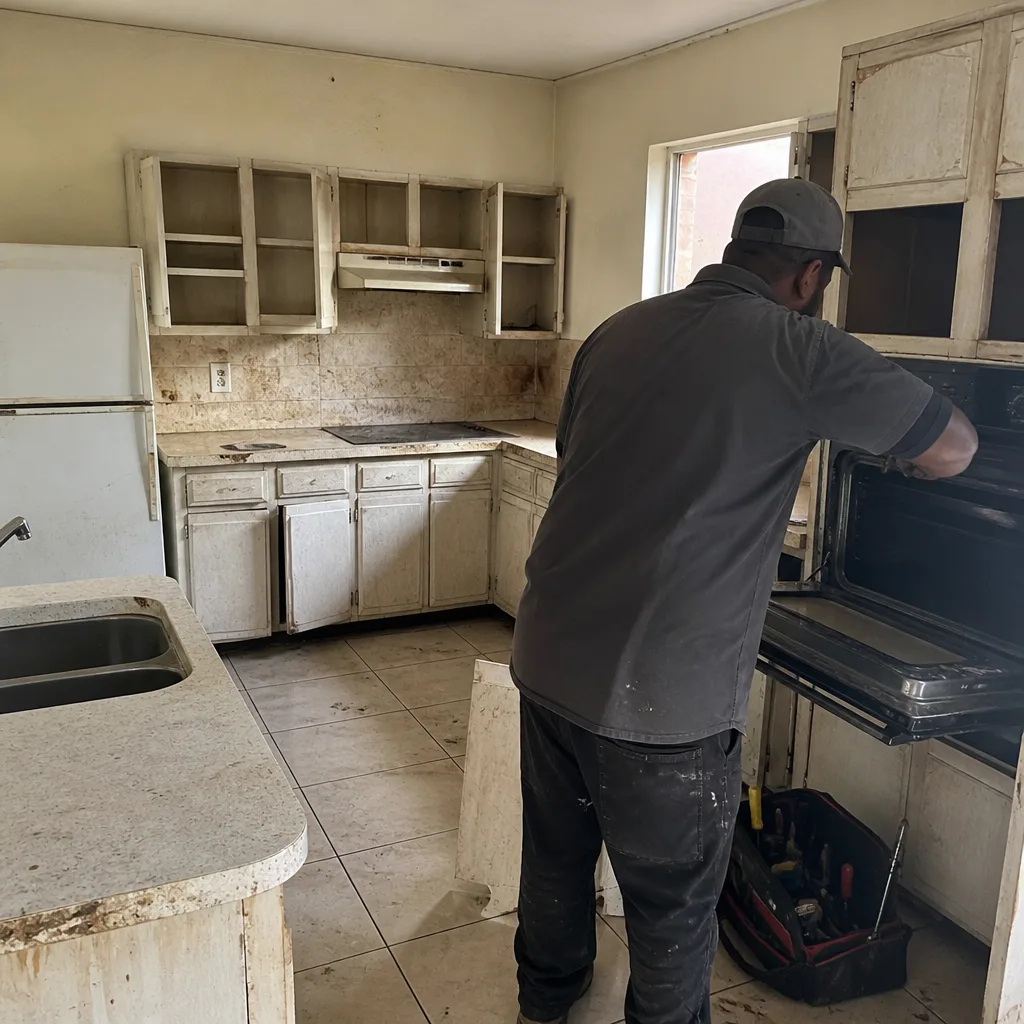 Before
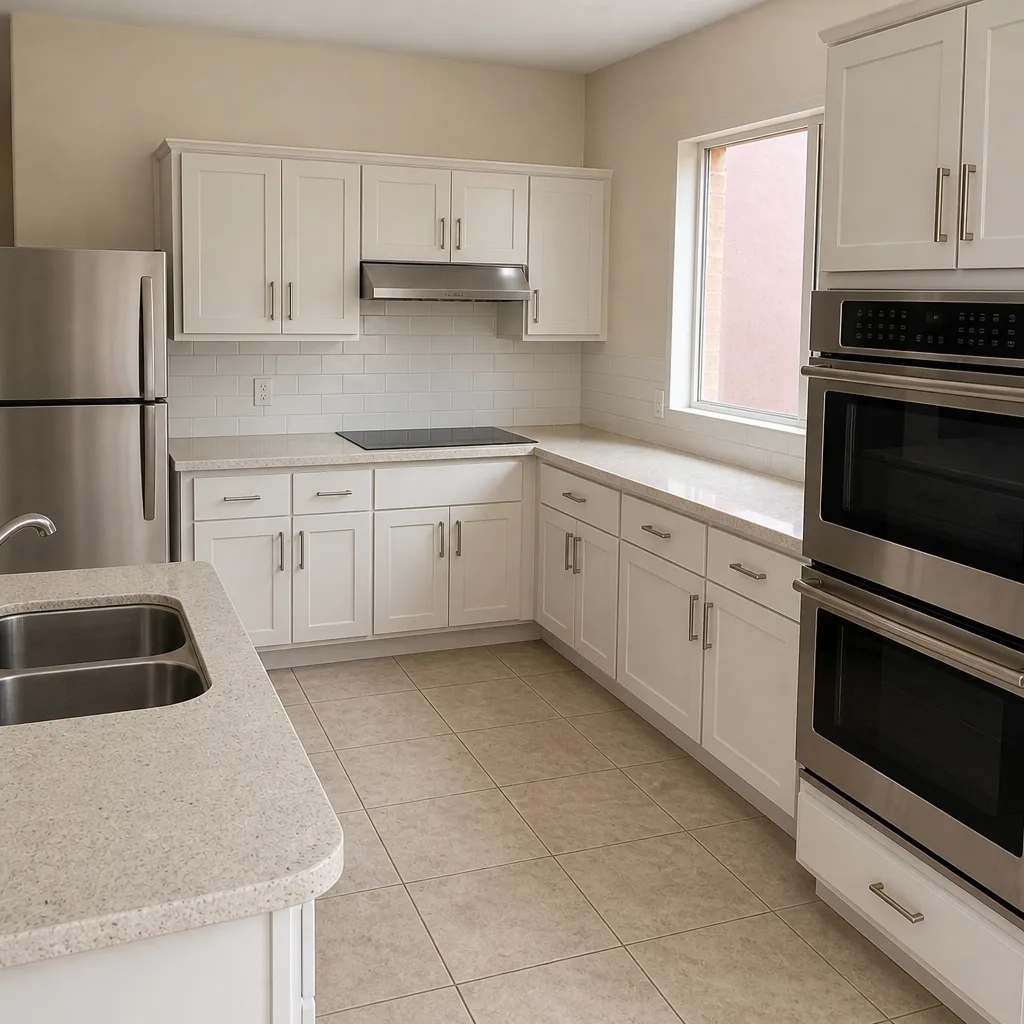 After
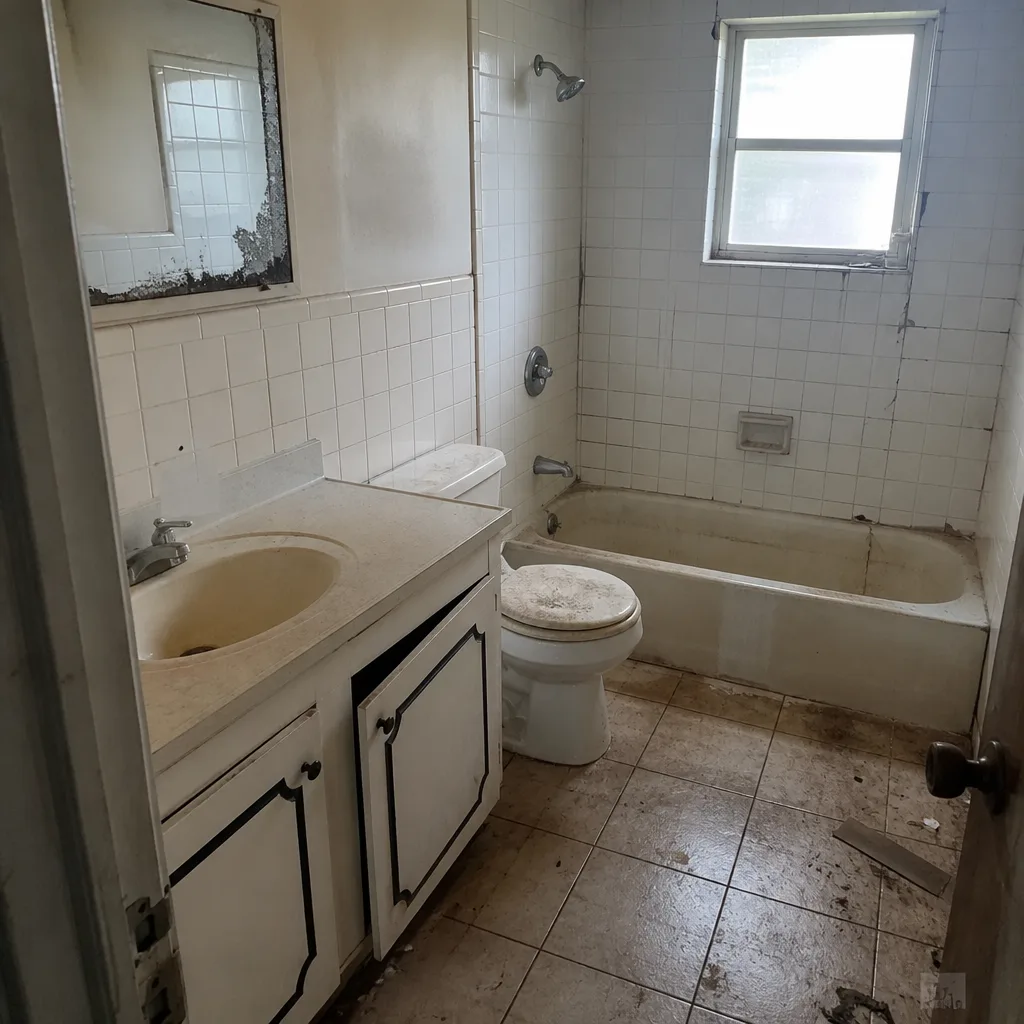 Before
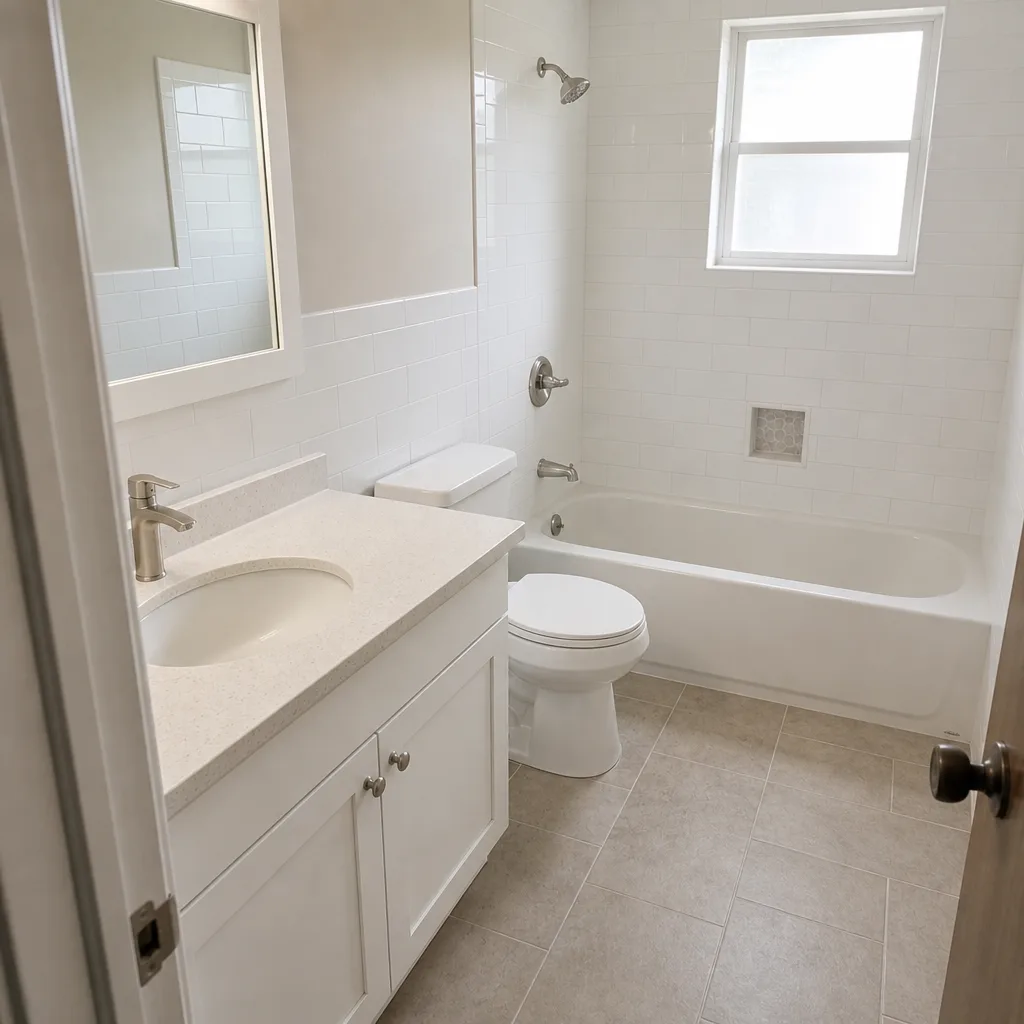 After
When to Call a Professional
Call a professional when the job crosses any of four lines: the surface exceeds 100 square feet (permit required), the base needs compaction to pass an inspection, the driveway ties into a structural element like a retaining wall or gate footing, or the scope connects to a larger project – a fence, an addition, an ADU – where the contractor of record has to carry the whole permit. Those four lines cover most Homestead driveways. The phases you can safely own are the cutting, the layout, and the cleaning. The phases that carry the permit and the inspection are the base and the edge. Rowan Construction Group Homestead offers free estimates in Homestead, a flat written price with a written scope before work begins, and a Free Second Opinion on any written estimate you’ve already received – bring a competitor’s quote and we’ll review it line by line at no charge. Call (844) 834-4248.
Frequently Asked Questions
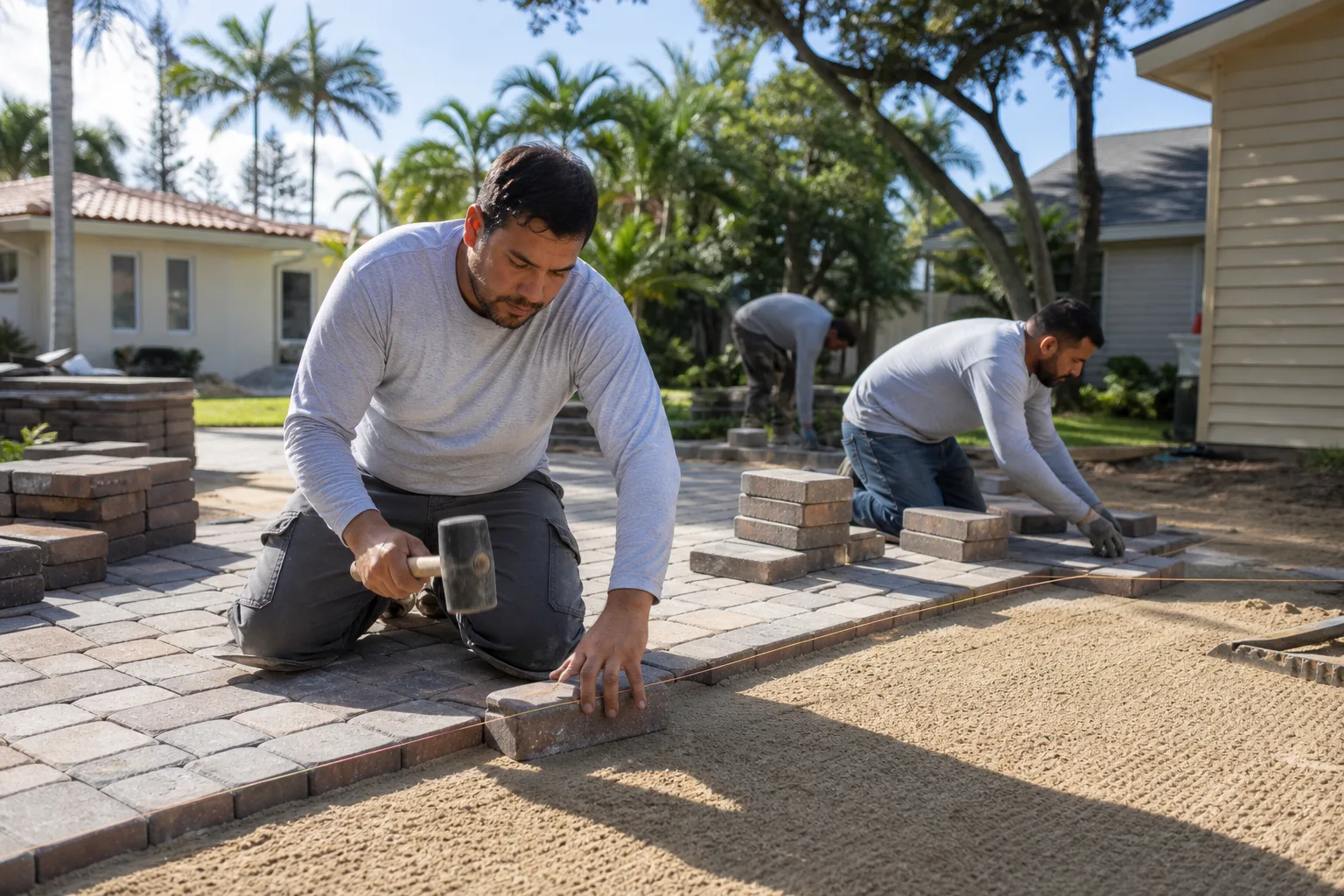
Yes – Miami-Dade County requires a building permit for any driveway surface exceeding 100 square feet, which covers nearly every residential driveway in Homestead. The permit requires plan review, base compaction and grade inspections, and a final sign-off. Laying pavers past that threshold without a permit can trigger a stop-work order and, in the worst case, a removal order. Call (844) 834-4248 for a free estimate that includes the permit scope in writing.
The reverse is the arrangement that keeps the permit valid: a licensed contractor builds the base, edge restraint, and pulls the permit, and you set the pavers under their written scope. If you pull the permit as owner-builder and then hire a contractor for part of the work, the permit names the wrong party and the county can flag it. The contract must name the contractor of record and list base, compaction, and edge as their responsibility. Call (844) 834-4248 to see how we scope a base-only contract.
A professionally installed paver driveway in Homestead typically runs $12 to $22 per square foot installed, depending on paver brand, base depth, and site access – so a 500-square-foot driveway lands roughly $6,000 to $11,000. A DIY surface saves the setting and finishing labor but still carries base prep ($3 to $6 per square foot as a contractor line item or 4 to 6 rental days plus aggregate if self-performed), the permit, and the inspection risk. Call (844) 834-4248 for a flat written price with a written scope before any work starts.
No – a plate compactor rents for $80 to $120 per day and works for small pads, but a full driveway base needs a vibratory roller and a moisture check to pass a Miami-Dade compaction inspection. A 500-square-foot base at 6 inches compacted is about 11 cubic yards of aggregate placed in 2-inch lifts, which realistically takes three to five days for a first-timer. The rental and aggregate and time stack up against a contractor line item that already includes the pass. Call (844) 834-4248 for a free estimate on base and edge scope.
Under Clause 1 of the Haven Standard, your price is written before anyone picks up a tool, and no work proceeds on a change until the change order is signed. That discipline is why Rowan projects have finished within a few percent of the agreed cost across 4,000-plus jobs. If a contractor’s quote is verbal or has “call for a quote” language, treat that as the warning sign it is. Call (844) 834-4248 for a flat written price with a written scope and written warranty.
It becomes a disclosure item – Florida sellers must disclose known unpermitted work – and the county can require retroactive permitting, which means re-inspection and, if the base fails, removal and rebuild. The buyer’s leverage at closing is the worst-case repair cost, not the best-case. Pulling the permit and keeping the sign-off is the cheap part of compliance. Call (844) 834-4248 to review a driveway permit scope before you buy or sell.
The Bottom Line
The DIY/pro line for driveway pavers in Homestead falls at the base and the edge, not at the setting. Cutting, pattern layout, and cleaning are safe to own – they’re recoverable at low cost and they reward a careful homeowner. Base compaction, edge restraint, and anything that triggers the Miami-Dade 100-square-foot permit are where DIY becomes economically irrational or legally blocked, and the permit has to name a contractor of record when one performs the work. The hybrid split – contractor for base, permit, and inspections; you set the pavers – works if the contract is written to keep the permit valid. Got a driveway in Homestead? Call (844) 834-4248 for a free estimate, or browse more of our Homestead construction work at the Rowan Construction Group Homestead home.
Written by the team at Rowan Construction Group Homestead.