Last updated November 17, 2026
Free written scope consultation - allowances, timeline, and change-order rules on paper before a single trade is scheduled
The Complete Windows & Doors Guide for Homestead Homeowners
A window that sells by the pallet in Atlanta can fail a Miami-Dade inspection before the crate is open. That’s not an exaggeration. Miami-Dade County runs its own product-approval system, separate from national ratings, and only a fraction of the windows and doors sold across the country carry the Notice of Acceptance that makes them legal to install here. Homestead sits fully inside Miami-Dade’s High-Velocity Hurricane Zone, so the local rulebook governs nearly every opening in your house. This guide walks through what NOA approval actually means, how to check a specific product’s approval number yourself, why approved glass in an unapproved frame still fails, which brands hold current approval, what installed prices look like per opening, and the paperwork you should hold at closeout.
Quick Answer
For a window or door replacement in Homestead, FL, the product must carry a current Miami-Dade Notice of Acceptance (NOA) or a Florida Product Approval that meets the High-Velocity Hurricane Zone requirements for your home’s wind-load zone, and it must be installed with the approved anchoring method. Price and looks come second. A code-legal, installed impact window in Homestead typically runs $950 to $1,850 per opening, and a code-legal exterior door runs $2,400 to $6,500 depending on size and hardware.
Styles & brands we work with
- Kitchen remodeling
- Bathroom remodeling
- Home additions & ADU
- Roofing
- Windows & doors
- Driveway & pavers
- Fence
Table of Contents
- What Miami-Dade NOA Approval Means and Why It Comes First
- How to Look Up a Product’s NOA Number Yourself
- Impact-Rated Glass vs. Impact-Rated Assembly
- Brands That Hold Current Miami-Dade Approval
- What Windows and Doors Cost in Homestead
- Wind Load and Frame Material: Aluminum vs. Vinyl in Salt Air
- The Permit and Inspection Process in Miami-Dade
- What Documentation You Should Receive at Closeout
What Miami-Dade NOA Approval Means and Why It Comes First
A Miami-Dade Notice of Acceptance is a product-specific certification issued by the county after the manufacturer submits test data, engineering, and quality-control documentation. It’s not the same thing as a national window rating, and it’s not the same as a Florida Product Approval, though the two overlap. For a product installed in the High-Velocity Hurricane Zone, the NOA is the document that tells the building department the assembly has been tested for the wind pressure and missile impact the county requires.
The reason this comes before price or aesthetics is simple: in Homestead, an inspector can and will reject a window that isn’t backed by a valid approval for the installed configuration. That means your money is spent and the opening isn’t signed off. We’ve seen homeowners buy closeout windows from a national retailer at a real discount, then discover the approval covered a different frame profile or a different glazing package than what shipped.
Two details matter most:
- The approval is for the whole assembly: frame, glass, hardware, and the anchoring method, in the sizes listed. Aesthetically identical windows from the same brand can have different approval status if the frame series differs.
- Approvals have expiration dates and revision letters: the NOA number on the sticker inside the frame must match a current, unexpired document, and it must cover your installed size and wind-pressure rating.
In our experience working Homestead jobs, this filter eliminates roughly half the windows a homeowner walks in wanting after a showroom visit. That’s not a knock on those products; they’re built for other climates. It’s just that Homestead’s wind zone sets the floor, and everything else sits above it.
How to Look Up a Product’s NOA Number Yourself
You can verify a window or door’s approval without relying on the salesperson’s word. The county maintains a public product-approval search, and the whole check takes about five minutes per product.
- Find the NOA number on the product. It’s on a label inside the frame or on the manufacturer’s spec sheet. It will look something like “NOA No. 22-0115.06.”
- Open the Miami-Dade County product control search. Search by the NOA number or by the manufacturer’s name. The county’s Building Code Compliance Office runs the database.
- Check the expiration date. An expired NOA is not a valid approval. The document lists an issue date and an expiration date, and revisions reset both.
- Confirm the product series matches. The NOA covers a specific product line and series, not every window the manufacturer makes. Compare the series name on the approval to the series on your quote.
- Confirm the size and design pressure. The approval lists maximum sizes and design-pressure ratings. Your opening must fall within those limits.
- Confirm the installation method. The NOA references an anchoring detail: how the frame fastens to the rough opening, what fasteners, what spacing. Your installer must follow it.
If any of those six items don’t line up, the product isn’t approved for your job, regardless of what’s printed on the showroom display. Ask the contractor to show you the matched approval document before the order is placed. Rowan Construction Group’s written quote names the product series and the NOA on the line item, so you can run this check before signing.
Impact-Rated Glass vs. Impact-Rated Assembly
Impact-rated glass is one piece of the puzzle. Impact-rated assembly is the whole thing, tested together. A laminated or laminated-insulated glass unit that passes a missile impact test in a laboratory doesn’t automatically make the window it’s glazed into an approved product. The frame, the weatherstripping, the sash lock, the hinge, and the anchor all participate in the assembly’s performance.
Here’s why that matters in Homestead. When wind pressure pushes on an assembly, the load doesn’t stop at the glass. It travels through the sash into the frame and then into the fasteners holding the frame to the wall. A frame that flexes too much can pop a sash out of its track or shear an anchor, and the opening fails even though the glass survived. The county tests the whole assembly for exactly this reason, and it approves the assembly, not just the glass.
The practical consequence for a homeowner:
- Don’t swap components. If a quote offers a lower price by substituting a different frame series or a different sash lock, that substitution likely breaks the approval. Ask to see the NOA revision that covers it.
- Don’t resize the opening. A frame installed in an opening larger than the approved maximum size loses its approval, even if the frame and glass are identical to what the NOA lists.
- Don’t accept “the glass is impact-rated” as an answer. The correct question is “is this assembly approved for this opening with this anchoring method, and can you show me the NOA?”
When we quote window work in Homestead, the line item names the assembly, not just the glass. That’s the difference between a product that passes inspection and one that doesn’t.
Brands That Hold Current Miami-Dade Approval
Several manufacturers maintain current Miami-Dade approvals across part of their line. PGT Industries, CGI Windows and Doors, and Impact Resistant Windows & Doors are three names we see regularly on Homestead jobs, each with approved series in their catalogs. The list changes as manufacturers revise products and approvals expire, so always verify against the county database before you order.
What their lines look like at installed prices, in the Homestead market:
- PGT WinGuard series: aluminum-framed impact windows, typically $950 to $1,650 per opening installed for a standard single-hung or slider, more for large picture windows or custom sizes. The brand carries current approvals on multiple series.
- CGI Sentinel series: aluminum impact windows with a strong local reputation, typically $1,000 to $1,750 per opening installed, with casement and awning configurations at the higher end.
- Impact Resistant Windows & Doors: a Florida-focused manufacturer with approved product lines, typically $900 to $1,500 per opening installed on standard configurations.
These aren’t the only approved manufacturers, and no single brand is “the best” across every opening. The right pick depends on the size, the wind-pressure rating your opening requires, the color and finish that matters to you, and the lead time on the approved series. A big-box brand that sells nationally may carry a Florida Product Approval for one series and no Miami-Dade NOA at all, which is precisely the case where the store label means less than it appears to.
For related exterior work, our Rowan Construction Group Homestead home page covers the trades we take on, and if your project includes a new build or addition rather than a swap, Home Additions & ADU in Homestead explains how window selection fits into the larger permit set.
What Windows and Doors Cost in Homestead
Installed prices in Homestead run higher than the national averages you’ll find online, partly because the assemblies themselves cost more and partly because the permit and inspection process is more involved. Here’s the line-item range we use on written quotes.
| Scope | Installed Price Range |
|---|---|
| Single-hung impact window, standard size, aluminum frame | $950 – $1,450 per opening |
| Slider or picture impact window, standard size | $1,200 – $1,850 per opening |
| Casement or awning impact window | $1,350 – $1,950 per opening |
| Impact-rated entry door, standard size | $2,400 – $4,200 |
| Impact-rated entry door with sidelights or transom | $3,600 – $6,500 |
| Impact-rated sliding glass door, 6-foot | $2,800 – $5,200 |
| Permit fees (Miami-Dade, typical residential window package) | $300 – $900 |
| Removal and disposal of existing units | Typically included |
A few things move the number within those ranges. Frame color (bronze and black run higher than white on some lines), glazing upgrades like low-E coatings, and second-story access all push the price up. A whole-home package of eight or more openings usually lands at the lower end of the per-opening ranges because mobilization spreads across more work.
Door hardware matters more than most homeowners expect: a Sterling or Grohe handle-set is a different line item than a builder-grade lever set, and on an impact door the hardware is part of the approved assembly. Name the hardware on the quote and check it against the NOA.
Wind Load and Frame Material: Aluminum vs. Vinyl in Salt Air
Homestead’s wind-load requirements, set by the Florida Building Code, push frame selection toward aluminum on most openings. Vinyl frames are common nationally and cheaper on many lines, but the approved vinyl assemblies that meet the High-Velocity Hurricane Zone requirements are a smaller set. Aluminum holds more of the approved catalog and handles the wind-pressure ratings on larger openings better because it’s stiffer for the same depth.
Salt air is the second factor, and it’s the one that catches people moving to Homestead from out of state. The prevailing breeze off Biscayne Bay carries salt that attacks the wrong finish on a window frame within a few seasons, especially on the east-facing exposures that see the most wind-driven moisture. A standard mill-finish aluminum frame will pit and chalk; an anodized or powder-coated aluminum frame holds up far better. Vinyl doesn’t corrode the way aluminum does, but it can chalk and discolor in strong UV, so the grade of the vinyl formulation matters too.
What actually holds up here:
- Powder-coated or anodized aluminum frames on the east and windward faces, because the coating resists salt and UV together.
- Approved vinyl only, in an assembly that carries a current NOA for the High-Velocity Hurricane Zone, on west and leeward openings where salt exposure is lower.
- Stainless or approved coated fasteners throughout, because the anchor is the weakest point in a salt environment.
- Proper weep and drainage detailing at the sill, so wind-driven rain drains out rather than pooling inside the frame.
In Homestead, we routinely find original builder-grade frames showing pitting and finish failure on the east elevation at the ten- to fifteen-year mark, well before the glass itself fails.
The Permit and Inspection Process in Miami-Dade
Window and door replacement in Homestead requires a permit, no exceptions for like-for-like swaps. The permit isn’t a formality; it’s how the building department verifies the products going in meet the wind-load and NOA requirements for your address.
Here’s how the process runs, in order:
- Application submitted with the product NOA numbers, product approval sheets, the wind-load calculation, and the installation details from the manufacturer.
- Plan review by Miami-Dade. Reviewers check the NOA against the product, and check the installation method against the approval.
- Permit issued, usually within two to four weeks depending on the volume in the queue.
- Installation, following the approved anchoring method step for step. Any change to the anchoring method is a change to the approval.
- Rough inspection before interior trim goes on, so the inspector can see the fasteners and the shim and sealant details.
- Final inspection after trim and finish, at which point the permit is closed.
The permit history matters at resale. A window package installed without one shows up in a title search as unpermitted work, and a buyer’s inspector will flag it. Pull the permits, get the inspections, and keep the paperwork. Rowan Construction Group includes permit fees and inspection scheduling in the written quote, so the number you sign is the number you pay barring a signed change order.
What Documentation You Should Receive at Closeout
A properly closed window and door job ends with a folder of paperwork, not just a handshake. Ask for these items at the final walk-through, and if any are missing, ask why.
- Closed permit and inspection record, showing the final inspection passed.
- Manufacturer’s product approval sheet and NOA number for each product installed, so a future buyer or inspector can verify.
- Manufacturer’s written warranty on the assembly, separate from the installation warranty.
- The installer’s written warranty on labor and sealing, with the term stated.
- The photo record of the installation: rough opening, flashing detail, anchoring, finish. Photos are the fastest way to resolve a question later.
- A signed change order file, if any change occurred, so the final invoice matches a documented record.
Rowan’s crew delivers a documented photo record on every visit as a standard deliverable, and the 365-Day Done Right Promise backs the installation: if it isn’t done right, Rowan makes it right, per The Haven Standard. The written warranty ships with the quote, not after the fact.
Common Mistakes to Avoid
- Buying on national ratings alone. A window with a strong national energy rating but no Miami-Dade NOA can’t be installed legally in Homestead. Check the county database before anything else.
- Assuming approved glass equals approved window. The assembly is what gets approved, and a frame substitution at the same glass breaks the approval. Match the NOA to the frame series on the quote.
- Skipping the permit to save time. Unpermitted window work follows the house at resale and can trigger a removal and reinstall at the wrong moment. Pull the permit even for a single window.
- Choosing mill-finish aluminum on the east elevation. Salt air and UV will pit and chalk a bare frame in a few seasons. Specify powder coat or anodized finish on windward exposures.
- Ignoring the installation method. A window installed with the wrong fasteners or spacing can fail the rough inspection even if the product is approved. The approved anchoring detail has to be followed.
- Discarding the paperwork at closeout. The NOA sheets, inspection record, and warranties are what a buyer’s inspector will ask for. Keep them with the house file.
- Letting a contractor change the order without a paper trail. If a product is discontinued and a substitution is offered, the substitution must carry its own current NOA. Get the change in writing before the truck unloads.
See the difference
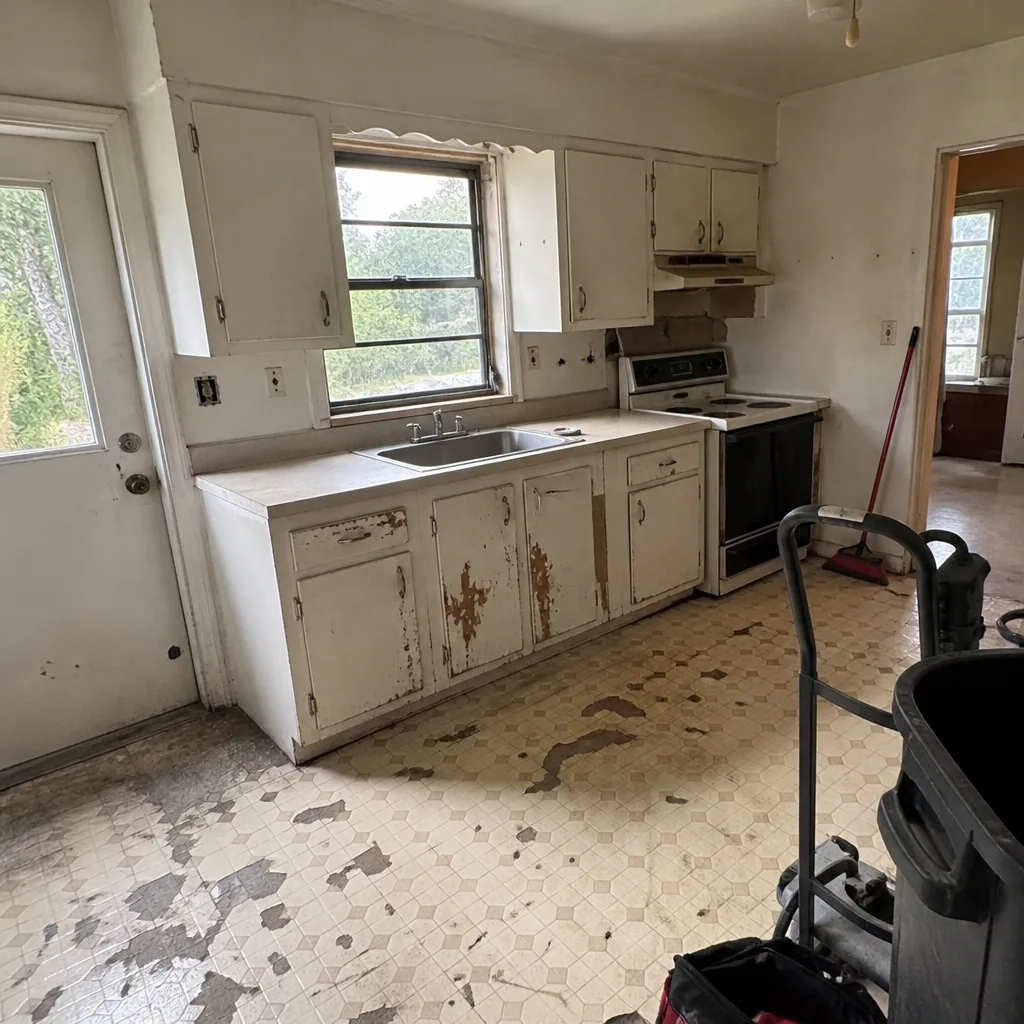 Before
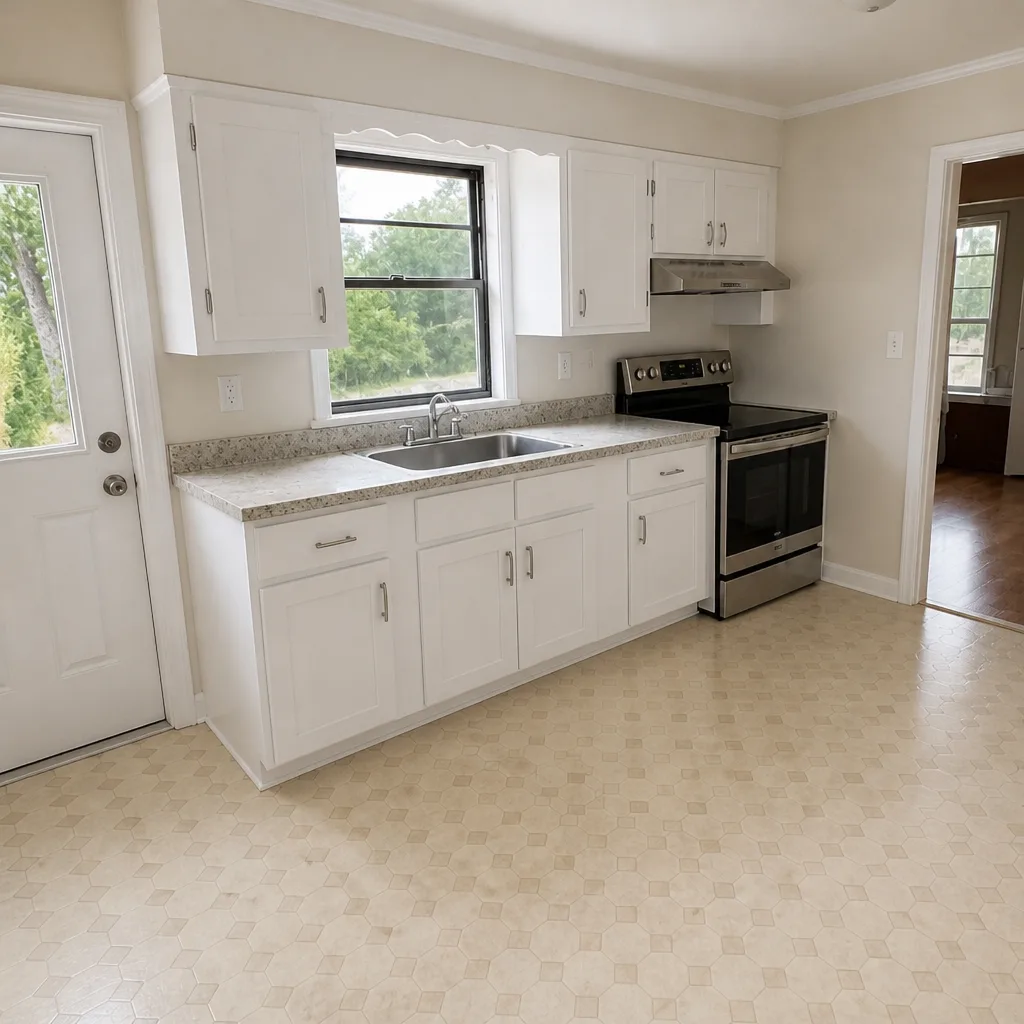 After
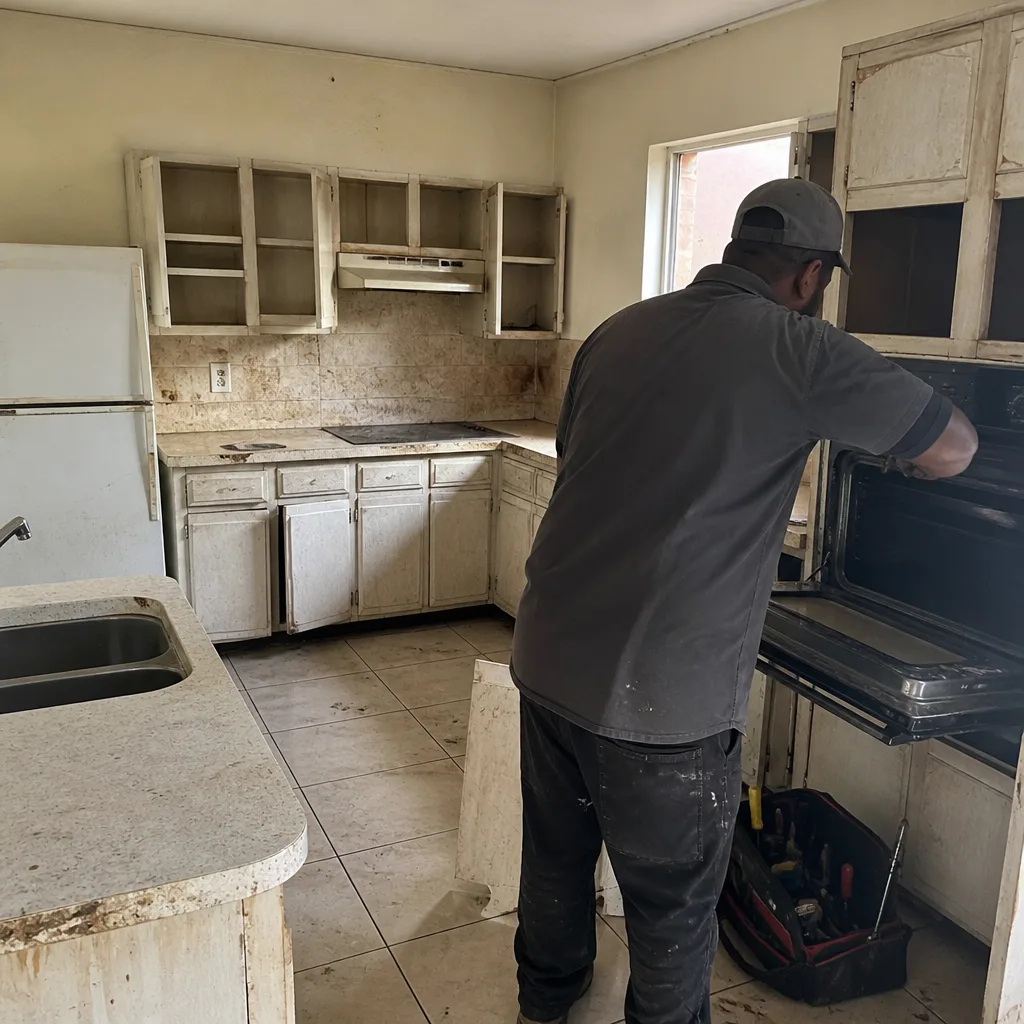 Before
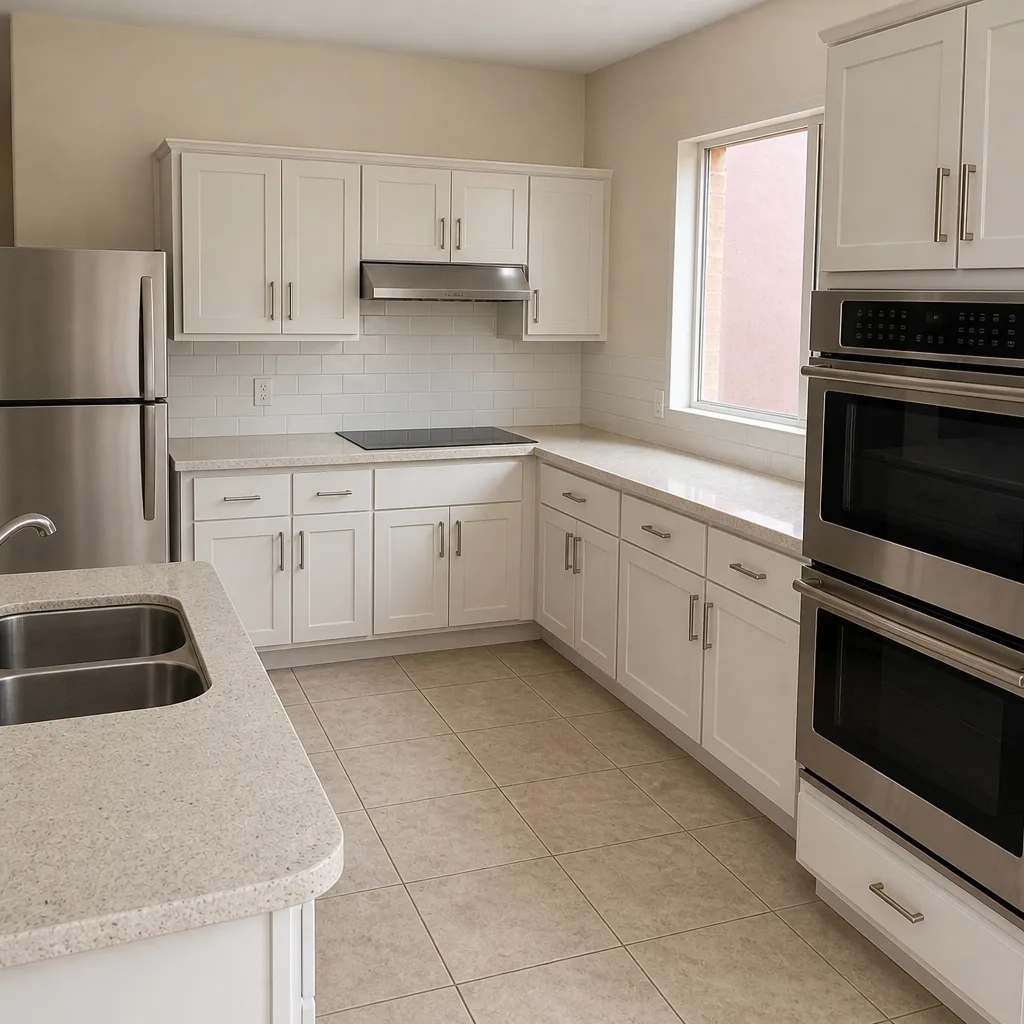 After
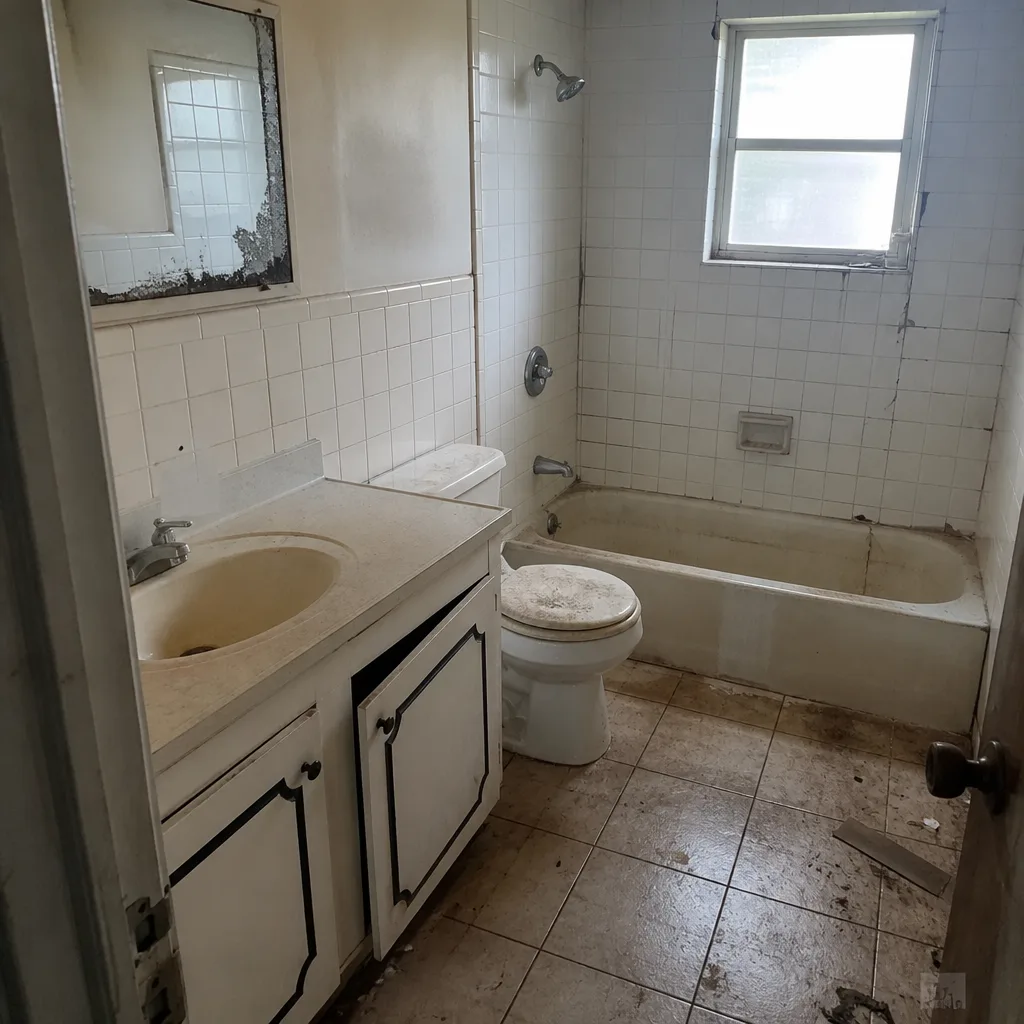 Before
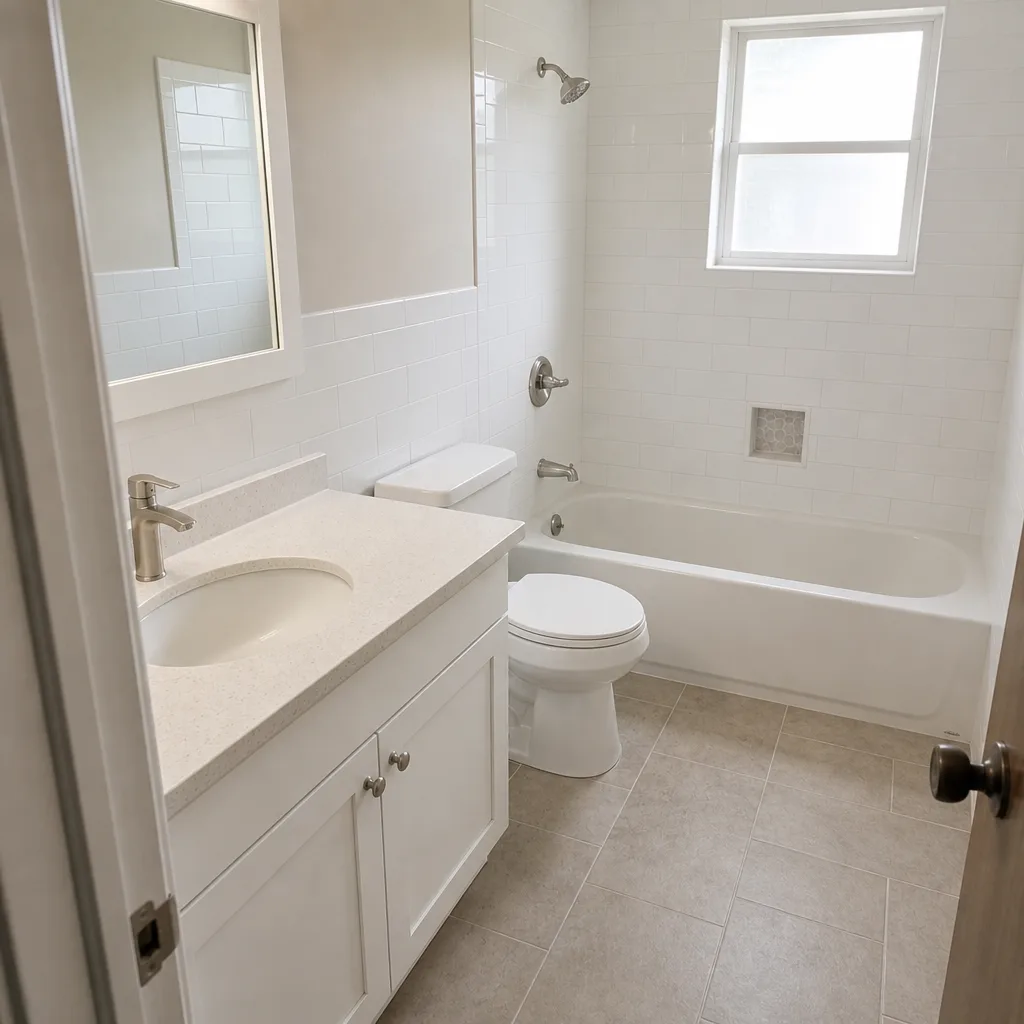 After
When to Call a Professional
Call a licensed contractor when the work involves any structural opening, when the product needs a permit, when the existing frame shows pitting or rot, or when the assembly must be replaced, not just the glass. In Homestead, that’s nearly every window and door job, because the code filter and the inspection sequence make this a professional-scope project. A few situations specifically need a call before you buy anything: a homeowner shopping nationally marketed windows that may lack NOA approval, a door or window that’s had water intrusion at the sill, a whole-house package of eight or more openings, and any replacement where the existing install was unpermitted. Rowan Construction Group Homestead offers free estimates in Homestead – call (844) 834-4248. We’ll bring a written price, name the product series and NOA on the line item, and review any competitor’s written estimate line by line at no charge.
Frequently Asked Questions
Yes. Every window and exterior door installed in Homestead’s High-Velocity Hurricane Zone must carry a current Miami-Dade Notice of Acceptance or a Florida Product Approval that satisfies the county’s wind-load and impact requirements for that opening. The permit review is where this gets checked. Call (844) 834-4248 to have the approval verified on your quote before you order.
Installed impact windows in Homestead typically run $950 to $1,850 per opening, depending on size, configuration, and frame finish. A standard single-hung aluminum impact window typically falls at $950 to $1,450 installed, while a large picture window or casement runs higher. Call (844) 834-4248 for a written line-item estimate – estimates are free.
A Miami-Dade NOA is issued by the county after its own review of the product’s test data, and a Florida Product Approval is the state-level certification. The two overlap, but for a High-Velocity Hurricane Zone address like Homestead, the county’s review is the stricter of the two, and the building department wants the NOA on file for the specific product and installation method. Ask to see both documents on a quote.
No, not practically. Window and door replacement in Homestead requires a permit and two inspections, and the installation must follow the anchoring method named in the product’s NOA. A homeowner-installed window that deviates from the approved method fails the rough inspection, and there’s no path to a legal final inspection without a licensed installer of record. Call (844) 834-4248 to get a permitted installation quoted.
From the day the permit is submitted to the day the final inspection passes, plan on six to ten weeks for a typical residential package. The permit review alone accounts for two to four weeks, the install itself takes one to three days depending on the number of openings, and the inspection scheduling adds the rest. Call (844) 834-4248 and we’ll map the timeline against your specific openings.
Salt carried on the prevailing wind attacks frame finishes, and the east and windward elevations take the most exposure. A bare mill-finish aluminum frame pits and chalks within a few seasons in Homestead, while a powder-coated or anodized frame holds up far better. Stainless or approved coated fasteners matter too, because the anchor is the weak point in a salt environment.
The Bottom Line
Window and door work in Homestead starts with the county’s approval list, not a showroom. Confirm the NOA before you compare prices, confirm the assembly not just the glass, and confirm the anchoring method against the approval. Expect $950 to $1,850 per impact window installed and $2,400 to $6,500 for an impact door, with permit fees in the $300 to $900 range. Pull the permit, pass both inspections, and keep the closeout folder. Rowan Construction Group puts the product series and NOA in the written price before work starts, backs the install with the 365-Day Done Right Promise, and reviews any competitor’s written estimate line by line at no charge. When you’re ready to compare real numbers, call (844) 834-4248 for a free estimate, and if the project also involves driveway, fence, or addition work, our Homestead teams cover those trades too.
Written by the team at Rowan Construction Group Homestead.