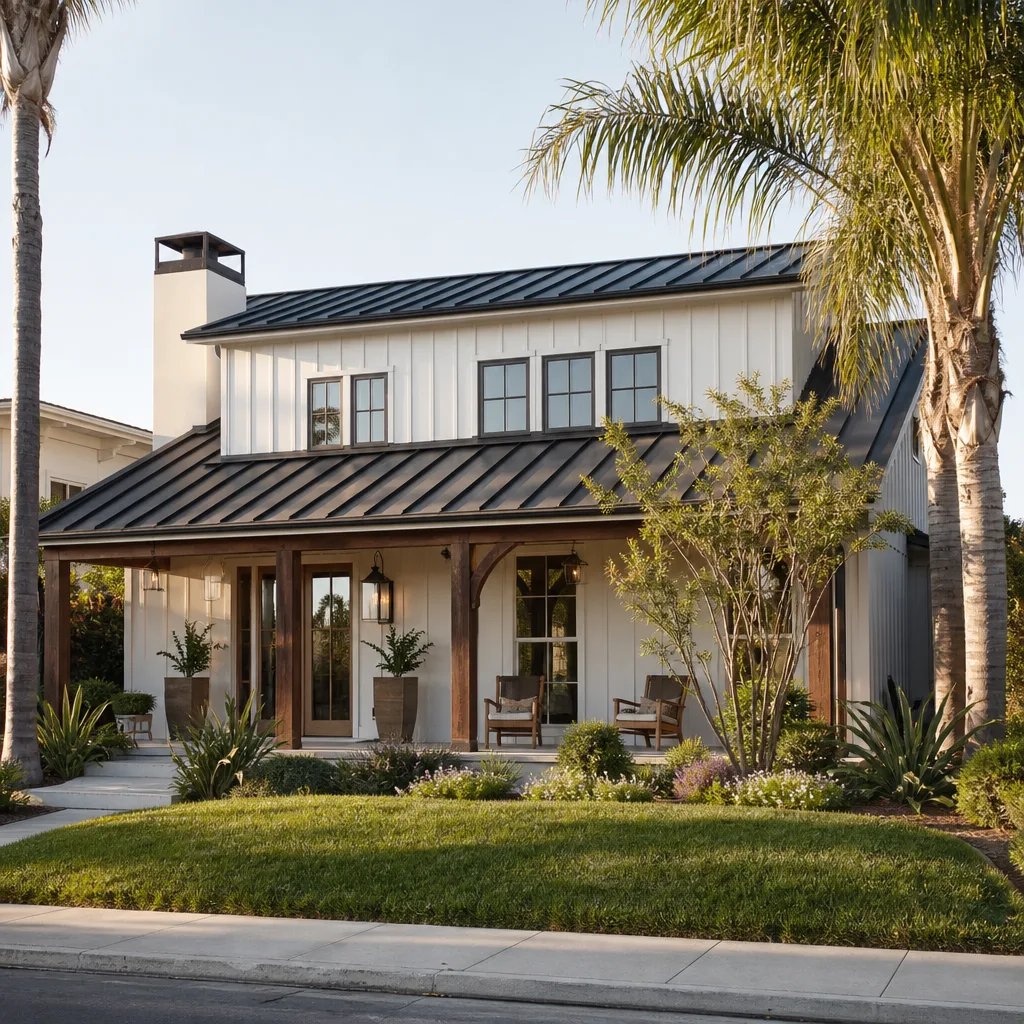
Free written scope consultation - allowances, timeline, and change-order rules on paper before a single trade is scheduled
Styles & brands we work with
- Kitchen remodeling
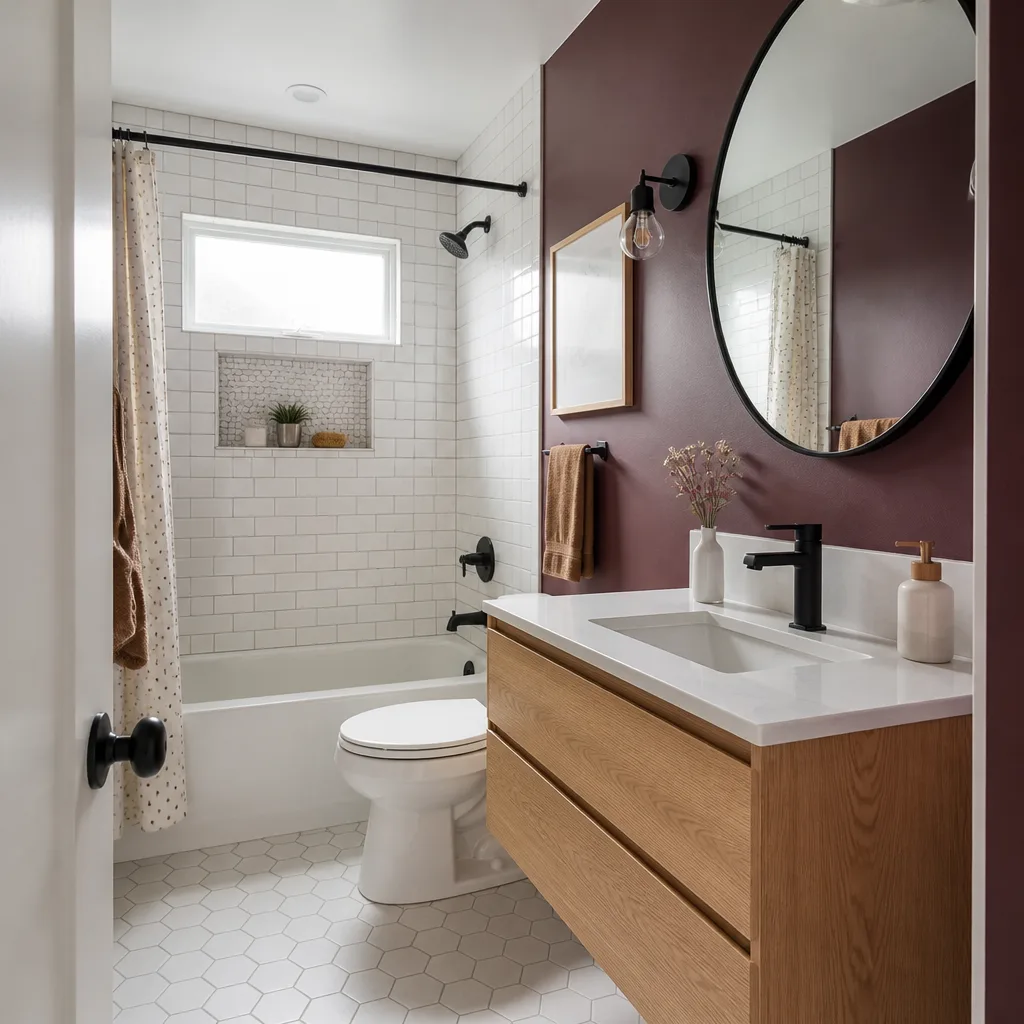
- Bathroom remodeling
- Home additions & ADU
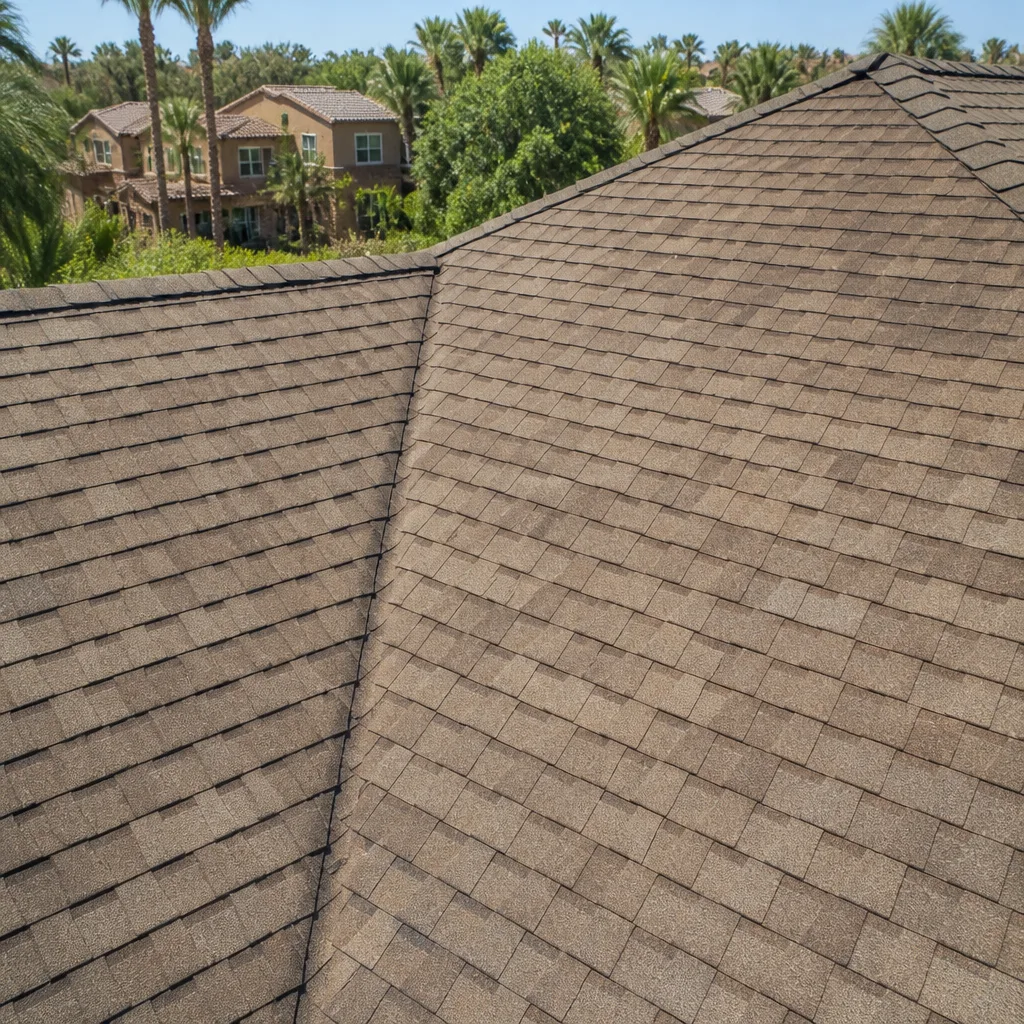
- Roofing
- Windows & doors
- Driveway & pavers
- Fence
See the difference
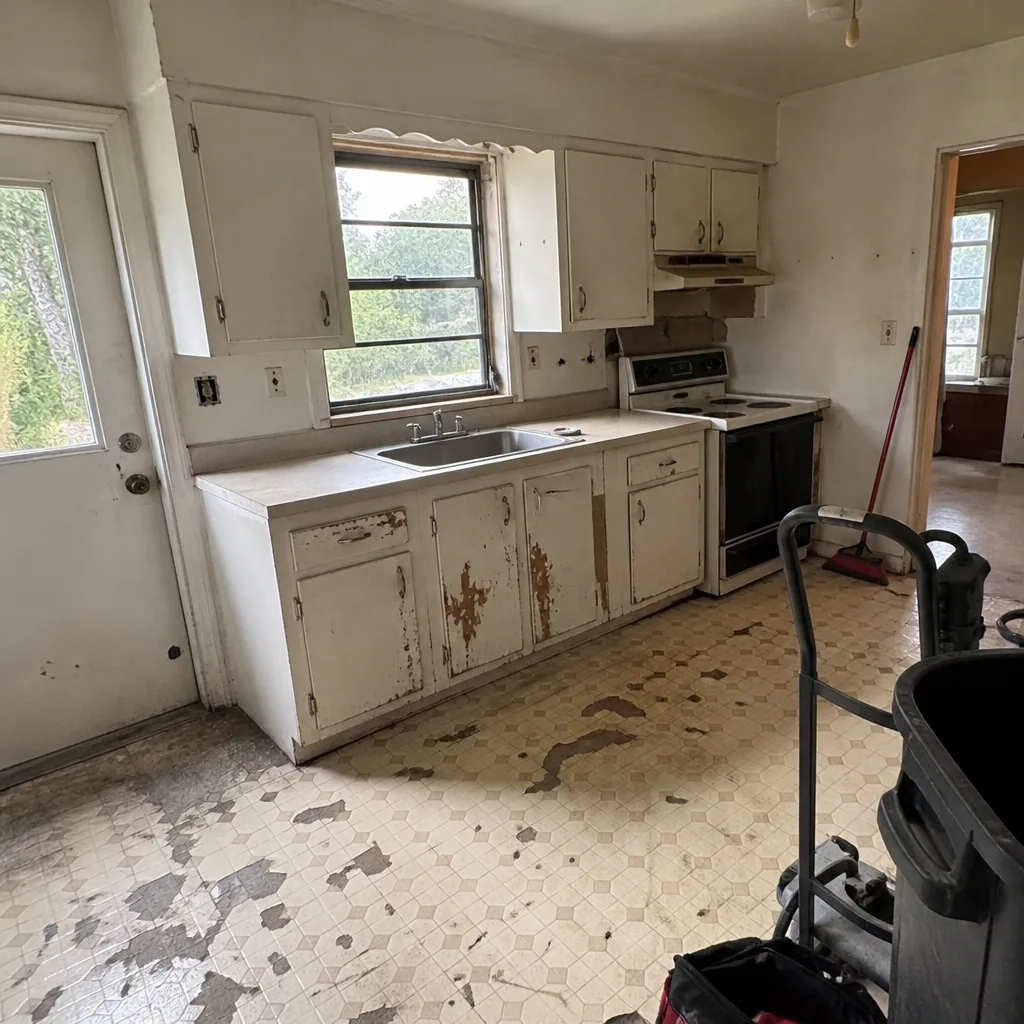 Before
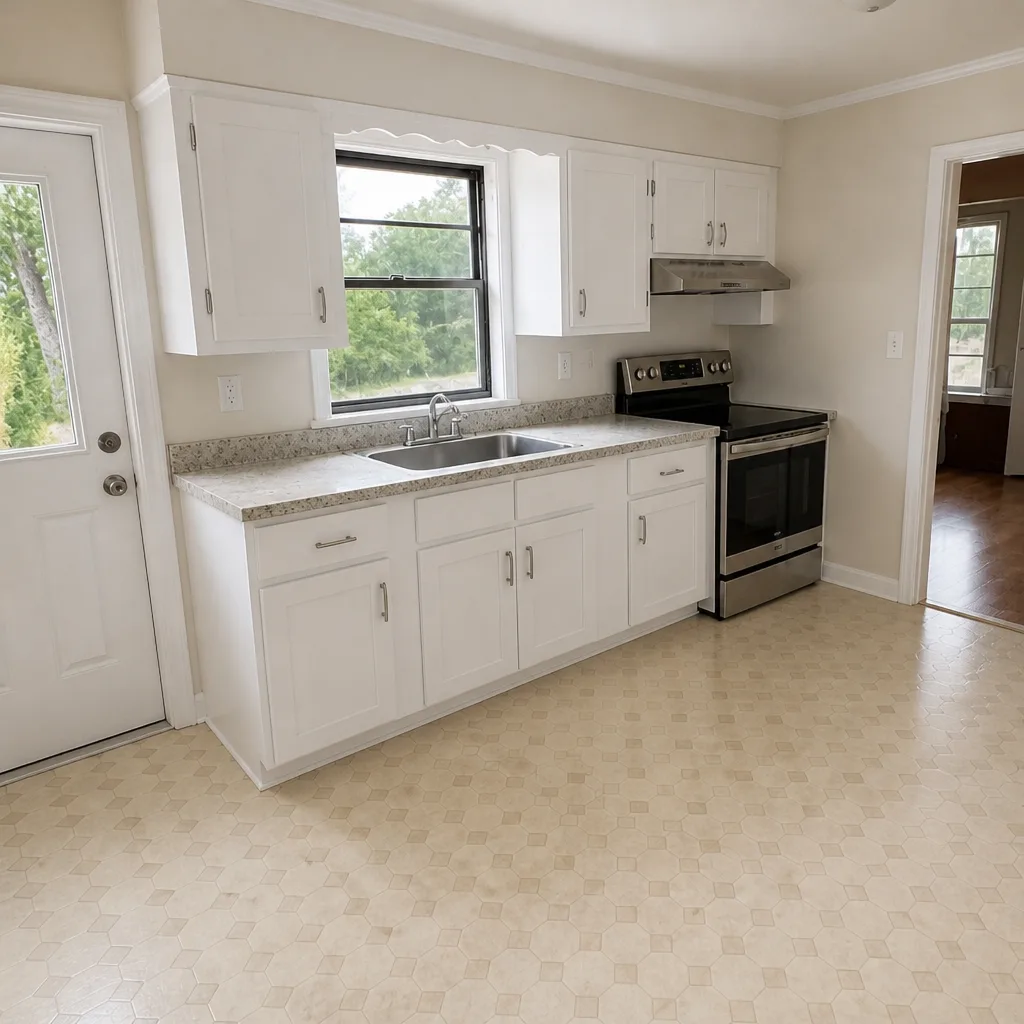 After
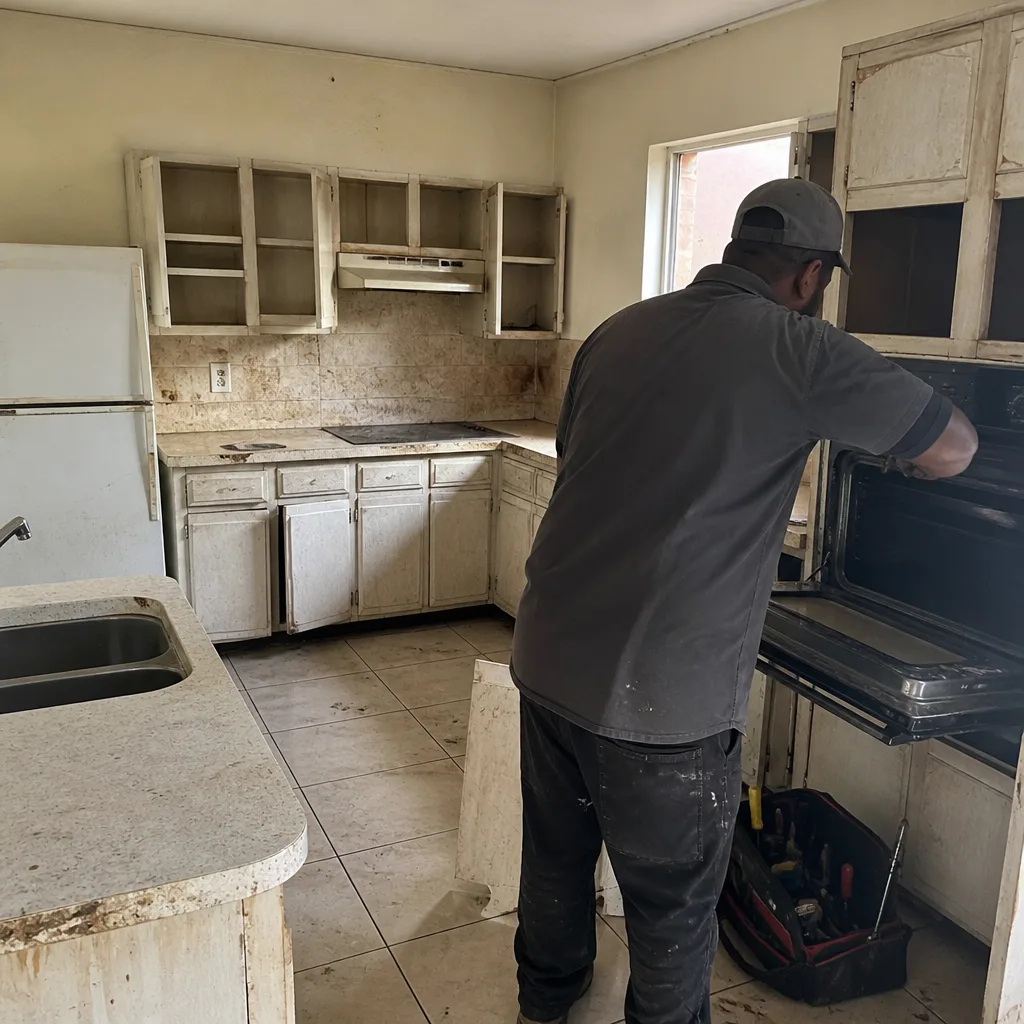 Before
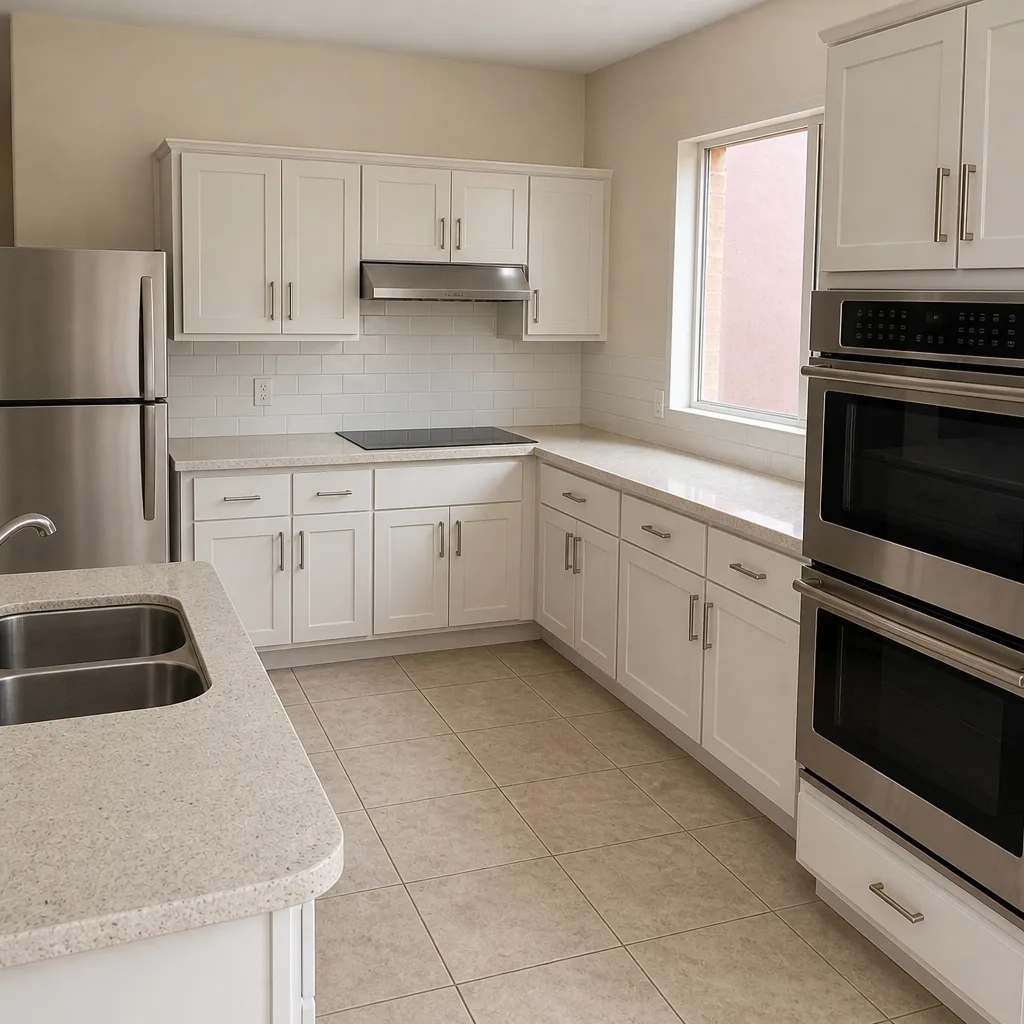 After
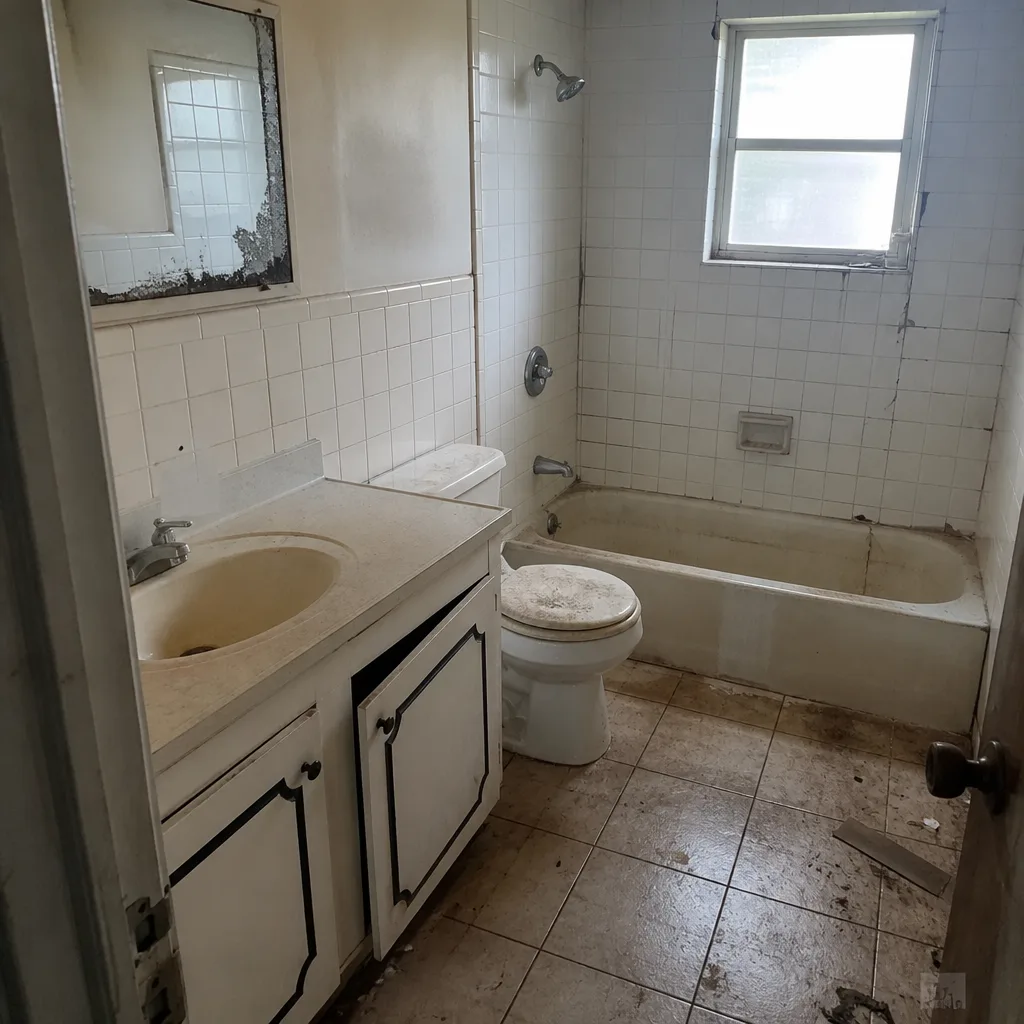 Before
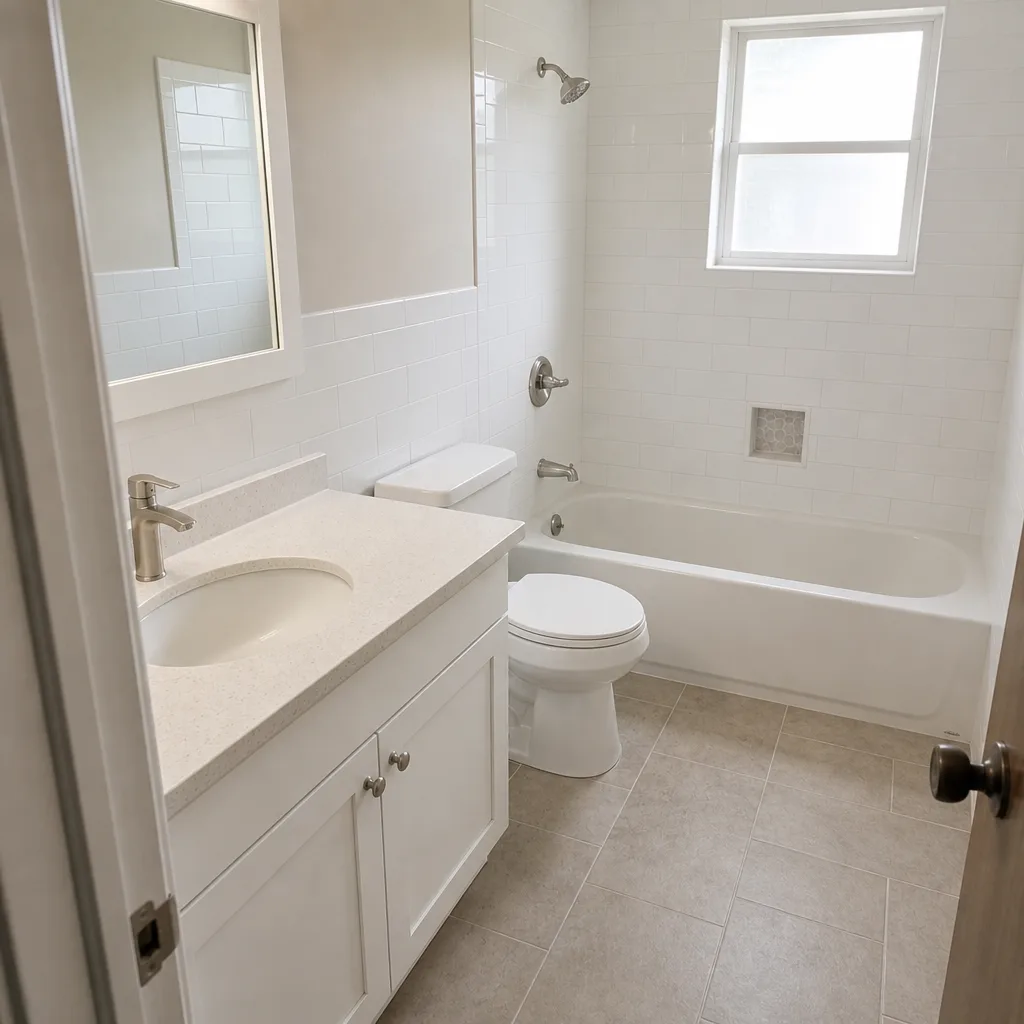 After
ADU Cost in Homestead, FL: What South Florida Code Adds to the Price
A 600-square-foot detached ADU in Homestead starts around $160,000-$220,000 fully permitted – roughly 25-40% above what national ADU cost calculators return. The gap isn’t labor or greed. Miami-Dade’s post-Hurricane Andrew building code treats a detached ADU as a full new structure, with the same engineered strap schedule, impact glazing, and secondary water barrier required of a primary home. Rowan Construction Group Homestead quotes the real number in writing before any work starts. Call (844) 834-4248 for a free estimate.
Our technicians have up to 19 years of experience, and every ADU project runs under Rowan Construction Group’s written-price discipline – the flat number you sign is the number you pay, and no change proceeds without a signed change order.
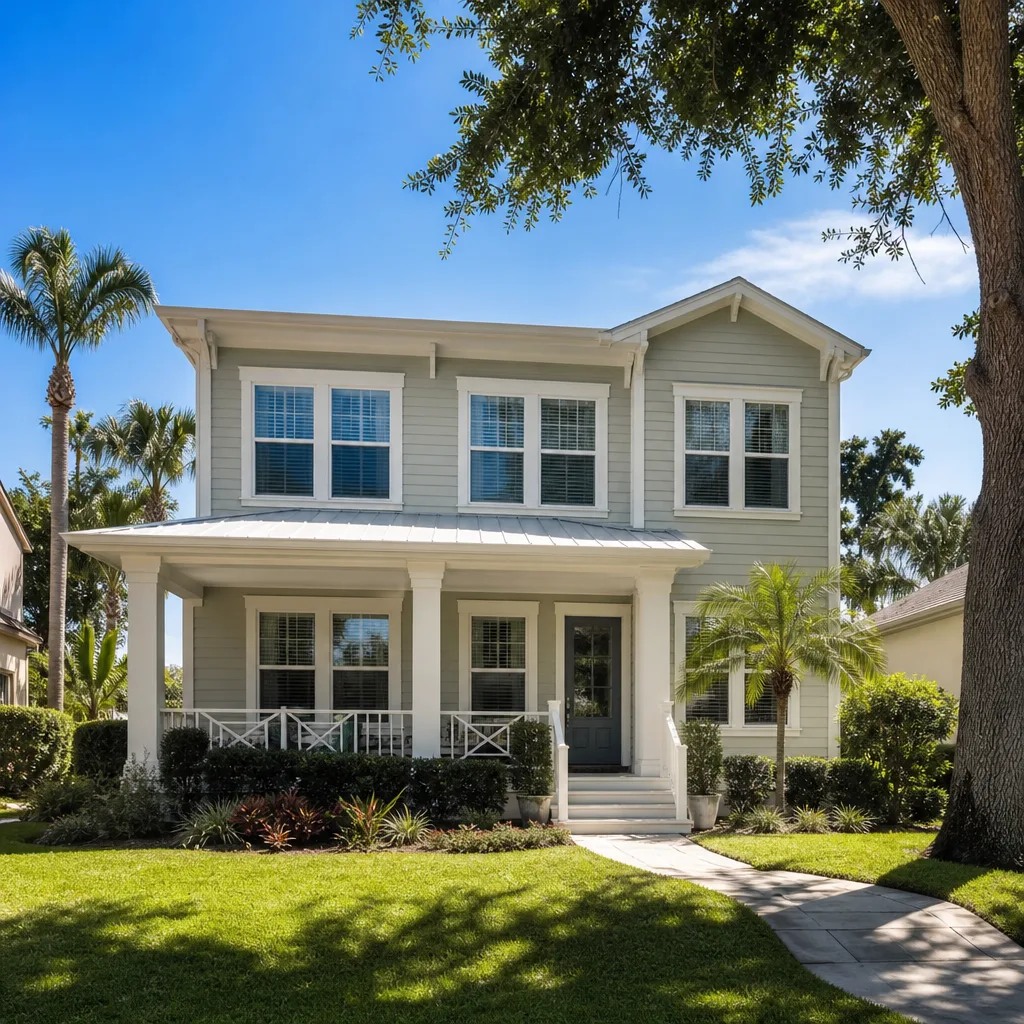
Why an ADU in Homestead Costs More Than Inland Guides Say
Homestead sits in the zone that Hurricane Andrew rebuilt. The 1992 storm rewrote how this county builds, and the Florida Building Code that followed is the strictest wind-load code in the country. Inland Florida ADU guides – the ones that quote $120-$160 per square foot – are describing a wood-framed backyard cottage on a slab. That structure is legal in Ocala. It is not the preferred path for a detached residence here.
Miami-Dade’s wind-mitigation requirements don’t offer a “small structure” exemption. Your 600-square-foot ADU must meet the same roof-to-wall connection standard, the same opening protection, and the same secondary water barrier as the main house. That’s the difference between a national benchmark number and a Homestead one, and it’s the first thing we explain before anyone picks up a tool – under Clause 1 of The Haven Standard, the price is written before work starts.
What Miami-Dade Requires on a Detached ADU: The Fixed Costs
Some line items don’t shrink when the ADU does. A 400-square-foot ADU and an 800-square-foot ADU carry identical fixed permit-and-code costs. Here’s what drives that:
- Full structural engineering package. Sealed plans signed by a Florida engineer, with a site-specific wind-load calculation. The engineer designs the strap schedule for your parcel, not a stock plan.
- Impact-rated openings. Windows and doors rated to Miami-Dade’s impact standard, with the product approval number on file with the building department.
- Secondary water barrier. A peel-and-stick or equivalent membrane under the roof covering – required on new construction, not an upgrade.
- Separate electrical panel and utility hookup. A detached ADU needs its own meter and panel, plus water and sewer connections tied to the main service. The connection fees are fixed regardless of square footage.
Roofing on a Homestead ADU is a good example of how wind-rated material choices shape the budget. We specify Owens Corning or Atlas systems rated for this wind zone, which costs more upfront than a builder-grade shingle but is what the inspection requires. There’s no cheaper workaround that passes.
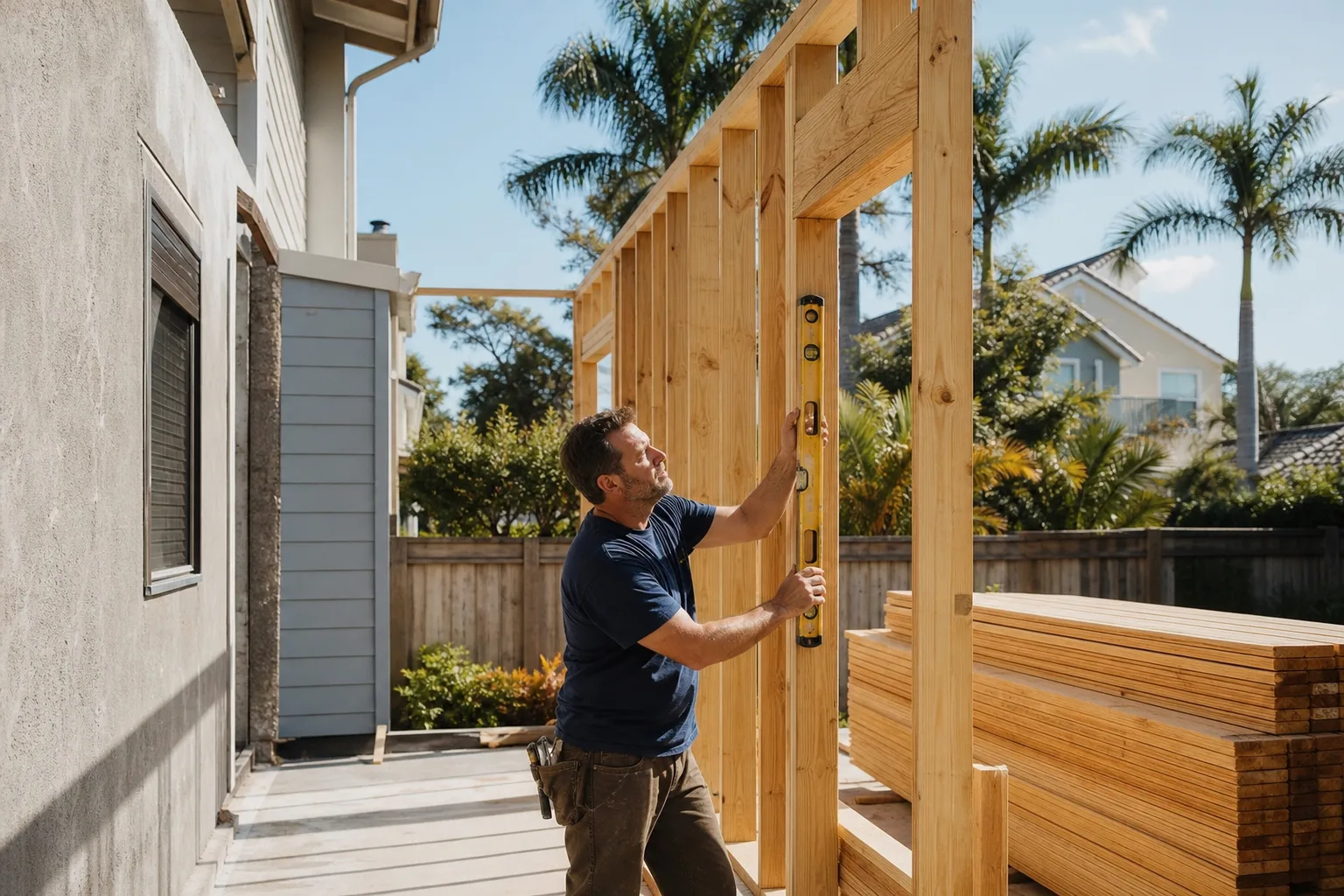
How Homestead’s Agricultural-Edge Zoning Changes Site Prep
Homestead isn’t a standard residential subdivision market. The Redland edge – the agricultural parcels south and west of town – sometimes allows an ADU under agricultural accessory-structure rules, and those rules carry different setbacks and utility requirements than a residential lot inside city limits. On some parcels, the ADU can sit closer to a property line than a residential lot allows; on others, the utility easement or well-and-septic setup forces a different siting entirely.
This matters because site prep is where budgets slip. A parcel on septic may need an expanded drain field. A parcel on well water may need a new pressure system. A residential lot in a 2000s-era subdivision taps existing utilities with a short run. We’ve seen the site-prep spread between those two scenarios run into five figures on the same ADU footprint, and the only way to know which one you’re in is to read the plat and the utility records before the quote, not after the foundation is poured.
ADU Cost by Type in Homestead
Here are the Homestead market ranges for the three ADU pathways we build most. These are written flat prices with a written scope, not estimates that grow.
| ADU Type | Price Range | Notes |
|---|---|---|
| Detached ADU, CBS block | $90,000-$220,000 | Concrete block and stucco; the code-preferred path here. Roughly $185-$220 per square foot, all in. |
| Detached ADU, wood-frame | $90,000-$180,000 | Not code-preferred in Homestead due to wind risk; requires heavier bracing and is rarely the cheaper option once wind mitigation is priced in. |
| Garage conversion ADU | $30,000-$80,000 | Different permit pathway entirely – conversion, not new construction. Impact-rated garage door and slab verification usually drive the low end. |
For a closer look at the conversion route and its separate permit path, see our Home Additions & ADU in Homestead page.
How Signed Change Orders Protect an ADU Budget
ADUs are the project type most likely to hit a mid-build surprise, and the surprises cluster around electrical and septic. A building department review can require a panel upgrade to carry the ADU load. A septic inspection can require a field expansion. Those are legitimate scope additions, but unmanaged, they’re where ADU budgets double in a way that leaves the homeowner with no recourse.
Rowan’s policy is that no work proceeds on a change until the change order is signed. That’s the discipline Haven acquired Rowan for, and it’s why projects finish within a few percent of the agreed cost across 4,000-plus jobs. On an ADU, that means the septic expansion gets priced, written, and signed before the crew touches the drain field. The alternative – a verbal “we’ll sort it out” – is the pattern this audience reads about in the three-star reviews of contractors who let a cost surprise turn into a dispute.
Every ADU under Home Additions & ADU also includes a documented photo record on every visit – what we found, what we did – so you have evidence in hand, not a promise to recall.
Where the Warranty Actually Reaches on an ADU
An ADU is a whole house, and the warranty should cover it as one. Under our 365-Day Done Right Promise, the coverage runs over the entire structure – not just the finish work. That matters in Homestead, where an ADU roof and stucco face the same hurricane-season wind-driven rain and UV exposure the main house does. A cracked window seal, a stucco crack at a corner, a leak at a flare fitting: all covered in the first year, and we make it right.
The finish work matters too. If the ADU includes a bath or kitchenette, the fixtures and cabinets are specified from vetted brands and written into the quote, not left as a “TBD” allowance that gets reconciled at the end. The written price is a flat number with a written warranty, and “call for a quote” isn’t an option here. If you already have a written estimate from another builder, bring it in – we’ll review it line by line at no charge under our Free Second Opinion standing offer.
What a Written ADU Quote Should Show You
Before you sign with anyone in Homestead, the written quote should show these line items separately. If they’re blended into a single per-square-foot number, you can’t tell where the code costs land.
- Engineering and permit fees, as a fixed number.
- Site-prep allowance for utility and septic, based on your actual parcel.
- Windows and doors listed by product approval number.
- Roof covering and secondary water barrier, itemized.
- Panel and utility connection as a separate line.
- Any allowance (cabinets, fixtures) marked with a cap, not “TBD.”
If the quote you receive doesn’t break those out, ask for the split. Our crews are background-checked and uniformed, and a live person answers calls 24/7, so you can reach someone the same day with questions about a line item.
FAQs
A detached ADU in Homestead typically runs $90,000-$220,000, with a 600-square-foot CBS block ADU landing around $160,000-$220,000 fully permitted. The range tracks size, site prep, and whether your parcel is on city utilities or septic and well. Call (844) 834-4248 for an exact written quote – estimates are free.
Because Miami-Dade’s post-Andrew code treats a detached ADU as a full new structure, with no small-structure exemption. You need a sealed engineering package, impact-rated openings, a secondary water barrier, and a separate panel and utility hookup, all of which are required regardless of square footage. Rowan writes those costs as fixed line items so the number is honest. Call (844) 834-4248 and we’ll walk you through the breakdown.
You can permit a wood-framed ADU, but it isn’t the code-preferred path in Homestead because of wind risk, and once heavier bracing and wind-mitigation detailing are priced in, the savings usually disappear against CBS block and stucco. The block route typically pencils out cleaner here. Call (844) 834-4248 for a written comparison of both on your lot.
Plan on engineering and permitting first – the sealed package and utility review on a Redland-edge parcel can take a while – then construction follows the written schedule in your quote. The permit phase is often the longer wait, which is why we read the plat and utility records before quoting, not after. Call (844) 834-4248 to start the review.
Ready to put a real ADU number in writing? Rowan Construction Group Homestead delivers a flat written price, a written scope, and a written warranty before anyone picks up a tool – backed by the 365-Day Done Right Promise. Call (844) 834-4248 for a free estimate, or bring a competitor’s quote for a free second opinion.
Written by the team at Rowan Construction Group Homestead, serving Homestead, FL.
What Our Customers Say
"They found an old septic line under the driveway run and stopped, documented it, and re-quoted before continuing."
- Xavier L."Good communication throughout. Weekly written update meant I never had to chase them."
- Nadine G."Solid work, decent crew, and the site was left tidy every evening."
- Pearl A.