Last updated November 17, 2026





Free written scope consultation - allowances, timeline, and change-order rules on paper before a single trade is scheduled
Fence Installation Warning Signs Every Homeowner Should Know
In Miami-Dade County, a fence built without a pulled permit can be ordered removed at the homeowner’s expense, because the property owner, not the contractor, is the permit applicant of record. That single fact reshapes how you should read a fence quote. The warning signs of a bad installation almost always live in the paperwork before a single post goes in the ground: the license status, the contract language, the permit line, the lien exposure, the material grade. This guide shows you how to read all of it, the way an experienced Homestead contractor reads a competitor’s contract. By the end, you’ll know what to verify in two minutes, what to demand in writing, and what the finished fence should measure to prove it’s built to code.
Quick Answer
The biggest fence installation warning signs are a contractor who can’t produce a verifiable license, a quote with no permit line item, contract language that pushes permit duty onto you, no lien waiver process at final payment, and vague material specs with no grade or gauge stated. If any one of those is missing, slow down before you sign. A fence is a permitted, inspected structure in South Florida, and the paperwork should prove it.
Styles & brands we work with
- Kitchen remodeling
- Bathroom remodeling
- Home additions & ADU
- Roofing
- Windows & doors
- Driveway & pavers
- Fence
Table of Contents
- How to verify a fence contractor’s license in under two minutes
- Contract language that signals a contractor plans to skip the permit
- Post-installation inspection checklist for Homestead wind codes
- What a lien waiver is and why you need one at final payment
- Material substitution: how to check the grade you got matches the quote
- Red flags hiding in the quote itself
- The questions that separate a documented contractor from a hopeful one
How to verify a fence contractor’s license in under two minutes
The Florida Department of Business and Professional Regulation (DBPR) runs a free license lookup at myfloridalicense.com. You enter a name or license number and get back the license type, status, expiration, and any complaints. Two minutes, no account. We’ve watched homeowners skip this step because a contractor seemed friendly at the estimate. Friendliness isn’t a credential.
Here’s the sequence that actually tells you something:
- Ask for the license number in writing before the estimate. A contractor who hesitates or says “it’s on the truck” is already a warning sign.
- Look up that exact number on DBPR. Match the business name on the license to the name on your quote. A license in a different company’s name is not the license you’re relying on.
- Read the status. “Current, Active” is what you want. “Delinquent,” “Null and Void,” or “Suspended” are hard stops.
- Note the license type. This is where fence work gets interesting.
In Florida, “registered” and “certified” mean different things. A registered contractor is licensed only to work within a specific county or jurisdiction and is not qualified to pull permits outside it. A certified contractor holds a statewide license and can work across county lines. For fence installation in Homestead, a locally registered contractor can be perfectly legitimate, but the registration must match the jurisdiction where the work happens. If a contractor is registered in Broward but quoting a job in Miami-Dade, the license doesn’t cover your property. Verify the registration is tied to the county where your fence is going.
Contract language that signals a contractor plans to skip the permit
Most permit problems in fence jobs are visible in the contract before anything is signed. The tell is usually one sentence: “Owner to obtain permits.” Sometimes it’s phrased as “permitting is the homeowner’s responsibility” or “HOA approvals and permits by owner.” Read that line and you’ve learned the contractor doesn’t intend to pull the fence permit, and may not be licensed to.
Why it matters more than it sounds: the permit applicant of record is the property owner. If your fence is built without a permit and a Miami-Dade code officer finds it, the notice of violation and the correction order go to you. Removal and rebuild at your cost. The contractor who skipped the permit is under no obligation to pay for the consequences.
Look for these specific things in the contract and quote:
- A permit line item with a dollar figure. Even “permit fees included” is fine, but there should be a stated amount or a stated inclusion. A quote with no mention of permits at all is a passive skip.
- The contractor listed as the permit applicant. The application should name the contractor, not you.
- An inspection contingency. Language confirming the job isn’t complete until the final inspection passes.
- A stated wind-load design or product approval number. Miami-Dade and Broward run the High Velocity Hurricane Zone (HVHZ), and fence products in the HVHZ need a Miami-Dade NOA (Notice of Acceptance) or a Florida Product Approval. A contract that doesn’t reference product approval is a contract built for a market that doesn’t exist here.
The phrase to watch for in the negative: “we don’t pull permits for fences, it’s not required.” For most residential fence installations in Homestead and unincorporated Miami-Dade, it is required. Ask for the code citation or get a written confirmation from the county before you accept that line. For homeowners comparing contractors, our Fence Installation in Homestead page lays out exactly what’s included in a permitted install.
Post-installation inspection checklist for Homestead wind codes
After the fence is up, don’t just look at the gate swing. Look at the measurements. Miami-Dade wind codes exist for a reason, and Homestead sits in a region where tropical systems test fence work every summer. The following checklist is the one we walk through before we call any fence finished. Bring a tape measure and a level.
- Post depth. For a 6-foot wood or vinyl fence in South Florida, posts should be embedded a minimum of 36 inches below grade, and 42 to 48 inches for taller fences or exposed properties. Ask what depth was specified in the engineered drawings.
- Concrete collar. Every post should be set in a concrete collar, not just tamped soil. The collar should be a minimum 10 to 12 inches in diameter around the post, visible at grade. If you can wiggle the post at the base a week after install, the collar is missing or undersized.
- Post spacing. Standard for residential privacy fence is 8 feet on center. Closer spacing means more wind resistance, and some Homestead installs spec 6 feet. Confirm the spacing matches the plan.
- Gate hinge gauge. For aluminum gates, hinges should be a minimum of 0.125 inch (roughly 11-gauge) stainless or powder-coated steel, not the stamped steel that comes in hardware kits. Pull the hinge pin against the gate weight. A flimsy hinge flexes under load.
- Fastener corrosion rating. All fasteners and connectors should be 300-series stainless steel in HVHZ conditions. Galvanized nails and standard screws will streak rust on vinyl panels within two seasons in Homestead’s salt air and humidity.
- Racking check. Push firmly against the panel midpoint. A properly braced fence moves less than half an inch. A fence that rocks at the arris rail means the rails are attached with nails rather than structural screws.
If the fence sits on a property line you’re reviewing before a driveway and pavers project runs alongside it, walk the finished line together. The substrate work under the fence and the paver base are graded for the same drainage direction.
What a lien waiver is and why you need one at final payment
A lien waiver is a signed document in which the contractor and any subcontractors or suppliers confirm they’ve been paid for the work and waive their right to file a mechanic’s lien against your property. Without one at final payment, you can pay your contractor in full and still end up with a subcontractor’s lien on the title to your home.
This isn’t a rare edge case. In Homestead, we’ve seen homeowners discover a lien against their property months after a fence job wrapped, filed by a concrete supplier or a crew that the installing contractor never paid. The contractor was gone. The lien stayed. Clearing it took a title attorney and, in at least one case, more than the original fence cost.
The process to protect yourself is straightforward:
- Ask for a conditional lien waiver at the start of work. A conditional waiver becomes effective only when you pay, protecting both sides.
- Require an unconditional waiver at final payment. Signed by the installing contractor and every subcontractor and material supplier.
- Ask which suppliers were used. If concrete, aluminum, or vinyl panels came from a third-party mill, that supplier may be a potential lien claimant. Build the list before you pay.
- Hold back a small final payment until you have waivers in hand. Ten to fifteen percent is standard. The hold is the leverage.
- Record the waivers. Scan them and keep them with your closing documents. If you ever sell the Homestead property, the title company will ask for them.
For a fence on a property you’re planning to expand with an ADU or home addition, get the waiver on file before the next phase of work starts. Title issues compound.
Material substitution: how to check the grade you got matches the quote
Material substitution is the quietest form of fence fraud, because the installed product looks the same at 20 feet. The quote says “aluminum fence” and the crew installs aluminum fence. The problem is the grade underneath the description. Substituting a lighter-gauge panel for a heavier one, or a thinner vinyl profile for a thicker one, saves the contractor real money and the homeowner real life on the fence.
Brand names are your first line of defense. If the quote specifies an Ameristar Montage panel or a Bufftech vinyl profile, those brands publish product approvals and gauge specifications, and the product comes with visual markings. If the quote says only “6-foot aluminum” with no manufacturer, you’ve been given a range, not a specification.
Here’s how to verify what actually arrived:
- Ask for the product approval number before delivery. Ameristar, ActiveYards, and Jerith all publish Miami-Dade NOA numbers for HVHZ-rated products. If your contractor can’t produce one for the exact product, you don’t have HVHZ compliance.
- Check the material label on delivery. Vinyl panels carry a manufacturer’s imprint or label along the bottom rail. If the label is missing, ask why before installation starts, not after.
- Measure gauge. Aluminum pickets should be a stated gauge (0.080 inch is common for privacy, 0.062 inch for lighter decorative). Ask for a digital caliper reading at the bottom rail. Anything thinner than the quote specified is a substitution.
- Weigh a panel. Vinyl panels from Bufftech and comparable brands carry a stated weight per linear foot. A panel that feels noticeably lighter than the specification is thinner-wall.
- Compare the delivered material to the invoice. If the invoice names a different manufacturer than the quote, stop installation and request a signed change order for the substitution.
For more on what a written-scope quote should include, our Rowan Construction Group Homestead home page walks through how we document every product on every trade.
Red flags hiding in the quote itself
Before you read a fence quote for price, read it for missing information. The quote tells you what the contractor is prepared to do and what they’re leaving open.
Watch for these:
- A single lump-sum price with no line items. You can’t compare it, and you can’t see what’s included in it. Line-item quotes are how you spot missing permit fees, haul-away, and post concrete.
- “Price subject to change based on final measurements.” A fence quote should be based on a site visit and a measured plan. “Subject to change” is a rate, not a price.
- No haul-away or disposal line. Removing an old fence often costs several hundred dollars in dump fees in Miami-Dade. A quote missing that line is planning to add it later, or to leave your old panels at the curb.
- No warranty language. Workmanship warranty should be stated in the quote, not promised verbally.
- Cash-only, no contract. Move on. Florida requires a written contract for residential work over $2,500 under state law, and it’s the document that protects you.
- Price significantly below the local range. If every quote you get is $6,000 to $8,000 and one is $3,900, either the scope is wrong or the permit, concrete, and material grade are stripped out. Ask which.
A quote that gives you the price range on the page, in dollars, with a written scope, is the one you can compare. Anything else is a conversation.
The questions that separate a documented contractor from a hopeful one
Ask these five questions before you sign. The answers, and whether they arrive in writing, do more than a review search.
- “What’s your DBPR license number?” Verify it in two minutes. Ask for the number in writing.
- “Are you the permit applicant on this fence?” The answer should be “yes” and the permit fee should appear on the quote.
- “What’s the model and product approval number of the fence material?” Not the brand name alone. The exact model with an NOA or Florida Product Approval.
- “Will you sign an unconditional lien waiver at final payment?” Answer in writing. Refusal is your answer.
- “Can I see the written warranty before we start?” Workmanship warranty in writing, not “we stand behind our work.”
At Rowan Construction Group Homestead, all five answers arrive before the first post is dug. Our crews are background-checked and uniformed, a live person answers calls around the clock, and every visit is documented with a photo record as a standard deliverable, not an add-on. Under the 365-Day Done Right Promise, if something isn’t done right, we make it right. That’s the standard we hold on every fence we build.
Common Mistakes to Avoid
- Trusting the friendly estimate over the paperwork. A contractor who shows up on time isn’t the same as one who produces a license number, product approvals, and a written quote. Both matter. The paperwork is what protects you six months later.
- Accepting “owner to obtain permits” as standard. It’s become common enough that some Homestead homeowners don’t question it. Don’t accept it. If the local yard is building to your jurisdiction’s code, the contractor should be on the permit.
- Skipping the product approval check. In Homestead’s HVHZ wind zone, a fence without an NOA or Florida Product Approval can fail inspection and be ordered rebuilt. Once a wind event damages it, an unapproved fence may not be covered by insurance.
- Paying the final invoice without lien waivers. This is where a clean fence becomes a title problem. The lien attaches to your property, not the contractor’s.
- Assuming brand name equals grade. “We install Jerith” is not a specification. Ask for the model and the gauge that match the quote. Measure what arrives.
- Accepting a single lump-sum price. A written, line-item quote gives you something to compare and something to hold the contractor to. A rate is not a price.
- Not walking the fence line with a tape measure. A quick post depth and gate hinge check the day after installation catches problems before you sign off. Ten minutes with a tape measure is worth an hour with an attorney.
See the difference
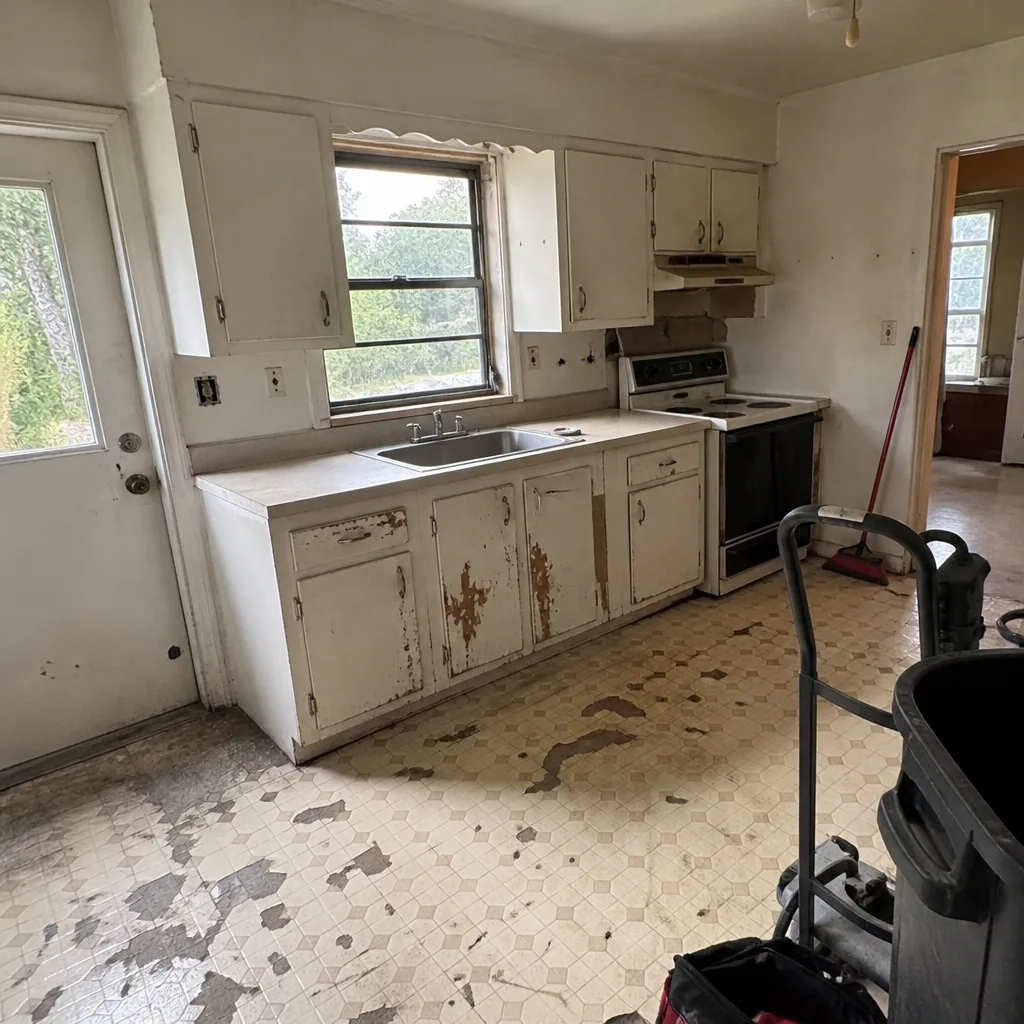 Before
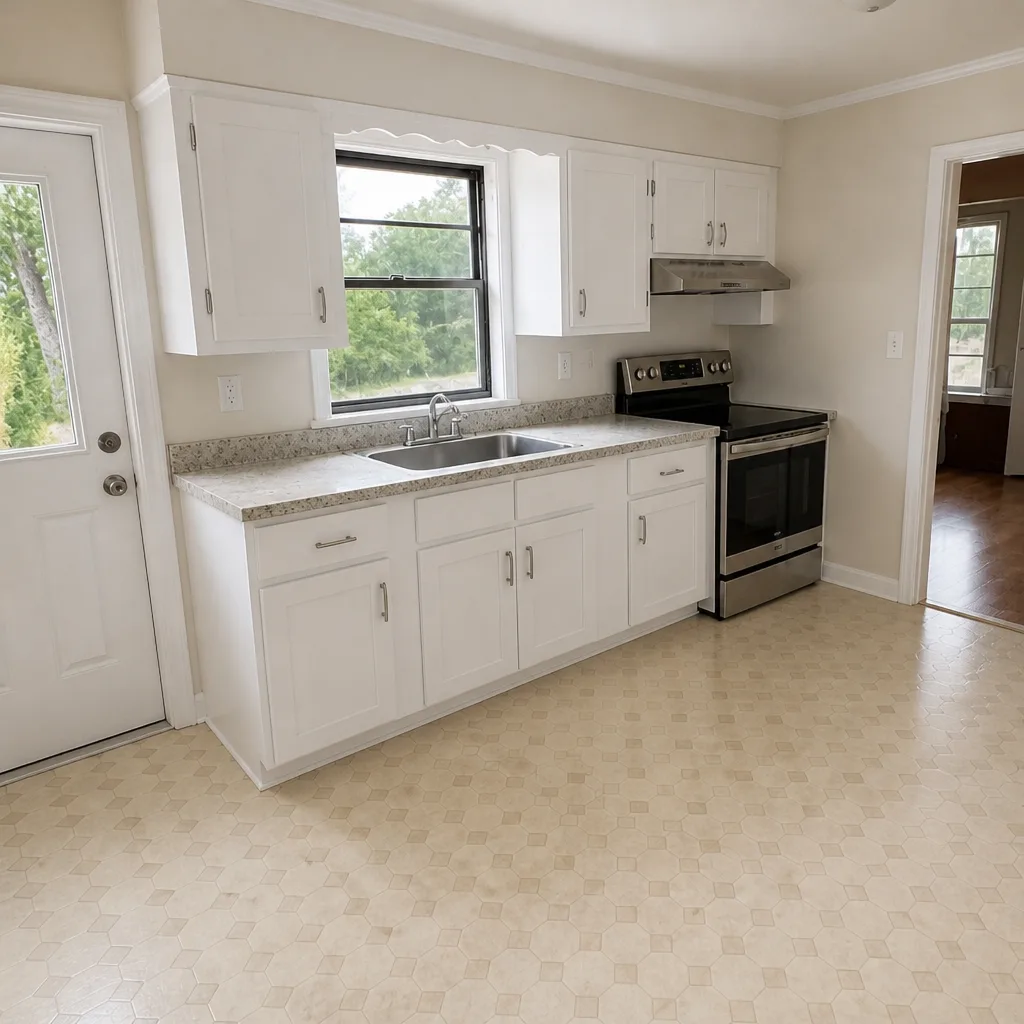 After
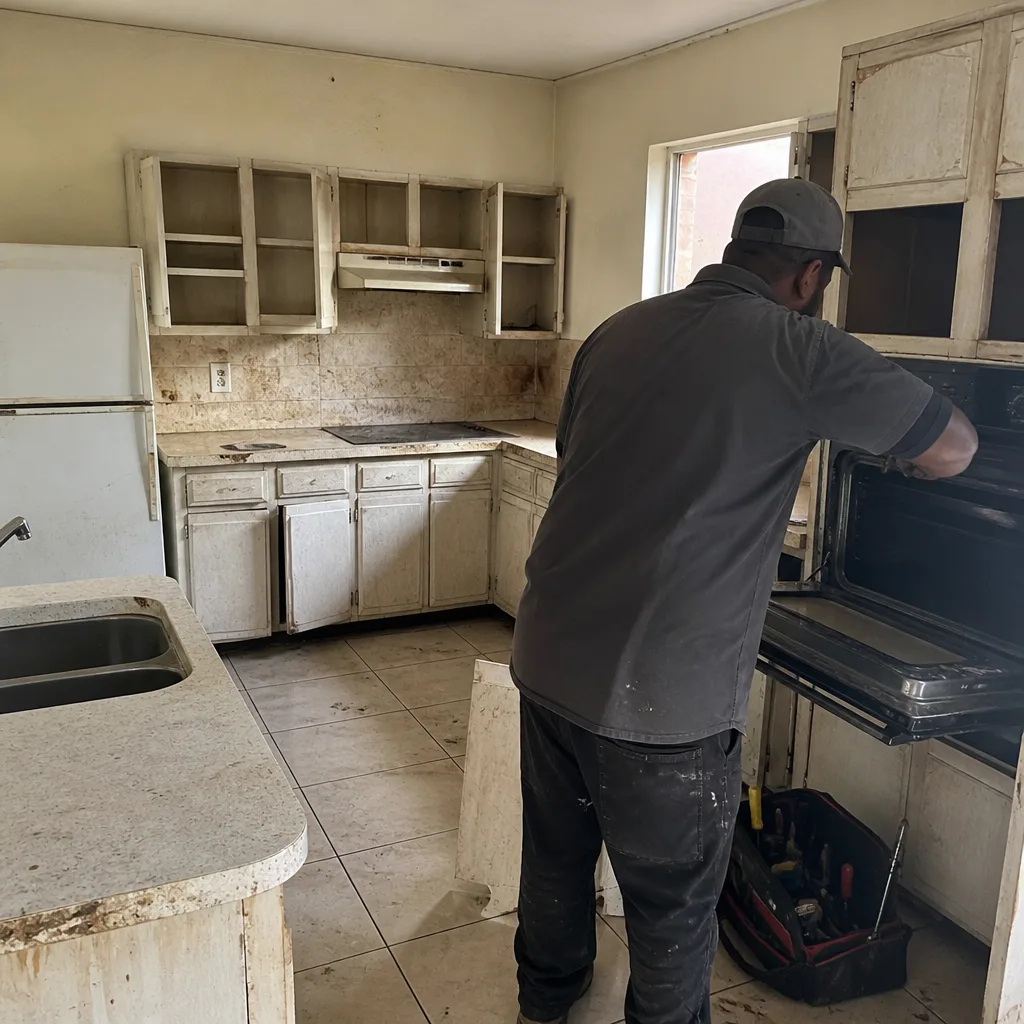 Before
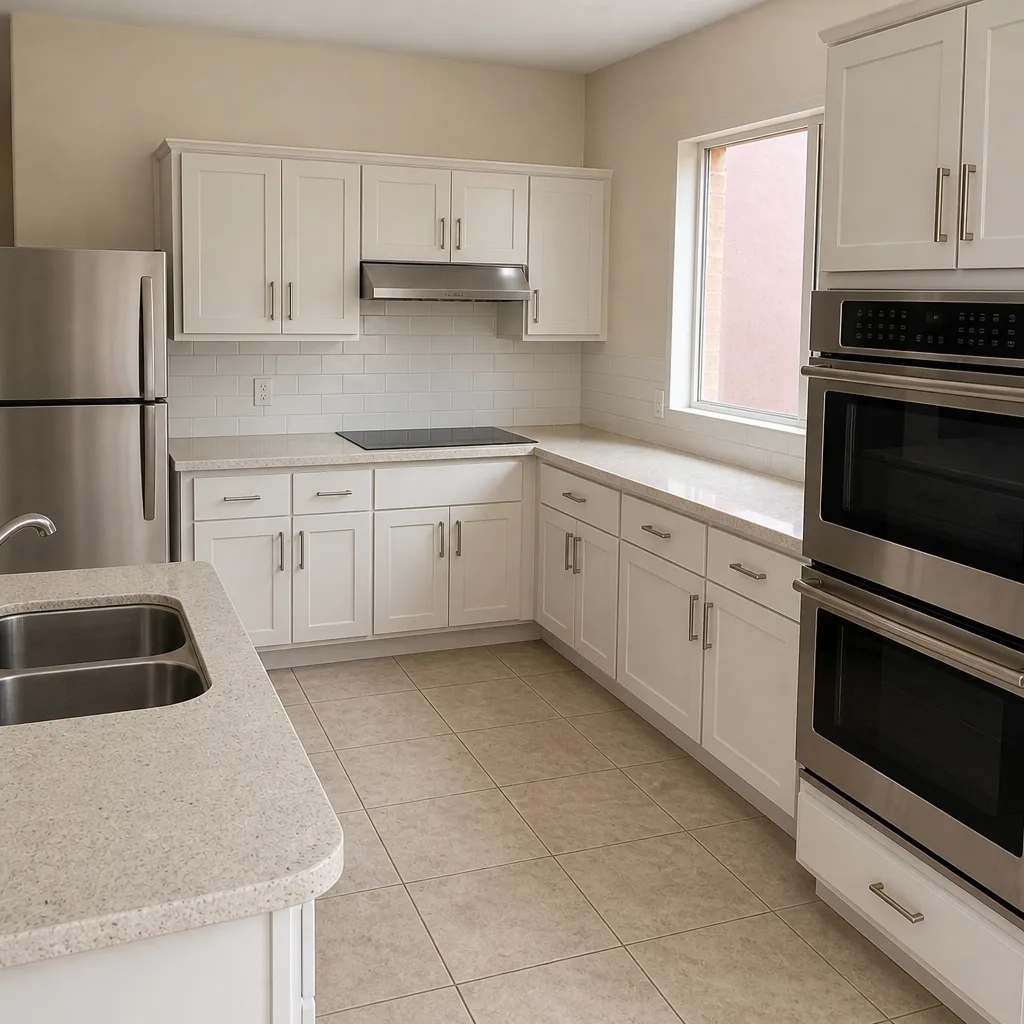 After
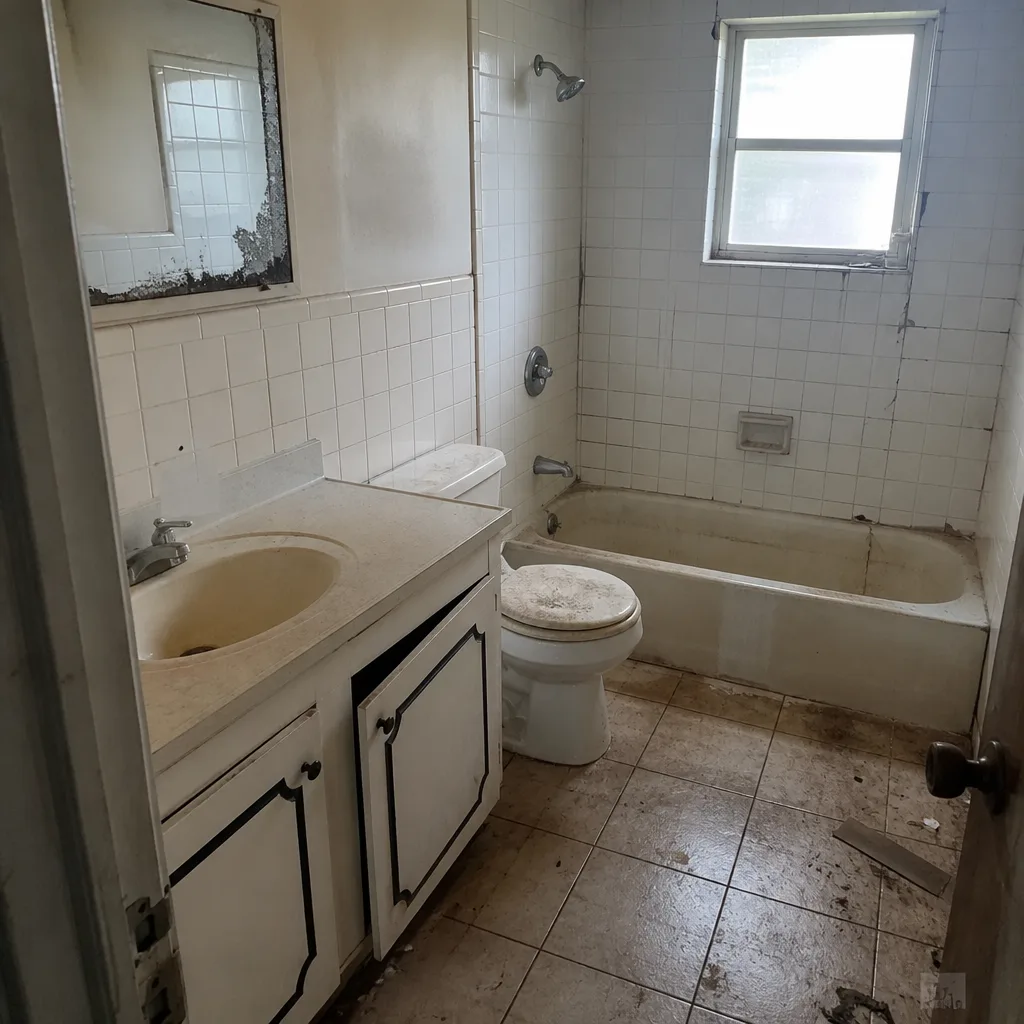 Before
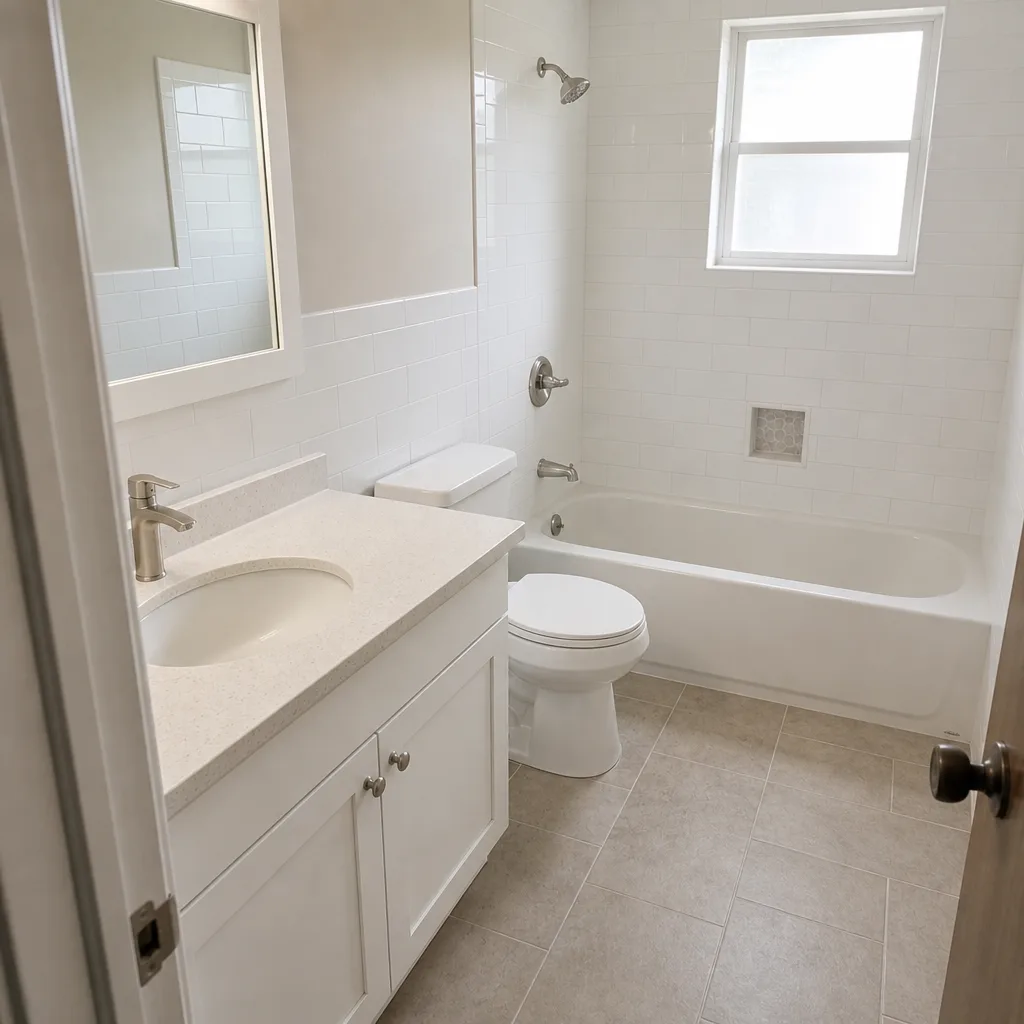 After
When to Call a Professional
Some fence work is safely a weekend project: a low decorative border, a simple picket run in a mild climate, a gate swap on a single post. Most fence installation in Homestead is not. If your fence is on a permitted property line, borders a neighbor, sits in the HVHZ wind zone, or involves gates heavier than a standard pedestrian gate, the engineering, anchoring, and product approvals need to be handled by a licensed contractor who pulls the permit and stands behind the result. The same applies if you’re replacing a fence that failed inspection or wind damage and need a documented rebuild. Gut-checking a quote you already have is also a professional job, and we’ll do it free. Rowan Construction Group Homestead offers free estimates in Homestead, and a free second-opinion review of any written estimate you’ve received. Call (844) 834-4248.
Frequently Asked Questions
Look up the contractor’s license number on the Florida DBPR site at myfloridalicense.com and confirm the status shows “Current, Active” and the business name matches the quote. For work in Miami-Dade, the registration must specifically cover Miami-Dade County, not just Broward or Palm Beach. A registered contractor licensed in a different county is not licensed to install your fence.
Yes, most residential fence installations in Homestead and unincorporated Miami-Dade require a permit and at least one inspection. Fences over a certain height and any fence in the HVHZ (High Velocity Hurricane Zone) region face additional product approval requirements. The contractor should be the permit applicant, and the permit fee should appear on your quote. Call (844) 834-4248 if you want us to review what your current quote says about permitting.
A lien waiver is a signed document confirming a contractor, subcontractor, or supplier has been paid and waives the right to file a mechanic’s lien on your property. Yes, you need one at final payment on every fence job. Without it, an unpaid supplier or subcontractor can file a lien against your home even after you’ve paid the contractor in full.
Check the manufacturer label on delivered panels, measure the aluminum gauge with a digital caliper, confirm the product approval number on the material matches the one specified in the quote, and compare the delivered invoice to the quote line by line. If anything doesn’t match, request a signed change order before installation proceeds.
For a standard 6-foot residential fence in South Florida, posts should be a minimum of 36 inches below grade, with 42 to 48 inches required for taller fences or exposed properties under Miami-Dade engineered wind-load specifications. Every post should also have a visible concrete collar at grade of at least 10 to 12 inches in diameter.
Always. Request a line-item written estimate that names the fence model and product approval number, includes the permit fee, states post depth and concrete specs, and includes a workmanship warranty. A verbal quote or a single lump-sum price gives you nothing to compare or enforce. Call (844) 834-4248 for a free written estimate, or to have us review a competitor’s quote line by line at no charge.
The Bottom Line
The warning signs of a bad fence installation show up in the paperwork long before they show up in the fence. Verify the DBPR license in two minutes. Demand a permit line item and a contractor on the application. Check the material’s product approval number against the quote. Require unconditional lien waivers at final payment. Walk the finished fence with a tape measure. Every one of those checks protects you against the failure that costs the most: not a fence that looks wrong, but one that’s legally yours to remove. A written flat price, a written scope, and a documented record are the standard, and they’re the standard we hold every job to.
Rowan Construction Group Homestead delivers all seven residential trades under The Haven Standard, with a written price before any work starts and a photo record at the close of every visit. Whether you’re comparing fence quotes, planning a driveway and pavers project, or adding an ADU or home addition, the same discipline applies. If a competitor’s fence quote has you second-guessing, send it over. Our free second-opinion review is line by line, no charge. Call (844) 834-4248 to schedule your free estimate.
Written by the team at Rowan Construction Group Homestead.