Last updated November 17, 2026





Free written scope consultation - allowances, timeline, and change-order rules on paper before a single trade is scheduled
Home Additions & ADU Warning Signs Every Homeowner Should Know
Florida’s Construction Lien Law, Chapter 713 of the Florida Statutes, lets a subcontractor your general contractor hired and never paid place a lien on your property, even if you paid the GC in full. That is the single most expensive surprise in home addition work, and the warning sign is never on the jobsite. It’s in a contract with no lien waiver required at each payment draw. Over the years we’ve reviewed thousands of projects and countless competitor estimates, and the pattern holds: the additions that go sideways in Homestead almost always had the failure written into the paperwork long before the first shovel. This guide teaches you to read the contract, the license record, and the payment schedule like someone who has seen how disputes actually begin.
Quick Answer
The biggest red flags in a home addition or ADU contract are front-loaded payment schedules (more than 30% due before work begins), no lien waiver requirement at each draw, “owner responsible for permits” language, verbal change orders, and a license record on the Florida DBPR that shows anything other than active status. Audit the contract and the contractor’s license before you sign, and you eliminate most of the risk that a Homestead addition turns into a dispute.
Styles & brands we work with
- Kitchen remodeling
- Bathroom remodeling
- Home additions & ADU
- Roofing
- Windows & doors
- Driveway & pavers
- Fence
Table of Contents
- How to Read a Florida Contractor’s License Record
- Contract Clauses That Move Permit Risk Onto You
- Change Order Red Flags
- Structural Warning Signs You Can See Without an Engineer
- Payment Schedule Analysis
- Lien Waivers and the Chapter 713 Trap
- ADU-Specific Warning Signs in Homestead
- Common Mistakes to Avoid
How to Read a Florida Contractor’s License Record on DBPR
In Florida, a contractor’s license status is public record through the Department of Business and Professional Regulation (DBPR). Most homeowners glance at the number and move on. Read it properly and you learn three things: whether the license is active, whether complaints have been filed, and what class of work the contractor is legally allowed to perform.
Status matters more than people realize. An “active” license means the contractor is cleared to contract work today. A “probation” status means the license is in force but under disciplinary restriction, often tied to a prior citation, which may limit what the contractor can do or require additional oversight. Treat probation as a prompt to pull the complaint history and read it, not as an automatic disqualifier.
The certified versus registered distinction is where Homestead homeowners get burned. A certified general contractor has passed the state exam and can work anywhere in Florida. A registered contractor has only met local requirements and is typically limited to a specific jurisdiction and scope. Under Florida law, only a certified or registered general contractor, building contractor, or residential contractor can pull the permits for a home addition or an ADU. If your contract names someone whose license doesn’t cover additions, the permit won’t clear inspection, and you’ll be the one explaining it to the building department.
- Search the license number and business name on the DBPR licensing portal.
- Confirm status reads “active,” not “probation,” “delinquent,” or “null and void.”
- Read the complaint and disciplinary history tab, not just the headline status.
- Verify the license class covers structural additions and ADUs, not just minor repairs.
- Match the legal business name on the license to the name on your contract. A mismatch is a stop-and-ask moment.
Contract Clauses That Move Permit Risk Onto You
Permit responsibility is one of the most quietly expensive clauses in any Florida construction contract. The language to watch for is “owner responsible for all permits” or a contract with no permit number placeholder and no line stating who pulls the permits, who schedules inspections, and who pays the associated fees. In a Homestead addition, that can mean a five-figure exposure and a stalled project while the building department processes a permit application you didn’t know you had to file.
Florida building departments won’t approve a permit without a licensed contractor of record. If the contract says the homeowner pulls permits, the licensed contractor is outsourcing their role to you, and the building department will reject your application. This is a warning sign, not a technicality.
There’s also the matter of what a proper permit pulls in. A home addition in Homestead touches the Florida Building Code, the High Velocity Hurricane Zone provisions that apply to much of Miami-Dade and Broward, the wind-borne debris region requirements for glazing, and energy code compliance on the new conditioned space. That’s before you get to the ADU-specific occupancy and utility provisions. A contractor who says “we’ll deal with permits later” is telling you they’ve never handled an addition in this jurisdiction.
The clean version of the contract names the permit number in a fillable field before work starts, states the contractor of record, and confirms the contractor schedules and attends each inspection. If a contractor won’t commit to pulling the permit in writing, the rest of the contract is probably just as soft. That’s the thinking behind our Home Additions & ADU in Homestead process, where the permit number is a line item in the written scope before the price is finalized.
Change Order Red Flags
Change orders are where budgets die quietly. The two most dangerous contract clauses are “contractor may proceed with scope changes pending written authorization” and any cost-plus arrangement without a guaranteed maximum price. Read those two sentences again. The first lets a crew continue work and bill you after the fact. The second removes the ceiling on what you’ll pay.
The safest change order is a written document with a flat price, a scope description, and your signature before any crew member touches the change. No signature, no work. That discipline is the reason projects stay within a few percent of the agreed number instead of drifting 20% to 40% over budget, which is the typical drift we see when a competitor’s contract leaves change order authority vague.
Verbal change orders are the most common version of this problem, and the most likely to end up in litigation. Consider a homeowner who asks the framer to widen a doorway. If that conversation happens on-site with no paper, the homeowner has authorized an unknown number. Protect yourself with a simple rule.
- Any change over a stated dollar amount (say, $500) requires a signed change order before work continues.
- The change order states the flat price, the scope, and the schedule impact.
- No work on a change proceeds without the signed document. Put that sentence in the contract itself.
- If the contractor won’t agree to it, that’s a choice, and you can decline to sign.
Structural Warning Signs You Can See Without an Engineer
You don’t need a structural engineering degree to catch the mistakes that get caught on inspection. You need to know what to look at and when. These are the observations we’ve made most often during second-opinion walkthroughs in Homestead, and they apply to any addition or ADU under construction.
Before the concrete pour
Look at the form boards. Gaps between the form boards and the earth beneath them, form boards that are bowed under pressure, or rebar sitting directly on the ground instead of on chairs are all signs the pour is coming in on a foundation that hasn’t been prepared. Concrete is unforgiving once it cures.
During roof framing
In Homestead’s wind zone, hurricane straps and clips are not optional. When framing goes up, look for metal connectors at every rafter and truss connection to the top plate. If you can see toe-nailed connections without a strap, ask the contractor where the straps are. A missing strap means the roof won’t meet the wind uplift requirements the building department will inspect, and that’s an inspection failure and a code violation in one.
Any time during construction
Open penetrations that stay unsheeted matter in a wind zone. A penetration left open through a hurricane event can pressurize the structure from the inside, which is the failure mode engineering reports on damaged homes frequently point to. Any puncture that should be sealed or sheathed but stays open for weeks is a red flag worth asking about.
Payment Schedule Analysis
Front-loaded payment schedules are the single strongest predictor of incomplete projects in Florida contractor fraud cases. That conclusion comes from fraud and consumer protection cases across the state, and it shows up in nearly every case involving a contractor who took a deposit and never finished the job. The number to watch: anything over 30% due before work begins is a warning sign.
Florida’s construction contract statute, Section 489.126 of the Florida Statutes, sets 10% as the reasonable front-end deposit limit for residential contracts, with specific protections for homeowners who’ve had a deposit taken and work not started. The statute doesn’t cap the total contract; it caps how much the homeowner is exposed to up front.
Here’s what a payment schedule that tracks the actual work should look like in a Homestead addition.
- Deposit: 10% at signing, tied to permit filing and mobilization.
- Foundation: Payment due after footing and slab inspections pass.
- Framing: Payment after framing inspection, including hurricane straps and sheathing.
- Roofing: Payment after roof inspection passes.
- Rough-in: Payment after electrical, plumbing, and mechanical rough-in inspections pass.
- Final: Payment after the final inspection passes and a certificate of occupancy is issued.
Any schedule where 40%, 50%, or more is due before a shovel turns is a contract that gives you cheap leverage now and the contractor cheap leverage later. Ask for a schedule tied to inspection milestones. A contractor who can’t produce one for a Homestead addition is telling you how they run their projects.
Lien Waivers and the Chapter 713 Trap
Under Florida’s Construction Lien Law, a subcontractor or supplier who hasn’t been paid can record a lien against your property, even after you’ve paid your general contractor in full. That is the mechanism that put the lien law in the opening of this guide, because a contract that never mentions lien waivers is the contract that lets it happen.
A lien waiver is a document signed by a contractor or supplier that acknowledges the payment received and releases the associated lien rights. Any serious contract requires a signed waiver at each payment draw. It’s one page. It costs nothing to require. It is the difference between a clean closing when you sell the house or refinance, and a title search that turns into an expensive conversation.
The contract language to require looks like this: “Contractor will provide unconditional lien waivers from itself and all subcontractors and suppliers at each payment milestone.” If that sentence isn’t in the contract, ask for it in writing. If the contractor won’t put it in, consider what that says about how they’ve handled draws on prior projects. Our own quote structure, whether it’s an addition or the pavers out front from our Driveway & Pavers in Homestead work, includes lien waiver requirements as a standard line, because the documentation is the product.
ADU-Specific Warning Signs in Homestead
ADUs, or accessory dwelling units, sometimes called in-law suites or backyard cottages, bring a set of contract risks on top of the general addition warnings. Homestead and the surrounding neighborhoods have seen growing interest in ADU construction as housing costs push homeowners toward maximizing their lots, and that growth brings out contractors who are learning ADU code on your project.
Watch for these specific ADU warning signs.
- No mention of half-street parking, utility connections, or separate meters. An ADU needs its own utility paths, and a contract that doesn’t address the water, sewer, and electrical connections is a contract that will come back as a change order.
- No reference to deed restriction or HOA review. Homestead parcels vary, and a contractor who hasn’t checked whether your lot allows an ADU is a contractor working without due diligence.
- No separate permit for the ADU. An ADU addition typically pulls its own permit and its own certificate of occupancy. One permit for both structures is a red flag.
- No mention of the Florida Building Code’s energy provisions on the new conditioned space. This matters in Homestead’s climate and will show up in the inspection record.
If an ADU contractor can’t speak to those four items in the written scope, they are pricing a project they haven’t scoped. The interview is a preview of the build.
Common Mistakes to Avoid
- Signing a contract with no permit number and no contractor of record. Both sentences are usually on page one or not in the contract at all, and the absence is the warning sign.
- Accepting a payment schedule that front-loads more than 30%. It’s the single strongest predictor of incomplete work in Florida contractor fraud cases, and a Homestead addition rarely needs more than a 10% deposit to mobilize.
- Trusting a contractor whose DBPR status reads “probation” without reading the disciplinary history. The history files often reveal more than the status line does.
- Allowing even one verbal change order. The first verbal change order is the template for every one after it, and none of them are enforceable at the price you thought you were quoted.
- Skipping the lien waiver on any draw. Chapter 713 doesn’t care whether you paid your GC in full. If the sub wasn’t paid, your title is exposed.
- Ignoring form board gaps and missing hurricane straps because the crew seems capable. Both are visible to a homeowner and both get caught at inspection, which delays the project and shifts the risk back to you.
- Assuming a Homestead ADU contractor has handled ADU code before. Ask for the scope’s utility connection plan and the separate permit number in writing before you sign.
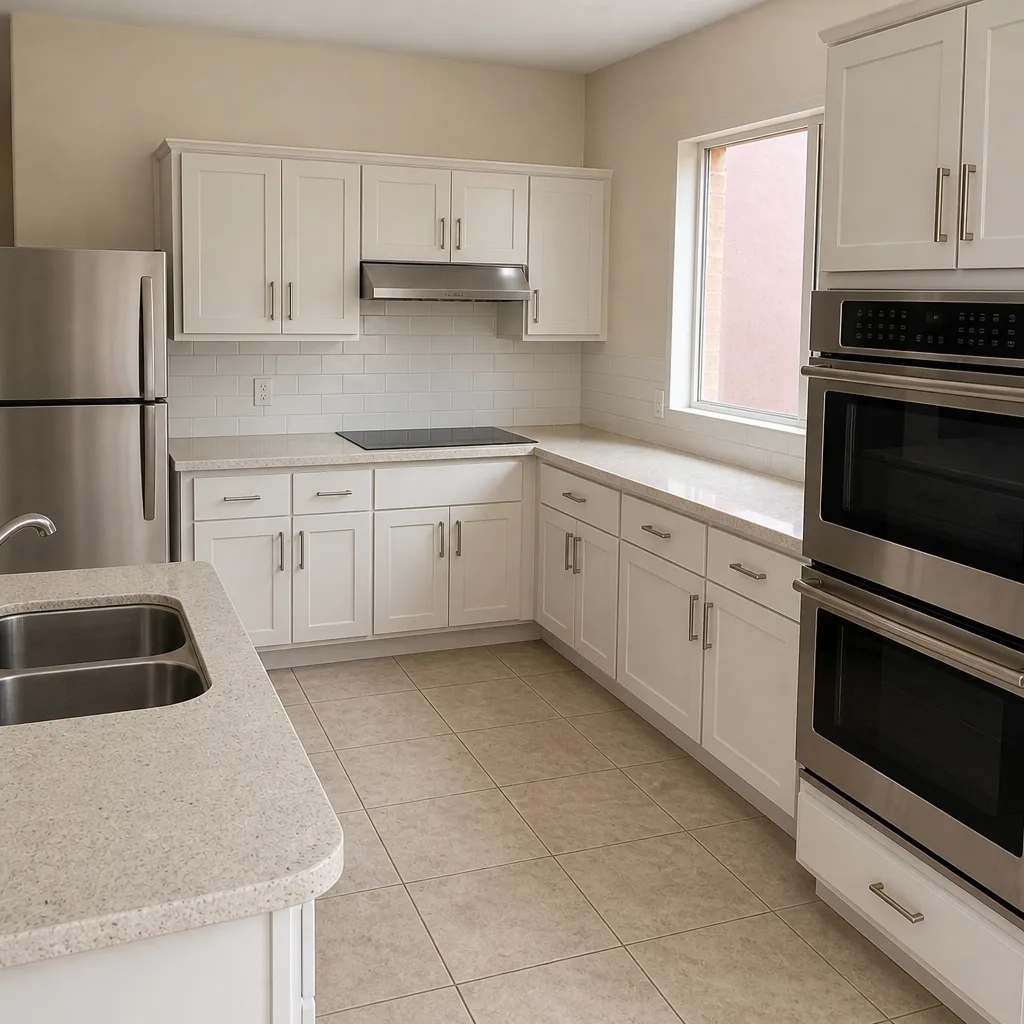
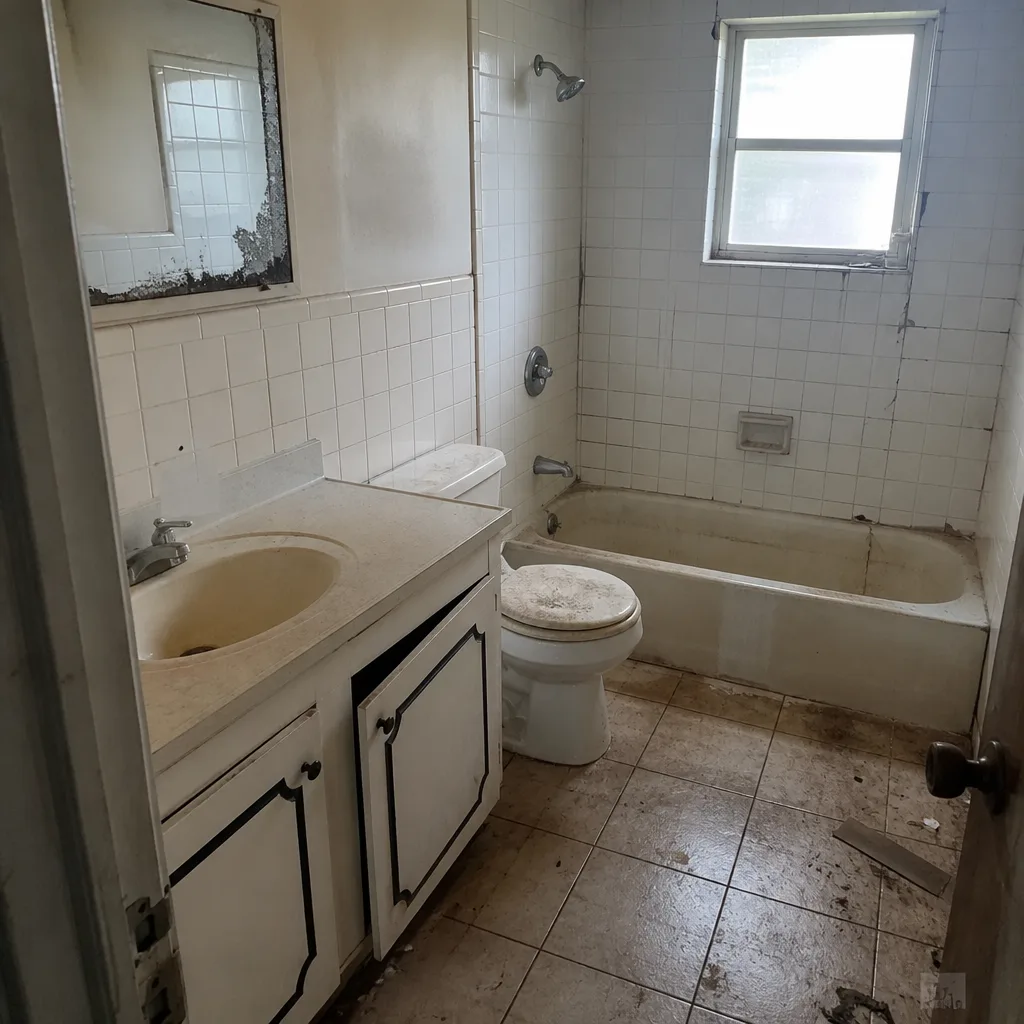
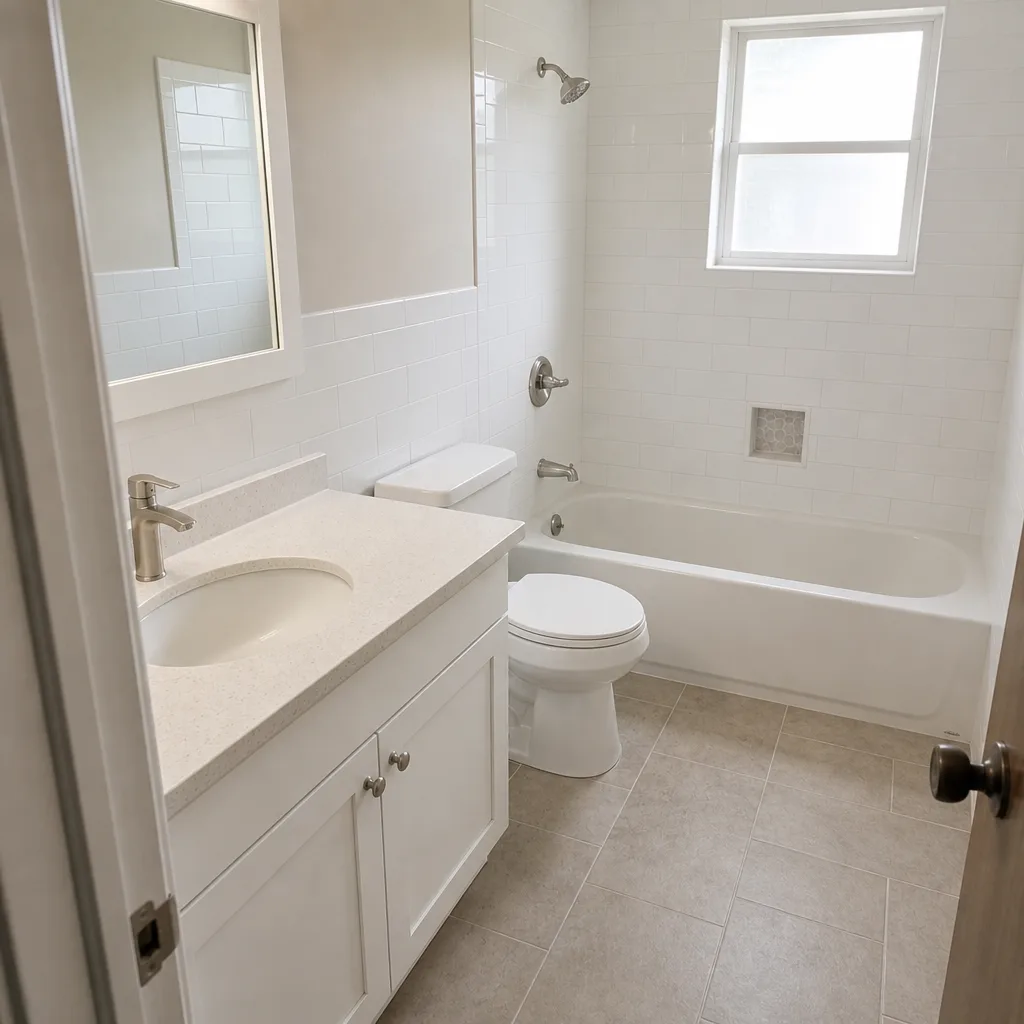
See the difference
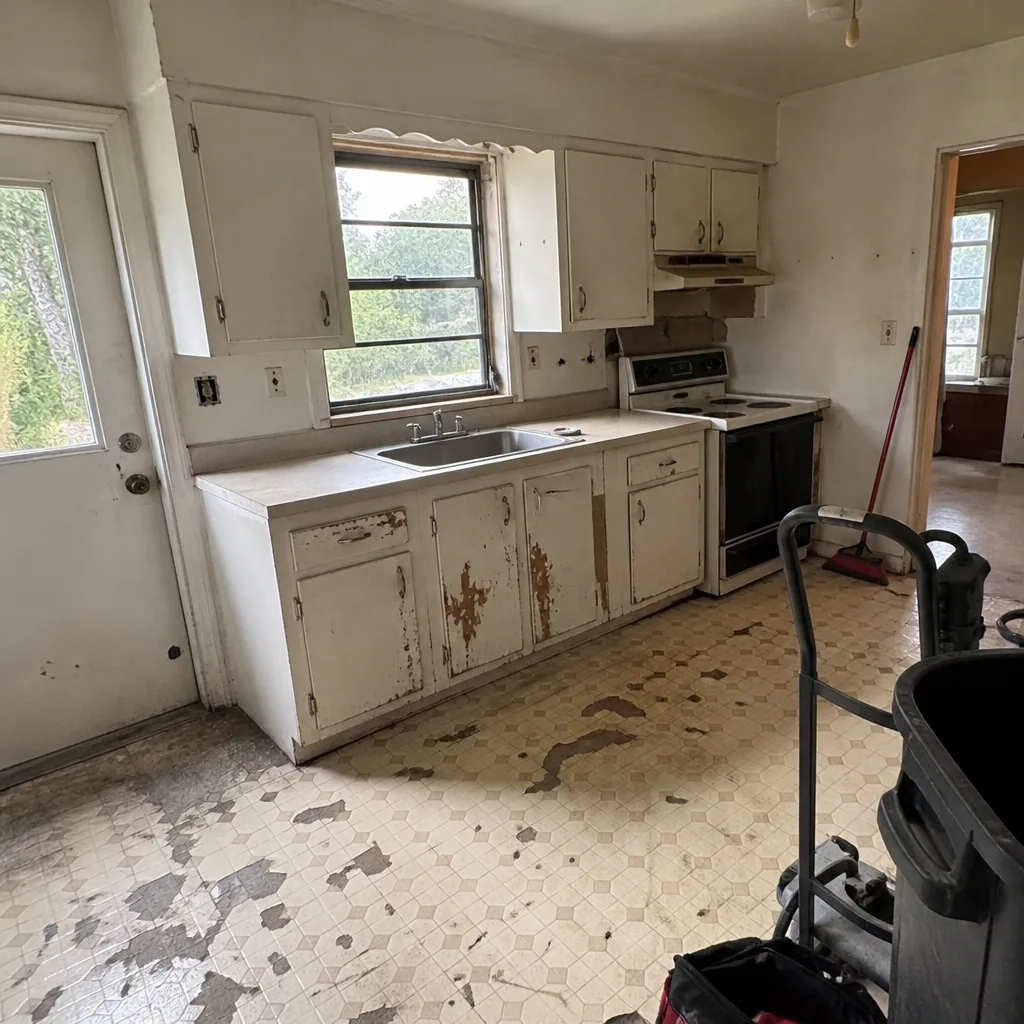 Before
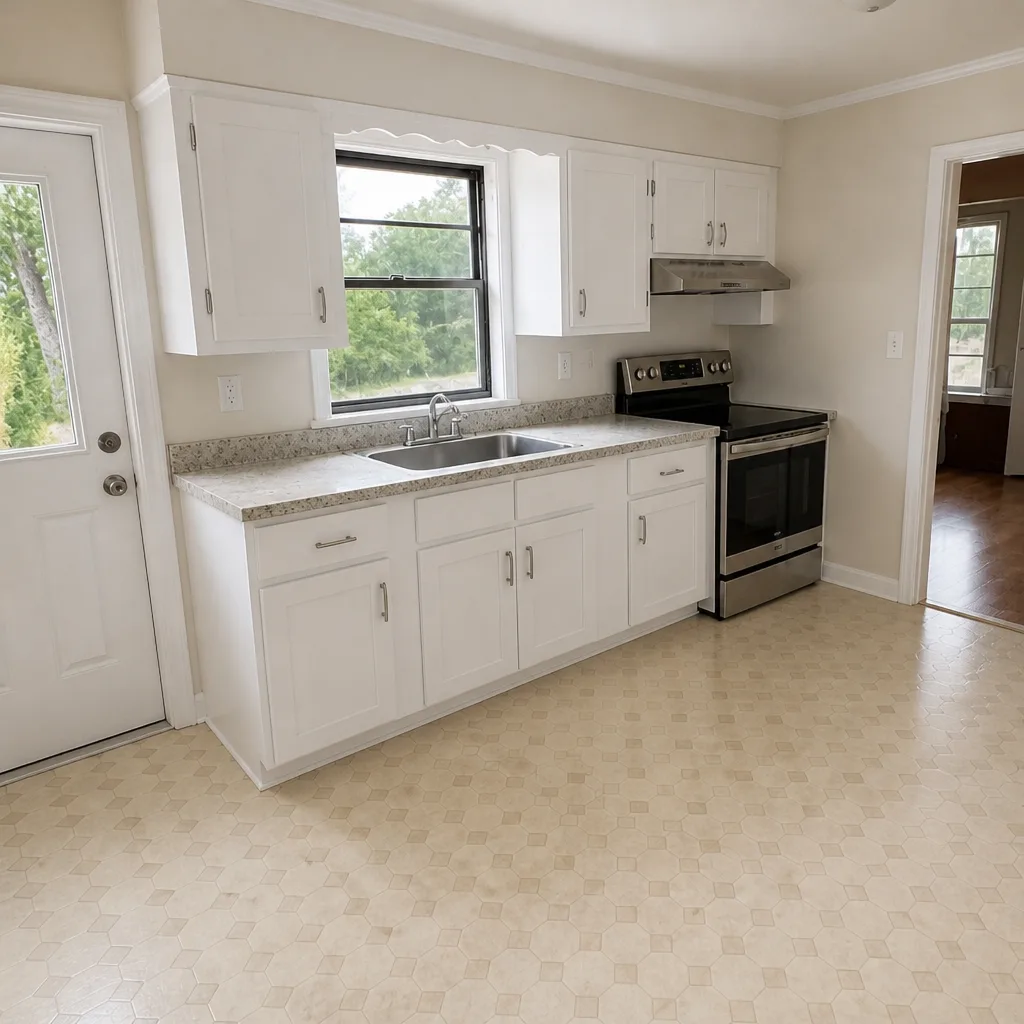 After
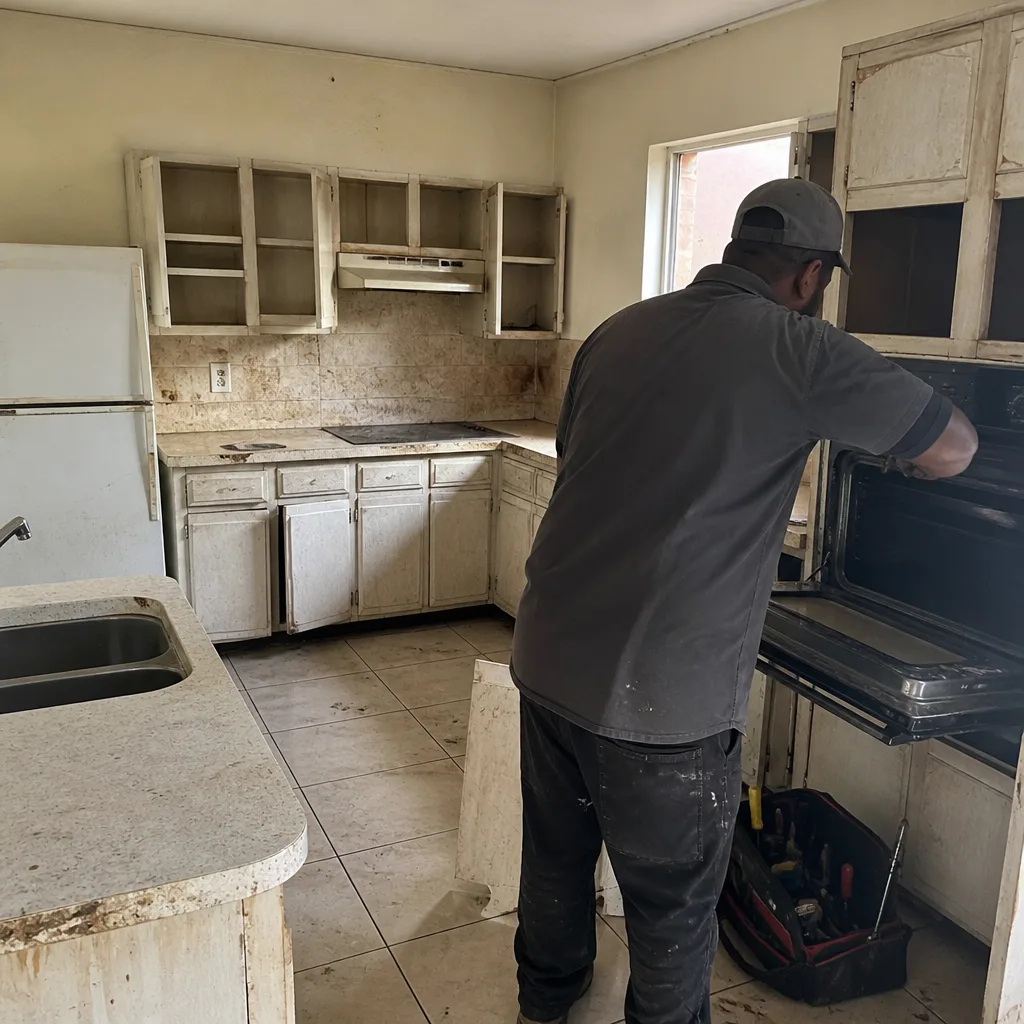 Before
 After
 Before
 After
When to Call a Professional
Call a licensed contractor before signing, not after something goes wrong. Specifically: when the contract doesn’t name a permit number, when the payment schedule puts more than 30% down before work starts, when the change order language is vague, or when the DBPR record shows anything other than active status. Any one of those is reason enough to get a second set of eyes on the paperwork. Rowan Construction Group Homestead offers free estimates in Homestead, and we’ll review any competitor’s written estimate line by line at no charge; call (844) 834-4248 to schedule yours. A written price before any work starts isn’t a luxury for us, it’s the whole point, and offering to review someone else’s written estimate the same way is how we’d want to be treated if the roles were reversed.
Frequently Asked Questions
A home addition in Homestead typically runs $180 to $350 per square foot for a finished, permitted structure, with ADUs trending toward the lower to middle range when the utility work is simple. That’s a range. The firm number only exists once the scope is written and the permit path is clear. Call (844) 834-4248 for an exact quote. Estimates are free.
No, if the contract says so in writing. The flat-price model locks the number to a written scope, and any change that affects that scope must be a signed change order before work continues. If a contractor won’t commit to that sentence, the price you signed isn’t the price you’ll pay.
Yes. Under Florida law, a certified or registered general contractor or building contractor performs the permit work, and the permit number belongs in the contract as a fillable field. The homeowner is not the permit applicant on a properly structured addition or ADU.
A typical Homestead addition runs four to seven months from permit issued to final inspection, and an ADU often runs five to eight months because of the separate utility connections and the second certificate of occupancy. Those ranges depend on the permit queue at the building department and the scope, not on crew speed.
The strongest single red flag is a payment schedule that front-loads more than 30% before work begins. Combined with no lien waiver requirement at each draw, that pair of omissions shows up in nearly every Florida contractor fraud case. Each is a stop-and-verify item on its own.
Yes. Florida’s Construction Lien Law, Chapter 713 of the Florida Statutes, allows a subcontractor who wasn’t paid to record a lien against your property even when you paid the general contractor in full. That’s why every payment draw should require a signed unconditional lien waiver from the contractor and every sub and supplier listed in the contract.
The Bottom Line
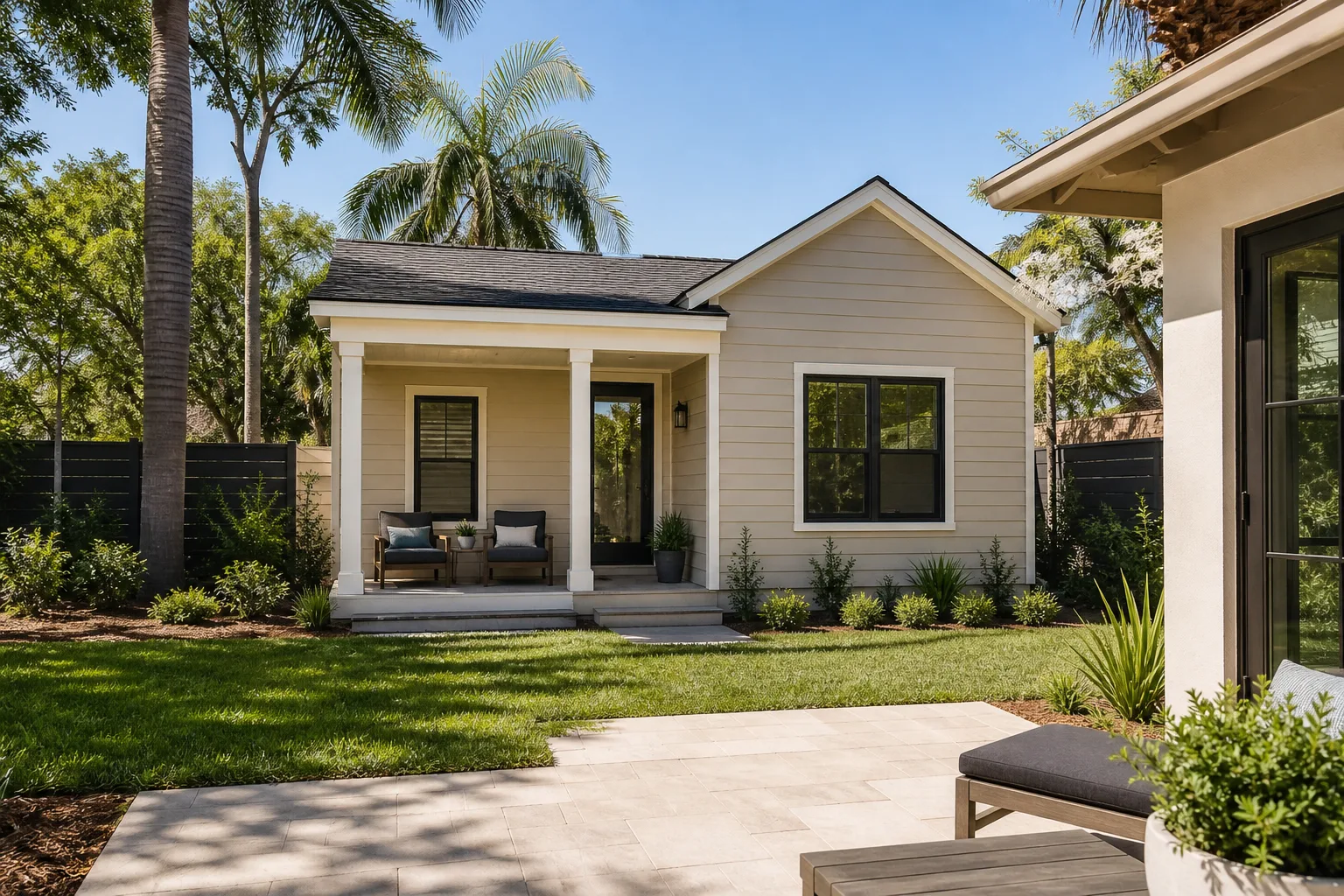
The most expensive home addition mistakes in Homestead start in the contract, not on the jobsite. Audit the license record on DBPR and confirm “active” status. Confirm the contractor of record is legally allowed to pull the permits for a structural addition. Require a payment schedule tied to inspection milestones with no more than 30% before work begins. Demand lien waivers at every draw. Refuse verbal change orders and any cost-plus clause without a guaranteed maximum. Watch form boards, hurricane straps, and open penetrations during the build. Get the review done before you sign, and the contract protects you. The Homestead projects we’ve seen run cleanest are the ones where every one of these checks was completed before the price was finalized.
If you want that review done before you sign, our team at Rowan Construction Group Homestead will sit down with the competitor’s estimate and read it line by line at no charge as part of a free second opinion. We do that for additions and ADUs, and we do it for the smaller jobs too, from Rowan Construction Group Homestead home to a Fence Installation in Homestead project, because the same discipline applies to the paperwork. Call (844) 834-4248 to schedule your free estimate.
Written by the team at Rowan Construction Group Homestead.