Last updated November 17, 2026

Free written scope consultation - allowances, timeline, and change-order rules on paper before a single trade is scheduled
How Long Does Fence Installation Take? Timelines and What to Expect
Miami-Dade County’s fence permit review window runs 10 – 15 business days for a standard residential application. That single fact reframes the question most Homestead homeowners actually ask. The crew might set your posts and hang your panels in two or three days, but the calendar from signed contract to final inspection is more often three to five weeks. This guide breaks the schedule down by elapsed days rather than idealized labor hours – permit pull, material lead time, dig and set, concrete cure, inspection – so you can plan around the real timeline instead of the one a salesperson quotes you on the driveway.
Quick Answer
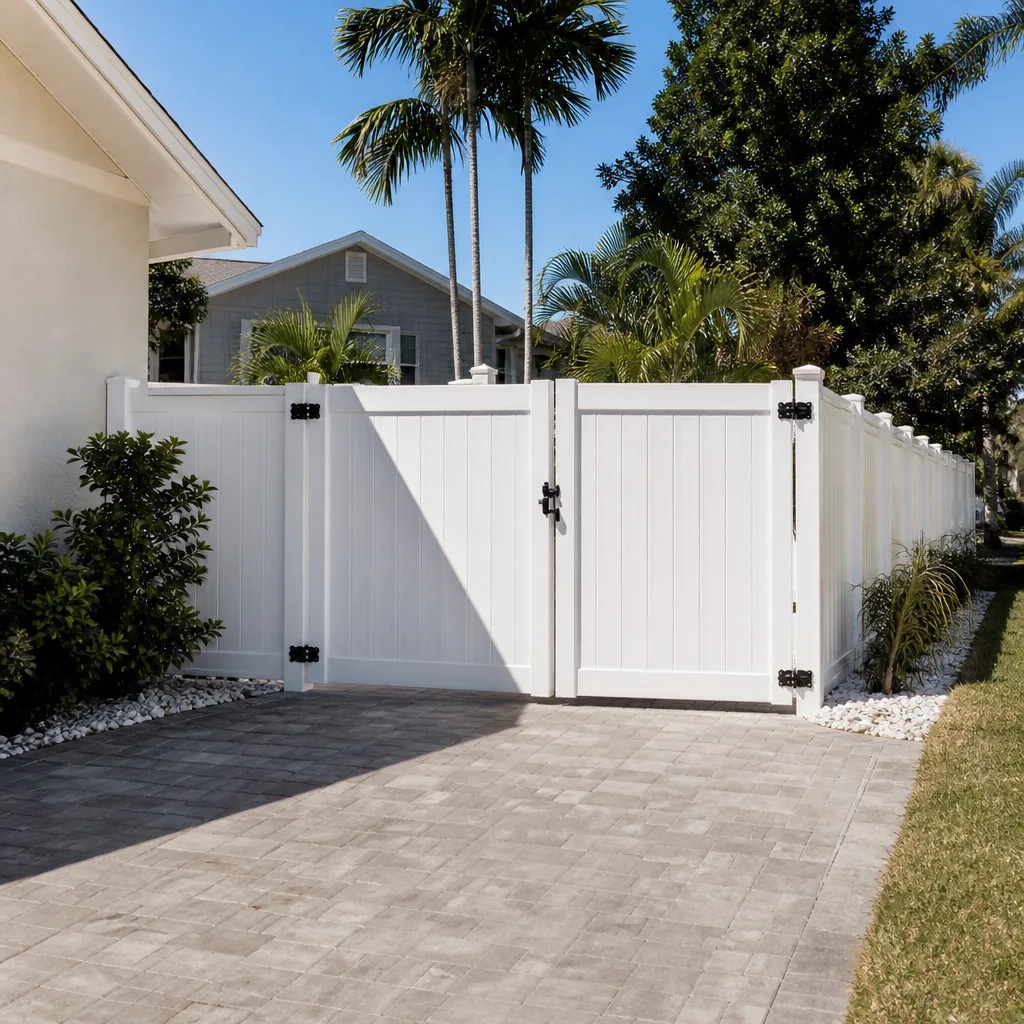
A standard residential fence in Homestead takes about 3 to 5 weeks from signed contract to final inspection, but only 2 to 4 days of that is actual installation labor. Permit review (10 – 15 business days in Miami-Dade) and material lead time eat the largest share of the calendar, and soil conditions in South Miami-Dade can add a cure day or two depending on whether the crew hits marl, fill, or cap rock.
Styles & brands we work with
- Kitchen remodeling
- Bathroom remodeling
- Home additions & ADU
- Roofing
- Windows & doors
- Driveway & pavers
- Fence
Table of Contents
- The Phase-by-Phase Calendar
- How South Miami-Dade Soil Changes the Schedule
- Material Lead Times: Why Install Speed Isn’t the Bottleneck
- HOA Approval Runs Parallel to Permit Review
- What a Signed Project Schedule Should Contain
- Miami-Dade Permit and Code Requirements
- Weather Windows and the Homestead Rain Calendar
- Final Inspection and Closeout
The Phase-by-Phase Calendar
Here’s the honest breakdown. We’ve found that homeowners who see the calendar in writing before signing are far less likely to call the office in week two wondering why no one’s in the yard yet. The waits are real, and they happen before a single post hole is dug.
- Contract and deposit – day 0 to 1. A written price, a written scope, and a signed change order discipline. Nothing moves until the paperwork is clean.
- Permit application submission – day 1 to 3. Site plan, property survey, and material specs go to Miami-Dade County’s Building Department. If the fence sits in a flood zone (portions of Homestead aren’t), expect an elevation note to be attached.
- Permit review – day 3 to 18 (10 – 15 business days). This is the single largest variable in the whole project. A clean application sails through. A rejected one with a survey discrepancy restarts the clock.
- Material procurement – day 3 to 21, running concurrent with review. Aluminum and vinyl panels ordered from regional suppliers often need 2 – 3 weeks. Standard pressure-treated pine from a Homestead-area yard is typically in stock.
- Dig and set posts – install day 1 to 2. Mark the line, call in 811 for utility locates (allow 48 – 72 hours), auger holes, set posts in concrete. A 150-foot run is a two-day dig if soil cooperates.
- Concrete cure – install day 2 to 4. Posts need to cure before rails and panels go up. Sakrete and Quikrete fast-set mixes cut this to 4 – 6 hours in warm weather; standard mix runs 24 – 48 hours.
- Rails, panels, gates – install day 3 to 4. The visible work most people picture when they think of “fence installation.” One to two days for a standard residential run.
- Final inspection – install day 4 to 12. Schedule the county inspector; typical booking runs 3 – 7 business days out.
Total elapsed calendar: 21 – 35 days in most Homestead projects. A simple chain-link replacement on a quarter-acre lot with a clean survey can compress to 14 days. A 300-foot vinyl privacy fence in a gated community with HOA review can stretch to six weeks.
How South Miami-Dade Soil Changes the Schedule
Homestead sits on a band of limestone and marl that behaves differently than the sandy fill most Florida contractors train on. If you’re in the Redland or out toward the agricultural reserve, you’re likely on rock. In newer subdivisions off Krome Avenue, you may be on engineered fill over older muck. Each surface changes the dig time and, in some cases, the concrete mix.
- Marl and cap rock (common around the Redland and parts of rural Homestead): A two-man auger won’t cut it. Expect a rock bit, gas-powered auger, or in extreme cases a small excavator. A 150-foot fence that takes two days on fill can take three on rock.
- Engineered fill (common in subdivisions developed after 2005): Digs fast, but post holes can collapse. Crews often use a sonotube liner and a slightly wider excavation to keep the concrete column intact.
- Muck or organic soil: Rare on buildable lots, but encountered near drainage swales. Posts need to extend below the organic layer into stable subgrade, and cure time frames shift to 48 – 72 hours before load.
- Concrete mix choice: Quikrete High Strength or Sakrete fast-setting go in at 3,000 – 4,000 psi and hit set in hours. Oldcastle pre-cast footings are used on some aluminum runs where digging is impractical.
This is why a fence quote that only says “two-day install” isn’t an honest number for Homestead. We ask for the survey and a soil note during the estimate, because the crew that shows up with a hand auger to a rock site loses a day to a tool run home.
Material Lead Times: Why Install Speed Isn’t the Bottleneck
The type of fence you choose does less to change installation speed than you’d think. The difference between a wood fence installed in two days and an aluminum fence installed in three is one shift. The difference between the materials’ procurement times is often 10 to 15 business days – a much bigger variable.
- Pressure-treated pine: 1 – 5 days from a Homestead or Florida City yard. Standard stock, no regional shortage.
- Cedar: 7 – 14 days. Ships from out of state; quality varies, so the supply chain matters.
- Vinyl (PVC): 10 – 21 days. Regional distributors carry standard colors in stock; premium colors, textured finishes, or custom heights add 7 – 10 days.
- Aluminum ornamental: 14 – 21 days. Powder-coat runs and gate fabrication are typically the hold. A custom gate adds 5 – 10 business days to the aluminum timeline alone.
- Chain-link: 3 – 7 days for standard galvanized; 10 – 14 days for black vinyl-coated.
Ask your contractor to name the supplier and give the current lead time on the specific product, not the category. “Vinyl is fine” doesn’t tell you whether the color you picked is available. The bar-height aluminum panels in your HOA’s approved palette may be back-ordered three weeks while a neighbor’s identical fence went in last month. Lead times move.
If fence work is one part of a larger yard plan – say, paired with Driveway & Pavers in Homestead – sequencing matters. Moving pavers after fence posts are set is easy; resetting posts after paver installation is not. Plan the order in writing.
HOA Approval Runs Parallel to Permit Review
This is where a lot of Homestead-area projects lose two weeks. An HOA architectural review committee sits on its own clock, separate from the county. In most gated communities across Homestead and southern Miami-Dade, the HOA will not approve your fence until the county has issued the permit, and the county will not issue a permit until you have HOA approval on file – a chicken and egg that anybody who’s been through it recognizes.
The practical workaround is to submit both applications on the same day, with a cover letter to the HOA explaining that permit is in process. Many committees accept a conditional approval (subject to permit) at the same meeting. Ask that question before submitting.
- Read the HOA’s declaration and architectural guidelines before choosing a material. Approved colors, height limits, and style are usually in there.
- Submit the HOA application and the county permit application the same week.
- Request conditional HOA approval subject to permit issuance, in writing.
- Once both are approved, order materials immediately. This is the moment lead time starts counting.
If your entire plan is bigger than fencing – a pool enclosure, an outdoor kitchen, a detached structure – review the fence placement during the design phase for any Home Additions & ADU in Homestead work, since setbacks shift once you add a structure.
What a Signed Project Schedule Should Contain
A schedule that says “start date and estimated completion” is a sales document, not a project document. A real written schedule names each phase, its start date, its end date, and the trigger that moves the project from one phase to the next.
- Milestone dates, not spans. Permit submission date. Expected permit issuance. Material order date. Delivery date. Dig date. Cure completion. Panel installation. Inspection date.
- Named dependencies. “Panels install two days after posts set” is a dependency. “Panels install two days into the project” is a guess.
- Owner responsibilities. If the homeowner needs to be on site to sign the permit application, note it. If survey updates are pending, note it.
- Change order clause. No work proceeds on a change until the change order is signed. That includes material substitutions and any site condition discovered during dig.
This is how Rowan Construction Group builds every Homestead project. Under Clause 1 of The Haven Standard, the price is written before anyone starts, and no phase moves without a signed change order for that phase. On a fence project, that means if the crew hits rock and needs a different bit or extra concrete, you get a signed change order for the additional cost rather than a surprise on the final invoice. The Rowan Construction Group Homestead home page has the details of how the documentation process works across all seven trades.
Miami-Dade Permit and Code Requirements
Miami-Dade County requires a fence permit for any fence over 6 feet in height, any fence in a public right-of-way or sight-triangle, and any fence in a flood zone or along a body of water. Fences at or under 6 feet in a standard residential rear or side yard are typically permitted as an “accessory use” under a simplified review, but that doesn’t exempt them from the application. Submitting without the permit and being cited later is more expensive than going through the process.
- Height limits: 6 feet in the rear and sides in most single-family residential zoning; 4 feet in the front setback. Corner lots carry sight-triangle rules.
- Setbacks: Fences go on the property line where allowed, but surveys must match recorded plats. A survey discrepancy is the single most common cause of a rejected permit.
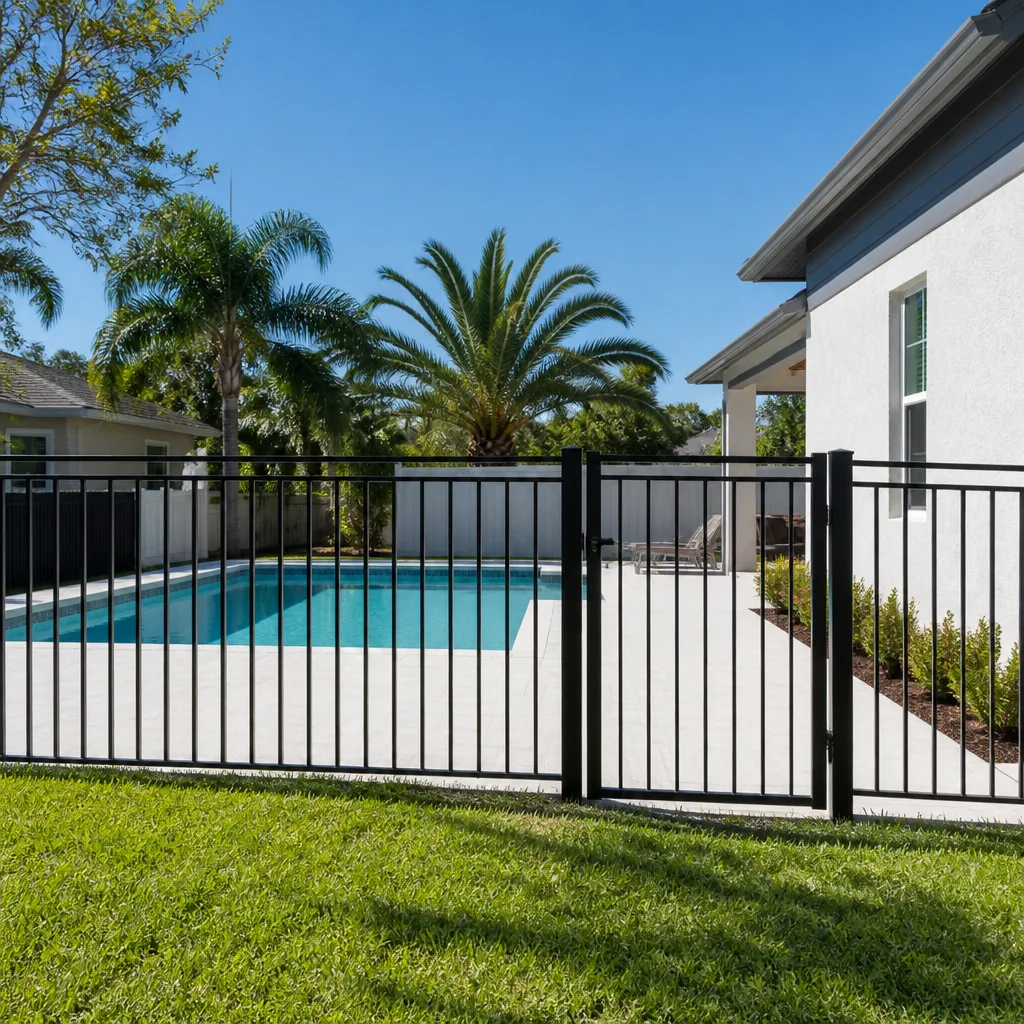
- Pool barriers: A fence adjacent to a pool must meet barrier code (typically 4 feet minimum, self-latching gate, no climbable horizontal elements within 18 inches of the ground) and is inspected separately.
- Utility locates: Florida’s 811 system requires 48 – 72 hours advance notice before any excavation. Failing to call is a hard stop if a line is hit.
Most single-family residential fence permits in Homestead move through a standard 10 – 15 business day review. Complex applications – flood zones, sight triangles, pool barriers – can stretch longer.
Weather Windows and the Homestead Rain Calendar
Homestead’s rainy season runs roughly May through October. A climatological average is one number; a scheduled fence install is a series of specific mornings. What actually matters is whether your install week hits a tropical system, a multi-day rain event, or the afternoon convection that shows up for 45 minutes and drains off.
Afternoon storms delay dig work more than they delay panel installation. Once posts are in and concrete has cured, panels go up in rain without harm. The concrete setting is where weather matters most: too much rain during the initial set can wash out the mix, particularly fast-set products, and a heavy rain on a freshly dug site can collapse post holes before you have a chance to set the posts. That’s why a real schedule builds one or two weather days into any install week during the wet season.
Dry season (November through April) is the easier calendar for fence work in Homestead. If you’re within reach of either season, scheduling the dig phase outside the wet months often saves a day or two of weather lost.
Final Inspection and Closeout
A licensed contractor pulls the permit and closes it with a documented final inspection. The county inspector verifies the installed fence matches the permitted location, height, and materials. After the inspection passes, you receive a copy of the signed-off permit and a written warranty document for the installation.
- Schedule the inspection for the day after panel installation, not the day of. Give yourself a clean margin.
- Have the permit card, approved site plan, and any HOA approval documentation on hand at inspection.
- Confirm the inspector’s findings in writing. Do not accept “we passed” verbally as a closeout.
- Request the documented photo record. Every crew visit should produce photos of the install included as a standard deliverable, not an upgrade.
Closeout documentation – the signed-off permit, the warranty, the photos – is what you’ll hand the buyer’s agent to if you sell the house. Preserve it. Under the 365-Day Done Right Promise, we make it right if any installation issue surfaces in the first year, and that promise is backed by The Haven Standard terms, not a verbal assurance.
Common Mistakes to Avoid
- Ordering materials before the permit is issued. If the plan reviewer changes the setback or height, the panels don’t fit the approved line. Wait for the permit.
- Submitting HOA approval after the permit. Submit both the same week, with a conditional-approval letter to the HOA. Doing them in series adds 7 – 10 days for no reason.
- Choosing a fence style before checking the HOA covenant. The color and height you love may not be approved. Read the architectural guidelines first, then pick.
- Assuming the survey is on file. Pull a current survey before permit submission. A plat mismatch discovered during review restarts the clock.
- Digging before the 811 locate clears. Florida’s 811 system requires 48 – 72 hours advance notice. Skip it and a hit gas line or fiber run is a several-thousand-dollar problem and a stop-work order.
- Accepting a “two-day install” quote as the total timeline. The two days is correct for labor. It says nothing about the three weeks of permit review and material lead time that come first.
- Not asking for the schedule in writing. A start date and “we’ll be out of your hair in a week” is a conversation, not a project plan. Get milestone dates.
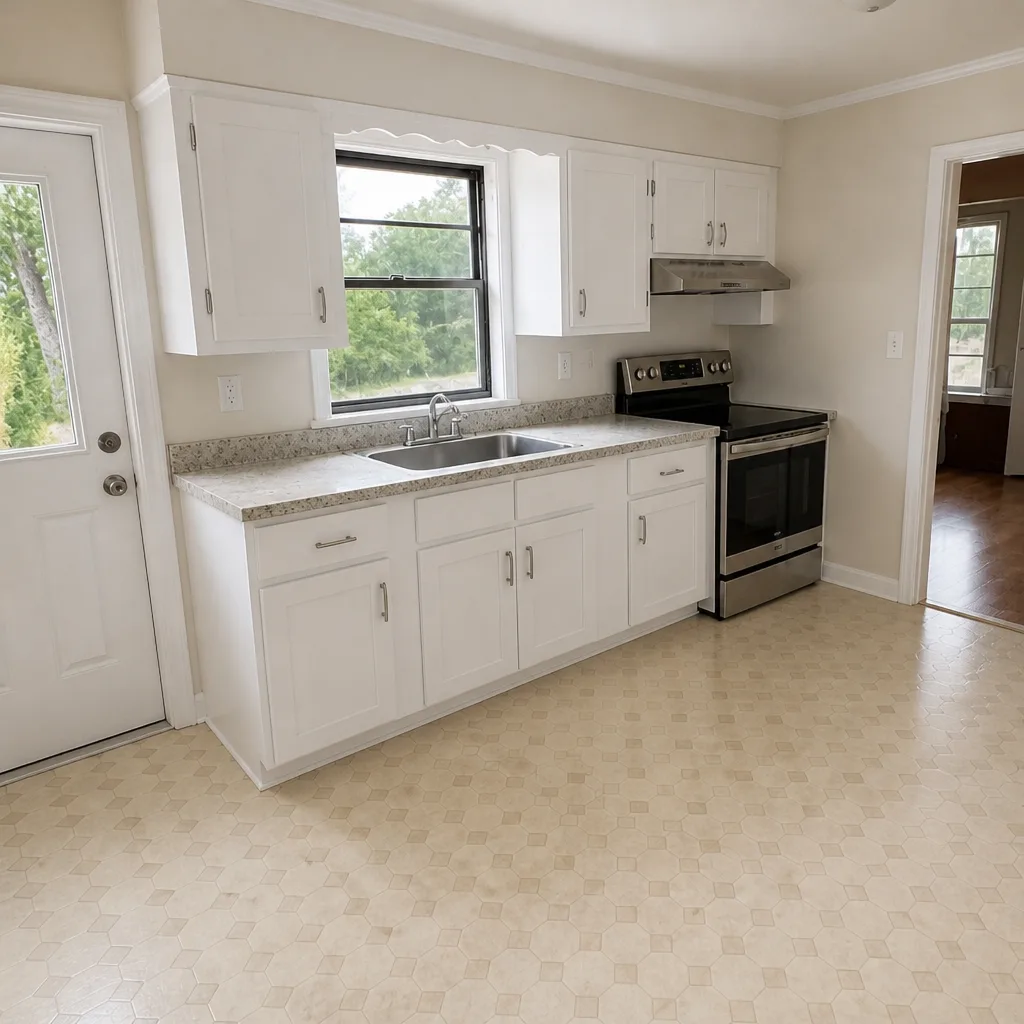
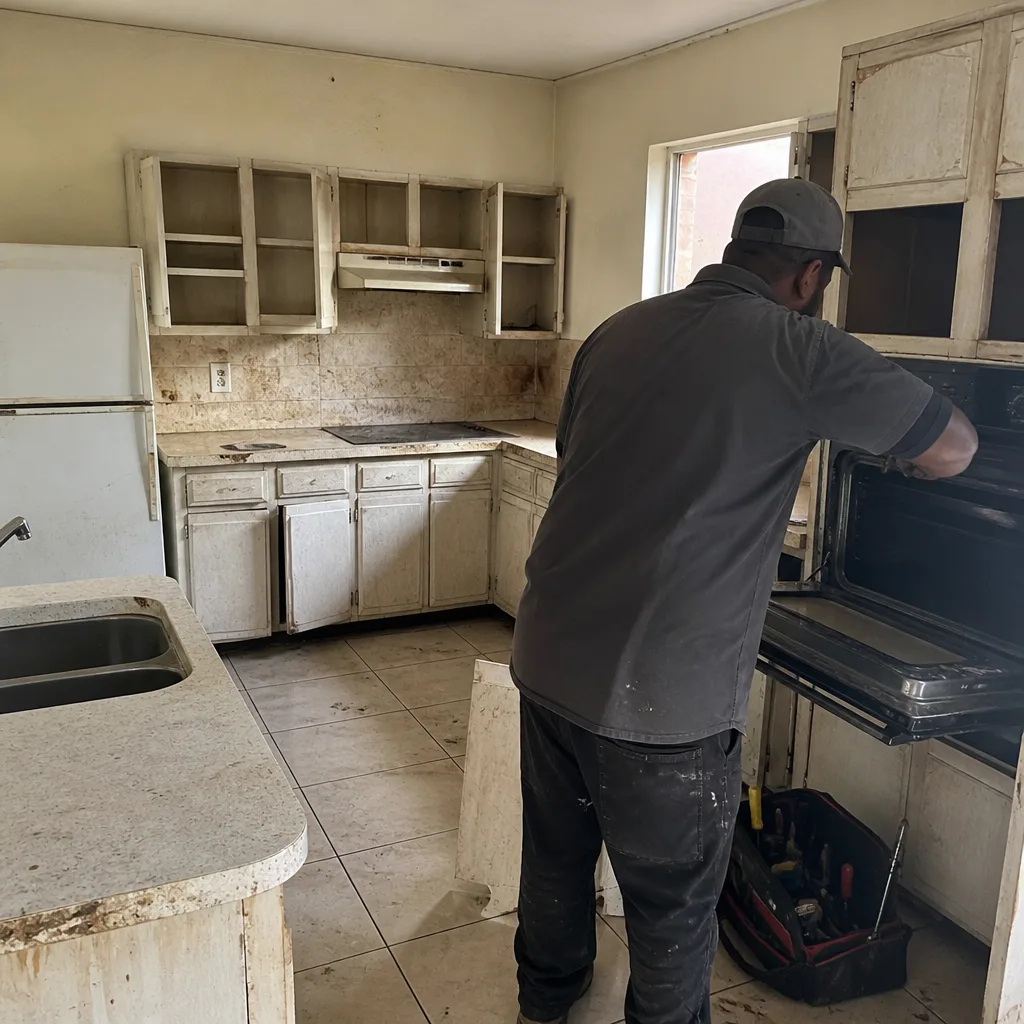
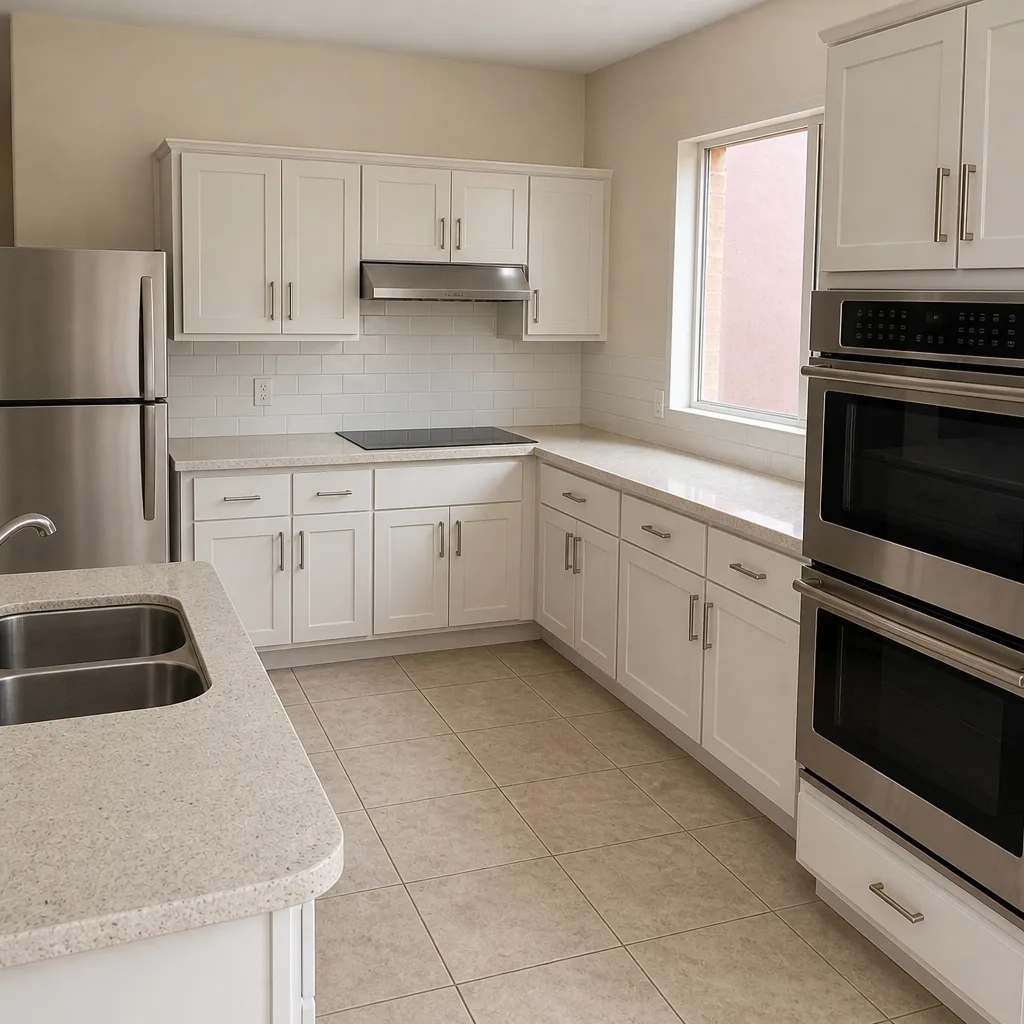
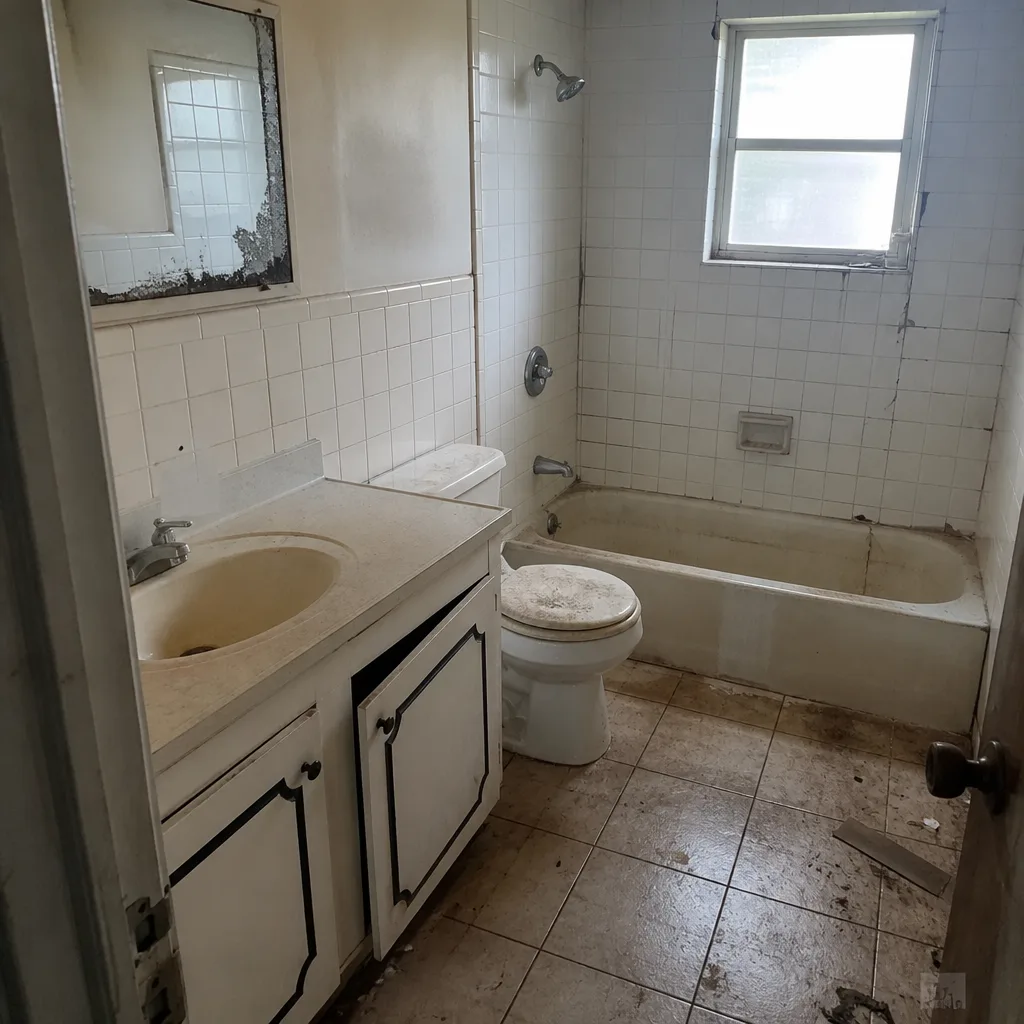
See the difference
 Before
 After
 Before
 After
 Before
 After
When to Call a Professional
If your fence adjoins a pool, sits on a property line where the survey is older than five years, sits in a flood zone, or if you’re in a Homestead community with HOA architectural review, the paperwork alone makes a licensed contractor the easier route. The same is true on rocky sites around the Redland or in subdivisions where engineered fill sits over older soil – a crew without the right auger bits is going to lose half a day finding out. We see these job sites regularly. Rowan Construction Group Homestead offers free estimates in Homestead – call (844) 834-4248. Our technicians have up to 19 years of experience and arrive background-checked and uniformed, with a live person answering every call. The written price and scope are in your hands before any work begins.
Frequently Asked Questions
About 3 to 5 weeks from signed contract to final inspection, with 2 to 4 days of that being actual installation labor. The rest is Miami-Dade permit review (10 – 15 business days), material lead time, and concrete cure. Call (844) 834-4248 for a written schedule on your specific property – estimates are free.
Standard residential fence permits in Miami-Dade typically review in 10 – 15 business days from a clean application. Applications with survey discrepancies, flood zone overlays, or sight-triangle complications can stretch longer – sometimes four to six weeks if the reviewer sends them back for corrections. Submitting a complete packet the first time is the difference between the fast lane and the slow one.
Not much – the difference between wood and aluminum labor is one shift. What does vary is procurement. Pressure-treated pine is often in stock at Homestead-area yards within a week; vinyl and aluminum panels typically run 2 – 3 weeks from regional suppliers, and custom gates add another week on top. The longer lead time, not the slower install, is what pushes the calendar.
Not for any fence over 6 feet, any fence in a front setback, in a flood zone, or adjacent to a pool. Fences at 6 feet or under in standard rear or side yards still require an application through Miami-Dade County’s Building Department, though the review is simplified. Installing without a permit and being cited later typically costs more than the permit fee, and it can complicate a future sale.
Yes, in two ways. Rocky sites (marl and cap rock in the Redland, parts of rural Homestead) slow the dig – the crew needs rock bits and possibly an excavator, which can add a day. Sites on engineered fill over older soil can see post holes collapse during rain, requiring a slightly wider excavation and a full 24 – 48 hour cure before panels go up. Concrete mix choice (fast-set Quikrete or Sakrete vs. standard) is often used to compress the cure window when the schedule is tight.
Milestone dates, not just a start date and an estimated finish. It should name each phase – permit submission, permit issuance, material order and delivery, dig and set, cure completion, panel installation, inspection scheduling – with a date for each and the dependency between them (“panels install 48 hours after posts set”). It should also name any homeowner responsibilities (signatures, survey, site access) and include the change order rule. Call (844) 834-4248 to walk through what a written schedule looks like on a Rowan Construction Group Homestead project – estimates are free.
The Bottom Line
The single most common timeline mistake with fence installation is treating the project as a labor problem when it’s really a paperwork and supply chain problem. In Homestead, permit review dominates the calendar at 10 – 15 business days, material lead time adds another 1 – 3 weeks for non-wood materials, and installation itself is a short 2 – 4 days of work. Soil type – rock, fill, or muck – shifts the dig and cure days but not by much. The best protection is a written schedule with milestone dates, a signed change order rule, and a contractor who won’t pick up an auger before a permit is in hand. That’s the standard we hold to on every Fence Installation in Homestead project, and it’s what makes the calendar honest.
Get Your Written Estimate
If you’re ready to know what your fence will actually take, start with the estimate. Call (844) 834-4248 to schedule a free estimate with Rowan Construction Group Homestead. We deliver a flat written price and written scope before any work starts, answer the phone with a live person 24/7, and include a documented photo record on every visit. Bring a competing quote and we’ll review it line by line as a free second opinion. Change orders are signed, not verbalized. Permits are pulled and inspections pass. If something goes wrong in the first year, the 365-Day Done Right Promise applies. Call (844) 834-4248 today.
Written by the team at Rowan Construction Group Homestead.