Free written scope consultation - allowances, timeline, and change-order rules on paper before a single trade is scheduled
Styles & brands we work with
- Kitchen remodeling
- Bathroom remodeling
- Home additions & ADU
- Roofing
- Windows & doors
- Driveway & pavers
- Fence
See the difference
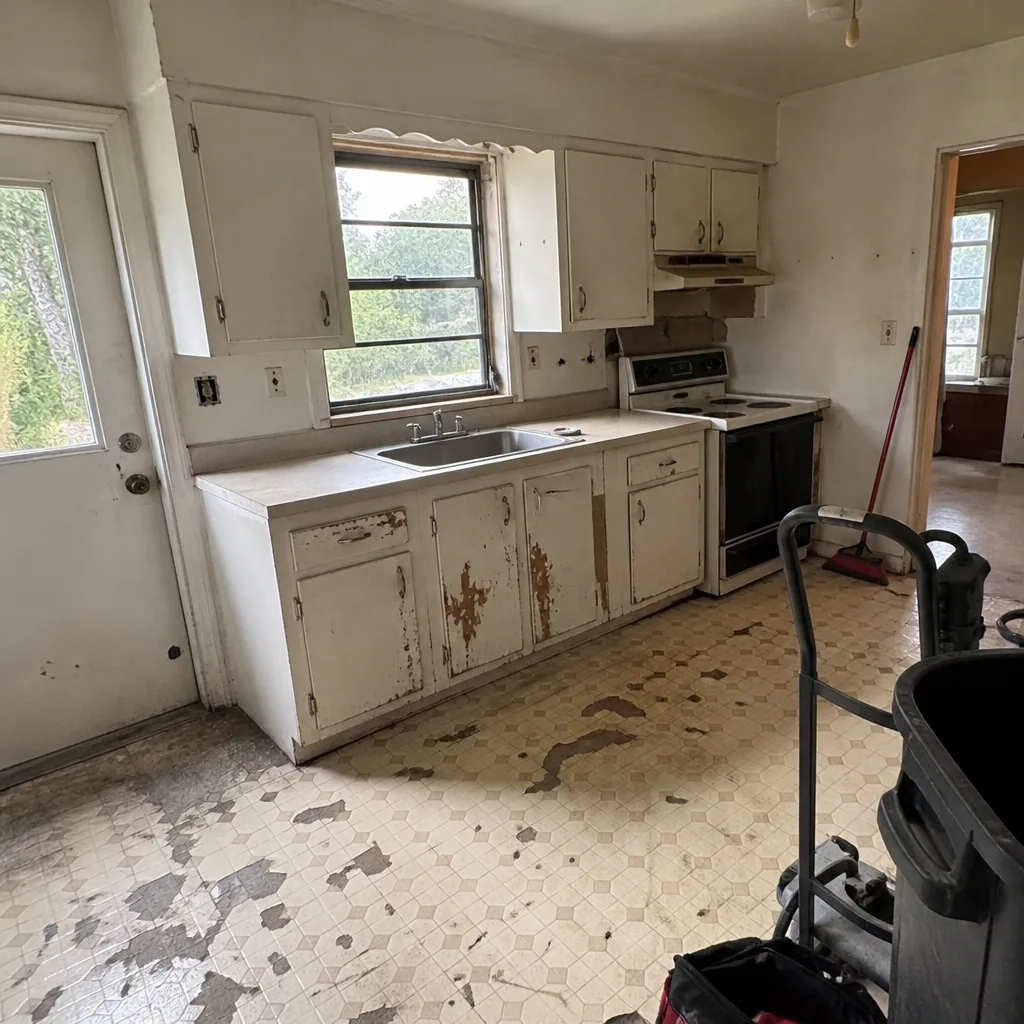 Before
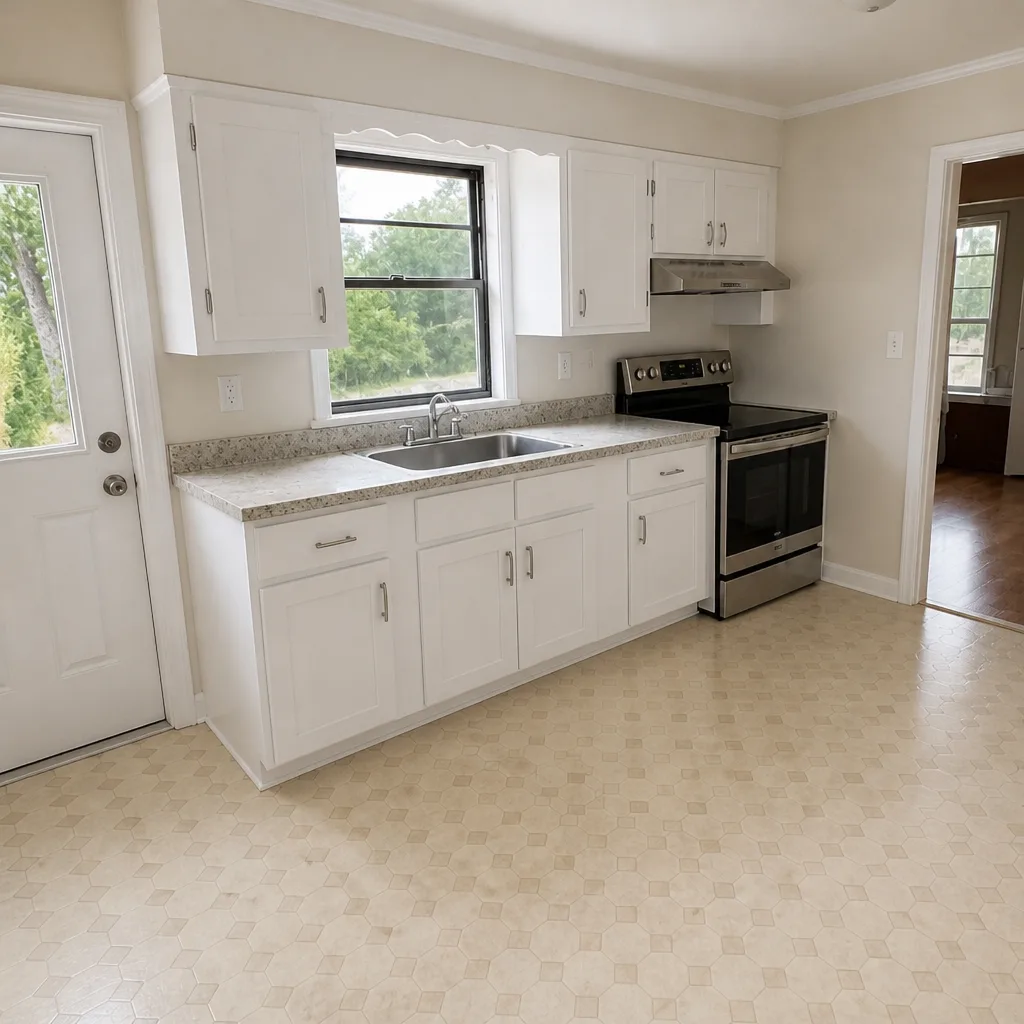 After
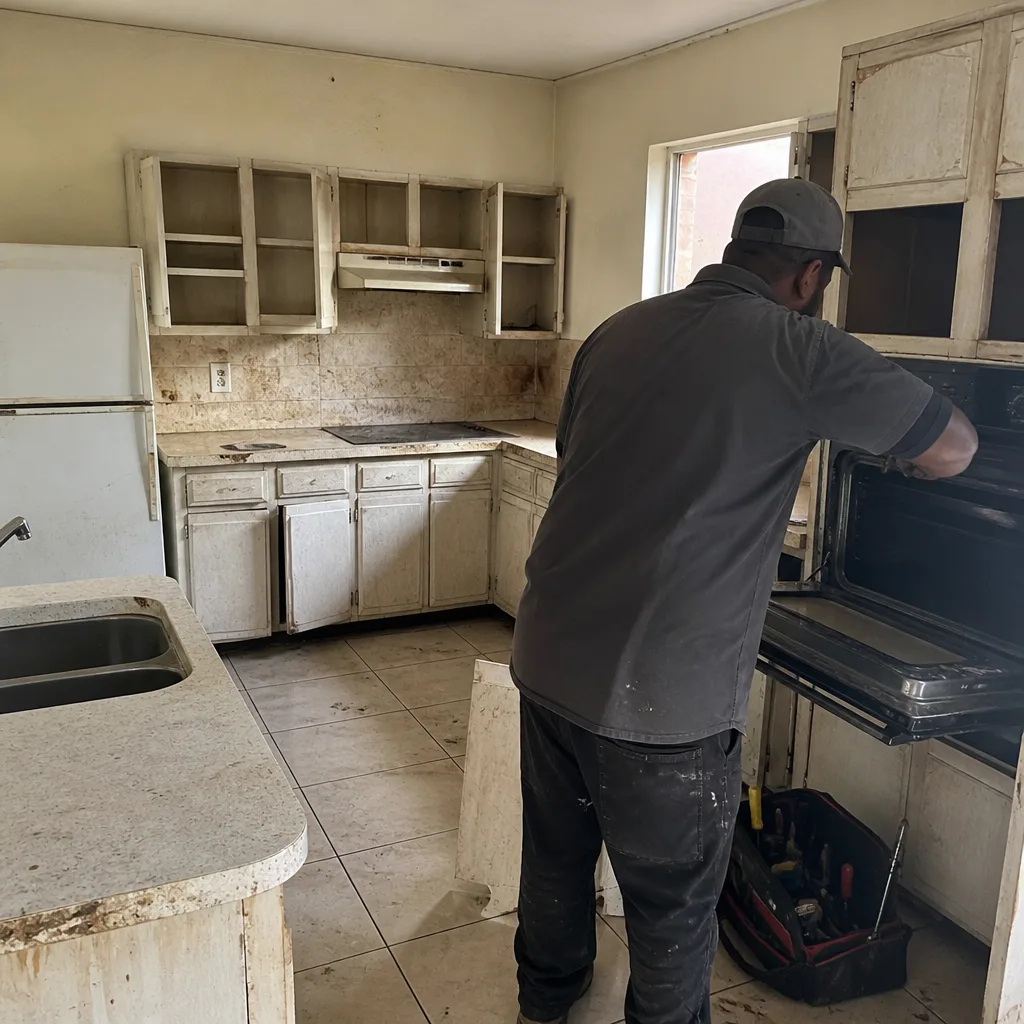 Before
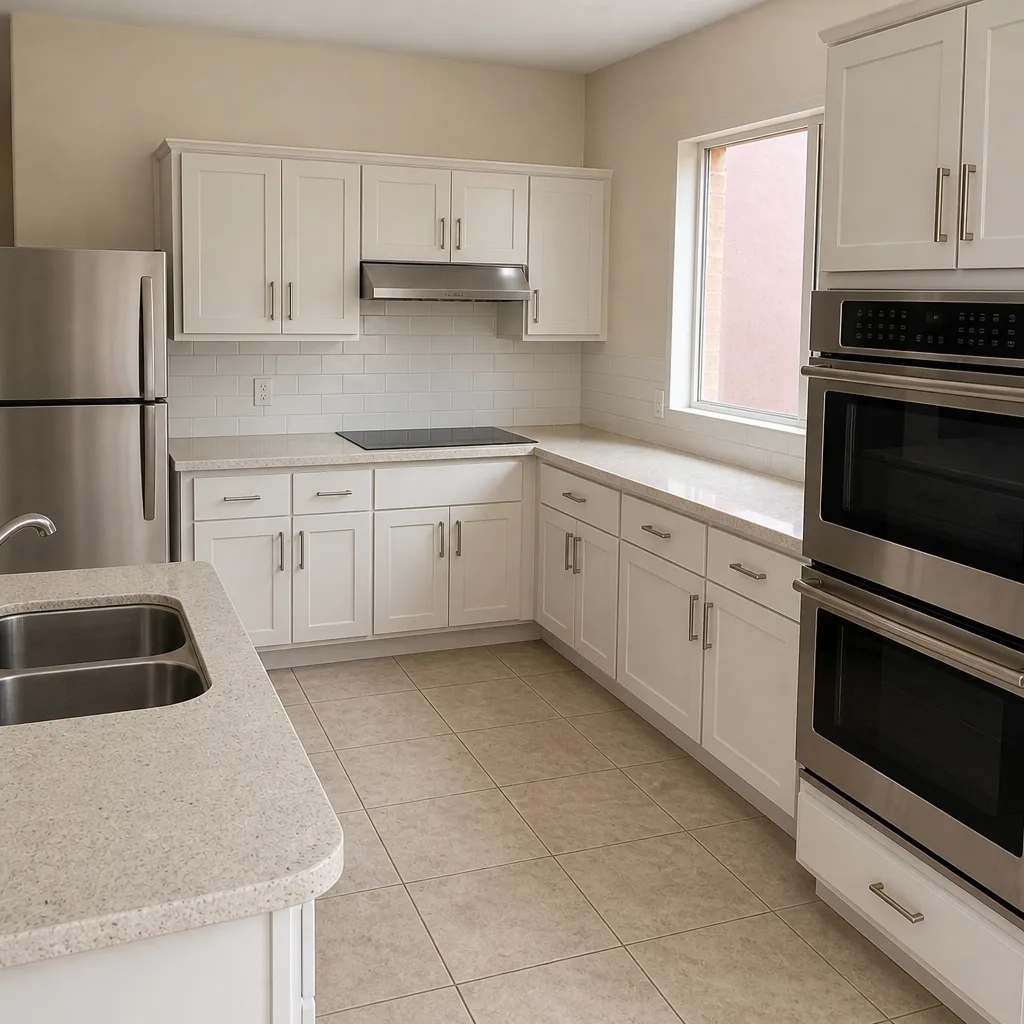 After
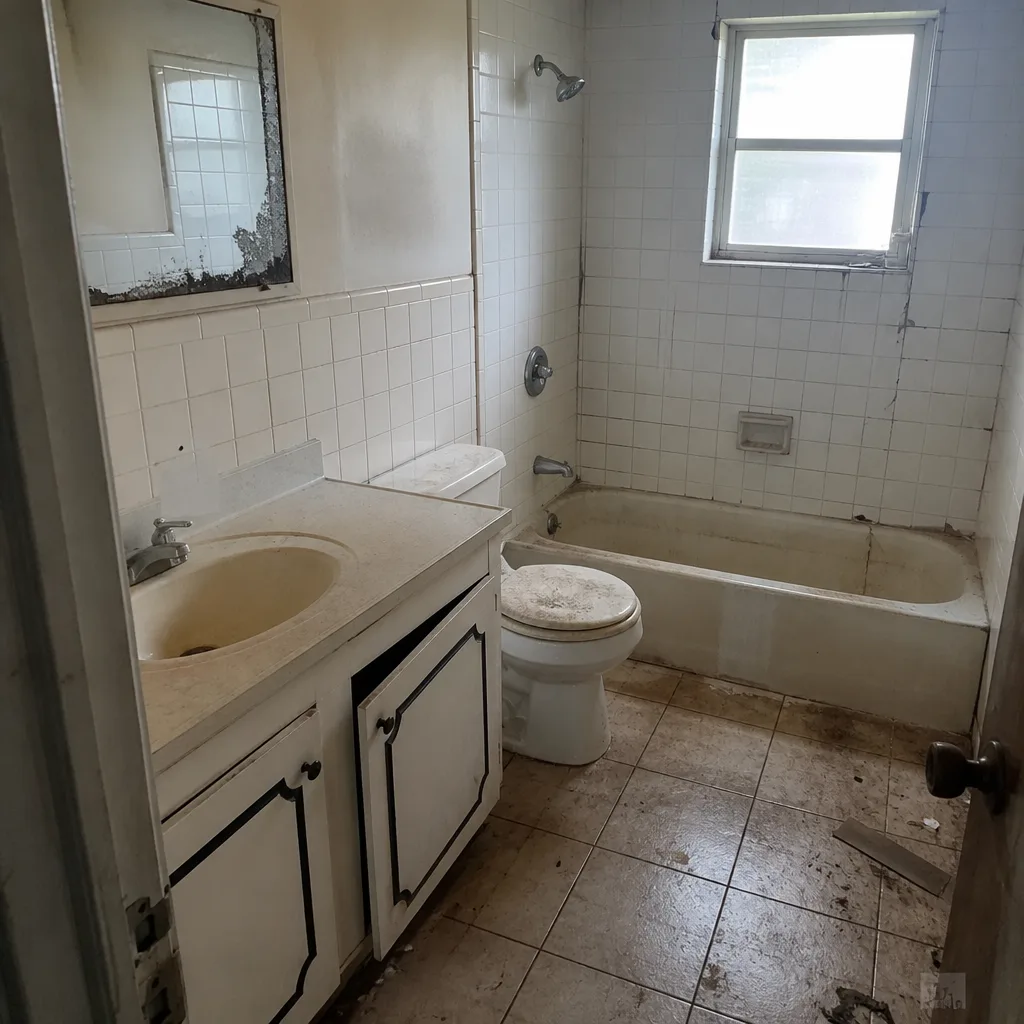 Before
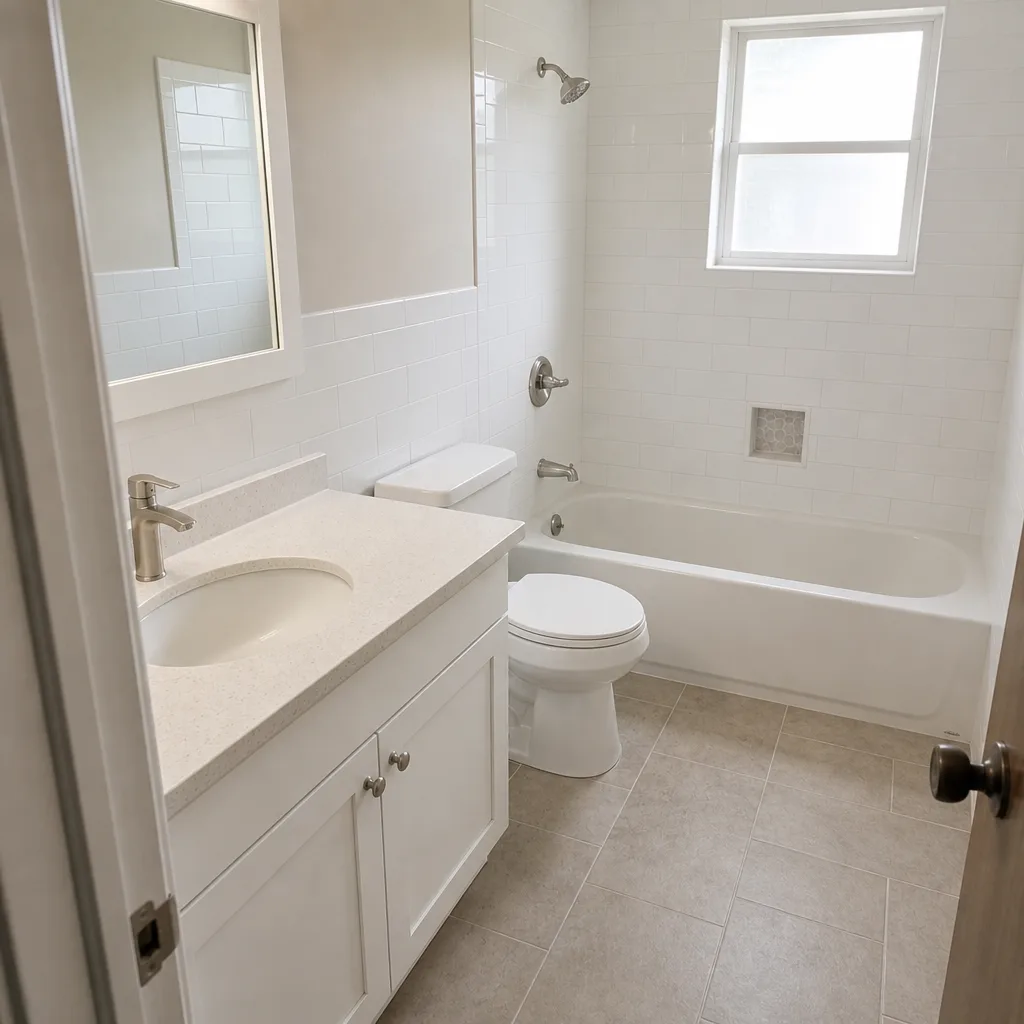 After
Home Addition vs ADU in Homestead, FL: Which One Your Lot Actually Allows
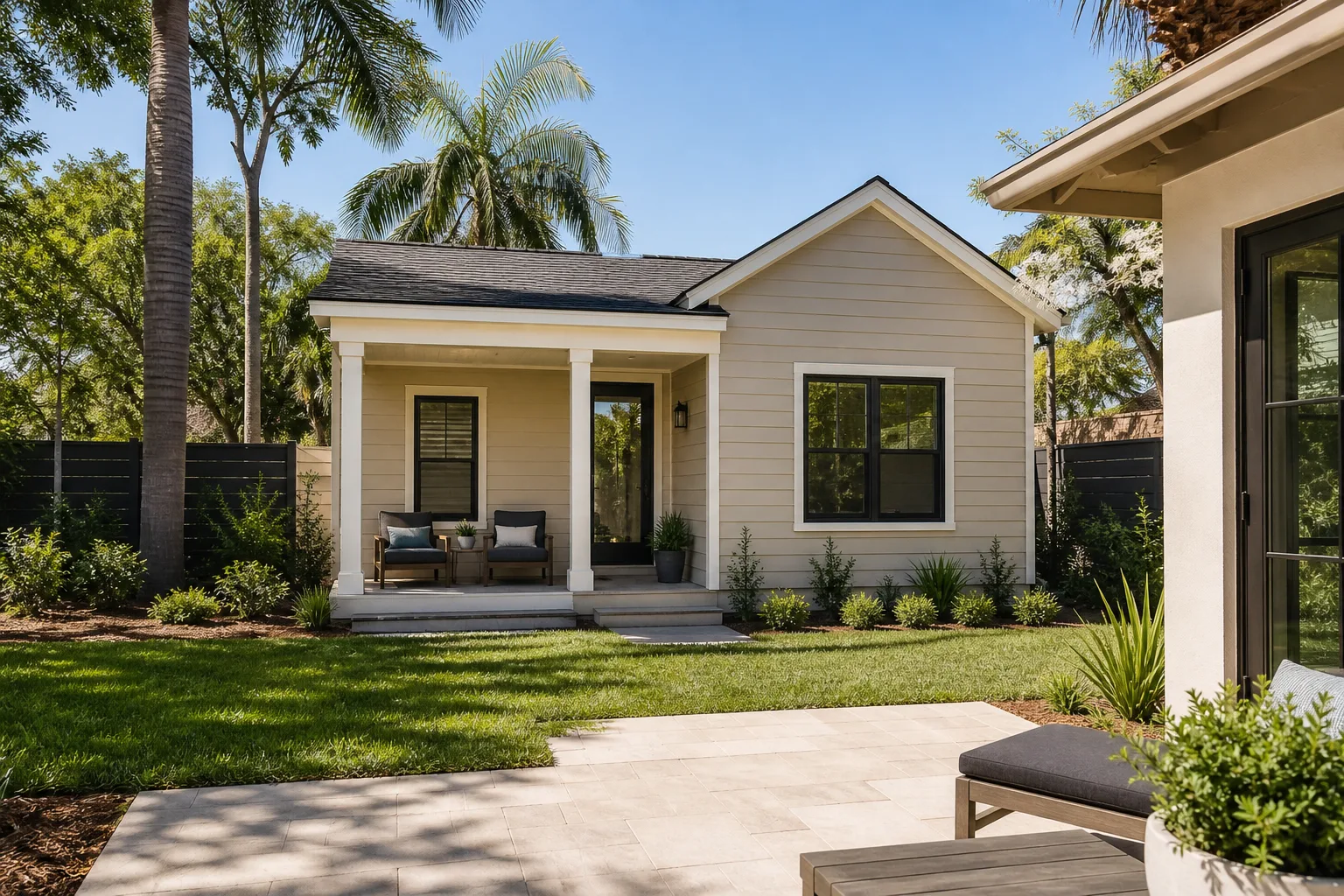
Choose a home addition unless you own a lot big enough to place a detached structure and want rental income; on most standard Homestead lots, Miami-Dade’s 40% lot-coverage cap and setback rules quietly eliminate the ADU option before preference ever enters the conversation. On a 7,500 sq ft lot with an 1,800 sq ft house, only about 1,200 sq ft of footprint remains, and side and rear setbacks eat most of that. Call (844) 834-4248 and we’ll run the arithmetic on your parcel before you commit to either path.
Key Takeaways
- A home addition adds living space and appraised value; it cannot legally generate rent unless it meets full ADU standards (separate entrance, kitchen, and bathroom).
- Detached ADUs are capped at roughly 750 sq ft on standard residential zoning, but Redland-edge agricultural parcels zoned EU-1 or EU-2 may permit larger footprints.
- Wind-load compliance costs the same for both: engineer-stamped drawings, NOA-rated openings, and roof-to-wall strap documentation under the Florida Building Code.
- Typical Homestead budgets run $45,000-$130,000 for an addition and $90,000-$220,000 for a new ADU.
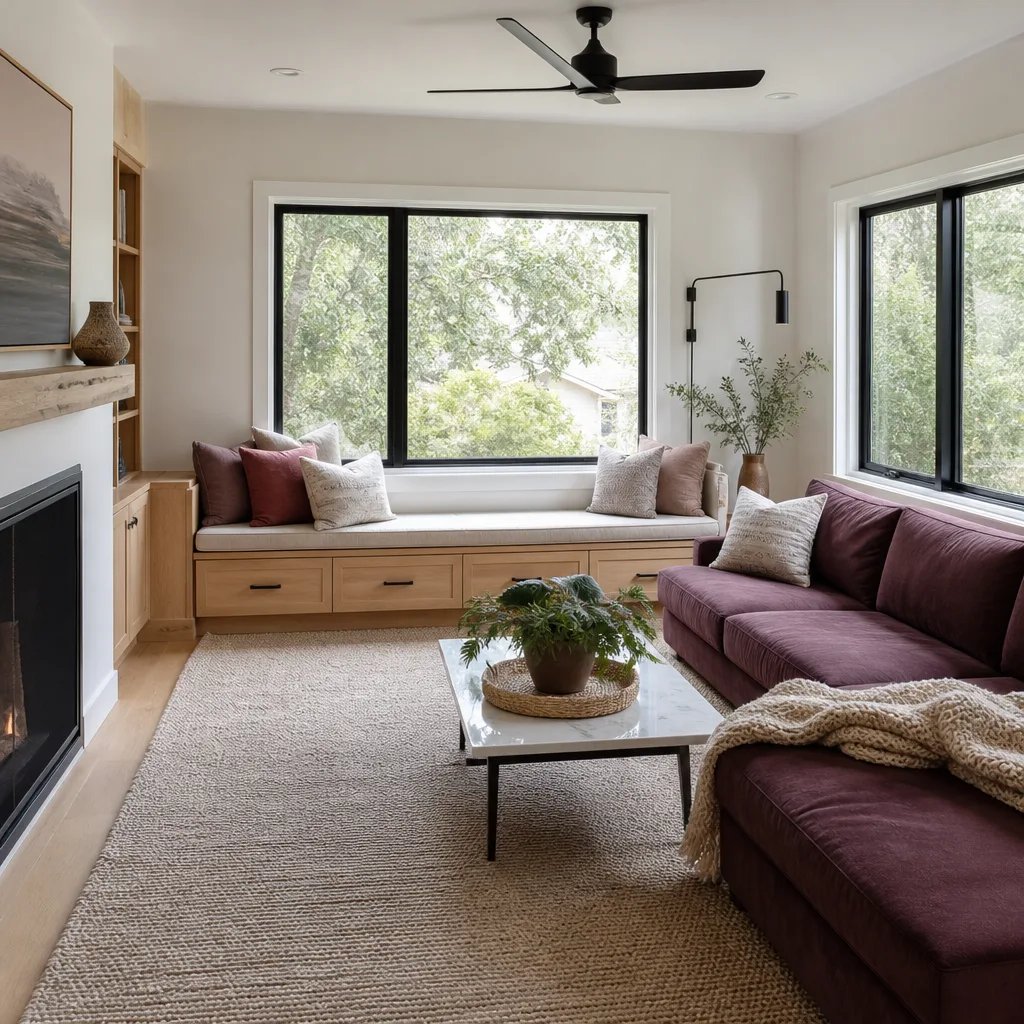
The Zoning Arithmetic That Decides It Before You Do
Homestead sits at the edge of Miami-Dade where new subdivisions meet working agricultural land, and the zoning line between them decides which structure you can build. On a standard in-town lot, the 40% lot-coverage rule governs. Take a 7,500 sq ft parcel: 3,000 sq ft of total footprint is allowed, and an existing 1,800 sq ft house leaves 1,200 sq ft. Subtract the rear and side setbacks required for a detached structure and you’re often left with a buildable pad smaller than the 750 sq ft ADU cap. That’s why most Homestead owners on smaller infill lots end up with an addition by default, not by choice.
Drive south and east into the Redland edge and the math flips. Parcels zoned EU-1 or EU-2 (Miami-Dade’s agricultural estate districts) can permit accessory structures at larger square footages than the standard residential cap, and the lot has the room to place one. On those parcels a detached ADU can generate legal rental income an attached addition never will. Under Miami-Dade zoning, an addition only counts as a rentable ADU when it has its own entrance, kitchen, and full bathroom meeting ADU standards. A half-measure “in-law suite” with a mini-fridge and a pass-through door usually fails that test, and the income you were counting on disappears at inspection.
What Each Path Actually Costs in Homestead
Rowan Construction Group Homestead prices both scopes with separate line items for structural engineering, permit fees, and material specifications, so you can compare true all-in numbers rather than two lump sums. Here’s the range we quote in this market:
| Scope | Typical Homestead Range | Notes |
|---|---|---|
| Home Addition | $45,000-$130,000 | Attached; adds to primary appraised value |
| ADU Construction (new detached) | $90,000-$220,000 | Full second kitchen, bath, entrance, separate utility |
| Garage Conversion | $30,000-$80,000 | Cheapest route to a permitted ADU when the garage qualifies |
| Impact Windows (both paths) | $8,000-$25,000 | NOA-rated openings, required in the HVHZ |
The wind-load bill is identical either way. Every new structure in Homestead’s High-Velocity Hurricane Zone needs the same engineer-stamped drawings, the same product approvals, and the same roof-to-wall strap documentation whether it’s attached or detached. The HVHZ does not offer a simplified path for ADUs. That’s a real cost people forget when they assume a detached unit is “just a small house.”
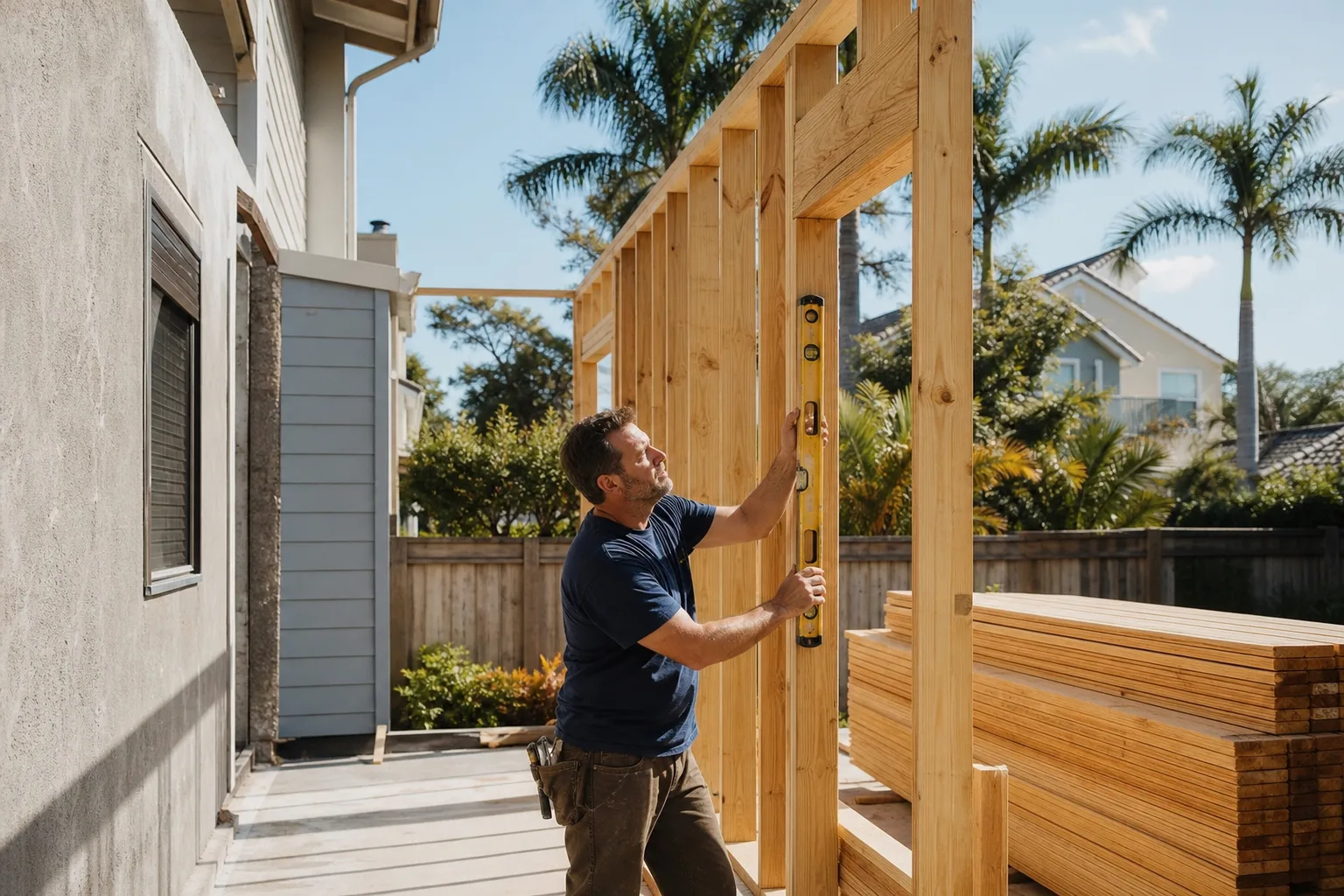
The Added Column on the Spreadsheet: Tenure and Financing
Financing is where the two paths diverge for most homeowners. An addition is easier to finance through a home equity line because it raises the primary structure’s appraised value the moment it’s complete, and lenders treat it as straightforward improvement debt. ADU financing is less standardized. Fannie Mae’s ADU appraisal guidelines, updated in 2023, now allow projected rental income to offset debt-to-income ratios, which helps, but not every lender applies them the same way. Ask your lender which appraisal form they’ll use before you sign a contract.
Our technicians have up to 19 years of experience building in this market, and we’ve watched the same financing question trip up owners who came in certain they wanted an ADU. We lay the numbers side by side and let the customer decide. Under Clause 1 of The Haven Standard, the price is written before anyone starts, so the comparison is honest from the first conversation.
How Homestead’s Climate Shapes Both Structures
Every project here is measured against wind mitigation, roof-to-wall connections, and impact glazing standards that inland Florida builders never deal with, a reflex that goes back to Hurricane Andrew in 1992 and the strict building code that followed. Salt-laden air off Biscayne Bay is minutes away, and UV-degraded stucco plus corroded fasteners are common findings on older ranch homes we open up. For additions we plan wet-season framing around the June-November window so lumber doesn’t sit through daily downpours, and we detail wind-driven rain at every joint. For ADUs the same rules apply to a smaller roof plan, which is why the per-square-foot cost usually runs higher.
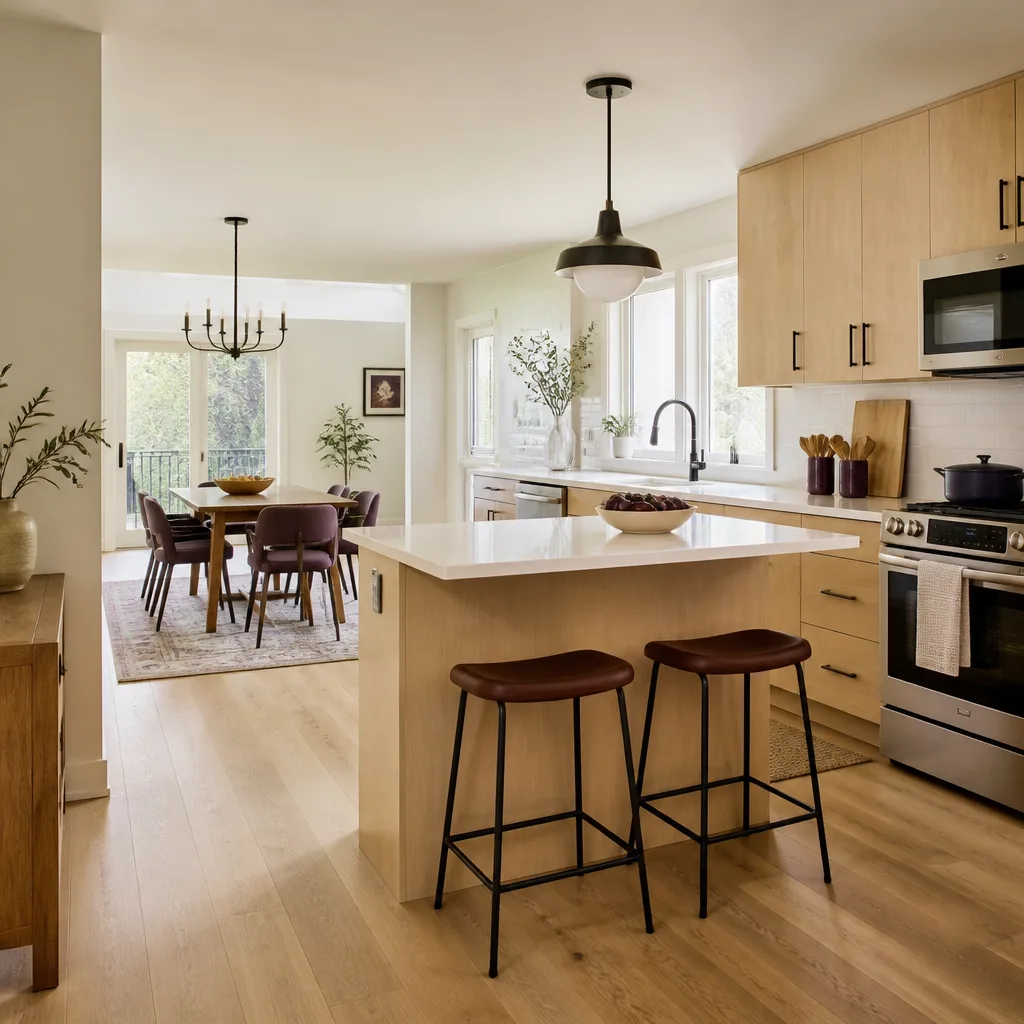
When the addition needs new windows or a door to tie in, we specify brands like Therma-Tru for entry systems and Mr-Glass for impact glazing, all rated for the HVHZ. Cabinetry and fixtures follow the same standard: KraftMaid or Wellborn cabinets, Kohler or Toto fixtures where the scope calls for them.
Common Local Scenarios We See
- The 1970s ranch off Old Cutler with an Andrew-era rebuild. The slab and tie-downs are already documented; we often find an addition is the cleaner fit because a detached unit would straddle the setback line.
- The larger Redland-edge parcel zoned EU-1. Room for a detached ADU that produces rental income; the owner usually wants the income more than the extra living space.
- The 2010s subdivision home with a finished garage. A garage conversion at $30,000-$80,000 is often the fastest permitted route to a rentable unit before full ADU construction is worth the spend.
- The homeowner who wants an in-law suite. We check the ADU standards first, because a suite without a separate entrance and kitchen won’t legally rent and won’t earn what they expected.
For a deeper walk through the addition side, our Home Additions & ADU page covers the structural sequence in detail. You can also read more about home improvement planning across our seven trades.
FAQs
A home addition is cheaper in nearly every case: $45,000-$130,000 versus $90,000-$220,000 for a new detached ADU. The gap comes from the second kitchen, second bathroom, separate utility connections, and separate foundation an ADU requires. A garage conversion at $30,000-$80,000 can close some of that gap when the garage qualifies. Call (844) 834-4248 for an exact quote on your lot.
Only if it qualifies as an ADU under Miami-Dade zoning, meaning it has a separate entrance, a full kitchen, and a full bathroom meeting ADU standards. A typical in-law suite without those features can’t legally generate rental income. If rental income is the goal, we’ll tell you honestly whether your addition plan meets the standard or needs to be redesigned. Estimates are free.
Yes. Parcels zoned EU-1 or EU-2 in Miami-Dade may permit accessory structures at larger square footages than the roughly 750 sq ft cap applied to standard residential zones. That difference can change the entire financial picture on larger parcels. Call (844) 834-4248 and we’ll confirm your zoning before you spend a dollar on drawings.
Both need the same category of permit and the same HVHZ wind-load documentation: engineer-stamped drawings, NOA-rated openings, and roof-to-wall strap records. The HVHZ offers no shortcut for ADUs. Homestead’s post-Andrew code standards apply identically to attached and detached structures. Call for a free second opinion on any written estimate you’ve received.
Before You Choose, Get the Number in Writing
If you’d rather have it looked at, Rowan Construction Group Homestead offers a no-pressure assessment in Homestead. We’ll run your lot-coverage math, check your zoning, and hand you a written price with a written scope before anyone picks up a tool. The 365-Day Done Right Promise backs the work, and a live person answers the phone 24/7. Call (844) 834-4248 for a free estimate.
Written by the team at Rowan Construction Group Homestead, serving Homestead, FL.