Last updated November 17, 2026
Free written scope consultation - allowances, timeline, and change-order rules on paper before a single trade is scheduled
DIY vs Professional Home Additions & ADU: What’s Safe to Do Yourself
Most guides to DIY home additions start with skill and end with a warning. That gets the order backwards. In Florida, the decision is governed first by statute: under the owner-builder exemption in Florida Statute 489.103(7), a homeowner may act as their own general contractor on a primary residence, but the exemption carries conditions that few online guides spell out, including a one-year resale restriction that has real consequences for an ADU built as a rental or investment unit. In Homestead, where post-Andrew construction standards are strict and inspections are sequenced tightly, knowing where the legal line sits changes the whole calculation. This guide draws that line first, then works through what’s genuinely safe to do yourself and what isn’t.
Quick Answer
Under Florida law, you can act as your own general contractor on a home addition or ADU on your primary residence, and you can legally self-perform finish work like painting, interior non-load-bearing framing, insulation, and trim carpentry. You cannot legally self-perform permitted electrical, plumbing, or HVAC work in Homestead, and any project requiring structural or waterproofing sign-off is where DIY almost always costs more than it saves. Finish work saves money; structural work and rough-in usually cost more after corrections.
Styles & brands we work with
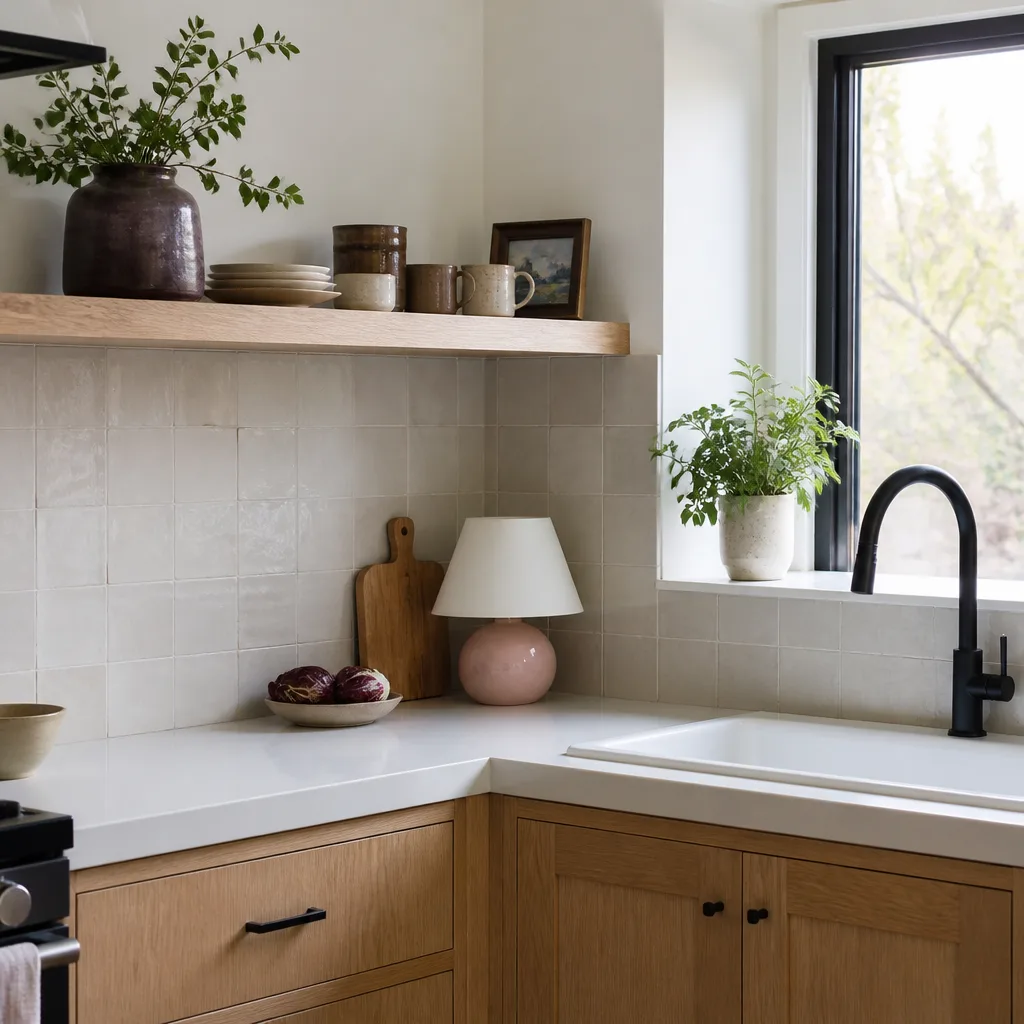
- Kitchen remodeling
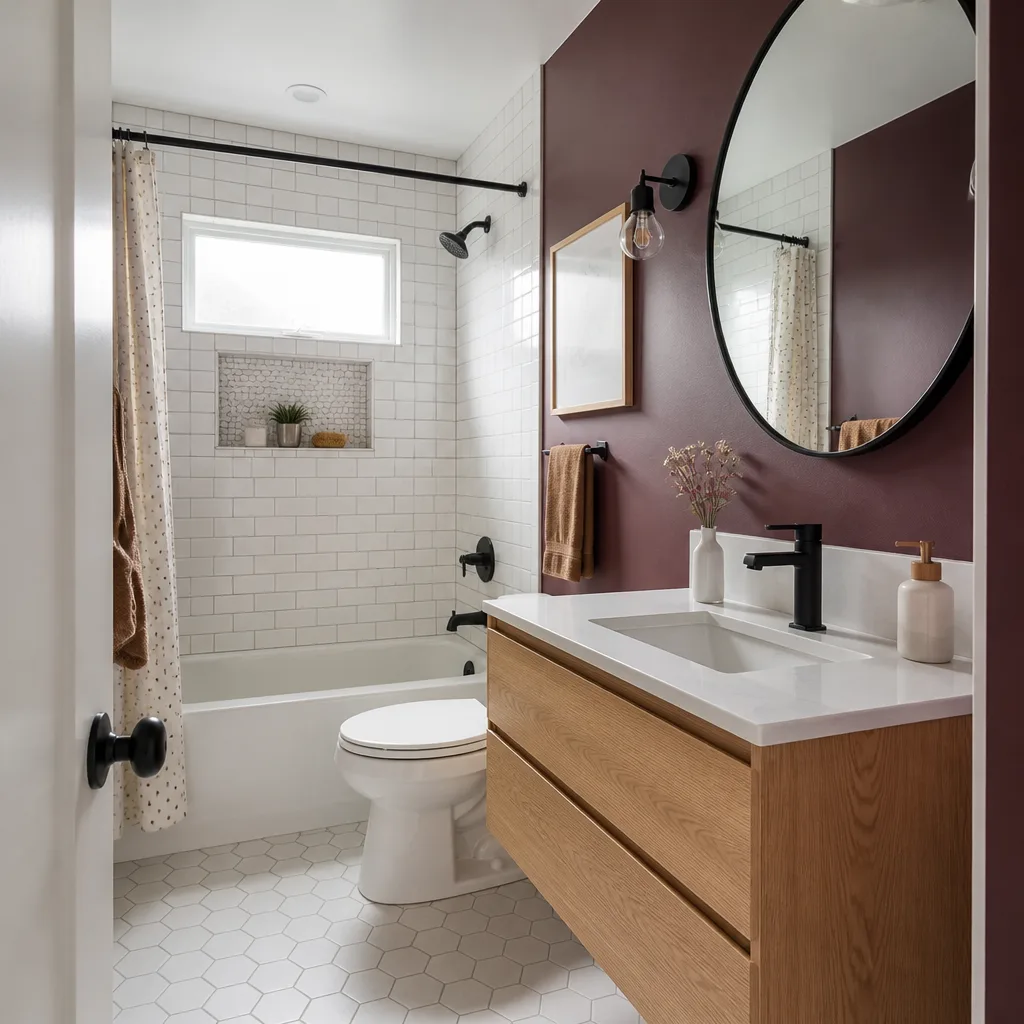
- Bathroom remodeling
- Home additions & ADU
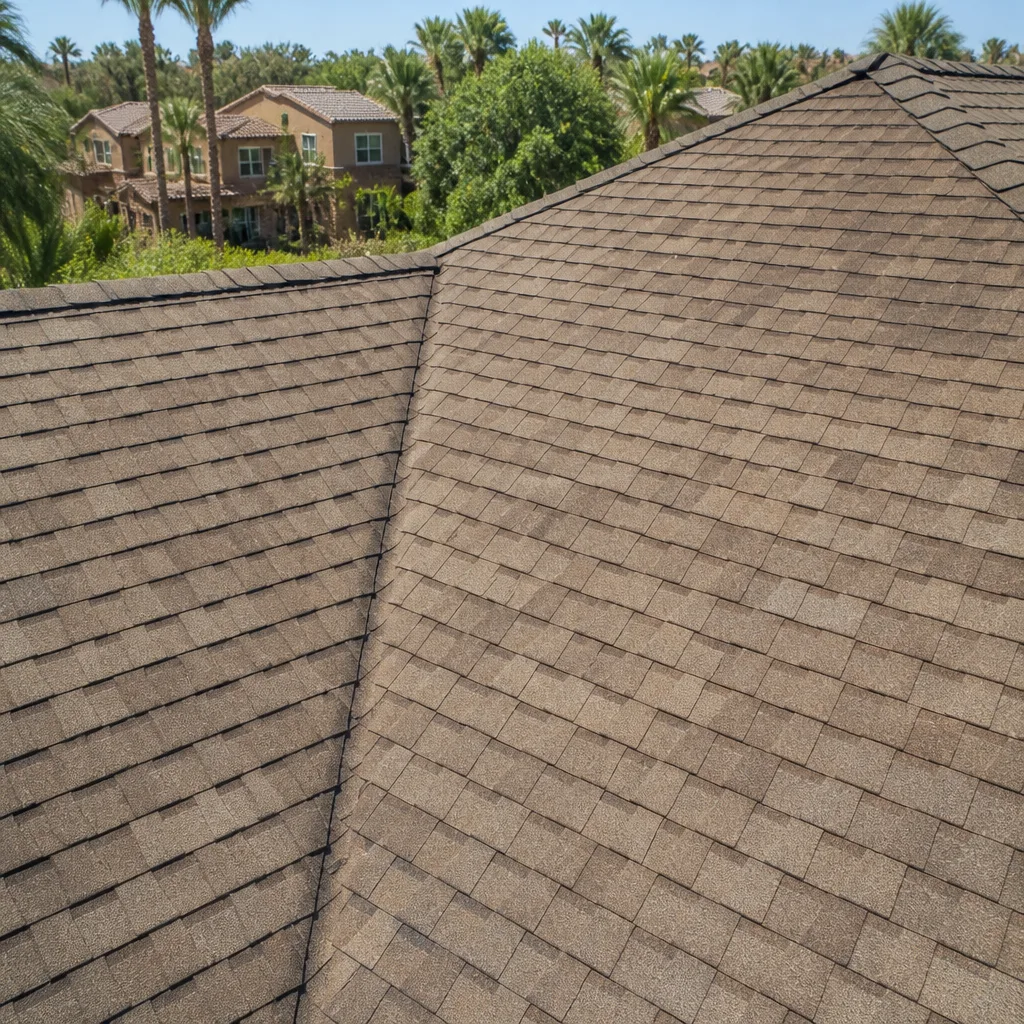
- Roofing
- Windows & doors
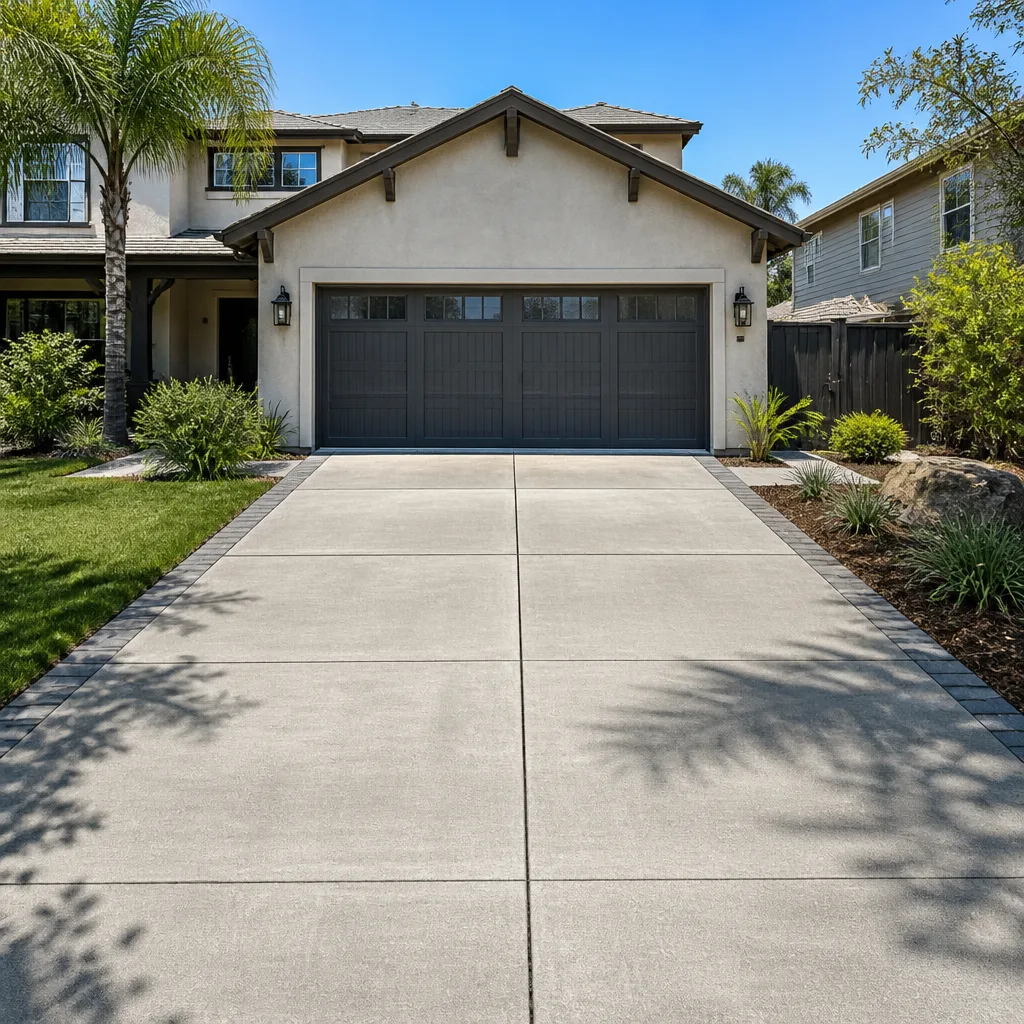
- Driveway & pavers
- Fence
Table of Contents
- What Florida’s Owner-Builder Exemption Actually Permits
- Which Trades You Cannot Self-Perform, Even as an Owner-Builder
- Tasks That Are Genuinely Safe and Legal for Homeowner Self-Performance
- How Owner-Builder Status Affects Your Homeowner’s Insurance
- The Real Cost Comparison: Where DIY Saves and Where It Costs More
- What a Licensed GC’s Overhead Actually Buys in Miami-Dade
- Common Mistakes to Avoid
- Frequently Asked Questions
What Florida’s Owner-Builder Exemption Actually Permits
Florida Statute 489.103(7) is the provision that lets a homeowner act as their own general contractor without holding a state contractor’s license. It applies only to a single-family residence the owner occupies as a primary residence. The statute defines an “owner-builder” as a person who owns the property and will occupy or occupy-and-rent the structure, and who does the construction themselves or hires licensed subcontractors directly. In practical terms, you become responsible for the entire permit process: drawing approvals, inspections, scheduling subcontractors, and holding the final certificate of occupancy.
The condition that catches most people is the resale restriction. Under the statute, a property constructed under the owner-builder exemption cannot be sold within one year of the final inspection without disclosure of the owner-builder status to the buyer in the contract. That one-year clock is why ADU projects built as rental income or future resale require a different strategy than an ADU built for a family member.
What the exemption does not do is suspend any other licensing requirement. You must still hire a state-licensed contractor for any work Florida classifies as specialty contracting, and you remain fully liable for code compliance, permit conditions, and inspection failures. A failed framing inspection in Homestead means you, not the framer, are on the hook for the re-inspection fee and the delay.
In our experience, the owner-builder exemption works well for committed homeowners with construction exposure and steady availability. It works poorly for anyone who plans to hold down a full-time job while running a job site, because inspection sequencing on a permitted addition in Miami-Dade depends on someone being on site to receive the inspector, correct a deficiency, and schedule the next trade.
Which Trades You Cannot Self-Perform, Even as an Owner-Builder
The owner-builder exemption does not extend to work that Florida reserves for licensed specialty contractors. Three trades are off-limits regardless of the exemption, and one is limited.
- Electrical: Any wiring beyond a minor fixture swap or outlet-face replacement requires a licensed electrical contractor in Homestead. Panel work, circuit additions, service upgrades, and rough-in wiring for the addition’s new circuits are all licensed work.
- Plumbing: New supply and drain lines for an ADU kitchenette or bathroom require a licensed plumbing contractor. Minor fixture replacement (a faucet, a toilet) is generally permitted for a homeowner, but running new pipe through a slab or tying into a main drain is not.
- HVAC: Refrigerant handling requires an EPA Section 608 certification, and in Florida, an HVAC contractor license. Ductwork for the addition is licensed work.
- Structural and waterproofing work: Not formally reserved to a licensed contractor in every case, but in practice, structural framing, foundation work, and waterproofing are the highest-risk categories and the ones most likely to fail inspection without trade-specific experience. Miami-Dade’s high wind-speed requirements mean roof-to-wall connections, tie-downs, and shear walls must meet product approval and engineer-of-record sign-off.
Every one of those licensed trades must still pull its own permit. As an owner-builder, you’re the contact of record for the permit, but the licensed subcontractor is the one performing the work and signing the inspection. That distinction matters for liability and insurance.
Tasks That Are Genuinely Safe and Legal for Homeowner Self-Performance
Once the licensed trades and structural work are on the professional side of the line, four categories remain safely and legally on your side. Each still passes inspection as part of the overall permit sequence, so quality matters even for work you fully control.
- Interior non-load-bearing framing: Partition walls, closet framing, and soffit drops that carry no structural load. These require a framing inspection, and inspectors check fastener spacing, stud grade, and fire-blocking at penetrations. In Homestead, use pressure-treated lumber for any framing in contact with concrete, because the humidity and summer rain load will rot untreated stock faster than you’d expect.
- Insulation installation: Batt insulation in walls and ceilings, with correct R-value for Miami-Dade’s climate zone. The inspection point is coverage and vapor barrier placement; blown-in ceilings require a different approach than rolling batts into framed cavities.
- Drywall and painting: Hanging and finishing drywall, and all interior and exterior paint. No separate inspection beyond the final building inspection, but the painter’s prep quality determines whether the finish holds through Homestead’s wet season.
- Finish carpentry and trim: Baseboards, casing, shelving, cabinet installation, and door hardware. Cabinet installation is homeowner-legal, and here the sourcing depth matters: cabinets from KraftMaid or Wellborn arrive with installation documentation that a homeowner can follow, and the door and drawer hardware rarely needs trade-specific tools.
Finish work is where a homeowner’s labor truly converts to savings, because a trim carpenter’s hourly rate multiplied across a 400-square-foot addition is meaningful, and quality fill and paint is far less trade-specific than a shear-wall install.
How Owner-Builder Status Affects Your Homeowner’s Insurance
Most standard homeowner’s policies do not provide construction-phase coverage for a permitted addition or ADU build, regardless of who holds the GC role. The policy is written for a completed residence, and the “course of construction” exclusion is broad. This is where a lot of homeowner-led projects go sideways without warning: a wind-driven rain event during framing that damages stored materials can be excluded from the homeowner’s policy, and the owner-builder, not the insurer, absorbs the loss.
A builder’s risk policy is the standard answer, and it becomes necessary whether a licensed GC or the homeowner holds the GC role. Builder’s risk covers the structure in progress, stored materials, and sometimes temporary structures. In Homestead, where named-storm and flood-zone considerations apply, the builder’s risk premium is not trivial, and it usually runs a few hundred to a few thousand dollars depending on project value and coverage term.
Beyond the build itself, consider liability. If a subcontractor is injured on site during the project, the homeowner as GC is exposed to workers’ compensation claims that the subcontractor’s policy may not cover. A licensed GC’s workers’ comp shifts that exposure away from the homeowner. Under the Haven Standard’s Clause 3, background-checked and insured crews are the standard, not an upgrade. That’s a documentation point an owner-builder usually has to verify line by line.
The Real Cost Comparison: Where DIY Saves and Where It Costs More
The abstract question “is DIY cheaper” is the wrong frame. What matters is per line item, because the answer flips depending on what’s being built. Numbers below are general ranges for a mid-size addition in Miami-Dade; your actual written quote should give the flat number before work begins.
| Work category | Typical DIY savings | Typical risk factor |
|---|---|---|
| Painting (interior/exterior) | $2,000 – $8,000 | Low; outcome-controlled by prep |
| Interior non-load-bearing framing | $1,500 – $4,000 | Moderate; inspection-driven |
| Insulation | $800 – $2,500 | Low; coverage errors correctable |
| Finish carpentry and trim | $1,500 – $5,000 | Moderate; quality shows |
| Structural framing | Near zero | High; engineer sign-off, wind uplift |
| Waterproofing (bathroom/showers) | Negative | Very high; failure is expensive |
| Rough-in electrical/plumbing/HVAC | Zero (illegal) | Legal exposure and insurance exclusion |
The pattern: finish trades save reliably, rough trades and waterproofing cost more after corrections. Waterproofing failure in a Homestead bathroom typically runs $4,000 – $12,000 to correct after tile removal, which is well above the labor savings from self-install. Structural framing DIY is almost always a net loss once engineer re-work and re-inspection fees are counted.
Cabinetry calls for a specific note. Cabinet installation is a homeowner-legal finish task, but cabinet purchase is not a DIY savings point. The sourcing depth available through a contractor typically lands on the same KraftMaid and Wellborn lines, with a written price and a warranty on the installation. Do the install yourself if you’re confident; buy through a documented quote either way.
What a Licensed GC’s Overhead Actually Buys in Miami-Dade
Contractor overhead is often dismissed as mark-up. In Miami-Dade, overhead buys three things a homeowner cannot replicate on their own.
- License bond coverage: A licensed GC carries a state-required license bond, which provides a recovery channel if the contractor fails to perform or abandons a job. Owner-builders have no equivalent recovery channel against their own failures.
- Workers’ comp that removes homeowner liability: A licensed contractor’s workers’ comp policy covers the crew. Under the owner-builder exemption, if a hired subcontractor is injured, the homeowner may be exposed to claims that the sub’s policy does not reach, and a homeowner’s policy may not respond to a construction-phase injury.
- Permit-pulling authority and inspection sequencing: A licensed GC knows the Miami-Dade inspection sequence and the specific hold points. On an ADU, the sequence matters: foundation inspection must clear before framing begins, framing must clear before rough-in, rough-in must clear before insulation and drywall. A missed sequence in Homestead typically costs a re-inspection fee plus a delay of several days to a week, and those delays compound.
Beyond those three, a written scope and a documented photo record on every visit are what convert the overhead into a record the customer can compare. The Haven Standard’s Clause 1 – the written price before work starts – is the practical anchor of that. A no-change order without a signed change order is the mechanism that keeps final cost within a few percent of the agreed price, and that’s the discipline a homeowner-as-GC has to build from scratch.
If you’re comparing the GC option against owner-building, our Home Additions & ADU in Homestead page lays out the sequencing and scope in writing before you commit.
Common Mistakes to Avoid
- Assuming the owner-builder exemption removes all licensing: It does not. Electrical, plumbing, and HVAC still require licensed contractors in Homestead, and pulling a permit as owner-builder without licensed subs for those trades will fail inspection.
- Building an ADU for rental income without reading the resale disclosure: The one-year resale restriction after final inspection affects the return calculation on a rental ADU. Build it as a primary-residence addition, or plan for the disclosure requirement.
- Not carrying builder’s risk during construction: A summer storm during framing can damage stored materials and structural work in progress. Most homeowner’s policies exclude that loss regardless of who holds the GC role.
- Self-performing waterproofing: In Homestead’s humidity, a shower or wet-area waterproofing failure shows up as mold and substrate rot within a season. The correction cost usually exceeds the labor savings by a factor of two or more.
- Buying cabinets and fixtures before the permit is approved: Lead times on KraftMaid and Wellborn cabinetry run weeks, and buying before the plan review is complete means you’re storing cabinets on site during the framing phase in Miami-Dade summer heat.
- Skipping the engineer-of-record sign-off on structural changes: Miami-Dade requires engineered connections for wind uplift, and inspection will not proceed without a signed engineering detail. Self-performing without that paperwork stalls the project.
- Treating finish carpentry as a weekend project: Trim, paint, and cabinet install look easy from the finish line. On a full addition, they are weeks of work that must finish before final inspection, and if you fall behind, the certificate of occupancy slips.
When to Call a Professional
Call a licensed general contractor in Homestead when any of the following applies: the project touches structural framing, foundation, roof-to-wall connections, or waterproofing; the project requires multiple trades and inspection sequencing you have not managed before; the project is an ADU intended for rental income within a year; or your homeowner’s insurance will not cover a construction-phase loss without a builder’s risk policy you would have to source yourself. In our experience, these are the cases where DIY rarely pays off.
Rowan Construction Group Homestead offers free estimates in Homestead and a free second opinion on any written estimate you already have – bring a competitor’s quote and we will review it line by line at no charge. Call (844) 834-4248 to schedule your free estimate.
Frequently Asked Questions
Yes, under Florida’s owner-builder exemption in Statute 489.103(7), as long as the property is your primary residence and you hire licensed subcontractors for electrical, plumbing, and HVAC. You’ll be responsible for the full permit process, all inspections, and the certificate of occupancy, and you cannot sell the property within one year of final inspection without disclosing the owner-builder status to the buyer.
No. Electrical rough-in, panel work, and circuit additions for an ADU require a licensed electrical contractor in Florida regardless of owner-builder status. Only minor fixture and outlet-face replacements are typically homeowner-legal, and those need to comply with the local electrical code. Call (844) 834-4248 for an exact quote – estimates are free.
Usually not. Most standard homeowner’s policies exclude course-of-construction losses, so a builder’s risk policy is recommended whether you hold the GC role or hire a licensed contractor. The gap matters in Homestead because summer storm damage to stored materials and exposed framing is not covered under the homeowner’s policy.
Finish-work self-performance typically saves $5,000 – $15,000 on a mid-size addition, mostly across painting, insulation, framing (non-load-bearing), and trim. Structural, waterproofing, and rough-in work should be done by licensed trades regardless, and trying to save there usually costs more in corrections. Call (844) 834-4248 for a written line-item estimate.
Yes if the work involves framing, electrical, plumbing, or HVAC changes, which an interior addition almost always does. Repainting and finish trim replacement alone generally do not require a permit, but if you’re adding a room, converting a garage, or adding a bathroom, the permit is required and inspections apply. The permit is pulled before any work starts.
Not carrying builder’s risk during the construction phase and self-performing waterproofing to save labor. Both look like savings on paper and both usually cost more after corrections, especially in Homestead’s humidity. A licensed contractor carries the insurance, workers’ comp, and license bond that make those exposures recoverable – call (844) 834-4248 to review what a written estimate would cover.
The Bottom Line
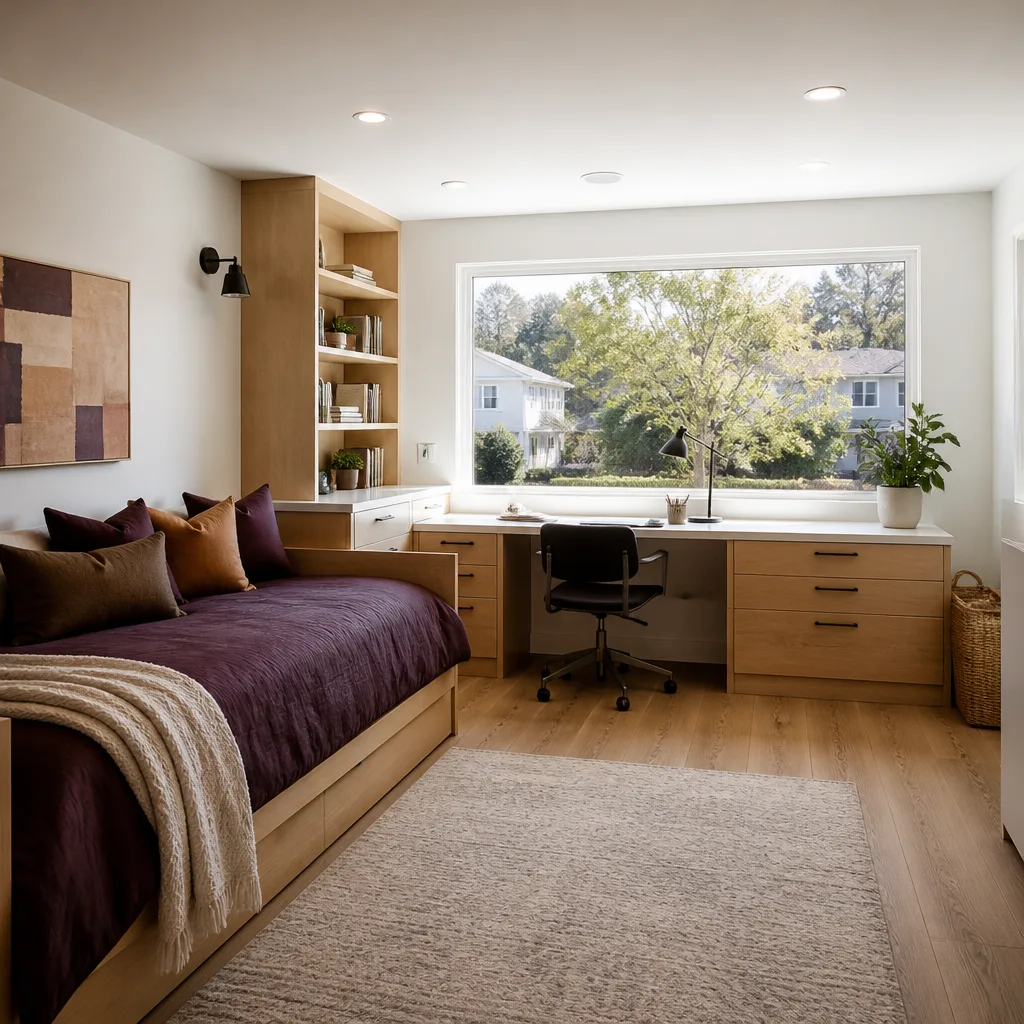
The DIY-versus-hire call on a home addition in Homestead is a legal question before it’s a skill question. Under Florida’s owner-builder exemption you can run the job yourself on a primary residence, but the licensed trades stay licensed, the resale disclosure on ADU projects matters, and builder’s risk insurance is the homeowner’s responsibility regardless of who holds the GC role. Where DIY genuinely saves: painting, insulation, non-load-bearing framing, and finish carpentry. Where it costs more: waterproofing, structural work, and any rough-in you try to save on. Finish work saves; structural and rough-in almost always cost more after corrections.
Rowan Construction Group delivers a flat written price before any work starts, no change proceeds without a signed change order, and every visit includes a documented photo record as a standard deliverable. Our technicians have up to 19 years of experience, and our 365-Day Done Right Promise is backed by the Haven Standard, not a handshake. If you’re comparing the GC route to owner-building for a Homestead addition or ADU, Rowan Construction Group Homestead home lays out the trade scope in writing. For the exterior phases, Driveway & Pavers in Homestead and Fence Installation in Homestead cover the permit and inspection steps those trades carry. Call (844) 834-4248 for a free estimate.
Written by the team at Rowan Construction Group Homestead.
See the difference
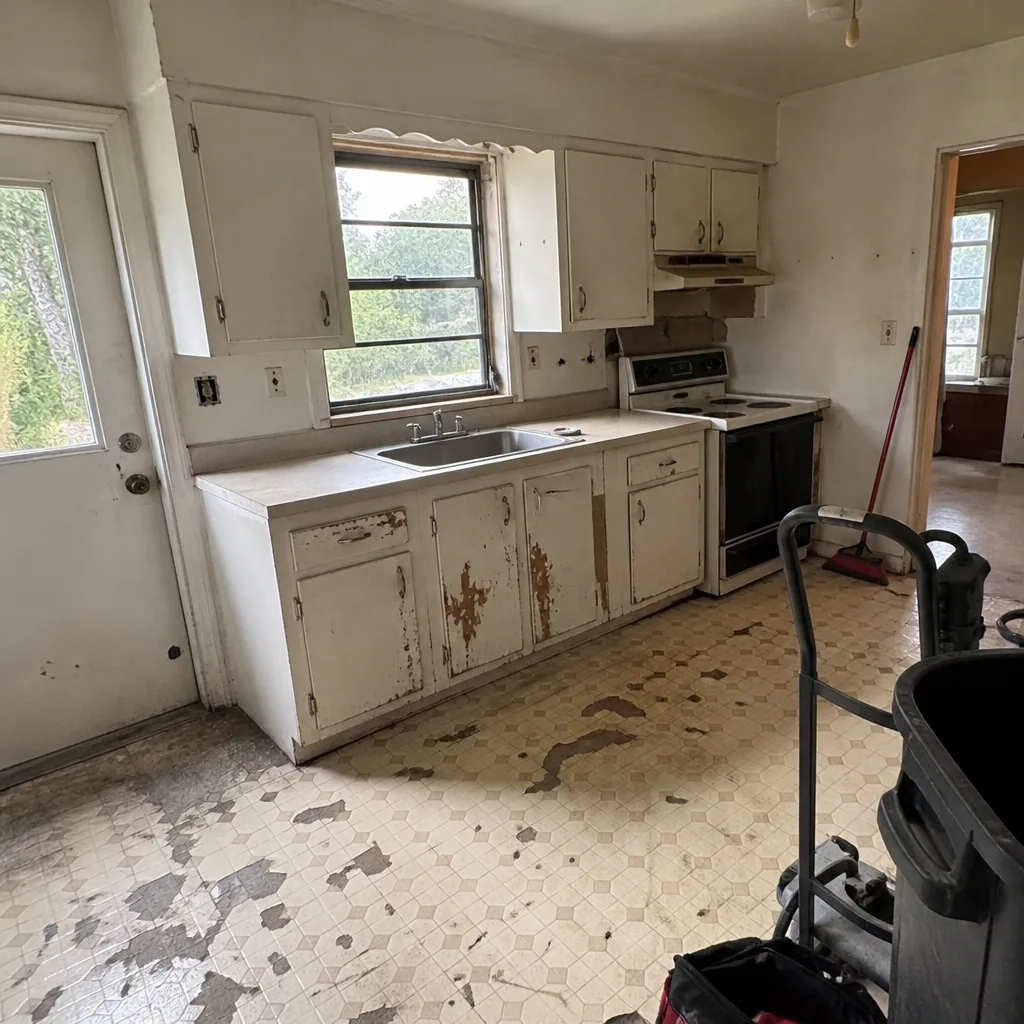 Before
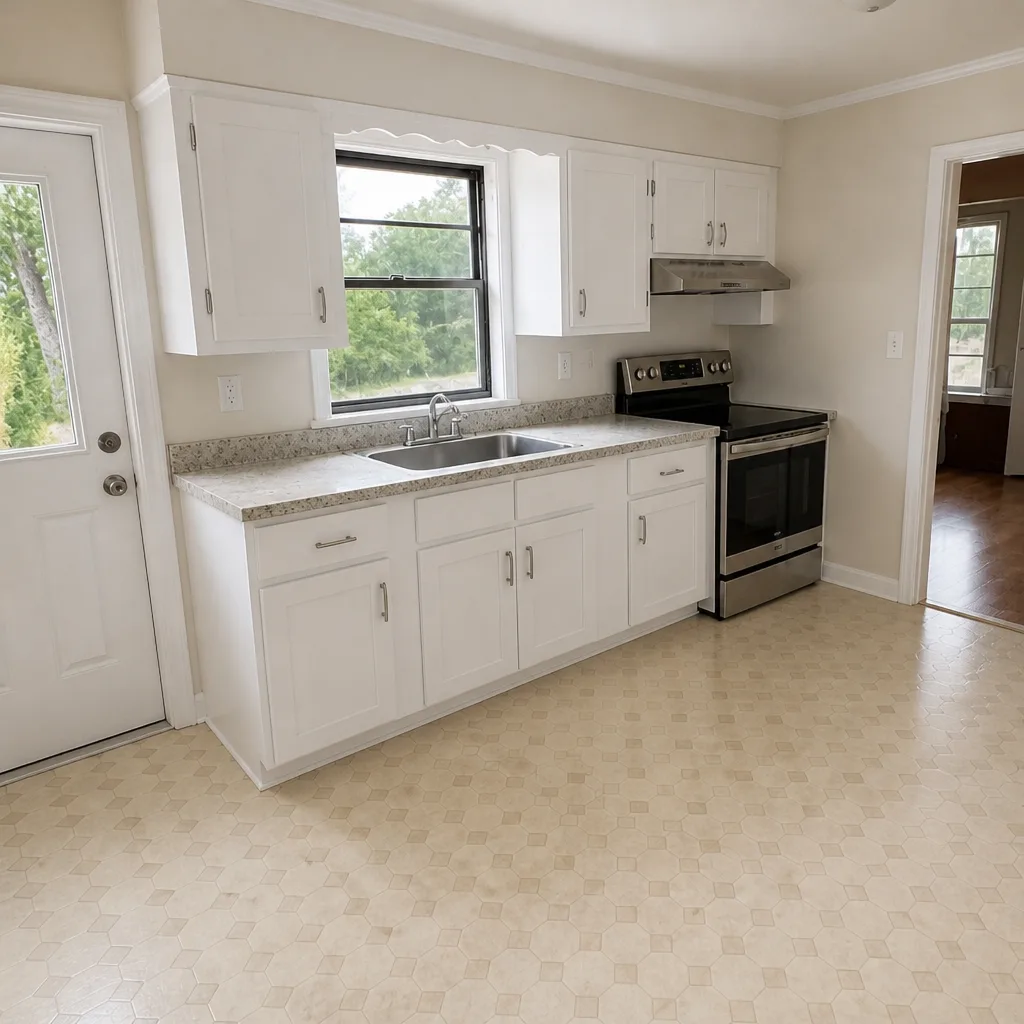 After
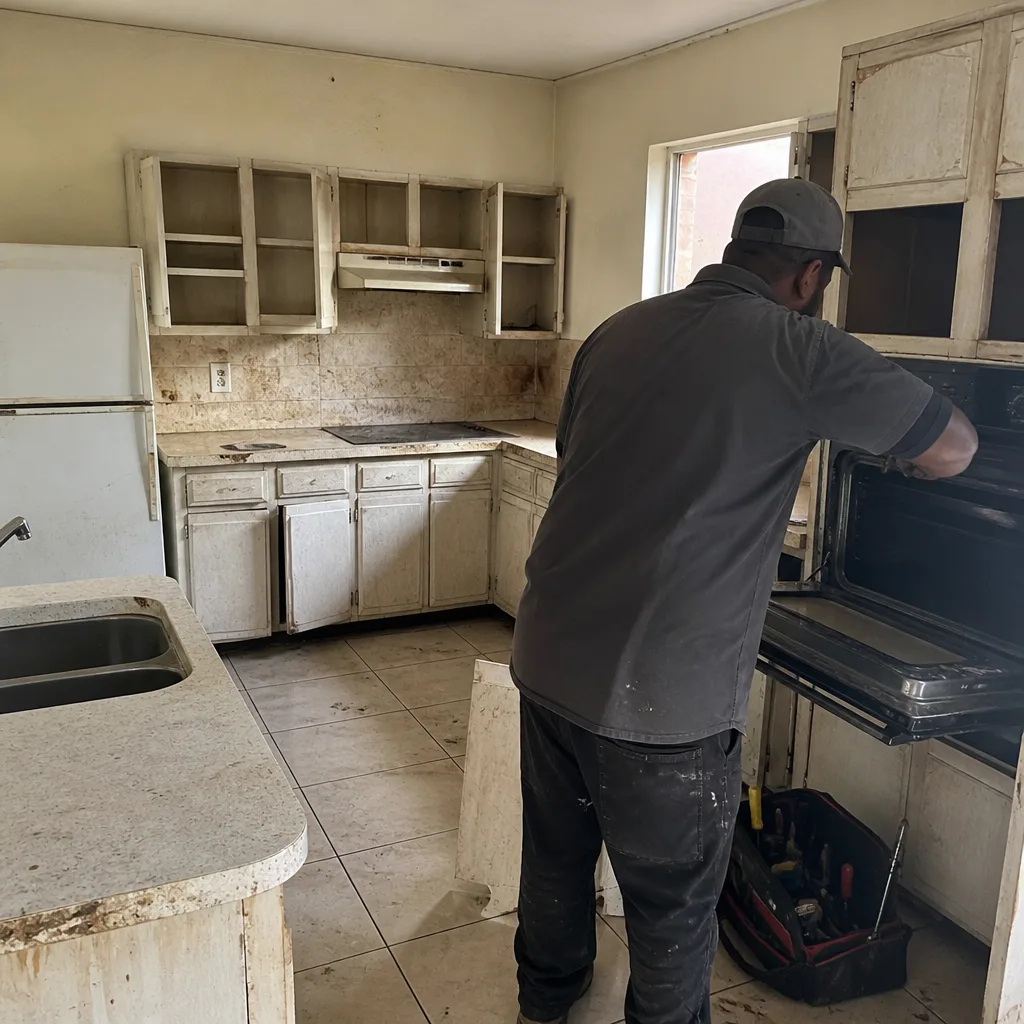 Before
 After
 Before
 After