Last updated November 17, 2026



Free written scope consultation - allowances, timeline, and change-order rules on paper before a single trade is scheduled
Windows & Doors Warning Signs Every Homeowner Should Know
A window that held through Hurricane Wilma can fail the next storm without a single crack in the glass. What fails is the sealant line between the frame and the rough opening – the thin, unglamorous bead that ties a factory-tested impact unit to the wall it sits in. Once that bead breaks down, the assembly is no longer the product that earned its rating; it’s a frame held by friction and caulk. In Homestead, where the 1992 storm rewrote how this county builds, the signs of that failure show up months before water does. This guide walks through the indicators we’ve seen on Homestead homes, how to tell a failed glass seal from a humidity problem, and what early action costs versus waiting.
Quick Answer
A failing window or door usually announces itself through five clues: sealant separating at the frame perimeter, hardware that needs extra force to work, condensation tracks on the interior glass or sill, a frame that has visibly racked out of square, and blocked weep holes at the sill. Catching these in April costs $200-$800 per opening in sealant and hardware service; catching them after a storm drives water inside runs $3,000-$8,000 per opening for reinstallation and wall repair. In a hurricane zone, that difference is measured in whether the opening keeps its tested rating when the pressure drops.
Styles & brands we work with
- Kitchen remodeling
- Bathroom remodeling
- Home additions & ADU
- Roofing
- Windows & doors
- Driveway & pavers
- Fence
Table of Contents
- Why a Hurricane-Zone Window Fails Differently
- The Five Failure Indicators in South Florida Impact Windows
- Fogged Glass: Failed Seal or Humidity?
- Door Warning Signs That Point to a Shifted Rough Opening
- Your April Inspection Checklist Before June 1
- What Early Action Costs vs. Late Repair
- Homestead Neighborhood Notes
Why a Hurricane-Zone Window Fails Differently
Standard windows and impact-rated windows both keep rain and wind out when new. They diverge the moment the installation seal breaks down. An impact unit is approved as a tested assembly: the glass, the frame, the anchors, and the perimeter sealant are one system. Break the perimeter seal and you’ve decoupled the tested product from the tested installation. The glass still carries its label. The opening no longer carries the performance that label promised.
South Florida’s building code is built around this reality. Miami-Dade and Broward have their own product approval system, and the rest of the state uses the Florida Product Approval or the statewide code with impact requirements in the wind-borne debris region. Homestead sits inside that region, which means replacement units and their attachment methods must be approved for the design pressure the code assigns. The paperwork matters because inspectors verify it – and a window swapped in without the right paperwork is a window that shouldn’t be there.
What degrades the perimeter seal first is straightforward. Sun exposure bakes polyurethane and silicone sealant on the south and west elevations. Thermal cycling – window frame at 140°F in July sun, 60°F on a January night – moves the frame every day against the wall. Wind-driven rain pushes against the outer bead from directions the original installer may not have anticipated. And the fasteners, if any are underdriven, let the frame move a few millimeters in every gust. Homestead’s wind exposure is not theoretical. Roofing, windows, and doors all take the same beating here.
What a Failing Opening Costs When It Holds vs. When It Doesn’t
When sealant is intact, impact windows and doors do their job: they resist pressure, shed water, and put the load where the anchors expected. When it’s compromised, the water path usually starts at the sill or the jamb corners – the two places where installers fight gravity. Once water gets into the rough opening, the damage moves into the wall cavity. That’s when a $300 sealant service becomes a $6,000 wall repair. Our crews document the seal condition on every window and door visit, and we treat a failing perimeter bead as an urgent item, not a someday item.
The Five Failure Indicators in South Florida Impact Windows
These are the five things we check first on any Homestead window, in this order. Any one of them warrants a documented look; two or more on the same opening deserve a plan before storm season.
- Sealant separation at the frame perimeter. Run a thumb along the interior edge where the frame meets drywall. Feel a gap or see a crack line opening at the bead? That’s the sealant letting go. On the exterior, look for the bead pulling away from the frame or the stucco – particularly on the west and south sides, where sun and rain take turns on it.
- Hardware that takes more force than it used to. A latch that used to close with one finger and now needs a firm push, or a crank that fights as it turns, means something moved. The operator itself may be worn out, but a stiff latch is often the first sign the frame is out of square.
- Condensation tracks on the interior glass or sill. A steady run of moisture on the inside face of the glass or a wet track on the sill after a cold morning points to either a failing insulated glazing unit (IGU) or a thermal break problem in the frame. If only one glass unit on a wall fogs, the odds jump to failed IGU. If all the glass on that wall sweats, ventilation is more likely the culprit.
- Visible frame racking. Sight down the frame from the interior – the jamb should be dead plumb. Set a four-foot level against the vertical frame; any bubble movement worth mentioning is a frame that’s moved. On impact doors, the same check on the strike jamb tells you whether the unit has shifted in its rough opening.
- Blocked weep holes. Slide a finger or a small piece of wire along the bottom sill exterior; there should be small slots, the weep holes. If they’re packed with pollen, dirt, or stucco crumbs, water has nowhere to drain and will push inward. In Homestead this happens fast – spring pollen season plugs a sill in weeks if nobody clears them.
Fogged Glass: Failed Seal or Humidity?
This is the call homeowners most often get wrong, and the two diagnoses cost very different amounts. A fogged insulated glass unit – the double-pane sandwich that makes up most impact windows – is a failed glass seal. The desiccant inside the unit is exhausted, moisture has entered between the panes, and the factory warranty is the best hope for a covered fix. A window that fogs on the inside face of the interior pane only, with no fog between panes, is not a glass seal failure at all. That’s condensation from interior humidity landing on cold glass.
How to Tell Them Apart
- Fog between the panes: failed IGU. You cannot wipe it off. The unit needs replacement. On impact windows, the replacement glass must be an approved impact IGU, not a generic pane – the paperwork and the tested performance go with the glass.
- Fog on the interior room face of the interior pane: humidity. Wipe it off and it comes back on the same cold mornings. The fix is ventilation – bath fans, kitchen exhaust, or a dehumidifier – not glass replacement.
- Water droplets or staining inside the IGU: definitely a failed seal. The desiccant has given up and the unit is past saving.
- Fog on the exterior face of the exterior pane: usually dew point on cool mornings, not a window failure at all. Often a sign of good interior insulation, not a fault.
The cost difference is significant. Replacing a single IGU runs in the hundreds per unit, and on impact windows the glass order has to match the original or the approved product. Replacing an entire window assembly runs into four figures when installed, and a full reinstall after water infiltration moves into the $3,000-$8,000 range we cite elsewhere in this guide. Calling a glazier for a humidity problem, or a ventilation contractor for a failed IGU, is the mismatch that costs homeowners money.
Door Warning Signs That Point to a Shifted Rough Opening
A door tells you more about the wall behind it than a window does, because a door is used every day and you feel the change before you see it. Three signs point to a rough opening that has shifted:
- A door that latches harder than it used to. If you have to push or lift to get the latch to seat, the strike jamb has moved relative to the lock jamb. That can be a settling slab, a shifted header over the opening, or fasteners that have backed out of the frame.
- Daylight visible at a corner of the frame. Stand inside on a bright day and look at each corner of the door, including the top and both bottom corners. A sliver of daylight means weatherstripping is no longer sealing the gap. That gap is where wind-driven rain and, worse, wind pressure will find its way in.
- Weatherstripping that compresses unevenly. Close the door on a piece of paper at three points – top, middle, bottom – and pull gently. The paper should resist evenly. If it pulls free at one point and grips at another, the door and frame have moved apart in one spot. Uneven weatherstripping is the prelude to a leak.
On an impact-rated entry door, moving the rough opening out of square also puts the tested assembly out of tolerance. Impact doors are approved with specific anchors and specific installation instructions, and a frame that’s shifted has probably taken its anchors with it. Homestead homes built in the 2000s and 2010s are now hitting the age where entry doors need their first real inspection. In our experience, a door that used to close with a whisper and now needs a shoulder is a door that’s already telling you something.
If the door situation points to a larger structural issue – a header that moved, a settled foundation, or a wall that’s no longer carrying its load the way it should – it may be worth looking at the bigger picture. Our team handles Home Additions & ADU in Homestead and can assess whether the door issue is cosmetic or connected to a wider condition. For a window and door inspection on its own, a free estimate starts with a call.
Your April Inspection Checklist Before June 1
Hurricane season in Florida opens June 1 and closes November 30. The right month to inspect windows and doors is April – early enough to schedule any repairs, late enough that last winter’s seals were tested by actual cool mornings. This is the checklist we run on every Homestead window and door before the season opens:
- Walk each exterior elevation in daylight. Look for sealant that has pulled away from the frame or the stucco. Mark each spot with painter’s tape so you don’t lose track.
- Sight down each window jamb with a four-foot level. A frame that’s out of plumb by more than a small amount is a rough opening that’s moved.
- Operate every operable window and door once. A crank that fights, a latch that needs force, a slider that drags – each is diagnostic. Note the ones that feel different than last fall.
- Check weep holes at each sill. Clear pollen and dirt with a small wire. If the drain path is still slow, water has no exit.
- Close the door on a strip of paper at three points on each exterior door. Uneven grip is a weatherstripping failure.
- Look for internal fog between the panes on each IGU. Fog between panes means the unit is done; catch it early to file a warranty claim.
- Check the interior drywall at each window for paint bubbling or a soft spot – the earliest visible sign that water has infiltrated the wall.
The whole walk takes an hour on a typical Homestead single-family home. The list is specific because the inspection is specific: a general “looks fine” pass misses the clues that need a documented photo record. Every Rowan visit includes a photo record of what we found, as a standard deliverable, because a dated photograph of a failing seal is the difference between a warranty claim and an argument.
What Early Action Costs vs. Late Repair
The pricing here is real, and it’s the reason this guide exists. The number on the left of the table is a service visit. The number on the right is a wall repair, an IGU order, a reinstallation, and the interior work that follows water infiltration. On Homestead’s $3,000-$8,000-per-opening late-repair case, the difference between April and September is a 10x multiplier.
- Sealant and hardware service (per opening): $200-$800. Includes resealing the frame perimeter, replacing worn hardware, and clearing weep holes.
- Single IGU glass unit replacement: several hundred per unit, depends on size and impact rating.
- Full window reinstall after infiltration: $3,000-$8,000 per opening, when the rough opening has to be repaired and the wall cavity dried out.
- Entry door frame adjustment and weatherstripping: several hundred per door, in line with window hardware service.
- Entry door replacement after frame shift: into the four figures, when the rough opening has to be re-squared before a new door can be hung.
The place where the numbers meet reality is the material list on the quote. When we write a window or door estimate, we name the unit, the glass, and the hardware. It costs nothing to bring a competitor’s quote and have us review it line by line – our free second opinion on any written estimate includes a walk of the openings if you want one. The price you see on the page is the price that goes on the change order, and no work moves until the change order is signed.
Windows and doors don’t live in a vacuum. A failing perimeter seal often pairs with a roofing or fence inspection on the same walk, because wind exposure hits the envelope from every side. If a full envelope review is where you’re heading, look at Rowan Construction Group Homestead home for the broader picture, Fence Installation in Homestead if wind-driven debris is on your concern list, and Driveway & Pavers in Homestead if the same storms have chewed up your hardscape.
Homestead Neighborhood Notes
Homestead has housing stock that breaks into three rough groups for window and door risk. Neighborhoods built in the mid-2000s – Silver Palms, Bella Terra, and the subdivisions off Southwest 320th Street – have original impact windows approaching the 20-year mark. That’s the window where sealant is going, IGU seals are starting to fail on the sun-facing walls, and hardware is wearing. Homes in older sections of Homestead proper and Redland have a mix of retrofit impact windows and original single-pane units; each type has its own envelope path. And homes near the coast – parts of Naranja and the deeper Homestead corridor – see faster salt air corrosion on hinges, anchors, and any exposed metal hardware.
What this means in practice: a 2005 Bella Terra home doesn’t need a different inspection than a 2018 Homestead home, but the answer it gets may differ. Sealant, weep holes, and hardware wear are the three problem areas on the older Homestead housing stock. On newer homes, the issues are more likely to be either warranty-covered IGU failures or a shifted rough opening in an entry door. Knowing which decade your home was built in tells you which of the five indicators to look at first.
Common Mistakes to Avoid
- Treating visible sealant separation as cosmetic. A 3-inch gap in the perimeter bead is the failure point for everything the impact rating promised. Ignoring it until the first storm is how a $300 service becomes a $6,000 wall repair.
- Replacing glass when the problem is ventilation. Condensation on the interior room face of a window isn’t a glass failure, and swapping the unit won’t fix it. Diagnose the location of the fog before ordering anything.
- Clearing weep holes with a screwdriver. The weep hole slot is small and the sill is thin. A stiff tool cracks the sill; a small wire or a pipe cleaner does the job. In Homestead this becomes urgent during spring pollen season, and the fix is a wire, not a tool.
- Hiring a non-impact-rated replacement glass. A window’s impact performance is the assembly, not just the frame. A generic glass swap voids the product approval the county inspector is expecting to see at the final.
- Skipping the 20-year IGU check on 2000s Homestead homes. The glass sandwich fails on a predictable curve. On homes that are crossing the two-decade mark, one IGU per elevation failing is the norm, not an outlier.
- Assuming a stiff door is a hinge problem. If the door was fine last fall and fights this spring, look at the frame first. Loosening hinges on a shifted rough opening makes the leak worse, not better.
- Signing a window quote without the model and glass listed. “Impact window” is not a spec. The quote should name the assembly, the glass, and the hardware, so the price on the page matches the product on the wall.
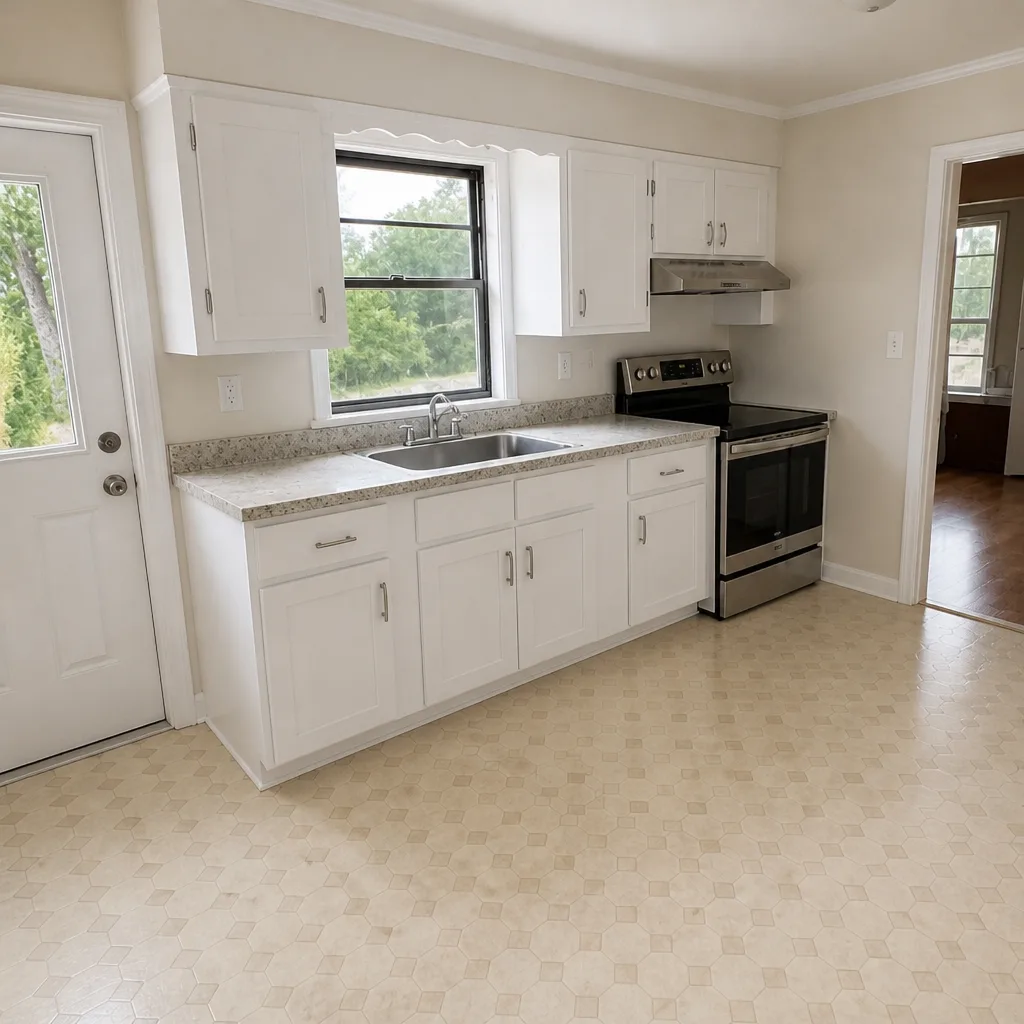
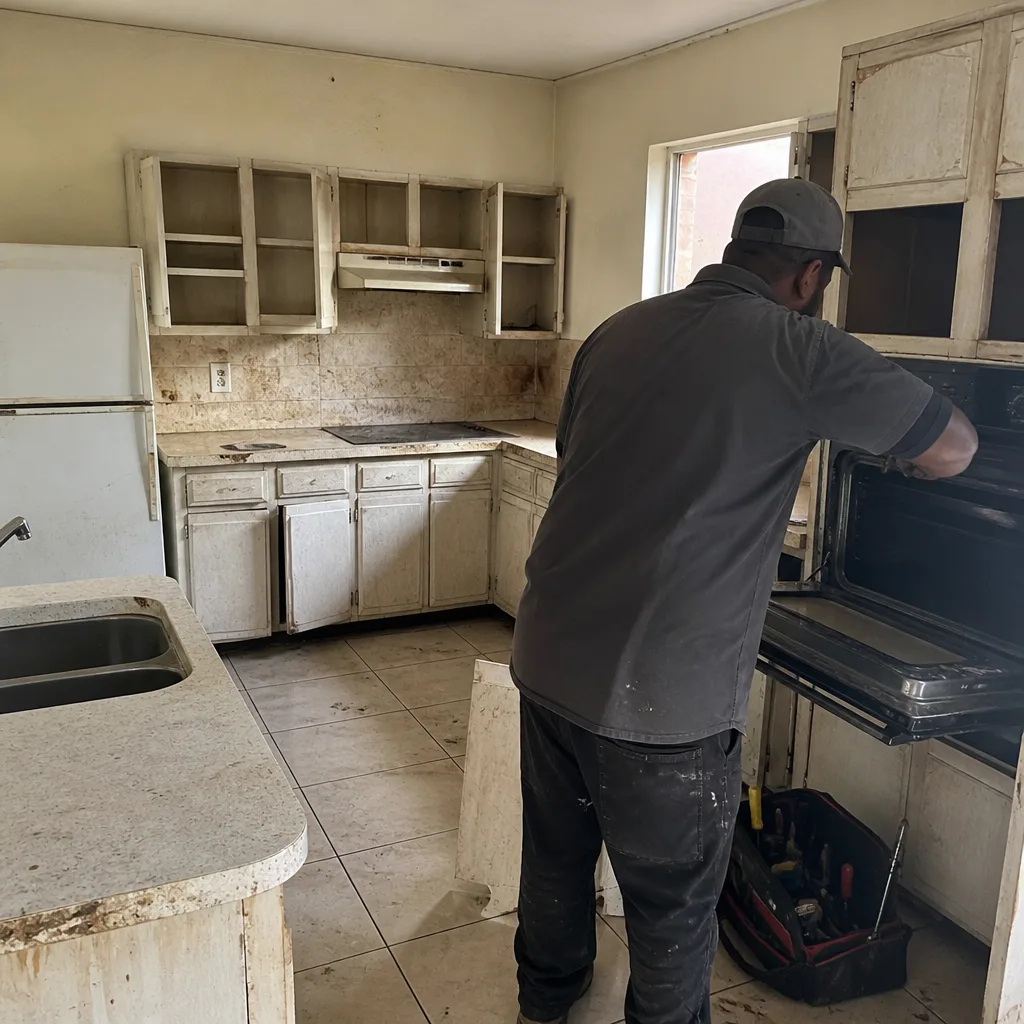
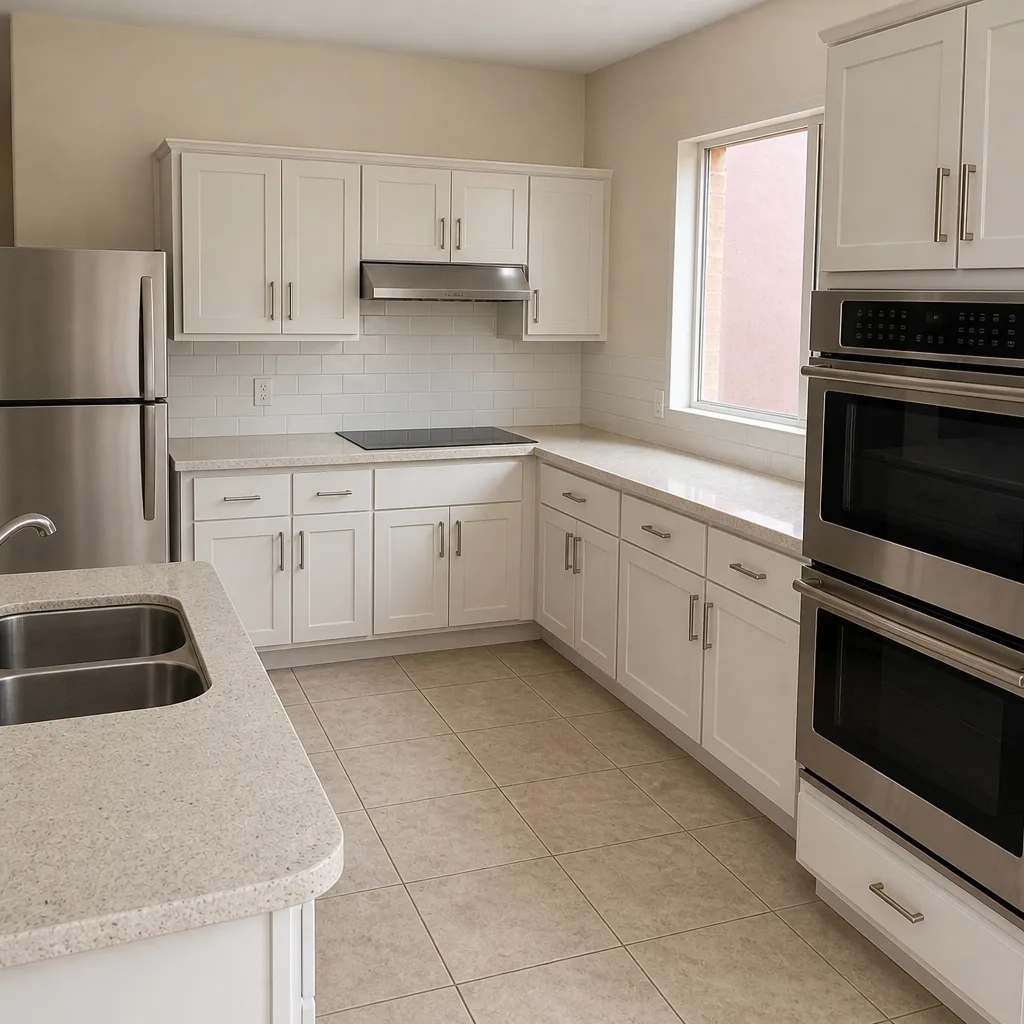
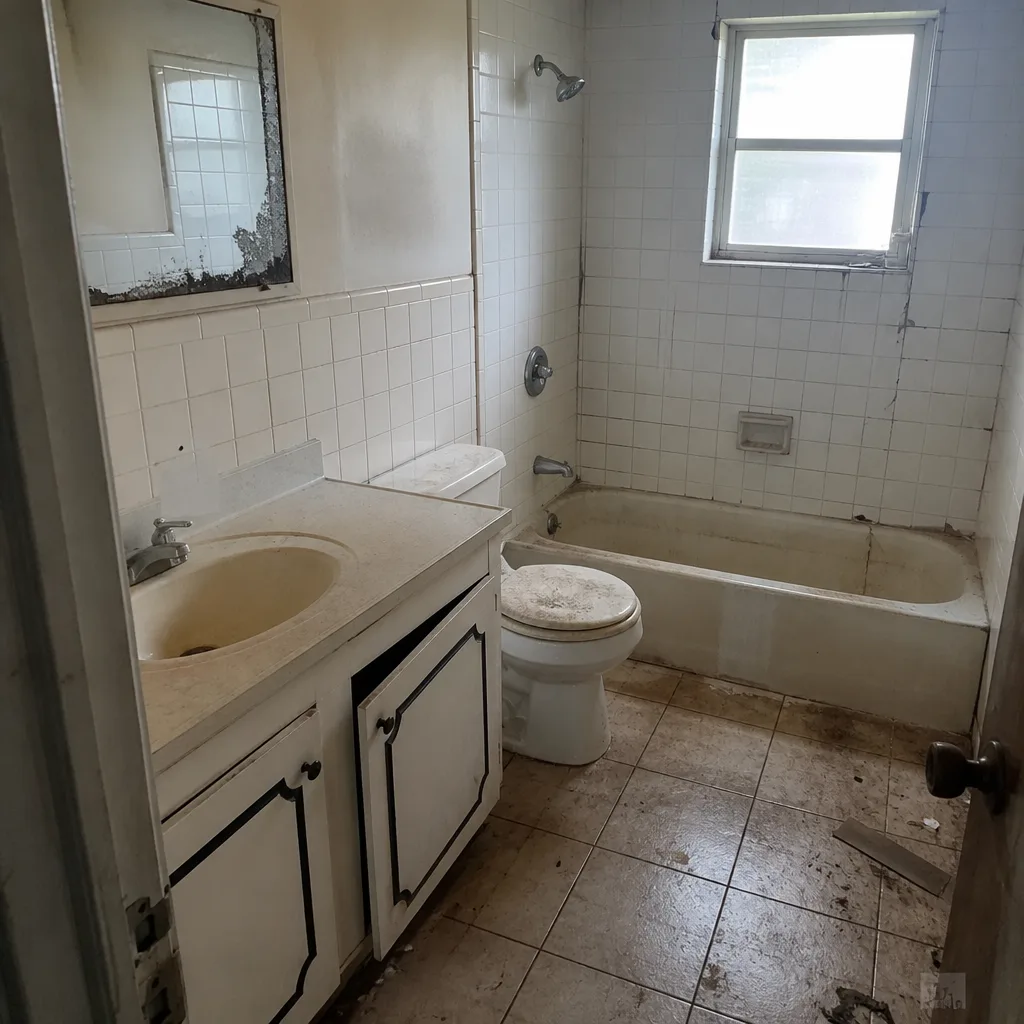
See the difference
 Before
 After
 Before
 After
 Before
 After
When to Call a Professional
Call us if any of these apply: a perimeter seal has opened at any window or door, an IGU is fogging from the inside, a door has shifted on its latch or is showing daylight at a corner, a weep hole stays blocked after a reasonable clearing, or the spring inspection turned up more than one failure across the home. In Homestead and the surrounding corridor, the difference between a service visit and a reinstallation comes down to how early the openings are caught – and the April window before a June 1 hurricane season is where that timing is decided. Our technicians have up to 19 years of experience reading impact assemblies, and every visit produces a documented photo record of what we found and what we did. Rowan Construction Group Homestead offers free estimates in Homestead – call (844) 834-4248 to schedule a window and door inspection. The number on the page is the number on the written quote, and the free second opinion on any written estimate applies to window and door work the same as it does to any other trade we run.
Frequently Asked Questions
The earliest sign is sealant separation at the frame perimeter – a fine crack line opening between the frame and the stucco or interior drywall, most often on west- and south-facing openings. Second is hardware that has started to need more force to operate than it used to. Either one is worth documenting with a photo and getting on a service schedule before hurricane season opens in June.
Sealant and hardware service runs $200-$800 per opening. Single insulated glass unit replacement runs in the hundreds per unit, depending on size and impact rating. A full reinstall after water infiltration damage runs $3,000-$8,000 per opening. Call (844) 834-4248 for an exact quote – estimates are free and include the photo record of what we found.
If the fog is between the two panes and you can’t wipe it off, yes – the insulated glass unit has failed and needs replacement. If the fog is on the interior room face of the glass and wipes away cleanly, that’s interior humidity, not a glass failure. The fix for humidity is ventilation: bath fans, kitchen exhaust, or a dehumidifier. Getting this call right is the difference between a glazier bill and a ventilation fix.
A door that suddenly needs force to latch is usually telling you the rough opening has shifted, not that the latch itself is worn out. The strike jamb has moved relative to the lock jamb – often from header settle, fastener backing out, or slab movement. Check the corners for daylight and test the weatherstripping with a strip of paper at three points before assuming the hardware is the culprit.
Most impact window assemblies in South Florida start showing the first sealant and hardware wear between 15 and 20 years, depending on sun exposure and the initial installation method. On Homestead homes built in the mid-2000s, that puts the original windows right in the window where spring inspections start paying off. Impact doors tend to follow the same curve, though a shifted rough opening can show up earlier on a home with foundation movement.
Yes – impact window replacement in Florida’s wind-borne debris region requires a permit, and the replacement unit must carry the appropriate product approval for the design pressure. The installation is inspected, and the paperwork is part of the record we hand over at closeout. Whether the fix is a sealant service or a full window replacement, the code path is what determines who can sign the permit and what inspections the county will run.
The Bottom Line
A window or door in Homestead is a storm-rated assembly, not a pane of glass in a hole. The five warning signs – sealant separation, stiff hardware, interior condensation, visible frame racking, and blocked weep holes – all show up in April, months before the June 1 storm season tests them. Catching them early costs $200-$800 per opening in sealant and hardware. Catching them after water infiltration costs $3,000-$8,000 per opening in reinstallation and wall repair. The April walk is an hour. The number in writing before anyone picks up a tool is the Rowan standard on every window and door visit, and the photo record is part of the deal.
Call (844) 834-4248 for a free estimate on window and door inspection, sealant service, or replacement in Homestead.
Written by the team at Rowan Construction Group Homestead.