Last updated November 17, 2026

Free written scope consultation - allowances, timeline, and change-order rules on paper before a single trade is scheduled
Choosing the Right Construction Brand: A Buyer’s Guide for Homestead
GAF’s Timberline HDZ is the best-selling roofing shingle in North America. It is not approved for use in Homestead’s High-Velocity Hurricane Zone. The Miami-Dade approved version is the GAF Timberline HDZ RS, a distinct SKU with a modified nailing strip and its own NOA number. If a roofing contractor specifies “Timberline HDZ” without the RS designation, they’re specifying a product that will fail inspection no matter how good the shingle is in Tampa or Atlanta.
This guide teaches you to read Miami-Dade’s product approval system before you read a single brochure. You’ll learn how to search the database yourself, which five material categories are most constrained by HVHZ rules, how approved-for-one-application differs from approved-for-another, and how to confirm the approved SKU actually shows up on the job site in Homestead. Bring a screenshot. You’ll need it.
Quick Answer
In Homestead, choosing a construction brand means confirming the product holds an active Miami-Dade Notice of Acceptance (NOA) for your exact application before it’s ordered. National reputation doesn’t transfer automatically: a product can be the market leader everywhere else and still fail inspection in Homestead’s High-Velocity Hurricane Zone. The right brand is the one with a current NOA, the correct model number, and a contractor who can produce both on request.
Styles & brands we work with
- Kitchen remodeling
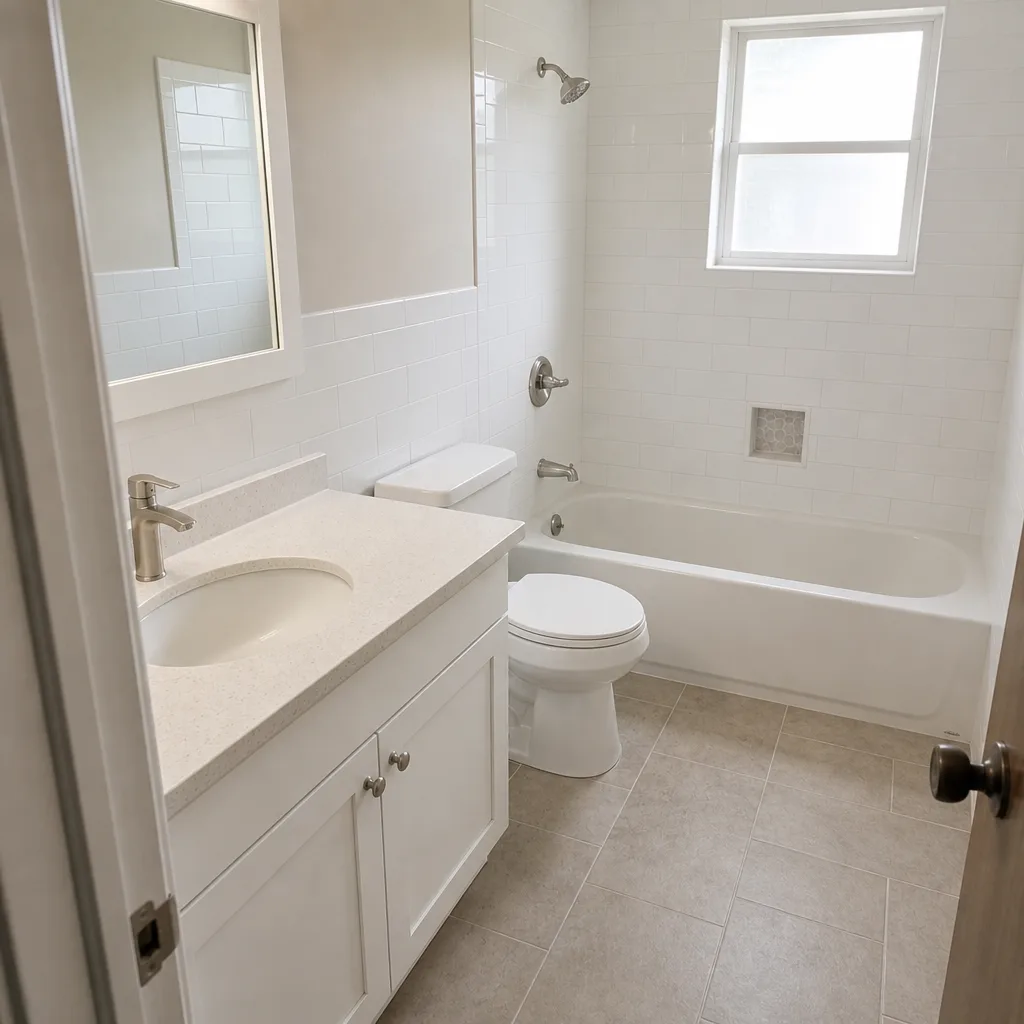
- Bathroom remodeling
- Home additions & ADU
- Roofing
- Windows & doors
- Driveway & pavers
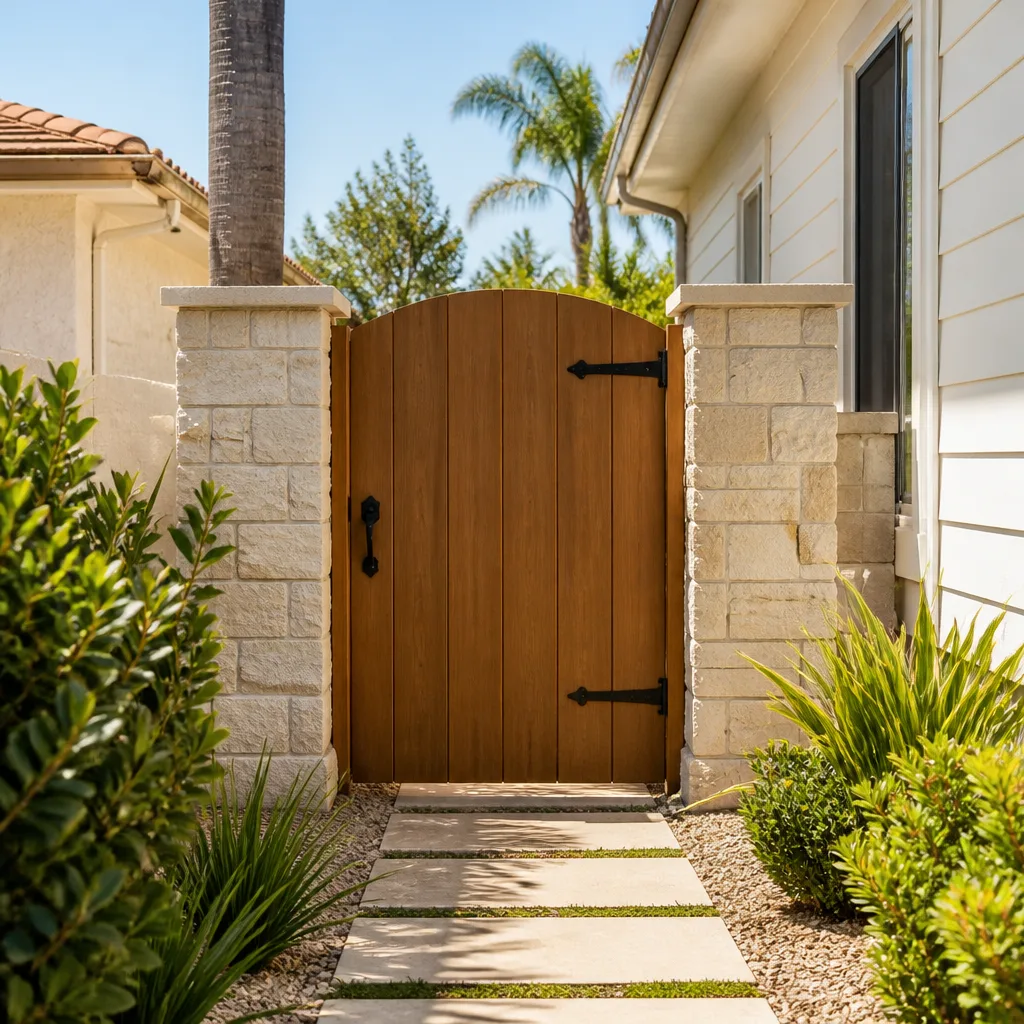
- Fence
Table of Contents
- How Miami-Dade’s Product Approval System Works
- How to Search the Miami-Dade Product Approval Database
- The Five Material Categories Most Constrained by HVHZ Rules
- Approved for One Application, Not Another
- Impact Window Brands Compared: PGT, CGI, Eco, Windoor
- Roofing Underlayments: Approval Status and Heat Performance
- How to Verify the Contractor Orders the Approved SKU
- Common Mistakes to Avoid
How Miami-Dade’s Product Approval System Works
Miami-Dade County doesn’t take a manufacturer’s word for it. A building product used in the HVHZ – the zone covering Homestead and most of Miami-Dade east of the Everglades – has to earn a Notice of Acceptance before a building department will pass it on inspection. The NOA is the county’s written statement that a specific product, tested to a specific standard, is suitable for a specific use.
Three things about an NOA catch homeowners off guard. First, the approval attaches to a model number, not a brand name. GAF makes shingles that are approved and shingles that aren’t, under the same corporate roof. Second, the NOA carries an expiration date, and a product whose NOA lapsed three months ago is not approved today, even if the contractor installed it successfully last year. Third, the NOA specifies the application. A hurricane strap approved for a wood-frame wall is not automatically approved for a masonry tie-down in your add-on.
Why does Homestead care more than most of the country? Because the HVHZ requires products tested to some of the most demanding wind-load and impact standards in the world, and because Homestead sits in the heart of it. When a storm comes off Biscayne Bay, the question isn’t whether your roof deck was installed by nice people. It’s whether every component in the assembly, from the underlayment to the fasteners, holds a current NOA.
Under our approach, the written price and written scope name the approved product before anyone starts. That’s not a courtesy. It’s the product specification.
How to Search the Miami-Dade Product Approval Database
The county’s product approval database lives at miamidade.gov/building. It’s free and public, and it’s the same database the building inspector uses. You can verify any product before it’s ordered, and you should. Here’s the walkthrough.
- Go to the product control search. From the building department page, open the Product Control section and select “Product Approvals.” This is the searchable index of every active and expired NOA on file.
- Search by NOA number. If the contractor gave you the NOA number, paste it into the NOA search field. The result page shows the manufacturer, the product category, the approved model numbers, and the expiration date. A blank result means the number is wrong or the approval no longer exists.
- Search by manufacturer name. Enter the manufacturer, then narrow by product category – “roofing,” “windows,” “structural.” This is how you catch the substitution problem: you’ll see whether the brand has approved SKUs at all, and which ones.
- Search by product category. If you haven’t chosen a brand yet, this is the forward-looking move. Select the category (impact windows, for example), and you’ll get a list of every approved manufacturer with file links. It’s a shortlist of who can legally sell you the product in Homestead.
- Read the fields. “NOA number” identifies the file. “Manufacturer” is the company that holds it. “Product description” tells you the category and application. “Approved model numbers” is the SKU list you need to match against the delivered label. “Expiration date” is the one you screenshot. “Design pressure” is the wind load the product is rated to carry.
- Open the PDF and read the installation section. The NOA document specifies how the product must be installed – fastening pattern, substrate, sealant, sometimes the exact trim. A product installed off-spec fails inspection even with a valid NOA.
Bookmark the search page. When your contractor hands you a quote, verify every product on it. It takes ten minutes. It is the single highest-value ten minutes in a Homestead construction project.
The Five Material Categories Most Constrained by HVHZ Rules
Not every product in a Homestead build triggers an NOA check. Some materials are non-structural and fall outside the approval framework. These five do not. If your project touches any of them, the brand conversation starts with the approval database.
- Roofing products. Shingles, tiles, metal panels, and the fasteners holding them down all require HVHZ approval. This is where the GAF RS distinction bites, and where a spec sheet without a model number is a warning sign.
- Impact-rated windows and doors. Every glazed opening in the HVHZ envelope carries its own NOA. Entry doors too: Therma-Tru makes exterior door systems, and only specific impact-rated models carry approval. A standard Therma-Tru door from a big-box aisle is not an HVHZ product.
- Roof underlayments. The membrane under the shingles is a critical weather barrier and is separately approved. We cover the three dominant brands below.
- Structural connectors. Hurricane straps, joist hangers, and anchors. Simpson Strong-Tie and MiTek hold the dominant approved listings, but the approval attaches to the specific connector model and the specific connection, not the brand as a whole.
- Concrete masonry units. CMU block for walls and additions. The block itself and the reinforcing system need approval for the design wind load. This matters every time you pour a new foundation or build up a wall in Homestead.
If your project involves any of these, cross-check the trades. Our pages on Driveway & Pavers in Homestead and Fence Installation in Homestead cover the exterior work where HVHZ rules most often surface for homeowners.
Approved for One Application, Not Another
Here’s the distinction that trips up renovation projects. A window can hold a valid Miami-Dade NOA and still not be approved for your install. The approval specifies the application, and “new construction” and “replacement in an existing opening” are two different applications.
On new construction, the rough opening is built to the window’s requirements from the ground up. On a replacement, the window goes into an existing frame, and the NOA document specifies how it must be anchored and sealed in that condition – sometimes with requirements the original framing wasn’t built to meet. A product approved for one and not the other is approved for one and not the other. Nothing about the brand changes that.
The same logic applies across the trades. A hurricane strap approved for a wood-stud wall is not automatically approved for a CMU wall. A shingle approved for a ventilated roof deck may not be approved over a sealed assembly. Before you sign, ask the contractor one question: “Show me the page of the NOA that covers my installation condition, not just my product.” The answer should be a document page with the condition highlighted, not a marketing brochure.
In Homestead, where a lot of the housing stock predates the current code and plenty of it has been retrofitted once or twice, this distinction comes up on most window and door jobs. A contractor who can’t answer it isn’t ready for your project. For additions and bigger scopes, the question is even sharper – the addition plans must show the approved products from the start, or the permit review stalls. Our Home Additions & ADU in Homestead page covers how that plays out in the permitting process.
Impact Window Brands Compared: PGT, CGI, Eco Window Systems, Windoor
Impact windows are the category Homestead homeowners research hardest, because they’re the biggest line item and because the brand choice is real. All four brands below hold Miami-Dade approvals across their lines. The differences are in the details: price band, product family, and how often the NOA files need refreshing.
- PGT (Winguard line). The largest name in Florida impact windows, with a broad Winguard catalog spanning single-hung, casement, sliding glass doors, and the frame styles older Homestead homes need. Typical installed range runs $55 – $85 per square foot in our experience, depending on style and glass package. PGT keeps an extensive, actively maintained approval file set with regular expiration updates.
- CGI (Guardian line). A strong price-to-performance option for the standard-sized openings in 1990s and 2000s housing. Installed range runs roughly $45 – $70 per square foot. Approval files are solid for the residential lines; verify the specific model, since the catalog is wide.
- Eco Window Systems. The Florida-focused manufacturer whose product line is designed around the HVHZ from the start. Typical installed range runs $40 – $65 per square foot, and the approvals are current across the residential line.
- Windoor. A smaller catalog with aggressive pricing on the standard product families. Installed range runs roughly $40 – $60 per square foot. Fewer SKUs means fewer approval files, so the check is quick.
These ranges are market bands in Homestead, not quotes. The number that matters is the one on your written price, and it should be flat. One more note: any of the four can be the correct choice, but only for the model listed in the NOA. Specify by model number, not brand.
Roofing Underlayments: Approval Status and Heat Performance
The membrane you’ll never see is the one that determines whether your roof survives the rainy season. Three brands dominate residential roofs in Homestead, and all three have HVHZ-approved products – but not every product line in the brand’s catalog is approved, so the model check still applies.
- GAF WeatherWatch. A self-adhered waterproofing membrane, approved for HVHZ use across the relevant product line. Strong performance under standing water; the self-adhered bond resists wind uplift at the perimeter, which is where roofs fail first.
- Owens Corning WeatherLock. A comparable self-adhered membrane with a broad HVHZ approval footprint. Similar uplift performance. Installers sometimes prefer it for the release liner and surface texture.
- Polyglass Polystick MTS. A high-temperature self-adhered product. This is the one that earns its keep in Homestead: heat index in the low 100s across June, July, and August puts real stress on any membrane under a dark shingle, and a high-temperature-rated product is the honest answer to that climate. We’ve seen this play out on Homestead roofs where a standard membrane aged faster than expected.
One underlayment detail gets skipped in most sales conversations: the fastening of the underlayment itself. Even the approved membrane fails inspection if the fastening pattern doesn’t match the approved assembly. Ask to see the approved assembly page, not just the product page. Roofing is one of our seven trades, and it’s where we see the most substitution confusion in Homestead.
How to Verify the Contractor Orders the Approved SKU
An approved product on the quote is one thing. The approved product on your roof is another. Substitution is the gap between them, and it happens in Homestead often enough that our process includes a standing verification step. Here’s how to run your own.
- Request the NOA number on the quote. Not the product name – the NOA number and the approved model number, printed on the written price and written scope. If the contractor can’t put it in writing, that’s your answer.
- Verify it yourself against the Miami-Dade database. Search the number, confirm the expiration, confirm the model appears in the approved list. Screenshot the page. You now hold the standard the delivered product has to meet.
- Check the delivered label before installation starts. When material arrives in Homestead, look at the label. Match the model number against your screenshot. This is exactly what “HDZ” vs. “HDZ RS” turns on, and the label is the only proof.
- Walk the delivered assembly, not just the product. Fasteners, sealant, and trim are part of the approved system. If the crew is installing an approved shingle with non-approved fasteners, the inspection fails and the warranty argument is already lost.
- Document what was delivered. A photo of the label before install, a photo of the completed assembly. We include a documented photo record on every visit as a standard deliverable, not an upgrade, because it’s the only durable evidence in a dispute three years later.
If your contractor resists any of these steps, that resistance is information.
Common Mistakes to Avoid
- Trusting the national brand name over the approved SKU. A shingle or window that leads the market across the country can be unapproved in Homestead. The brand is not the approval. The model number is.
- Accepting a verbally promised NOA. “It’s all approved, don’t worry” is not documentation. Ask for the number, search it, keep the screenshot.
- Ignoring the expiration date. An NOA with three weeks left on it is not a comfortable place to be mid-project. Verify the file is current to your anticipated install date, not just today.
- Overlooking the application clause. A window approved for new construction may not be approved for replacement in an existing opening. Read the installation condition page, not just the product page.
- Letting a “comparable” substitute in. Contractors under material pressure substitute. Sometimes it’s innocent, sometimes it isn’t. Either way the inspection fails and the cost lands on you. The delivered model number must match the approved model number.
- Skipping the HVHZ check on an addition. Home additions in Homestead touch structural connectors, CMU, and the envelope all at once. Every component needs approval before the plans go to the county, not after.
- Not reading the second opinion. If you already have a competitor’s quote, let us review it line by line. We offer a free second opinion on any written estimate in Homestead, and the most common finding is an unapproved product sitting in the spec.
See the difference
 Before
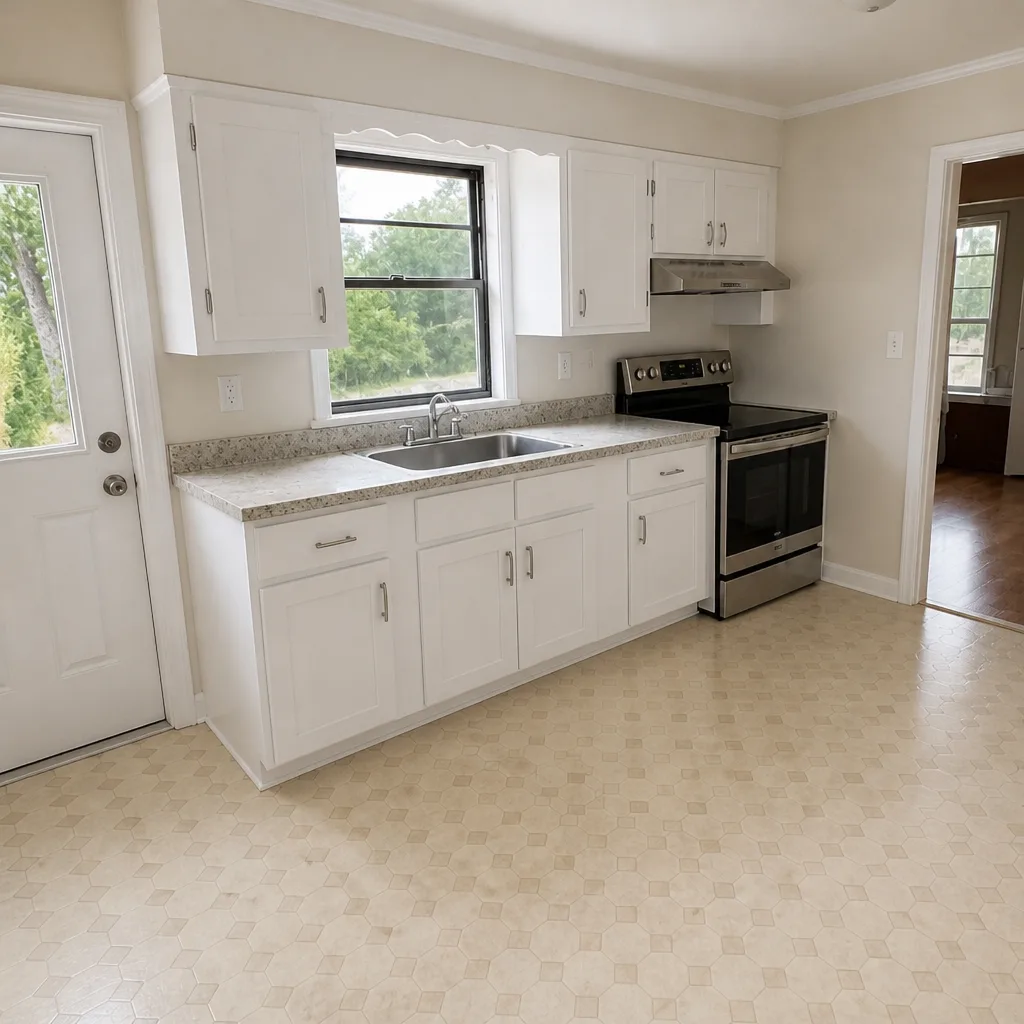 After
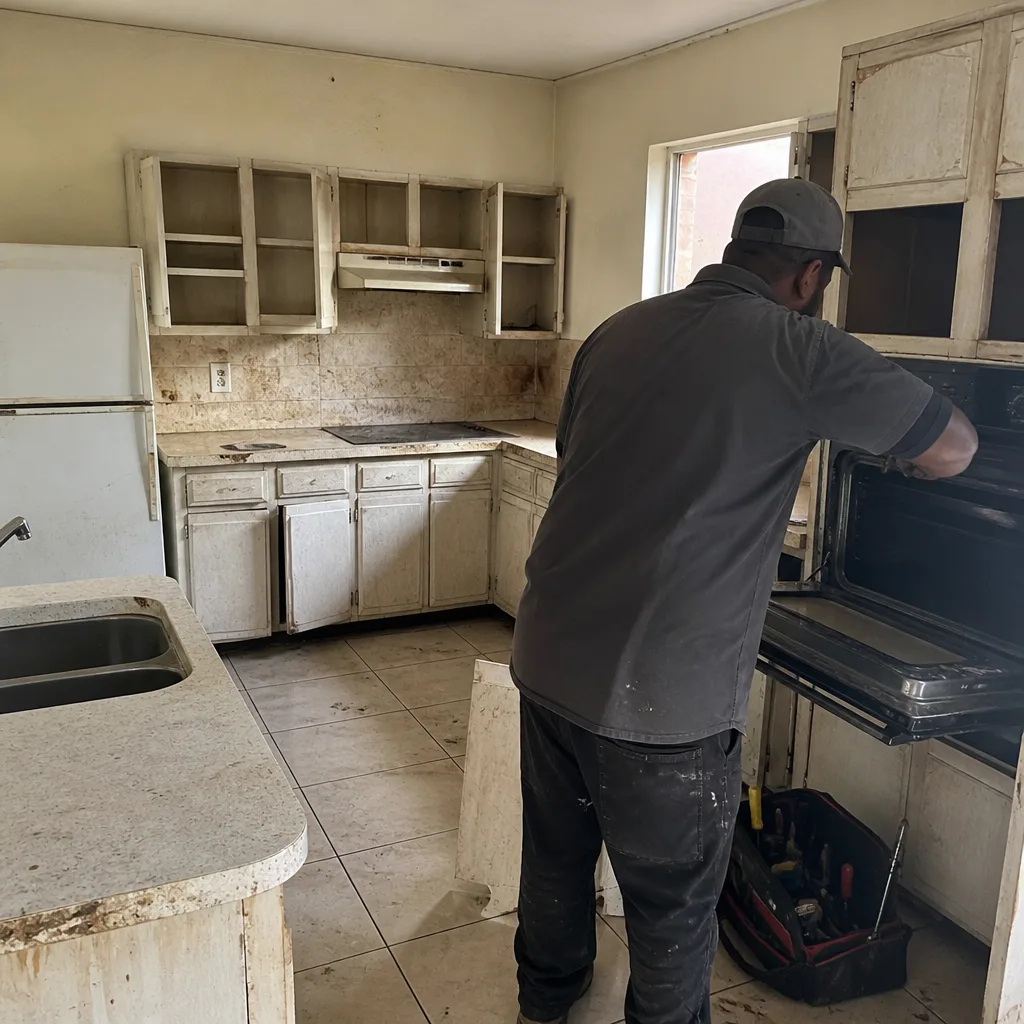 Before
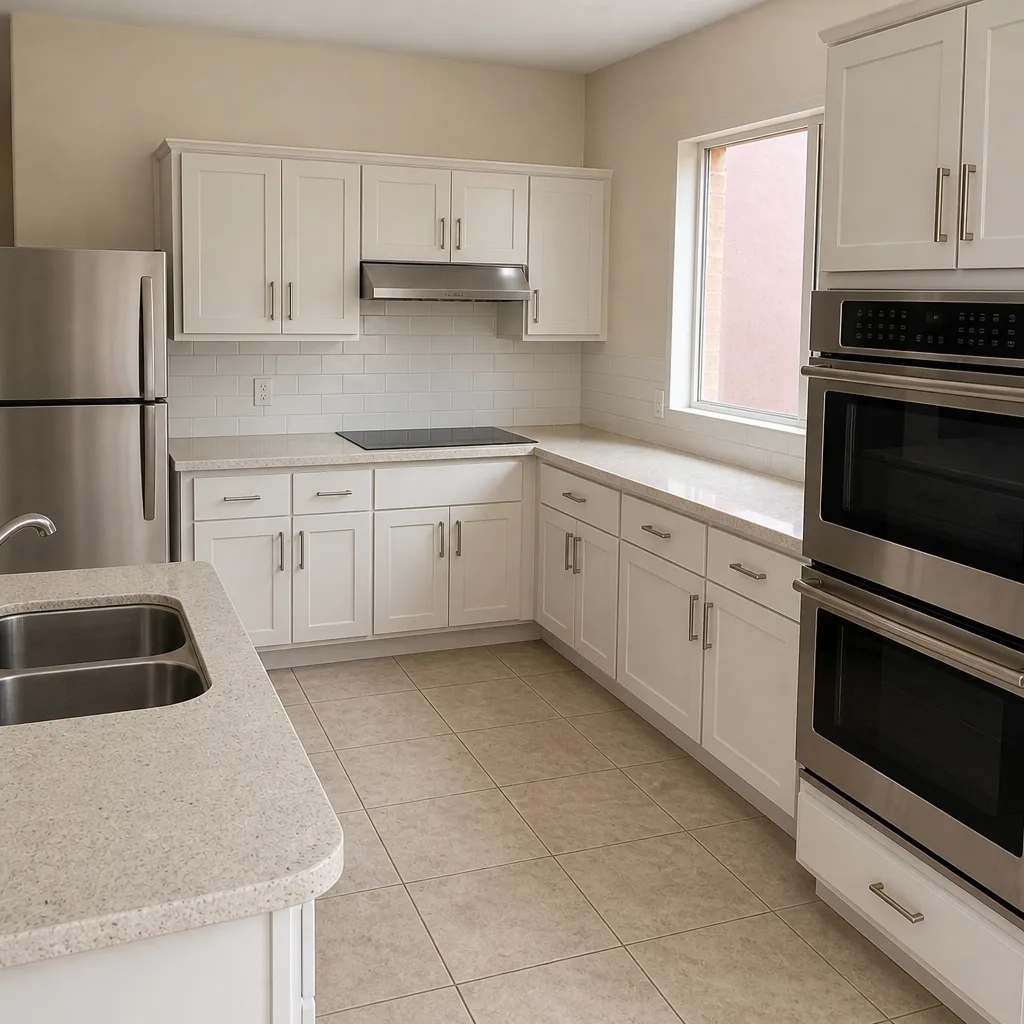 After
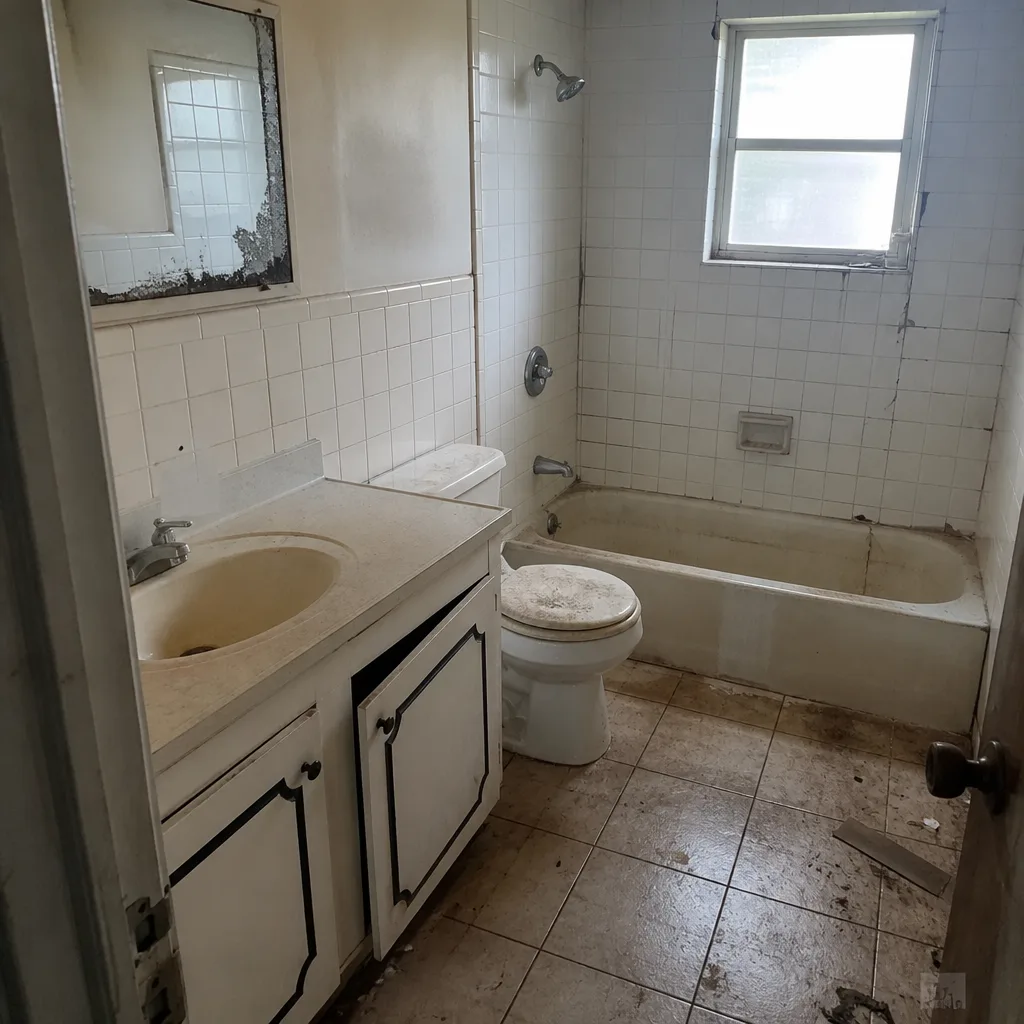 Before
 After
When to Call a Professional
Some material checks are straightforward enough to run yourself, and you should run them. Others sit in the structural and envelope systems where a mistake triggers inspection failure, re-work, or worse. Roof systems, impact windows and doors, structural connectors on additions, and CMU walls are all professional territory – not because the database is hard to search, but because reading the approval against your actual installation condition takes trade judgment. If you’re within a month of material order, or your contractor’s quote doesn’t name an NOA number, call us before you sign. Rowan Construction Group Homestead offers free estimates in Homestead, a written flat price and written scope before any work starts, and a free second opinion on any written estimate you already hold. Call (844) 834-4248 to schedule yours.
Frequently Asked Questions
Search the Miami-Dade product approval database at miamidade.gov/building by NOA number, manufacturer, or product category, and confirm the file is current and lists your model number. If you don’t have the NOA number, search the manufacturer by name and category to find their approved files. Call (844) 834-4248 if you’d like us to run the check for you – estimates are free.
The standard Timberline HDZ is not the HVHZ-approved product; the approved version is the Timberline HDZ RS, a distinct SKU with a modified nailing strip and its own NOA. If your contractor’s quote says “Timberline HDZ” without the RS, the delivered product may not pass inspection. Call (844) 834-4248 for an exact quote with the approved SKU named in writing – estimates are free.
A window fails inspection when it’s approved for one application but installed in another – most often when a new-construction model is used as a replacement in an existing opening without meeting the NOA’s anchoring and sealing conditions for that install. The product can be valid and the installation off-spec. Call (844) 834-4248 for a line-by-line review of your window spec – estimates are free.
Typical installed pricing in Homestead runs $40 – $85 per square foot depending on brand, style, and glass package, with Eco Window Systems and Windoor on the lower end and PGT Winguard on the higher end. These are market bands, not a quote. Call (844) 834-4248 for a flat written price – estimates are free.
No work proceeds on a change until we sign a change order with you, and the original quote is a flat written price with a written scope and a written warranty. That’s how projects finish within a few percent of the agreed number. Call (844) 834-4248 to schedule a free estimate – estimates are free.
Yes. Permits are pulled and inspections are managed on every project, and the HVHZ product approval documentation is part of what goes into the permit package. The product is specified correctly from the start, which is the only reliable way to pass the county’s review. Call (844) 834-4248 to schedule your free estimate.
The Bottom Line
In Homestead, choosing a construction brand is a documentation exercise before it’s a preference exercise. The brand that ranks first nationally can be the brand that fails your inspection, because Miami-Dade’s NOA system governs what’s approved for your application, not what’s approved for a house in another state. The brand that works in Homestead is the one with a current, active NOA, the correct model number on the delivered label, and a contractor willing to put all of that in writing before work starts. Bring the number. Verify the number. If you need help reading it, we’re here.
Rowan Construction Group Homestead is a construction contractor operating under The Haven Standard across seven trades, with a written flat price and written scope before any work starts, a 365-Day Done Right Promise, background-checked and uniformed technicians, a documented photo record on every visit, and a live person answering calls around the clock. Our technicians have up to 19 years of experience. If you’re planning work in Homestead and want the approved products named in the quote from the first conversation, call (844) 834-4248 to schedule your free estimate, and head back to Rowan Construction Group Homestead home to see the rest of what we do. When you’re ready to compare a written quote, bring ours and a competitor’s – the free second opinion is line by line, and the price is in writing before anyone picks up a tool.
Written by the team at Rowan Construction Group Homestead.