Last updated November 17, 2026


Free written scope consultation - allowances, timeline, and change-order rules on paper before a single trade is scheduled
Seasonal Construction Care for Homestead: Year-Round Homeowner’s Guide
Most seasonal maintenance guides are written for a climate Homestead doesn’t have. There’s no freeze-thaw cycle here, no ice dam forming at the eaves, no spring thaw to plan around. What Homestead does have is a split personality: a long dry stretch followed by a wet season that dumps roughly 35 of its 60 annual inches of rain between June and September, plus a hurricane threat window running June 1 through November 30. The most common storm finding we see after a tropical system isn’t wind-torn shingles. It’s water intrusion through caulk joints and flashing that failed quietly during the dry months, when there was no rain to expose the gap. A twelve-dollar tube of caulk in April is cheaper than drywall remediation in August.
This guide covers what to inspect, when to do it, and how Homestead’s specific climate – the high UV, the flat ground, the concentrated rain – changes the calendar you’re used to seeing on national home-care sites.
Quick Answer
For Homestead homeowners, seasonal construction care means working the dry season hard and defending during the wet one. From January through April you inspect, seal, paint, and pour – the work that needs low humidity and dry ground. From May through November you monitor joints, clear drainage, and verify hurricane hardware so the structure is ready before the first named storm. The single highest-value habit is testing your caulk, flashing, and window seals before June, because that’s the failure mode South Florida storms exploit most.
Styles & brands we work with
- Kitchen remodeling
- Bathroom remodeling
- Home additions & ADU
- Roofing
- Windows & doors
- Driveway & pavers
- Fence
Table of Contents
- The Homestead Maintenance Calendar, Month by Month
- The Five Exterior Components Homestead’s UV Index Chews Through
- Testing Hurricane Shutters, Impact Windows, and Garage Door Bracing Before June 1
- Standing Water and Drainage: A Structural Concern in Homestead
- The Dry-Season Window for Painting, Patching, and Concrete Work
- Roofing, Pavers, and Fencing: What Each Season Demands
- Common Mistakes to Avoid
- When to Call a Professional
- Frequently Asked Questions
The Homestead Maintenance Calendar, Month by Month
Homestead doesn’t split into four seasons. It splits into dry and wet, and the work has to match. Here’s how the year actually runs for a home in this city.
January through April: The Build Season
- January-February: Walk the exterior after a dry spell and look for cracks, lifted paint, and open caulk seams. Low humidity makes this the ideal month for exterior painting over masonry.
- March: Seal concrete driveways, walkways, and pavers. Cooler, drier air lets sealers cure without the flash-drying you get in summer.
- April: Re-caulk window and door perimeters, check roof flashing, and test impact window hardware. Do this now, because rain isn’t around to hide the gaps you find.
May through October: Storm Defense
- May: Full pre-hurricane structural check. Clear gutters, verify downspouts run at least six feet from the foundation, and confirm shutter tracks slide freely.
- June-October: Monitor. Watch for ponding after each rain, photograph any new stains on ceilings or interior walls, and re-check caulk at seams that get sun all day.
November: Assessment
After the threat window closes, do a full post-storm walk. Adjust irrigation back for the drier months and schedule any repairs the wet season revealed while the calendar is calm.
The Five Exterior Components Homestead’s UV Index Chews Through
Homestead’s UV index sits above 10 from April through October. That’s extreme, and it shortens the life of anything exposed to direct sun. Five components take the worst of it.
- Elastomeric coatings: On a south- or west-facing wall, expect an elastomeric coating to hold its flex and color for roughly 8 to 10 years in Homestead’s sun, versus 12 to 15 in a milder climate. Chalkiness and hairline cracking signal it’s due.
- Caulk joints: Exterior caulk at window and door frames can fail in as little as 3 to 5 years on full-sun elevations. When it shrinks and pulls away, water gets behind the flashing.
- Wood and composite trim: Composite trim holds up better than wood, but even good composite can chalk and fade within 6 to 8 years on sun-blasted faces. Paint protects both.
- Stucco finish: The outer coat takes UV and rain together. Small hairline cracks are normal; cracks wider than a credit card are not, and they invite water into the substrate.
- Paint on metal and garage doors: Factory finishes on garage doors fade unevenly on the sun-facing side. That’s cosmetic until it isn’t – peeling paint lets moisture reach the steel.
These lifespans are estimates, not rules. A wall in shade behaves differently from one in full afternoon sun. The point is to inspect the sun-facing elevations first and most often.
Testing Hurricane Shutters, Impact Windows, and Garage Door Bracing Before June 1
Every impact product in Homestead – whether it’s PGT, CGI, or ES Windows – needs a hands-on test before the season starts, not a visual glance. Here are pass/fail criteria for each component type.
Hurricane Shutters
- Pass: Panels or roll-downs move freely, hardware is rust-free, anchors seat fully, and you can deploy the whole set in under 30 minutes without tools you don’t own.
- Fail: Sticking tracks, stripped anchor bolts, or panels you can’t lift alone. A shutter you can’t install in time is not a shutter.
Impact Windows
- Pass: Glass shows no chips at corners, frames seal tight when latched, and weep holes at the sill are open and clear. Impact glass relies on those weep holes to drain.
- Fail: Cracked or chipped panes, binding latches, or caulk that’s pulled away at the perimeter – that’s where the water gets in.
Garage Door Wind Bracing
- Pass: Bracing is straight, bolts are tight, and the door has no side-to-side wobble when you push it gently.
- Fail: Bent bracing, loose or missing fasteners, or a door that rattles. A garage door is the largest opening in most homes and the first thing wind pressure tests.
Test each one in May, when you still have time to fix what fails. Don’t wait for a watch or warning to find out.
Standing Water and Drainage: A Structural Concern in Homestead
Homestead is flat, and the water table sits high. That combination means drainage isn’t landscaping – it’s a structural question. When water can’t move away from the house, it finds the foundation and the wall assembly instead. Two measurable things matter most.
- Swale slope: The grade should fall a minimum of 2% away from the foundation – roughly a quarter-inch drop per foot. Over ten feet, that’s about two and a half inches. If your yard holds a puddle right against the house after rain, the slope is wrong.
- Downspout extension: Every downspout should discharge at least six feet from the foundation. A splash block sitting against the wall dumps water right back where it came from.
During the wet season, watch where water ponders after a heavy rain and photograph it. A wet-yard problem that shows up in July is usually a grading problem that formed over years. Fixing grade, adding a swale, or extending downspouts belongs on your dry-season list, done before the next June. If you’re planning harder surfaces like a driveway, the grading has to be designed in from the start – our team handles that as part of Driveway & Pavers in Homestead, where drainage and pitch are planned alongside the finish.
The Dry-Season Window for Painting, Patching, and Concrete Work
Some materials simply won’t cure right in the wet season. If you try them in a Homestead summer, they flash, blister, or fail to bond. The dry months are when these jobs succeed. Here are the conditions each material needs.
- Exterior painting over masonry: Apply when surfaces are dry and temperatures hold between 50°F and 85°F, with humidity below about 70%. In Homestead, December through March is the reliable window.
- Concrete crack injection: Needs a stable, dry substrate and moderate temperatures. Do it in the dry season so the crack is clean and the sealant cures before rain can interfere.
- Stucco patching: Fresh stucco needs to set without rain hitting it for the first day and should cure in moderate humidity. Patching in January avoids the sudden afternoon storms that ruin a fresh patch.
When people ask us why they should “book early,” this is the real reason. The dry months are when masonry work can be done correctly, so the calendar fills. Get your exterior painting, stucco repair, and concrete work scheduled for the dry window, not squeezed between storms.
Roofing, Pavers, and Fencing: What Each Season Demands
Different surfaces age on different clocks in Homestead’s climate, and each has a season where attention pays off.
Roofing
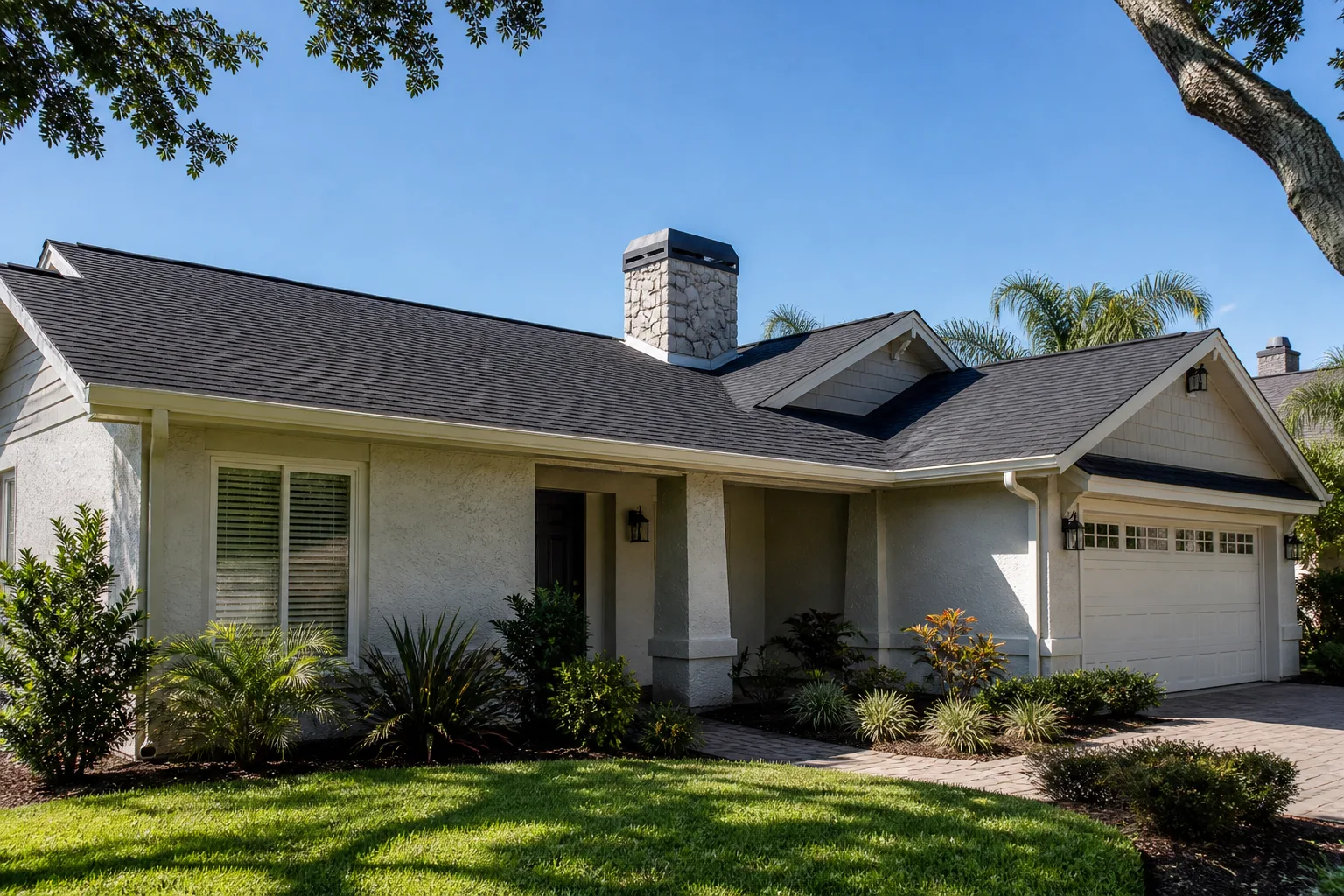
A GAF or Owens Corning shingle roof takes UV and wind-driven rain all year. Inspect it in the dry months: look for lifted or missing shingles, granules collecting in gutters, and flashing that’s pulled away at walls and chimneys. Those flashing points are exactly where the dry-season degradation we mentioned turns into interior water damage during a July storm. If your roof is nearing the end of its service life, plan replacement in the dry window so the crew isn’t working around daily rain.
Pavers vs. Concrete
Interlocking pavers (Belgard and Techo-Bloc are common choices here) handle South Florida’s sun and drainage shifts better than poured concrete, which cracks over time and doesn’t move with the ground. Sealing pavers in the dry season protects them from UV fade and keeps joints tight. This is one of the more practical upgrades for a Homestead home, and it’s the kind of work we plan with drainage in mind from day one.
Fencing
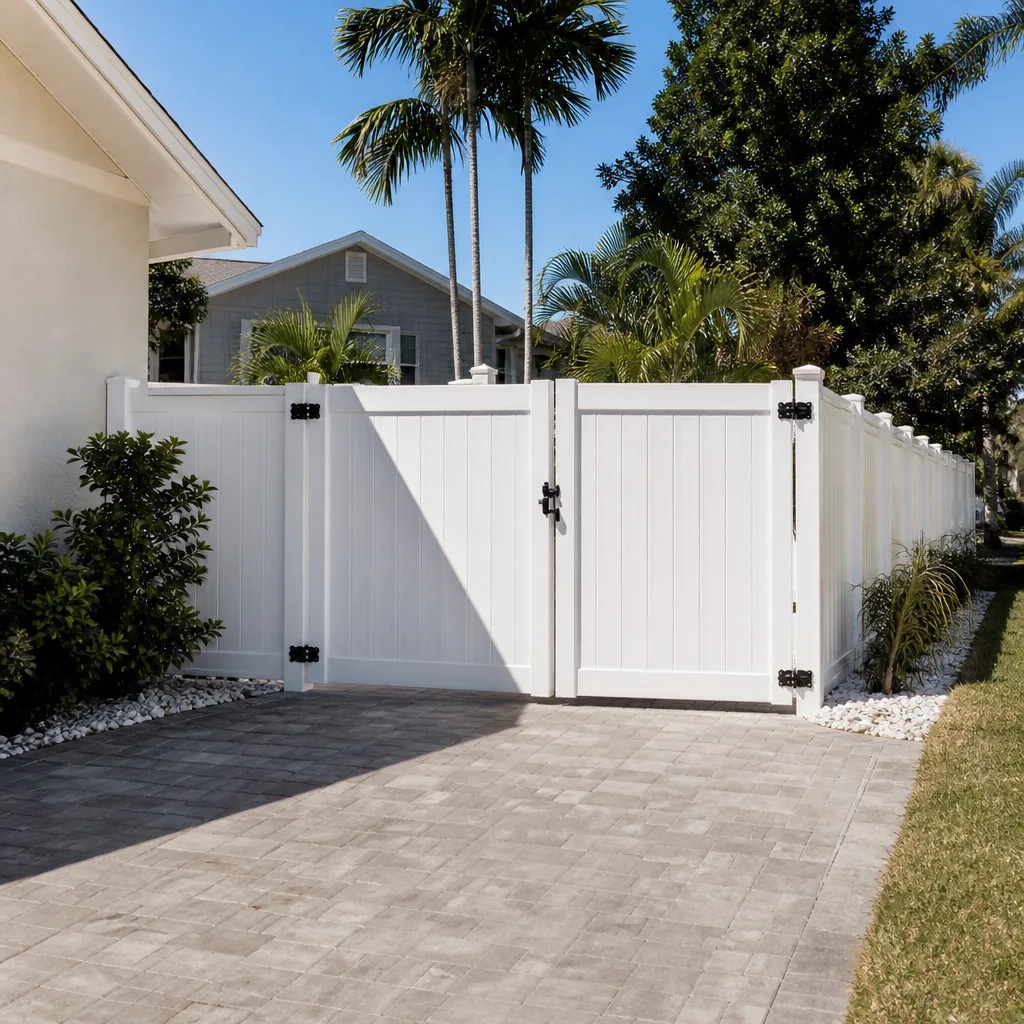
Fence posts take a beating from both wet-season soil movement and dry-season shrinkage. Inspect posts for wobble and leaning after the wet season ends. A post that’s softened won’t survive the next storm. For material choices that hold up to this climate, Fence Installation in Homestead walks through what works and why. And if you’re weighing a larger build like an addition, our Home Additions & ADU in Homestead guide covers how foundation and drainage get planned into the project from the start.
Common Mistakes to Avoid
- Treating the calendar like a northern climate guide. Ignoring the dry/wet split wastes your best working months and forces rush repairs when rain is already here. Match every task to its season.
- Skipping the pre-June hardware test. Buying shutters or impact windows and never testing them means you find out they stick during a storm warning. Test in May.
- Caulking over wet or dirty joints. Fresh caulk over a damp, dusty seam won’t bond and fails fast in the sun. Clean and dry the joint first.
- Letting downspouts dump against the foundation. Even a good drainage plan fails if the discharge point is six inches from the wall. Extend it.
- Ignoring small stucco cracks. Hairline cracks are fine; wider ones let water into the substrate, and by the time you see a stain inside, the damage is done.
- Sealing pavers or painting masonry in the wet months. The material won’t cure correctly. Wait for the dry window, or the job fails early.
- Assuming wind is the only storm threat. Water intrusion through degraded joints and flashing does more hidden damage than wind in most South Florida storms. Inspect the seams, not just the roof.
When to Call a Professional
Some seasonal tasks are homeowner-level: extending a downspout, wiping down shutter tracks, photographing a stain. Others need a trained eye and proper tools. Call a professional when the stucco crack is wider than a credit card, when flashing has pulled away from the wall, when a garage door wobbles or doesn’t seat, when a roof is nearing replacement, or when your drainage is failing and the fix means regrading or new hardscape. These are structural matters, and a wrong repair can hide a problem until the next storm exposes it. Rowan Construction Group Homestead offers free estimates in Homestead – call (844) 834-4248, and you’ll get a written price and a clear scope before anyone picks up a tool. Our technicians have up to 19 years of experience, crews are background-checked and uniformed, and every visit comes with a documented photo record as standard.
Frequently Asked Questions
Inspect your roof during the dry season, ideally February through April, before the June storm window opens. Look for lifted shingles, granules in gutters, and flashing pulled away at walls – those joints are where water gets in during summer storms.
Check exterior caulk every year and re-caulk every 3 to 5 years on full-sun elevations. Homestead’s UV index above 10 most of the year shrinks caulk’s life – if it pulls away from the frame, it needs replacing before the wet season.
Pavers (Belgard, Techo-Bloc) handle UV and soil movement better than poured concrete, which tends to crack and doesn’t flex. Pavers also allow better drainage design, which matters on Homestead’s flat, high-water-table ground. Call (844) 834-4248 for a free estimate on either.
Homestead is flat with a high water table, so water has nowhere to move on its own. Proper swale slope of at least 2% away from the foundation and downspouts discharging at least six feet out are what keep water from finding your foundation.
Paint exterior masonry in the dry season – roughly December through March – when surfaces are dry, temperatures are between 50°F and 85°F, and humidity is below about 70%. Painting in the wet months risks blistering and poor adhesion.
Yes. Test shutters, impact windows, and garage door bracing every May before June 1. Sticking tracks, stripped anchors, or a wobbling door are failures you need to find while you still have weeks to fix them, not during a storm warning.
The Bottom Line
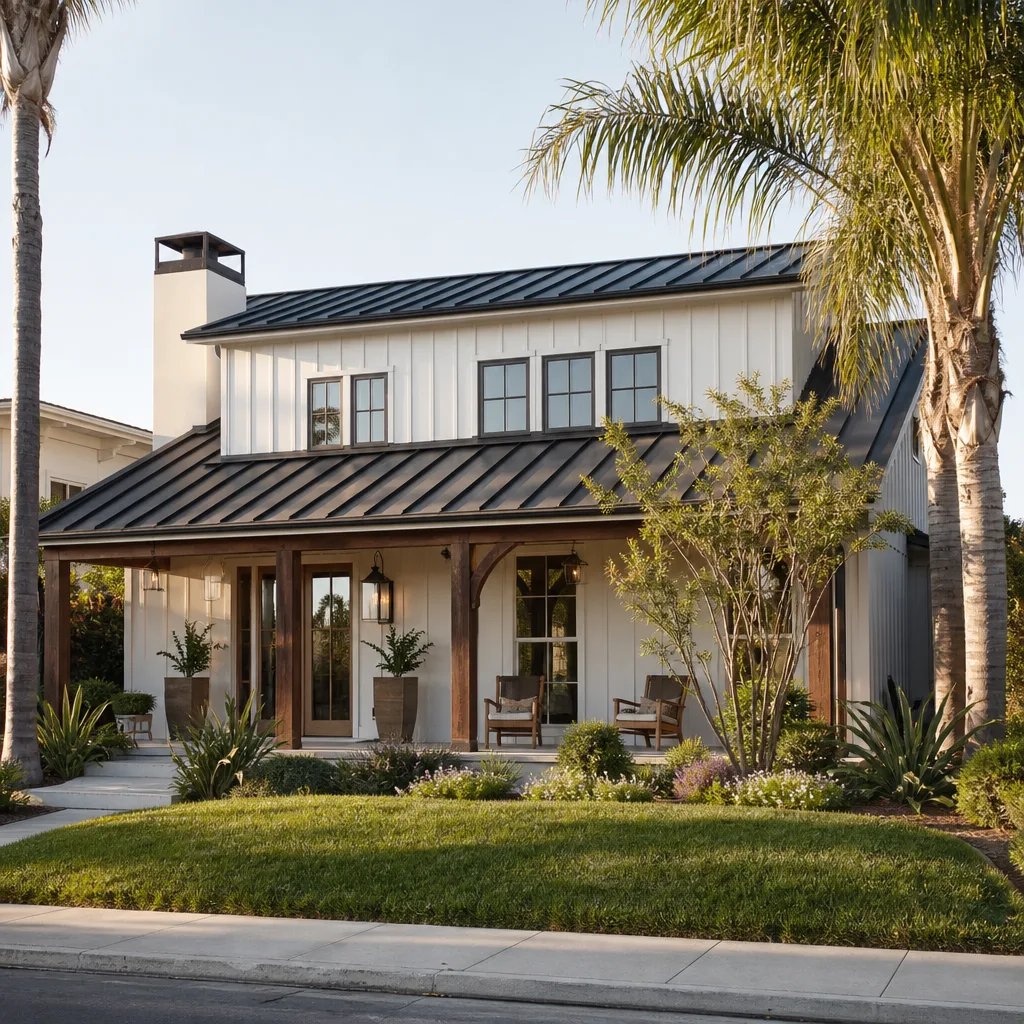
Homestead doesn’t run on four seasons – it runs on a dry build season and a wet defense season, bracketed by a hurricane window from June 1 to November 30. Work the dry months: inspect, seal, paint, patch, and check drainage. Then defend in the wet months by monitoring joints, clearing water, and verifying your storm hardware. The cheapest repair you’ll ever make is the one done in April. If any inspection turns up something structural – failing stucco, pulled flashing, a wobbling garage door, or a roof at the end of its life – get a written price before work starts. That’s how every job should begin. Start at the Rowan Construction Group Homestead home page, or call (844) 834-4248 for a free estimate.
Written by the team at Rowan Construction Group Homestead.
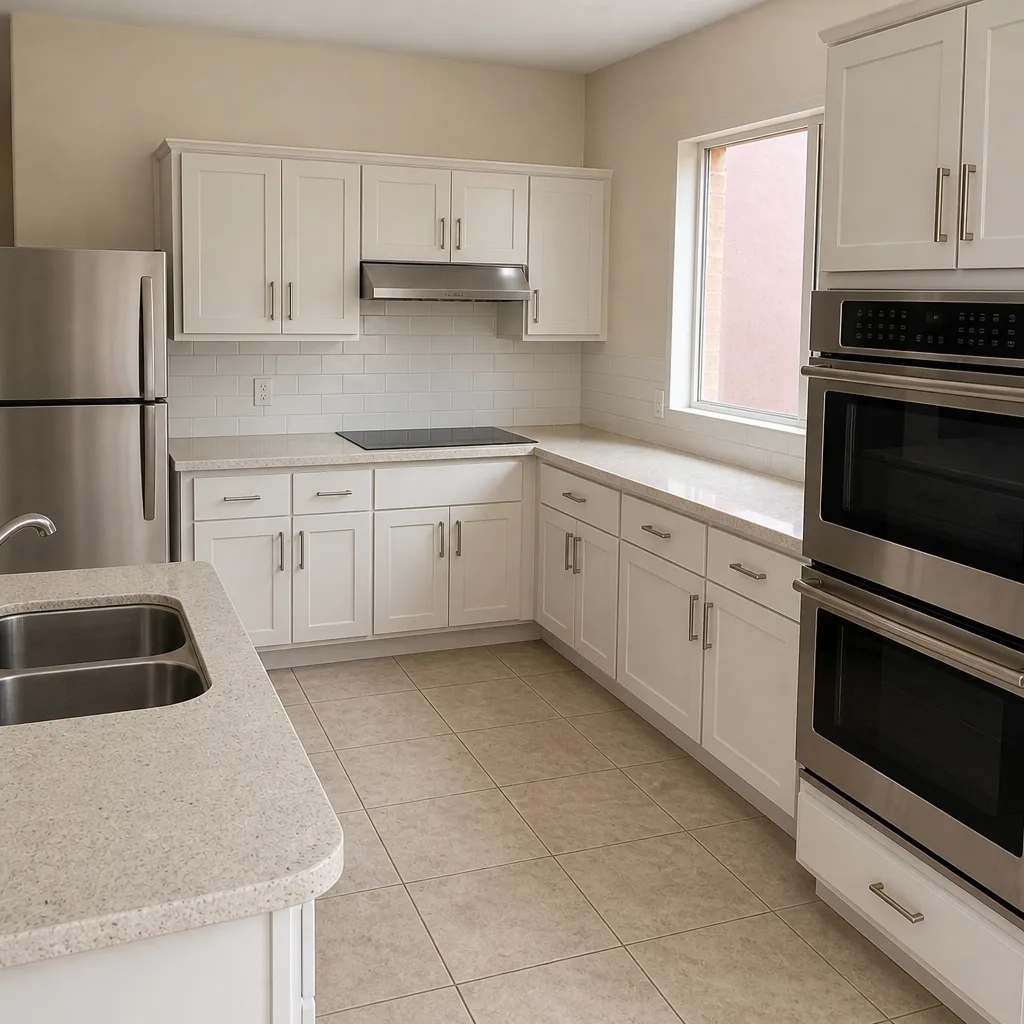
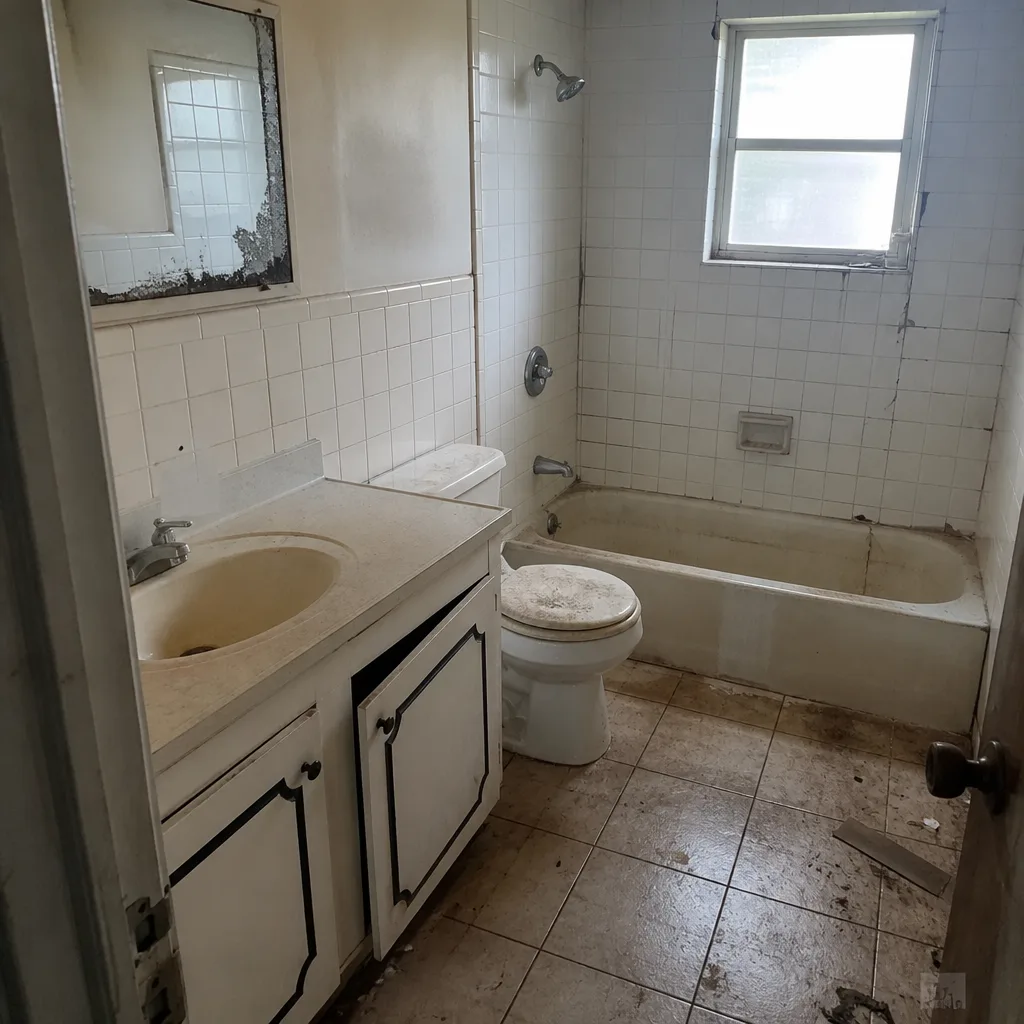
See the difference
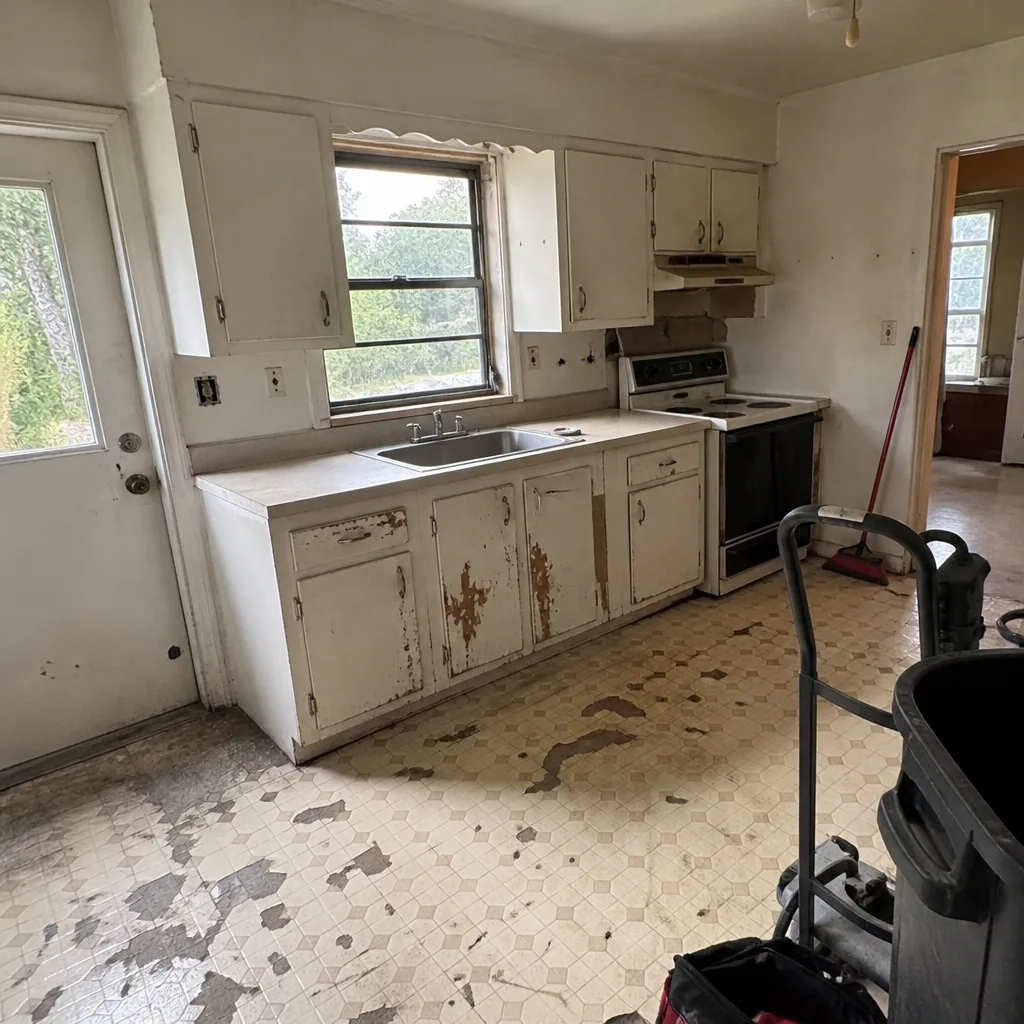 Before
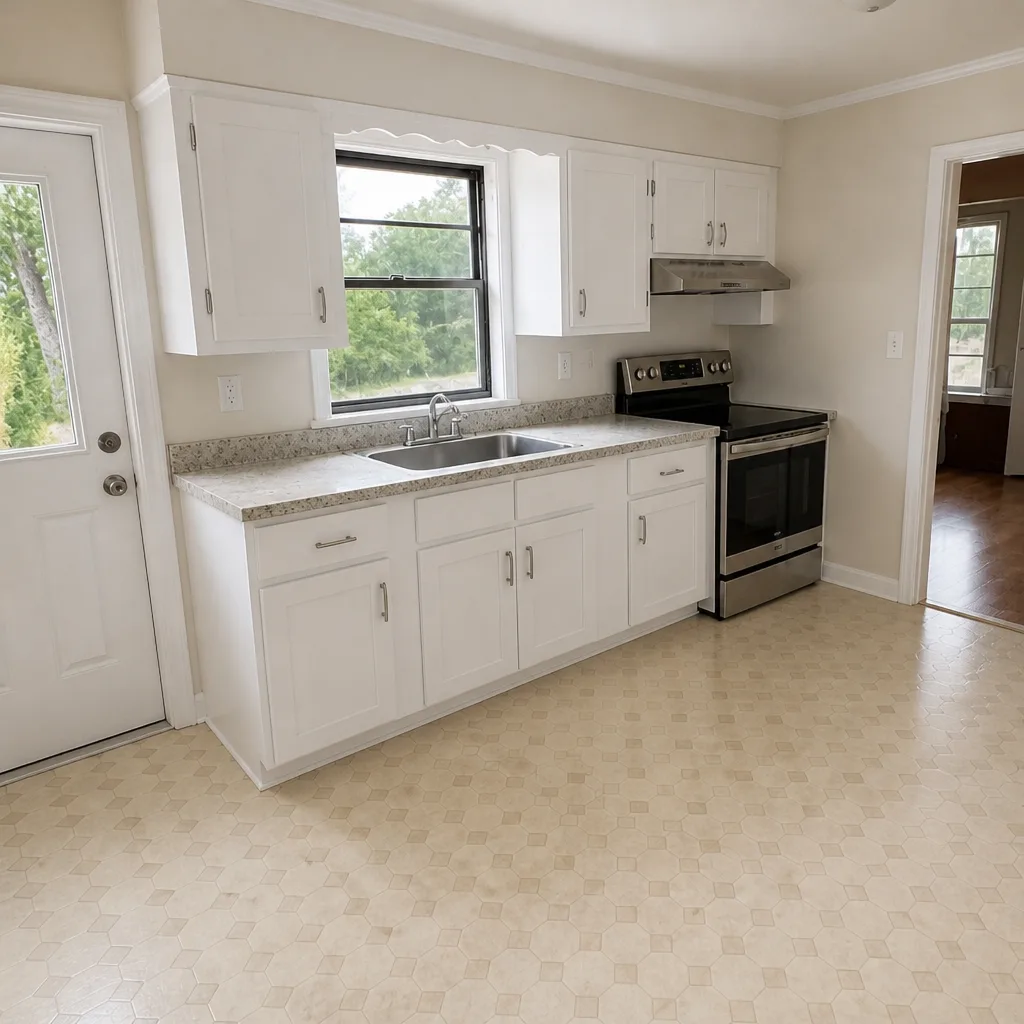 After
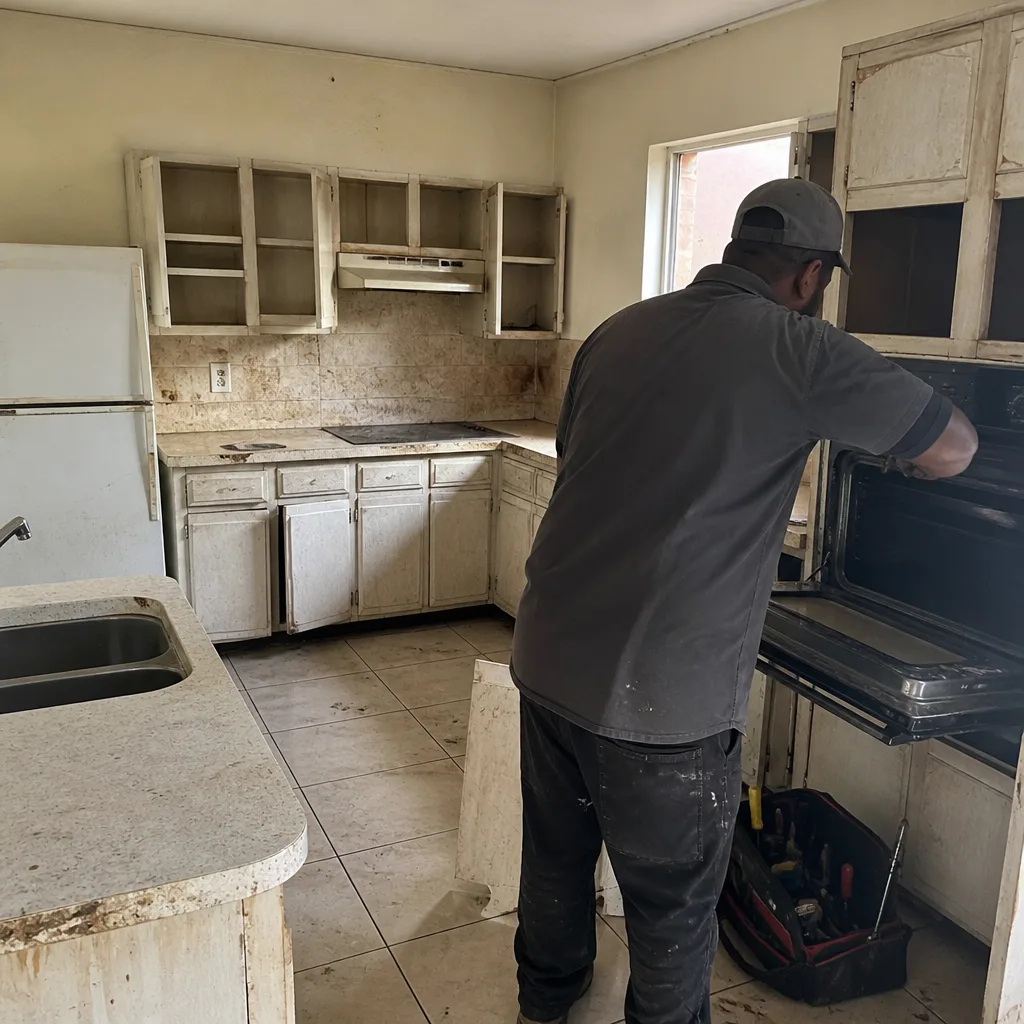 Before
 After
 Before
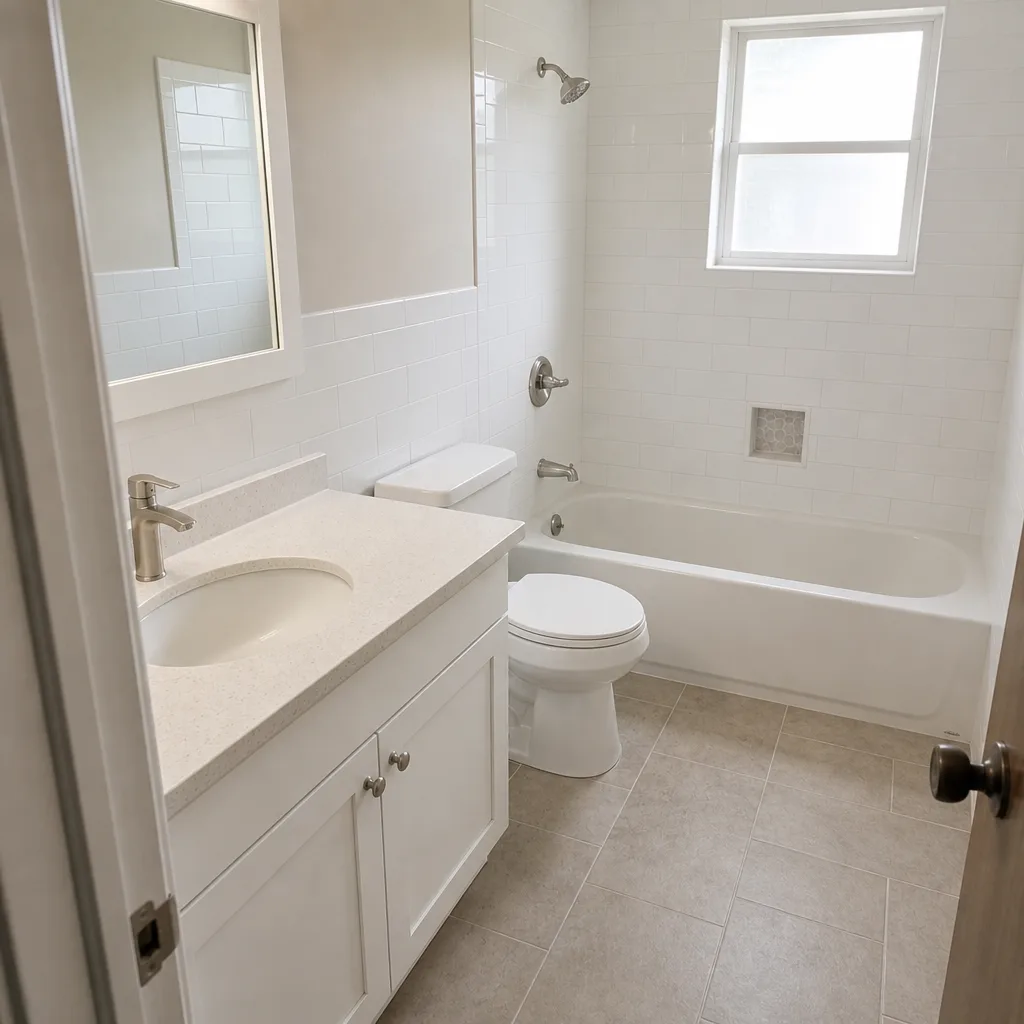 After