Last updated November 17, 2026

Free written scope consultation - allowances, timeline, and change-order rules on paper before a single trade is scheduled
Windows & Doors Troubleshooting: Common Problems and How to Fix Them
A window that leaks only during wind-driven rain is not the same problem as a window that leaks during still rain. The fix is different, the cost is different, and confusing them is how homeowners spend $400 on a sealant job when they needed a frame realignment. In Homestead, where summer storms push water sideways and UV index runs high most of the year, that distinction matters more than in almost any other market. This guide gives you a symptom-to-cause map, three diagnostic tests you can run in an afternoon, and a clear line between what a screwdriver can fix and what needs a licensed glazing contractor.
Quick Answer
Most window and door problems in South Florida come from two sources: thermal expansion of aluminum frames and sealant failure from UV exposure. You can usually diagnose which is which with three tests: the hose test (wind-driven vs. still rain), the dollar-bill test (draft vs. seal failure), and the flashlight test (frame gap vs. weatherstripping gap). Fogging between panes means the insulated glass unit (IGU) seal has failed and the glass must be replaced; drafts and hard operation often need only realignment or new weatherstripping.
Styles & brands we work with
- Kitchen remodeling
- Bathroom remodeling
- Home additions & ADU
- Roofing
- Windows & doors
- Driveway & pavers
- Fence
Table of Contents
- Symptom-to-Cause Map: What Your Window or Door Is Telling You
- The Three-Step Test Sequence Every Homeowner Should Run First
- Fogging Between Panes: The IGU Seal Test and What It Costs
- A Door That Won’t Latch: Strike Plate, Hinge, or Foundation?
- Sealant vs. Glazing Compound vs. Weatherstripping: Which Material Goes Where
- DIY vs. Licensed Glazing Contractor: Where the Line Sits in Homestead
- Hardware Failure: Locks, Rollers, Cranks, and Hinges
- Prevention: The Maintenance Calendar That Actually Works in Homestead
Symptom-to-Cause Map: What Your Window or Door Is Telling You
Before you call anyone, match the symptom to its most probable root cause. In our experience across Homestead homes, the pattern is consistent enough that a five-minute conversation narrows the problem to one of four causes nine times out of ten.
- Drafts (feel air when the window is closed): worn weatherstripping, a shrinking gasket, or a sash that no longer sits flush against the frame.
- Water infiltration during wind-driven rain only: failed perimeter sealant or a gap behind the nail flange. The water is being pushed uphill into the wall cavity.
- Water infiltration during still rain: a blocked weep hole or a failed sill pan. Gravity is doing the work; the drainage path is broken.
- Difficulty operating (sticking, scraping, hard to slide or crank): thermal expansion of an aluminum frame has closed the tolerance, or the roller/hinge hardware is worn or corroded.
- Fogging between panes: the IGU seal has failed and moisture has entered the gas-filled cavity.
- Hardware failure (lock won’t catch, crank spins free, handle loose): stripped screws, a broken multipoint lock, or a worn operator assembly.
Around Homestead, the wind-driven category dominates. Aluminum frames expand and contract through an 80°F day, and after enough cycles, the sealant joint between frame and stucco cracks along the vertical. That crack opens on the windward side of the house first.
The Three-Step Test Sequence Every Homeowner Should Run First
Run these three tests in order. The results tell you which of the four causes above you’re dealing with, and whether the job is a Saturday afternoon or a service call.
- The hose test. On a calm day, have someone inside watching the suspect window while you spray a garden hose at low pressure from outside, starting at the bottom sill and moving up. Then repeat with a fan-spray nozzle aimed at a 30-degree angle (simulating wind-driven rain). If water appears during the still spray, the drainage path is blocked. If it appears only during the angled spray, the perimeter sealant has failed.
- The dollar-bill test. Close the window on a dollar bill at each corner and along the middle of each side. If the bill pulls out with no resistance, the weatherstripping is worn and needs replacement. If it holds in three places but slips at one, the sash is out of square, usually a hinge or alignment problem.
- The flashlight test. At night, put a bright light outside the window and check inside for light gaps along the frame-to-wall joint. Visible light means a gap exists behind the trim; that’s the gap wind-driven water travels through.
These three tests cost nothing and take an afternoon. For doors that won’t operate smoothly, add a fourth: open the door 45 degrees, let it go, and watch whether it swings on its own. A door that swings shut on its own is out of plumb, which usually means the hinge jamb has moved.
Fogging Between Panes: The IGU Seal Test and What It Costs
Fogging between the panes means the insulated glass unit has lost its seal. An IGU is a factory assembly of two glass panes separated by a spacer filled with argon or krypton gas and desiccant. Once the perimeter seal fails, moisture enters, the desiccant saturates, and the gas escapes. Fog is the visible symptom; the invisible problem is that the unit has lost most of its insulating value.
- Repairable: a single-fogged unit in a window that’s otherwise sound, where the frame and sash are still sealed. The IGU is replaced as a unit; the frame stays.
- Not repairable: a failed IGU where the frame itself is also cracking, or where several units in the same window have failed within a year (a sign the frame is flexing on the wall).
- Not worth repairing: an aged aluminum single-glazed window where the IGU cost exceeds 60% of a new window. Around Homestead, with the code requirements for impact-rated glazing on additions and replacements, replacement usually wins on cost and performance.
In Homestead, IGU pricing runs roughly $180 to $400 per unit for impact-rated glass, depending on size and whether the new unit needs a ladder lift. Non-impact single-pane replacements sit lower, but a homeowner in a wind zone should know that replacing glass without a current notice of acceptance can create a real headache at resale.
A Door That Won’t Latch: Strike Plate, Hinge, or Foundation?
A door that won’t latch is three different problems with three different costs and three different trades. Getting the diagnosis right the first time saves money.
Strike plate issue
The latch bolt doesn’t line up with the strike plate hole. This is the cheapest fix. A strike plate adjustment, or a strike plate with an elongated hole, solves it. Hardware store cost: $8. Labor, if you don’t do it yourself: a handyman call.
Hinge issue
The door sags because the top hinge screws have pulled out of the jamb, or because the hinge leaf is worn. Longer screws (a 3-inch screw replaces a 1-inch) often pull the door back into alignment. When the jamb wood is soft from water intrusion, that becomes a wood repair, which is carpentry, not hardware.
Foundation settling issue
The door frame is out of plumb because the wall under it has moved. This is the one that requires a structural assessment. In the Homestead and South Miami-Dade area, homes built on reclaimed rock and shallow limestone can settle unevenly, particularly after periods of drought followed by heavy rain. If the strike plate and hinge fixes both fail, stop screwing around and have an engineer look at it. This is the point where a licensed contractor becomes the right call.
Sealant vs. Glazing Compound vs. Weatherstripping: Which Material Goes Where
Three materials, three jobs. Using the wrong one is the most common cause of a leak that keeps coming back after every repair.
- Sealant (the right choice for perimeter joints): the flexible joint between frame and wall. In Homestead, use a high-performance polyurethane or siliconized acrylic rated for UV exposure; Sashco Sealants and similar brands make exterior-grade products that hold up to Florida sun. Budget $12 to $20 per tube.
- Glazing compound (the right choice for bed joints on single-pane glass): the putty that holds a glass pane into a wood sash. Use it only where the glass is bedded to the sash. It is not a substitute for perimeter sealant.
- Weatherstripping (the right choice for the gap between sash and frame): foam, felt, or spring-metal strip that compresses when the window closes. This is what stops drafts and still-air infiltration. A worn weatherseal cannot be fixed with sealant, no matter how neatly you apply it.
A fourth material is worth mentioning: the gasket around an IGU. That gasket is factory-set and should never be touched with caulk. If water is getting into the IGU cavity from the outer edge, that’s a gasket replacement done by a glazing contractor, not a homeowner.
DIY vs. Licensed Glazing Contractor: Where the Line Sits in Homestead
Some repairs are safe and worthwhile for a homeowner. Others are not, both for safety and for code compliance. Miami-Dade code is specific about what counts as a window or door replacement versus a repair, and the line is not always obvious.
Safe DIY
- Replacing weatherstripping on a standard operable window.
- Re-caulking an exterior perimeter joint on the ground floor, after removing old sealant.
- Tightening loose hardware, replacing a door handle, adjusting a strike plate.
- Cleaning weep holes on sliding glass doors and windows.
Requires a licensed contractor
- Replacing an IGU or any full unit that carries a notice of acceptance.
- Any window or door replacement that changes the rough opening or requires a new nail flange.
- Anchor repairs on impact-rated windows and doors; the anchoring schedule is part of the permit.
- Repairing a frame where the failure involves the structural connection to the wall.
This distinction matters in Homestead, where the building department requires permits for glazing replacement on many categories. If we’re called out to a Homestead home, part of the visit includes pulling the permit history on the address so the homeowner knows what was previously permitted and what was not.
Hardware Failure: Locks, Rollers, Cranks, and Hinges
Hardware is where DIY has the best money-to-effort ratio. The parts fail because the lubricant has dried or the metal has corroded. In Homestead, salt air from the coast accelerates corrosion on any window or door facing east or south. Moen and Kohler both make replacement hardware lines that hold up well in coastal environments; the same logic applies to window and door hardware suppliers, quality matters more than price here.
- Locks and latches: if the lock turns but doesn’t catch, the striker is out of alignment. If the lock won’t turn, the cylinder is stuck or the internal mechanism has failed. Locksmith territory if a keyed exterior lock.
- Sliding door rollers: if the door drags or jumps the track, the roller has worn or the track has debris. Replacing the roller is a Saturday job and a $15 to $40 part.
- Crank operators (casement windows): if the crank spins free, the operator arm has stripped. Replacement operators are usually available for standard brands and install with four screws.
- Hinges: worn pivot shoes or a bent hinge pin are the usual suspects on casement windows. Occasionally the hinge is fine and the sash is out of square; then the fix is alignment, not parts.
None of this requires a professional, and the parts add up to less than a service call. Replacing a window or door, or repairing the frame connection to the wall, is a different job. For that, call us at (844) 834-4248 or see our Rowan Construction Group Homestead home page for the full range of trades.
Prevention: The Maintenance Calendar That Actually Works in Homestead
Windows and doors that get maintained last twice as long. The calendar is simple and the cost is low.
- Every spring: wash the exterior of every window and sliding door, and check the weep holes. In Homestead this is best done in March before the summer storms, not during.
- Every fall: inspect every exterior sealant joint by pushing on it with your thumb; if it cracks or pulls away, replace it. Use an exterior-grade UV-rated sealant. Budget one tube per floor.
- Every two years: lubricate window hinges, rollers, and lock cylinders with a dry silicone lubricant. Not WD-40, which attracts dust. In coastal Homestead, cut that interval to every 12 months.
- After every named storm: do the three-test sequence on the windward side of the house, since that’s where water intrusion appears first.
Homeowners in Homestead who’ve added a screened patio or a new roof typically need this maintenance schedule set up at the same time. If your project includes a new addition, our Home Additions & ADU in Homestead page explains how new windows and doors tie into the rest of the build.
Common Mistakes to Avoid
- Caulking a leaking window without finding the source. Sealant on the wrong side of the problem traps water inside the wall cavity and causes rot. Diagnose first, then seal.
- Using interior caulk outside. Interior acrylic latex breaks down under Homestead UV within a year. Use an exterior-grade product rated for UV.
- Ignoring a fogged pane for more than two seasons. The desiccant saturates, the spacer corrodes, and the repair becomes a full glass replacement instead of an IGU swap.
- Forcing a stuck window or door. Force it and you crack the sash, tear the weatherstripping, or strip the hinge screws. If it won’t slide with gentle hand pressure, stop.
- Replacing a strike plate before checking plumb. If the door isn’t plumb, a new strike plate will fail again in a few months. Test with the swing test first.
- Doing an impact-glazing replacement without a permit. Unpermitted glazing comes up at inspection and at resale, and in Homestead the building department checks.
- Using the wrong weatherstripping. Foam is fine on interior doors; not on exterior windows. Match the material to the gap and the exposure.
See the difference
 Before
 After
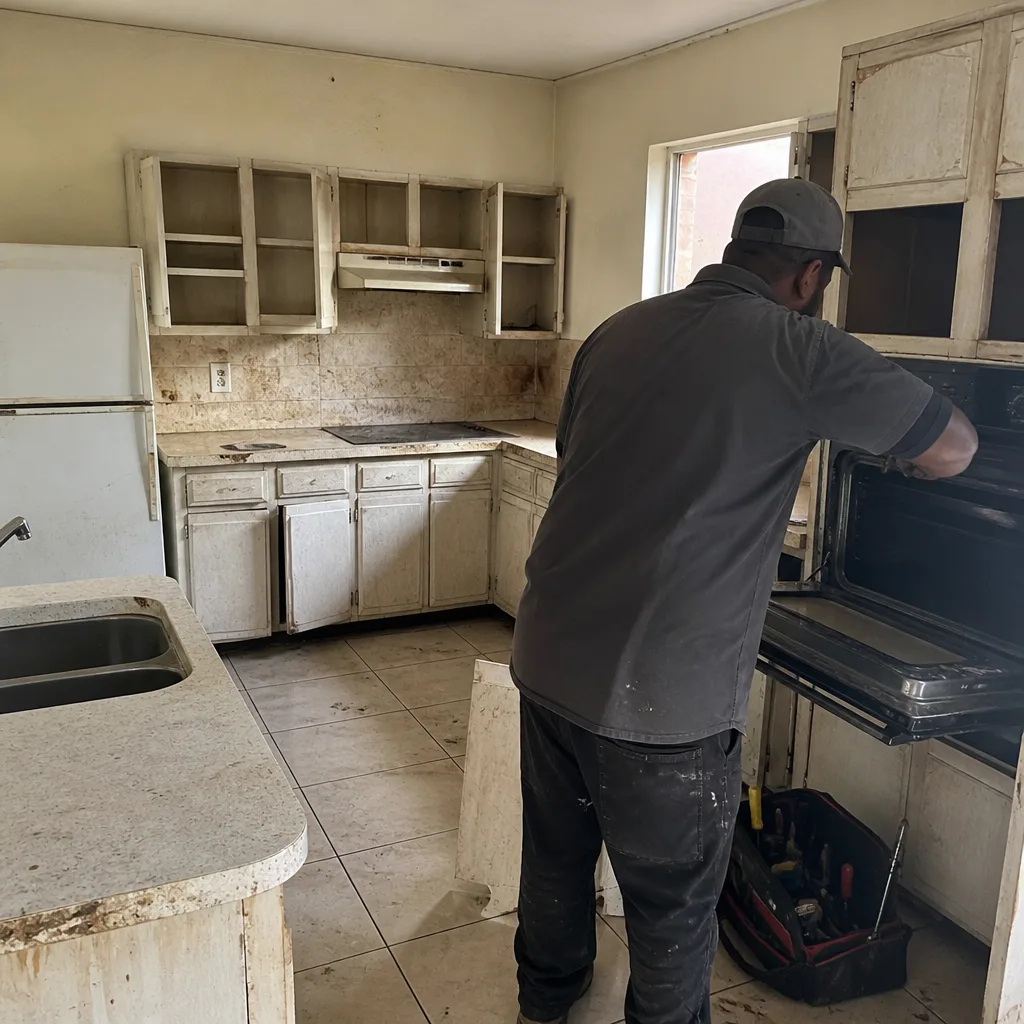 Before
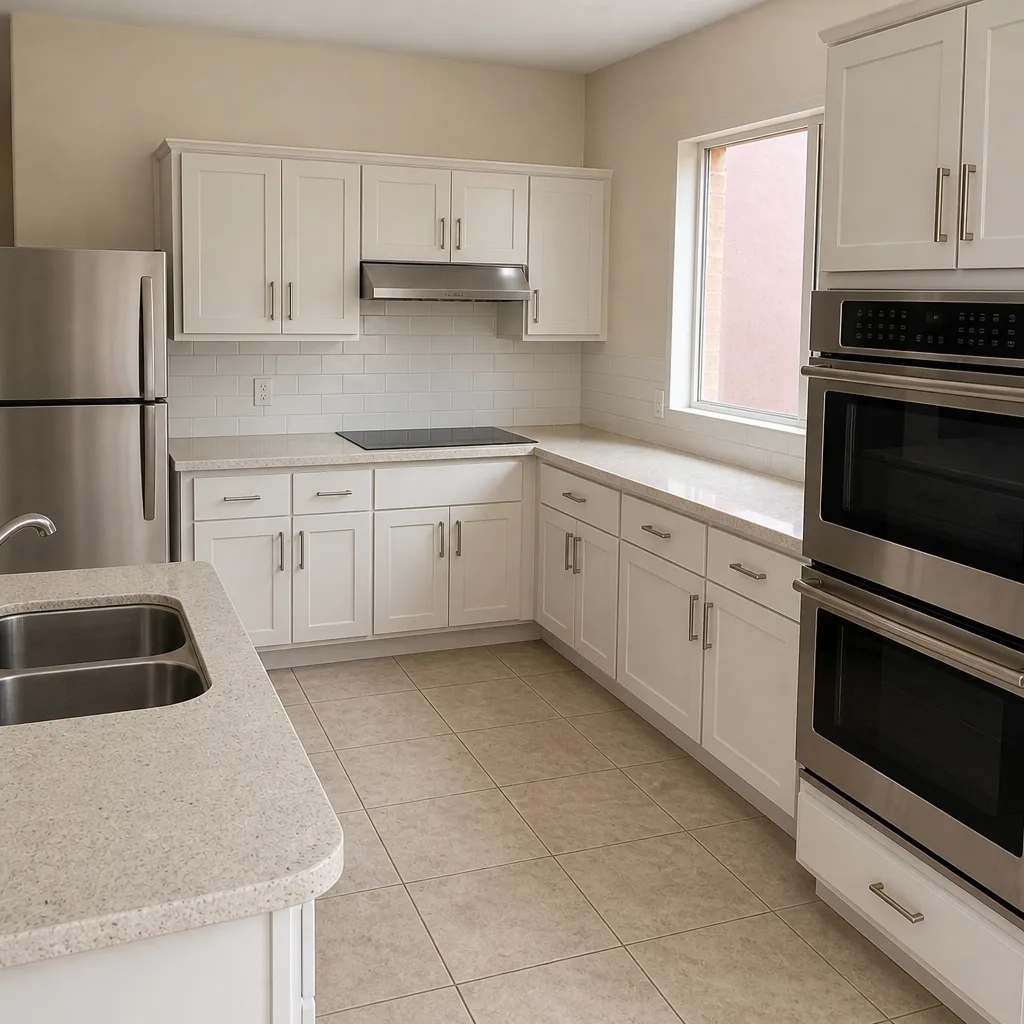 After
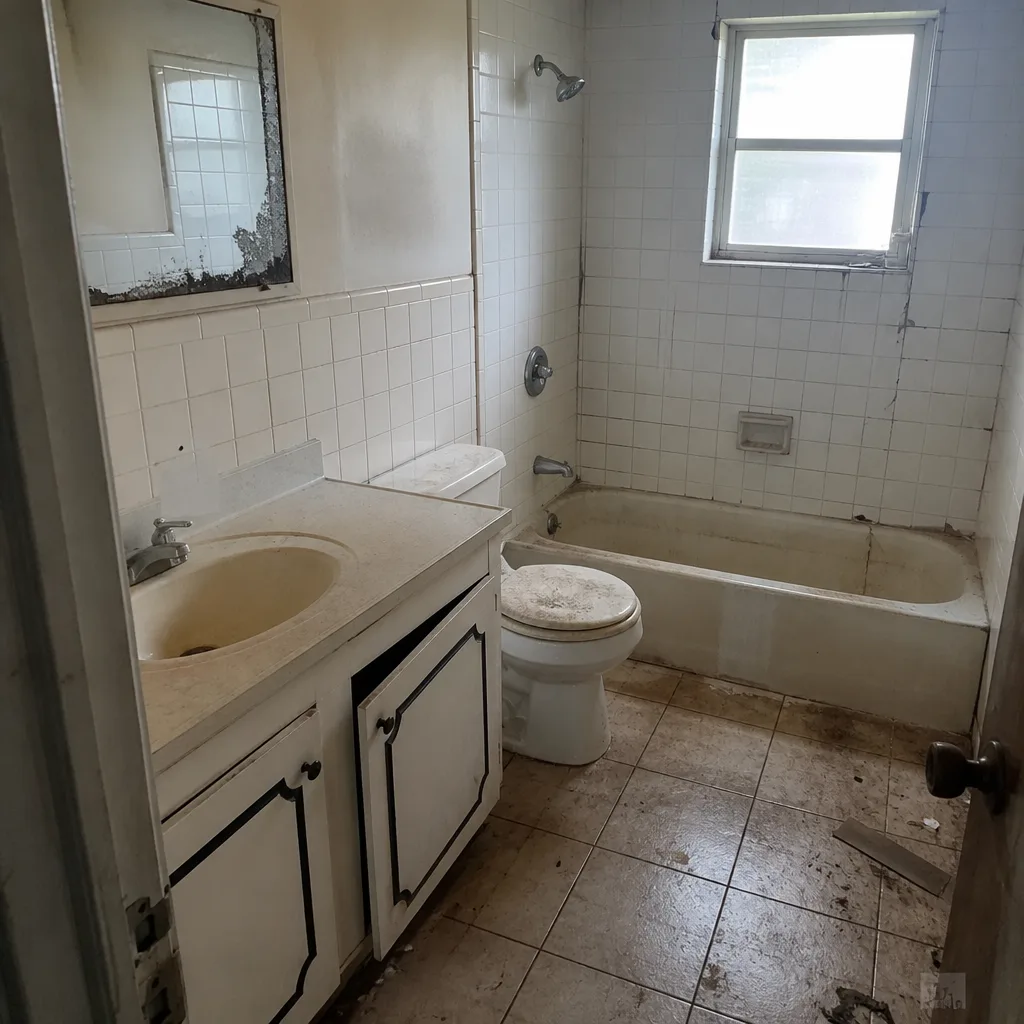 Before
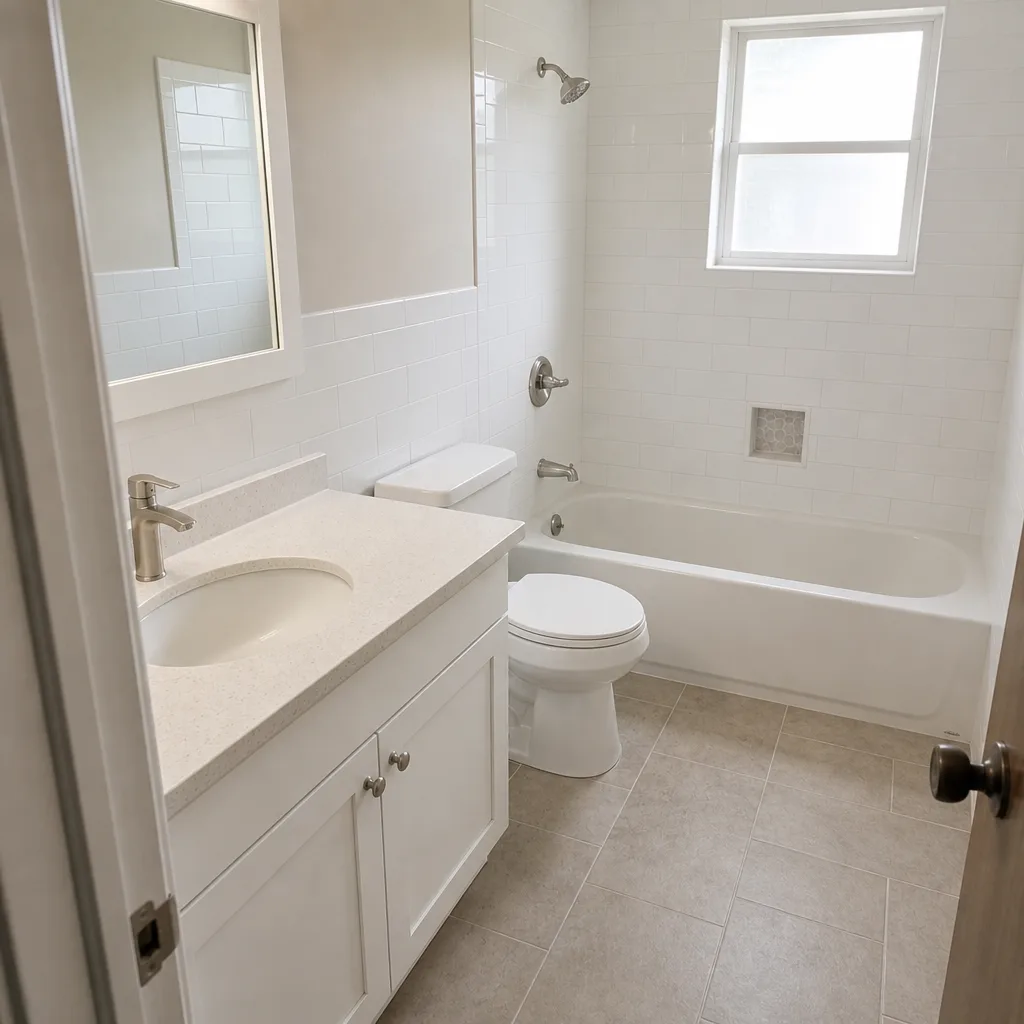 After
When to Call a Professional
Call a licensed contractor when water appears during still rain, when fogging has spread to more than one pane per unit, when a door won’t latch after strike plate and hinge checks, when the window frame shows soft wood or visible cracking, or when the repair touches impact-rated glazing or the wall connection. Those are the scenarios where a homeowner’s fix can violate code or hide a structural problem. Rowan Construction Group Homestead offers free estimates in Homestead – call (844) 834-4248. A live person answers the phone, we deliver a written price before any work starts, and every visit includes a documented photo record of what we found and what we did. Under the Haven Standard, if it’s not done right, we make it right, backed by our 365-Day Done Right Promise.
Frequently Asked Questions

A perimeter sealant repair typically runs $150 to $400 per window depending on height and access; an IGU replacement runs $180 to $400 per unit; a full window replacement with impact-rated glass runs higher and requires a permit. The number depends entirely on which cause the three-test sequence points to, so get the diagnosis first.
No. Fogging means the insulated glass unit seal has failed and moisture has entered the gas-filled cavity. The repair requires removing the existing unit and installing a new factory-sealed IGU. A homeowner cannot re-seal an IGU in place. Call a licensed glazing contractor; in Homestead, permits may apply depending on the original notice of acceptance.
Wood and aluminum frames expand as temperature and humidity climb. A door that sticks in July and swings free in January is usually a hinge or frame alignment issue that seasonal expansion is revealing, not a foundation problem. Check the hinges first, then the strike plate, then plumb before calling anyone about the foundation.
Replacing the glass or the full unit on an impact-rated window or door requires a permit and a licensed contractor in most categories. Anchor repairs on impact-rated units are specifically licensed work because the anchoring schedule is part of the permit. Small hardware and weatherstripping fixes are fine for a homeowner.
A high-performance exterior-grade polyurethane or siliconized acrylic rated for UV exposure. Sashco Sealants is a common choice, and the tube should be labeled for exterior use and UV resistance. Interior acrylic latex caulk is the wrong answer in Homestead; UV breaks it down in under a year.
The replacement itself is a one- to two-hour job once the new unit arrives. Lead time on the factory unit is usually one to two weeks, and the visit requires removing the existing glass, cleaning the frame bed, and installing the new IGU with a new gasket. In Homestead, order the unit before the summer storm season to avoid delays.
The Bottom Line
Most window and door problems fall into four categories – drafts, water infiltration, difficulty operating, and hardware failure – and each traces to a specific cause you can usually identify with a garden hose, a dollar bill, and a flashlight. Fogged IGU glass is the exception; it’s a factory-sealed unit, so it’s a replacement, not a repair. In Homestead, verify the fix before you pick up a caulk tube, since the wrong sealant causes more damage than a worn weatherseal. Know the DIY line, permit the licensed work, and get a written price before any crew shows up. Rowan Construction Group Homestead offers a free second opinion on any written estimate you’ve received; call (844) 834-4248 for a free estimate.
Related reading from our team: Driveway & Pavers in Homestead and Fence Installation in Homestead.
Written by the team at Rowan Construction Group Homestead.