Last updated November 17, 2026

Free written scope consultation - allowances, timeline, and change-order rules on paper before a single trade is scheduled
How Long Does Home Additions & ADU Take? Timelines and What to Expect
Miami-Dade’s residential addition permit review averages 4 to 6 weeks for a first review, and most projects that need a revision cycle add another 2 to 4 weeks before a permit is even in hand. So when a contractor quotes you a “12-week project,” you need to ask which twelve weeks. Construction time and project time are two different numbers, and the gap between them is the single biggest reason home additions in Homestead, FL run long. This guide names the specific delays – permit sequencing, inspection windows, material lead times – and assigns realistic elapsed-week ranges to each so you can read a schedule the way you read a quote.
Quick Answer
A ground-level home addition in South Miami-Dade typically takes 6 to 9 months of total elapsed time from signed design to final inspection, while a detached or attached ADU runs 8 to 12 months. Of that, only about 40 to 60 percent is actual construction – the rest is design, engineering, permit review, revision cycles, and inspection scheduling that most contractors quote but rarely put on paper.
Styles & brands we work with
- Kitchen remodeling
- Bathroom remodeling
- Home additions & ADU
- Roofing
- Windows & doors
- Driveway & pavers
- Fence
Table of Contents
- Pre-Construction: Design, Engineering, and Permit Prep in South Dade
- Permit Review and the Revision Cycle Nobody Quotes
- Construction, Broken Into Inspection-Gated Stages
- Material Lead Times in 2024 – 2025 and How They Move Your Date
- What a Realistic Written Project Schedule Looks Like
- ADU Timelines: Why They Run Longer Than a Standard Addition
- Homestead-Specific Reality: Climate, Code, and Neighborhood Logjam
- Common Mistakes to Avoid
Pre-Construction: Design, Engineering, and Permit Prep in South Dade
Pre-construction is where the calendar quietly burns. For a 20-by-30-foot addition in Homestead, this phase alone usually runs 6 to 11 weeks, and it breaks down like this:
- Design and schematic (2 – 3 weeks). Architectural drawings, floor plan, elevation, and roof tie-in details. Revising a design before drawings are stamped is cheap; revising after permit submission is not.
- Structural engineering (1 – 2 weeks). South Florida additions are engineered for wind load, and the engineer’s sealed calculations drive your beam sizing, tie-downs, and impact rating. This is not a step to compress.
- Survey update (1 – 2 weeks). If your lot lines, easements, or right-of-way weren’t recently surveyed, Miami-Dade plan reviewers will want an updated boundary survey. Homestead properties that back onto a canal or the Everglades buffer sometimes need an elevation certificate refresh at the same time.
- Permit application assembly (1 – 2 weeks). Product approvals, energy calcs, and the contractor’s license and insurance certificates. Every missing sheet is one more week.
If anyone tells you pre-construction is “two weeks, maybe three,” they’re describing the design only – not the survey, the engineering, and the packet that goes to the building department.
Permit Review and the Revision Cycle Nobody Quotes
Miami-Dade Building’s residential addition review averages 4 to 6 weeks for the first pass. Here’s the part competitors leave out: the majority of first submissions come back with a correction letter, and each revision adds 2 to 4 weeks before a re-review lands in the queue.
What triggers a revision request most often in Homestead:
- Wind-load calculations that don’t match the actual product specification submitted
- Missing or mismatched impact-rated window and door approval numbers
- Setback and lot-coverage questions, especially on older lots platted before current code
- Energy-code worksheets out of date with the current Florida edition
- Fire separation or property-line detail for an attached ADU
Some municipalities offer express review – you pay an expedite fee, typically several hundred to a few thousand dollars, and the review window compresses meaningfully. It doesn’t buy approval; it buys position in the queue. Anyone who guarantees a permit date without telling you whether express review was included is guessing.
Construction, Broken Into Inspection-Gated Stages
Once the permit is in hand, construction itself runs 3 to 6 months for a typical additive footprint. This is the phase a contractor actually controls – but every stage below is gated by an inspection before the next can start, and inspection scheduling in Miami-Dade adds 2 to 5 business days per inspection even when the work is perfect.
- Site prep and foundation (2 – 4 weeks). Layout, excavation, footings, slab. Concrete cure time is the pacing item, not labor.
- Rough framing (3 – 5 weeks). Wall framing and roof framing tied into the existing structure. Wind-strap and hold-down inspection typically runs here.
- Rough MEP (3 – 4 weeks). Mechanical, electrical, and plumbing rough-in, each with its own inspection. A failed rough inspection adds a correction and a re-inspection – that’s another 2 to 5 business days plus the fix.
- Insulation and drywall (2 – 3 weeks). Insulation inspection before wallboard; this is where the schedule stops looking crowded and the house starts looking built.
- Finishes (4 – 6 weeks). Cabinetry, tile, trim, paint, flooring. Lead-time materials meet you here – see the next section.
- Final inspection and Certificate of Occupancy (1 – 2 weeks). A punch-list cycle almost always lives inside this window.
Material Lead Times in 2024 – 2025 and How They Move Your Date
Lead times recovered from 2021 highs, but they haven’t normalized. If your schedule is written without these numbers built in, it’s fiction. In our experience across South Florida distributors on current orders:
- Impact-rated windows and doors: 6 to 10 weeks from order, longer for non-stock sizes and colors.
- Engineered lumber (LVL, I-joists): 4 to 8 weeks, with sizing-specific orders running to the long end.
- Electrical gear (panels, meters, service upgrades): 6 to 12 weeks for specific gear; standard panels run 4 to 6.
- Cabinetry: KraftMaid and Wellborn orders typically price and release in 5 to 8 weeks.
- Roofing and exterior trims (GAF, Owens Corning): 1 to 3 weeks – a category that has genuinely recovered.
The consequence: material ordering should happen during permit review, not after. A schedule that starts the window order on the day the permit issues has already lost 6 to 10 weeks.
What a Realistic Written Project Schedule Looks Like
A schedule worth the paper it’s printed on ties milestones to permit events and inspection dependencies, not just colored bars. Here’s what we mean, and it’s the format we put in front of every customer before work starts:
- Milestone dates anchored to events: “Permit issued,” “First inspection passed,” “Windows delivered” – not “Week 5.”
- Buffers shown as buffers. The honest schedule says “revision cycle allowance: 3 weeks” out loud. If it’s invisible, it’s not in the timeline.
- Material orders dated against the permit, not the calendar. Window order release = 2 weeks before permit issuance, for example.
- Inspection windows as real rows. 2 to 5 business days per inspection, scheduled and named.
- Named responsible party for each row – the contractor, the engineer, the distributor.
A contractor who won’t hand you that document is a scheduling risk, full stop. Under our Haven Standard, Clause 1 covers the written price before work starts – and a schedule is just the price’s cousin.
ADU Timelines: Why They Run Longer Than a Standard Addition
A detached ADU in Homestead typically lands 8 to 12 months of total elapsed time, and the extra time over a standard addition comes from a specific list:
- Utility trenching and separate connections. Detached ADUs need their own water, sewer, and electrical service unless they’re metered through the main house. Trenching and service upgrades add 3 to 6 weeks.
- Expanded plan review. ADUs trigger fire separation, egress, and lot-coverage review that a small addition often skirts.
- Longer inspection chain. Separate foundation, rough MEP, and final inspection cycles for a second structure.
- Interior finish load. A full kitchen and bath in an 800-square-foot ADU carries the same material lead times as 2,000 square feet of addition.
If your property is in Homestead’s older neighborhoods – Redland, the streets around Krome Avenue, or parcels closer to the agricultural buffer – verify your ADU’s allowable size and setback before design starts. A property-line question discovered at permit submission costs you a revision cycle, not a conversation.
Homestead-Specific Reality: Climate, Code, and Neighborhood Logjam
Homestead’s position in South Miami-Dade shapes the schedule in three specific ways that a generic Florida guide won’t mention:
- Storm season compresses the exterior phase. June through November, a roofing or framing stage that slips a week can slip three because of rain days. A good schedule front-loads exterior work, ideally starting framing before late spring.
- Wind-load code, not just product selection. Miami-Dade’s High-Velocity Hurricane Zone requirements mean every impact window and door needs its product approval number submitted with the packet. Get that number wrong and the revision cycle starts.
- Building department queue concentration. Summer is the peak submission window in South Dade, and permit queues lengthen. If your project lands in a June review, plan for the long end of the review range.
Our Homestead crews are background-checked and uniformed, and every visit includes a documented photo record – because when you’re waiting on a schedule, “what was done this week” belongs in writing with evidence, not in a phone call. You can review our Home Additions & ADU in Homestead page for scope specifics, or see how our other trades coordinate with addition schedules: Driveway & Pavers in Homestead, Fence Installation in Homestead, and our Rowan Construction Group Homestead home page.
Common Mistakes to Avoid
- Confusing construction weeks with project weeks. A “12-week project” that doesn’t mention permit review is really a 22-week project. Ask for both numbers in writing.
- Starting material orders after the permit issues. Windows and electrical gear run 6 to 10 weeks. Order them during review, or your framing crew stands around waiting on the delivery.
- Accepting a schedule without a revision-cycle allowance. If the plan doesn’t say “allowing 3 weeks for a revision cycle,” it hasn’t allowed for one.
- Ignoring inspection lag in the timeline. 2 to 5 business days per inspection, roughly 8 to 10 inspections on a typical Homestead addition – that’s a month before a single nail is picked up wrong.
- Submitting without the impact product approval numbers. The single most common cause of a correction letter in Miami-Dade. Verify before the packet goes in.
- Signing a change order under pressure. Any change to scope, price, or schedule should come to you in writing and be signed before work proceeds. No signed change order, no work – that’s a discipline, not a formality.
- Treating a verbal schedule as a schedule. If the milestone dates aren’t written down and tied to permit events, you have no schedule. You have a hope.
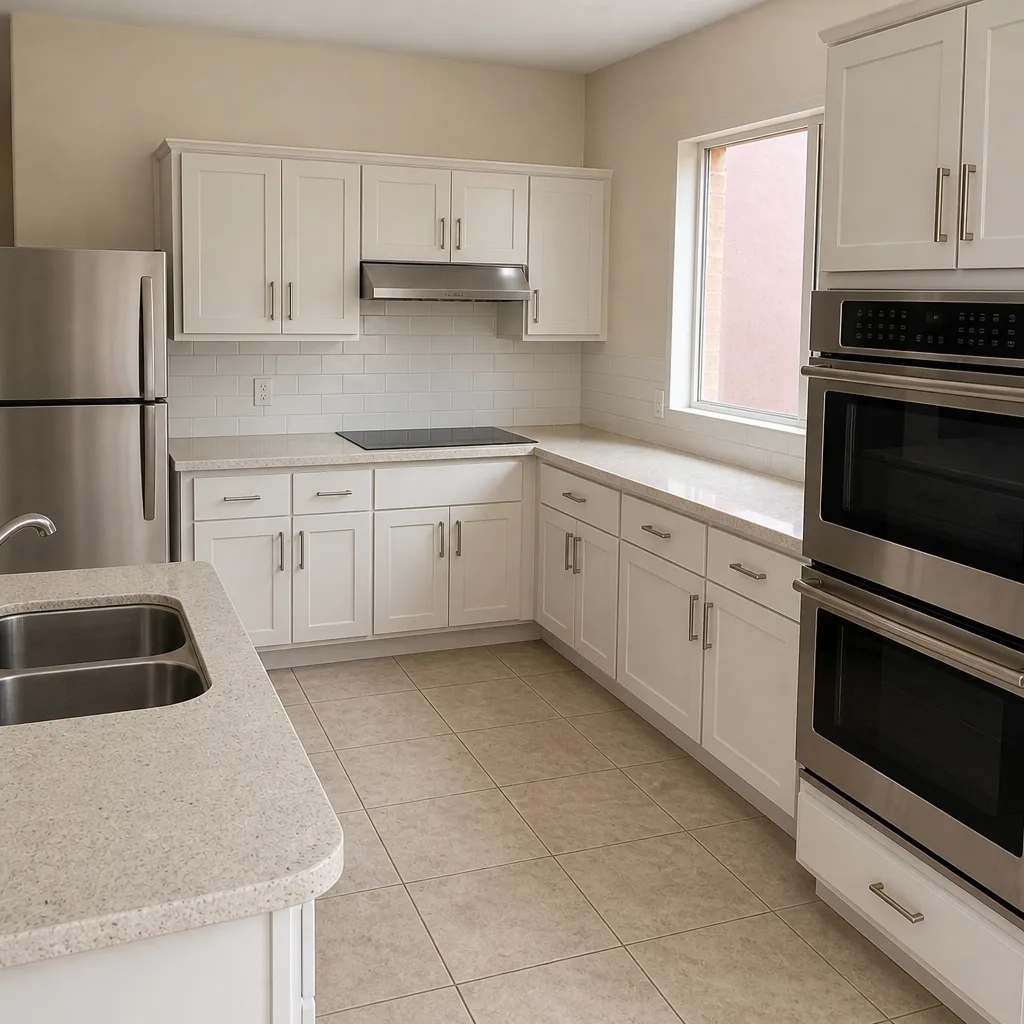
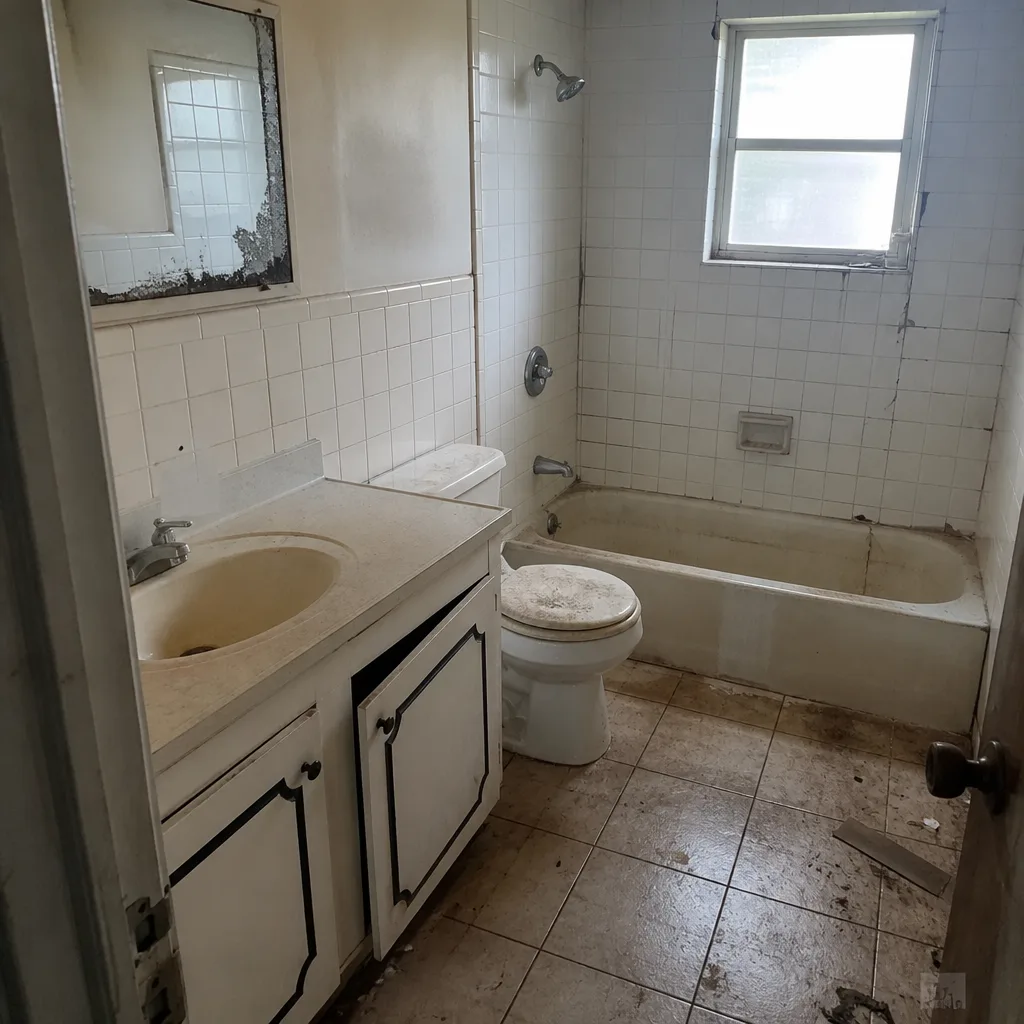
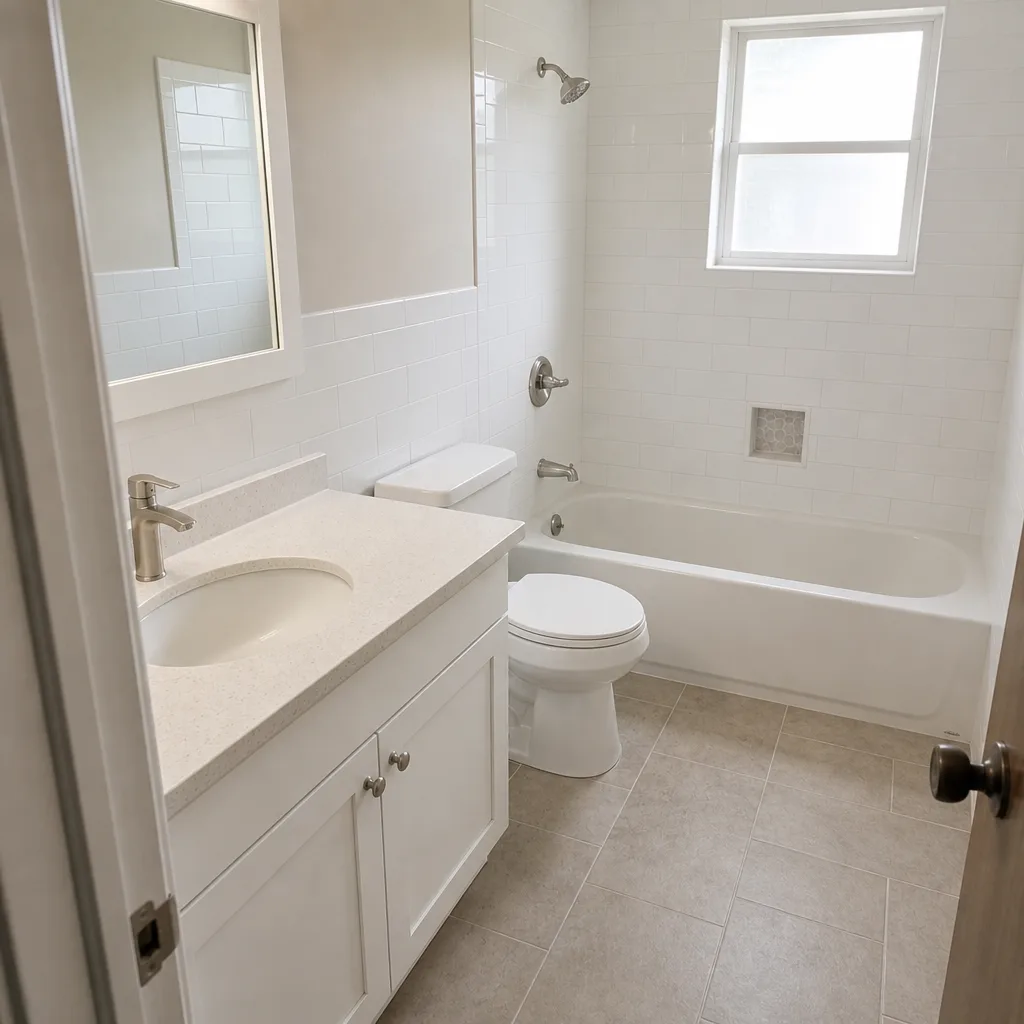
See the difference
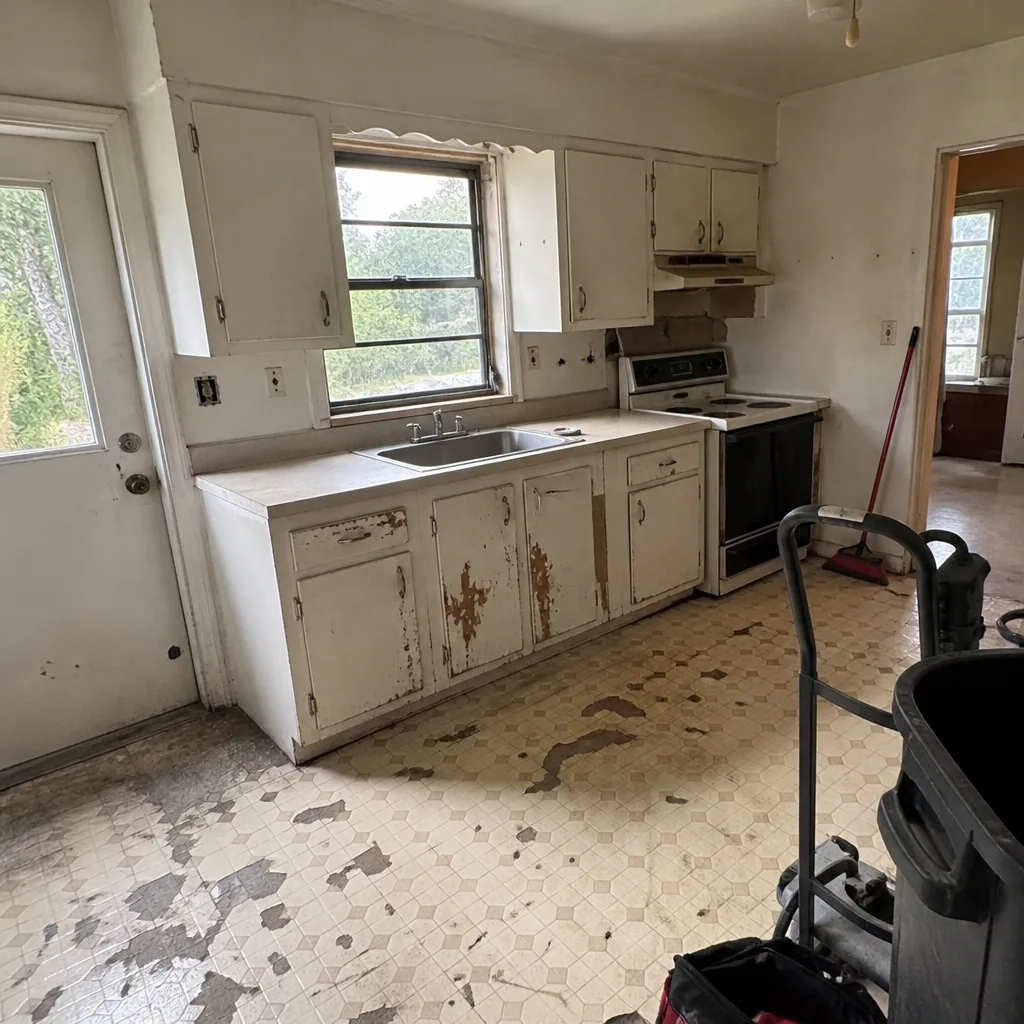 Before
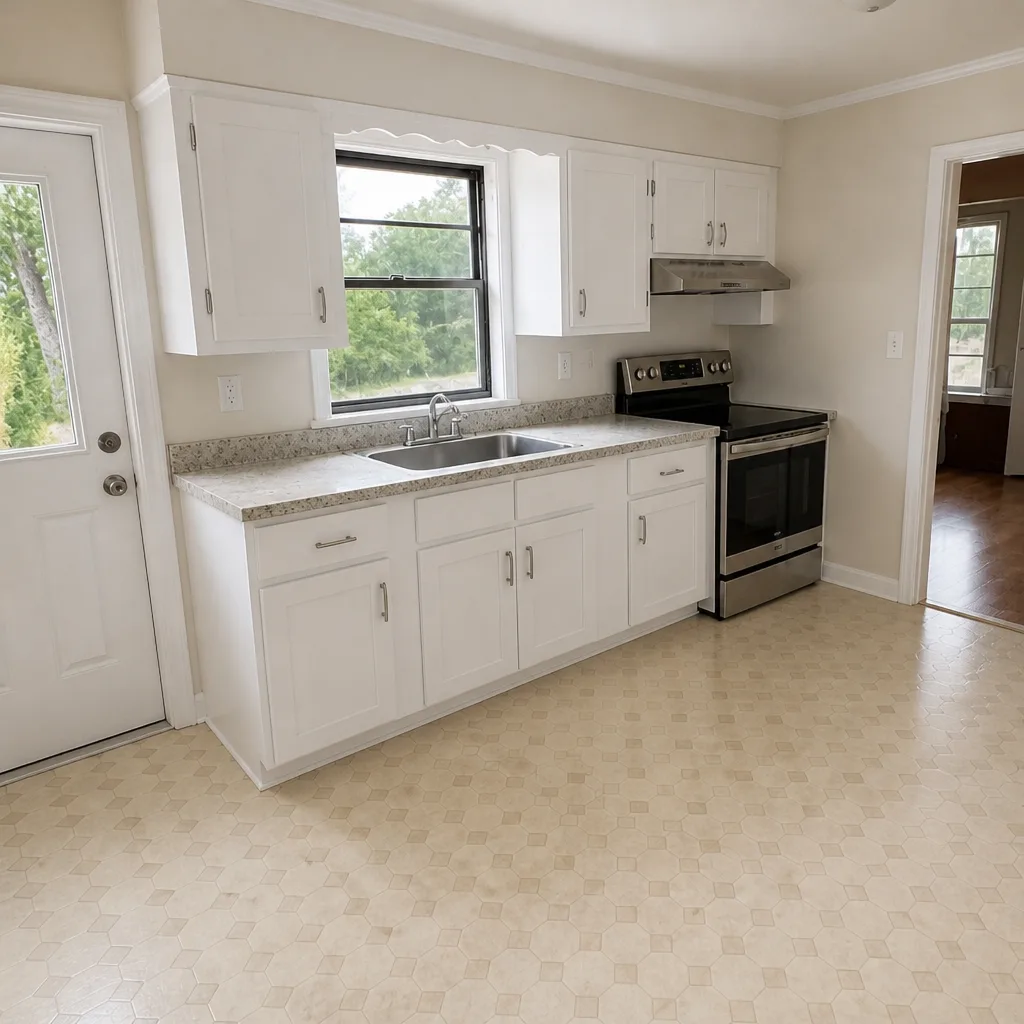 After
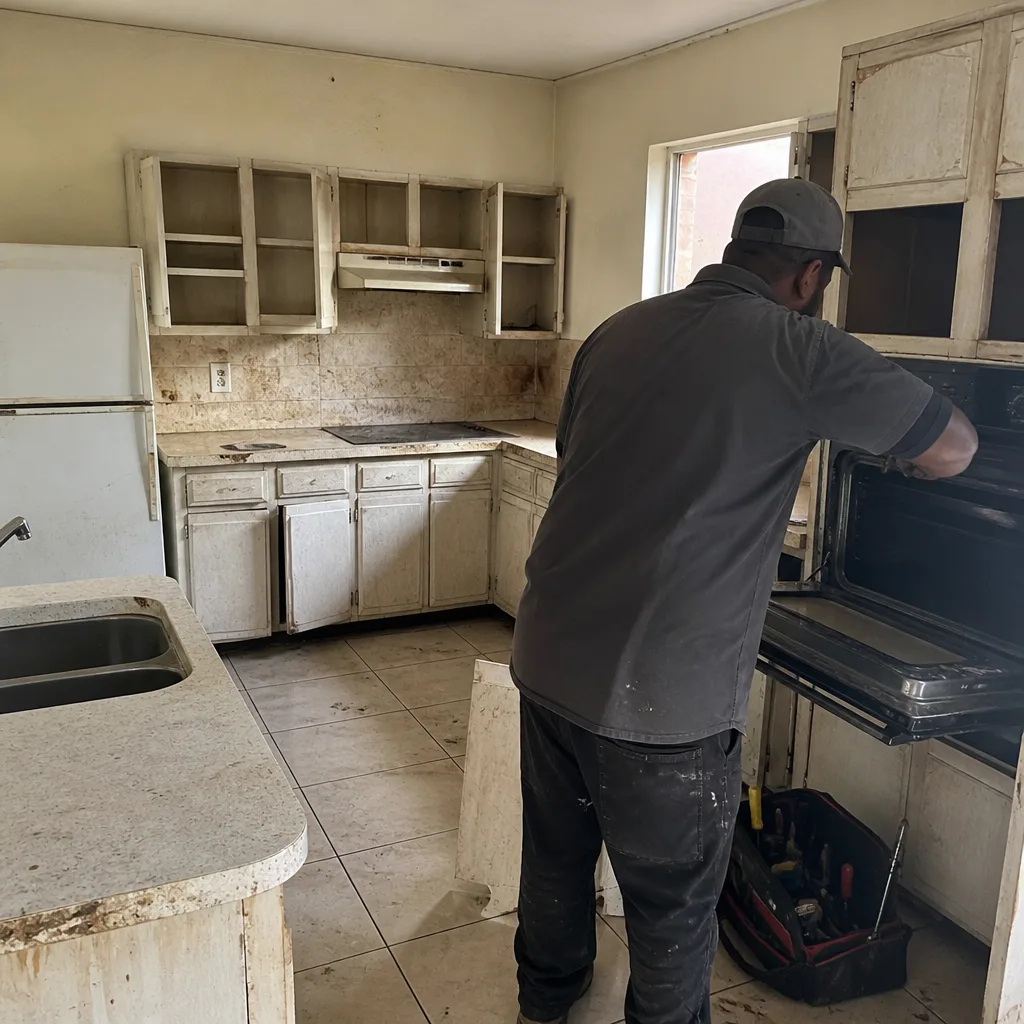 Before
 After
 Before
 After
When to Call a Professional
If your project is a foundation, structural, or MEP addition in Homestead, this is not a scope for owner-builder work – the engineering, permit, and inspection chain alone will burn more time than a professional saves. Call a professional when: you’re adding a footprint to an existing structure, when the addition touches your roof or wind-load envelope, when the project requires a Miami-Dade permit, or when a contractor has quoted you a timeline without a written schedule and you need a second opinion on it. Rowan Construction Group Homestead offers a free second opinion on any written estimate – hand us a competitor’s quote and we’ll review it line by line, at no charge. Call (844) 834-4248 for a free estimate.
Frequently Asked Questions
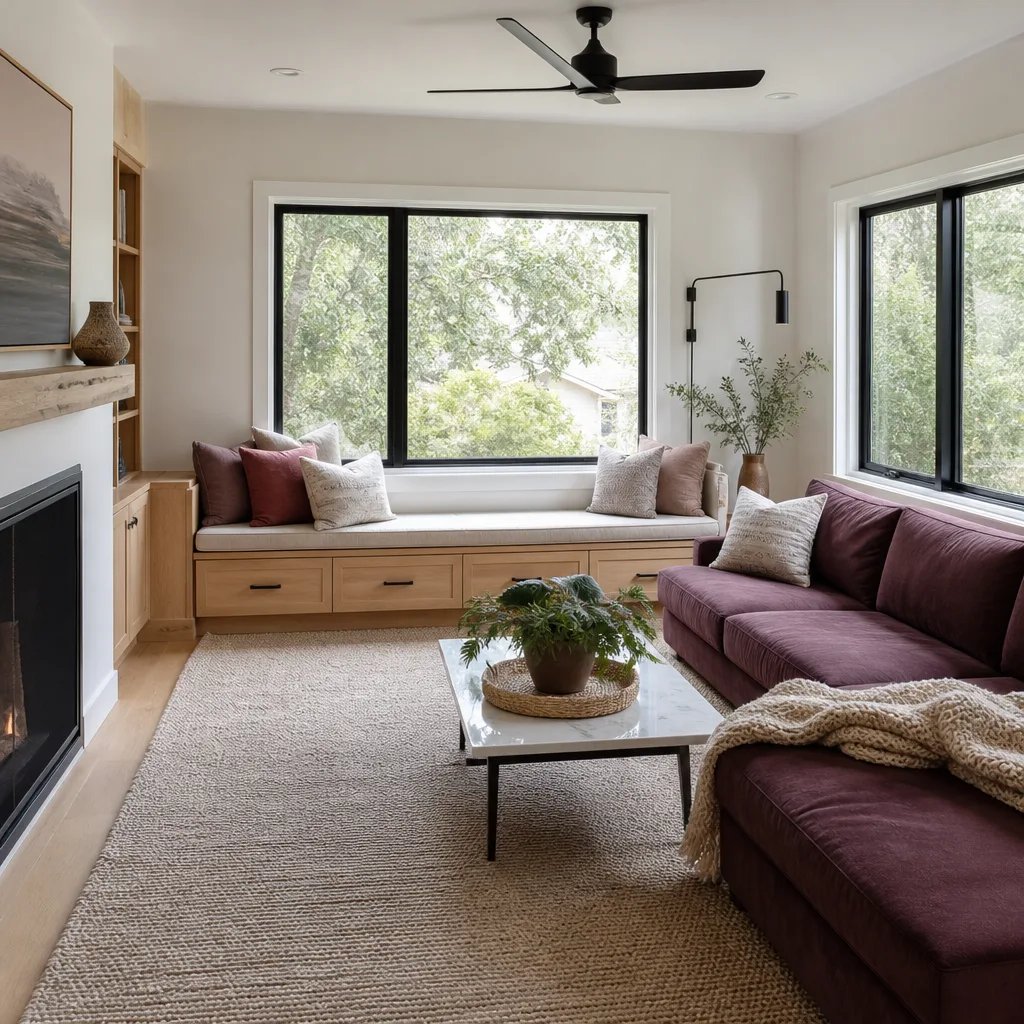
A ground-level addition in Florida typically takes 6 to 9 months from signed design to final inspection, of which 3 to 6 months is construction and 3 to 4 months is pre-construction, permit review, and inspection scheduling. In Homestead, that range holds, though permit review fluctuates with the South Dade queue. Call (844) 834-4248 for an exact timeline for your project – estimates are free.
Ground-level additions in the Homestead market typically run $240 to $350 per square foot finished, and ADUs run $220 to $320 per square foot, depending on finish level and utility work. A standalone ADU with separate metering often lands toward the higher end. Call (844) 834-4248 for a line-item written quote – not a per-square-foot estimate.
Not without a signed change order. Under the Haven Standard, no work proceeds on any change until the change order is signed – that’s the discipline that has kept our projects within a few percent of the agreed cost across 4,000-plus jobs. You get the price in writing before work starts, and you approve every change in writing before it happens.
Yes. Permit applications, plan submission, and inspection coordination are part of the written scope – you won’t be the one chasing the building department. We tell you in the schedule which permit events are ours to drive and which are yours (an updated survey, for example).
A detached ADU in Homestead typically runs $180,000 to $320,000 total, driven mostly by utility trenching, separate metering, and finish level. That includes design, engineering, permit review, construction, and the inspection chain through Certificate of Occupancy. Call (844) 834-4248 for a written line-item quote on your property.
Sometimes. Express review compresses the review window meaningfully – typically by 2 to 4 weeks – but it doesn’t guarantee approval, and it doesn’t touch your revision cycle or your material lead times. It’s a real tool, not a cure-all. Ask your contractor whether express review is priced into the schedule or not.
The Bottom Line
The gap between the weeks a contractor quotes and the months you actually live through is almost entirely made of three things: permit review, revision cycles, and material lead times. A ground-level addition in Homestead runs 6 to 9 months end to end; an ADU runs 8 to 12. The way to trust a number is to ask for the written schedule that ties milestones to permit events, shows the revision allowance as its own line, and dates material orders against the permit rather than the calendar. A written price before work starts, and a signed change order before any change proceeds – that’s the standard. Under our 365-Day Done Right Promise, if it’s not done right, we make it right. Call (844) 834-4248 to schedule your free estimate, or bring a competitor’s written quote for a free second opinion.
Written by the team at Rowan Construction Group Homestead.