Last updated November 17, 2026


Free written scope consultation - allowances, timeline, and change-order rules on paper before a single trade is scheduled
How Long Does Windows & Doors Take? Timelines and What to Expect
A window and door replacement that takes a crew one day to install can take six weeks total. Four of those weeks are permit processing, product fabrication lead time, and inspection scheduling, and none of that is something a homeowner can speed up by calling more often. In Homestead, where nearly every unit needs Miami-Dade impact-rated product and a rough-in inspection before anything gets closed up, the calendar is shaped less by the install and more by the paperwork around it. This guide lays out each phase in order, gives real date ranges for a typical 10-window, 2-door job, and shows you which parts of the schedule you actually control.
Quick Answer
Plan on 5 to 7 weeks from signed contract to final inspection for a typical window and door replacement in Homestead. Installation itself is usually 1 to 3 days depending on opening count, but Miami-Dade permit review (currently running 2 to 3 weeks), impact-window fabrication (4 to 6 weeks for custom-measured units), and inspection scheduling account for most of the elapsed time. If you select an in-stock product line and have HOA approval in hand before submittal, a job can move in closer to 4 weeks.
Styles & brands we work with
- Kitchen remodeling
- Bathroom remodeling
- Home additions & ADU
- Roofing
- Windows & doors
- Driveway & pavers
- Fence
Table of Contents
- The Six-Week Reality: A Phase-by-Phase Timeline
- Why Impact Windows Are Custom-Made and What Fabrication Time Means
- The Sequence Problem: Inspection Before Casing and Stucco
- What You Control That Compresses the Timeline
- A Realistic Contract Schedule for 10 Windows and 2 Doors in Homestead
- Installation Days: What Determines 1 vs. 3
- Inspection Scheduling and Permit Closeout
- Common Mistakes to Avoid
- When to Call a Professional
The Six-Week Reality: A Phase-by-Phase Timeline
The most useful thing we can do for a Homestead homeowner planning a replacement is show the calendar in pieces. A single completion date tells you nothing about when you’ll be without a window, when a crew will be in your house, or when the final inspection clears.
Here’s how the phases stack up for a typical impact window and door project in Homestead:
- Contract and shop drawing approval (3 to 7 days). You sign the quote, we produce a shop drawing for each opening with exact measurements and product specs, and you approve it. This is the single most compressible phase if you turn the drawing around in 48 hours.
- Permit submittal to approval (2 to 3 weeks). Miami-Dade County processes window and door permits through its ePlan system. Product approval numbers, wind-load calculations, and drawing sets get reviewed. Product with the correct Miami-Dade NOA (Notice of Acceptance) moves faster; product without one does not move at all.
- Fabrication and delivery (4 to 6 weeks for custom impact units, 1 to 2 weeks for stocked lines). This runs concurrently with permit review, which is why the two together are the long pole of the schedule.
- Installation (1 to 3 days). Crew on site, old units out, new units set, flashed, and sealed.
- Rough-in / framing inspection (2 to 5 business days for scheduling). The inspector verifies anchoring, flashing, and rough opening before anything gets buttoned up.
- Interior casing and stucco patching (1 to 3 days). Only after inspection passes.
- Final inspection and permit closeout (3 to 7 business days). The permit closes, and you have documentation for insurance and resale.
Add it up and you land at 5 to 7 weeks. In our experience across Homestead jobs, the permits and product are almost never the same length, and whichever is slower sets the start date.
Why Impact Windows Are Custom-Made and What Fabrication Time Means
Walk into a big-box store and you can carry out a sliding glass door for a screen porch. You cannot carry out an impact-rated window for a Miami-Dade home. Every unit is built to the measured dimensions of its opening, with laminated glass, a specified frame system, and a NOA number that ties the product to a wind-load rating. There is no warehouse shelf in Homestead with your window on it.
That means fabrication time is baked into every schedule:
- Custom impact units: 4 to 6 weeks is standard. Lines like PGT WinGuard and CGI Sentinel fall in this window for a 10-opening job.
- Stocked-impact lines: 1 to 2 weeks when the manufacturer keeps common sizes in distribution. Brands like Sterling offer stocked configurations in some series, and choosing one of these is the fastest single decision you can make.
- Custom color, woodgrain, or non-standard operation: add 1 to 2 weeks on top of standard lead time.
Fabrication runs parallel with permit review, not after it. A contractor who sits on your signed contract for two weeks before ordering is adding two weeks to the calendar; our written scope and Clause 1 pricing mean the order goes in as soon as the drawing is approved. If you’re also planning other exterior work, timing the window order alongside Driveway & Pavers in Homestead or Fence Installation in Homestead can share the permit-processing window and shorten the overall project calendar.
The Sequence Problem: Inspection Before Casing and Stucco
This is where jobs most often go sideways, and it’s the part of the schedule that isn’t visible on the contract.
Miami-Dade requires the rough-in inspection – the check of anchoring, flashing, sill pan, and rough opening – to pass before interior casing or exterior stucco patching covers the work. That’s a hard sequence. It is not a courtesy. If a contractor installs windows, immediately cases them inside, patches the stucco outside, and then calls for inspection, three things happen:
- The inspector fails the job and requires the casing and stucco to be opened back up.
- The homeowner is now looking at a repaired wall, not a finished wall, because the repair isn’t the same finish as the original.
- The permit sits open. Insurance carriers and title companies care about open permits, and you can’t close out a permit with work buried behind drywall.
In our experience, this failure happens most often with out-of-area crews who aren’t used to the Miami-Dade inspection cadence. The fix is boring: don’t schedule casing or stucco until the inspection record shows a pass. That one rule protects the finish and keeps the permit clean. If you’re layering a window replacement into a larger scope, such as a Home Additions & ADU in Homestead or a kitchen addition, the inspection sequence for each trade has to interlock with the others – which is why a single schedule with milestone dates matters more than a completion date.
What You Control That Compresses the Timeline
Most of the timeline is outside your hands. A meaningful chunk isn’t. The three decisions on this list can shave 2 to 3 weeks off a Homestead project if you make them early, and everything on it is a decision, not a payment.
- Have HOA approval in hand before permit submittal. If you live in a Homestead community with architectural review – many of the subdivisions off Southwest 312th and the neighborhoods near Biscayne Bay have them – the HOA approval typically takes 2 to 4 weeks and cannot be submitted to Miami-Dade in parallel with the permit. Get it first. We’ve seen projects lose three weeks this way, and it’s the single most common avoidable delay.
- Select a stocked product line. If your opening sizes and wind-load rating allow it, ask specifically about stocked sizes. A Sterling stocked series can arrive in 1 to 2 weeks versus 4 to 6 for custom. You trade a narrower selection for a materially shorter schedule.
- Approve the shop drawing within 48 hours. The drawing is the gate. Once it’s approved, the order goes in and the permit submittal can proceed. If it sits in your inbox for a week, everything downstream moves a week.
Notice what isn’t on this list: picking a brand you saw in a magazine, adding more contractors to the bid, or calling the permit office daily. None of those move the calendar. The three above do.
A Realistic Contract Schedule for 10 Windows and 2 Doors in Homestead
“Completion by April 30” is not a schedule. Here’s what the milestones on a real 10-window, 2-door Homestead replacement contract look like when the product is custom impact and the HOA has already signed off:
- Day 0: Contract signed. Written scope and flat price finalized. Shop drawings started.
- Day 2: Shop drawings delivered to homeowner.
- Day 4: Shop drawing approved. Permit package assembled and submitted to Miami-Dade. Product released to fabrication.
- Day 4 to Day 22: Miami-Dade permit review (2 to 3 weeks). Fabrication of 10 windows and 2 doors in parallel (4 to 6 weeks, finishing around Day 32 to Day 46).
- Day 24 (approx.): Permit issued. Installation date scheduled for when product arrives.
- Day 46 to Day 48: Delivery and installation, 2 to 3 days on site.
- Day 49: Rough-in inspection requested.
- Day 49 to Day 54: Inspection scheduling window (2 to 5 business days is normal).
- Day 54: Inspection passes. Interior casing and stucco patching begin.
- Day 56: Final inspection requested.
- Day 59 to Day 60: Final inspection passes, permit closed, photo record and warranty delivered.
Total: about 60 calendar days, or roughly 8.5 weeks for a job where product is custom and the HOA is already resolved. Tighten the fabrication window with a stocked line and you can trim 2 to 3 weeks. Add a missed HOA approval or a slow shop drawing approval and you add the same amount back. The number to write on the calendar, in Homestead, is 6 weeks for the optimistic case, 8 to 9 weeks for the full custom case.
Installation Days: What Determines 1 vs. 3
The installation portion is the shortest part of the schedule, but it’s also the part most homeowners care about because the crew is in the house. Here’s what changes the day count:
- Opening count. A typical two-person crew sets 4 to 6 windows per day when access is clear. Ten windows plus two doors is a 2- to 3-day job. Four windows is a single day.
- Door type. A sliding glass door takes longer than a hinged door; a multi-panel slider or a custom entry door adds a half-day to a full day.
- Access and staging. Second-floor units, tight driveways, and landscaping that has to be protected all cost time. We plan staging before the day, not on it.
- Condition of the existing opening. A window set into rotted framing needs more time than one set into sound framing. Stucco damage discovered behind the old unit is the most common surprise in older Homestead homes, and it’s why we inspect the substrate behind the unit during the walk-through rather than during the install.
What doesn’t change the day count: the brand of the glass, the color of the frame, or how many people watch. What does change the day count is the quality of the preparation. A crew that has measured every opening, confirmed the anchor pattern, and staged the units the day before installs faster than one that discovers a sizing problem on the day.
Inspection Scheduling and Permit Closeout
Inspection scheduling in Miami-Dade is not instant. You request the inspection, the county assigns it, and the inspector arrives within 2 to 5 business days in typical conditions, longer during peak building season. Add in the rough-in inspection and the final inspection and you’re looking at 5 to 10 business days of pure scheduling lag across the project. That lag is why a job that “only takes two days to install” lands on a six-week calendar.
Closeout is one more step, and it matters more than most homeowners realize. The permit closes only after the final inspection passes. An open permit is a red flag for insurance carriers and title companies in Homestead, and it can delay a sale or a refinance. Every Rowan Construction Group project delivers the permit closeout record along with the written warranty and the photo record of the inspection – so when an insurance carrier asks for proof of properly permitted impact windows, you have a document, not a memory.
Common Mistakes to Avoid
- Booking the install before the product is confirmed in fabrication. A crew that shows up before the units arrive is a two-week setback. Confirm the delivery date in writing before scheduling the install.
- Letting the contractor case and patch before the rough-in inspection. This is the cardinal sin in Miami-Dade. If the casing goes on before the inspection passes, the inspection will require it opened back up, and you’ll pay for the same work twice.
- Skipping the HOA approval step in Homestead subdivisions with architectural review. If the community requires approval before submittal, submitting the permit first gets you nothing but a rejected application and a lost month.
- Choosing product without a Miami-Dade NOA number. Product without a current Notice of Acceptance fails permit review. This is not a documentation formality; it’s a legal requirement for impact-rated openings.
- Accepting a verbal completion date instead of a milestone schedule. A single “finish by” date can be met even if the house sits with open walls for a month. Insist on the milestone list, in writing, with dates attached.
- Assuming the quote is the price. A quote that doesn’t itemize permit fees, inspection fees, patching, and disposal is not a quote, it’s an opening bid. Under Clause 1 of The Haven Standard, the price is written before anyone starts, itemized and flat.
- Failing to keep the permit closeout record. Homestead insurers and title companies will ask for it. Keep the closeout, the photo record, and the written warranty together in one folder.
See the difference
 Before
 After
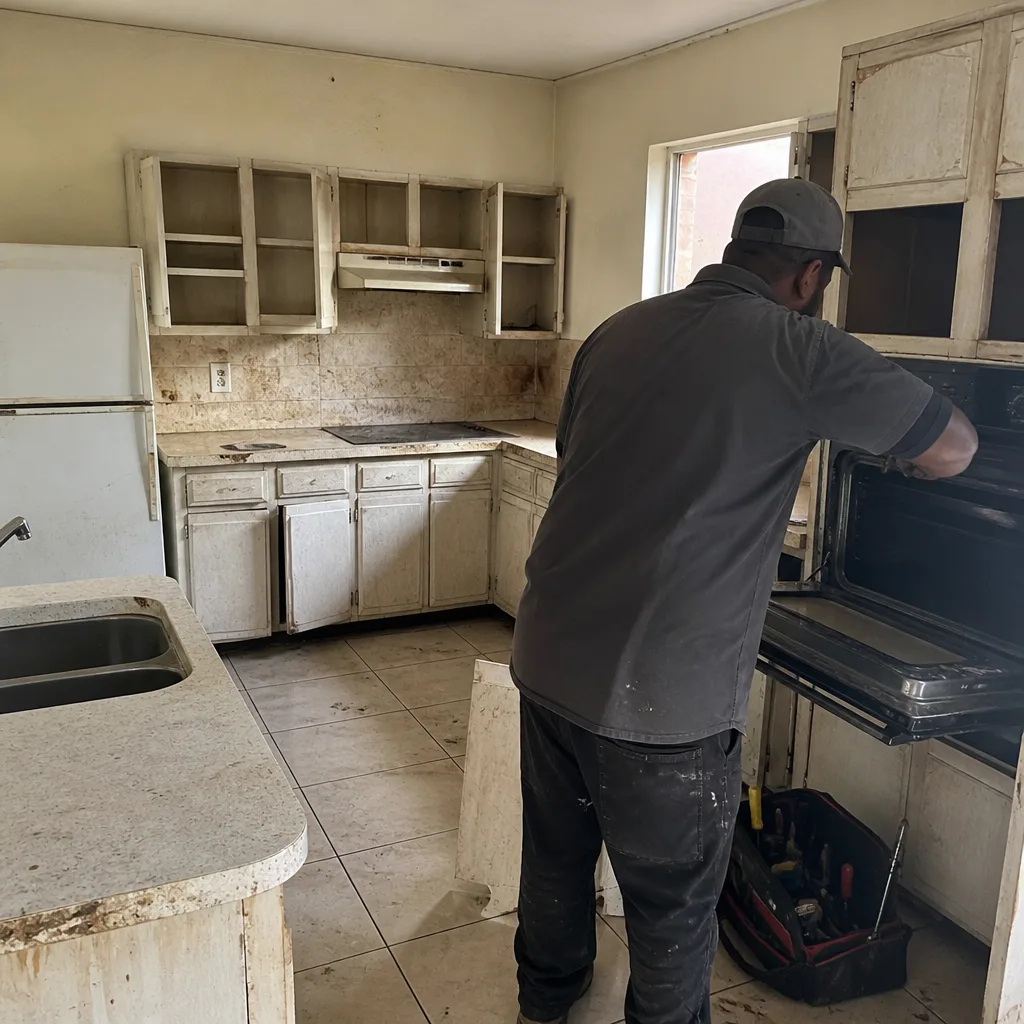 Before
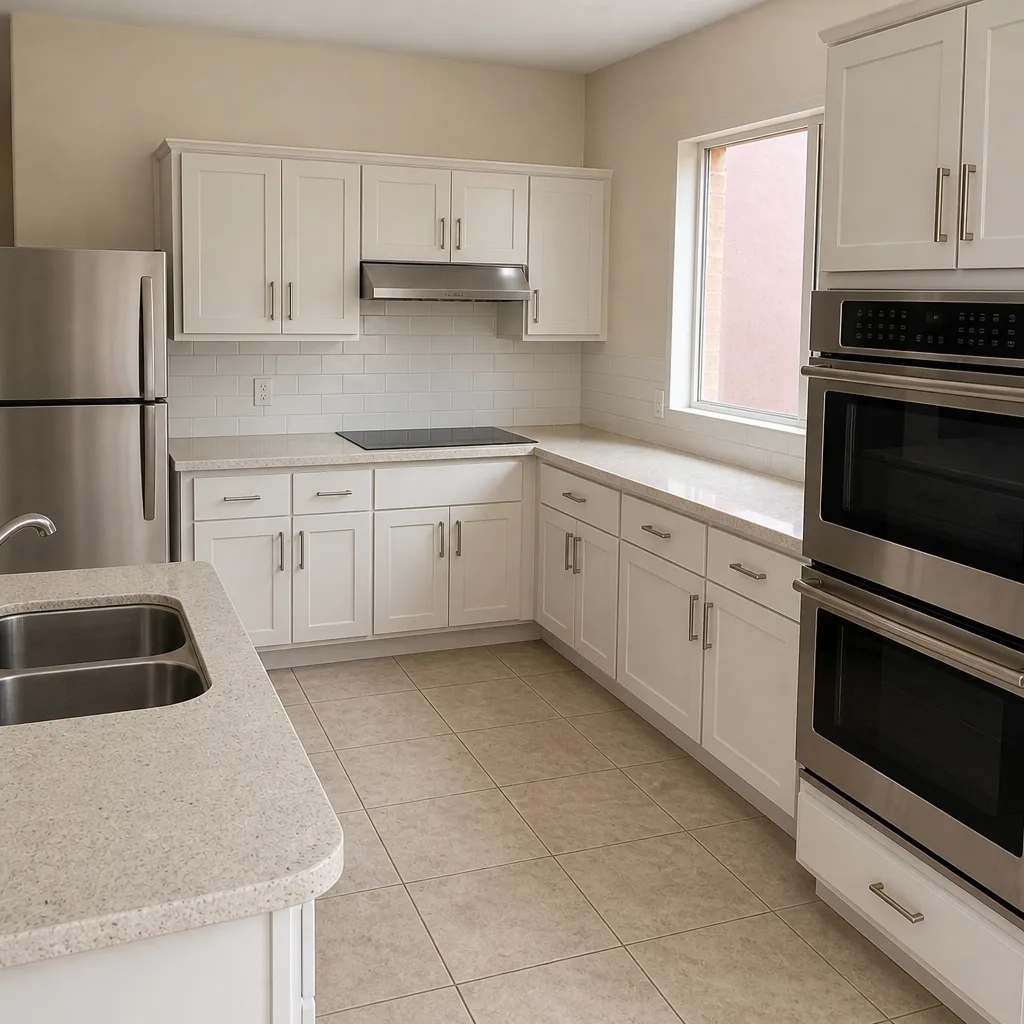 After
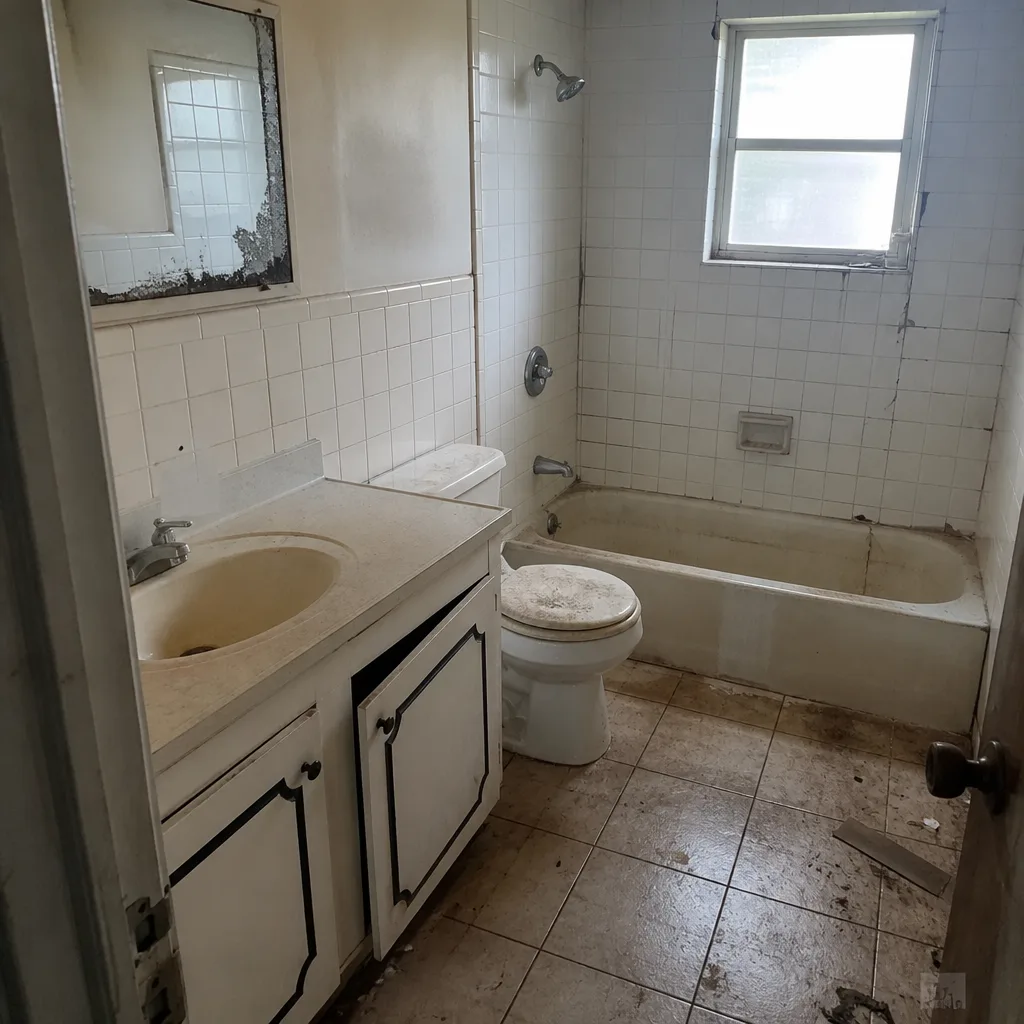 Before
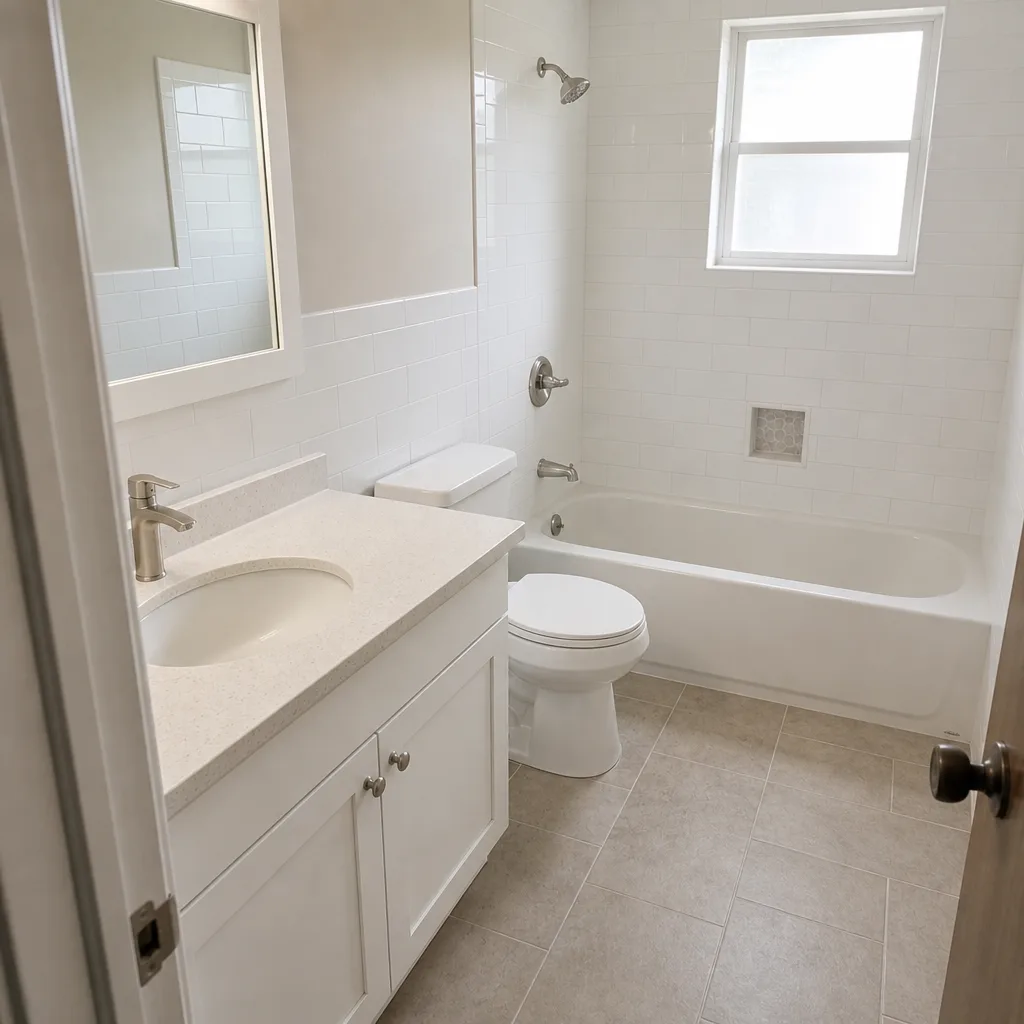 After
When to Call a Professional
If you’re still deciding whether to replace or repair, the answer usually depends on the condition of the frame and the glass. Call a professional if you see fogging between the panes, condensation inside a sealed unit, daylight through a closed frame, or stucco cracking around an opening – each of these suggests a unit failure, not a trim repair. Call us before signing a contract if you’re unsure whether your product has the Miami-Dade NOA number it needs, if the quote you received has no milestone schedule, or if you’re considering a scope change mid-project. A free second opinion on any written estimate is a standing offer here – we’ll review a competitor’s quote line by line at no charge, so you can compare a real number to a real number. Get the broader picture of what Rowan Construction Group delivers home by home at Rowan Construction Group Homestead home, and Rowan Construction Group Homestead offers free estimates in Homestead – call (844) 834-4248.
Frequently Asked Questions
Plan on 5 to 7 weeks total, with 1 to 3 of those days being the actual installation. The rest is Miami-Dade permit review, product fabrication, and inspection scheduling. Custom impact product and a slow HOA approval push it toward 8 or 9 weeks; stocked product with HOA approval already in hand can land closer to 4 or 5 weeks. Call (844) 834-4248 for an exact timeline on your opening count.
Because the installation is the last thing in a long sequence, not the whole of it. The permit is processed, the product is fabricated to the measured dimensions of each opening, the inspection is scheduled between the install and the finish work, and the final inspection and closeout finish the job. A crew on site is the fastest part of the project and the last to happen in most cases.
Most do. Impact-rated windows for a Homestead home are built to the measured dimensions of the opening with a NOA number attached to the specific product and frame system. Stocked impact lines do exist – brands like Sterling offer some stocked configurations – and they can shorten the schedule from 4 to 6 weeks to 1 to 2 weeks if your opening sizes and wind-load rating allow them. Ask specifically whether a stocked line is available for your openings.
The rough-in inspection in Miami-Dade must pass before interior casing or exterior stucco patching covers the anchoring and flashing. If it’s skipped, the inspector will require the work to be opened back up before signing off – and you’ll pay to redo the finish. There’s no shortcut here that is cheaper than doing it in the right order.
Yes, meaningfully. Fabrication is the longest single phase on the custom schedule. Moving from custom impact units to a stocked line can cut 2 to 4 weeks from the calendar. The trade-off is a narrower selection of sizes and styles. If your openings match standard sizes, the stocked route is usually the right call.
The permit closes only after the final inspection passes, typically a few days after the finish work. An open permit is a red flag for insurance carriers and title companies, and it can delay a closing or refinance. Every Rowan Construction Group project delivers a permit closeout record alongside the written warranty and the photo record, so the paperwork is in your hand when someone asks for it.
The Bottom Line
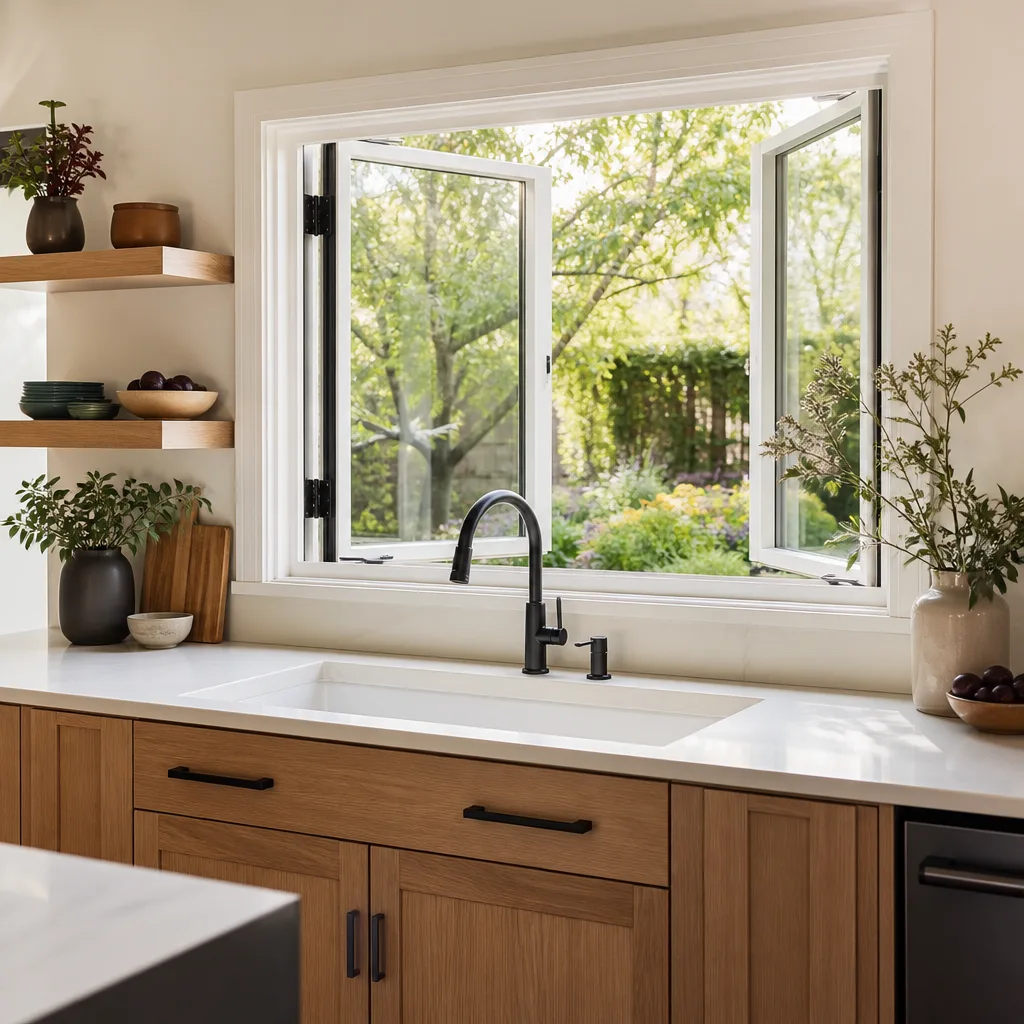
Window and door replacement in Homestead takes 5 to 7 weeks from signed contract to closed permit, with installation being only 1 to 3 of those days. Miami-Dade permit review runs 2 to 3 weeks, custom impact fabrication runs 4 to 6, and inspection scheduling adds another 5 to 10 business days across the project. The three decisions you control – HOA approval before submittal, choosing a stocked impact line when the openings allow it, and approving the shop drawing within 48 hours – can cut 2 to 3 weeks off the calendar. The rest is discipline: a written milestone schedule, casing and stucco only after inspection, and a closed permit at the end. If you want a written price with a real schedule before you sign anything, call (844) 834-4248 for a free estimate. The price is written before anyone picks up a tool, and every visit leaves you with a photo record of what was found and what was done.
Written by the team at Rowan Construction Group Homestead.