Last updated November 17, 2026


Free written scope consultation - allowances, timeline, and change-order rules on paper before a single trade is scheduled
How to Hire a Construction Contractor in Homestead: A Step-by-Step Guide
Florida’s Department of Business and Professional Regulation revoked or suspended more than 1,400 contractor licenses in a recent 12-month period. Most of those failures were visible on the DBPR website months before any homeowner signed a contract. Checking a license number in Homestead takes about 90 seconds – but the check only works if you know to verify that the license type matches the actual work being proposed. This guide replaces “get three bids” with a document-by-document vetting sequence: what to pull, what to read, and what to require before you sign.
Quick Answer
To hire a contractor in Homestead, verify the license at the DBPR website and confirm the license type matches the scope of work, collect a certificate of insurance naming you as additional insured, insist on a written contract with inspection-milestone payments and a signed change-order clause, and require the correct lien waiver at every payment. Documents protect you; reviews do not.
Styles & brands we work with
- Kitchen remodeling
- Bathroom remodeling
- Home additions & ADU
- Roofing
- Windows & doors
- Driveway & pavers
- Fence
Table of Contents
- Step 1: Verify the License Type, Not Just the Number
- Step 2: Read the Contract Like a Scope Document
- Step 3: The Insurance Certificate That Actually Protects You
- Step 4: The Five-Question Interview Script
- Step 5: Verify Subcontractor Licenses Before You Sign
- Step 6: Read Lien Waivers and Require the Right One
- Step 7: Confirm Who Pulls the Permit
- Common Mistakes to Avoid
- Frequently Asked Questions
Step 1: Verify the License Type, Not Just the Number
Pull up the DBPR license lookup page and type in the license number the contractor gives you. Do not search by business name alone – you want the individual license record. What most Homestead homeowners miss is the license category. A valid license can still be the wrong license for the job.
- Certified General Contractor (CGC): Unlimited scope. Can build or remodel any structure regardless of size, height, or occupancy. This is the license a full addition or ADU in Homestead needs.
- Certified Building Contractor (CBC): Commercial and residential structures under four stories. Fine for most single-family remodels, but cannot take on larger structural work.
- Registered Contractor: County-limited. Can only work in the county where registered, with narrower scope. A registered contractor doing structural work outside their scope is unlicensed work, full stop.
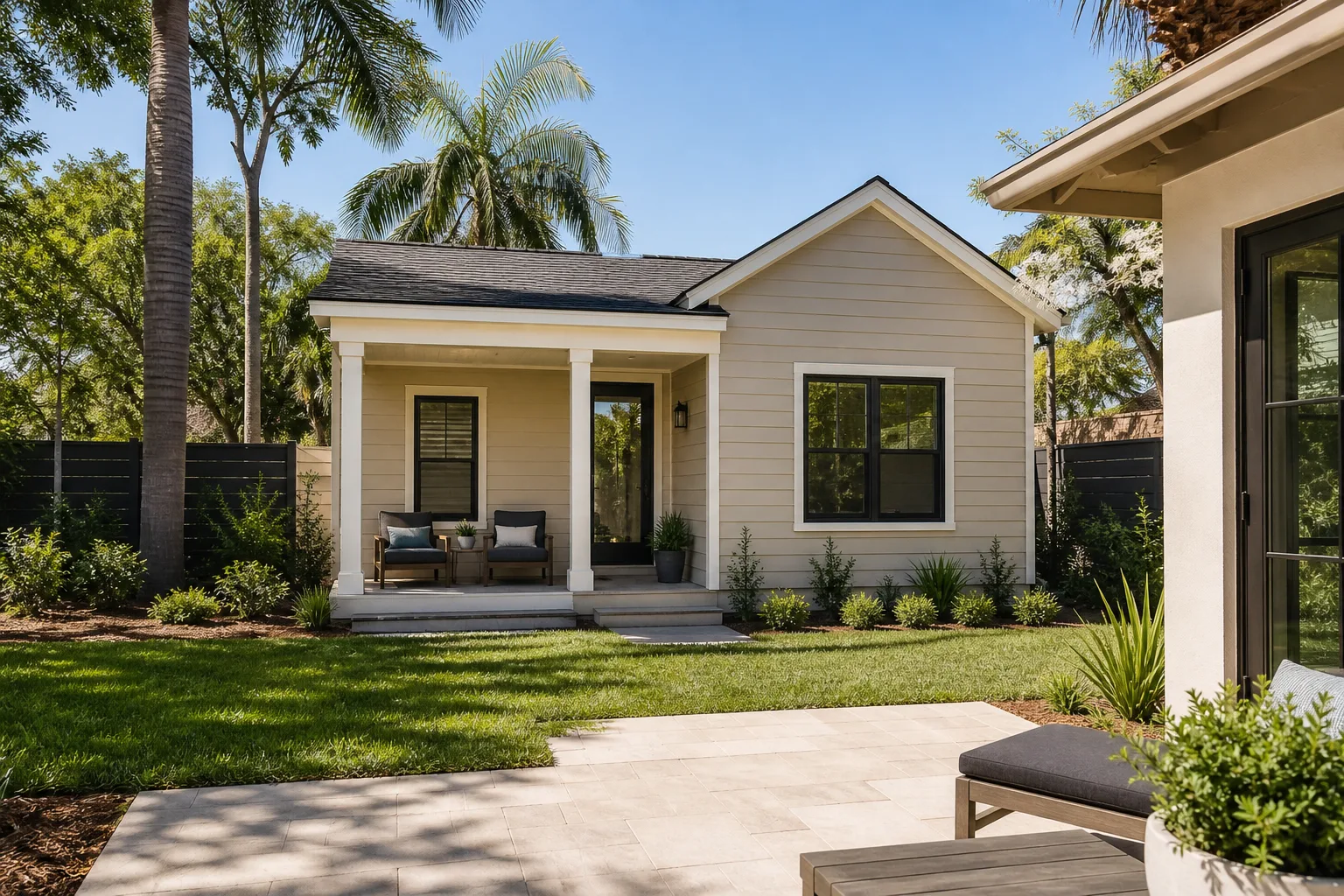
Under Florida Statute 489, hiring an unlicensed contractor can void your homeowner’s insurance claim if something goes wrong, and the contractor’s workers’ comp policy will not cover injuries on your property. The license check matters because a Homestead home built pre-Andrew often carries structural quirks – non-conforming additions, older tie-downs, original single-pane windows – and the wrong license class can’t legally address them. For scope involving structural changes or an addition, look at how a Home Additions & ADU in Homestead project is documented before the first board is nailed.
Step 2: Read the Contract Like a Scope Document
A compliant Miami-Dade residential contract is not a one-page proposal with a price on it. It is a scope document with four elements that must appear in writing. If any of these are missing, ask for a rewritten contract before you sign anything.
- Scope of work by trade. Every trade (framing, roofing, electrical, plumbing, HVAC, drywall, paint, tile) listed separately with what is included and excluded. A lump-sum line item saying “complete bathroom renovation” is not scope; it is a placeholder.
- Payment schedule tied to inspection milestones. Payments should be released when a county inspector signs off, not when a calendar date passes. “30% on start, 30% at demo, 40% at finish” is a red flag because none of those moments are inspected by anyone.
- Change-order clause with a dollar threshold and signature requirement. The clause should state that no work proceeds on a change until the change order is signed by both parties, and it should name the dollar threshold above which a change requires a full written change order – not a verbal yes.
- Lien release language. The contract should state that final payment is conditioned on a final unconditional lien waiver from every sub and supplier. Without this, a supplier can lien your paid job.
In our experience, most budget blowups in Homestead trace to the absence of a signed change-order discipline. Projects finish within a few percent of the agreed price when every change is signed and priced before it happens. If the contractor cannot show you a sample change order, you have your answer.
Step 3: The Insurance Certificate That Actually Protects You
There are two very different pieces of paper a contractor can hand you. Both say “certificate of insurance” at the top. Only one protects you.
A general liability certificate shows that the contractor carries liability coverage. It lists the contractor as the insured. If their crew drops a beam through your roof, the insurer pays – but you are a claimant, not a protected party. The insurer’s job is to protect the contractor, and anything above the policy limit is your problem.
A certificate naming you as additional insured – with a policy endorsement, not just a certificate notation – makes you a protected party under the contractor’s policy. If a loss happens on your property, you have direct rights under their insurance. Ask for the endorsement page, not the certificate alone. Florida contractors can produce this in an afternoon through their carrier; anyone who resists, does not have real coverage.
For Homestead specifically, add two checks: windstorm coverage (Miami-Dade is a High Velocity Hurricane Zone for roofing, and your roofer’s policy needs to reflect that and any roofer without HVHZ-rated materials like GAF or Owens Corning systems is a flag), and workers’ comp. Florida contractors with four or more employees must carry workers’ comp; smaller outfits can qualify for an exemption. If someone gets hurt on your property and the contractor has no workers’ comp, your homeowner’s policy becomes the target.
Step 4: The Five-Question Interview Script
The difference between a contractor who self-performs and one who subs everything is measured in accountability, not price. Ask these five questions and listen for the specific answers, not the polished ones.
- “Who will physically be on my job every day, and what is that person’s name?” A self-performing contractor names a foreman and can tell you their history. A sub-everything contractor says “the plumber will handle that” without knowing who the plumber is.
- “Which trades do you self-perform, and which do you sub?” Legitimate answers are specific: “We frame and finish carpentry in-house; electrical, plumbing, and HVAC are licensed subs we’ve used for years.” Vague answers (“we have a team”) are a warning.
- “Give me the names and license numbers of the subs you’ll use on my job.” Any contractor who cannot produce these on the spot is a contractor who will not produce them later. Verify each sub’s license on DBPR before signing.
- “Who pulls the permit, and whose name is on it?” The answer should be the contractor’s business name, not yours. Permits pulled in a homeowner’s name leave you responsible for the inspection failures.
- “What does a change order look like on your jobs?” Ask for a sample. If they do not have one, they have no change discipline – they have a handshake.
Rowan Construction Group Homestead’s technicians have up to 19 years of experience, and every crew member is background-checked and uniformed before arriving. We bring the answers to these five questions on the first visit, not the third.
Step 5: Verify Subcontractor Licenses Before You Sign
This step is the one that most Homestead homeowners skip, and it is the one that leaves no one legally accountable. When a contractor subs the plumbing, the electrical, and the HVAC, you have four separate companies touching the job – and only the general contractor’s license is the one you originally verified.
Run every sub license number through the same DBPR lookup you used for the GC. Check three things: license status is current, license type matches the work (an electrical sub needs an electrical license, not a general license), and the business name matches the one on the contract or the subcontract. Mismatched names are the signature of a sub who is borrowing someone else’s number.
Also check the permit history. A licensed sub should appear as the qualifier on past permits in Miami-Dade under the same license number. If they have no permit record, they either have no experience in the county or they’ve been working unpermitted – both are disqualifying for a Homestead job that needs inspection.
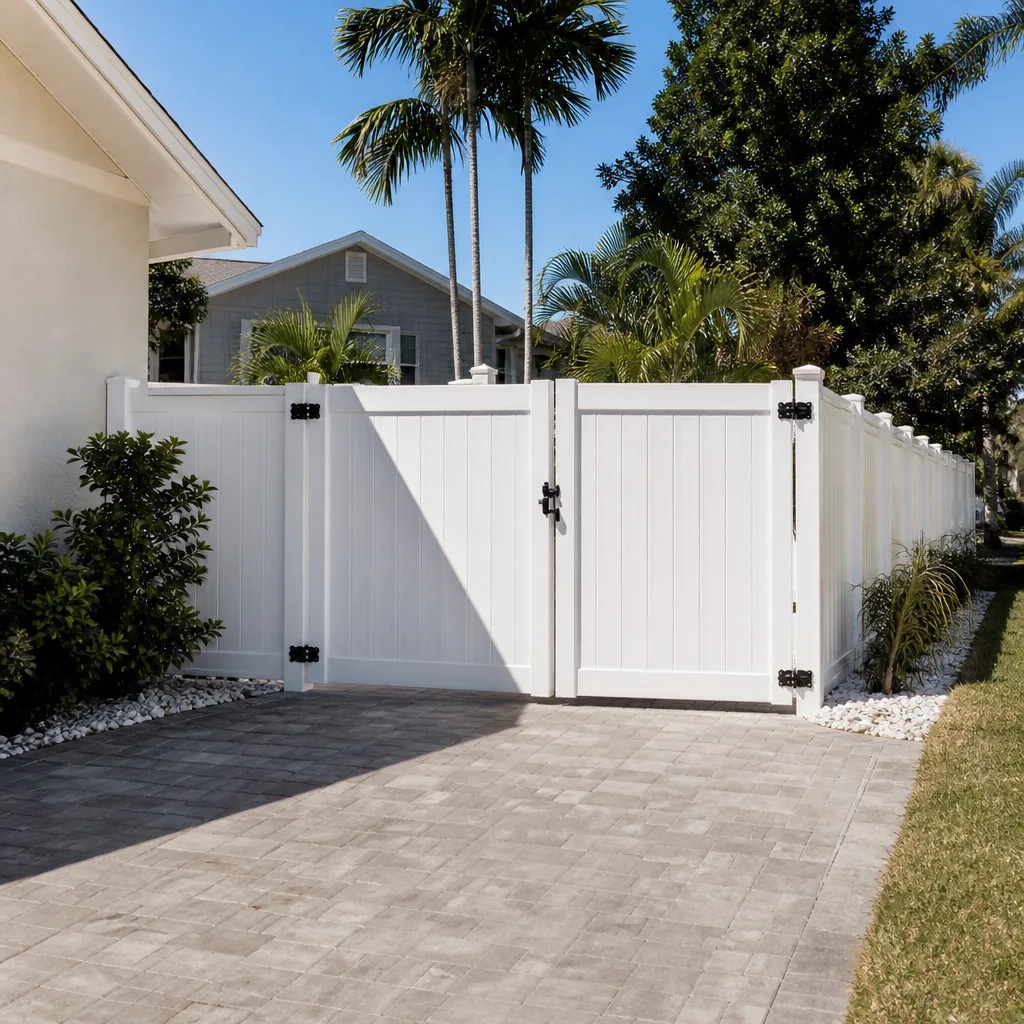
For exterior work that needs inspection too, the same rule applies. A Fence Installation in Homestead job near a canal or a hurricane-zone line requires a licensed installer whose credentials show up in the county system, not just a business card.
Step 6: Read Lien Waivers and Require the Right One
Florida’s construction lien law gives unpaid subs and suppliers the right to lien your property, even after you’ve paid the general contractor. Lien waivers are the mechanism that stops this – but only if you require the right type at the right stage. There are four types, and they do not do the same thing.
- Partial Conditional Waiver: Waives lien rights up to a specific amount, conditioned on the check actually clearing. Use this at every progress payment. If the check bounces, the waiver does not apply.
- Partial Unconditional Waiver: Waives lien rights up to an amount unconditionally, whether or not payment clears. Do not accept this until the check has cleared your bank.
- Final Conditional Waiver: Waives all remaining lien rights, conditioned on the final payment clearing. This is the correct document to collect with your final payment.
- Final Unconditional Waiver: Waives everything permanently. Only accept this after the final check has cleared and the punch list is complete.
Require a partial conditional waiver from every sub and supplier at each progress payment, and a final unconditional waiver from each of them once the work is complete and paid. Get them from the suppliers too – a lumber yard or a roofing material distributor can lien your job the same as a plumber. If the general contractor cannot produce supplier waivers on request, you are exposed.
Step 7: Confirm Who Pulls the Permit
Permits are pulled by the contractor, in the contractor’s name, and the inspection record is your evidence of the work being done right. If a contractor tells you to pull the permit as the homeowner, you become the responsible party for failed inspections and any code issues discovered mid-project. You also lose the inspection record as documentation.
In Homestead, most residential permits are processed through Miami-Dade’s ePermits system, with inspections scheduled through the county. Ask for the permit number before work starts, and check the status at the county portal at each milestone. A contractor who “doesn’t believe in permits” for a job that clearly needs them – structural changes, electrical, plumbing, roofing, additions, fences near the property line – is a contractor who is either unlicensed or cutting corners. Pavers over a concrete driveway often need a permit depending on the scope; a Driveway & Pavers in Homestead job with grading or drainage changes almost always does. When you compare estimates, ask each contractor whether they will pull the permit and pass inspection – the ones who hem and haw are not the ones to hire.
Common Mistakes to Avoid
- Trusting the business name search alone. Search DBPR by license number, not business name. A business can have an active name while the qualifying license has been suspended.
- Accepting a certificate of insurance without an endorsement. A certificate naming you as additional insured means nothing without the carrier’s endorsement page attached. Ask for the endorsement.
- Releasing payment on calendar dates instead of inspections. “30% at start” releases money before anyone has checked the work. Tie every payment to an inspection milestone.
- Skipping the change-order signature. Verbal change approvals are the leading cause of cost overruns in Homestead projects. No signature, no change.
- Forgetting supplier lien waivers. Homeowners collect sub waivers and forget the lumber yard, tile supplier, and cabinet maker can each place a lien. Collect from both.
- Hiring the cheapest bid in a hurricane zone. A low bid usually means cheaper materials – not HVHZ-rated shingles, not James Hardie siding, not KraftMaid cabinets. Ask for the brand names on the bid; the difference is often the reason the number is low.
- Letting the homeowner pull the permit. The permit in your name makes you the responsible party for complaints and inspection failures. The contractor pulls the permit.
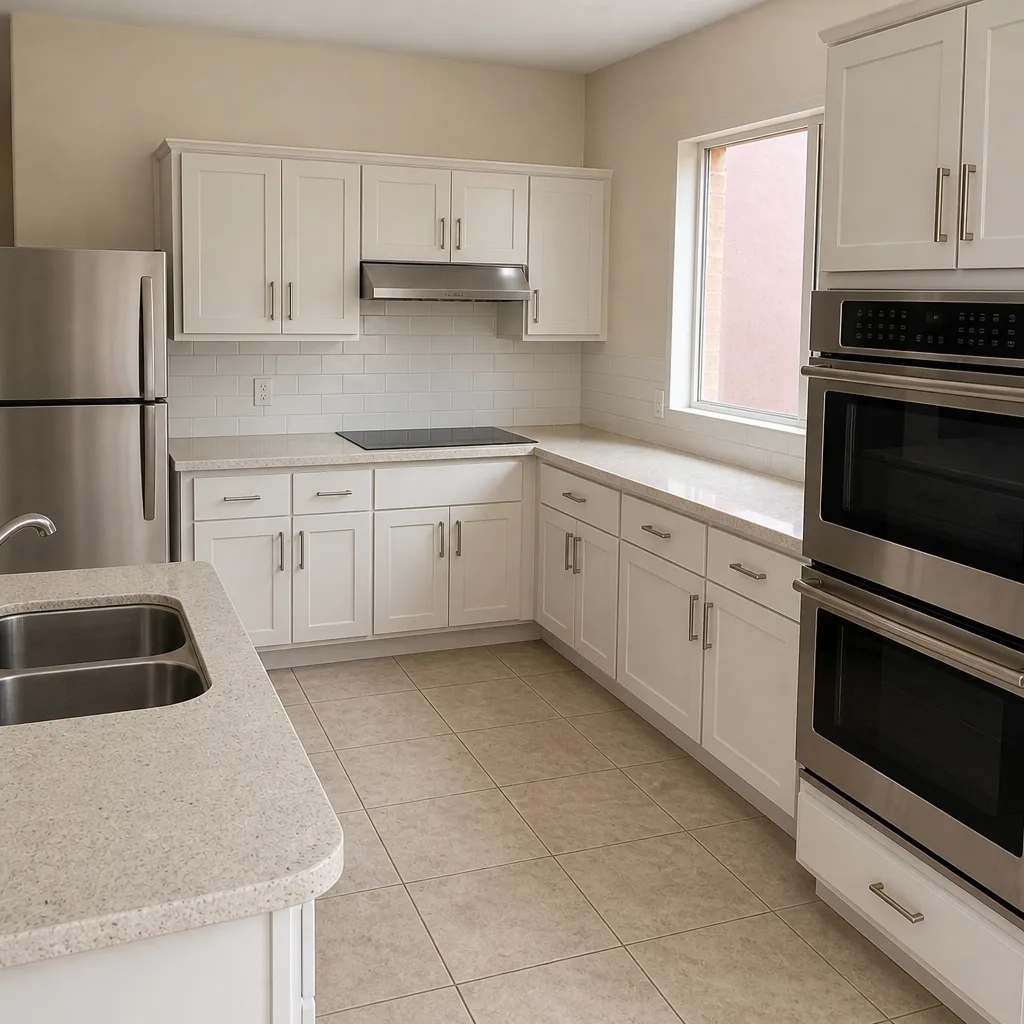
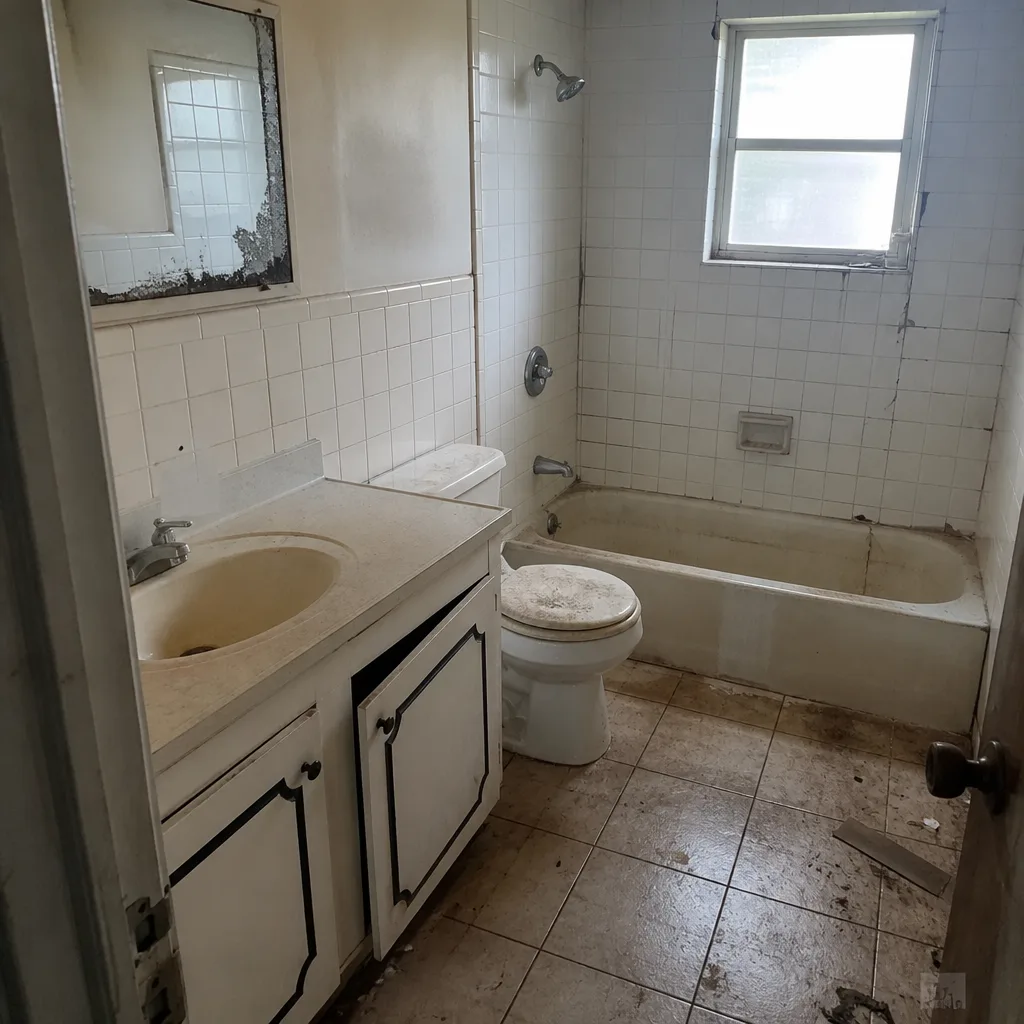
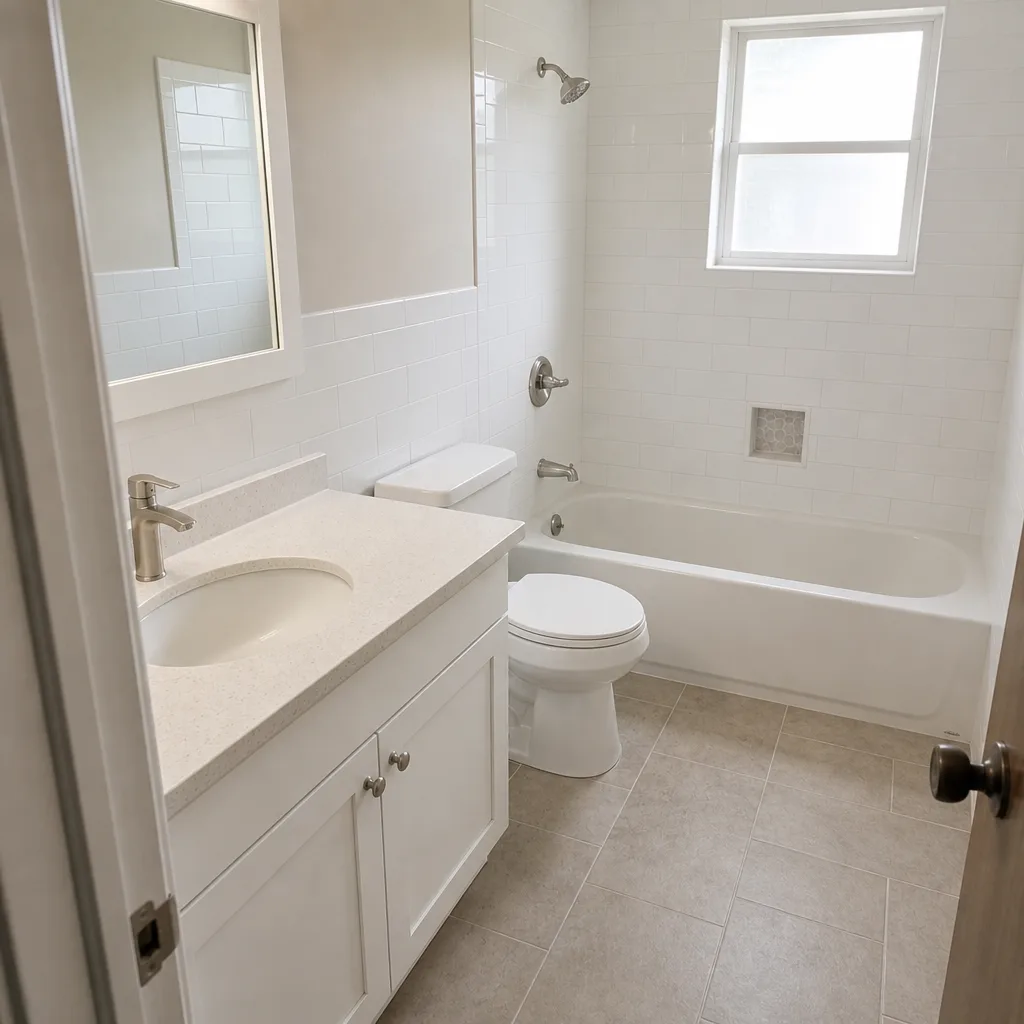
See the difference
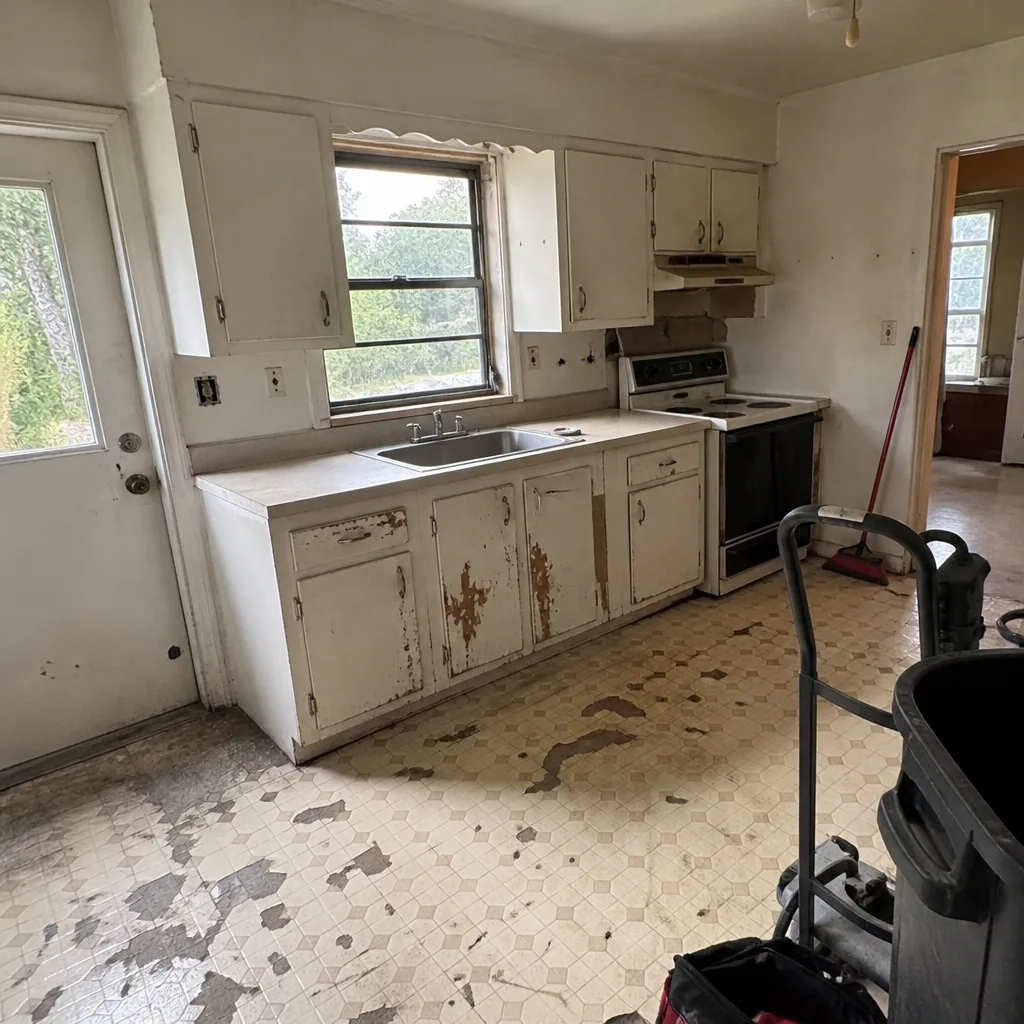 Before
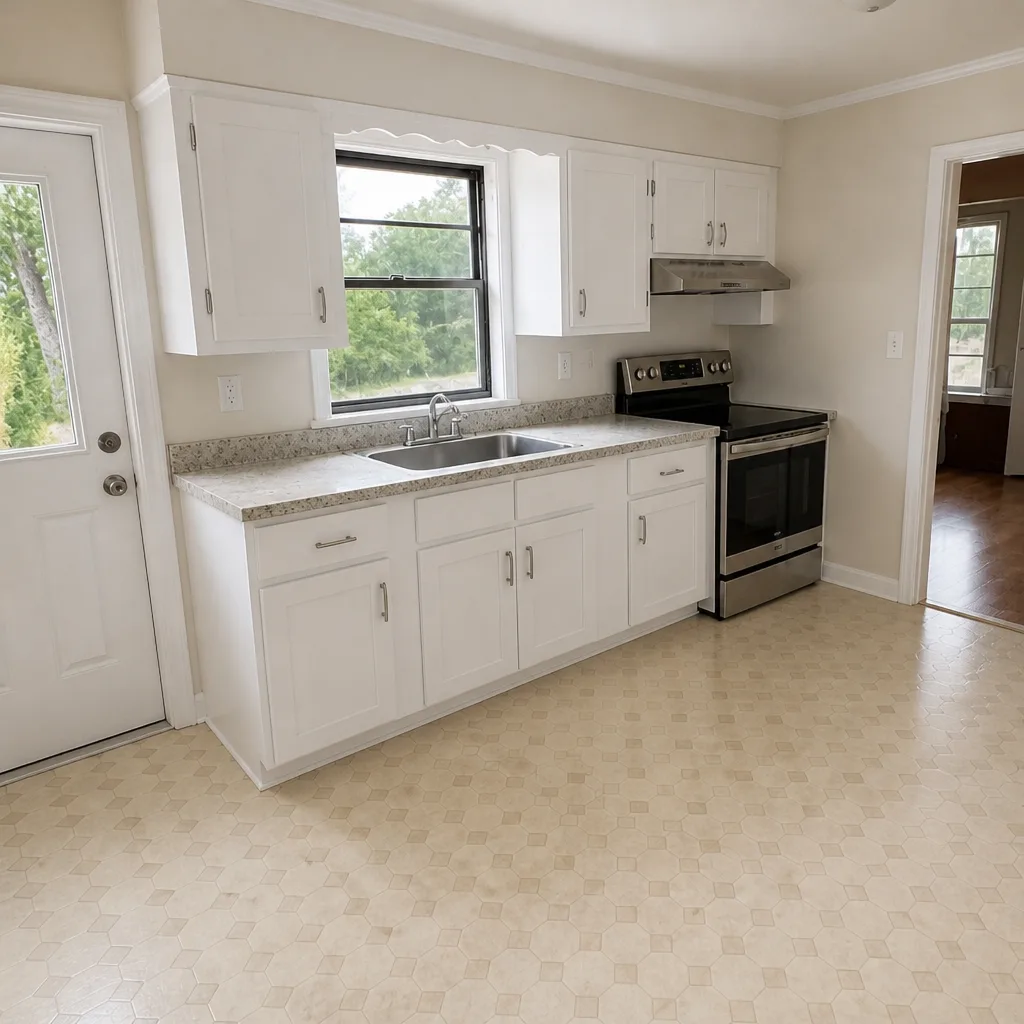 After
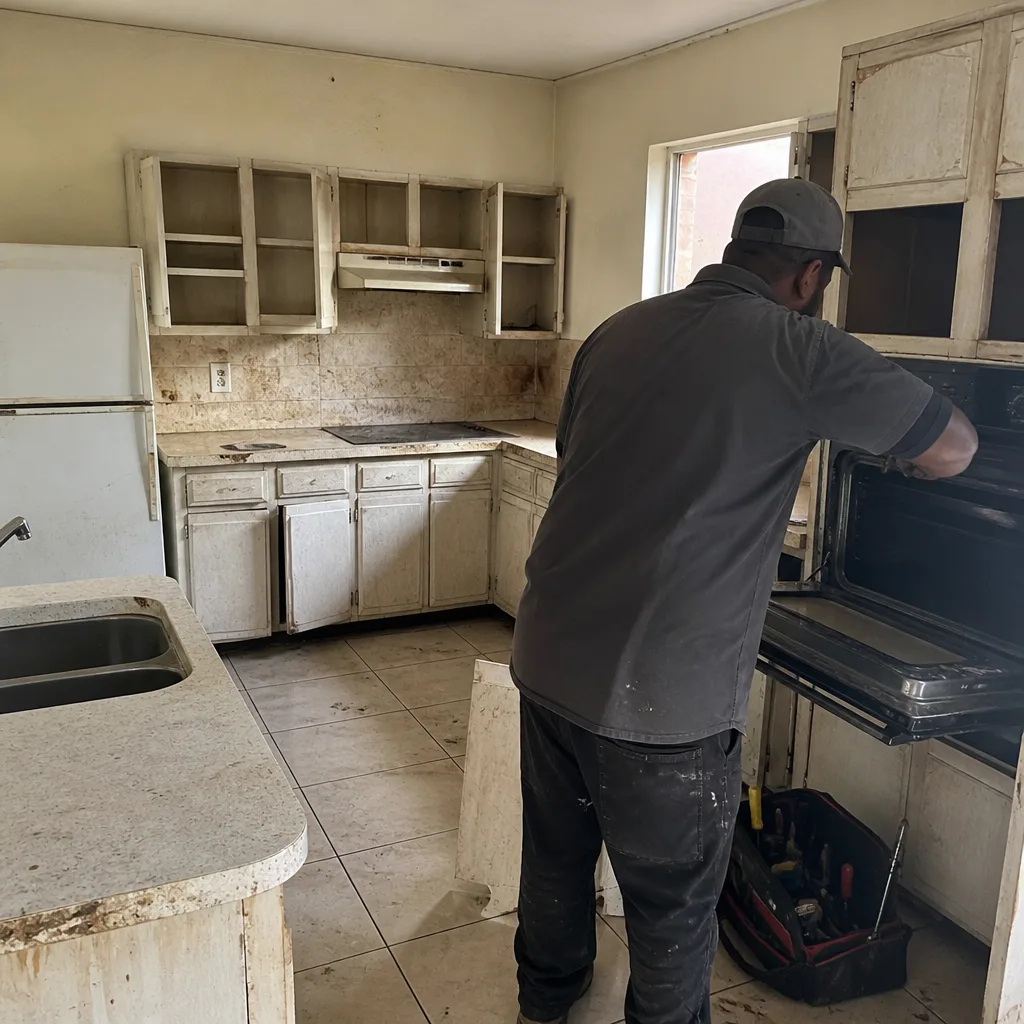 Before
 After
 Before
 After
When to Call a Professional
Some jobs are not homeowner-legal in Florida. Anything that changes a load path – removing a wall, adding a room, converting a garage, building an ADU – requires a licensed GC, a permit, and inspections. Anything involving electrical panel work, gas line work, or main water line work is licensed-trade work, and a homeowner doing it themselves can void insurance coverage and fail inspection. Roof replacement is also a licensed job in Miami-Dade, and HVHZ rules make DIY roofing essentially impossible to permit. Kitchen and bath remodels without moving walls can sometimes be homeowner-managed, but any change to plumbing or electrical in the wall triggers permits. Fences in Homestead near property lines or drainage easements need survey and permit work that is easier to hand off. Rowan Construction Group Homestead offers free estimates in Homestead – call (844) 834-4248.
Frequently Asked Questions
Go to the Florida DBPR website, select “Verify a License,” and enter the license number the contractor gave you. Confirm the name matches, the status is current and active, and the license type covers your scope of work – a Certified General Contractor for additions, a Certified Building Contractor for standard remodels, or a Registered Contractor only for county-limited work. Call (844) 834-4248 if you want a second opinion on what you find.
A Certified General Contractor (CGC) license is required for additions and ADUs, because the license carries unlimited scope. A Certified Building Contractor is limited to structures under four stories, and a Registered Contractor is county-limited and may not be able to take on structural work. Ask for the CGC number and verify it on DBPR before signing. For a project in this category, look at how a Home Additions & ADU in Homestead quote is documented before you commit.
Not if the contract has a signed change-order clause. Any change to scope, materials, or timeline should require a written change order signed by both parties before work proceeds. In our experience, projects finish within a few percent of the agreed price when change discipline is enforced – and blow up when it isn’t. Call (844) 834-4248 to review a written estimate line by line at no charge.
The contractor pulls the permit, in the contractor’s business name, and provides you the permit number. If a contractor asks you to pull the permit as the homeowner, decline. The permit in your name makes you responsible for inspection failures and code issues discovered mid-project. For any Homestead job that needs inspection, this is non-negotiable.
Partial waivers cover the amount paid so far; final waivers cover the whole job. Partial conditional waivers should be collected at every progress payment (conditional means they only take effect if the check clears); final unconditional waivers should be collected only after the last payment has cleared and the punch list is done. Require waivers from every sub and every material supplier, or a supplier can lien your paid job.
A bathroom remodel runs three to six weeks; a kitchen remodel six to twelve; a full addition or ADU six to twelve months including permitting. Miami-Dade permitting timelines are the biggest variable, and a contractor who quotes a timeline without permitting built in has not done the job in this county before. Call (844) 834-4248 for a scope-based estimate with permitting dates on the calendar.
The Bottom Line

Hiring a contractor in Homestead is a document-review exercise, not a personality test. Verify the license type matches the work, collect the additional-insured endorsement, read the contract for scope, milestone payments, and a change-order clause, check the sub licenses on DBPR, and require the right lien waiver at every stage. Contractors who can produce all of it quickly are the ones who will finish your job within a few percent of the written price. Rowan Construction Group Homestead delivers a written price before any work starts, on every trade – from kitchen remodeling to roof replacement – with a documented photo record on every visit. Call (844) 834-4248 to schedule your free estimate, and bring any competitor’s written quote for a free second opinion reviewed line by line. For a broader look at how we structure residential work in this region, start with the Rowan Construction Group Homestead home page.
Written by the team at Rowan Construction Group Homestead.